

June 29, 2025
Malaysia’s vibrant identity is woven from rich cultural threads. While beautifully diverse, the Malay-speaking community undeniably forms the linguistic backbone, particularly across suburban townships and rural regions. Yet, a concerning gap persists: many pharmacy distribution strategies cling to a rigid, one-size-fits-all model. This approach simply misses the mark, leaving significant potential untapped within these crucial consumer bases. For any business serious about optimizing its pharmacy distribution service across Malaysia, grasping the unique cultural and linguistic nuances of Malay-speaking consumers has shifted from a nice-to-have to an absolute necessity. Getting this right is fundamental.
True localization here goes far deeper than just swapping English text for Bahasa Malaysia on a product label. Authentic connection demands a thoughtful customization of your entire approach. It means reshaping how you communicate messages, designing merchandising and services that feel genuinely relevant, and even adapting logistics and delivery models to align seamlessly with local expectations, deeply held values, and everyday purchasing behaviors. Whether you operate as an independent pharmacy distributor, manage a distributor pharmacy network, or form part of a larger national supply chain, tailoring your strategy specifically for these consumers unlocks powerful advantages. It directly fuels wider market reach and drives tangible revenue growth.
Think of it as moving beyond mere translation into meaningful cultural translation. It’s about demonstrating respect and understanding in every interaction and touchpoint along the supply chain. This intentional adaptation signals to Malay-speaking communities that your brand truly sees them, values their specific needs, and is committed to serving them effectively on their own terms. The payoff isn’t just goodwill; it’s stronger customer loyalty, improved penetration into vital markets, and ultimately, a healthier bottom line.
This article dives into practical, actionable ways to refine your pharmacy distribution strategy in Malaysia. We’ll explore how to move past generic approaches and implement the nuanced localization that truly resonates with the Malay-speaking heartland, turning untapped potential into measurable success. Let’s get started.
Understanding Malay-Speaking Consumer Behavior

Cracking the code for healthcare product success among Malaysia’s vast Malay-speaking population requires diving deep into their unique cultural drivers. It’s far more than just translating labels; it’s about resonating with core values that fundamentally shape purchasing decisions. Key influences like profound community trust, strong religious adherence, and a significant focus on affordability aren’t just factors—they’re often the bedrock of consumer choice.
Crucially, language is paramount. Using Bahasa Malaysia in all health communications isn’t merely polite; it builds essential credibility and clarity. This is especially critical when reaching older adults and consumers in rural communities, where complex medical information needs absolute understanding. In these settings, traditional information channels hold immense sway. Word-of-mouth recommendations, whether from close family members, trusted local pharmacists, or respected figures like village elders (tok penghulu), consistently carry far more weight than flashy online advertising campaigns. Authentic, community-endorsed advice wins every time.
Furthermore, a smart strategy acknowledges significant regional nuances across Malaysia:
West Malaysia (Peninsular): While bustling urban centers like Selangor and Johor exhibit greater exposure to English-medium health materials, deeply ingrained traditional values still exert a powerful influence on purchasing behaviour. Even here, cultural sensitivity remains key.
East Malaysia (Sabah & Sarawak): The picture shifts dramatically. Challenges like lower infrastructure development and more complex logistics access make the need for localized product stocking and language-critical materials absolutely non-negotiable. Accessibility and clear communication in Bahasa Malaysia become even more vital lifelines for consumers here.
So, what’s the big implication for pharmacy wholesale distributors?
Simply being present in the Malaysian market is nowhere near sufficient. To truly connect and succeed with Malay-speaking consumers, distributors must go beyond token efforts. It demands a comprehensive localization strategy embedded into the very core of operations. This means distributing products accompanied by information primarily in Bahasa Malaysia, ensuring marketing messages reflect cultural understanding, and tailoring the fulfillment strategy – including logistics and stocking – to meet the specific realities of diverse regions, especially East Malaysia. Authenticity and respect for cultural drivers are the true keys to unlocking this valuable market segment.
Learn More : How consumer-goods companies can win in Southeast Asia
Challenges Faced by Pharmacy Distributors in Reaching Malay Markets

It’s a persistent puzzle for brands across Malaysia: why do national distribution strategies, seemingly robust elsewhere, often falter specifically within Malay-speaking zones? Achieving genuine market penetration here requires moving beyond simple translation and blanket approaches. Several critical, recurring obstacles derail even well-intentioned efforts, leading to frustratingly poor results despite securing shelf space.
Language: More Than Just Words on a Page
Perhaps the most visible hurdle is the reliance on materials solely in English or Chinese. Product labels, instruction leaflets, promotional inserts, and point-of-sale displays in these languages simply don’t connect. For the vast majority of shoppers in these regions, Malay is the primary language of daily life and commerce. Materials not in Malay aren’t just inconvenient; they actively alienate potential customers, signalling the product isn’t truly for them. This fundamental disconnect erodes trust before a purchase is even considered.
Cultural & Contextual Misalignment
Marketing campaigns meticulously crafted for bustling urban centres like Kuala Lumpur frequently miss the mark entirely in kampung settings or FELDA settlements. Consumer priorities, purchasing power, media consumption habits, and the very triggers for buying decisions can differ significantly. Promotions emphasizing premium features or urban lifestyles might hold little appeal or relevance, failing to resonate with local values, needs, or aspirations. A one-size-fits-all national campaign strategy overlooks these crucial nuances, rendering expensive marketing efforts ineffective.
The Logistics Lag: Bridging the Geographic Gap
Even with compelling messaging, getting products reliably onto shelves presents another major challenge. Limited warehouse infrastructure and complex last-mile delivery routes in more rural states – think Kelantan, Terengganu, Pahang, or parts of Kedah and Perlis – create significant bottlenecks. This results in frustratingly delayed delivery timelines, inconsistent stock availability, and higher operational costs. Retailers and, ultimately, consumers face stockouts or long waits, damaging brand reputation and loyalty in these crucial markets.
The Cost of Getting it Wrong
The cumulative effect of these barriers? Products might physically reach the shelves, but sell-through rates plummet. Poor visibility due to language issues, irrelevant promotions failing to drive interest, and unreliable stock levels combine to strangle sales potential. For sectors like pharmaceuticals, where consistent access is vital, these gaps are particularly acute. A reliable pharmacy distributor Malaysia brands partner with must understand that success hinges on far more than just moving boxes; it demands overcoming these specific linguistic, cultural, and logistical hurdles endemic to the Malay-speaking market with smarter logistics and genuinely audience-specific strategies. Ignoring these realities guarantees underperformance.
Role of Independent Pharmacy Distributors in Local Market Penetration
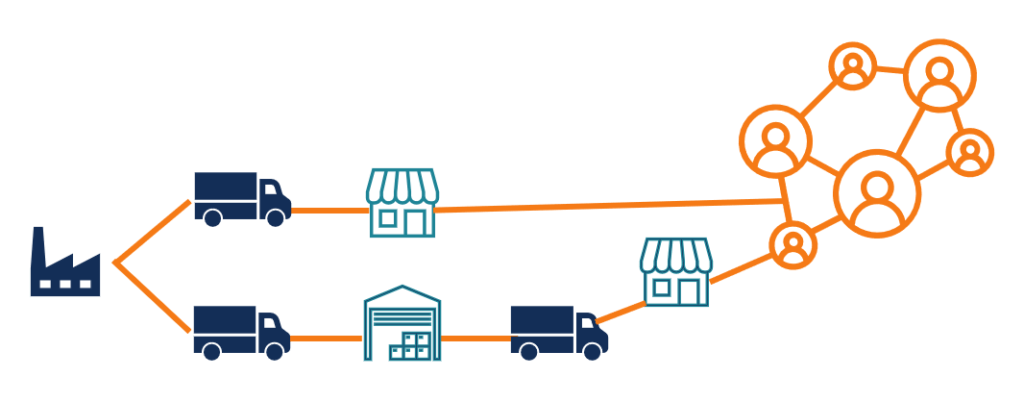
Finding genuine, sustainable access to underserved rural markets remains a significant hurdle in healthcare distribution. Could the answer lie with independent pharmacy distributors? Often overlooked next to national giants, these local players possess a unique blend of agility and community-level understanding that larger chains simply struggle to replicate. Their leaner operational models aren’t a weakness, but a superpower, enabling deeply personalized approaches that resonate where standardized systems fail.
What sets them apart? Firstly, building authentic, personal relationships with rural pharmacists isn’t just a goal; it’s fundamental to how independent distributors operate. They have the bandwidth and local presence to truly understand individual needs and challenges. Secondly, their operational flexibility is unmatched. They can tailor fulfillment schedules meticulously, accommodating unique local rhythms like prayer times, major community festivals, or market days – something rigid national systems can’t easily pivot for. Thirdly, cultural and linguistic relevance is key. Distributors adeptly adapt merchandising displays, educational materials, and even product selections into Bahasa Melayu (BM) or other local dialects, ensuring clear communication and resonance.
Consider this real-world impact: An independent distributor operating across Kedah doesn’t just deliver boxes. They actively collaborate with their network of 20+ local pharmacies and community clinics, co-hosting vital health screening events. Critically, all materials and communication are provided in BM, making healthcare information truly accessible. This isn’t just logistics; it’s building community trust through tangible action. The result? Stronger relationships and demonstrably improved product sell-through rates, because they’re seen as invested partners, not distant suppliers.
Beyond relationships and events, independents excel at precision targeting. They possess the local knowledge to micro-target specific rural towns with carefully curated SKU selections that reflect actual local health needs and preferences. They can implement localized pricing strategies sensitive to the local economy, and deliver targeted educational sessions relevant to prevalent community health concerns. This highly focused, trust-based approach isn’t just nice to have; it’s a powerful engine for scaling access effectively within challenging rural environments. Where large networks often hit walls with complex logistics and cultural misalignment, independent distributors leverage their local roots and relationships to navigate and grow where others falter. Their model proves that deep market access isn’t solely about size, but about smart, community-integrated execution.
Strategic Partnerships with Local Pharmacies and Community Leaders

Cracking the code for distribution growth in Malaysia’s pharmacy sector? Look beyond traditional sales tactics. The real accelerator lies in purposeful collaboration. Why? Because success in Malay-speaking communities fundamentally thrives on trusted local connections and cultural resonance. Simply having products on shelves isn’t enough; you need authentic engagement woven into the community fabric. Building strategic alliances unlocks doors pure logistics cannot.
Forging these vital connections means partnering smartly:
Local Pharmacy Powerhouses: Align with established regional or neighborhood pharmacy chains boasting a strong, loyal Malay-speaking customer base. Their existing foot traffic and reputation provide immediate market access and credibility you might struggle to build solo.
Trusted Malay-Speaking Pharmacists: Empower pharmacists who converse fluently and comfortably in Bahasa Malaysia. They become invaluable educators, translating complex product benefits into relatable, natural conversations that genuinely resonate with customers seeking health solutions. Their word carries significant weight.
Community Anchors & Influencers: Engage respected religious figures and local community leaders. Collaborate on co-branded health awareness campaigns or educational talks hosted at mosques or community centers. This taps into deep wells of trust and cultural relevance. Picture this: Distributor pharmacies partnering with mosque committees to deliver popular wellness workshops during Ramadan, seamlessly integrating demonstrations of Halal-certified products into the programming. It just fits naturally.
Turning collaboration into tangible growth requires implementing proven best practices:
Co-Create Culturally Relevant Content: Don’t just translate. Partner with local experts and Malay-speaking pharmacists to develop original health education materials, blog posts, or social media content in Bahasa Malaysia that addresses specific community needs and interests.
Incentivize Advocacy: Motivate your partner pharmacists. Implement structured referral incentive programs that recognize them for effectively recommending your products based on genuine patient needs, turning them into active brand ambassadors.
Localize the In-Store Experience: Support retail partners visually. Provide customized shelf talkers, eye-catching floor graphics, and point-of-sale materials designed in Bahasa Malaysia and reflecting local cultural cues. This makes your brand feel familiar and accessible right at the crucial decision point.
This isn’t just about short-term sales spikes. By strategically aligning your pharmacy distribution service with the right local partners and deeply embedding your brand within the community context, you build powerful, enduring brand equity. It ensures every single customer interaction – from a pharmacist’s advice to a community workshop – consistently reinforces your presence and value across the diverse Malaysian landscape. Authentic collaboration is the bridge to sustainable, widespread distribution success.
Customizing Marketing Collateral and Educational Materials
So, what exactly makes up a marketing toolkit that genuinely resonates within a specific local market? Moving beyond basic translation, achieving real localization demands cultural fluency. It means your materials don’t just get the words right in Bahasa Malaysia (BM), they also reflect the visual language, values, and everyday experiences familiar to Malay-speaking consumers. Authentic connection requires both linguistic precision and culturally relevant presentation.
Building this toolkit involves several key components working together:
Localized Product Literature: Absolutely essential are product leaflets, spec sheets, and instruction guides meticulously crafted in clear, natural Bahasa Malaysia. Accuracy and clarity are paramount here to avoid any confusion.
Culturally Attuned Point-of-Sale (POS) Assets: Think eye-catching shelf-talkers, standees, or posters. Crucially their imagery, colors, and messaging must align seamlessly with local cultural norms and aesthetics to attract attention positively.
Accessible Video Content: Video explainers and advertisements become far more impactful when they include accurate BM subtitles or, even better, feature native BM narration. This ensures the message lands effectively with the target audience.
Educational Materials in BM: For sectors like healthcare, patient education brochures addressing local health concerns or explaining product usage must be available in easily digestible Bahasa Malaysia. This builds trust and understanding.
Imagine a skincare brand aiming for the Malaysian market. Instead of generic pamphlets, they develop BM materials specifically highlighting common skin issues people face during the hot, busy Hari Raya festive period. This demonstrates deep understanding, making the information immediately relevant and significantly boosting the likelihood of conversion by speaking directly to the consumer’s context and needs.
The power of standardization shouldn’t be overlooked either. Forward-thinking pharmacy wholesale distributors recognize this. They often provide partners with pre-localized, brand-consistent versions of these core toolkit assets – leaflets, POS materials, brochures. This strategy offers a huge advantage: it ensures every retail outlet presents a unified brand message and experience, massively enhancing consumer recognition and trust. Simultaneously, it removes a major operational headache for individual retailers, streamlining setup and drastically reducing friction right at the crucial point of sale. Consistency plus ease equals a smoother path to purchase for their customer base. Their partners can deploy effective, compliant marketing swiftly without reinventing the wheel.
Learn More : The Impact of Lighting, Layout, and Store Design on Pharmacy Merchandising in Malaysia | When Culture Doesn’t Translate
Adapting Distribution Channels and Delivery Models

Ever wonder why some regions struggle with consistent product availability? For pharmacy distributors serving Malay-majority areas in Malaysia, logistical bottlenecks aren’t just frustrating – they directly impact community health access and retail success. The solution demands more than just faster trucks; it requires a fundamental reshaping of supply chains to meet deeply localized expectations. Truly understanding these specific regional needs is the first step towards smoother, more effective distribution.
So, how can logistics models adapt? It starts with flexible fulfillment strategies. Instead of rigid city-centric routes, consider establishing regional drop points in key zones like FELDA settlements or kampung areas. This creates accessible collection hubs, reducing the complexity and cost of reaching every single, isolated outlet directly. It’s about meeting customers where they naturally gather.
Next, warehouse decentralization is crucial. Relying solely on massive central warehouses creates delays, especially for states up north or along the East Coast. Implementing smaller, strategically placed stocking hubs within these regions drastically cuts down on lead times. Products are simply closer to the point of need, enabling quicker replenishment and ensuring pharmacies aren’t left waiting.
Perhaps the most visible improvement comes at the last mile – and it must speak Bahasa Malaysia (BM). Delivery tracking systems, SMS updates, and customer support via popular channels like WhatsApp need seamless integration in BM. When communication is clear and culturally familiar, trust builds and frustration levels drop significantly. It shows respect for the local context.
The payoff for brands investing in this localization is undeniable: a faster path to market and significantly stronger shelf presence. When products flow reliably, retailers gain confidence and consumers find what they need. Imagine a distributor tailoring weekly Kelantan deliveries specifically around local prayer-hour schedules. This kind of thoughtful adaptation allows pharmacies to plan orders predictably, knowing stock arrives consistently without disrupting important community rhythms. It’s not just logistics; it’s logistics working with the local culture, not against it. Ultimately, recognizing and building operations around these regional nuances is what separates successful market penetration from constant logistical headaches.
Learn More : Why Efficient Pharmacy Distribution is Crucial for Malaysia’s Rural Healthcare Development | Last mile delivery landscape in the grocery sector
Regulatory Compliance and Cultural Sensitivities

For pharmacy distributors operating in Malaysia, effective product labeling isn’t just a marketing exercise – it’s a complex dance between stringent legal requirements and deep-rooted cultural sensitivities. Getting it wrong doesn’t just mean a slap on the wrist; it risks significant penalties and, perhaps more damagingly, a complete erosion of hard-earned consumer trust. So, how can you ensure your labels hit the mark on both fronts?
First and foremost, strict adherence to the National Pharmaceutical Regulatory Agency (NPRA) rules is absolutely non-negotiable. A cornerstone of this is language compliance. The NPRA mandates that all essential information, particularly for Over-The-Counter (OTC) medicines and traditional products, be clearly presented in Bahasa Malaysia (BM). Simply adding a translation isn’t enough; clarity and accuracy are paramount for safe usage. Ignoring this isn’t an option.
However, meeting legal standards is only half the battle in this diverse market. Cultural expectations, especially among the majority Malay population, play an equally crucial role. The demand for Halal certification is incredibly strong, particularly for products that are ingested or applied topically. For many consumers, seeing that trusted Halal logo isn’t just a preference; it’s a fundamental requirement tied to religious practice and personal values. Distributors who overlook this aspect face a real uphill battle gaining acceptance.
Beyond certification, cultural safety in presentation is vital. This means carefully considering all visual elements and marketing claims on your packaging. Imagery or messaging perceived as conflicting with local norms of modesty, or that inadvertently clash with religious values, can cause deep offense. It’s about demonstrating respect and understanding for the local context.
Ultimately, failing to adequately address both the NPRA’s regulatory framework and these profound cultural expectations carries serious consequences. Regulatory fines and market access issues are a real threat. More insidiously, though, is the damage to your brand’s reputation and the loss of consumer confidence that can be incredibly difficult to rebuild. For pharmacy distributors in Malaysia, genuine localization – mastering the blend of legal compliance and cultural resonance – isn’t merely a smart strategic move. It’s an absolute regulatory and commercial imperative. Success hinges on getting this delicate balance consistently right.
Learn More : How to Ensure Regulatory Compliance for Pharmacy Distribution in Malaysia | Drug Registration Guidance Document
Measuring Success: KPIs for Localized Distribution

So, you’re investing time and resources into tailoring your approach for specific regions or communities – maybe translating materials, running local promotions, or adjusting product assortments. That’s smart! But here’s the million-dollar question: how can you genuinely tell if these localized strategies are delivering real results? Simply hoping they work isn’t a strategy. You need concrete proof.
Moving beyond gut feeling requires defining and relentlessly tracking specific metrics that reflect what’s happening on the ground. Forget vanity metrics; focus on data showing genuine impact. Here’s what actually matters:
Sell-In vs. Sell-Through: It’s a classic pitfall. Celebrating products arriving at warehouses or store shelves (sell-in) feels good, but it’s meaningless if they just sit there. The crucial metric is sell-through – are those products actually flying off the retail shelves and into customers’ hands? This tells you if localized demand meets your supply.
Geo-Targeted Sales Performance: Don’t look at national averages. Drill down! Leverage retail analytics to track sales performance meticulously by specific geographic areas. How is Kedah performing versus Selangor? Understanding these regional variances is absolutely key to knowing where your localization hits the mark and where it needs tweaking.
Point-of-Sale (POS) System & Staff Insights: Your frontline staff, like pharmacists in this case, are goldmines of qualitative data. Gather their direct feedback through POS systems or conversations. What are customers actually asking about? How is engagement with the localized products or messaging? This on-the-ground intelligence reveals customer sentiment and real-world hurdles you might miss otherwise.
Localized Campaign ROI (Especially Language-Specific): Running campaigns in Bahasa Malaysia (BM)? Fantastic! But you must measure their conversion rates against your standard materials. Is the BM creative actually driving more sales, sign-ups, or inquiries in its target regions than the generic version? Calculating this specific ROI proves the value (or lack thereof) of your language and cultural adaptation.
Leading pharmacy wholesale distributors (and savvy retailers generally) take this further. They integrate sophisticated dashboards that map sales patterns across multiple dimensions: language region preferences, specific SKU performance, and seasonal buying trends. These granular insights aren’t just for reporting; they directly fuel smarter inventory planning and much more accurate demand forecasting for each unique locality. That’s how you turn localization data into a powerful competitive edge. Stop guessing and start measuring what truly counts.
Forget treating localization as a simple checkbox on your market expansion list. For pharmaceutical innovators, skincare leaders, and healthcare distributors targeting Malaysia’s vibrant Malay-speaking regions, embracing true localization is what sets you apart. It’s the crucial differentiator that bridges the gap between merely existing in a market and genuinely thriving within it. Achieving success here hinges on far more than just translating labels; it demands a deep, operational commitment woven into your distribution strategy itself.
Think about it: the Malaysian market, especially within its Malay-speaking heartlands, presents unique opportunities alongside specific challenges. Successfully navigating this landscape requires a powerful blend of elements. Deep cultural understanding ensures your messaging and product positioning resonate authentically, avoiding missteps and building genuine connection. Navigating complex regulatory compliance efficiently is non-negotiable in the sensitive healthcare and pharmaceutical sectors, preventing costly delays. Building strong community partnerships fosters trust and provides invaluable local market intelligence that you just can’t get from afar. Finally, implementing customized logistics solutions – particularly optimizing that critical last-mile delivery – is essential for reaching diverse communities effectively, from bustling cities to more rural areas.
This integrated approach isn’t merely a marketing expense; it’s a fundamental investment directly into your brand’s long-term relevance and the bedrock of consumer trust. When communities see your brand making the effort to understand and serve their specific needs within their cultural context, loyalty follows. It signals respect and commitment, transforming your distribution network from a simple supply chain into a powerful brand ambassador.
📢 Ready to Make Localization Your Strategic Edge in Malaysia?
If you’re aiming to penetrate rural markets more effectively, develop impactful Bahasa Malaysia merchandising and educational tools, or completely overhaul your last-mile delivery model for greater efficiency and reach, PriooCare is your dedicated partner. We specialize in tailored pharmacy and healthcare distribution services across Malaysia, designed with localization principles embedded at their very core. Our solutions aren’t generic; they’re built around the specific nuances of the regions you serve.
How can we assist you today? 😊
Just let us know—we’re here to help!