

August 25, 2025
What separates a successful pharmaceutical product launch from one that struggles to gain traction in Malaysia’s competitive pharmacy landscape? The answer lies in the strategic integration of medical affairs—a function that serves as the essential bridge between clinical research, regulatory compliance, and commercial execution. Unlike traditional sales-driven approaches, medical affairs ensures that every product introduction is scientifically validated, ethically sound, and tailored to meet the real-world needs of patients and healthcare providers.
For pharmacy distributor Malaysia networks and independent pharmacy distributors, this alignment isn’t just beneficial—it’s non-negotiable. Malaysia’s pharmaceutical market operates under strict regulatory oversight, where delays in approvals or misaligned messaging can derail even the most promising therapies. A trusted medical affairs team doesn’t just interpret data—it translates complex clinical evidence into actionable insights for pharmacists, ensuring confident adoption at the point of care.
Consider this: A global diabetes medication may have robust trial data, but without localized real-world evidence demonstrating its efficacy in Malaysia’s diverse patient population, pharmacists remain hesitant to recommend it. This is where medical affairs steps in—crafting culturally relevant narratives, facilitating regulatory readiness, and training distributor teams to communicate value effectively.
Aligning Medical Affairs with Pharmacy Distribution Services in Malaysia
Have you ever wondered why some product launches gain immediate traction while others stagnate in warehouses? The difference often comes down to how well medical affairs collaborates with pharmacy wholesale distributors. In Malaysia, where pharmaceutical logistics involve navigating NPRA approvals, regional prescribing habits, and supply chain complexities, alignment between these functions is strategic and efficient.
Take, for example, a trusted independent pharmacy distributor preparing to introduce a new cardiovascular drug. Without precise clinical support, pharmacists may lack the confidence to prescribe it, leading to slow uptake. Conversely, when medical affairs provides tailored training modules, localized case studies, and real-time medical information support, distributors can accelerate market penetration.
Key Implications of Effective Alignment
Regulatory Readiness – Medical affairs ensures dossier accuracy and submission timelines align with distributor planning cycles, preventing costly delays.
Market Strategy Integration – Launch messaging must reflect Malaysia’s healthcare priorities, such as affordability or chronic disease management, to resonate with pharmacists.
Training Synchronization – Distributor sales teams need up-to-date scientific narratives to address pharmacist queries confidently.
A proven approach involves quarterly joint workshops between medical affairs and pharmacy distributor Malaysia partners, ensuring continuous alignment on product updates, regulatory changes, and patient education materials.
Learn More : Top 10 Pharmaceutical Companies in Malaysia 2024 | Best Practices for Successful Product Launches
Building Effective Scientific Narratives for Distributor Pharmacy Engagement
What does it take to craft a scientific narrative that resonates deeply with Malaysian pharmacists? It’s not just about presenting data—it’s about contextualizing evidence in a way that feels relevant, practical, and trustworthy.
For pharmacy wholesale distributors, these narratives form the backbone of product advocacy. A dry recitation of clinical trial results won’t inspire confidence—but a well-structured story highlighting local patient outcomes, cost-effectiveness, and ease of integration into existing treatment protocols will.
Proven Methods for Narrative Development
Local Data Adaptation – Integrate Malaysian demographic insights (e.g., prevalence of hypertension in urban vs. rural areas) to demonstrate relevance.
Culturally Aligned Case Studies – Showcase real patient stories from Kuala Lumpur hospitals or Penang clinics to illustrate real-world efficacy.
Clear Benefits Messaging – Avoid jargon. Instead, emphasize how the product improves adherence or reduces side effects compared to alternatives.
For instance, when launching a new dermatology cream, global trial data might show a 70% success rate—but Malaysian pharmacists care more about how it performs in tropical climates or for patients with specific skin types common in Southeast Asia. A strategic medical affairs team bridges this gap by curating localized evidence that speaks directly to prescribers’ concerns.
Learn More : The Role of End-Cap Displays in Increasing Pharmacy Sales in Malaysia
Designing Strategic Medical Education and Training Programs

How do you transform routine pharmacist training into a growth-driving asset? The key lies in moving beyond compliance to deliver essential, engaging education that empowers pharmacists to become product champions.
In Malaysia, where independent pharmacy distributors often juggle multiple product lines, training must be efficient, accessible, and immediately applicable. Traditional hour-long seminars often fail to engage—but microlearning modules, interactive workshops, and CPD-accredited sessions can make a measurable difference.
Effective Training Frameworks
✅ In-Pharmacy Training Sessions – Short, focused modules (15–20 mins) on real-world use cases, such as managing diabetes patients during Ramadan.
✅ Digital Microlearning – Bite-sized videos or quizzes for distributor pharmacy sales teams to complete on-the-go.
✅ Accredited CPD Workshops – Partner with medical societies to offer continuing education credits, boosting participation and credibility.
A leading pharmacy distributor Malaysia company saw a 30% increase in product adoption after implementing quarterly CPD workshops co-developed with medical affairs. By aligning training with regulatory standards and pharmacist pain points, they turned education into a competitive advantage.
Learn More : Pharmacy Merchandising: Best Practices for Product Pricing and Promotion in Malaysia
Ensuring Regulatory Compliance and Ethical Standards in Launch Activities

What regulatory pitfalls could derail your product launch in Malaysia? From NPRA submission delays to promotional guideline violations, non-compliance risks are too significant to ignore. This is where medical affairs proves its reliable role—ensuring every launch activity adheres to legal and ethical standards while supporting commercial goals.
Consider a common scenario: A pharmacy wholesale distributor receives stock before final regulatory approval, leading to potential penalties if products are prematurely promoted. Medical affairs mitigates this by:
Precision in Dossier Submissions – Avoiding errors that trigger NPRA review delays.
Ethical Promotion Oversight – Ensuring all marketing materials comply with Ministry of Health guidelines.
Efficient Medical Information Channels – Providing rapid, accurate responses to HCP queries to prevent misinformation.
For example, when a new oncology drug faced unexpected labeling requirements, a strategic medical affairs team worked with regulators and distributors to adjust timelines without disrupting supply chains. This proactive coordination prevented revenue loss and maintained trust across the ecosystem.
By embedding compliance into every phase—from pre-launch planning to post-market surveillance—medical affairs ensures that pharmacy distributor Malaysia partners operate within safe, sustainable boundaries.
Optimizing Launch Performance Through Data-Driven Adjustments
Why do some launches exceed expectations while others underperform? The difference often lies in real-time performance monitoring and aggressive adaptation. Medical affairs doesn’t end at launch—it continuously refines strategies based on pharmacist feedback, patient adherence data, and market response.
In Malaysia, where regional prescribing behaviors vary widely (e.g., urban centers vs. East Malaysia), a one-size-fits-all approach fails. Instead, medical affairs teams must:
Track Pharmacist Engagement – Are training attendance rates dropping? Revamp content delivery.
Monitor Patient Access Barriers – If affordability is an issue, collaborate with distributors on patient assistance programs.
Adjust Scientific Messaging – If pharmacists misunderstand a drug’s mechanism, simplify explanations using visual aids or local analogies.
A proven case involved a new respiratory medication that initially struggled in Kedah and Perak due to seasonal prescribing patterns. By analyzing prescription data, medical affairs identified the disconnect and localized campaign messaging around monsoon-related respiratory issues—resulting in a 22% uptake increase within three months.
Strengthening Long-Term Partnerships with Distributor Pharmacy Networks
How do you turn a one-time product launch into an enduring partnership with pharmacy wholesale distributors? The secret lies in viewing medical affairs as an ongoing collaboration—not a pre-launch checkbox.
Successful teams embed themselves within distributor operations, offering:
Quarterly Business Reviews – Aligning on performance metrics and market shifts.
Joint Value Propositions – Co-developing patient education materials or adherence programs that benefit both parties.
Rapid Response Mechanisms – Establishing dedicated medical hotlines for distributor teams facing complex HCP queries.
For example, a trusted independent pharmacy distributor in Johor Bahru credits its 15-year partnership with a global pharma company to monthly medical affairs check-ins, ensuring regulatory updates, fresh training content, and timely issue resolution.
This strategic, long-term mindset transforms medical affairs from a support function into a growth accelerator—for both manufacturers and their distributor pharmacy Malaysia allies.
Final Thoughts
The intersection of science, regulation, and commerce is where medical affairs shines. In Malaysia’s fast-evolving pharmacy landscape, a proactive, tailored approach isn’t just advantageous—it’s essential for sustainable success. Whether optimizing training programs, navigating NPRA complexities, or refining launch messaging, medical affairs ensures that every product introduction is built on reliable foundations.
For pharmacy distributor Malaysia partners, this means faster adoption, higher prescriber confidence, and stronger patient outcomes. And for manufacturers, it translates into long-term market credibility and revenue growth. The question isn’t whether to invest in medical affairs—it’s how to leverage it most effectively for your next launch.
Learn More : Ethical Pharmaceutical Marketing Practices
Strengthening Distributor Pharmacy Partnerships through Medical Affairs
Building long-term, high-value relationships with independent pharmacy distributors in Malaysia isn’t just about contracts and supply agreements—it’s about sustained scientific engagement that keeps pharmacists informed, confident, and motivated to recommend your products. Unlike transactional partnerships, strategic alliances thrive when medical affairs teams actively collaborate with distributors to co-create educational initiatives, refine messaging, and address real-world prescribing challenges.
Consider this scenario: A leading pharmacy wholesale distributor in Penang struggles with low adoption rates for a newly launched type 2 diabetes medication. Despite robust clinical trial data, pharmacists hesitate to prescribe it due to unfamiliarity with dosing protocols in Malaysian patient populations. Here’s where medical affairs steps in—organizing joint advisory boards with distributor pharmacists to identify knowledge gaps, then developing tailored training modules that address these concerns directly.
Proven Strategies for Strengthening Distributor Ties
✅ Joint Advisory Boards – Quarterly meetings where medical affairs experts and frontline pharmacists collaborate to prioritize training topics (e.g., managing diabetes during Ramadan).
✅ Dynamic Scientific Updates – Instead of static PDFs, interactive webinars or WhatsApp-based Q&A sessions ensure continuous engagement.
✅ Post-Launch Training Refreshers – A 6-month follow-up workshop to reinforce key messaging and address new pharmacist questions.
A real-world example: After a trusted medical affairs team implemented bimonthly advisory sessions with distributor pharmacy partners in Kuala Lumpur, product recommendation rates increased by 18% within a year. This wasn’t just about sharing data—it was about listening to pharmacists’ concerns and adapting support in real time.
Learn More : The Evolving Role of Medical Affairs
Leveraging Real-World Evidence to Support Product Adoption
Why do Malaysian pharmacists often trust real-world patient outcomes more than controlled clinical trial data? Because localized evidence speaks directly to the challenges they face daily—whether it’s medication adherence in rural clinics or comorbidities prevalent in urban populations. For pharmacy distributor Malaysia networks, integrating real-world data (RWD) into training materials isn’t optional—it’s essential for credibility.
Take the case of a new hypertension drug launched in Johor. While global trials showed 75% efficacy, Malaysian prescribers wanted proof of durability in humid climates and compatibility with local diets (e.g., high-sodium foods). The strategic solution? A 6-month RWD study across 10 Malaysian clinics, tracking:
Blood pressure control rates in real-world settings
Patient adherence patterns compared to older therapies
Pharmacist feedback on ease of use
The results? 82% of participating clinics reported better patient compliance, and distributor teams used these insights to train 300+ pharmacists—boosting launch uptake by 27%.
How to Maximize RWD Impact
Partner with Local Clinics – Collaborate with Malaysian healthcare providers to gather region-specific outcomes.
Simplify Data for Pharmacists – Convert complex stats into visual infographics or patient success stories.
Align with Distributor Timelines – Share RWD before peak training periods (e.g., pre-Ramadan for chronic meds).
For pharmacy wholesale distributors, RWD isn’t just a “nice-to-have”—it’s a trusted tool that bridges the gap between theory and practice.
Learn More : Real-World Evidence: Opportunities for Pharma
Measuring the Impact of Medical Affairs Initiatives Post-Launch
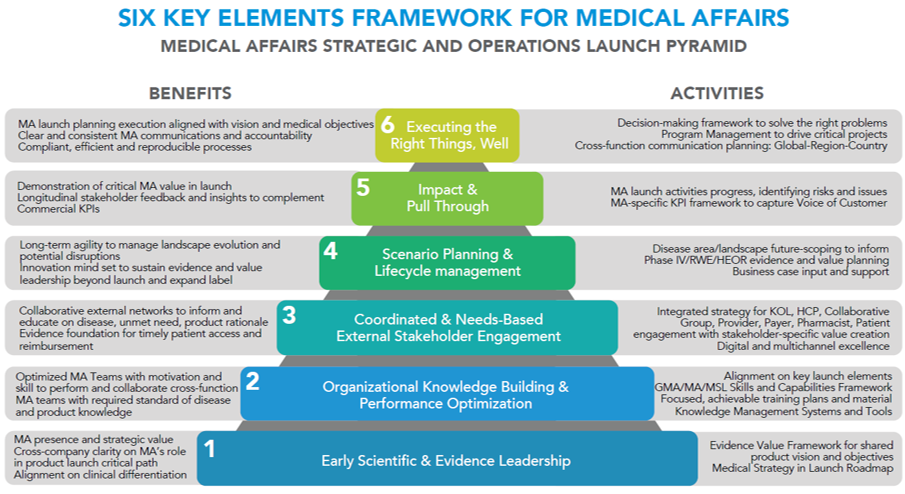
How do you know if your medical affairs strategies are actually working? The answer lies in data-driven KPIs—not gut feelings. In Malaysia, where independent pharmacy distributors juggle dozens of brands, only quantifiable results justify ongoing investment in training and support.
Key Metrics to Track
📊 Training Reach – Did 80%+ of target pharmacists attend your workshops?
📊 Knowledge Retention – Post-training quizzes showing ≥90% correct responses?
📊 Behavioral Change – Are pharmacists recommending your product 2x more often after education?
A Klang Valley-based distributor saw a 33% lift in prescriptions after implementing monthly knowledge checks via SMS—a low-cost, efficient way to reinforce learning. Meanwhile, pharmacy distributor Malaysia leaders use mystery shopper audits to assess if counter staff are communicating key messages accurately.
Pro Tip: Avoid vanity metrics (e.g., “500 training certificates issued”). Focus on actionable insights, like:
Which geographies need follow-up sessions?
Are certain pharmacist segments (e.g., geriatric specialists) struggling with specific topics?
An expert evaluation framework turns raw data into strategic refinements—ensuring every ringgit spent on medical affairs delivers measurable ROI.
Challenges and Solutions in Medical Affairs-Distribution Integration

Even the most meticulously planned launches hit snags when medical affairs and distribution teams operate in silos. In Malaysia, common pain points include:
❌ Regulatory-Distribution Misalignment – Stock arrives before NPRA approval, forcing costly storage.
❌ Overly Globalized Materials – Training decks filled with European patient demographics, irrelevant to local pharmacists.
❌ Communication Gaps – Medical affairs updates buried in 50-page email threads.
Strategic Fixes
✅ Cross-Functional Launch Task Forces – Monthly syncs between medical, regulatory, and distributor leads to align timelines.
✅ Localized Content “Sprints” – A 2-week process to adapt global slides into Malay-language case studies.
✅ Dedicated Liaison Roles – A single point of contact at the distributor to streamline medical inquiries.
Example: A top 10 pharma company reduced launch delays by 40% after assigning a medical affairs liaison to their Selangor distributor—cutting response times for pharmacist queries from 5 days to 4 hours.
In Malaysia’s fast-evolving pharmaceutical market, brands that treat medical affairs as a check-the-box function risk stalled launches and frustrated distributors. The proven alternative? Embedding medical strategy into every phase—from pre-launch regulatory prep to post-market RWD collection—ensuring seamless adoption at the pharmacy counter.
For pharmacy distributor Malaysia partners, this means faster inventory turnover and stronger pharmacist relationships. For manufacturers, it translates to sustainable market share and enhanced brand trust. The question isn’t whether to invest in medical affairs—it’s how to integrate it deeper into your distribution ecosystem.
How can we assist you today? 😊
Just let us know—we’re here to help!