

October 9, 2025
For pharmacy wholesale distributors and independent operators in Malaysia, importing medicines isn’t as simple as placing an order and waiting for delivery. The country’s regulatory framework demands meticulous compliance, with import permits acting as the gatekeeper to a seamless supply chain. Without proper authorization, shipments face delays, confiscation, or even legal repercussions—risks that can disrupt operations and erode trust in your healthcare logistics.
Consider this real-world scenario: A mid-sized pharmacy distributor Malaysia attempted to import a batch of registered antibiotics without verifying their NPRA registration status. The shipment was held at KLIA customs for weeks, accruing storage fees and causing stockouts at partner clinics. This costly oversight underscores why mastering permit acquisition isn’t optional—it’s essential for business continuity.
Learn More : Understanding Malaysia’s Drug Control Regulations
The Regulatory Backbone: NPRA, MoH, and QUEST3+

Malaysia’s pharmaceutical import framework is uniquely rigorous, with the Ministry of Health (MoH) and National Pharmaceutical Regulatory Agency (NPRA) enforcing strict quality controls. Their collaborative oversight ensures that every medicine entering the market meets safety, efficacy, and quality benchmarks—a non-negotiable standard in a trusted healthcare system.
At the heart of this process lies QUEST3+, NPRA’s digital licensing platform. This system streamlines applications for:
Medicine registration
Clinical trial approvals
Cosmetic product notifications
Import/export permits
For pharmacy distributors, the platform is both a lifeline and a hurdle. A Johor-based importer of diabetic medications shared how unregistered QUEST3+ accounts led to month-long processing delays. “We lost a key hospital contract because we couldn’t expedite the permit,” their logistics manager admitted. Such pitfalls highlight the need for a strategic approach to regulatory navigation.
Classifying Import Permits: Matching Products to the Right Authorization

Not all medicines fall under the same permit category—a nuance that trips up even expert operators. Malaysia’s system is tailored to product risk and usage, with three primary classifications:
Registered Medicines
For NPRA-approved products (e.g., common antihypertensives).
Preferred by large-scale pharmacy wholesale distributors for high-volume imports.
Example: A Penang-based distributor importing 10,000 units of registered paracetamol.
Unregistered Products
Covers clinical trial drugs or medicines for named-patient use.
Requires detailed justifications, like a doctor’s endorsement or trial protocol.
Local case: A KL cancer center importing experimental immunotherapy under special access.
Controlled Substances
Includes narcotics (e.g., morphine) or psychotropics.
Stricter audits and additional licenses from the Dangerous Drugs Board.
Operational tip: Sarawak’s largest hospital maintains a separate storage vault for such imports.
Checklist: Identifying Your Permit Type
✅ Verify NPRA registration status via the agency’s Product Status Search.
✅ Consult a reliable compliance officer if importing unregistered items.
✅ Cross-check controlled substance lists under the Poisons Act 1952.
Misclassification is a common pitfall. One Shah Alam importer mistakenly applied for a registered permit for a medical device—resulting in a *30-day* reapplication process.
Navigating QUEST3+: A Step-by-Step Walkthrough

The permit application process is where efficient preparation meets bureaucratic precision. Here’s how pharmacy distributors can minimize errors:
Account Setup
Register under the correct entity type (e.g., importer, wholesaler).
Upload business licenses and appoint a Pharmacist Responsible Person (PRP).
Application Drafting
Input exact product details (batch numbers, origin country).
Pro tip: Use the system’s draft-saving feature to avoid timeouts.
Document Uploads
Include a Free Sale Certificate (FSC) and Certificate of Analysis (CoA).
Common oversight: Submitting a GMP certificate with an expired factory audit.
Fee Payment and Submission
FPX payments are instant; bank drafts add 2–3 processing days.
Comparison: Timeline Variations by Permit Type
| Permit Type | Standard Processing | Expedited Option? |
|---|---|---|
| Registered | 10–14 days | No |
| Unregistered | 21–30 days | Case-by-case |
| Controlled | 28+ days | No |
A Melaka-based independent pharmacy distributor reduced approval times by 40% through pre-submission document audits—a proven tactic for avoiding requeues.
Documentation Deep Dive: What You Can’t Afford to Miss

Permit rejections often trace back to paperwork gaps. Beyond basics like invoices, these strategic documents are critical:
Product Registration Certificate: Must match the NPRA’s database exactly (even minor name deviations trigger flags).
Letter of Authorization: Vital for brands using third-party importers. A Selangor skincare company faced rejections for unsigned LoAs.
Justification Letters for Unregistered Imports: Must cite patient need or trial approval—generic requests fail.
Framework: Pre-Submission Quality Check
Cross-verify all document expiry dates.
Ensure consistency in product nomenclature (e.g., “Amoxicillin 500mg” vs. “Amox 500”).
Confirm consignee details align with your QUEST3+ profile.
A Kuching pharmacy distributor automated this process using a cloud-based checklist, cutting errors by 65%.
Local Challenges and Workarounds
Malaysia’s regulatory environment isn’t static. In 2023, NPRA introduced real-time tracking for controlled substances—a win for transparency but a hurdle for smaller players lacking digital infrastructure.
Operational Scenario #1: East Malaysia Logistics
Distributors in Sabah face longer clearance times due to centralized NPRA reviews in Peninsular Malaysia. One Kota Kinabalu importer now submits applications four weeks before shipment to offset delays.
Operational Scenario #2: SME Constraints
A Ipoh-based independent pharmacy distributor struggled with QUEST3+’s technical interface. Their solution? Partnering with a trusted regulatory consultant for batch submissions.
Power Stat: 68% of permit rejections stem from incorrect documentation (NPRA Annual Report 2022).
Import Permit Approval Timelines and Processing Considerations in Malaysia’s Pharmaceutical Sector
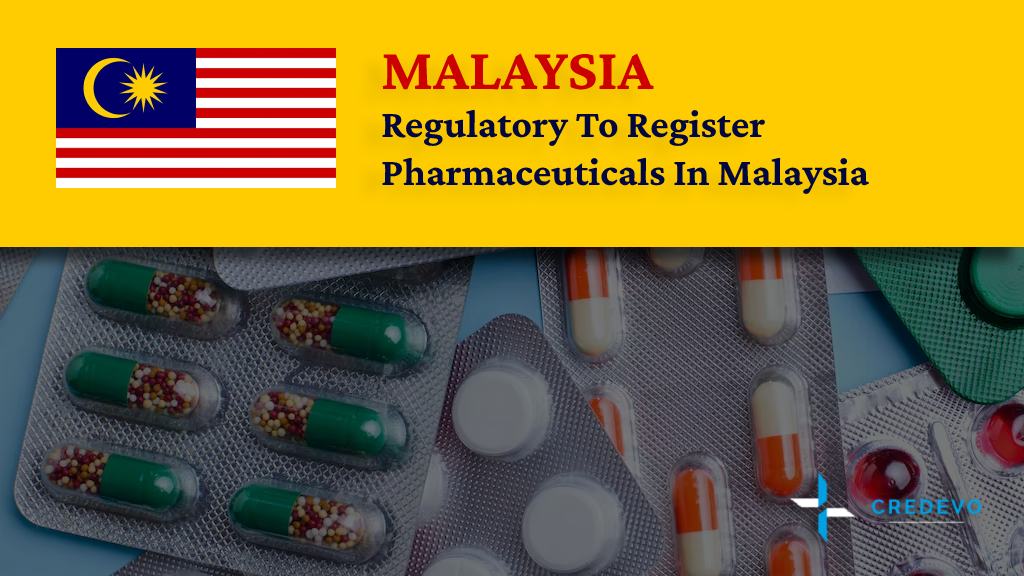
When it comes to importing medicines into Malaysia, one of the most pressing questions for pharmacy wholesale distributors is: How long will it take to get my permit approved? The truth is, timelines vary—sometimes dramatically—depending on the product category, completeness of documentation, and even external factors like public holidays.
Take the case of a trusted Kuala Lumpur-based pharma distributor that imported a batch of registered cardiovascular drugs last year. Despite submitting all documents correctly, approval took eight working days instead of the usual three to five—all because of an unexpected NPRA system update. Such delays aren’t just frustrating; they disrupt healthcare logistics, leading to stock shortages and strained relationships with hospitals.
Breaking Down Approval Timelines
Here’s what you can typically expect:
Registered Products: 3–5 working days (if documents are flawless).
Unregistered Medicines: 7–14 working days (longer if NPRA requests clarifications).
Controlled Substances: 30+ days, with additional screenings by the Dangerous Drugs Board.
Key Factors That Slow Down Approvals
✅ Incomplete paperwork – Missing a single signature on a Letter of Authorization can set you back days.
✅ Manual reviews – Unregistered or high-risk products often require human verification.
✅ Seasonal bottlenecks – Pre-festival periods (like Ramadan) see slower processing due to high volumes.
A strategic approach? One Johor Bahru importer now builds a *10-day buffer* into all shipment schedules—a proven tactic to avoid last-minute panic.
Customs Clearance: Navigating Jabatan Kastam Malaysia (JKDM)

Securing an import permit is only half the battle. The real test comes when your shipment reaches Malaysian ports. Customs clearance can be smooth—or a logistical nightmare—depending on how well you’ve prepared.
How Permit and Customs Procedures Intertwine
Your Bill of Lading must match the permit details in the uCustoms system.
Physical inspections are common for controlled substances (e.g., opioids) or high-value biologics.
Misdeclared HS codes lead to fines—or worse, seizure of goods.
Real-World Challenge: HS Code Errors
A Penang-based independent pharmacy distributor once misclassified a shipment of diabetic test strips under a general medical device code. The result? A two-week delay and a 15% fine on the shipment’s value.
Checklist for Hassle-Free Customs Clearance
✔ Pre-submit product declarations via a reliable customs broker.
✔ Ensure consistency between NPRA permits and commercial invoices.
✔ Maintain a history of compliant imports—JKDM officers prioritize trusted importers for fast-track clearance.
Compliance and Enforcement: The Cost of Cutting Corners

What happens if you bypass permit rules or submit inaccurate paperwork? The penalties aren’t just financial—they can jeopardize your entire business.
Potential Consequences
Product seizure – NPRA and Customs routinely intercept non-compliant shipments.
License suspension – Repeat offenders risk losing their importer status.
Legal action – Violations of the Poisons Act 1952 can lead to criminal charges.
Local Example: A Cautionary Tale
In 2023, a Selangor-based skincare brand tried importing a “cosmetic” product containing an unregistered active ingredient. NPRA flagged it as a medicinal product, leading to a six-month import ban—a devastating blow for their expansion plans.
Framework: Mitigating Compliance Risks
Train staff quarterly on NPRA’s latest guidelines.
Conduct internal audits before submission.
Partner with regulatory consultants for high-risk categories (e.g., psychotropics).
Learn More : KKM Approval Malaysia: Legal Requirements for Sellers | How to Effectively Distribute Products in Malay-speaking Regions | ASEAN Guidelines for Pharmaceutical Good Distribution Practices
Best Practices for Independent Distributors: Staying Competitive and Compliant

Smaller pharmacy distributors often lack the resources of multinationals—but with the right strategies, they can compete effectively while staying compliant.
5 Tactics to Optimize Import Workflows
Standardize SOPs – Document every step, from QUEST3+ submissions to customs paperwork.
Leverage checklists – A simple pre-submission template can cut errors by 50%.
Schedule system audits – Review QUEST3+ account settings biannually.
Outsource complex cases – Unregistered imports often need expert regulatory support.
Monitor lead times – Adjust ordering cycles based on permit trends.
Operational Scenario: A Success Story
A Kuching-based independent pharmacy distributor reduced permit delays by 30% after hiring a dedicated compliance officer. Their secret? Pre-emptive document checks—a small investment for efficient long-term operations.
Learn More : What is the Role of Merchandising? | Best Practices in Pharmaceutical Supply Chain Management | Customs Procedures for Importing Goods into Malaysia
Importing medicines isn’t just about moving products—it’s about ensuring reliable access to essential treatments while adhering to national safety standards. Whether you’re a pharmacy wholesale distributor or a niche importer, mastering permit processes and customs protocols isn’t optional; it’s the foundation of sustainable growth.
By adopting tailored compliance strategies and fostering strong relationships with regulators, distributors can transform bureaucratic hurdles into competitive advantages. After all, in Malaysia’s tightly regulated pharmaceutical landscape, the most effective businesses aren’t just those with the best products—they’re the ones with the smoothest supply chains.
Frequently Asked Questions (FAQ)
Q1: How to apply for a Malaysia import permit?
Answer:
To apply for a Malaysia import permit, you must first determine which authority regulates your product (e.g., NPRA for health products, MAQIS for food, MITI for industrial goods). Register on the respective online system (such as NPRA’s QUEST system or MAQIS ePermit), submit the required documents, pay the processing fee, and wait for approval before bringing goods into Malaysia.
Q2: How to apply for KKM approval?
Answer:
KKM approval is obtained through NPRA under the Ministry of Health. You must create an account on the Quest 3+ system, submit a product dossier containing formulation, manufacturing process, safety data, and labels, and pay the application fee. NPRA will evaluate the product for safety, quality, and efficacy before granting registration.
Q3: How to get an import permit?
Answer:
You can get an import permit by applying through the correct government portal depending on your product category. Submit supporting documents such as invoices, packing lists, product certificates, and regulatory approvals. Once reviewed and approved, the system will issue your import permit, which must be presented during customs clearance.
Q4: What are the two types of import permits?
Answer:
The two main types of import permits in Malaysia are:
AP (Approved Permit): Required mainly for controlled goods such as vehicles, heavy machinery, and certain regulated items.
ePermit: A digital permit issued through agencies such as MAQIS, MITI, and NPRA for products requiring pre-import approval (e.g., supplements, cosmetics, food products).
Q5: Where can I get an import permit?
Answer:
Import permits can be obtained online through government-approved systems: NPRA Quest 3+ for health products, MAQIS ePermit for agricultural goods, MITI ePermit for controlled industrial items, and Customs’ system during clearance. You must apply via the correct portal based on your product type.
Q6: How to get an import certificate?
Answer:
An import certificate is usually issued by the relevant regulatory agency after you submit supporting documents such as a Certificate of Analysis (COA), product details, and safety documents. Depending on the product, apply via Quest 3+, MAQIS, or MITI. Once approved, the certificate can be downloaded and used for customs and regulatory compliance.
Q7: Where can I get an import licence?
Answer:
You can obtain an import licence from the government ministry or agency responsible for the product category. Examples include MITI for controlled goods, KPDN for regulated products, NPRA for pharmaceuticals and supplements, and MAQIS for agricultural items. Applications are done online.
Q8: How to make an import license?
Answer:
To make an import license, register on the relevant agency’s online system, upload the required documents (company registration, product details, compliance certificates), pay the licensing fee, and submit your application. Approval will be granted once all regulatory requirements are met.
Q9: How to get an export permit?
Answer:
Export permits are obtained from Malaysian authorities like MITI, MAQIS, or NPRA depending on the product. Register your company, submit export documentation (product details, buyer info, compliance certificates), and apply through the agency’s online portal. Once approved, the export permit will be issued for customs processing.
Q10: What is the procedure to import in Malaysia?
Answer:
The procedure includes:
Confirming product classification and regulatory requirements.
Securing necessary approvals (KKM, NPRA, MAQIS, MITI, etc.).
Applying for an import permit through the correct system.
Preparing documents like invoices, COA, and packing lists.
Clearing customs using the permit and paying any duties or taxes.
Completing post-import inspections if required.
How can we assist you today? 😊
Just let us know—we’re here to help!