

August 31, 2025
In Malaysia’s fast-evolving healthcare retail sector, merchandising services aren’t just about arranging products on shelves—they’re a strategic tool that bridges business objectives with patient needs. Whether you’re overseeing a sprawling pharmacy chain or a cozy independent outlet in a tight-knit community, the way products are displayed, promoted, and restocked can make or break customer loyalty. The difference lies in execution: while chains rely on uniformity and scale, independents thrive on flexibility and personalization.
Take, for example, the bustling streets of Kuala Lumpur, where pharmacy distributor Malaysia partners ensure that high-traffic stores like Watsons or Guardian never run out of best-selling vitamins or skincare essentials. Contrast this with a family-run pharmacy in Johor Bahru, where the owner handpicks supplements based on regular customer feedback. Both models succeed—but their merchandising playbooks couldn’t be more different.

The pharmaceutical supply chain in Malaysia is a finely tuned ecosystem where distributor pharmacy players act as the invisible force keeping shelves stocked and compliance standards airtight. From the urban hubs of Penang to the rural clinics of Sabah, these trusted partners manage everything from cold chain logistics for temperature-sensitive drugs to last-mile delivery for over-the-counter wellness products.
Independent pharmacy distributors: Often smaller, agile operators serving neighborhood outlets with tailored solutions—think customized credit terms or niche product selections (e.g., traditional herbal supplements popular in Kelantan).
Large-scale pharmacy wholesale distributors: Equipped with strategic warehousing networks, they service national chains with military precision, ensuring that a promotion running in a Kuala Lumpur branch is mirrored flawlessly in Malacca.
✅ Digital procurement – Platforms like MyPharmaCo streamline ordering, cutting down delivery times by 30% compared to manual processes.
✅ Regulatory tightening – With NPRA cracking down on labeling, distributors now double as compliance safeguards for retailers.
✅ Wellness boom – The demand for immunity boosters and organic skincare has forced merchandising overhauls, with dedicated “health zones” in stores.
✅ Supply chain transparency – Real-time tracking tools help pharmacies avoid stockouts during peak seasons (e.g., flu outbreaks or festive sales).
For pharmacy owners, aligning with a reliable distributor pharmacy isn’t optional—it’s the backbone of operational efficiency and customer trust.
Learn More : What is the Role of Merchandising? | Building Resilient Pharmaceutical Supply Chains

Walk into any Guardian Malaysia outlet, and you’ll notice something subtle but effective: the layout feels familiar, no matter the location. That’s the power of data-driven merchandising at scale.
Planograms – Scientifically designed shelf layouts that boost sales by up to 20% (retail studies, 2023). For instance, placing high-margin items like premium serums at eye level, while budget-friendly essentials dominate lower shelves.
Category prioritization – Chains use AI-driven sales analytics to allocate space. Skincare might get 40% of display real estate in urban stores, while rural branches emphasize maternal health products.
Promotional synergy – Nationwide campaigns like Caring Pharmacy’s “Wellness Wednesdays” leverage end-cap displays, digital coupons, and staff training to drive urgency.
Brand consistency – A shopper in Ipoh gets the same trusted experience as one in Cyberjaya.
Negotiation leverage – Bulk orders allow chains to secure supplier-funded promotions (e.g., buy-one-free-one deals).
Visual psychology – Color-coded signage and “bestseller” tags tap into impulse-buy behaviors.
Behind the scenes, pharmacy wholesale distributors play a proven role—ensuring promotional materials and stock arrive synchronously. A delayed shipment could derail a month-long campaign.
Learn More : Retail Merchandising Strategies to Drive Sales | Community Pharmacies’ Role in Primary Healthcare

For independents, merchandising isn’t about corporate mandates—it’s about community intuition. A pharmacist in Kuching might rearrange shelves weekly to highlight monsoon-season essentials like antihistamines, while a Kota Kinabalu store could create a “back-to-school” display with multivitamins and lice treatments.
✅ Hyper-localized displays – A Penang pharmacy saw a 30% sales jump after dedicating a corner to diabetes care, complete with bilingual educational posters.
✅ Event-driven promotions – Partnering with local clinics for free blood pressure checks drives foot traffic and basket size.
✅ Adaptive layouts – Unlike chains, independents can pivot quickly—e.g., swapping out sunscreen for heat-rub oils during haze season.
In a Seremban neighborhood pharmacy, the owner noticed rising demand for pediatric supplements. Instead of a generic shelf setup, she created a kid-friendly zone with cartoon-themed vitamin boxes and a small toy giveaway for purchases over RM50. Sales in the category grew 22% quarter-over-quarter—proof that strategic localization beats cookie-cutter tactics.
Independent pharmacies lean on distributor pharmacy partners who “get” their constraints—like offering smaller batch sizes or suggesting low-cost POP materials (e.g., handmade shelf talkers).

The operational DNA of serving chains versus independents diverges sharply.
Mass rollout precision – Ensuring 500+ stores receive identical promo kits before a campaign launch.
Compliance gatekeeping – Automating price updates or expiry date checks to avoid NPRA penalties.
Inventory forecasting – Using predictive analytics to pre-stock flu meds before peak season.
Localized assortments – Recommending products aligned with community demographics (e.g., more halal-certified vitamins in majority-Muslim areas).
Cash flow flexibility – Allowing smaller, frequent orders instead of bulk shipments.
Merchandising mentorship – Teaching owners how to group products for higher margins (e.g., pairing painkillers with heat patches).
| Aspect | Pharmacy Chains | Independent Outlets |
|---|---|---|
| Merchandising Style | Rigid, data-driven | Fluid, community-informed |
| Distributor’s Role | Logistics powerhouse | Consultative partner |
| Promotions | National campaigns | Micro-local initiatives |
A reliable pharmacy distributor Malaysia doesn’t just deliver boxes—it becomes an extension of the retailer’s strategic vision, whether that’s uniformity or bespoke care.
Learn More : Pharmacy Merchandising Services vs In-House Sales Teams: What Works Better?
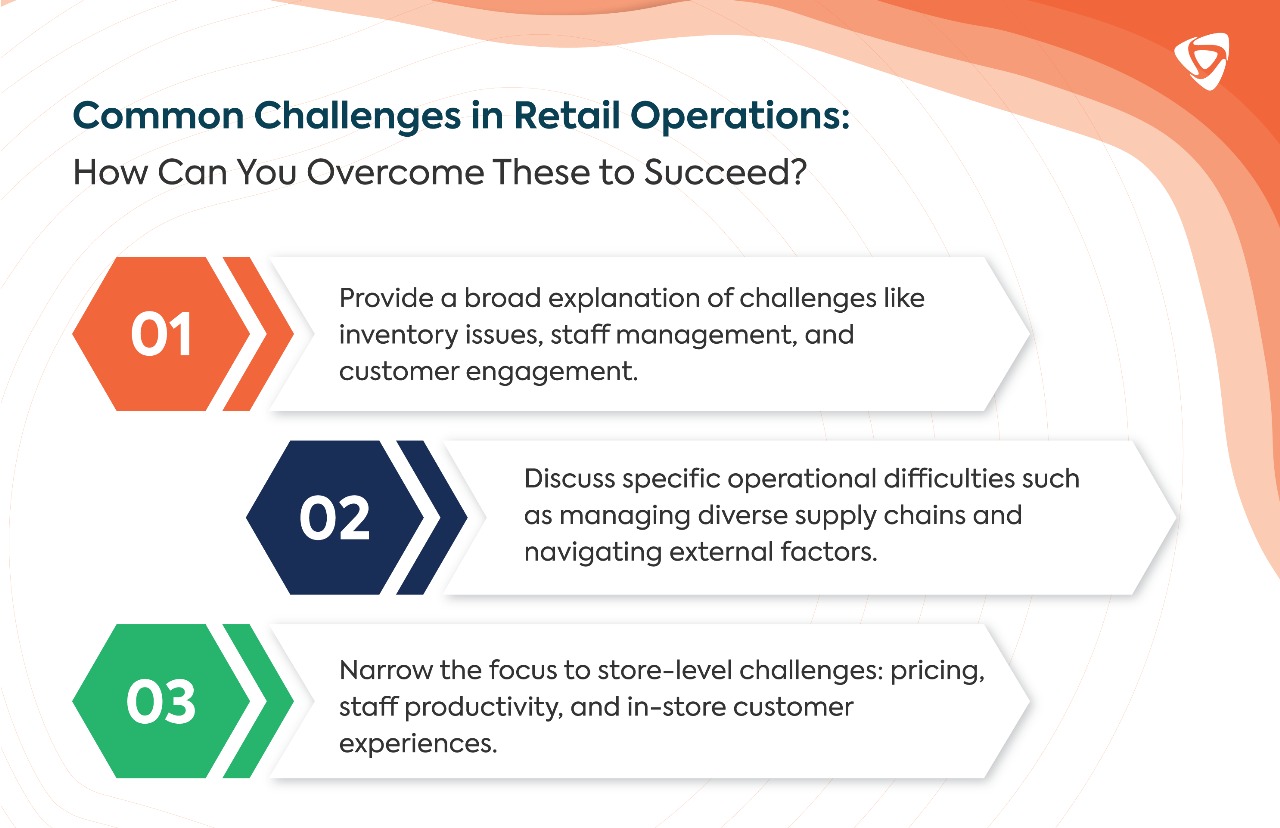
Running a pharmacy in Malaysia isn’t just about dispensing medicines—it’s a high-stakes balancing act between compliance, customer experience, and commercial viability. Whether you’re a national chain or a neighborhood apotek, merchandising hurdles can make or break your success.
Chains face scalability headaches:
Logistics nightmares: Imagine rolling out a “Buy 1 Free 1” promo across 200+ stores, only to have stock arrive late in Kedah due to a warehouse delay. The result? Inconsistent customer experiences and lost sales.
Staff turnover woes: Training new hires to execute planogram changes during peak seasons (like Ramadan or back-to-school periods) often leads to errors—think misplaced products or incorrect pricing.
Regulatory landmines: A single non-compliant promo sticker (e.g., missing NPRA approval codes) can trigger fines. Chains like Caring Pharmacy mitigate this with centralized compliance audits, but the risk persists.
Independents battle resource gaps:
Space constraints: A 600 sq.ft. pharmacy in Seremban can’t dedicate 10% of its floor to a seasonal “Wellness Corner” like chains do. Every inch counts.
DIY merchandising: Without access to professional design tools, many independents rely on handwritten signage or generic shelf dividers—undermining brand perception.
Data blindness: Small outlets rarely track which shelf layouts drive the most sales, missing chances to optimize.
But here’s the silver lining—opportunities abound:
✅ Distributor partnerships: Companies like PriooCare Malaysia offer tailored planogram services, helping independents design clutter-free layouts that boost sales by 15–20% (based on 2023 pilot data from Melaka outlets).
✅ Micro-training: Even 1–2 staff trained in visual merchandising basics (e.g., the “Rule of Three” for product grouping) can transform in-store navigation.
✅ Tech adoption: Affordable apps like ShelfWise let independents digitize planograms, cutting rollout errors by 30%.
Why planograms are non-negotiable:
Basket size magic: At Guardian Malaysia, placing travel-sized hand sanitizers near checkout counters increased impulse buys by 18%.
Stockout prevention: A strategic diabetic care section in Klang Valley Watsons stores reduced out-of-stocks by coordinating with pharma distributors for just-in-time restocks.
Audit-ready compliance: Pre-approved shelf labels from trusted distributors ensure every product meets NPRA tagging rules.
Real-world win:
A Johor Bahru independent pharmacy partnered with a distributor pharmacy to redesign its cold & flu aisle. By grouping kids’ syrups, tissues, and thermometers together (with bilingual signage), sales jumped 22% in 8 weeks—proving that even modest tweaks deliver outsized returns.
Learn More : Planogram Compliance and Shelf Optimization Best Practices

Merchandising isn’t just about moving stock—it’s a silent salesperson that educates patients and drives adherence.
Seasonal surges: During the 2023 haze crisis, Aeon Pharmacy’s eye-level displays of N95 masks and antihistamines saw a 47% sales spike in affected states (Penang, Selangor).
Data-driven upsells: Chains use loyalty card insights to pair products (e.g., placing magnesium supplements near sleep aids for stress-related insomnia).
Chronic care corners: A Kuching pharmacy’s hypertension display—featuring BP monitors, low-sodium snacks, and pharmacist-recommended supplements—reduced patient drop-off rates by 35% over 6 months.
Community storytelling: A Kelantan outlet’s “Dengue Defense Kit” (mosquito repellents, ORS sachets, and infographics) became a local lifeline during outbreaks.
Data doesn’t lie:
📊 A pharmacy distributor Malaysia study found:
End-caps with educational videos (e.g., how to use glucose meters) lifted diabetes category sales by 53% vs. static displays.
Independents using thematic bundling (e.g., “New Mom Packs” with prenatal vitamins + nipple cream) saw 27% higher repeat visits.
The takeaway?
Strategic merchandising bridges clinical needs and commercial goals. A well-placed display can mean the difference between a patient skipping their meds and leaving with a full treatment regimen.
Learn More : Top 10 Role of a Clinical Pharmacist
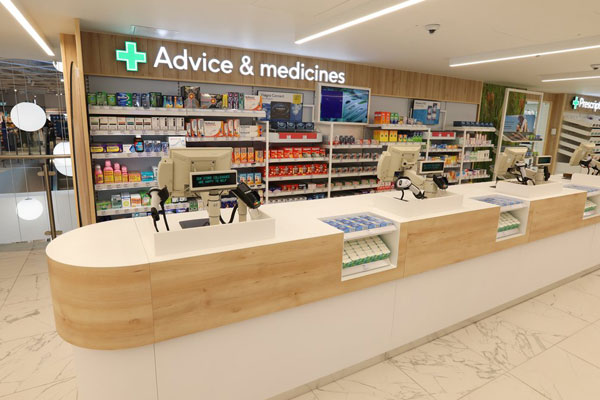
The next 5 years will reshape how pharmacies curate experiences:
Smart planograms: Tools like RetailNext will auto-suggest layouts based on real-time foot traffic (e.g., moving painkillers closer to entrance during flu season).
Predictive ordering: Algorithms will forecast demand for niche products (e.g., gout supplements in aging-population areas like Penang).
Mental wellness zones: Expect dedicated shelves for stress-relief teas, sleep aids, and even ASMR soundtracks in urban stores.
Elderly care expansions: Pharmacies in Ipoh are already testing “mobility demo corners” with walkers and non-slip socks.
QR-powered education: Scan a shelf tag to watch a pharmacist explain the benefits of probiotics—a tactic Caring Pharmacy piloted in 2024.
E-commerce sync: Reserve online, pick up in-store with personalized merch (e.g., a free health journal with first purchase).
Start small: Even basic digital tools like Google Analytics for foot traffic can reveal peak hours to optimize staff scheduling.
Partner wisely: Choose distributor pharmacies with R&D arms tracking trends (e.g., PriooCare’s monthly category reports).
Local example:
A Subang Jaya pharmacy’s “Telehealth Corner”—featuring virtual consultation promo codes next to relevant OTC products—increased customer dwell time by 40%.

Not all pharma distributors are created equal. Here’s how to spot a true partner:
✅ Regulatory savvy: Ask for proof of NPRA-compliant POS materials (e.g., approved health claims on shelf talkers).
✅ Local case studies: Did they help a Malacca independent boost vitamin sales by 30%? Demand specifics.
✅ Tech integration: Can they sync with your inventory system to auto-update planograms during stockouts?
Red flags:
One-size-fits-all templates (your Kundasang outlet ≠ a KL mall store).
No post-rollout support (merchandising isn’t “set and forget”).
“How do you adapt global trends (e.g., gut health displays) for Malaysian tastes?”
“Can you share a failed campaign lesson?” (Gaps teach more than wins.)
“What’s your SLA for promo kit deliveries during monsoon season?”
Pro tip:
A reliable partner like PriooCare Malaysia doesn’t just supply products—they embed teams to train your staff on WHO-compliant supplement merchandising, ensuring long-term success.
In Malaysia’s fiercely competitive pharmacy landscape, merchandising is the quiet differentiator. Chains thrive on systematized precision, while independents win through community-rooted creativity. But both share one non-negotiable: a strategic distributor partnership that blends logistics muscle with retail psychology.
Q1: What are merchandising services?
Answer:
Merchandising services refer to professional support activities that ensure products are displayed, stocked, priced, and promoted correctly in retail stores. These services improve product visibility, maintain planogram compliance, and help retailers and brands boost sales performance.
Q2: What is an example of a merchandising service?
Answer:
An example is planogram execution, where a merchandiser arranges products on shelves according to a layout provided by the brand or retailer to ensure correct placement, facings, and category alignment.
Q3: What are the 4 types of merchandise?
Answer:
The four main types are convenience goods, shopping goods, specialty goods, and unsought goods, each classified based on consumer buying behavior and decision-making effort.
Q4: What are 5 examples of merchandising companies?
Answer:
Five examples include retail chains or service providers such as Walmart, Tesco, Aeon, Advantage Solutions, and Premium Retail Services, which offer both in-store merchandising and retail execution services.
Q5: What is a merchandising service team?
Answer:
A merchandising service team consists of trained personnel who visit stores to restock products, arrange shelves, update point-of-sale materials, check inventory levels, and ensure brand compliance.
Q6: What is a merchandise management system?
Answer:
A merchandise management system is a retail software platform that handles product planning, inventory control, pricing, purchasing, and sales tracking to optimize stock flow and reduce operational errors.
Q7: What is an example of a merchandising company?
Answer:
An example is Advantage Solutions, a global provider that offers in-store merchandising, retail support, product resets, and promotional execution for brands and retailers.
Q8: Is merchandising part of the supply chain?
Answer:
Yes. Merchandising is linked to the supply chain because it ensures the final step of product availability—making sure goods delivered by distributors are correctly displayed and accessible to customers.
Q9: What is merchandising in logistics?
Answer:
Merchandising in logistics refers to coordinating product flow from warehouses to retail shelves, ensuring timely replenishment, accurate stock levels, and correct placement to support sales and operational efficiency.
Q10: What is merchandising of goods and services?
Answer:
It involves presenting goods and services in a way that attracts customers, improves understanding, and increases purchase likelihood through proper placement, clear information, and consistent presentation across retail touchpoints.