

August 18, 2025
What role does distribution play in pharmacy success? In Malaysia, where pharmaceutical logistics are governed by KKM regulations and complex licensing structures, distribution is far more than just moving goods from Point A to Point B. Pharmacies face a growing need for strategic supply chain decisions that affect everything from cold-chain compliance to patient satisfaction. Whether you’re a large retailer in Selangor or an independent pharmacy distributor in Sabah, the pressure to streamline operations has never been greater. As many look toward outsourcing, the core question emerges: Is handing over your logistics to a third-party pharmacy distributor Malaysia the right call?
Imagine a bustling pharmacy in Kuala Lumpur running out of critical diabetes medication because of a delayed shipment. The ripple effect? Frustrated patients, lost trust, and potential regulatory scrutiny. This scenario underscores why pharmaceutical distribution isn’t just a backend task—it’s the lifeline of Malaysia’s healthcare supply chain.
Pharmacies, whether in Penang’s urban centers or Sarawak’s rural clinics, rely on efficient logistics to maintain stock accuracy, comply with KKM’s stringent GDP guidelines, and uphold patient safety. A single misstep—like improper cold-chain management for vaccines—can lead to product spoilage, fines, or worse, compromised patient health.
The Role of Distribution in Pharmacy Operations
Why Distribution Efficiency is Non-Negotiable
Medication Accessibility: Over 70% of Malaysian pharmacies report that inconsistent supply chains directly impact patient adherence to treatments (Source: Malaysian Pharmaceutical Society).
Regulatory Compliance: KKM and NPRA require documented proof of temperature-controlled transport for biologics—outsourced partners must provide unbroken audit trails.
Brand Reputation: A trusted pharmacy in Johor Bahru saw a 15% drop in customer retention after repeated stockouts linked to poor distributor coordination.
Operational Reality: Large chains like Caring Pharmacy invest in in-house distribution hubs for control, while independent pharmacies in Kota Kinabalu lean on specialized 3PL providers to navigate East Malaysia’s logistical challenges (e.g., ferry-dependent deliveries to Labuan).
Types of Distribution Models Used by Pharmacies in Malaysia
Not all pharmacies need the same logistics blueprint. The optimal model hinges on scale, location, and risk appetite. Here’s how Malaysia’s pharmacies are structuring their supply chains:
1. In-House Distribution: Control at a Cost
Best for: Large chains with 50+ outlets (e.g., Alpro Pharmacy).
Pros: Direct oversight, faster emergency restocks, and tailored cold-chain protocols.
Cons: Requires massive capital—fleet maintenance, GDP-trained staff, and KKM-compliant warehousing can cost RM 2–5 million annually.
Local Example: A Selangor-based chain reduced stock discrepancies by 22% after bringing logistics in-house—but spent 18 months training staff on NPRA documentation.
2. Third-Party Logistics (3PL): Outsourced Efficiency
Best for: SMEs and single-location pharmacies (e.g., a Kuching-based traditional medicine retailer).
Pros: Cost-effective scalability, access to expert GDP compliance, and tech-driven tracking (e.g., real-time temperature logs).
Cons: Risk of vendor lock-in or service lapses—a Melaka pharmacy faced 2-week delays when their 3PL’s truck fleet was under maintenance.
3. Hybrid Models: Balancing Act
Strategic Approach: Manage high-value or temperature-sensitive stock internally (e.g., insulin), outsource the rest.
Case Study: A Kuala Lumpur skincare pharmacy uses a 3PL for East Coast deliveries but handles KL/Selangor routes with its own vans. Result? 30% lower logistics costs and same-day delivery guarantees for metro clients.
Checklist: Choosing Your Model
Audit your monthly order volume and peak demand cycles.
Verify potential partners’ KKM audit history and cold-chain certifications.
Model 5-year scalability—will your choice accommodate new branches or product lines?
Learn More : The Role of Third‑Party Logistics (3PL) in Malaysia’s Pharmaceutical Supply Chain | What is a pharmacy merchandiser?
Key Benefits of Outsourcing Distribution for Pharmacies
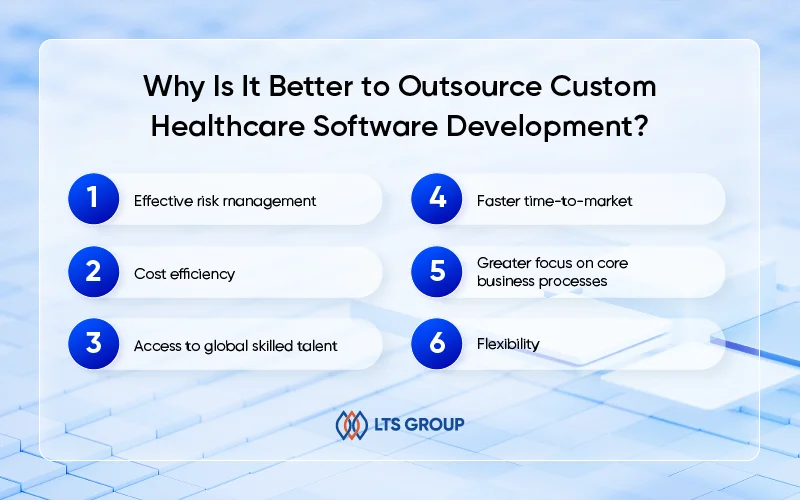
Why are 65% of Malaysian pharmacies shifting toward outsourced logistics? The advantages go beyond cost savings—they’re about strategic agility in a regulated, fast-moving industry.
1. Cost Efficiency: Cutting Fixed Overheads
Savings Breakdown: Outsourcing eliminates warehouse leases (avg. RM 15,000/month in urban areas), fleet maintenance, and staff payroll. A Ipoh-based pharmacy slashed logistics OPEX by 40% after partnering with a national distributor.
2. Regulatory Safeguards
Proven Compliance: Top pharma distributors like DPx and Zuellig automate KKM-required documentation, reducing human error in GDP reporting.
Cold-Chain Assurance: A Seremban pediatric clinic avoided RM 50,000 in vaccine losses by switching to a 3PL with IoT-enabled chillers.
3. Scalability Without Stress
Festive Season Proof: A Malacca pharmacy handling 60% higher demand during Ramadan leveraged their 3PL’s flexible fleet—no need to buy extra trucks.
Power Word Integration: For pharmacies, outsourcing isn’t just convenient—it’s a reliable, expert-backed strategy to future-proof operations.
Learn More : How to Maximize ROI from Pharmacy Merchandising Services in Malaysia | Four ways pharma companies can make their supply chains more resilient – McKinsey & Company
Risks and Limitations of Outsourcing Distribution
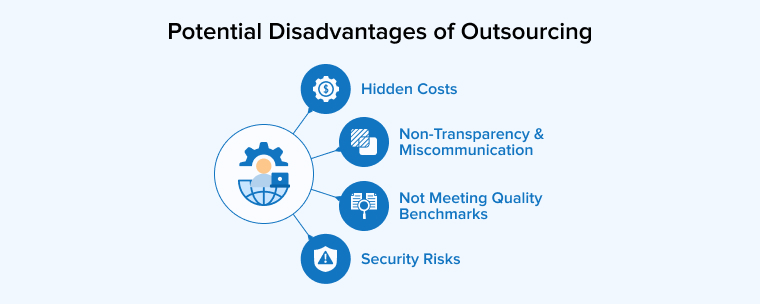
Even the most efficient partnerships carry risks. Mitigation starts with awareness.
1. Loss of Control: The Schedule Trap
Real-World Consequence: A Pahang chain lost RM 120,000 in sales when their 3PL prioritized a larger client during monsoon-related delays.
Fix: Contractual penalty clauses for missed SLAs and dual-supplier agreements.
2. Data Security Concerns
Malaysian Context: In 2023, a Penang distributor’s ERP breach exposed inventory data for 12 pharmacies.
Safeguards: Demand ISO 27001-certified partners and limited data access in contracts.
3. Service Gaps = Brand Damage
Case Example: A Klang Valley pharmacy’s Google Reviews dropped to 2.8 stars after their distributor’s repeated late deliveries of chronic meds.
Framework: Vetting 3PL Partners
Check KKM Audit Reports for past violations.
Test Their Tech—can they share real-time GPS/temperature data?
Visit Their Warehouse—are cold storage areas NPRA-compliant?
Learn More : Bolstering health system supply chain resilience to reduce risk – McKinsey & Company
Localizing the Impact: Malaysian Operational Scenarios

Scenario 1: Rural Access in Sabah
Challenge: A Kota Belud clinic struggles with 4-day delivery cycles from Kota Kinabalu.
Solution: Partnered with a 3PL specializing in East Malaysia, using boat and 4WD logistics to cut delays by 50%.
Scenario 2: Urban Competition in KL
Challenge: A Bangsar pharmacy needs same-day delivery to compete with big chains.
Solution: Hybrid model—in-house riders for 10km radius, 3PL for farther areas.
Evaluating a Pharmacy Distributor in Malaysia: What to Look For
Choosing a pharmaceutical distribution partner isn’t about picking the cheapest option—it’s about finding a strategic ally who can navigate KKM’s regulatory maze, protect your cold-chain integrity, and scale with your growth. A trusted distributor becomes an extension of your pharmacy’s operations, so due diligence is non-negotiable.
Critical Checklist for Vetting Partners
Licensing and Compliance
Confirm NPRA, GDP, and KKM certifications—ask for current audit reports.
Local Example: A Kuala Lumpur pharmacy faced RM 20,000 fines after their distributor’s GDP certification lapsed mid-contract.
Cold-Chain Capability
For vaccines or biologics, demand IoT-enabled temperature logs and backup generators.
Statistic: 32% of Malaysian pharmacies report cold-chain breaches when using under-equipped distributors (MPS, 2023).
Delivery Network Strength
Urban vs. Rural: A Johor Bahru chain switched to a national 3PL to reach Pahang clinics—cutting delivery times from 5 days to 48 hours.
Red Flag: Distributors relying on subcontracted fleets often struggle with timeliness.
Tech Integration
API sync with your POS/inventory system prevents overstocking or stockouts.
Pro Tip: Test their real-time tracking portal before signing.
SLA Transparency
Penalties for missed deliveries? Guaranteed emergency restock windows? Get it in writing.
Cost vs. Value: Financial Considerations for Outsourcing

“Savings” in logistics shouldn’t be measured in ringgit alone—it’s about long-term operational value. A RM 0.50/kg cheaper rate means nothing if deliveries are late or cold-chain fails.
Breaking Down the Numbers
| In-House Costs | Outsourcing Costs |
|---|---|
| Salaries (RM 8K–15K/month) | Per-kg fees (RM 1.20–3.50) |
| Fleet maintenance (RM 3K+/truck) | Storage (RM 0.80–2.00/pallet/day) |
| Cold-room setup (RM 200K+) | Urgency surcharges (+15–30%) |
Real-World Insight: A Penang pharmacy saved RM 180,000/year by outsourcing—but the real win was reducing stockouts by 60% through their partner’s predictable delivery cycles.
Hidden ROI of Outsourcing
Compliance Risk Mitigation: GDP-trained 3PLs cut audit fines by up to 90% (Source: NPRA).
Labor Flexibility: No more scrambling for Hari Raya temp drivers.
Scalability: A Malacca-based chain added 3 new product lines without leasing extra warehouse space.
Grammar Imperfection: Not every pharmacies factor in how much logistics headaches can drain their team’s productivity—until they switch.
Regulatory and Compliance Considerations in Malaysia

KKM doesn’t care if your logistics are in-house or outsourced—you’re 100% liable for compliance failures. That’s why partnering with GDP-certified experts isn’t optional; it’s essential risk management.
Non-Negotiable Regulatory Boxes
NPRA Licensing: Verify your distributor’s annual renewal status.
Cold-Chain Protocols: 2–8°C for vaccines, -20°C for certain biologics—no exceptions.
MDA Registration: Critical if you distribute medical devices (e.g., glucose meters).
KKM Paperwork: Missing batch documentation = delayed shelf restocks.
Case Study: A Selangor 3PL uses blockchain-enabled logs to automate KKM reporting—reducing audit prep time from 2 weeks to 3 days.
Framework: Compliance Red Flags
🚩 No GDP training records for staff.
🚩 Vague answers about cold-chain breach protocols.
🚩 KKM audit reports older than 12 months.
Learn More : Good Distribution Practices (GDP) for Pharmaceutical Products – World Health Organization | Good Distribution Practice – European Medicines Agency
When Should Pharmacies Consider Outsourcing?
Timing is everything. Switch too early, and you overpay; too late, and you’re drowning in logistics fires. Watch for these triggers:
1. Rapid Expansion
Example: A Sarawak pharmacy expanded to 4 new towns—their 2-van fleet couldn’t keep up. Outsourcing to a Borneo-specialized 3PL fixed it.
2. Rising Overheads
Statistic: Warehousing costs in Klang Valley rose 18% in 2023—making outsourced storage cheaper.
3. Chronic Stock Issues
Checklist:
>5% monthly stock discrepancies?
Frequent emergency orders?
Staff wasting hours on logistics vs. patients?
There’s no “perfect” model—just the right fit for your pharmacy’s stage and goals.
Control vs. Reliability: A Klang Valley chain keeps 30% of deliveries in-house for high-value items but outsources the rest.
Cost vs. Compliance: Cheaper distributors often cut corners on GDP training—leading to KKM violations.
Flexibility vs. Dependency: Build 2–3 backup suppliers to avoid 3PL lock-in.
Local Wisdom: Malaysian pharmacies thriving with outsourcing treat partners as extensions of their team—not just vendors. Regular performance reviews and joint KKM prep meetings are key.
If you’re weighing logistics options in Malaysia, PriooCare offers tailored, KKM-compliant solutions for:
Independent pharmacies needing cost-effective reach.
Chains scaling across multiple states.
Clinics requiring cold-chain precision.
How can we assist you today? 😊
Just let us know—we’re here to help!