

June 21, 2025
Reaching consumers effectively within Malaysia’s Malay-speaking regions presents a distinct set of hurdles for pharmacy distributors. It’s a landscape defined not by one single obstacle, but by a complex interplay of factors. Think about it: deep linguistic diversity, subtle yet powerful cultural nuances, sometimes patchy infrastructure, and consumers whose habits are constantly shifting. For any pharmacy distributor Malaysia relies on, whether a dedicated independent operator or part of a sprawling distributor pharmacy network, these aren’t just problems to solve. They’re actually crucial signals pointing towards where strategies need serious localization and refinement. Getting this understanding right? It’s absolutely fundamental for anyone aiming to truly succeed and make a difference in these often underserved communities.
Sure, cities are growing fast and logistics are improving overall across the country. Yet, maintaining reliable pharmacy distribution service in specific Malay-majority zones remains surprisingly tough. Consistent product access, building genuine awareness about available medicines and health resources, and fostering that essential bedrock of trust – these elements frequently prove elusive outside major urban hubs. It’s a persistent gap impacting both large-scale pharmacy wholesale distributors and smaller players trying to serve remote kampungs.
So what exactly are the core barriers causing this friction? This piece dives into the real-world complexities distributors grapple with daily across these regions. More importantly, we’ll move beyond just listing problems. We’ll explore concrete, actionable strategies – strategies actually pulled from frontline experience – designed to help distributors navigate these unique challenges effectively and unlock the significant potential these vital markets hold. Success demands more than just moving boxes; it requires deep cultural intelligence and hyper-local solutions.
Understanding the Malay Consumer Landscape

How deeply do you truly understand the everyday shopper browsing pharmacy aisles in Kelantan, Terengganu, or the more remote villages of Sabah? This isn’t just about language; it’s about cultural resonance. A significant segment of Malaysia’s population, especially concentrated in these East Coast states and East Malaysia’s rural heartlands, speaks Malay as their primary language. Crucially, treating them as a single, homogenous group is a major strategic misstep.
Why? Because local identities run deep. Distinct regional dialects color communication, unique customs shape daily life, and the strength of religious adherence profoundly influences perceptions – particularly regarding healthcare choices, trust in pharmacy brands, and what signals a product’s legitimacy. To succeed here, brands must appreciate this intricate mosaic.
Key consumer insights reveal essential patterns:
Community & Family First: Purchase decisions, especially concerning health, are rarely made in isolation. Strong community networks and close-knit family structures exert considerable influence. What’s more, religious sensitivities are paramount – factors like halal certification and syariah compliance aren’t just preferences; they’re fundamental requirements for trust.
Health Literacy Varies: Understanding of health information and modern treatments isn’t uniform across all regions. This variation directly impacts trends in self-medication practices and the level of skepticism or openness consumers might show towards unfamiliar health products or brands. Clear, accessible communication is non-negotiable.
Cultural Nuance is Everything: Simply slapping a Bahasa Malaysia label on a product is woefully insufficient. Generic packaging or translations that feel awkward, unnatural, or culturally tone-deaf can instantly erode consumer confidence. Authenticity matters immensely.
Therefore, crafting localized pharmacy strategies for these vital markets demands far more than basic translation. Authentic success requires embracing the full cultural context. This means thoughtfully integrating respect for local religious practices, acknowledging deeply held traditional beliefs about wellness and healing, and carefully considering regional economic realities and price sensitivities. Only by weaving these threads together can brands create genuine relevance that truly connects with consumers right at the critical point – the pharmacy shelf. It’s about demonstrating real understanding, not just linguistic correctness.
Learn More : Understanding Consumer Behaviour In Malaysia
Common Distribution Barriers Faced by Pharmacy Distributors in Malaysia
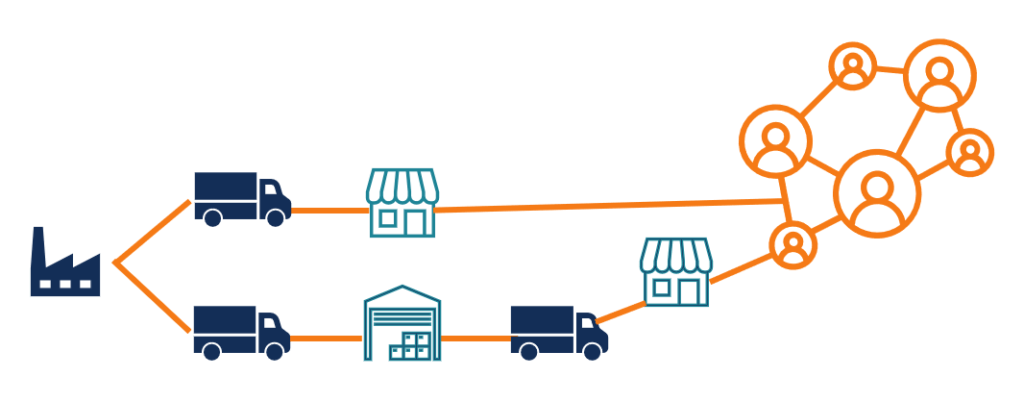
Ever noticed how some pharmacy products become bestsellers in bustling Klang Valley, yet completely stall on shelves in Kelantan? It’s a frustrating puzzle for brands. The answer isn’t simple geography; it’s about invisible walls built on communication failures, uneven awareness, and deep-rooted skepticism. Success demands more than just wide distribution; it requires genuine localization.
The Language Barrier: More Than Just Words
First, consider the fundamental hurdle: language limitations. Packaging and promotional materials designed primarily for English or urban Mandarin speakers often miss the mark entirely with Kelantan’s predominantly Malay-speaking consumers. Complex instructions or unclear benefits translated poorly lead to confusion and disengagement. If shoppers can’t easily grasp what the product does or why they need it, they simply won’t buy. This isn’t just translation; it’s about clear, culturally resonant communication.
Bridging the Awareness Gap: Urban Buzz vs. Rural Silence
Secondly, stark urban-rural disparities cripple product visibility. While Klang Valley benefits from aggressive merchandising, frequent pharmacist recommendations, and dense retail networks, these channels often weaken significantly in less developed areas like Kelantan. Product launches might generate buzz in cities but become whispers – or complete silence – elsewhere. Weak physical store presence combined with fewer proactive pharmacist introductions means many potential customers remain entirely unaware a product even exists. Out of sight truly means out of mind.
Trust Deficits and Regulatory Fog
Thirdly, overcoming consumer mistrust is critical. Non-local brands often face an uphill battle for credibility in more traditional markets. Adding to this challenge is regulatory skepticism. Messages about certifications (like KKM or NPRA approvals), crucial for legitimacy, can become barriers themselves if communicated in overly complex or unfamiliar ways. If consumers don’t understand or inherently trust the regulatory symbols and messages, adoption slows to a crawl. They need clear, simple explanations of why these certifications matter for their safety.
The Distributor Dilemma: Scale vs. Sensitivity
Finally, even major pharmacy wholesale distributors, masters of logistics in Klang Valley, frequently stumble when trying to replicate success uniformly across Malaysia. Achieving true consistency requires moving beyond mere physical delivery. It demands cultural and strategic localization – understanding Kelantan’s unique consumer behaviors, preferences, and communication styles. Without tailoring their approach, messaging, and engagement strategies specifically for this distinct market, distributors inadvertently become part of the problem, failing to build the necessary bridges for product acceptance.
The takeaway? Conquering Kelantan’s pharmacy market, or any distinct regional market, isn’t about forcing a Klang Valley model to fit. It requires dismantling communication barriers, investing in targeted rural awareness, building local trust through clarity, and empowering distributors with culturally intelligent strategies. Success hinges on deep localization, not just broad distribution.
Regulatory and Compliance Challenges in Regional Markets
Forget viewing distributor pharmacies as mere transactional outlets. They’re fundamentally different – they operate as deeply embedded, trusted health hubs right within the heart of local communities. Especially crucial in semi-urban and rural areas, these pharmacies frequently act as the very first stop for healthcare advice, building unparalleled rapport where it matters most. Their influence makes them indispensable bridges for brands aiming to authentically connect with Malay consumers.
So, how can brands effectively leverage this unique power? Here are proven strategies:
Prioritize Local Language in Every Interaction: Don’t just translate; localize comprehensively. Ensure all product packaging, shelf talkers, and promotional displays prominently feature clear, natural Malay language. This isn’t just practical; it signals deep cultural respect and removes barriers to understanding, making products feel instantly accessible and familiar.
Empower the Pharmacist as Your Cultural Ambassador: Pharmacists here are more than dispensers; they’re trusted advisors. Invest in robust training programs that go beyond product features. Equip them with culturally nuanced sales scripts and insights tailored specifically for engaging Malay consumers. Understanding local health beliefs, communication preferences, and family decision-making dynamics is key to building genuine trust and driving recommendations.
Strategically Target Community Epicenters: Location intelligence is critical. Focus your distribution efforts on pharmacies situated within Malay-majority neighborhoods. Prioritize placements near mosques, local health clinics, or bustling pasar pagi (morning markets). These are natural gathering points where daily life unfolds, ensuring your products are visible and available exactly where the community lives, shops, and seeks wellness support.
The impact is tangible. Consider the
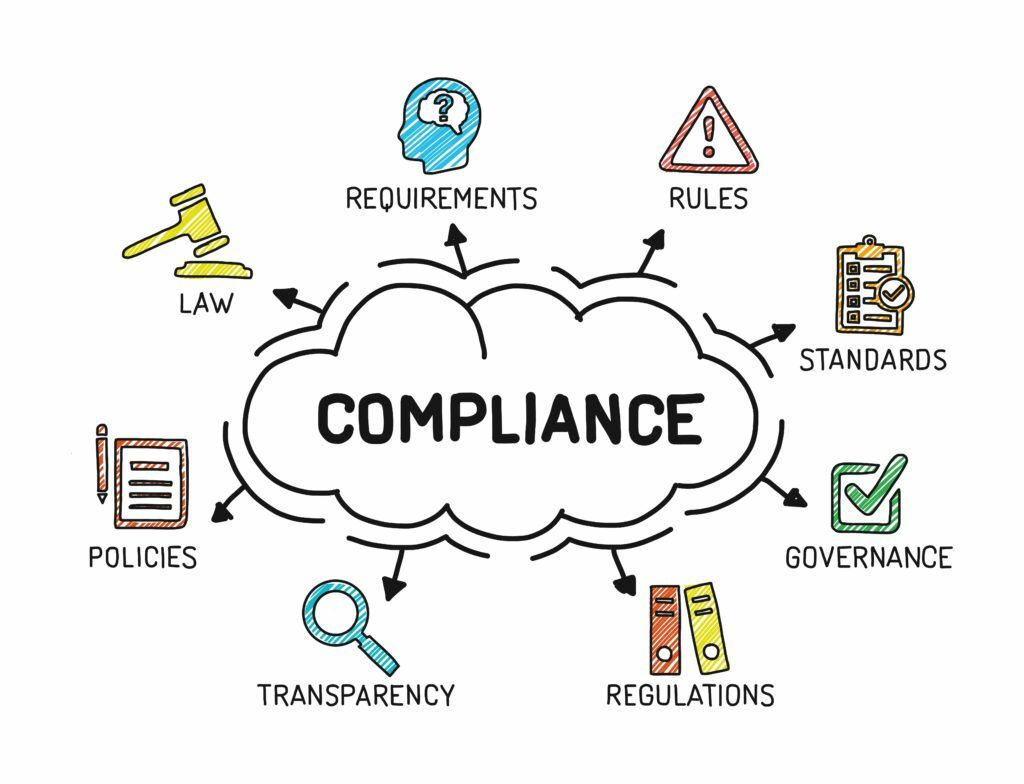
Securing that crucial KKM product registration is undeniably the legal gateway for any health product entering the Malaysian market. But let’s be real: in the diverse and often challenging landscape of rural Malaysia, that official stamp is just the starting line, not the finish tape. True market success hinges on something far more nuanced and localized – effective pharmacy compliance rooted deeply in the community. The reality is, regulatory adherence at the retail level is only ever as strong as its execution on the ground. So, what hurdles stand in the way?
Several common compliance barriers persistently trip up progress in these vital areas. Firstly, those essential MAL and NOT approval markings? To many rural consumers, they appear confusing or even completely foreign. There’s a significant gap in understanding what these certifications actually mean for safety and legitimacy. This lack of consumer education right at the point of sale seriously undermines trust and adoption. It’s a big problem needing attention.
Secondly, inconsistent product labeling or Bahasa Malaysia translations that feel clunky or inaccurate create a double whammy. Not only does this risk falling short of NPRA standards, but it also directly erodes consumer confidence. If the information isn’t clear, accessible, and professionally presented in the local language, why should a customer feel assured about the product’s quality or intended use? Confusion breeds hesitation every single time.
Thirdly, we can’t overlook the human element. Pharmacy staff in remote locations sometimes receive insufficient, or maybe even sporadic, training on the latest regulatory requirements and best practices. This knowledge gap can unfortunately lead to unintentional misrepresentation of products, or worse, a tendency to under-promote crucial health solutions simply because the team lacks confidence or full understanding. Proper training is non-negotiable for accurate information flow.
Therefore, for distributor pharmacy networks aiming for genuine, sustainable growth across rural Malaysia, the path forward demands more than just moving boxes. It requires a dedicated investment in educational outreach and comprehensive staff training programs. This is especially critical in regions where perception of compliance importance is currently low. Building understanding from the consumer back to the retailer, ensuring staff are empowered ambassadors for regulations, is the key to unlocking lasting success beyond mere regulatory permission. The stamp gets you in the door; trust and knowledge keep you there.
Learn More : How to Ensure Regulatory Compliance for Pharmacy Distribution in Malaysia
Logistics and Supply Chain Hurdles in Malay-Speaking Areas
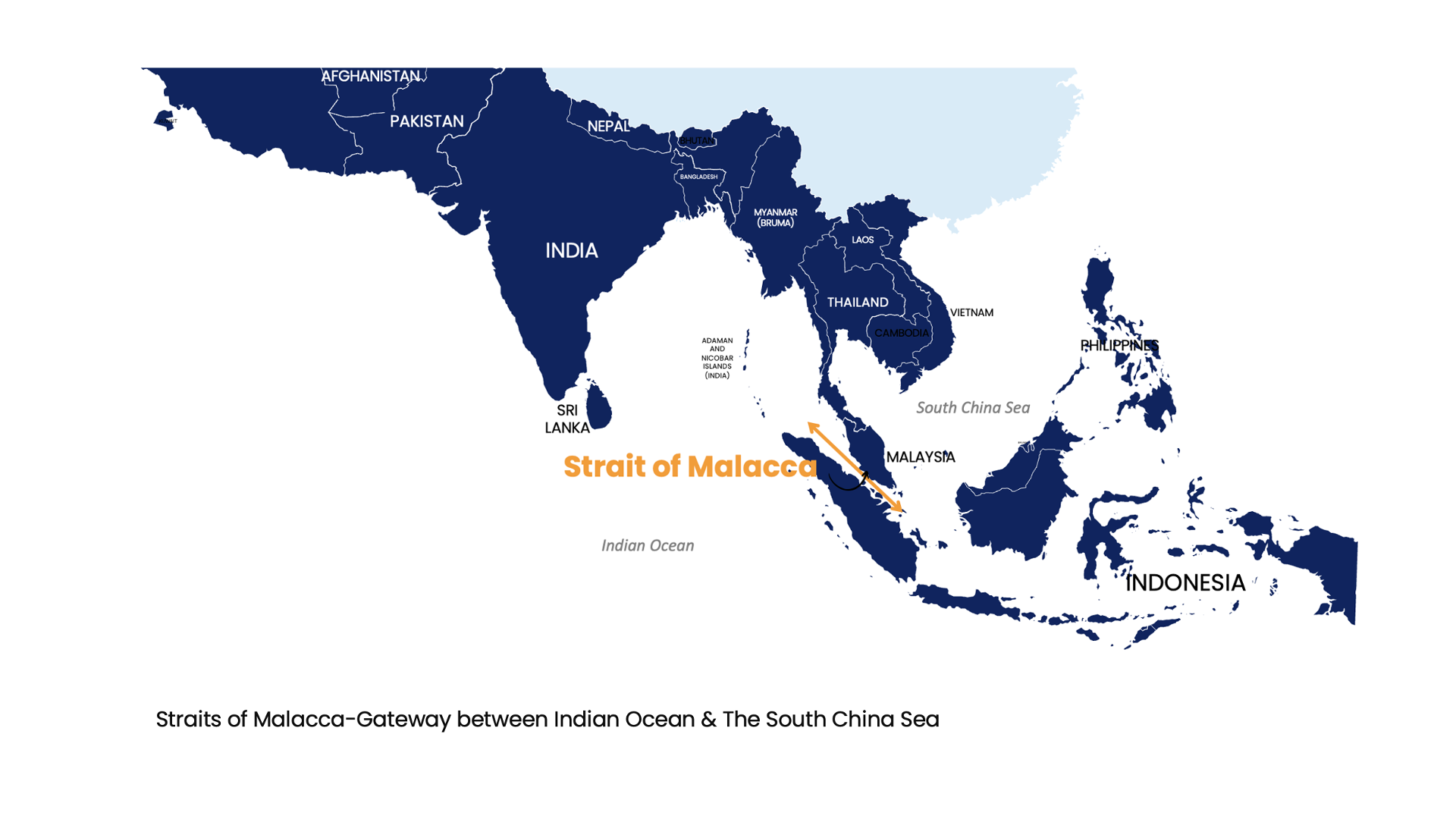
Ever wonder why getting essential medicines restocked seems to take longer in places like Kelantan compared to bustling Selangor? The answer lies deep within the complex realities of pharmaceutical logistics across Malaysia’s diverse landscape. While the system functions nationwide, its efficiency faces vastly different pressures depending on location, particularly straining in remote and resource-limited regions.
The Core Challenge: Geography Meets Infrastructure
Simply put, the physical and logistical playing field isn’t level. Critical elements like road quality, reliable warehousing capacity, and predictable delivery networks vary dramatically from state to state. This uneven foundation creates inherent bottlenecks, especially evident when comparing the pace of inventory movement in the east coast versus the central west coast.
Specific Hurdles Impacting East Malaysia & Rural Areas:
The Fragile Cold Chain: Maintaining strict temperature control for vaccines and sensitive drugs becomes incredibly difficult over the long, often arduous routes required in East Malaysia. A scarcity of modern, strategically placed storage hubs along these routes forces compromises, risking product integrity and slowing down the entire distribution process significantly.
External Pressures on the Supply Chain: Efficiency isn’t just about trucks and warehouses. Unpredictable weather patterns can literally wash out access roads. Extended closures mandated by local festive calendars disrupt schedules for weeks. Furthermore, the sheer cost of transporting goods over vast distances into less densely populated areas eats into budgets and limits frequency, creating delays that just wouldn’t happen in Selangor.
Outdated Inventory Management: On the ground, many rural pharmacies still struggle with manual or severely outdated stock management systems. This lack of digital visibility makes it incredibly hard to track what’s actually needed and when. The result? Painfully slow restocking cycles when supplies run low, or conversely, money wasted on overstocked items gathering dust on shelves – both scenarios ultimately impacting patient access.
Bridging the Gap: The Path Forward
Achieving truly equitable and efficient medicine distribution across all Malaysian regions requires targeted modernization. Outdated practices just won’t cut it anymore. The solution hinges on two critical upgrades becoming standard everywhere: implementing real-time inventory tracking systems that provide instant visibility from central warehouse to local pharmacy shelf, and establishing robust regional fulfillment hubs strategically located to serve remote areas faster and more reliably. Only by tackling these infrastructure and technological disparities head-on can we ensure vital medicines flow as quickly in Kelantan as they do in Selangor.
Learn More : Cost-Effective Strategies for Pharmacy Distribution in Malaysia | Global Pharmaceutical Logistics 2023 Market Report
Role of Independent Pharmacy Distributors in Bridging Local Gaps

We’ve all seen it happen: massive corporations dominate headlines with their scale and resources. But when it comes to niche regional markets within Malaysia’s complex pharmacy distribution landscape, a fascinating question emerges. Can the smaller, independent players actually outperform these big names? The evidence suggests a resounding yes. Here’s why.
Independent pharmacy distributors possess a unique arsenal often missing from large corporate entities. Think agility, deeply-rooted personal networks, and hyper-local insights. These aren’t just buzzwords; they translate into tangible competitive advantages on the ground. Where national giants might move slowly, independents pivot quickly, adapting to specific community needs and market shifts almost instantly.
Consider these real-world examples illuminating their success. One regional distributor operating in Terengganu didn’t rely on generic national campaigns. Instead, they prioritized deep pharmacist engagement. How? Through consistent, weekly face-to-face visits and crucially, developing all training materials first and foremost in Bahasa Malaysia. This cultural and linguistic respect fostered trust far beyond what a standard corporate approach could achieve.
Another compelling case involves a smaller distributor focusing on maternal health supplements. Recognizing the influential role of traditional caregivers, they intentionally built strong rapport with village midwives and forged partnerships with respected Islamic wellness centers. This grassroots, trust-based strategy wasn’t just nice-to-have; it directly fueled a significant 20% increase in trial rates for their products within those specific, hard-to-reach communities.
The lesson here is clear. In the intricate world of Malaysian pharmacy distribution service, success in regional pockets hinges heavily on factors large corporations often struggle with: genuine cultural fit, operational flexibility, and the art of authentic relationship-building. Independent distributors, embedded within their communities, inherently excel in these areas. They understand the local dialects, the unspoken business customs, and the specific health concerns of their neighbours. This isn’t just about delivering products; it’s about being a trusted partner. When it comes to navigating the nuances of Malaysia’s diverse regions, these local heroes frequently hold the strongest ground, proving that size isn’t always the ultimate determinant of market success. Their community connection is their superpower.
Building Trust Through Cultural and Language Alignment

Navigating diverse markets demands more than just translating your message. What truly earns lasting consumer trust in regions brimming with cultural heritage? The answer lies in a powerful combination: deep language localization and genuinely invested community outreach. Brands must move beyond mere translation to demonstrate authentic respect and understanding.
Proven Strategies for Meaningful Connection:
Language as the Foundation: Make Bahasa Malaysia the undisputed star across all consumer touchpoints. This means ensuring it dominates not just product packaging, but also critical informational materials like on-shelf signage (“shelf talkers”) and resources designed to assist pharmacists. Consistent, clear communication in the local language is non-negotiable; it’s the first signal of respect.
Embedding Within Communities: Move beyond traditional marketing channels. Actively partner with trusted local institutions – think co-hosting valuable wellness workshops alongside neighborhood mosques or collaborating with community health clinics. These initiatives position your brand as a supportive neighbor, genuinely invested in local wellbeing, rather than just a distant corporation.
Empowering Your Frontline: Crucially, invest in comprehensive cultural competency training for pharmacy and frontline staff. This goes beyond basic customer service. Staff need to understand nuanced cultural norms and taboos. For instance, they should be adeptly trained to navigate potential gender sensitivities, especially concerning certain personal health categories, ensuring every interaction feels respectful and appropriate.
The Tangible Competitive Edge:
Implementing these strategies does far more than just tick a box. It fundamentally builds deep, lasting consumer trust by demonstrating that your brand doesn’t just sell here, it truly belongs here. This authentic cultural respect becomes a significant, sustainable advantage. In markets flooded with generic, mass-market competitors, being perceived as the brand that truly understands and respects the local context fosters powerful loyalty. It transforms your presence from being merely transactional to becoming a valued and trusted part of the community fabric, securing a resilient position for the long term. This approach builds relationships, not just sales.
Leveraging Technology to Overcome Distribution Gaps

The answer is a resounding yes. Innovative digital tools are fundamentally transforming healthcare access in communities that have traditionally been overlooked, particularly within the pharmacy sector. Technologies like QR code-powered inventory tracking, pharmacist training delivered via platforms like WhatsApp, and centralized cloud-based inventory dashboards aren’t just conveniences; they are actively reshaping how essential medicines and expertise reach populations in remote or resource-limited settings.
Key Tech Strategies Making a Difference:
Here’s how targeted digital approaches are leveling the playing field:
Smarter Distribution: In regions like Malaysia, adopting automated route planning software is revolutionizing distribution. This tech optimizes delivery routes, ensuring medicines reach far-flung clinics and pharmacies faster and far more cost-effectively. The result? More reliable fulfillment without prohibitive expenses.
Empowering Remote Expertise: Bridging the pharmacist knowledge gap in isolated areas is critical. Multilingual video explainers and training modules, accessible on common platforms, provide vital, ongoing education. This empowers local healthcare workers with the latest protocols and drug information, overcoming geographical and language barriers.
Hyper-Local Outreach: Generic campaigns miss the mark. Geo-targeted digital campaigns allow health organizations to deliver promotional materials, health information, and stock alerts specifically tailored to distinct districts, like those predominantly Malay-speaking. This ensures messaging is culturally relevant and reaches the right audience directly.
The Power of Integration:
It’s the powerful combination of telepharmacy services – enabling remote consultations – alongside these smart inventory and logistics technologies that creates real resilience. This integrated approach guarantees consistent visibility into stock levels across the entire supply chain, enabling proactive replenishment. Even the most remote outposts can maintain essential medicine supplies, reducing stockouts and ensuring communities aren’t left without critical care. The blend truly ensures no location is too isolated for reliable healthcare resources.
Learn More : The Future of Pharmaceutical Distribution Services in Malaysia: Trends and Innovations | Pharmaceutical Logistics in Malaysia: A New Era of Safer, More Reliable Solutions
Strategic Partnerships for Sustainable Market Penetration

Getting vital medicines and health services to remote or underserved communities remains a persistent challenge. While going it alone might seem straightforward, the question arises: do local alliances actually offer a faster, more effective path? The evidence strongly suggests yes – forging the right collaborations can significantly accelerate distribution where it’s needed most, often outpacing solo efforts considerably.
So, what makes these partnerships so powerful? It boils down to leveraging existing trust, infrastructure, and community understanding. Here are key strategies proven to make a real impact:
Leverage Established Pharmacy Networks: Instead of building entirely new distribution points from scratch, collaborate strategically with respected local pharmacy chains. These businesses already possess deep regional loyalty and familiarity. Partnering with them taps directly into their trusted presence and existing customer base, instantly boosting your reach and credibility within that specific community. It’s about plugging into networks people already know and use.
Forge Joint Initiatives with Healthcare NGOs: Don’t overlook the immense value of non-governmental organizations deeply embedded in community health. Forming joint programs with NGOs focused on critical areas like immunization drives, maternal health support, or senior wellness initiatives creates powerful synergies. These organizations bring specialized expertise, grassroots connections, and established trust that can be incredibly difficult for an outside entity to replicate quickly. Together, you can design and deliver programs that resonate deeply with local needs.
Activate Public-Private Networks: Look towards broader collaborative frameworks. Engaging with established public-private partnerships focused on health access can provide tremendous leverage. Launching targeted campaigns aligned with national health priorities through these networks allows access to wider resources, shared goals, and potentially government support. This alignment amplifies your impact and ensures efforts contribute meaningfully to larger systemic health objectives.
The Core Advantage: Building Shared Value
Ultimately, the magic happens when these partnerships move beyond simple transactions. Strong, well-structured alliances between distributors, pharmacies, NGOs, and public entities cultivate a genuine shared value system. This means everyone involved – from the global supplier to the local pharmacist – benefits alongside the community gaining better access. Such mutual benefit fosters long-term commitment and trust. This collaborative foundation is what truly builds the lasting credibility, necessary scale, and sustainable access required to make a tangible difference in the hardest-to-reach regions. It’s not just about moving product; it’s about co-creating healthier communities through genuine partnership.
Learn More : Malaysia’s Pharmaceutical Industry: A Fast-Growing Force
Expanding your product reach across Malaysia’s diverse Malay-speaking territories demands more than just ambition. Success hinges on navigating a unique blend of regulatory complexity, deep cultural understanding, and agile local execution. It’s a landscape where foresight meets flexibility head-on.
Building genuine trust here starts with Bahasa-first communication. This isn’t just translation; it’s about resonating authentically with local communities. But language is only the first step. To thrive, you need robust logistics technology tailored to regional infrastructure realities – whether serving bustling coastal towns or rural villages. Equally critical is forging strong partnerships with established local players who know the heartbeat of their specific areas. Thing is, truly sustainable market access isn’t won by imposing external models; it’s earned by meticulously adapting strategies to fit the distinct rhythms of each locale.
For brand owners, merchandisers, and pharmaceutical companies eyeing significant growth beyond the familiar confines of the Klang Valley, this tailored approach is non-negotiable. The potential is vast, but capturing it requires specialized expertise. You need partners who don’t just grasp Malaysian pharmacy distribution in theory, but who possess intimate, ground-level knowledge of what works – and what doesn’t – across Negeri Sembilan, Kelantan, Terengganu, Pahang, and other key Malay-majority regions. This means understanding nuanced consumer behaviors, navigating specific regulatory environments, and managing supply chains effectively across varied terrains.
Ready to move beyond theory and achieve tangible results across this vital market segment? It’s time to collaborate with specialists who live and breathe this ecosystem. PriooCare offers precisely that deep expertise. We provide customized distribution services designed specifically for the Malay-speaking market, comprehensive merchandising support that gets products seen and sold, and truly collaborative strategies built on local insight. Our focus? Delivering measurable, real-world success within Malaysia’s dynamic pharmacy sector.
How can we assist you today? 😊
Just let us know—we’re here to help!