

August 23, 2025
Pharmaceutical distribution in Malaysia isn’t just about moving boxes from point A to point B—it’s a strategic lifeline connecting manufacturers, pharmacies, and patients. When a diabetic patient walks into their local clinic only to find insulin out of stock, or when a rural hospital faces delays in receiving antibiotics, the ripple effects can be life-threatening. The efficient movement of medicines relies on a finely tuned system involving trusted pharmacy wholesale distributors, specialized logistics providers, and stringent regulatory oversight. Yet, despite its critical role, the industry grapples with persistent bottlenecks—cold chain breaks, inventory mismatches, and bureaucratic delays—that undermine its reliability.
Take, for instance, a scenario familiar to many Malaysian healthcare providers: A pharmacy in Penang urgently needs a batch of pediatric vaccines, but the shipment gets delayed due to a refrigeration failure in transit. By the time replacements arrive, the clinic has turned away dozens of families. This isn’t just an operational hiccup; it’s a systemic gap with real-world consequences. Data from Malaysia’s Ministry of Health reveals that nearly 15% of temperature-sensitive pharmaceuticals are compromised during distribution annually, leading to RM 200 million in avoidable losses. For distributor pharmacies, the stakes are even higher—a single stockout can erode patient trust and push customers toward competitors.
Key Players Shaping Malaysia’s Pharmaceutical Supply Chain

The ecosystem here is a mosaic of large-scale wholesalers, niche distributors, and hybrid distributor pharmacies, each playing a distinct role.
Pharmacy Wholesale Distributors: These giants, like Zuellig Pharma or DKSH, supply bulk orders to hospital networks and retail chains. Their proven infrastructure allows nationwide coverage, but their size can sometimes mean slower adaptability to last-mile challenges—like delivering to a remote klinik desa in Sarawak during monsoon season.
Independent Pharmacy Distributors: Smaller but agile, these operators focus on tailored solutions. For example, a Kuala Lumpur-based distributor might specialize in rare oncology drugs, offering white-glove delivery to specialty clinics. Their advantage? Personalized service and faster response times when urgent orders arise.
Distributor Pharmacies: Think of these as hybrid hubs—pharmacies that also redistribute to smaller outlets. A Johor Bahru-based distributor pharmacy, for instance, might supply 20 nearby kliniks, acting as a critical bridge in underserved areas.
Navigating this landscape requires more than just logistics prowess; it demands an expert understanding of NPRA regulations, which govern everything from import permits to storage conditions. A single paperwork error—say, an expired Good Distribution Practice (GDP) certificate—can halt shipments for weeks.
Learn More : Top 10 Pharmaceutical Companies in Malaysia 2024
Four Bottlenecks Crippling Efficiency—And How to Solve Them

Why do even the most reliable distributors face recurring disruptions? The answers lie in four operational blind spots:
Inventory Mismanagement
Overstocking slow-moving items (like certain supplements) while understocking essential medicines (e.g., hypertension drugs) is a common misstep. Example: A Melaka pharmacy discovered 40% of its expired stock consisted of multivitamins, while diabetes medications were perpetually back-ordered.✅ Fix: Implement ABC analysis—classify inventory into:
A-items: High-value, fast-moving (e.g., insulin, antibiotics). Monitor daily.
B-items: Moderate turnover (e.g., painkillers). Review weekly.
C-items: Low-priority (e.g., niche skincare). Order quarterly.
Delayed Deliveries
Klang Valley’s traffic jams and East Malaysia’s terrain make on-time delivery a gamble. One strategic distributor in Shah Alam reduced delays by 18% simply by rerouting trucks via real-time traffic apps like Waze and optimizing delivery windows for urban vs. rural zones.Cold Chain Vulnerabilities
A single hour outside the 2–8°C range can ruin a vaccine batch. Yet, many distributors still rely on passive cooling packs instead of active temperature-controlled transport. Malaysia case study: A Penang-based pharma distributor cut spoilage rates to zero by embedding IoT sensors in every shipment, triggering SMS alerts if temperatures fluctuated.Regulatory Friction
NPRA’s evolving guidelines—such as 2023’s serialization requirements for prescription drugs—add layers of complexity. One distributor’s license renewal took 4 months due to incomplete documentation, freezing RM 500,000 worth of inventory.✅ Proactive compliance checklist:
Audit storage facilities biannually.
Digitize license expiry alerts.
Train staff on NPRA’s latest GDP amendments.
Strategic Inventory Tactics for Malaysian Pharmacies
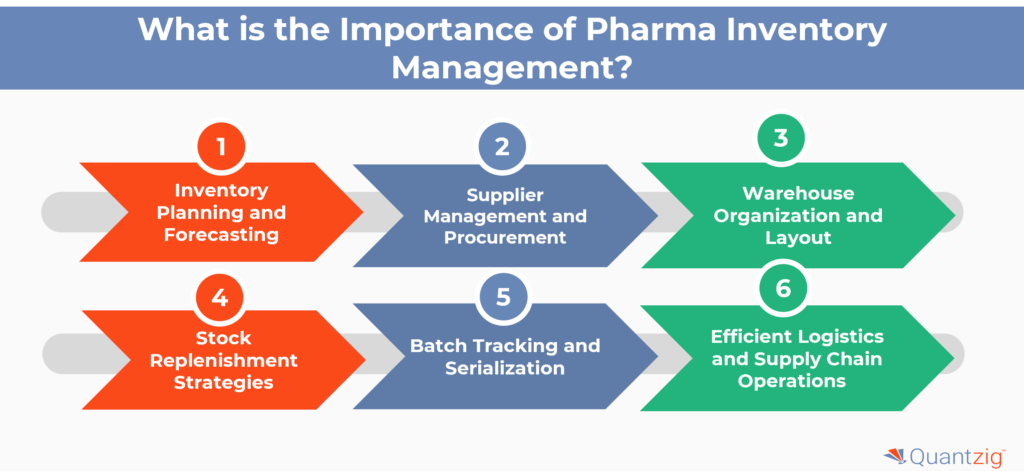
Stock management isn’t about hoarding—it’s about precision. A effective approach blends data analytics with lean principles:
Just-In-Time (JIT) Ordering: A Kuching distributor pharmacy slashed holding costs by 22% by syncing orders with actual prescription trends instead of forecasts.
FEFO Over FIFO: For perishables like eye drops or injectables, First-Expired-First-Out is non-negotiable. A Selangor chain automated FEFO via barcode scanning, reducing expired stock by 30% in 6 months.
POS Integration: Linking sales data directly to supplier platforms ensures auto-replenishment. Example: A Ipoh clinic now triggers orders when stock hits a threshold, eliminating manual counts.
Learn More : Pharmacy Merchandising for New Product Launches in Malaysia
Cold Chain Mastery: Beyond Basic Refrigeration

Malaysia’s humidity and heat demand military-grade logistics for temperature-sensitive drugs. Here’s what separates adequate from exceptional:
Temperature-Mapped Warehousing: Central hubs like KL’s PharmaPark use zone-specific cooling (e.g., 2°C for vaccines, 25°C for tablets).
Fail-Safe Protocols: One trusted distributor assigns backup generators to cold rooms—critical during Malaysia’s frequent power dips.
Last-Mile Innovations: Drones are being tested in Sabah to deliver blood samples to labs within 30 minutes, avoiding road delays.
A strategic partnership with a reliable logistics provider can mean the difference between profit and peril. For instance, a Malacca oncology center now only works with distributors offering real-time GPS and temp tracking—after losing RM 80,000 to a compromised chemo drug shipment.
Learn More : Cold Chain Logistics: Delivering Pandemic Resilience
Regulatory Agility: Turning Compliance Into Competitive Edge
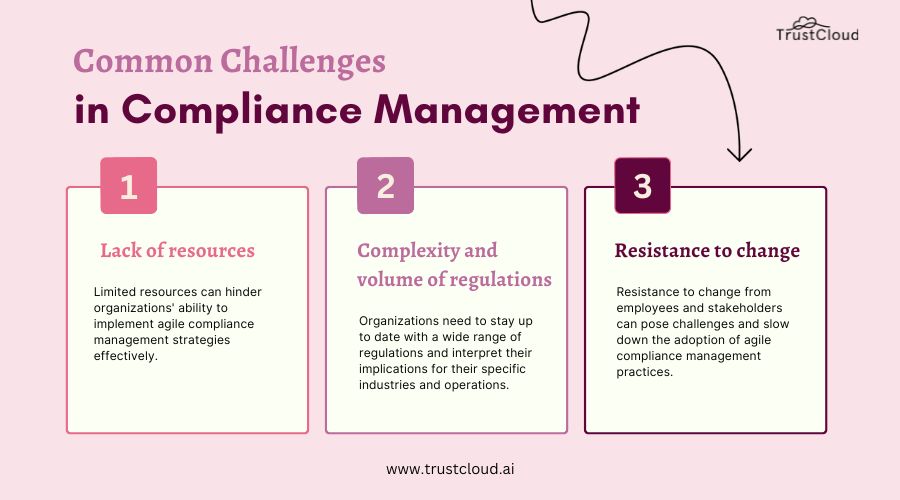
NPRA’s rules aren’t just red tape—they’re quality safeguards. Smart distributors preempt hurdles by:
Digital Document Management: Cloud-based systems like DocuSign cut approval times for import permits by 50%.
Staff Certification Programs: Regular GDP training ensures teams stay updated—a Johor Bahru firm reduced compliance errors by 65% post-training.
Localized Adaptation: Sarawak’s unique import rules (e.g., additional tribal land permits for certain areas) require hyper-local knowledge.
Leveraging Technology for Distribution Efficiency

In an industry where a single delay can mean the difference between life and death, clinging to manual processes isn’t just outdated—it’s strategically reckless. Picture this: A trusted pharmacy distributor in Kuala Lumpur loses RM 150,000 worth of antibiotics because their paper-based system failed to flag an expired batch. Meanwhile, competitors using efficient digital tools automatically reroute shipments around monsoon-hit roads, ensuring on-time delivery. The lesson? Technology isn’t a luxury; it’s the backbone of reliable pharmaceutical logistics in Malaysia.
Take ERP systems, for example. A Johor Bahru-based pharmacy wholesale distributor integrated SAP S/4HANA, slashing order fulfillment time from 48 hours to just 28. How? Real-time syncing of inventory, procurement, and sales data eliminated guesswork. During the COVID-19 vaccine rollout, this same distributor managed 40% more daily shipments without hiring extra staff—just by letting algorithms optimize load planning.
But it’s not just about ERPs. GPS fleet tracking transforms delivery reliability. A Penang logistics provider reduced fuel costs by 18% and late deliveries by 22% after deploying AI-powered route optimization. Their trucks now avoid Klang Valley’s worst traffic snarls by adjusting paths in real time.
Data analytics adds another layer of precision. By analyzing historical sales, a distributor pharmacy in Ipoh predicted a 30% spike in flu medications two weeks before the monsoon season hit. They pre-stocked clinics, avoiding the shortages competitors faced.
✅ Actionable Tech Checklist for Malaysian Distributors:
Start small: Pilot a cloud-based inventory module before full ERP adoption.
Prioritize integrations: Ensure your GPS tool talks to your warehouse management system.
Train relentlessly: 63% of tech failures stem from poor user adoption (Malaysian Digital Economy Corp, 2023).
Learn More : Digital Pharma Supply Chains
Ensuring Regulatory Compliance Across Distribution Channels

NPRA penalties aren’t just fines—they’re reputation killers. In 2023 alone, 14 Malaysian pharma distributors had licenses suspended for GDP violations, from improper cold chain documentation to untrained staff. One essential Penang wholesaler avoided this fate by digitizing compliance. Their secret? A tailored software suite that auto-generates NPRA audit trails, cutting prep time from 3 weeks to 10 days.
Good Distribution Practice (GDP) isn’t optional. It’s the price of entry. A Shah Alam firm learned this the hard way when an inspector found uncalibrated thermometers in their cold storage. The result? A 2-month import freeze and a RM 50,000 penalty. Now, they:
Conduct quarterly mock audits using NPRA’s checklist.
Store all batch records in blockchain-secured clouds (tamper-proof = audit-proof).
Train drivers on GDP basics—like why you never turn off a fridge truck’s data logger.
Local Insight: Sarawak’s tribal land laws add unique hurdles. A Kuching distributor now partners with expert customs brokers to navigate additional permits for rural clinics, avoiding 3-week clearance delays.
✅ Compliance Survival Kit:
Document everything: Even minor temperature excursions need written explanations.
Standardize SOPs: NPRA favors consistency—ad-hoc fixes raise red flags.
Invest in certification: Staff with GDP Professional credentials reduce violations by 41% (MOH Malaysia, 2024).
Building Reliable Partnerships with Independent Pharmacy Distributors

Not all partners are created equal. A skincare brand learned this after a strategic tie-up with a boutique independent pharmacy distributor boosted their Selangor retail presence by 25% in 90 days. Why? The distributor’s proven network of suburban beauty clinics was a perfect fit—something a generic wholesaler couldn’t match.
But vetting matters. A Melaka generics supplier lost RM 200,000 when their new partner’s “cold chain” was just a van with ice packs. Now, they use a 3-step due diligence framework:
Financial health checks: Can they handle 30-day payment terms?
Infrastructure audits: Do they own temperature-mapped warehouses?
Compliance track record: Any NPRA warnings in the past 2 years?
Contract clarity prevents disasters. One KL distributor’s vague SLA led to a RM 75,000 dispute over spoiled vaccines. Their new agreement specifies:
2–8°C monitoring with 5-minute logging intervals.
RM 500/hour penalties for delays exceeding 4 hours.
Bi-annual performance reviews with KPIs like “98% on-time delivery.”
Learn More : Maintaining Essential Health Services and Supply Chains
Future Outlook: Trends Shaping Pharmacy Distribution in Malaysia

The next 5 years will separate the agile from the obsolete. Here’s what’s coming:
1. Digital Transformation
Blockchain isn’t just for Bitcoin. A trusted Malaysian vaccine distributor now uses it to track every vial from factory to arm, slashing counterfeit risks. Patients scan QR codes to verify authenticity—a game-changer when 7% of local medicines are fake (NPRA, 2023).
2. Personalized Medicine
Smaller, frequent shipments will dominate as gene therapies and niche biologics rise. A strategic Ipoh lab already ships cancer drugs in 72-hour cycles via motorcycle couriers—cutting waste by 60% versus monthly bulk deliveries.
3. Regulatory Tightening
Expect stricter cold chain rules, especially for mRNA vaccines. Preempt this by:
Upgrading data loggers to NPRA’s new 2025 specs (±0.5°C accuracy).
Joining MOH’s GDP working groups for early policy insights.
Pro Tip: Rural expansion demands creativity. A Sabah distributor partners with telemedicine platforms—doctors e-prescribe, and their bikes deliver within 4 hours.
Learn More : The Impact of Lighting, Layout, and Store Design on Pharmacy Merchandising in Malaysia | The Next Frontier in Pharmaceutical Distribution
The future of Malaysian pharmaceutical distribution belongs to those who blend efficient tech, reliable partnerships, and proactive compliance. Whether you’re a pharmacy wholesale distributor battling stockouts or a clinic chain struggling with cold chain gaps, incremental fixes won’t suffice.
How can we assist you today? 😊
Just let us know—we’re here to help!