

June 13, 2025
In Malaysia’s fast-evolving healthcare sector, pharmacies are no longer just transactional spaces—they’re pivotal touchpoints where smart retail strategies intersect with community wellness. At the heart of this transformation lies pharmacy merchandising, a nuanced practice that goes beyond basic product placement to shape consumer experiences, reinforce credibility, and elevate both commercial performance and care delivery.
For stakeholders across Malaysia’s pharmacy ecosystem—independent retailers, distribution service providers, or healthcare brands—the art of merchandising has emerged as a critical driver of success. Unlike conventional retail setups, pharmacies operate at the crossroads of healthcare and commerce, requiring layouts that balance patient education, regulatory compliance, and revenue goals. This dual focus demands intentional design choices, from optimizing floor plans to curating product adjacencies that subtly guide health decisions.
Consider the psychology behind shelf organization: Positioning vitamins alongside immune-boosting supplements or placing first-aid kits near pain relief products creates intuitive pathways for shoppers. These adjacencies don’t just drive impulse purchases—they simplify health management for customers, fostering trust in the pharmacy as a reliable resource. Seasonal displays further amplify this trust, aligning offerings with community needs (think monsoon-ready skincare or Ramadan wellness bundles) while keeping inventory turnover efficient.
Compliance remains non-negotiable in Malaysia’s regulated environment. Merchandising strategies must adhere to guidelines for product categorization, signage clarity, and ethical marketing—factors that protect consumers while minimizing operational risks. A well-organized space also empowers staff to locate items swiftly, reducing wait times and freeing up personnel for consultations that enhance service quality.
Ultimately, effective merchandising bridges the gap between clinical care and retail convenience. By transforming pharmacies into organized, patient-centric hubs, stakeholders can strengthen brand loyalty, improve health literacy, and create environments where smart retail choices directly support better patient outcomes. In a sector where every square foot counts, strategic layouts aren’t just about aesthetics—they’re a silent yet powerful partner in Malaysia’s healthcare journey.
The Strategic Role of Merchandising in Pharmacy Distribution
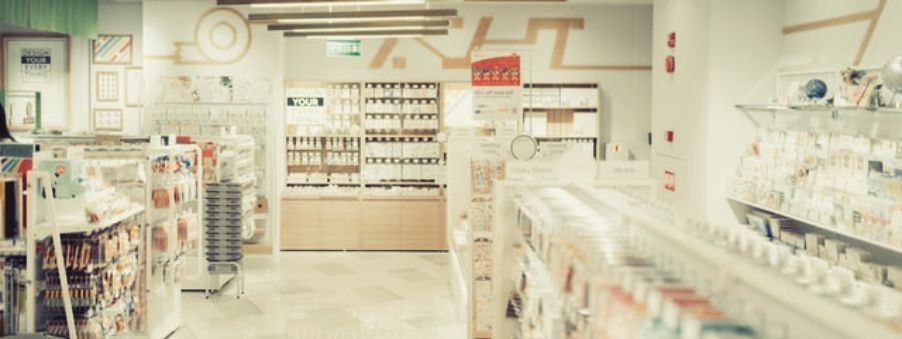
In Malaysia’s evolving healthcare ecosystem, pharmacy merchandising has emerged as a silent yet powerful force shaping consumer experiences. But how exactly does product presentation within pharmacies influence the broader distribution chain? The answer lies in its ability to connect suppliers, distributors, and patients through intentional design.
For independent pharmacy distributors—often operating mom-and-pop chains or regional networks—merchandising acts as both an art and science. Collaborating closely with wholesale partners, these distributors analyze hyper-local health demands to optimize shelf layouts. Whether prioritizing diabetes care kits in aging neighborhoods or vitamin supplements in fitness-conscious urban areas, localized merchandising aligns stock visibility with community needs. This agility allows smaller players to compete with national brands while fostering customer loyalty through relevant product curation.
On the flip side, major wholesale distributors leverage standardized merchandising frameworks to maintain brand cohesion across expansive pharmacy networks. From pre-designed planograms dictating shelf organization to AI-driven inventory rotation systems, these protocols ensure uniformity without sacrificing efficiency. A well-executed planogram not only accelerates restocking for staff but subconsciously guides shoppers’ eyes toward high-priority items—think seasonal flu medications or trending wellness products. Such strategies don’t just boost sales; they minimize expired stock and ensure life-saving supplies remain perpetually accessible.
Critically, merchandising’s impact extends beyond aesthetics. In a sector where time-sensitive purchases—like antibiotics or chronic disease medications—can determine health outcomes, intuitive store layouts become public health tools. A parent searching for pediatric fever relief or a senior locating heart health supplements shouldn’t navigate maze-like aisles during urgent moments. Strategic placement, informed by distributor insights, turns chaos into clarity.
While technology and data drive modern merchandising, Malaysia’s cultural diversity demands nuance. A skincare display thriving in cosmopolitan Kuala Lumpur might flop in rural Kelantan without adjustments for local preferences or purchasing habits. Distributors bridging this gap blend analytics with cultural competence, ensuring health solutions resonate contextually.
Ultimately, merchandising in Malaysia’s pharmacy sector isn’t merely about arranging products—it’s about orchestrating accessibility. By harmonizing supply chain logistics with human-centered design, distributors transform retail spaces into healthcare hubs where every shelf placement serves a purpose. As consumer expectations evolve, those mastering this balance won’t just dominate markets; they’ll directly contribute to healthier communities.
Consumer Behavior and Purchase Psychology in Malaysian Pharmacies
![What Is Consumer Behaviour? [Detailed Guide] – Feedough](https://www.feedough.com/wp-content/uploads/2018/08/CONSUMER-BEHAVIOUR.png "Pharmacy Merchandising - Prioocare")
What drives Malaysian shoppers to grab unplanned items during routine pharmacy visits? Beyond brand loyalty or pricing, the secret frequently hides in where and how products meet their gaze. Thoughtful retail design—from aisle navigation patterns to color psychology—subtly guides decisions, transforming casual browsing into intentional purchases.
In Malaysia’s competitive pharmacy sector, impulse buys thrive near checkout zones. Wellness supplements, vitamins, and baby essentials often see higher pickup rates when positioned strategically in high-traffic areas. This taps into a growing consumer base that prioritizes health consciousness and budget mindfulness. Limited-time offers, value bundles, and informative product tags resonate deeply, merging preventive care aspirations with practical savings—a duality defining today’s savvy Malaysian shopper.
Studies reveal a striking trend: 65%+ of pharmacy purchases are decided after customers enter stores. This underscores the critical role of merchandising strategies that mirror local buying habits. For instance, Klang Valley outlets report higher sales for immune-boosting supplements when placed at eye level rather than tucked in less visible shelves. Similarly, Penang pharmacies leveraging seasonal groupings—like bundling allergy relief with skincare during haze season—see stronger basket sizes.
Effective merchandising isn’t just about visibility; it’s a silent educator. Clear signage explaining product benefits or dosage tips builds trust, while thematic displays (think “Back-to-School Essentials” or “Senior Wellness Kits”) simplify decision fatigue. These approaches align with Malaysia’s evolving healthcare landscape, where consumers increasingly self-manage minor ailments but seek guidance through intuitive store layouts.
Ultimately, a well-curated pharmacy space acts as both guide and ally—steering choices without overt persuasion. By blending behavioral insights with spatial logic, retailers foster environments where health-conscious decisions feel effortless. This isn’t about flashy gimmicks—it’s about crafting environments that speak directly to evolving priorities, one thoughtfully arranged shelf at a time.
Learn more : Explores how visual merchandising influences customer behavior and
Optimizing Pharmacy Layout for Visibility and Flow

Struggling to transform a cramped pharmacy into a functional, revenue-driving space? The secret lies in intelligent layout design—a game-changer for Malaysian pharmacies navigating limited square footage.
Across Malaysia’s bustling cities, pharmacies often face spatial constraints that challenge both profitability and customer satisfaction. However, thoughtful spatial planning can turn these limitations into advantages. By prioritizing visual clarity, zoning logic, and strategic product adjacencies, retailers create environments where every inch works harder. For instance, positioning flu medications beside tissues and hand sanitizers mirrors natural customer needs, encouraging complementary purchases while simplifying the shopping journey.
Successful layouts also hinge on movement flow. Aisles should steer customers from essential items (prescription counters) toward high-margin impulse buys (vitamins or organic snacks). This “guided exploration” not only boosts basket sizes but reduces congestion—a win for time-pressed urban shoppers.
Local merchandising experts frequently use digital planograms or floor mapping tools to maximize product visibility. Key principles include:
Eye-level placements for premium OTC items (allergy meds, skincare)
Mid-height shelving for bulky essentials like baby formula
Lower bays for high-volume commodities (cotton balls, soaps) that require minimal engagement
Critically, the goal extends beyond aesthetics. A streamlined pharmacy layout slashes staff retrieval times, cuts customer wait periods, and minimizes errors—factors that collectively elevate service quality. In healthcare settings, these efficiencies have ripple effects: faster access to medications can improve treatment adherence, while logical categorization helps patients locate products autonomously.
For Malaysian pharmacies, smart spatial design isn’t just about sales—it’s a tool for fostering healthier communities. By reducing friction in the retail experience, pharmacies become more than transactional spaces; they evolve into accessible hubs where efficiency supports better health outcomes.
Learn more : Retail Pharmacy Layout Design for Consumer Navigation | Discusses strategies for optimizing retail store layouts to enhance shopper experience and sales.
Effective Product Placement and Category Management
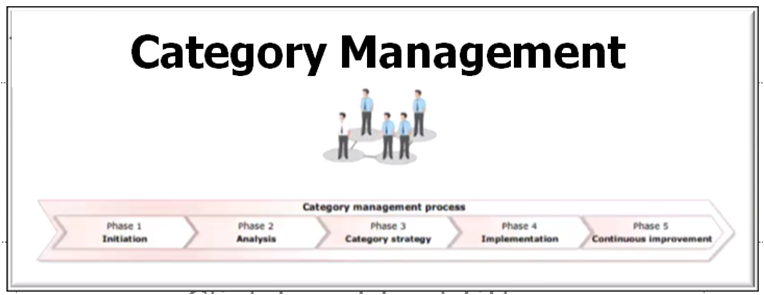
The organization of a retail space isn’t just about aesthetics—it’s a powerful tool that shapes purchasing decisions and, in healthcare settings, can directly impact patient well-being. For pharmacies, particularly in Malaysia’s competitive market, thoughtful product placement bridges the gap between customer convenience and effective health management. When items are strategically positioned, it streamlines the shopping experience while subtly guiding consumers toward solutions that address their needs.
Central to this approach is category management, a system that clusters products by shared characteristics like health goals, demographics, or medical conditions. Imagine skincare sections segmented by age-specific concerns—teen acne treatments versus anti-aging serums for mature skin—or vitamins grouped to target immunity boosts or bone strength. This intuitive arrangement empowers customers to explore independently, fostering serendipitous discoveries while reducing decision fatigue. By simplifying navigation, pharmacies indirectly promote adherence to health regimens, as shoppers can effortlessly locate essentials.
To optimize layouts, many Malaysian distributor pharmacies collaborate with retail design specialists. These experts analyze local buying trends and inventory turnover rates to craft shelving logic tailored to regional demand. For instance, health supplements often occupy prime spots near consultation counters, capitalizing on post-consultation impulse purchases. Similarly, high-traffic zones prioritize fast-moving categories: baby care products at eye level, pain relief items along main aisles, or beauty supplements beside checkout counters. These zones not only drive sales but ensure urgent health products remain visible and accessible.
Conversely, slower-selling stock-keeping units (SKUs) benefit from periodic rotation into peripheral areas, paired with eye-catching promotional signage to reignite interest. This dynamic approach prevents stagnant inventory while maintaining a clutter-free environment.
In Malaysia’s diverse pharmacy landscape, success hinges on balancing efficiency with empathy. Overcrowded shelves or erratic layouts can overwhelm shoppers, deterring them from completing purchases vital to their health. By merging data-driven merchandising with an understanding of local consumer behavior, pharmacies create spaces that feel both functional and welcoming. The result? A retail environment that doesn’t just boost revenue—it enhances healthcare outcomes by ensuring the right products reach the right people at the right time. After all, when customers effortlessly find what they need, they’re more likely to follow through on treatments, fostering long-term wellness.
Learn more : Strategies to Reduce Product Wastage with Efficient Merchandising in Malaysian Pharmacies
Leveraging Seasonal and Promotional Merchandising

What if your pharmacy’s layout could intuitively respond to seasonal shifts? This concept lies at the heart of dynamic merchandising strategies tailored to local rhythms.
In Malaysia, healthcare retail success hinges on aligning product displays with cultural festivals, weather patterns, and community needs. Take Ramadan, for instance—a period when demand surges for immune-supporting supplements and digestive aids. Similarly, monsoon seasons or haze outbreaks drive interest in respiratory health products, while year-end holidays see shoppers prioritizing skincare gift sets and wellness bundles. By anticipating these cycles, pharmacies position themselves as trusted partners in preventive care.
Strategic merchandising services excel at planning months ahead to synchronize inventory with predictable demand spikes. For example, “Buy 2, Free 1” deals or curated wellness kits gain traction when paired with eye-catching aisle displays or entrance-facing promotions. These tactics not only boost visibility but also create urgency, nudging customers toward informed health choices.
A Johor Bahru pharmacy exemplifies this approach. During annual haze episodes, they relocated air purifiers and sinus relief sprays to high-traffic zones, resulting in a 30% uptick in store visits. This proactive repositioning didn’t just drive sales—it addressed urgent public health needs, fostering loyalty among locals.
Timing is everything. When pharmacies aligns their layouts with regional events—from Hari Raya to flu season—they signal an understanding of community-specific challenges. Shelves stocked with relevant items during critical periods transform casual shoppers into repeat customers. After all, a parent finding pediatric cough syrup exactly when needed is likelier to trust that retailer for future health concerns.
In Malaysia’s competitive healthcare retail sector, adaptability isn’t just about profits—it’s about relevance. By mirroring the rhythms of local life through thoughtful product placement, pharmacies strengthen their role as accessible health hubs. This approach doesn’t just moves inventory; it builds trust, enhances preventive care access, and ultimately, supports better health outcomes.
Learn more : How Seasonal and Promotional Merchandising Drives Sales in Malaysian Pharmacies
Regulatory Compliance in Pharmacy Merchandising

Can visually appealing retail environments align with rigorous healthcare standards? In Malaysia’s pharmacies, the answer isn’t just yes—it’s a necessity. As healthcare retail spaces evolve, balancing aesthetic appeal with regulatory adherence has become critical for both operational success and patient safety.
Malaysia’s Ministry of Health (MOH) mandates strict guidelines for merchandising health products, particularly for controlled substances. Among these rules: high-risk medications like scheduled poisons require secure storage—either behind counters or in locked enclosures—to prevent unauthorized access. Promotional materials, meanwhile, face tight scrutiny. Claims about product benefits must remain factual, avoiding sensationalized language that could mislead consumers. Even shelf tags fall under regulation, necessitating clear displays of dosage details, ingredients, and usage instructions.
Non-compliance isn’t an option. Retailers risk substantial fines or even temporary closure for violations, making adherence a top priority. To navigate these complexities, many pharmacy distributors collaborate with regulatory consultants during store design phases. These experts help integrate compliance into every visual element, ensuring displays attract customers without breaching guidelines.
Wholesale distributors further streamline compliance by supplying pre-approved promotional kits. These kits—pre-vetted for MOH standards—simplify inventory management, allowing pharmacies to focus on customer engagement rather than legal pitfalls. By handling packaging and labeling upfront, distributors reduce errors and ensure consistency across retail outlets.
The synergy of aesthetics and regulation isn’t just possible—it’s profitable. Thoughtfully designed spaces build trust, encouraging customers to return while safeguarding public health. For instance, a well-organized cough syrup display with locked storage and clear dosage instructions can deter misuse while maintaining visual cohesion.
Ultimately, Malaysia’s approach demonstrates that healthcare retail needn’t sacrifice style for safety. By embedding compliance into design choices, pharmacies create spaces that are both inviting and ethically sound. This balance not only meets MOH expectations but elevates the consumer experience, proving that smart design can be a pillar of public health strategy.
Learn more : Provides guidelines on the regulation of medical products to ensure safety and efficacy.
Aligning Merchandising with Brand and Customer Experience

In today’s competitive healthcare landscape, every detail of your pharmacy’s layout communicates unspoken messages about your brand. Beyond mere product placement, intentional merchandising serves as a silent storyteller—one that shapes perceptions, builds loyalty, and ultimately influences health outcomes.
The Power of Visual Brand Alignment
Whether operating as a neighborhood pharmacy or a multi-location chain, your physical space reflects core values even without explicit slogans. Is your establishment built on clinical expertise? Family-centered care? Or perhaps progressive wellness trends? Your shelving strategies should answer these questions visually.
Consider these approaches:
Family-oriented pharmacies might design bright, accessible children’s zones with eye-level toy displays and parent-friendly navigation
Holistic wellness stores could spotlight plant-based supplements or cruelty-free skincare in high-traffic entry areas
Bulk suppliers play a crucial role by offering customizable signage, modular shelving units, and co-branded educational materials
Beyond Transactions: Cultivating Emotional Connections
When shelves align with brand ethos, they do more than drive sales—they foster trust. A senior citizen navigating arthritis aids feels reassured by clear labeling and ergonomic placements, while a eco-conscious millennial discovers affinity with curated vegan product clusters. In Malaysia’s diverse market, these subtle cues help patients feel recognized, bridging the gap between commercial space and community care hub.
Standing Out in Malaysia’s Evolving Market
With pharmacies proliferating across Kuala Lumpur to Penang, differentiation hinges on visual storytelling. A youth-centric outlet might incorporate digital screens explaining skincare routines, whereas heritage brands could use warm lighting to emphasize tradition. The common thread? Consistency between what your brand promises and what your shelves deliver.
By transforming aisles into branded experiences, Malaysian pharmacies can elevate their role from mere retailers to trusted health partners. This strategy not only sharpens competitive edges but reinforces the vital link between thoughtful design and patient confidence—proving that where products sit matters as much as what they do.
Learn more : How Effective Merchandising Supports Pharmaceutical Branding in Malaysia
Digital Tools and Data-Driven Merchandising Decisions
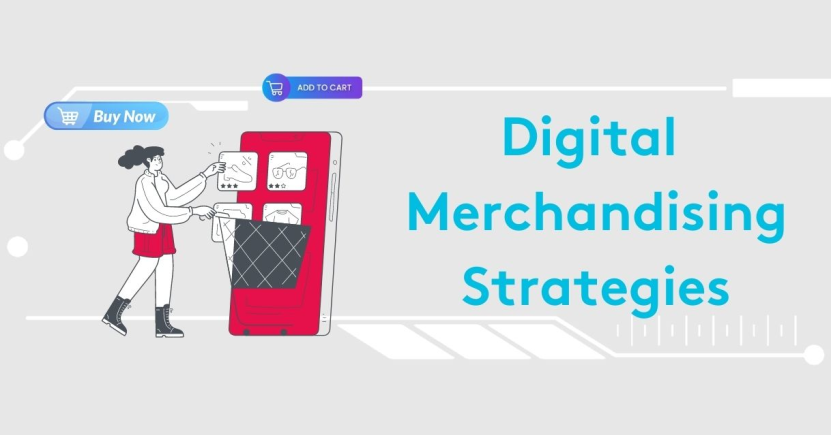
Imagine if your store shelves could share customer insights in real time. With today’s digital advancements, they practically do. Modern point-of-sale (POS) technologies have evolved beyond transaction processing—they now track critical metrics like purchasing trends, average order values, and how long shoppers linger near specific products. For distributor pharmacies, these analytics unlock opportunities to optimize layouts in ways that directly serve customer needs.
Take evening foot traffic patterns as an example. If data reveals a surge in moisturizer sales after 5 PM, strategically repositioning these items near checkout counters during rush hours can simplify purchases for tired commuters. This isn’t guesswork—it’s precision merchandising driven by behavioral data.
Beyond POS systems, planogram tools let pharmacies test shelf configurations digitally before rearranging physical stores. Virtual mock-ups reduce costly trial-and-error, ensuring spaces are both functional and revenue-maximizing. But the innovation doesn’t stop there. By embedding QR code surveys or syncing with loyalty apps, retailers gather direct feedback on inventory gaps or overstocked products. This creates a feedback loop where customer preferences shape everything from promotional campaigns to new product selections.
In Malaysia’s competitive pharmacy sector, this digital shift is revolutionizing operations. Chains now leverage data to align stock levels with regional health trends—like prioritizing allergy medications during haze seasons or expanding elder-care products in aging neighborhoods. The result? Shelves that adapt not just to sales goals, but to community wellness needs.
Critically, these strategies do more than boost profits—they create seamless experiences for patients. A parent searching for pediatric vitamins during a hectic evening shop benefits from intuitive layouts, just as a diabetic customer appreciates glucose monitors placed beside related supplies. When products are easy to find, adherence to treatment plans improves, linking retail efficiency to better health outcomes.
Data’s role here transcends spreadsheets—it’s the backbone of empathetic, patient-centered design. For Malaysian pharmacies, merging analytics with human-centric planning bridges the gap between commerce and care. After all, in healthcare retail, a well-organized shelf isn’t just a sales tool—it’s quietly shaping healthier communities, one thoughtful placement at a time.
In Malaysia’s competitive healthcare retail sector, smart merchandising has evolved from a passing trend to an indispensable strategy. For pharmacy owners, distributors, and retail managers alike, intentional product placement and store design aren’t just about aesthetics—they’re proven tools for driving profitability and customer satisfaction.
Effective merchandising blends science and strategy. Layouts that guide shopper flow, seasonal displays that tap into consumer behavior, and compliance-focused arrangements that align with Malaysia’s regulatory standards all contribute to a pharmacy’s success. Each shelf, sign, or promotional zone serves dual purposes: enhancing user experience while reinforcing brand credibility. Neglecting these elements risks not only lost sales but also potential non-compliance penalties, making thoughtful design non-negotiable.
Thriving in this complex environment demands collaboration with experts who grasp both commercial goals and legal frameworks. Partnering with specialist who understand Malaysia’s unique healthcare retail landscape ensures your space meets stringent regulations while creating environments that convert browsers into buyers. This balance is critical—a well-curated pharmacy doesn’t just dispense products; it builds trust and fosters repeat visits through intuitive navigation and clarity.
The connection between strategic merchandising and business outcomes is clear. Data-driven displays can uplift average transaction values, while compliant labeling reduces operational risks. Seasonal campaigns tailored to local health trends—like monsoon-ready immunity sections or Ramadan-focused wellness zones—resonate deeply with communities, driving engagement.
Are you prepared to reimagine your pharmacy’s retail potential? Our team offers customized merchandising solutions, from regulation-aligned display concepts to end-to-end distribution support. Whether optimizing existing layouts or launching new store formats, we prioritize spaces that educate customers, streamline access, and amplify sales.
How can we assist you today? 😊
Just let us know—we’re here to help!