

August 16, 2025
The pharmacy industry in Malaysia is at a crossroads. On one hand, healthcare demands are skyrocketing—driven by an aging population, rising chronic diseases, and heightened patient expectations. On the other, many pharmacies still rely on outdated, manual systems that simply can’t keep pace. The result? Longer wait times, inconsistent stock availability, and overworked pharmacists struggling to meet daily demands.
Take, for example, a busy pharmacy distributor in Malaysia handling hundreds of prescriptions daily. Without automation, staff spend hours manually counting pills, updating inventory logs, and cross-checking prescriptions—tasks that are not only time-consuming but prone to human error. In Klang Valley, a well-known retail pharmacy reported a 40% increase in patient complaints due to delayed prescriptions and stockouts—issues that could have been avoided with efficient, automated workflows.
The numbers paint a stark picture:
72% of Malaysian pharmacists admit to feeling overwhelmed by workload pressures (Malaysian Pharmacists Society, 2023).
1 in 3 independent pharmacies faces recurring stock discrepancies due to manual tracking.
Patient wait times have increased by an average of 25 minutes per prescription in non-automated setups.
The practical implication is clear: pharmacies that resist digitization risk falling behind. Automation isn’t just about speed—it’s about creating a reliable, patient-centric experience while staying compliant with stringent regulations like KKM and NPRA guidelines.
Understanding Pharmacy Process Automation: Definitions and Core Technologies

So, what does automation really mean for pharmacies? At its core, pharmacy process automation leverages digital tools and robotics to streamline traditionally manual tasks—freeing up pharmacists to focus on patient care rather than administrative bottlenecks.
Consider the trusted technologies reshaping the industry:
Automated Dispensing Systems (ADS): These robotic systems count and package medications with 99.9% accuracy, slashing dispensing errors. A hospital in Johor Bahru reduced medication mistakes by 62% after implementing ADS.
AI-Powered Inventory Management: Smart algorithms analyze sales data, seasonal trends, and even weather patterns to predict stock needs. A pharmacy distribution service in Malaysia using AI reported a 30% reduction in overstocking costs.
Digital Prescription Platforms: E-prescriptions eliminate illegible handwriting and duplicate orders. In Penang, a clinic network cut prescription processing time from 20 minutes to under 5 by going paperless.
But it’s not just about standalone tools. The real magic happens when these systems integrate seamlessly—like pharmacy management software that syncs with distributor portals to auto-replenish stock. For pharmacy wholesale distributors, this means fewer emergency orders and happier retail partners.
Learn More : The Latest Trends in Pharmacy Automation
Key Drivers Behind Automation Adoption in Malaysian Pharmacies

Why are Malaysian pharmacies racing to automate now? The reasons are both urgent and multifaceted.
Soaring Prescription Volumes
With diabetes and hypertension rates doubling in the last decade (Ministry of Health Malaysia, 2024), pharmacies are drowning in prescriptions. Manual processing simply can’t scale. A strategic automated system, however, can handle 3x the workload with the same staff.Regulatory Crunch
KKM’s new traceability rules require pharmacies to log every drug’s journey—from warehouse to patient. Manual record-keeping is risky; one missed entry could trigger an audit. Automation ensures compliance without the headache.Patient Expectations
Today’s patients want Amazon-fast service. A survey by Frost & Sullivan found that 68% of Malaysians would switch pharmacies for shorter wait times. Automation meets this demand—like the Kuala Lumpur chain that reduced average wait times to under 10 minutes using robotic dispensers.
For pharmacy distributors in Malaysia, this shift is equally critical. Those offering tailored automation support—like real-time stock alerts or AI-driven demand forecasting—are becoming indispensable partners to retail pharmacies.
Learn More : Digital Health Technologies to Support Access to Medicines
How AI and Robotics Are Transforming Pharmacy Workflows

Can machines outperform humans in pharmacy tasks? In many cases, absolutely.
Robotic Dispensing: A Selangor-based hospital uses robots to fill 500+ prescriptions daily—with zero counting errors. Staff now spend 80% less time on manual dispensing.
AI for Fraud Detection: One expert system flagged 15 suspicious opioid orders in a month, preventing potential abuse.
Predictive Inventory: An AI tool analyzed 2 years of sales data for a Malacca pharmacy, predicting flu-season demand with 95% accuracy.
Even pharmacy wholesale distributors are leveraging robotics. Automated sorting systems in warehouses have reduced mispicks by 45%, ensuring clinics get the right products faster.
Learn More : Unlocking the Industrial Potential of Robotics and Automation
Operational Benefits of Automation for Distributors and Pharmacies
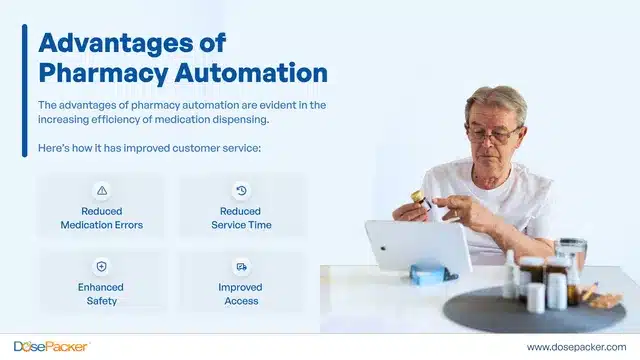
The ROI of automation isn’t theoretical—it’s measurable. Here’s how it’s playing out on the ground:
✅ Error Reduction
Barcode scanning cuts prescription mistakes by up to 50%.
A Ipoh-based distributor saw a 22% drop in shipping errors after automating order verification.
✅ Stock Optimization
Real-time sync between pharmacies and distributors prevents out-of-stocks.
A Kuching pharmacy reduced expired stock by 18% using AI expiry alerts.
✅ Speed & Satisfaction
Automated refill reminders boosted patient adherence by 35% for a Penang clinic.
One KL pharmacy now processes 120+ prescriptions daily—up from 70 pre-automation.
A proven framework for success? Start with one high-impact area (e.g., inventory), measure gains, then scale. The effective path isn’t revolution—it’s strategic evolution.
Final Thought
The future of Malaysian pharmacies hinges on embracing efficient, reliable automation—not as a luxury, but as the essential backbone of modern care. From AI-driven inventory to robotic dispensing, the tools are here. The question is: who will adapt first?
The shift toward automation in Malaysia’s pharmacy sector isn’t without hurdles. While the benefits are undeniable—faster workflows, fewer errors, better compliance—many pharmacies, especially smaller independents, still hesitate to take the leap. Why? The barriers are real, but so are the solutions.
Take initial costs, for instance. A high-end robotic dispensing system can run into six-figure investments—a daunting sum for a single-location pharmacy in Penang or Melaka. But here’s the twist: modular, tailored solutions exist. One Kuala Lumpur startup now offers pay-as-you-go automation tools, cutting upfront costs by 60% for clinics.
Then there’s system compatibility. Older pharmacies relying on legacy software often struggle to integrate new tech. A Selangor-based distributor tackled this by providing middleware that bridges old and new systems—proving that strategic partnerships matter.
Infrastructure gaps hit rural pharmacies hardest. In Sarawak, limited internet bandwidth and space constraints forced one clinic to adopt offline-capable mobile apps for inventory tracking. It’s not perfect, but it’s a reliable stopgap.
Regulatory compliance adds another layer. KKM and NPRA demand airtight documentation during transitions. A Johor Bahru pharmacy avoided audit penalties by working with an expert consultant to phase in automation while maintaining manual logs as backup.
Key considerations for a smooth rollout:
✅ Start small—pilot one process (e.g., digital prescriptions) before scaling.
✅ Partner with distributors offering tech support—like RFID-tagged stock for seamless scanning.
✅ Train staff incrementally to avoid workflow disruption.
The lesson? Automation isn’t all-or-nothing. Even proven, stepwise upgrades can yield dramatic gains.
Learn More : Optimizing Distribution for Malay Consumers: Best Practices
Role of Pharmacy Distributors in Driving Automation Uptake
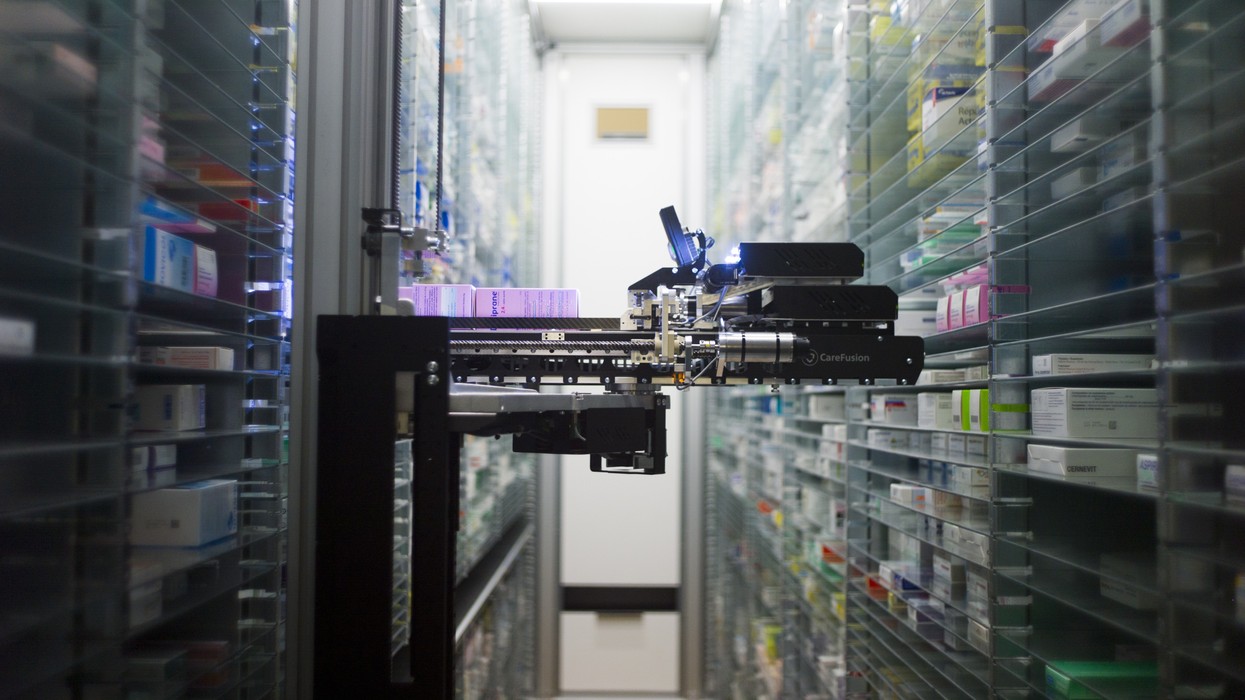
Pharmacy distributors aren’t just supply chain middlemen anymore—they’re essential enablers of digital transformation. Across Malaysia, forward-thinking pharmacy wholesale distributors are bundling medications with tech tools, creating turnkey solutions for pharmacies of all sizes.
Consider this: A Kuching-based distributor now provides real-time inventory dashboards to its partner clinics. Pharmacists see stock levels, expiry dates, and even AI-driven reorder prompts—all synced with the distributor’s warehouse. Result? A 30% drop in emergency orders.
Others are going further. In Ipoh, a major pharmacy distribution service rolled out barcode-scanning training for retail staff, slashing mis-scans by 45%. Meanwhile, a Klang Valley distributor offers RFID-prelabeled products, cutting receiving time by half.
Why distributors? They’re the trusted link between manufacturers and pharmacies. Their leverage ensures cost-effective tech adoption. Case in point: A Penang distributor negotiated bulk pricing on dispensing robots, passing savings to small pharmacies.
Critical roles distributors play:
Tech integrators: Ensuring new tools mesh with existing workflows.
Compliance guides: Helping navigate KKM’s evolving e-prescription rules.
Data hubs: Sharing analytics to predict regional demand spikes (e.g., flu season in Kelantan).
For pharmacies, aligning with the right distributor isn’t just helpful—it’s strategic.
Learn More : The Importance of Distribution in Malay Markets
Case Studies: Automation in Action Across Malaysian Pharmacies

1. Urban Chain Pharmacy: Speed Meets Precision
A Klang Valley chain with 12 outlets faced 25-minute prescription delays. After integrating robotic dispensers and a cloud-based inventory system (courtesy of their pharmacy distributor Malaysia partner), wait times plummeted to under 5 minutes. The secret? Real-time stock syncs prevented 80% of out-of-stock incidents.
2. Hospital Pharmacy: Smarter Stock, Fewer Losses
A Sabah government hospital was wasting RM200,000 annually on expired slow-movers. Their AI-powered formulary management system, tied to supplier data, reduced waste by 55% in a year. Now, the system auto-flags drugs with <6 months shelf life for priority use.
3. Independent Pharmacy: Digital Safety Net
In Alor Setar, a family-run pharmacy adopted a digital prescription platform linked to their distributor’s database. The tool’s allergy interaction alerts caught 3 potentially dangerous prescriptions monthly—boosting both patient trust and staff confidence.
These aren’t hypotheticals. They’re effective, local proof that automation works at every scale.
Learn More : How Effective Merchandising Supports Pharmaceutical Branding in Malaysia
Future Trends in Pharmacy Automation: What to Expect by 2030

The next wave? Hyper-personalized, connected, and decentralized.
Telepharmacy Boom: Rural clinics in Pahang are testing video consultation kiosks with automated pill dispensers—cutting patient travel by 70%.
E-Prescription Nationwide: Pilot programs in Putrajaya aim to connect all public and private pharmacies via a centralized digital script hub by 2026.
AI Micro-Distribution: Distributors in Perak are testing AI-driven “mini-hubs” that predict local demand (e.g., dengue meds in monsoon season) and pre-position stock.
Tiered Tech Adoption: Urban megapharmacies may deploy fully robotic fulfillment, while Sarawak village clinics use voice-assisted mobile apps for inventory.
The proven trend? Collaboration. Expect more pharmacy distributor Malaysia players to co-develop tools with tech firms—like the Selangor startup creating multilingual automation interfaces for Malaysia’s diverse workforce.
Learn More : Pharmacy Automation Market Analysis: Trends & Growth Outlook
Why Now Is the Time for Malaysian Pharmacies to Act

The clock’s ticking. With KKM tightening traceability rules and patients demanding Amazon-fast service, pharmacies clinging to manual processes risk irrelevance.
Automation isn’t just about efficiency—it’s about survival. The Kedah pharmacy that cut errors by 40% didn’t just save money; it became the go-to for trusted care in its district.
For independent pharmacy distributors, the stakes are just as high. Those offering automation-ready solutions (think pre-barcoded products or API-enabled ordering) will dominate the next decade.
The bottom line? The tools exist. The partners are ready. The question is whether you’ll lead—or scramble to catch up.
Ready to future-proof your pharmacy or distribution network? PriooCare Malaysia specializes in tailored automation solutions—from AI inventory systems to KKM-compliant e-prescription platforms.
How can we assist you today? 😊
Just let us know—we’re here to help!