

May 31, 2025
Within Malaysia’s strictly controlled pharmaceutical landscape, GMP (Good Manufacturing Practice) certification transcends mere regulatory compliance—it stands as the bedrock of consumer trust, product reliability, and industry integrity. As global health expectations escalate, domestic drug producers face intensifying demands to showcase operational excellence. Here, GMP-certified manufacturers emerge as vital protectors of public well-being, guaranteeing quality at every stage of intricate supply networks.
Amid this transformative environment, Reishilab Sdn Bhd has carved its niche. Established during Malaysia’s strategic shift toward pharmaceutical self-sufficiency, the company embodies the alignment of local expertise with international benchmarks. By adhering to both ASEAN directives and WHO recommendations, Reishilab exemplifies the dual focus necessary for contemporary pharmaceutical enterprises: meeting homegrown healthcare needs while competing on a global scale.
For stakeholders like pharmacy operators, healthcare administrators, and brand decision-makers, grasping the significance of GMP-aligned manufacturers is crucial. These entities not only ensures compliance with stringent regulations but also streamline procurement processes and mitigate risks associated with substandard products. In an era where supply chain transparency is non-negotiable, partnering with certified producers simplifies regulatory navigation while enhancing end-user safety.
Malaysia’s journey toward pharmaceutical autonomy hinges on such forward-thinking organizations. By investing in advanced manufacturing protocols and staff training programs, GMP-certified facilities bridge the gap between national priorities and worldwide quality expectations. This synergy doesn’t just elevate local healthcare outcomes—it positions Malaysia as a contender in the international generics market.
Ultimately, the value of GMP certification extends beyond factory walls. For healthcare providers and businesses, it signals a commitment to ethical practices and patient-centric innovation. As Malaysia’s pharmaceutical sector continues to evolves, stakeholders prioritizing these standards will likely lead in fostering a healthier, more resilient population—proof that quality manufacturing is inseparable from public health progress.
Formation of Reishilab Sdn Bhd: Origins and Early Vision

Malaysia’s pharmaceutical sector has evolved into a tightly regulated arena, shaped by rigorous oversight and growing consumer demands for transparency. It’s within this climate that companies such as Reishilab emerged, carving a niche by aligning with exacting Good Manufacturing Practice (GMP) standards. The early 2010s marked a turning point, as agencies like Malaysia’s National Pharmaceutical Regulatory Agency (NPRA) and the Ministry of Health intensified audits, creating a make-or-break environment for new entrants. Startups faced a stark choice: prioritize compliance-driven production models or lose access to the country’s lucrative healthcare market.
Reishilab’s origin story reflects this pivotal era. The company was co-founded by a group of seasoned professionals whose expertise spanned pharmaceutical research, regulatory affairs, and strategic operations. Unlike many startups, their collective experience—drawn from multinational corporations and local healthcare projects—gave them a unique edge. Their vision was clear: create a GMP-focused enterprise rooted in Malaysian needs but designed for cross-border scalability. This balance between local relevance and global adaptability became central to their operational philosophy.
A closer look at the brand’s identity reveals its strategic foundations. The name Reishilab merges “Reishi,” a mushroom long revered in Asian wellness traditions, with “lab” to signal rigorous scientific methodologies. This duality mirrors the company’s approach—honoring heritage while embracing modern, data-driven processes. Early on, leadership identified a critical industry gap: outdated production systems struggled to meet updated safety and traceability mandates. By investing in automated quality control systems and staff training, Reishilab positioned itself as a bridge between traditional practices and contemporary regulatory demands.
What distinguishes Reishilab from competitors is it’s proactive stance on compliance. While others scrambled to retrofit facilities post-audits, the company embedded GMP principles into its DNA from day one. This forward-thinking strategy not only secured approvals from Malaysian authorities but also opened doors to partnerships in ASEAN markets. Today, Reishilab exemplifies how locally-rooted pharma firms can thrive amid strict regulations—by treating compliance not as a hurdle, but as a cornerstone of innovation and trust-building.
Growth Milestones: Timeline of Development and GMP Certification

In Malaysia’s competitive pharmaceutical landscape, sustainable growth demands more than scaling production—it requires meticulous regulatory navigation, infrastructure modernization, and product portfolio agility. Reishilab’s evolution from a fledgling manufacturer to a diversified industry player illustrates this multifaceted approach.
The company’s initial phase centered on overcoming Malaysia’s stringent operational requirements. Beyond basic site licensing, Reishilab prioritized equipment calibration audits, staff training protocols, and establishing a framework for quality assurance. A pivotal breakthrough arrived with full Good Manufacturing Practice (GMP) accreditation, confirming adherence to national standards for sanitation, record-keeping, and production consistency. This certification didn’t just greenlight operations—it positioned the firm as a compliant contender in regulated markets.
Post-certification, Reishilab strategically broadened its offerings. While maintaining core therapeutic drug production, the company allocated resources to develop functional health supplements, recognizing shifting consumer demand. Concurrently, operational upgrades became routine: digital batch tracking systems minimized errors, ISO-certified laboratories enhanced testing accuracy, and HEPA-equipped facilities elevated contamination controls.
Several milestones mark Reishilab’s trajectory:
Regulatory groundwork: Securing initial product approval from Malaysia’s National Pharmaceutical Regulatory Agency (NPRA)
Market diversification: Launching science-backed nutraceuticals targeting chronic wellness needs
Quality infrastructure: Commissioning an in-house quality control lab with microbial analysis capabilities
Category expansion: Penetrating over-the-counter (OTC) segments with pharmacist-recommended products
These developments weren’t isolated achievements. Each phase responded proactively to Malaysia’s tightening GMP enforcement and global quality benchmarks. For instance, adopting real-time temperature monitoring addressed revised stability testing rules, while modular cleanroom designs future-proofed expansion plans.
Critically, Reishilab’s growth mirrors industry trends where compliance and adaptability converge. By balancing regulatory rigor with consumer-centric innovation, the company transformed from a permit-focused startup into a versatile player—proving that pharmaceutical success hinges on layers of strategic evolution, not just output volume.
Manufacturing Infrastructure: Facilities, Capabilities, and Standards

In pharmaceutical manufacturing, infrastructure isn’t just a backdrop—it’s the backbone of product integrity. For facilities adhering to Good Manufacturing Practices (GMP), even slight deviations in environmental controls or hygiene protocols can derail product safety. This makes precision-engineered facilities indispensable for brands prioritizing compliance and consumer trust.
Reishilab, a Malaysia-based GMP manufacturer, exemplifies this principle. Their custom-designed facility meets stringent local standards set by the NPRA (National Pharmaceutical Regulatory Agency) while aligning with global GMP guidelines. Beyond certifications, the site integrates advanced features like segregated cleanrooms, climate-managed warehousing, and automated production lines to minimize human error during blending and packaging.
Key Features Driving Quality Assurance
Reishilab’s operational strengths stem from four pillars:
Zoned Cleanroom Design: Multi-stage access controls separate production stages, lowering cross-contamination risks between raw materials and finished products.
Integrated Quality Testing: An on-site laboratory conducts rigorous checks—from microbial screenings to potency assays—to ensure every batch meets safety thresholds before distribution.
Smart Batch Tracking: Each production step is linked to digital traceability protocols, enabling full ingredient-to-consumer transparency via unique batch codes.
Live Process Oversight: Sensors and software tools monitor variables like temperature or mixing speeds in real time, ensuring uniformity across batches.
These systems cater to pharmaceutical distributors, healthcare providers, and retailers who demand consistency. By prioritizing contamination prevention, extended shelf-life stability, and audit-ready documentation, Reishilab reduces regulatory hurdles for partners. This is critical in industries where delays from non-compliance can disrupt supply chains or erode brand credibility.
Ultimately, investing in future-proof infrastructure isn’t just about avoiding fines—it’s about building partnerships grounded in reliability. Facilities that blend automation with meticulous oversight position themselves as allies to brands navigating complex compliance landscapes.
Core Product Categories: Therapeutic Focus and Market Relevance

Reishilab has carved a niche in Malaysia’s healthcare sector by strategically aligning its product range with the nation’s evolving public health needs. Rather than limiting itself to traditional pharmaceuticals, the company adopts a holistic approach, blending science-backed wellness solutions with accessible over-the-counter (OTC) options. Let’s explore their core offerings and how these resonate with Malaysia’s healthcare priorities.
1. Nutraceuticals: Bridging Gaps in Preventive Care
At the forefront are nutraceuticals—vitamin supplements and functional health blends engineered to enhance immune resilience, metabolic efficiency, and mental clarity. These products cater to urban populations increasingly prioritizing proactive health management. Available in pharmacies nationwide, they address Malaysia’s growing emphasis on preventive healthcare, particularly among time-strapped professionals seeking convenient, evidence-based solutions.
2. Dermaceuticals: Addressing Skin Health Trends
Another pillar of Reishilab’s portfolio includes dermatologically tested creams, balms, and serums designed to combat skin sensitivity, inflammation, and hydration imbalances. With Malaysia’s humid climate contributing to common skin concerns, these topical solutions have gained traction in retail spaces specializing in dermatology and cosmetic care. Their popularity mirrors a regional shift toward specialized skincare, driven by heightened consumer awareness and demand for non-invasive treatments.
3. OTC Solutions: Meeting Everyday Health Demands
Rounding out their offerings are fast-moving OTC products like analgesic rubs, throat soothing lozenges, and wellness sprays. Positioned in high-traffic pharmacy aisles, these items provide immediate relief for minor ailments while supporting Malaysia’s push for self-care education. Their accessibility aligns with national efforts to reduce clinic overcrowding by empowering consumers to manage routine health issues independently.
Strategic Synergy With National Priorities
By balancing prescription-grade expertise with consumer-centric wellness innovations, Reishilab exemplifies how Malaysian GMP-certified manufacturers can adapt to broader healthcare ecosystems. Their triple focus—preventive nutrition, dermatological science, and accessible OTC care—directly supports public health objectives like reducing chronic disease burdens, improving skin health literacy, and decentralizing primary care. This approach not only fills market gaps but positions Reishilab as a collaborator in Malaysia’s journey toward sustainable, patient-first healthcare models.
Product Formulations and Delivery Formats: Innovation Within Compliance

In Malaysia’s dynamic pharmacy landscape, consumer demands are evolving beyond basic medication safety. Today’s shoppers seek convenience, appealing textures, and even visually attractive products—a shift pushing brands to innovate. Reishilab, a leader in pharmaceutical solutions, rises to this challenge by offering diverse dosage formats tailored to modern expectations.
Balancing Tradition and Innovation
Tablets and capsules remain foundational, prized for their precision in dosage delivery and regulatory compliance. These time-tested options cater to patients needing reliability, though the market now demands more nuanced alternatives.
Targeted Solutions for Specific Needs
Topical sprays and creams have surged in popularity, particularly for pediatric and elderly care where ease of application is critical. Their role extends to cosmetic markets too, blending therapeutic benefits with skincare aesthetics. Meanwhile, powdered sachets and liquid formulations are gaining traction as versatile additions to functional beverages or dietary supplements, offering seamless integration into daily routines.
Quality Assurance as a Priority
Every Reishilab product undergoes rigorous formulation processes aligned with Good Manufacturing Practice (GMP) standards. Steps like excipient compatibility checks, pH stability trials, and microbial contamination screenings ensure safety without compromising flexibility. Local pharmacies increasingly prioritize suppliers capable of adapting to varied demographics—whether addressing chronic illnesses or lifestyle-oriented wellness trends.
Beyond Functionality: The Human Element
Recognizing that palatability and user experience drive brand loyalty, Reishilab emphasizes taste-masking technologies and ergonomic packaging. This focus resonates with private-label partners and pharmacists navigating tight GMP frameworks while striving to differentiate their offerings. After all, a medication’s success hinges not just on efficacy but also on how intuitively it fits into a patient’s life.
As Malaysia’s health sector diversifies, Reishilab’s commitment to blending science with consumer-centric design positions it as a go-to for pharmacies aiming to balance compliance, innovation, and market relevance. The future lies in solutions that don’t just treat but also align with the rhythms of modern living—a philosophy Reishilab continues to refine.
Regulatory Alignment and Local Compliance: Working with NPRA Guidelines
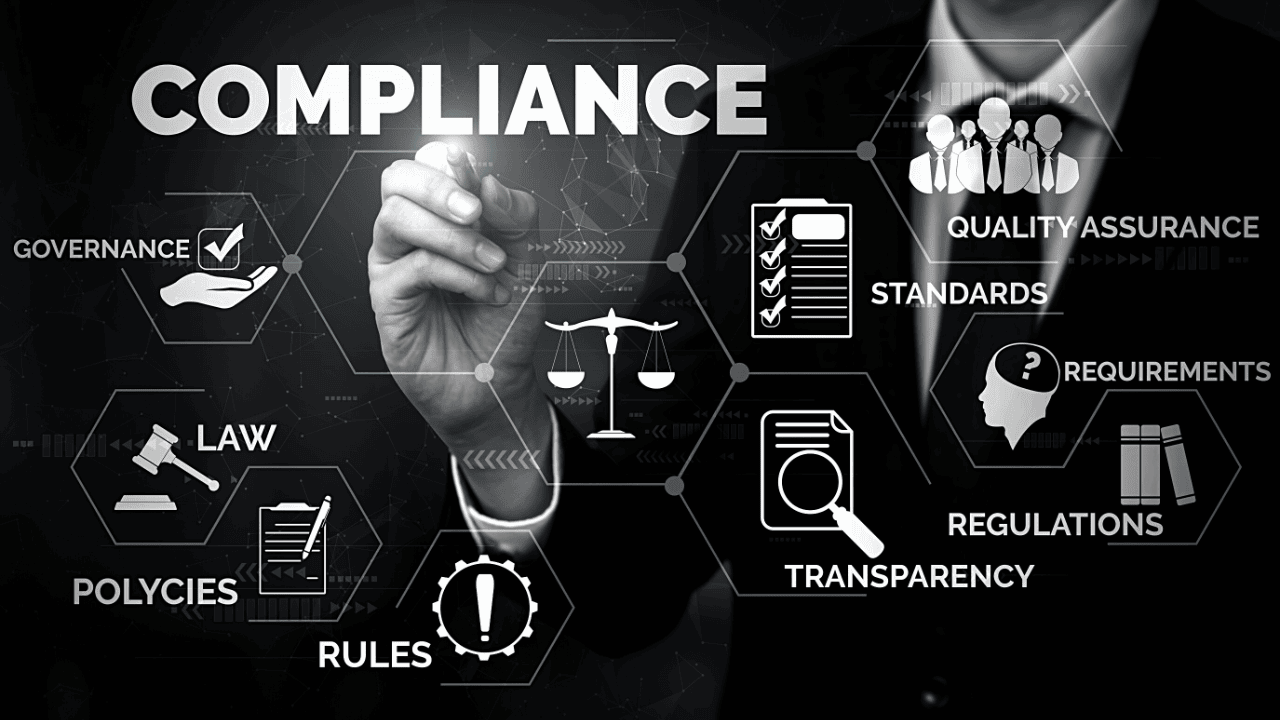
In Malaysia’s pharmaceutical sector, achieving Good Manufacturing Practice (GMP) compliance isn’t merely a box-ticking exercise—it’s a strategic partnership with the National Pharmaceutical Regulatory Agency (NPRA). This regulatory body sets the gold standard for product safety, overseeing everything from approvals to post-market monitoring. For manufacturers like Reishilab, aligning with NPRA frameworks isn’t optional; it’s foundational to operational credibility.
Reishilab’s adherence to NPRA guidelines spans critical areas that ensure product integrity. Their compliance strategy includes rigorous stability testing protocols to verify shelf-life claims, transparent adverse reaction reporting systems to flag safety concerns, and meticulous labeling audits to prevent misleading claims. Additionally, the company maintains exhaustive batch documentation, ensuring every product release meets NPRA’s traceability requirements. Such measures aren’t just about avoiding penalties—they’re about building trust in a competitive market.
For pharmacy managers sourcing inventory or brands developing new formulations, partnering with an NPRA-aligned manufacturer is non-negotiable. Facilities that fail audit readiness risk disruptions: recalls, license revocations, or even permanent market exclusion. In contrast, Reishilab’s history of seamless inspections highlights their proactive approach. By prioritizing real-time documentation updates and staff training, they minimize compliance gaps that competitors often overlook.
Malaysia’s pharma landscape is evolving, with GMP standards becoming stricter as NPRA tightens oversight. Reishilab’s consistent compliance track record—zero major violations in five years—showcases the growing sophistication of local manufacturers. This progress not only elevates Malaysia’s global reputation but also reassures stakeholders that products meet international safety benchmarks.
Yet, vigilance remains key. Even minor oversights, like incomplete batch records or delayed adverse event submissions, can trigger NPRA scrutiny. For businesses, this underscores the need to collaborate with partners who treat compliance as a culture, not a checklist. After all, in regulated industries, reliability isn’t just a advantage—it’s the entire game.
Learn more : Regulatory Landscape for Pharmacy Distribution in Malaysia | Current Good Manufacturing Practice (CGMP) Regulations | Good Manufacturing Practice (GMP) | Regulatory oversight in pharmaceutical manufacturing | Guidance Document for Preparation of GMP Inspections on Traditional Medicines, Health Supplements, and Cosmetics Manufacturers – NPRA
Supply Chain Integration: From Manufacturing to Pharmacy Shelves

The journey of pharmaceutical products doesn’t end at manufacturing—it’s just the beginning. For GMP-certified producers like Reishilab, preserving product quality through every logistical step is as vital as production itself. How do they prevent degradation, contamination, or delays between factory gates and end-users? The answer lies in robust supply chain strategies that bridge compliance gaps while adapting to real-world challenges.
Reishilab’s approach hinges on strategic collaborations with vetted regional distributors. These partnerships prioritize two non-negotiables: cold chain maintenance (for temperature-sensitive items) and contamination prevention during transit. By synchronizing delivery timelines with pharmacy needs, they minimize stockouts without compromising shelf-life stability. But their framework extends far beyond transportation.
Core Components of a Compliant Supply Chain
Climate-Controlled Storage Solutions: Warehouses equipped with real-time environmental monitoring ensure products remain within specified temperature/humidity ranges from arrival to dispatch.
Smart Inventory Management: Cloud-based tracking systems provide granular visibility into batch locations, expiration dates, and distribution progress—essential for efficient lot tracing.
Regulatory-Ready Documentation: Meticulous records accelerate customs approvals and pharmacy licensing by detailing composition, testing results, and compliance certifications.
Rapid Response Protocols: Predefined batch recall processes align with NPRA standards, enabling swift action if quality deviations emerge post-distribution.
For pharmacy networks—whether servicing Kuala Lumpur hospitals or rural clinics—this operational transparency simplifies SKU integration and complaint resolution. Digital traceability lets distributors pinpoint issues faster, while standardized procedures reduce administrative friction during audits or inspections.
Consistency forms the backbone of Reishilab’s philosophy. Urban hubs face different logistical hurdles than smaller towns, but uniform quality expectations demand adaptable yet unyielding standards. By integrating GMP principles with agile distribution practices, they close the loop between manufacturing excellence and patient safety. After all, in pharmaceuticals, reliability isn’t just a best practice—it’s the final ingredient in every dose.
Learn more : Top 10 Medicine Distributors in Malaysia for Pharmacies and Clinics
Industry Perspective: Reishilab’s Position Within the Malaysian GMP Network

Malaysia’s pharmaceutical landscape features a network of GMP-certified manufacturers operating within a tightly connected sector. Though many prioritize export markets or bulk generic drug production, forward-thinking players like Reishilab distinguish themselves through blended strategies—combining niche product lines with tailored solutions designed for domestic healthcare needs.
Unlike multinational facilities clustered in industrial hubs like Penang or Johor, Reishilab leverages its mid-sized operations to prioritize agility. Their streamlined workflows enable quicker adjustments to market shifts, whether adapting formulations for regional demographics or responding to emerging health trends. This adaptability fosters deeper relationships with community pharmacies and direct partnerships with smaller wellness brands, creating synergies often challenging for larger competitors to replicate.
However, operating in this space isn’t without hurdles. The company contends with stiff competition from established global players, fluctuating regulatory benchmarks, and the financial strain of maintaining GMP compliance amid rising operational costs. Yet within these challenges lies opportunity: Reishilab’s localized approach aligns with Malaysia’s push for greater pharmaceutical self-reliance—a strategic priority echoed by both public health authorities and private sector investors.
By balancing innovation with compliance, the firm exemplifies how mid-tier manufacturers can drive progress without sacrificing quality. Their hybrid model—part custom developer, part collaborator—supports Malaysia’s broader vision of reducing import dependency while nurturing homegrown expertise. This dual focus not only strengthens supply chain resilience but also positions Reishilab as a bridge between multinational scale and grassroots healthcare innovation.
As the industry evolves, companies blending flexibility with strategic localization are poised to thrive. For Reishilab, success hinges on sustaining their nimble workflows while navigating cost pressures—a delicate equilibrium that could shape their role in Malaysia’s quest for a more self-sufficient pharmaceutical future.
Product Category Outlook: Adapting to Market Trends and Healthcare Needs

Malaysia’s healthcare sector is in motion, adapting to shifting consumer priorities, disease patterns, and modern retail dynamics. For GMP-certified manufacturers like Reishilab, staying competitive now hinges on anticipating these changes—not just in product development, but across supply chains and patient engagement strategies.
Emerging Opportunities in Formulation & Wellness
Looking ahead, key areas for growth likely involve blending science with cultural and clinical needs. Probiotic supplements targeting gut microbiome balance are gaining traction, reflecting global interest in immune support through natural mechanisms. Similarly, demand surges for topical cosmeceuticals infused with regionally sourced botanicals—think turmeric or Centella Asiatica—show how beauty and wellness increasingly overlap.
Malaysia’s rich heritage in traditional medicine also opens doors. Herbal formulations that complement (rather than compete with) conventional therapies could bridge generational preferences while meeting regulatory standards. Meanwhile, chronic conditions like diabetes demand urgent attention. Metabolic health products—from glucose management supplements to nutraceuticals—are poised to address this public health challenge, especially as urban lifestyles amplify risk factors.
Beyond the Pill: Packaging, Tech, and Partnership Shifts
Innovation isn’t limited to formulas. Consumers and retailers now expect smart packaging with QR codes for batch tracing, sustainability-focused materials, and labels that simplify complex information. Pharmacies, too, prioritize partners capable of agile SKU adjustments—whether for regulatory tweaks or sudden stock demands—without compromising compliance.
For firms like Reishilab, success will depend on dual strengths: mastering GMP rigor while embedding flexibility into production cycles. This means faster response times to ingredient shortages, tighter collaboration with distributors on shelf-life optimization, and leveraging data to predict regional demand spikes.
The Bigger Picture: Aligning Business Goals with National Health
Ultimately, Reishilab’s role transcends manufacturing. By aligning portfolios with Malaysia’s disease burden and cultural context, they position themselves as a cornerstone of the country’s healthcare ecosystem. It’s not just about maintaining certifications; it’s about contributing to measurable health outcomes—whether through accessible diabetes solutions or clinically validated herbal blends.
As retail channels fragment and patient literacy grows, companies that marry technical excellence with market intuition will lead Malaysia’s pharmaceutical evolution. The question isn’t whether to adapt, but how swiftly.
Learn more : Pharmacy Merchandising: Best Practices for Product Pricing and Promotion in Malaysia
In Malaysia’s fast-evolving pharmaceutical landscape, maintaining rigorous product standards is non-negotiable. At PriooCare Malaysia, we partner with GMP-certified producers such as Reishilab Sdn Bhd—a cornerstone of our mission to uphold excellence across the industry. As an independent pharmacy distributor, we bridge the gap between trusted manufacturers and retail networks, ensuring health products meet compliance while reaching consumers efficiently. Alongside established entities like DKSH and Zuellig Pharma, our role focuses on streamlining the distribution chain, prioritizing reliability at every step.
Collaboration sits at the heart of our operations. By working closely with healthcare brands, we design tailored strategies to navigate regulatory frameworks and deliver products seamlessly into pharmacies nationwide. Whether it’s coordinating with pharmacy wholesale distributors or optimizing logistics with distributor pharmacy partners, our goal remains clear: maximizing retail visibility and performance for manufacturers. This synergy not only strengthens market presence but also fosters trust among healthcare providers and end-users alike.
Beyond distribution, we offer end-to-end support in merchandising and retail strategy. Recognizing the challenges of scaling within Malaysia’s competitive pharmacy sector, our team provides insights on shelf placement, promotional campaigns, and inventory management. These efforts ensure products not only reach stores but also resonate with consumers—driving sustained growth for brands.
What sets PriooCare apart is our commitment to adaptability. As market dynamics shift, we continuously refine our approaches, leveraging partnerships with pharmacy distributor Malaysia networks to stay ahead. Whether you’re a manufacturer seeking broader reach or a retailer aiming to enhance product offerings, our expertise ensures aligned, results-driven outcomes.
For those exploring collaborative opportunities—from distribution solutions to strategic retail partnerships
How can we assist you today? 😊
Just let us know—we’re here to help!