

May 15, 2025
What Makes Certain Pharmacy Products Dominate Shelves in Malaysia’s Competitive Market?
In Malaysia’s dynamic healthcare sector, standout performance among pharmacy products rarely hinges solely on competitive pricing or superior formulations. Increasingly, the difference between market leaders and underperformers traces back to one critical factor: strategic retail merchandising. Beyond attractive displays, this discipline now drives measurable outcomes—shaping product discoverability, reinforcing brand authority, and nurturing shopper confidence in highly regulated environments. For businesses relying on pharmacy distribution networks across Malaysia, refining these in-store tactics isn’t just beneficial—it’s non-negotiable for sustained growth.
The modern consumer’s path to purchase blends practicality with perception. While quality remains important, shoppers gravitate toward brands that command attention through thoughtful placement, clear signage, and contextually relevant product grouping. Pharmacy distributors, merchandising teams, and brand custodians must collaborate closely to transform static shelves into conversion engines. Every element—from shelf-level positioning to promotional material placement—must align with both regulatory standards and subtle psychological triggers that guide purchasing decisions.
This article unpacks a actionable framework for optimizing retail merchandising within Malaysia’s unique pharmaceutical and wellness landscape. We’ll explore phased strategies for planning campaigns, executing shelf-level interventions, monitoring real-time performance, and iterating based on data-driven insights. Key considerations include adapting global best practices to local cultural preferences, navigating Malaysia’s multilingual retail environments, and leveraging technology to track SKU-level performance without compromising compliance.
For independent pharmacy distributors and brands alike, success demands more than just getting products onto shelves—it requires creating immersive, trust-building experiences that resonate with Malaysia’s diverse demographics. By mastering the interplay between regulatory awareness, visual storytelling, and tactical product placement, stakeholders can secure lasting shelf dominance even as market dynamics evolve.
Strategic Merchandising Planning: Aligning with Distribution Goals

Success in pharmaceutical retail hinges on a clear strategic roadmap. Rather than chasing generic sales targets, winning campaigns begin by anchoring decisions to three pillars: regulatory compliance, localized consumer insights, and symbiotic brand-distributor partnerships. In Malaysia’s competitive healthcare market, where trust drives purchasing behavior, vague objectives or one-size-fits-all tactics rarely gain traction.
For skincare and over-the-counter medications, regulatory positioning forms the foundation. Products registered with Malaysia’s National Pharmaceutical Regulatory Agency (NPRA) not only meet safety standards but also serve as credibility markers for health-conscious shoppers. Savvy retailers leverage these certifications to secure premium shelf placements while integrating drug safety disclaimers into signage—a subtle yet powerful way to align promotions with patient education.
Channel-specific adaptation separates functional plans from exceptional ones. Major chains like Alpro Pharmacy or Watsons operate on data-driven planograms, demanding meticulous compliance with visual layouts and stock rotations. Meanwhile, independent neighborhood pharmacies thrive on personalized engagement. Here, success depends on nurturing retailer relationships through flexible bundle offers (think pairing vitamins with complementary supplements) and tiered pricing that respects community spending habits.
Seasonality adds another layer of nuance. Immune-boosting supplements naturally peak during monsoon flu seasons, while dermatological products see higher demand in humid summer months. Forward-thinking brands pre-map these cycles, timing launches and discounts to sync with regional health trends.
But the true differentiator? Integration. Effective merchandising isn’t just stacking products—it’s the connective tissue between shelf visibility and long-term brand strategy. By aligning in-store activations with digital health campaigns or CSR initiatives (e.g., diabetes awareness drives), pharmacies transform transactional spaces into touchpoints for customer loyalty.
Ultimately, Malaysia’s fragmented pharmacy landscape rewards those who blend regulatory savvy with human-centric flexibility. It’s not about choosing between compliance and creativity, but building campaigns that let both coexist.
Learn more : How Seasonal and Promotional Merchandising Drives Sales in Malaysian Pharmacies
Sourcing and Inventory Coordination with Pharmacy Distributors
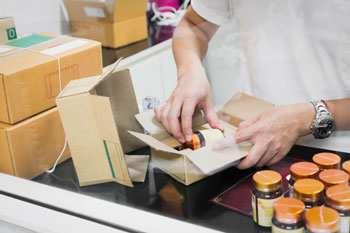
Behind every thriving retail operation lies a seamless supply chain—but when logistics falter, even brilliant merchandising strategies crumble. For pharmacy wholesalers, the stakes are high: stockouts, delays, or expired products don’t just frustrate customers—they erode trust and stall revenue. In markets like Malaysia, where regulatory complexity meets stringent Halal requirements, pharmaceutical logistics and warehousing become silent heroes—or hidden saboteurs.
The Domino Effect of Poor Inventory Management
Merchandising thrives on predictability. Imagine launching a high-profile promotion for seasonal medications, only to face empty shelves because shipments missed deadlines. Retailers rely on distributors to align inventory with promotional calendars, ensuring stock arrives not just enough, but on time. In Malaysia, this demands foresight. Import regulations like MAL registration, Certificate of Analysis (COA) approvals, and Halal certifications add layers of lead time. Overlooking these steps risks delayed customs clearance, leaving retailers scrambling.
Another pitfall? Shelf-life management. Most retailers reject products with less than six to nine months before expiration. A distributor sending near-expiry stock—even if technically “fresh”—forces stores to discount items or pull them prematurely, undermining margins and brand credibility.
Building a Resilient Supply Chain
Proactive planning mitigates these risks. Start by integrating sales forecasts with procurement cycles. For instance, aligning orders with Malaysia’s festive seasons or flu outbreaks ensures stockpiles match demand spikes. Next, embed compliance checks into workflows: pre-verify Halal status, confirm MAL registrations, and audit COAs before shipments depart. This avoids last-minute holdups.
Collaboration is equally vital. Distributors must sync with retailers on expiry timelines, prioritizing longer-dated batches. Meanwhile, warehousing strategies should prioritize FIFO (first-in, first-out) rotation and climate-controlled storage for temperature-sensitive drugs.
Finally, agility matters. When supply hiccups occur—a delayed import, a sudden stock surge—responsive communication between distributors and retailers allows quick pivots, like rerouting shipments or adjusting POSM (point-of-sale material) deployments.
The Bottom Line
In pharmaceutical merchandising, supply chain missteps don’t announce themselves loudly—they quietly drain momentum. By tightening logistics, preempting compliance hurdles, and fostering distributor-retailer synergy, wholesalers transform their operations from silent risks to reliable growth engines. After all, consistency on the backend is what lets creativity shine upfront.
Learn more : Strategies to Reduce Product Wastage with Efficient Merchandising in Malaysian Pharmacies | TRS 986 – Annex 3: WHO model quality assurance system for procurement agencies
POSM Design & Messaging: Crafting Impactful In-Store Materials

In Malaysia’s vibrant retail landscape, where diverse cultures and languages intersect, point-of-sale materials (POSM) aren’t just decorative accents—they’re silent salespeople. To captivate a multilingual audience spanning ethnicities, your pharmacy’s POSM must strike a delicate balance: aligning with regulatory standards, resonating culturally, and amplifying your brand’s voice. But how do you ensure these materials don’t just blend into the background? Let’s unpack strategies to transform passive displays into profit-driving tools.
Crafting Impactful Pharmacy POSM: Beyond Basic Visibility
Effective POSM in pharmacies demands strategic design tailored to Malaysia’s unique consumer tapestry. Consider these proven formats:
Claim-Driven Product Talkers
Spotlight scientific differentiators with concise, benefit-focused messaging. Phrases like “Backed by 10 Years of Clinical Research” instantly build credibility, particularly for health-conscious shoppers.Eye-Level Attention Grabbers
Shelf wobblers and header strips act as visual interrupts in crowded aisles. Positioned strategically at customer sightlines, they guide decisions without overwhelming.Interactive Tech-Enhanced Displays
Countertop standees with QR codes bridge physical and digital experiences. Shoppers scanning codes for product samples or demos engage deeper, boosting conversion potential.Co-Branded Localized Campaigns
Collaborative POSM developed with Malaysia-based pharmacy distributors often outperform generic templates. These partnerships infuse hyper-local insights—from regional idioms to community health priorities—creating relatability that generic designs lack.
Language Matters: Dual Localization for Maximum Impact
While English appeals to urban demographics, Bahasa Malaysia remains essential for heartland regions. Bilingual POSM doesn’t just broaden reach—it signals cultural respect. For instance, a diabetes supplement display might headline in Bahasa (“Kawal Gula Darah Dengan Berkesan”) with English subtext explaining clinical benefits.
The Hidden Flaw in “Perfect” POSM
Ironically, overly polished POSM can feel impersonal. Minor imperfections—like slightly asymmetrical wobblers or handwritten-style fonts—add approachability. One Johor Bahru pharmacy saw a 22% sales lift after testing “unfinished” chalkboard-style promo strips that felt more authentic than corporate prints.
Ultimately, persuasive POSM isn’t about aesthetic perfection. It’s about mirroring Malaysia’s rich diversity while addressing practical shopper needs. By blending compliance, localization, and subtle human touches, your materials won’t just occupy shelf space—they’ll occupy minds.
Learn more : Capturing growth with a consumer-centric healthcare experience | Better Marketing at the Point of Purchase
Store Roll-Out and Execution Across Pharmacy Channels

Ever wondered why even the most polished retail strategies fall flat? The answer often lies in store-level execution—the make-or-break factor determining whether your brand thrives or fizzles. Whether you’re entering major chains like Watsons or Multicare or targeting local pharmacies in Shah Alam, inconsistency in implementation can erode customer trust, dilute brand equity, and silently drain revenue.
The Hidden Costs of Cutting Corners
Poor execution isn’t just about messy shelves; it’s a ripple effect. Misaligned displays confuse shoppers, untrained staff frustrate customers, and erratic branding weakens recall. For retailers, this translates to lost sales, wasted marketing budgets, and eroded competitive edges. In pharmacy retail—where trust is paramount—a single poorly executed product launch can tarnish relationships with both pharmacists and consumers.
Building a Bulletproof Rollout Strategy
Planogram Precision: Start by customizing planograms to fit each retailer’s unique shelf dimensions. A one-size-fits-all approach risks cluttered aisles or empty gaps, which undermine shopper experience.
Invest in Expertise: Deploy merchandisers who aren’t just stacking products but understand retail SOPs and pharmacist dynamics. Training should emphasize soft skills: navigating corporate guidelines in chains or negotiating display space in independent stores.
Audit Relentlessly: Pre-launch site checks are non-negotiable. Verify display placements, lighting, and compliance with agreements—because assumptions are costly.
Chains vs. Independents: Mastering Both Playbooks
National chains demand strict adherence to corporate mandates, leaving little room for improvisation. Independent pharmacies, however, thrive on localized relationships. Here, agility matters—adjusting displays for space constraints or pharmacist preferences without sacrificing brand cohesion. The challenge? Balancing adaptability with uniformity so your toothpaste lineup in Kuala Lumpur feels as curated as the one in Shah Alam.
Ultimately, fragmented retail landscapes reward brands that bridge the gap between corporate strategy and grassroots execution. Consistency isn’t about rigidity—it’s about creating a recognizable brand heartbeat across every shelf, counter, and interaction. Because in retail, flawless execution isn’t just logistics; it’s the language of customer loyalty.
Retail Monitoring, Audits, and Pharmacist Engagement

In today’s competitive retail landscape, simply placing products on shelves isn’t enough. The difference between a thriving campaign and a stagnant one often lies in meticulous evaluation. Retail audits serve as the backbone of this process, uncovering actionable insights that bridge the gap between strategy and execution. By assessing visual presentation, inventory availability, pricing consistency, and competitive disruptions, these evaluations transform theoretical plans into measurable outcomes. Without them, brands risk pouring resources into initiatives that look good on paper but falter in practice.
Malaysia’s pharmaceutical sector offers a compelling case study. Here, pharmacist endorsement heavily influences consumer decisions, making trust-building a non-negotiable priority. To cultivate lasting partnerships, brands must adopt a multi-channel engagement approach. Educational sample packages paired with instructional resources empower pharmacists with product knowledge, while collaborative promotional campaigns or bundled offerings create mutual value. Complementing these efforts, systematic satisfaction assessments provide a direct line to frontline insights, ensuring strategies evolve alongside shifting market demands.
Meanwhile, digital innovations are reshaping how audits are conducted. GPS-enabled monitoring systems now allow real-time tracking of point-of-sale materials (POSM), eliminating guesswork about deployment accuracy. Automated tools log stock shortages instantly, enabling swift replenishment to prevent lost sales. Advanced analytics even assess store layouts, identifying high-traffic zones for optimal product placement—a game-changer for maximizing visibility in crowded pharmacies.
Yet technology alone isn’t a silver bullet. The human element remains irreplaceable. In Malaysia’s relationship-driven market, combining digital precision with personalized pharmacist interactions yields the strongest returns. A quarterly audit might reveal perfect POSM placement, but without addressing inventory gaps or countering rival promotions, even flawless execution can fall flat.
The takeaway? Consistent auditing isn’t about nitpicking—it’s about creating feedback loops that fuel smarter decisions. Brands that pair data-driven tools with empathetic stakeholder engagement don’t just adapt to Malaysia’s dynamic retail environment; they shape it. After all, in a world where every shelf centimeter counts, success belongs to those who listen, learn, and iterate.
Learn more : The Role of End-Cap Displays in Increasing Pharmacy Sales in Malaysia | How to make the most out of your next retail audit
Performance Evaluation and Feedback Loops

The true value of any marketing campaign lies not just in its execution but in the strategic analysis that follows. Once promotions conclude, closing the merchandising loop requires a deep dive into performance metrics to refine future efforts. Instead of treating post-campaign reviews as a formality, view them as a roadmap for continuous improvement.
Start by evaluating sales uplift during active promotional windows. Compare these figures against baseline revenue to gauge short-term effectiveness. But don’t stop there—track foot traffic conversion rates in the weeks following in-store displays. Did interest linger after signage came down, or did engagement drop abruptly? This reveals whether your messaging had lasting appeal.
Another often-overlooked factor is pharmacist involvement. Measure how frontline staff influenced sell-through rates. Did their product knowledge or upselling efforts directly boost purchases? Quantifying this human element helps justify training investments or incentive programs.
Collaboration is key. Share findings with your pharmacy distributor in Malaysia to align strategies. Suppose Healthlane outlets saw stronger sales due to premium end-cap placements—this insight could be adapted for similar chains. Open dialogue ensures both parties benefit from shared learnings, turning isolated data into actionable intelligence.
Beyond reporting, these metrics should shape every aspect of your next campaign. Did urban locations outperform rural ones? Reallocate budgets to high-potential zones. Did certain visuals drive more foot traffic? Iterate on that design ethos. Even “failed” experiments offer clues—low conversion rates might signal misplaced displays or unclear messaging.
In short, post-campaign analysis isn’t about patting yourself on the back. It’s about asking tough questions, spotting patterns, and building agility into your marketing DNA. By treating data as a compass rather than a scorecard, you create campaigns that resonate deeper, convert faster, and adapt smarter. After all, the best marketers don’t just launch campaigns—they learn from them.
Case Example: How Effective Merchandising Improved Sales for a Supplement SKU

Ever wondered how strategic alignment can transform business outcomes? Consider this real-world example: An established collagen supplement company joined forces with a regional pharmaceutical distributor to revitalize its presence across Kuala Lumpur’s competitive retail landscape. Their collaboration wasn’t just about placing products on shelves—it was a calculated dance between branding, education, and supply chain foresight.
The initiative kicked off with eye-catching, bilingual display stands in Mandarin and Bahasa Malaysia, strategically positioned to engage diverse shopper demographics. Meanwhile, pharmacists received tailored training sessions paired with trial-sized product kits, empowering them to advocate knowledgeably to customers. Behind the scenes, the team pre-stocked distribution centers with a 15% inventory buffer—a simple yet often overlooked tactic that prevented stockouts during peak demand periods.
The outcomes spoke volumes. Within the first month-and-a-half, sales skyrocketed by 28%, outperforming initial projections. More importantly, 89% of participating pharmacists reported confidence in recommending the brand—a testament to the effectiveness of the education-first approach. Buoyed by these results, the partnership quickly expanded beyond the Klang Valley, securing shelf space in Johor’s bustling health hubs and Penang’s premium pharmacies.
This case study demonstrates the power of synchronized efforts—when branding meets logistical precision, growth becomes not just possible but predictable. Three elements proved critical: culturally relevant in-store marketing that resonates locally, equipping frontline staff with hands-on product experience, and maintaining agile inventory systems to capitalize on momentum.
For brands eyeing market expansion, the lesson is clear. Success isn’t just about having quality products; it’s about creating ecosystems where every stakeholder—from warehouse managers to retail pharmacists—understands their role in the growth story. The collagen brand’s 28% surge wasn’t luck; it was the direct result of bridging the gap between creative marketing and operational discipline. As markets evolve, those who master this balance will continue to outpace competitors, turning regional footholds into nationwide dominance.
Common Pitfalls and How to Avoid Them in Pharmacy Merchandising

Brilliant pharmacy merchandising strategies often fail to hit their mark, not due to lack of effort, but preventable missteps. While brands invest heavily in eye-catching displays and campaigns, three recurring errors routinely sabotage results. Let’s unpack these pitfalls—and actionable fixes—to keep your next product launch on track.
Where Brands Go Wrong
One critical error involves rolling out point-of-sale materials (POSM) before products actually hit shelves. Imagine pharmacies flooded with banners for an item that’s still stuck in transit—confused customers walk away empty-handed, and staff lose trust in the campaign’s credibility.
Another misstep? Generic POSM designs that ignore the stark differences between chain pharmacies and independent stores. Chains often prioritize volume-driven layouts, while independents thrive on personalized service. A single visual template rarely resonates with both audiences, leading to disengaged shoppers.
Perhaps the most underestimated mistake is sidelining pharmacists themselves. These frontline experts influence purchasing decisions daily, yet brands frequently overlook training them on product benefits or incentivizing their advocacy. Without buy-in from pharmacy teams, even premium products risk gathering dust.
Turning Strategy Into Shelf Success
To avoid these traps, start by aligning timelines meticulously. Map POSM deployment to confirmed inventory arrival dates, building buffer periods for shipping delays. This synchronization prevents awkward gaps between promotion and product availability.
Next, customize POSM kits by pharmacy segment. Develop modular designs—for example, data-driven signage for chains emphasizing bulk savings, and community-focused visuals for independents highlighting patient relationships. Tailored materials deepen relevance without inflating costs.
Finally, collaborate with pharmacy-savvy distributors. Localized wholesalers understand regional inventory cycles, shelf-space challenges, and pharmacist priorities. Their insights help fine-tune everything from campaign timing to staff training workshops, ensuring your brand adapts to hyperlocal needs.
The Bottom Line
Merchandising success hinges on precision and flexibility. A one-week delay in POSM shipping or a poorly trained pharmacist can derail months of planning. By respecting pharmacy workflows, segmenting audiences, and leveraging local partnerships, brands transform theoretical strategies into tangible shelf dominance. After all, in retail’s fast-paced world, it’s the details—not just the big ideas—that dictate who wins the aisle.
Effective pharmacy merchandising goes beyond mere product placement—it’s a dynamic strategy that fuels brand visibility, loyalty, and revenue. In competitive markets like Malaysia, where stringent regulations and consumer expectations intersect, a meticulously planned approach isn’t optional—it’s foundational.
From initial product sourcing to shelf execution and post-launch analysis, each phase of retail merchandising must harmonize with your product’s lifecycle, compliance requirements, and regional market dynamics. Malaysia’s pharmaceutical sector, governed by the NPRA’s rigorous safety standards, demands strategies that balance regulatory adherence with consumer education. Here, trust isn’t just earned through quality; it’s reinforced by how products are presented, positioned, and promoted within pharmacies.
For brands aiming to thrive in this nuanced landscape, merchandising acts as a multiplier. Thoughtful displays, compliant labeling, and pharmacist engagement campaigns don’t just boost sales—they cultivate lasting advocacy. When pharmacists understand and champion your brand, they become critical allies in educating consumers and driving repeat purchases.
Unlock Your Brand’s Potential with PriooCare
Navigating Malaysia’s pharmacy networks requires localized expertise. At PriooCare, we specialize in end-to-end pharmaceutical distribution and merchandising solutions designed for this unique market. Our services span strategic planning, customized point-of-sale material (POSM) deployment, and nationwide pharmacy program management—all aligned with your brand’s objectives.
Whether you’re launching a new product or optimizing an existing portfolio, our team ensures seamless integration with local regulations and consumer preferences. From temperature-controlled logistics to data-driven performance reviews, we handle the complexities so you can focus on growth.
Ready to Elevate Your Market Presence?
Don’t leave your pharmacy success to chance. Partner with a team that combines regulatory savvy with retail innovation. Reach out today to explore tailored distribution strategies, impactful in-store activations, or scalable campaigns that deliver measurable ROI.
How can we assist you today? 😊
Just let us know—we’re here to help!