

June 6, 2025
The way medicines and health products reach consumers in Malaysia, Brunei, Indonesia, and Southern Thailand is transforming at a remarkable pace. Gone are the days where rigid, large-scale supply chains dominated. Instead, a new era is emerging, defined by agile, responsive pharmacy distribution systems deeply attuned to specific community needs and the intricate web of local regulations across these culturally linked regions.
This shift isn’t just happening; it’s accelerating. As the pharmacy distribution service within Malaysia itself matures, the entire ecosystem becomes significantly more complex – and getting it right has never been more critical. Why? Because consumer expectations are constantly rising, demanding faster access, broader product ranges, and seamless experiences. Simultaneously, regulations governing pharmaceuticals are tightening across these markets, adding layers of compliance. And let’s not forget the intensifying competition, with new players and models constantly entering the fray.
For stakeholders – whether multinational pharmaceutical companies, innovative skincare brand owners, or local distributor pharmacies – simply mastering logistics is no longer sufficient. Staying competitive demands deeper insight. Success hinges on understanding the nuanced interplay of forces reshaping distribution.
So, what specifically will define the future of pharmacy distribution in these vital Malay-speaking markets? This article delves into the key trends poised to shape tomorrow’s landscape. We’ll explore the cutting-edge technologies streamlining operations, the strategic partnerships unlocking new efficiencies and market access, and the crucial cultural dynamics influencing everything from product acceptance to last-mile delivery. Grasping these interconnected elements isn’t merely helpful advice; it’s becoming an essential foundation for any business serious about securing and maintaining a sustainable competitive advantage in this dynamic region. The future is arriving fast, and insight is the new currency.
Current State of Pharmacy Distribution in Malaysia

Ever wondered how medicines and health products reliably reach pharmacies and clinics across Malaysia? The nation’s pharmaceutical distribution system forms a complex, vital network – but who exactly keeps it running, and how? Let’s break down the main actors and their operational realities today.
The Ecosystem’s Major Players
Currently, Malaysia’s pharmacy distribution landscape isn’t dominated by just one type of entity. Instead, it functions through a dynamic mix. Large-scale pharmacy wholesale distributors form a crucial backbone, focusing primarily on high-volume efficiency. They leverage centralized warehousing capabilities to move vast quantities of products swiftly. Alongside them operate numerous independent pharmacy distributors, often providing more specialized or regionalized services. Completing the picture are distributor pharmacy networks, hybrid models where companies act both as suppliers to other, smaller retail outlets and operate their own frontline pharmacy stores. Collectively, these pharmacy distribution Malaysia businesses operate fundamentally on a B2B (business-to-business) basis, supplying hundreds upon hundreds of retail pharmacies, hospital pharmacies, and private clinics nationwide.
Geography & Operational Nuances
Logistics are heavily influenced by geography. Significant distribution volume naturally flows through major hubs located in economically vibrant states like Selangor, Penang, and Johor, where dense urban populations drive consistent high demand. However, ensuring nationwide access remains paramount. Serving populations effectively, especially within Malay heartland states such as Kelantan and Terengganu, demands a more tailored, localized distribution strategy compared to the high-throughput urban hubs. Success here often hinges on understanding specific regional needs and logistics challenges.
The Critical Role of Compliance
Regardless of size or operational model, every player within this pharmacy distribution Malaysia ecosystem must navigate a stringent regulatory environment. Strict adherence to requirements set by bodies like the NPRA (National Pharmaceutical Regulatory Agency) and the MOH (Ministry of Health) is non-negotiable. This involves meticulous documentation practices, robust batch tracking systems from manufacturer to end-point, and securing necessary KKM (Kementerian Kesihatan Malaysia) approvals. Falling short on any of these compliance pillars carries severe consequences, including potential distribution bans or costly, reputation-damaging product recalls.
A Foundation Under Pressure
This intricate system, blending large-scale efficiency with regional adaptability and strict oversight, undeniably forms the essential foundation delivering medicines to Malaysians. It’s a system that works, but one facing undeniable strain. New pressures – from evolving patient expectations and technological shifts to intense cost competition and complex global supply chains – are actively reshaping the rules of the game. While the current model functions, it’s increasingly clear that adaptation isn’t just optional; it’s becoming urgently necessary for the future.
Key Drivers of Change in Malay-Speaking Markets

What Key Shifts Are Redefining Pharmacy Distribution Networks?
The pharmaceutical supply chain faces unprecedented pressure to evolve. Not just incremental tweaks, but foundational transformation is being driven by powerful socioeconomic and technological currents reshaping expectations. Let’s unpack three pivotal forces demanding smarter, more adaptive distribution models right now.
First, consider demographic shifts. Rural populations are skewing noticeably older, amplifying demand for chronic disease treatments and accessibility solutions. This isn’t merely about volume—it’s about delivering complex, ongoing care support to regions often underserved. An aging village resident needing daily insulin or cardiac meds can’t afford supply hiccups; reliability becomes lifesaving.
Simultaneously, digital healthcare’s explosive growth is rerouting traditional distribution pathways. Teleconsultations, wearable health monitors, and AI-driven diagnostics aren’t just clinic tools—they’re decentralizing patient care into homes. This means medicines must follow, moving beyond centralized hubs to hyperlocal points like community health centers or even automated lockers. When a remote patient gets diagnosed via app, their prescription should arrive as seamlessly as their video call connected—no clunky legacy logistics allowed.
Compounding this is stark geographic inequality, particularly across Malaysia’s eastern regions like Sabah, Sarawak, and Kelantan. One-size-fits-all distribution fails where infrastructure varies wildly. Take Sabah: vast distances between towns can dangerously delay emergency medications, proving that regional stocking hubs aren’t optional—they’re critical. Meanwhile in Sarawak, there’s growing recognition that labels in Iban or Orang Ulu languages aren’t “nice-to-haves” for local clinics; they build essential trust and safety.
These examples highlight a crucial insight: modern distribution isn’t just moving boxes efficiently. It’s about marrying operational precision with deep community understanding. Success means recognizing cultural nuances, terrain challenges, and tech gaps—then designing networks that feel human-centered while remaining scalable. Because ultimately, getting medicines where they’re needed isn’t logistics; it’s care delivered.
The Rise of Independent Pharmacy Distributors
Forget the idea that bigger always means better in pharmaceutical distribution. There’s a noticeable shift happening, with smaller, independent distributors gaining serious traction against the traditional giants. And this trend isn’t random; it’s driven by distinct advantages these nimble players bring to an increasingly complex market.
Unlike their large, centralized counterparts, independent distributors operate with a crucial trifecta: flexibility, deep cultural fluency, and hyper-local agility. This potent combination allows them to navigate challenges that often stump the bigger players. Think about reaching remote or underserved communities – independents frequently excel here. Their smaller scale isn’t a weakness; it lets them adapt inventory much faster based on real-time local needs, avoiding the cumbersome processes of massive warehouses. Perhaps most importantly, they cultivate genuine, stronger relationships directly with retail pharmacists, becoming trusted partners rather than just suppliers.
Consider a practical scenario: niche health brands trying to enter specific, less populated regions like East Malaysia. A major wholesaler, focused on high-volume national SKUs, might easily overlook these smaller opportunities. The numbers just don’t fit their model. However, an independent distributor sees things differently. They can move these specialized products quickly and strategically. How? By leveraging intimate knowledge of localized delivery routes, utilizing cost-effective small-scale warehousing solutions, and forging direct-to-store partnerships that bypass unnecessary layers. They operate within the community’s rhythm.
This capability makes independent distributors far more than just an alternative channel. Their role is becoming absolutely vital in bridging a critical gap: the gap between a brand’s ambition to reach new markets and the actual grassroots access needed, particularly in underserved areas like Malay-speaking communities. They translate national strategies into local reality, ensuring essential and specialized medicines find their way to the pharmacies and patients who need them most, even when the volumes seem modest to larger players. It’s about precision access over sheer scale. Consequently, their influence in building resilient, responsive pharmaceutical networks, especially outside major urban centers, is undeniably on the rise. They fill the spaces the giants can’t efficiently reach.
Digitalization and Technology in Distribution
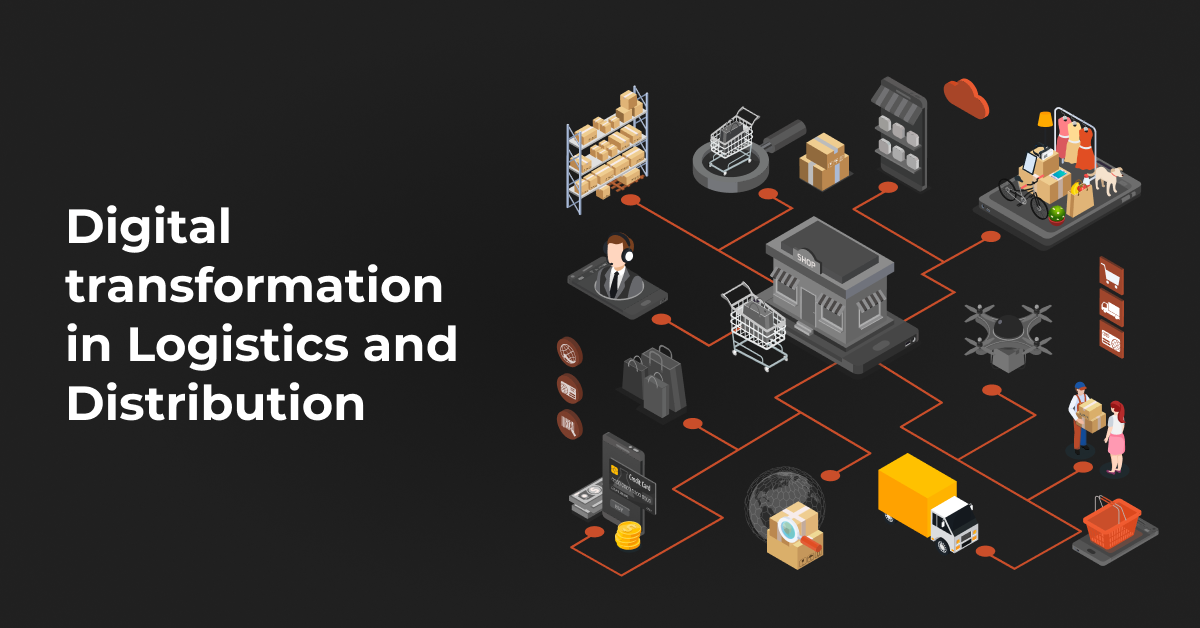
Forget clunky paper orders and delivery uncertainties. Across Malaysia’s pharmaceutical landscape, technology is fundamentally rewriting the rules of distribution, creating a faster, smarter, and far more reliable system. This digital transformation touches every single step – from the initial click placing an order right through to the final signature confirming receipt at the pharmacy door. It’s no longer just an add-on; it’s the essential backbone supporting efficient medicine flow nationwide.
So, what innovations are actually driving this change? The shift starts with robust B2B e-commerce platforms. These dedicated online portals empower pharmacies to browse wholesaler inventories and place orders seamlessly, 24/7, ditching cumbersome manual processes. Complementing this are advanced cloud-based inventory management systems. These provide distributors and pharmacies with crystal-clear, real-time visibility into stock levels across the entire network. No more frustrating guesswork about availability or unexpected shortages.
The critical last leg of delivery is also getting a major tech boost. Sophisticated last-mile delivery applications are now commonplace. They incorporate driver geolocation tracking, letting pharmacies see exactly when their vital shipments will arrive, coupled with secure electronic signature capture for instant proof of delivery. It brings unprecedented transparency to the final step.
But the revolution runs deeper than just logistics software. Forward-thinking pharmaceutical wholesale distributors are making significant investments in integrated Enterprise Resource Planning (ERP) systems. These powerful platforms connect different business functions. They’re increasingly pairing these ERPs with artificial intelligence (AI) tools for demand forecasting, predicting needs with remarkable accuracy. Unified operational dashboards then pull all this complex data together, offering a single-pane view that significantly boosts overall efficiency and decision-making speed.
Real-world examples showcase this integration. Take certain mobile health platforms operating in Terengganu. They’re now being directly connected to nearby community pharmacies using secure cloud-based APIs (Application Programming Interfaces). This vital link allows pharmacists to remotely monitor medication adherence for chronic disease patients. Consequently, they can proactively reorder essential stock based on predictive usage models, preventing dangerous treatment gaps before they even occur.
Ultimately, this tech surge delivers more than just speed and efficiency – it actively builds crucial trust within the supply chain. Pharmacies experiencing consistently timely, accurate deliveries naturally develop stronger confidence in their partners. This reliability directly translates into longer-lasting, more stable distributor relationships, proving that in modern Malaysian pharmacy distribution, technological innovation is the ultimate partnership glue.
Learn More : Digital Transformation in Malaysia’s Pharmaceutical Distribution Services | Digital Supply Chain – Deloitte
Localization Strategies: Serving Malay-Speaking Communities Better

Forget viewing localization as a mere translation exercise. In today’s competitive landscape, particularly within Malay-speaking communities, culturally aligned distribution is a strategic imperative. It’s the key that unlocks genuine trust and directly shapes purchasing decisions. Why? Because language fluency, deep cultural relevance, and an understanding of local health literacy aren’t just nice-to-haves; they are the very foundation of consumer confidence and brand loyalty.
Imagine the impact in rural markets: Packaging clearly in Bahasa Melayu isn’t just about readability; it signals respect and builds immediate trust. Consumers feel understood, removing a significant barrier to purchase. This linguistic alignment is the first, crucial step.
But true alignment goes deeper. Product brochures and informational materials must resonate culturally. Generic messaging falls flat. When content reflects local sensitivities, traditions, and communication styles, it dramatically enhances pharmacist engagement. Pharmacists are trusted advisors; if your materials speak their community’s language—literally and figuratively—they become powerful advocates for your brand.
Furthermore, strategic timing matters immensely. Aligning distributor activities with local health observances or Islamic health campaigns isn’t opportunistic; it demonstrates authentic community involvement. Think about distributors collaborating with local mosques during Ramadan to promote diabetic health programs, like those successful initiatives seen in Kelantan. This kind of integrated community approach doesn’t just boost short-term sales; it builds long-term credibility and consumer trust. The result? Measurable spikes in demand for relevant products, like supplements, and significantly higher brand retention.
Ultimately, culturally-aligned distribution provides a formidable competitive edge. It moves beyond simple logistics into the realm of meaningful connection. This advantage is amplified exponentially when paired with tailored merchandising services that genuinely reflect community values – whether that’s specific product placement, community-focused promotions, or support for local health initiatives. When your distribution strategy truly “speaks the culture,” it fosters unwavering consumer trust and unlocks sustainable market growth. Trust follows where respect is shown.
Learn More : Localization: The Revolution in Consumer Markets
Navigating Regulatory & Compliance Shifts
Let’s face it, Malaysian pharmacy distributors are navigating an increasingly complex regulatory sea. Authorities are tightening requirements across the board – from stringent NPRA (National Pharmaceutical Regulatory Agency) mandates and essential HALAL certifications down to crucial local municipal approvals. Simply reacting isn’t enough anymore; proactive adaptation is the only viable strategy for sustainable operations. But what specific actions need prioritization?
Foundational Compliance Steps You Can’t Ignore:
Traceability is Non-Negotiable: Implementing robust systems to meticulously track product batch history end-to-end has become absolutely fundamental. This isn’t just about efficiency; it’s about accountability and rapid response capability should any issue arise.
Valid Registration is Key: Ensuring all distributed supplements carry a valid KKM NOT number isn’t optional paperwork. It’s a core regulatory requirement demonstrating product safety and legality within the Malaysian market. Distributors bear significant responsibility in verifying this for every item they handle.
Integrity Through the Chain: HALAL compliance extends far beyond the product itself. Distributors must rigorously align their warehousing facilities and transportation logistics with HALAL-certified standards. This encompasses everything from storage segregation and handling procedures to dedicated, compliant vehicles – maintaining product integrity from receipt to delivery is paramount.
Future-Proofing Your Distribution Operations:
The regulatory horizon promises further evolution. Anticipating shifts, like the potential rollout of mandatory digital QR verification codes on pharmacy goods, is essential. Getting ahead of such curve prevents incredibly disruptive and expensive operational reworks later. Furthermore, distributor pharmacy operations must invest seriously in staff competency. Comprehensive training programs focusing on perpetual audit readiness, meticulous SOP documentation practices, and proficiency in using mandatory electronic submission systems are critical investments in resilience.
Practical Action for Long-Term Stability:
One highly effective strategy? Designate a dedicated compliance liaison directly within your core distribution team. This individual takes ownership of monitoring regulatory updates, coordinating internal compliance efforts, and serving as the central point for all regulatory communication. It’s a surprisingly straightforward organizational move, yet its impact on reducing long-term regulatory risk and operational headaches is genuinely substantial. They’re the early warning system and coordinator rolled into one.
The message is clear: understanding what regulations are changing is step one, but embedding proactive compliance deeply into your daily operations is the real key to thriving as a pharmacy distributor in Malaysia’s demanding future. Staying informed and agile isn’t just advisable; it’s fundamental to your license to operate.
Learn More : How to Ensure Regulatory Compliance for Pharmacy Distribution in Malaysia | Guidelines: Distribution – Health products policy and standards
Future-Proofing Distribution Networks
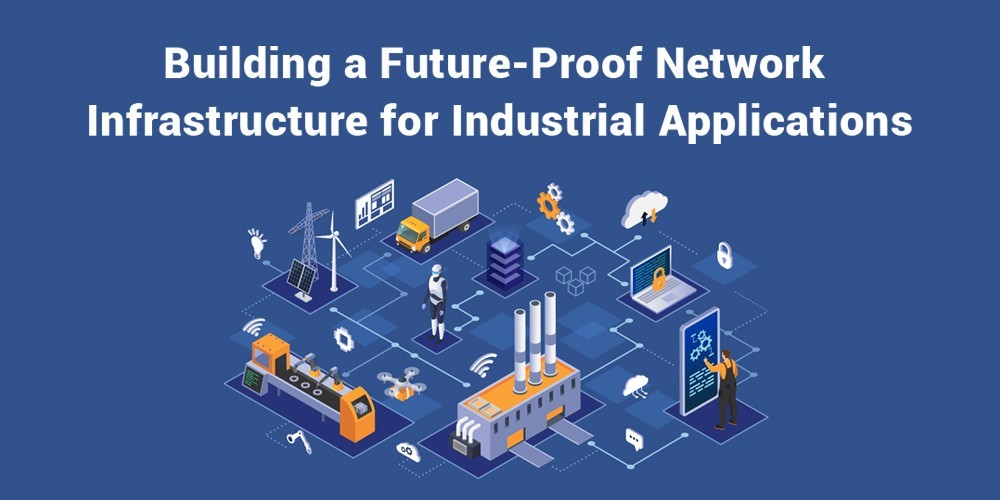
What will truly shape the next ten years for getting vital medicines and health products into the hands of those who need them across Malaysia and neighboring Malay-speaking regions? The answer lies not in a single silver bullet, but in a fundamental shift towards adaptable systems powered by intelligent infrastructure. Success hinges on building distribution networks that can flex and respond with unprecedented speed and precision.
Think beyond traditional linear supply chains. The winning model increasingly resembles a sophisticated hub-and-spoke framework. Imagine major urban distribution centers acting as central hubs, efficiently feeding a network of smaller, strategically placed satellite facilities deep within rural communities. This structure drastically cuts delivery times to remote areas, ensuring life-saving medications arrive when needed most. Furthermore, integrating specialized cold-chain capabilities moves from being a ‘nice-to-have’ to an absolute necessity. As demand surges for temperature-sensitive products – think cutting-edge vaccines, critical biologics, and certain injectables – maintaining unbroken, monitored cold storage throughout the entire journey is paramount for both safety and regulatory compliance.
Technology acts as the crucial enabler for this smarter future. B2B digital marketplaces are revolutionizing procurement for pharmacists and healthcare providers. These platforms allow instant comparison of stock levels and competitive pricing across multiple distributors, empowering better, faster purchasing decisions right from their pharmacy counter or clinic. For distributors themselves, staying competitive demands embracing core technologies: IoT sensors provide real-time visibility into shipment location, temperature, and handling; blockchain solutions offer immutable proof of provenance and streamline traceability, building immense trust; and forming strategic partnerships with popular regional health apps creates vital new channels to reach end consumers directly.
However, even the most advanced software and automated warehouses fall short without the right people operating them. Investing heavily in cultivating a future-ready workforce is equally critical as upgrading technology platforms. This means training teams who are not just tech-literate, but truly data fluent – able to interpret complex analytics and act on insights. They need hands-on experience with the latest logistics technologies, and perhaps most importantly, deep cultural awareness to effectively navigate the diverse nuances of the Malay-speaking markets they serve. The distributors who prioritize both cutting-edge infrastructure and human capital development will undoubtedly lead the charge in defining the next decade of pharmacy distribution.
Learn More : The Future of Pharmacy Merchandising Services in Malaysia: Trends and Predictions | Future of pharma operations | Life Sciences | McKinsey & Company
Strategic Recommendations for Pharmacy Businesses
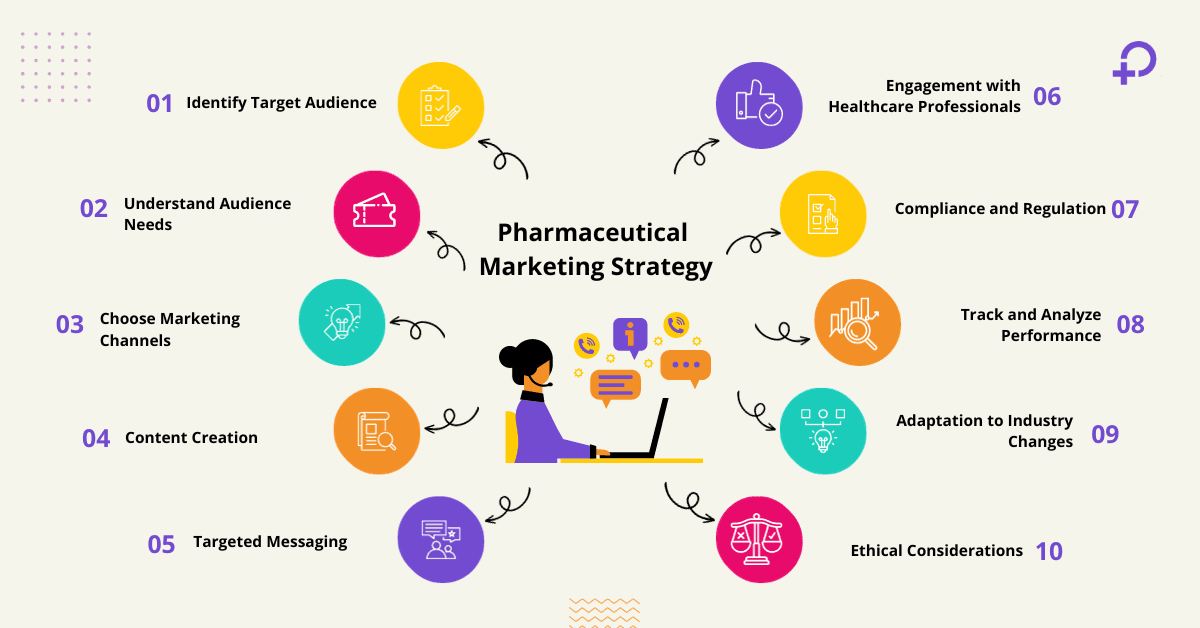
The pharmaceutical distribution landscape is shifting rapidly. For businesses aiming not just to survive, but genuinely thrive in the years ahead, proactive preparation is non-negotiable. The question demanding immediate attention is clear: What concrete actions must stakeholders take right now to secure success tomorrow?
The path forward involves several strategic pillars. Firstly, a rigorous assessment of current distributor partnerships is paramount. Look beyond basic logistics: Do your partners leverage robust technology solutions? Critically, is there a fundamental cultural alignment ensuring shared values and long-term vision? This foundation is crucial for resilient collaboration.
Secondly, local market intelligence is irreplaceable. Prioritizing distributors with deep, authentic community roots – particularly independent operators who understand neighborhood dynamics – provides an invaluable edge. This hyper-local insight translates directly into better market penetration and consumer trust, something large, impersonal networks often struggle to replicate effectively.
Thirdly, regulatory agility is essential. Investing proactively in sophisticated compliance tracking systems is no longer optional. Staying ahead of evolving mandates from bodies like the NPRA (National Pharmaceutical Regulatory Agency) and KKM (Kementerian Kesihatan Malaysia) prevents costly disruptions and safeguards your reputation. Manual tracking simply won’t cut it anymore.
Fourth, internal processes require modernization. Upgrading Standard Operating Procedures (SOPs) is vital to integrate contemporary warehousing efficiencies, embrace relevant technology (like automation or advanced inventory systems), and align with modern merchandising and service expectations. Outdated workflows create bottlenecks and inefficiency.
Fifth, explore collaborative marketing opportunities. Partnering with distributors in key Malay-speaking regions on co-branded health initiatives can significantly amplify reach and resonance. These campaigns build brand awareness within specific communities in a culturally relevant way.
Ultimately, sustainable success hinges on three core principles consistently demonstrated: operational transparency that builds trust with all partners, unwavering consistency in service delivery that meets customer needs reliably, and profound respect for local cultures across every interaction. These elements, combined with the strategic actions above, will unequivocally determine the market leaders of tomorrow. The time to implement them is undeniably now. Getting started early makes a huge difference later on.
Forget the outdated idea that distribution in Malaysia’s Malay-speaking heartlands is simply moving stock from a warehouse to a shop shelf. Those days are long gone. Today, success hinges on a far more sophisticated, integrated approach. It demands a deep strategic alignment that weaves together crucial threads: genuine cultural understanding, smart adoption of technology, and strict adherence to complex regulations. Ultimately, it’s all about delivering undeniable, tangible value right to the end consumer – that’s the real benchmark.
Look around, and you’ll see the landscape shifting rapidly. Agile independent pharmacy distributors are setting new standards for responsiveness. Meanwhile, a powerful wave of digital transformation is fundamentally reshaping traditional wholesale networks, making things faster but also more complex. The undeniable truth? The future belongs decisively to businesses that recognize this shift and take concrete action now. Hesitation isn’t really an option in this dynamic environment.
It doesn’t matter if you’re the owner of a burgeoning skincare brand making your exciting debut in Kelantan, or part of a seasoned pharmaceutical logistics team ensuring critical supplies reach communities across Sabah. The pressing need to critically evaluate and optimize your entire distribution strategy has arrived. Understanding local preferences in Terengganu is as vital as navigating the specific regulatory nuances in Perak or Penang. A one-size-fits-all model just won’t cut it anymore; customization is key.
Is your current pharmacy distribution network genuinely prepared for tomorrow’s challenges? Or is it at risk of being left behind as competitors innovate and consumer expectations soar? Future-proofing isn’t just a buzzword; it’s a critical business imperative demanding proactive solutions.
How can we assist you today? 😊
Just let us know—we’re here to help!