

May 19, 2025
As Malaysia’s healthcare industry undergoes rapid transformation, pharmacies face mounting pressure to evolve beyond conventional retail tactics. With shifting consumer expectations and technological advancements, stakeholders—from urban chain stores to neighborhood drug dispensaries—must reimagine product placement, branding, and customer engagement to stay competitive.
The role of pharmacy distributor Malaysia networks has become pivotal yet increasingly intricate. Whether operating as independent suppliers, regional distributors, or supply chain collaborators, businesses grapple with balancing efficiency and innovation. Urban hubs, for instance, demand tech-integrated solutions to manage high foot traffic, while rural outlets prioritize community trust and accessibility. This duality underscores the need for adaptable strategies tailored to diverse markets.
So, what trends will define the next phase of growth? Our analysis highlights three critical areas reshaping the sector. First, smart retail technologies like AI-driven inventory systems and automated checkout kiosks are streamlining operations, reducing human error and wait times. These tools not only optimize stock management but also enhance the shopping experience through personalized promotions sent via mobile apps.
Second, evolving consumer behaviors are rewriting the rulebook. Today’s shoppers prioritize transparency, seeking detailed product information and ethical sourcing. Brands that leverage storytelling—highlighting sustainability or local partnerships—are gaining traction. Additionally, hybrid shopping habits (blending online research with in-store purchases) require pharmacies to strengthen their digital presence through user-friendly websites and social media engagement.
Lastly, collaborative merchandising is emerging as a game-changer. Distributors and retailers are pooling resources to create shared marketing campaigns or bulk purchasing alliances, cutting costs while expanding reach. For example, a pharmacy distributor Malaysia network might partner with wellness brands to bundle products, offering discounts that drive foot traffic and loyalty.
Looking ahead, success will hinge on agility. By embracing innovation, understanding local nuances, and fostering partnerships, Malaysia’s pharmacies can not only survive but thrive in tomorrow’s retail landscape. Stay tuned as we unpack actionable strategies to future-proof your business in our upcoming sections.
From Traditional Shelves to Smart Merchandising: Why Change Is Inevitable
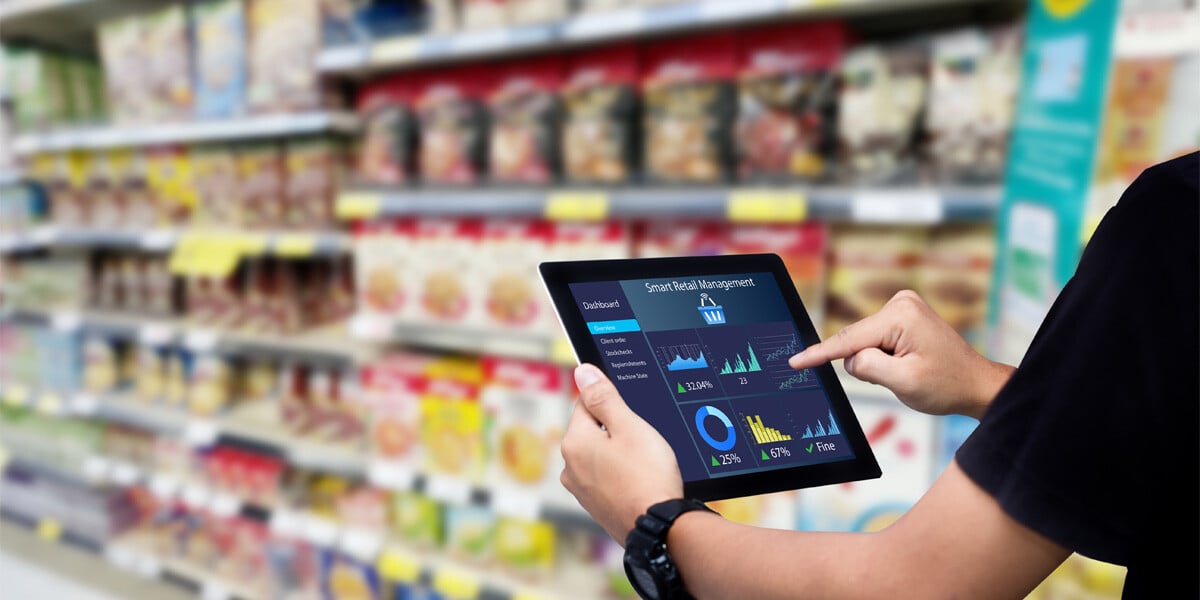
Malaysia’s pharmacy sector is at a crossroads. While customer expectations evolve, many retailers cling to antiquated strategies that actively hinder growth. Static shelf layouts, sluggish inventory turnover, and inconsistent brand presence remain pervasive issues, creating mismatches between what’s stocked and what shoppers actually want. The result? Missed sales opportunities and eroded customer loyalty.
Take product visibility as a critical example. Overcrowded aisles and disorganized displays don’t just frustrate shoppers—they bury key products under visual noise. In high-traffic stores, this chaos dilutes brand impact and confuses buyers seeking specific health solutions. Imagine a customer hunting for allergy relief: if signage is unclear or items are buried, they’ll either abandon the search or default to familiar brands, stifling competition.
Today’s consumers—raised on seamless digital experiences—demand better. Clean sightlines, intuitive category groupings, and educational signage aren’t luxuries; they’re baseline expectations. Shoppers want to locate pain relief, vitamins, or skincare without playing hide-and-seek. For pharmacies, this shift isn’t optional. Wholesale distributors face mounting pressure to overhaul legacy systems or watch relevance fade as tech-savvy competitors ascend.
Innovative retailers are already pivoting. Monthly display refreshes keep shelves feeling current, while modular shelving adapts to seasonal demand spikes or trending wellness categories. Others are reimagining entire aisles around customer priorities—think dedicated “immunity hubs” or menopause support zones. These strategies don’t just mirror health-conscious preferences; they actively guide purchasing decisions through curated experiences.
The message is clear: clinging to rigid, one-size-fits-all merchandising risks obsolescence. As Malaysian pharmacies modernize, blending retail science with shopper psychology will separate industry leaders from those stuck in the past. After all, in a market where 44% of consumers switch brands due to poor in-store navigation*, evolution isn’t just strategic—it’s survival.
The Role of Pharmacy Distributors in Driving Merchandising Innovation

The strategic importance of how products appear on retail shelves might seem subtle, but it’s where consumer decisions crystallize. For distributors—whether multinational logistics providers or local pharmacy suppliers—the shift from merely transporting goods to actively shaping retail outcomes has become unavoidable. In today’s market, the shelf isn’t just a storage space; it’s a dynamic interface where brands either captivate shoppers or fade into the background.
Take Malaysia’s evolving pharmacy sector as an example. Progressive pharmacy distributor Malaysia companies now prioritize services like visual merchandising evaluations, compliance checks for shelf layouts, and customized in-store branding solutions. This pivot transforms distributors from behind-the-scenes operators into essential retail partners. Instead of merely ensuring timely deliveries, they’re helping brands optimize visibility, accessibility, and appeal at the critical moment of purchase.
Consider collaborations with Klang Valley’s bustling pharmacy chains. Forward-thinking distributors now work hand-in-hand with brand marketing teams to maintain uniformity in promotional campaigns across dozens of locations. Advanced players even deploy smart inventory systems that track shelf stock levels in real time, dramatically reducing instances where popular items go missing during peak sales periods. These efforts don’t just prevent lost revenue—they build trust with both retailers and consumers.
The fusion of logistics precision and retail savvy has shifted from aspirational to non-negotiable. Distributors who synchronize delivery networks with data-driven shelf strategies don’t just meet expectations; they redefine market standards. In competitive regions like Southeast Asia, where consumers juggle endless options, this synergy becomes a silent differentiator. It’s the reason two nearly identical products might experience wildly different sales trajectories based purely on presentation.
Emerging tools like AI-powered analytics and IoT-enabled shelf sensors are pushing this evolution further. By predicting demand surges or identifying underperforming product placements, distributors help clients stay ahead of trends rather than react to them. This proactive stance not only minimizes stock gaps but elevates the entire shopping experience, fostering loyalty in an era of fleeting consumer attention.
For distributors, the message is clear: Adaptability separates industry leaders from laggards. Those embracing merchandising audits, real-time reporting, and collaborative campaign planning aren’t just service providers—they’re growth accelerators. As retail landscapes grow more complex, the ability to merge operational rigor with creative retail insights will determine who thrives. After all, in the battle for consumer attention, the shelf is both the starting line and the finish line.
Technology Trends Reshaping Pharmacy Merchandising Services

The retail landscape is rapidly evolving, and nowhere is this transformation more apparent than in how technology enhances merchandising strategies. By combining data-driven visibility with intelligent automation, businesses now unlock unprecedented opportunities to refine product placement, inventory management, and customer engagement. Advanced solutions such as planogram optimization platforms and digital shelf analytics empower brands to pinpoint low-performing categories while analyzing real-time consumer behavior—a leap beyond traditional guesswork.
Central to this shift are smart merchandising systems that synthesize sales trends, foot traffic patterns, and even weather data to recommend ideal product arrangements. In Malaysia’s urban centers like Kuala Lumpur, pharmacies are embracing innovations such as electronic shelf labels (ESLs) and RFID tagging. These tools not only enable instant price adjustments but also help chains experiment with interactive digital displays, creating immersive shopping experiences. For instance, select pharmacy groups now utilize AI-powered inventory dashboards to monitor stock levels, triggering automatic reorders when supplies dip below thresholds. This seamless integration between merchandising tools and supply chain software minimizes overstocking risks while cutting operational costs.
Another area where technology shines is in fostering agility. Real-time analytics allow retailers to adapt promotions or shelf layouts within hours—not weeks—based on shifting demand. Imagine a scenario where flu medication visibility automatically increases during monsoon seasons or skincare products get highlighted during haze periods. Such responsiveness is becoming standard in forward-thinking Malaysian pharmacies, supported by cloud-based platforms that sync pricing, inventory, and customer insights.
Within the broader scope of pharmacy technology in Malaysia, these advancements signal a move toward hyper-connected retail ecosystems. While early adopters reap benefits like reduced waste and improved margins, the long-term implications are even more compelling: a retail environment where human creativity collaborates with machine precision to anticipate market shifts. As more chains pilot IoT-enabled smart shelves and predictive analytics, the future of merchandising looks less about manual labor and more about strategic innovation.
By blending automation with actionable insights, technology isn’t just elevating merchandising performance—it’s redefining what’s possible for pharmacies navigating an increasingly competitive, digitally driven market. The key lies not in replacing human oversight, but in augmenting it with tools that not only identifies opportunities but also executes them flawlessly.
Consumer-Centric Merchandising: Personalization, Data, and Behavioral Insights

How well do you understand your pharmacy customers’ actual needs versus perceived preferences? At its core, successful retail merchandising hinges on interpreting consumer behavior—not making assumptions. While intuition once drove shelf layouts and promotions, today’s competitive landscape demands precision through data-backed strategies.
Forward-thinking pharmacy operators now depend on retail analytics tools to map customer pathways and uncover hidden buying trends. These insights empower businesses to craft hyper-targeted campaigns that resonate with distinct shopper segments. But here’s the catch: high-performing pharmacies don’t just collect data—they transform it into actionable, customer-centric plans.
Through advanced analytics, retailers might discover that millennials gravitate toward curated wellness bundles featuring supplements and organic remedies, whereas seniors prioritize easy access to arthritis aids or diabetes management products. Location-specific factors also play a role. Pharmacies that collaborates with regional distributors often identify neighborhood-specific demands, allowing them to stock hyper-localized items like seasonal allergy relief in pollen-heavy areas or sports injury kits near fitness centers.
This approach isn’t just about boosting sales—it’s about building loyalty. When customers feel understood, they’re more likely to return. Imagine a parent finding pediatric vitamins prominently displayed during flu season or a busy professional noticing a grab-and-go immune support section. These subtle touches signal that your pharmacy pays attention.
The magic happens when analytics merge with human insight. While data reveals what customers buy, qualitative feedback—like staff interactions or community surveys—uncovers why. Combining both creates merchandising strategies that feel less transactional and more relational.
Here’s the reality: personalized merchandising has shifted from “nice-to-have” to non-negotiable in retail pharmacy. Customers now expect tailored experiences, and competitors are already delivering. Falling behind risks not just missed revenue but eroded trust. The question isn’t whether you can afford to prioritize personalization—it’s whether you can afford not to.
By bridging data science with compassionate care, pharmacies can curate spaces that truly serve their communities while staying ahead in an evolving market.
Learn more : COVID-19: Tracking the impact on media and consumer behavior
Sustainability and Eco-Friendly Merchandising in Malaysian Pharmacies

Wondering if your business can drive revenue while lightening its environmental footprint? The answer isn’t just “yes”—it’s becoming a non-negotiable strategy. As eco-awareness reshapes consumer behavior, retailers embracing sustainable merchandising aren’t just meeting expectations—they’re future-proofing their brands.
Forward-thinking suppliers are leading this shift by offering display units crafted from repurposed materials like reclaimed wood or recycled metals. Simultaneously, they’re championing minimalist packaging strategies that slash reliance on single-use plastics—a move resonating deeply with Malaysia’s increasingly green-minded shoppers. Take Klang Valley’s pharmacy sector, for example: several chains now feature store layouts designed to highlight biodegradable alternatives, from plant-based product wrappers to compostable shopping bags. These spaces aren’t just functional; they’re visual statements of environmental responsibility.
But the benefits go beyond optics. Sustainability is now a loyalty driver. Brands integrating eco-principles into their merchandising—think energy-efficient lighting or modular fixtures—aren’t just earning goodwill; they’re aligning with the accelerating global ESG (Environmental, Social, Governance) movement. In Malaysia, this alignment carries added weight as regulators gradually introduce frameworks to monitor corporate sustainability efforts. Early adopters gain dual advantages: stronger customer retention and smoother compliance as policies tighten.
Critically, these initiatives counter the myth that “green” means costly. By optimizing supply chains (like partnering with local recyclers) and reducing material waste, businesses often uncover hidden efficiencies. One Klang Valley pharmacy reported a 12% dip in operational costs after switching to reusable display stands—proof that eco-conscious choices can bolster both margins and reputation.
The message is clear: Sustainable merchandising isn’t a passing trend. It’s a bridge between profit and purpose, especially as younger consumers—72% of whom prefer eco-branded products, per recent surveys—dominate spending. For retailers, the question isn’t whether to adapt, but how quickly they can turn sustainability into a competitive edge.
Learn more : Sustainable Pharmacy Merchandising: Eco-Friendly Solutions for Malaysian Pharmacies | Sustainable Development Reporting
Regional and Urban Differences: Tailoring Merchandising to Local Demographics

Ever wondered why walking into a pharmacy in Johor Bahru feels distinct from one in Kota Kinabalu? The answer lies in Malaysia’s rich cultural tapestry and geographic variety, which shape how healthcare products are marketed and sold. From product selection to pricing strategies, regional nuances demand tailored approaches to meet community needs effectively.
Local pharmacies don’t operate on a one-size-fits-all model. Instead, they adapt to regional health priorities, environmental conditions, and economic realities. Take East Malaysia, for example. In areas like Kota Kinabalu, humid climates and outdoor lifestyles drive demand for tropical disease preventatives, antifungal creams, and affordable over-the-counter remedies. Meanwhile, urban hubs such as Klang Valley prioritize premium wellness products—think collagen supplements, detox bundles, and skincare regimes—catering to health-conscious city dwellers with higher disposable incomes.
Crafting effective merchandising strategies requires more than just stocking relevant items. Retailers must also consider linguistic preferences, especially in multilingual regions. Stores near medical facilities might emphasize post-treatment care products, while compact outlets in rural towns optimize limited space for essentials. Nationwide, a growing trend emphasizes personalized in-store experiences, whether through bilingual labeling, seasonal promotions, or staff trained to address local health concerns.
Collaboration with regional distributors becomes critical here. These partners provide insights into neighborhood demographics, seasonal demand shifts, and logistical challenges—like ensuring faster restocking in remote areas. By aligning inventory with hyperlocal trends, pharmacies can boost customer satisfaction without compromising profitability.
Interestingly, even subtle factors influence success. Shelf layouts in Johor Bahru might highlight diabetes management kits due to higher regional prevalence rates, while Kota Kinabalu stores could position hydration solutions more prominently. Such precision ensures pharmacies remain community anchors rather than mere retail spaces.
Of course, balancing standardization with localization isn’t without hiccups. A Johor outlet might trial a new allergy medication display, only to find Kota Kinabalu’s customers prefer traditional herbal alternatives. These lessons underscore why adaptable strategies—and occasional missteps—are part of the process.
At it’s core, Malaysia’s pharmacy sector thrives on its ability to mirror the diversity of its people. By honoring regional distinctions, retailers don’t just sell products—they build trust, one community at a time.
Collaborations Between Brands, Distributors, and Pharmacies: A Unified Merchandising Approach

What unfolds when businesses align their efforts? The results often speak for themselves: revenue growth, deeper customer connections, and sustained repeat business.
In Malaysia’s competitive retail landscape, forward-thinking brands are tapping into strategic alliances with pharmacy distributor Malaysia networks to launch coordinated monthly campaigns. Think targeted initiatives like seasonal wellness drives or skincare education blitzes—themes designed to resonate with local health priorities.
These partnerships thrive on division of expertise. Distributors frequently spearhead execution, managing everything from in-store promotional displays to compliance audits. By adopting this model, brands maintain unified messaging across hundreds of pharmacy counters—a consistency that builds consumer trust.
Take this real-world scenario: A vitamin company collaborates with its pharmacy wholesale distributor to design eye-catching thematic displays in 50+ stores. Success metrics here extend beyond immediate sales spikes. Teams track engagement through QR code scans, monitor foot traffic surges, and analyze how quickly shelves restock—a holistic view of campaign impact.
Crucially, distributors offering turnkey merchandising services are redefining vendor relationships. No longer just logistics providers, they’ve become growth accelerators. Brands prioritizing market expansion increasingly favor partners who blend operational muscle with creative co-planning—proving that shared effort drives shared rewards.
These collaborations isn’t just about moving products. It’s about building ecosystems where distributors act as localized brand ambassadors, adapting national campaigns to regional buying habits. The outcome? Campaigns that feel less like corporate promotions and more like community-focused solutions—a nuance that Malaysian shoppers increasingly reward with loyalty.
Predictions for the Next 5–10 Years: Where Pharmacy Merchandising Is Headed

Malaysia’s pharmacy sector stands at the brink of a transformative era, driven by rapid technological advancements and shifting consumer behaviors. Over the next decade, industry experts predict three core forces will redefine merchandising strategies: digital innovation, artificial intelligence, and adaptable regional frameworks.
Retail environments are poised to become hyper-responsive to customer needs. Emerging technologies like app-connected shopping carts, augmented reality (AR) product tutorials, and personalized digital promotions are expected to dominate. These tools won’t just streamline purchases—they’ll deepen engagement by delivering tailored, interactive experiences. Meanwhile, distributors are transitioning into tech partners, integrating logistics networks with digital platforms to ensure seamless inventory management and real-time data sharing.
The concept of “merchandising space” itself is expanding beyond brick-and-mortar aisles. Hybrid strategies that merge physical and digital touchpoints will likely become standard, particularly in urban hubs. Imagine walking through Kuala Lumpur and receiving instant mobile discounts for nearby pharmacies—geolocation-based marketing could turn casual foot traffic into loyal customers. Such tactics not only boost sales but also create cohesive brand journeys across channels.
Critically, success in this new ecosystem hinges on collaboration. Suppliers, retailers, and tech providers must align to build agile systems capable of scaling with demand. Data analytics will play a starring role, enabling smarter stock forecasting and trend prediction.
In summary, Malaysia’s pharmacy merchandising future isn’t just about adopting gadgets—it’s about cultivating interconnected, intelligent networks. By blending cutting-edge tools with customer-centric creativity, the industry can craft experiences that feel both futuristic and effortlessly human.
Learn more : Key Trends Shaping Pharmacy Merchandising Services in Malaysia | Next in pharma 2025: The future is now
For Malaysia’s pharmacy sector to thrive in today’s fast-paced market, industry leaders must rethink their approach to merchandising. No longer just a logistical checkbox, effective product placement and retail strategy now serve as foundational drivers for sustainable growth. With advancements like AI-powered analytics and eco-conscious store designs reshaping consumer interactions, clinging to outdated methods risks leaving businesses trailing behind competitors.
The stakes are higher than ever. Modern shoppers demand seamless, personalized experiences—whether purchasing vitamins, skincare essentials, or medical supplies. This shift makes partnering with forward-thinking pharmacy distribution services in Malaysia non-negotiable. Leading distributors no longer simply manage inventory; they leverage data insights to optimize shelf appeal, predict regional demand fluctuations, and align displays with emerging health trends. Those who master this balance will dominate the next era of Malaysia’s healthcare retail landscape.
Three groups stand to gain most from this evolution:
Brand Managers needing localized visibility for OTC products
Skincare & Wellness Entrepreneurs targeting niche demographics
Pharmacy Chains aiming to enhance foot traffic through tech-integrated layouts
Sustainability further complicates the equation. Eco-friendly packaging and energy-efficient signage aren’t just ethical choices—they’re becoming purchase decision triggers for Malaysia’s environmentally conscious consumers. Forward-compatible distributors now blend green practices with smart inventory systems, ensuring clients meet regulatory standards while future-proofing their appeal.
The window for action is narrowing. As digital natives reshape buying habits and hybrid healthcare models gain traction, static merchandising approaches will struggle to retain relevance. Proactively adopting adaptable strategies ensures brands stay ahead of curveballs like shifting insurance policies or viral wellness trends.
Whether upgrading in-store tech integrations or redesigning supplier partnerships, incremental tweaks won’t suffice. The market rewards boldness.
How can we assist you today? 😊
Just let us know—we’re here to help!