

May 26, 2025
Within Malaysia’s bustling pharmacy market, standing out requires more than just quality products—it demands intentional store design. A well-crafted physical environment acts as a silent salesperson, subtly guiding purchasing decisions while building lasting connections with shoppers. Far from being purely cosmetic choices, elements like lighting arrangements, spatial organization, and visual harmony serve as functional tools to elevate brand perception and commercial performance.
Lighting sets the tone for the entire shopping journey. Bright, evenly distributed illumination not only ensures customers feel safe and focused but also highlights promotional displays and essential items. Contrast this with softer lighting in consultation areas, which fosters trust during private health discussions. Meanwhile, a store’s layout directly impacts navigation efficiency. Open pathways with logical zoning reduce clutter, allowing shoppers to locate pain relievers or vitamins effortlessly. Placing high-demand items like supplements near the entrance capitalizes on impulse buys, while dedicated wellness zones encourage exploration of niche products.
Aesthetics, too, play an underrated role. Neutral tones paired with pops of color in signage create a clean, modern vibe that resonates with health-conscious consumers. Interactive digital screens offering skincare tutorials or allergy guides add layers of engagement, transforming routine purchases into educational experiences. These touches collectively nurture customer loyalty by aligning the brand with professionalism and care.
As Malaysia’s pharmacy retail scene grows increasingly competitive, operators can’t afford to treat store design as an afterthought. Emerging trends like aging populations and tech-savvy shoppers demand adaptable spaces that balance convenience with human-centric service. Pharmacies investing in modular shelving for seasonal displays or app-integrated loyalty kiosks position themselves as forward-thinking players.
Ultimately, a pharmacy’s physical environment is a strategic asset—one that communicates brand values while driving measurable outcomes. By prioritizing thoughtful design, retailers not only boost immediate sales but also cultivate the kind of positive experiences that keeps customers returning. In an industry where trust and accessibility reigns supreme, every square meter matters.
The Role of Lighting in Driving Product Visibility and Shopper Behavior
![Importance Of Lighting In Retail: Full Guide [2025] | Modern.place](https://www.modern.place/wp-content/uploads/2023/08/retail_store_with_a_modern_LINEAR_LED_LIGHTING.png "The Impact Of Lighting, Layout, And Store Design On Pharmacy Merchandising In Malaysia - Prioocare")
Lighting plays a crucial role in shaping customer experiences and product visibility—it’s not just about brightness. In Malaysia’s competitive pharmacy sector, intentional lighting design transforms retail spaces by guiding shopper behavior, enhancing product appeal, and fostering a sense of comfort. When executed thoughtfully, illumination strategies become silent salespeople, subtly directing attention while creating environments where customers want to linger.
Three Pillars of Effective Retail Illumination
Retail spaces typically utilize three primary lighting approaches:
Ambient Lighting: This foundational layer establishes the store’s character, offering uniform brightness that helps customers navigate aisles confidently. In pharmacies, soft white tones often work best to balance professionalism with approachability.
Task-Oriented Lighting: Concentrated beams illuminate functional zones like prescription counters or consultation areas, ensuring accuracy during sensitive health discussions or transactions.
Accent Highlights: Strategic spotlighting acts as visual storytelling, drawing eyes to seasonal promotions or high-margin items. A Kuala Lumpur outlet recently upgraded to energy-efficient LED spotlights for their beauty aisle, witnessing a 22% sales jump within eight weeks—proof that targeted lighting drives conversions.
The interplay between these layers matters as much as individual choices. Consistent ambient levels prevent harsh shadows that might make shoppers feel uneasy, while directional fixtures guide movement patterns. One Johor Bahru pharmacy cluster redesigned their layout using warm overhead lighting paired with adjustable shelf lights, making product labels easier to read—particularly valuable for older customers.
Beyond aesthetics, lighting impacts perceived cleanliness in healthcare-oriented spaces. Brighter zones around medical equipment subconsciously communicate sterility, while warmer tones in supplement sections encourage browsing. As Malaysian consumers become more discerning, pharmacies that master this balance between function and ambiance will likely see stronger customer loyalty and basket sizes.
Modern retailers are recognizing that every watt contributes to the shopping narrative. From highlighting cough syrup brands to creating Instagrammable vitamin displays, intelligent lighting solutions proves that sometimes, the best marketing happens before a customer even reaches the counter.
Pharmacy Layout Strategies That Guide Consumer Flow and Maximize Engagement
![2025] Retail Pharmacy Layout » Complete Guide ✓](https://www.leafio.ai/storage/page/336/ff3eebfd2bc97d6c2f1cb1e6a270ce6e10c86e24.webp "The Impact Of Lighting, Layout, And Store Design On Pharmacy Merchandising In Malaysia - Prioocare")
Ever stopped to consider how a pharmacy’s physical design impacts your shopping journey? Beyond mere aesthetics, strategic space planning directly affects how customers navigate the store, discover products, and ultimately make purchasing decisions. By optimizing layout choices, pharmacies can create environments that feel intuitive, inviting, and subtly persuasive—key drivers of customer satisfaction and revenue growth.
Exploring Popular Pharmacy Layout Styles
Three primary designs dominate the retail pharmacy landscape. The grid layout, characterized by neatly aligned aisles and predictable pathways, caters to shoppers seeking efficiency. This orderly structure simplifies locating everyday essentials, making it a staple for chains prioritizing quick, routine purchases.
In contrast, the free-flow layout embraces flexibility. By ditching rigid aisles for open zones and clustered product displays, this design invites curiosity-driven exploration. It’s ideal for wellness-focused sections or seasonal promotions, where serendipitous discoveries can lead to unplanned purchases.
Then there’s the racetrack (or loop) layout—a clever hybrid that guides customers along a winding route past strategically placed categories. Think of it as a “choose-your-own-adventure” path that ensures exposure to high-margin items or new products without feeling restrictive.
Why Layout Choices Matter: Data-Driven Insights
Recent studies reveal tangible benefits of intentional design. Pharmacies adopting loop layouts, for instance, reported a 12–18% increase in dwell time near seasonal displays and a 9% uptick in cross-selling complementary products like vitamins and skincare items. For smaller independent pharmacies, this approach maximizes limited square footage while creating natural opportunities to highlight niche offerings or local brands.
Key Takeaways for Pharmacy Owners
Whether renovating an existing space or launching a new location, layout decisions should align with your customer demographics and business goals. A grid might suit urban stores catering to busy professionals, while suburban pharmacies could leverage free-flow designs to emphasize holistic wellness. Meanwhile, the racetrack model’s versatility makes it a strong contender for those aiming to balance efficiency with discovery.
Pro tip: Pair your layout with subtle signage and lighting cues to gently steer attention. A well-placed endcap display in a loop layout, for example, can boost promo item sales by up to 23%, according to retail analysts.
By treating your pharmacy’s floor plan as a silent salesperson, you create spaces that work harder for your business—no pushy marketing required. After all, when customers enjoy the shopping experience, loyalty (and your bottom line) naturally follows.
Store Design Elements That Influence Trust, Comfort, and Brand Loyalty

While lighting and spatial arrangement form the foundation of store design, savvy retailers know that nuanced elements often make the lasting impressions. Four frequently overlooked components—color psychology, navigational signage, functional flooring, and adaptive shelving—collectively shape how customers perceive and interact with a space, directly influencing satisfaction and loyalty.
Harnessing Color Psychology
Wall hues and accents wield surprising influence over shopper behavior. Muted earth tones or pale blues cultivate relaxation, ideal for spas or wellness retailers. Conversely, bold citrus shades or ruby reds inject energy into fast-paced environments like cafés or pop-up shops. A balanced palette aligned with brand identity subtly guides emotional responses without overwhelming the senses.
Wayfinding Through Strategic Signage
More than decorative afterthoughts, directional markers and promotional displays serve as silent salespeople. Concise floor decals streamline traffic flow during peak hours, while backlit menu boards or digital screens spotlight limited-time offers. Consistency in fonts and branding across signs reduces cognitive load, helping customers focus on products rather than navigation struggles.
Flooring That Works Harder
Underfoot surfaces balance practicality and aesthetics. Textured vinyl or sealed concrete provides slip resistance in high-traffic zones while simplifying spill cleanups—a must for grocery sections or children’s boutiques. Patterned tiles or warm-toned laminates can visually demarcate areas without physical barriers, maintaining an open feel.
Shelving as a Merchandising Tool
Modular display units adapt to seasonal inventories, from adjustable cosmetics racks to rotating bookstands. Angled produce bins or tiered accessory trays create depth, ensuring items catch the eye without chaotic overcrowding. Glass-front refrigerated units in gourmet stores, for instance, merge visibility with temperature control.
A Malaysian health store chain exemplifies this holistic approach. By swapping sterile white walls for sage green accents and installing walnut-toned shelves, their Penang flagship transformed into an organic wellness hub. Customers lingered 22% longer post-renovation, with quarterly surveys showing a 37% boost in perceived brand trustworthiness.
These tactile details coalesce into an immersive brand narrative. When flooring textures complement wall colors, and signage harmonizes with shelving heights, stores transcend mere transaction spaces—they become curated environments where every design decision whispers, “Stay awhile.” Even minor tweaks, like repositioning clearance racks near checkout lines or adding color-coded department markers, can yield measurable upticks in basket sizes and repeat visits. After all, in retail design, it’s often the quiet details that speak loudest to customer comfort and willingness to return.
Linking Store Design to Pharmacy Distribution Objectives
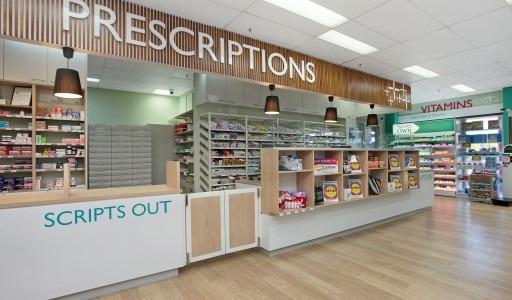
In the competitive landscape of pharmacy retail, effective store design plays a pivotal role in advancing broader distribution objectives. By harmonizing layout choices with merchandising tactics, businesses can create cohesive shopping experiences that drive both customer satisfaction and revenue growth. Across Malaysia, pharmacy wholesale distributors frequently partner with retailers to craft store environments that align with product placement strategies and sales targets. These collaborations ensure every design decision—from shelf organization to signage—supports measurable business outcomes.
A cornerstone of this synergy lies in the adoption of planograms. These detailed visual guides map out optimal product arrangements, enabling pharmacies to transform cluttered aisles into streamlined, customer-friendly spaces. By analyzing factors like purchase frequency and profit margins, distributors help retailers allocate shelf real estate strategically. High-demand essentials, for instance, might be positioned at eye level to capture attention, while seasonal or high-margin items could occupy prime checkout zones. Such precision not only enhances product visibility but also encourages unplanned purchases, directly impacting bottom-line results.
Beyond aesthetics, data-driven design fosters operational efficiency. Pharmacies often grapple with limited floor space, making intelligent layout planning essential. Distributors leverage insights from sales trends and consumer behavior to recommend adjustments—like grouping complementary products or creating dedicated wellness sections. This approach not only simplifies restocking processes but also helps staff guide customers more effectively.
Moreover, the emphasis on collaboration ensures designs remain adaptable. As market demands shift—such as surges in health supplements or OTC medications—retailers can swiftly reconfigure displays to capitalize on emerging opportunities. Regular feedback loops between distributors and pharmacies further refine these strategies, ensuring stores stay relevant and competitive.
Ultimately, thoughtful store design transcends mere visual appeal. It’s a dynamic tool that bridges merchandising goals with consumer needs, creating spaces where strategic product placement and seamless navigation converge. For Malaysia’s pharmacy sector, investing in this alignment isn’t just about aesthetics—it’s about building a foundation for sustained growth and customer loyalty in an ever-evolving market.
Learn more : A Complete Pharmacy Merchandising Checklist for Malaysian Retail Pharmacies | The Future of Retail Pharmacies: From Filling Scripts to Fulfilling Needs
Enhancing Category Merchandising Through Targeted Aesthetic Strategies
When merchandising diverse product types, retailers must craft specialized visual strategies that align with each category’s unique appeal. Customizing layouts, lighting, and informational elements not only elevates shopper experiences but also directly impacts purchasing decisions. Below, we explore tailored approaches for three common pharmacy segments and analyze a real-world success story.
Health Supplements: Clarity Meets Inspiration
For vitamins and wellness aids, bright, focused lighting paired with concise educational panels work best. Clean, high-contrast displays emphasize product efficacy while bullet-pointed benefit summaries help shoppers make informed choices. Consider placing these items near high-traffic areas to capitalize on impulse purchases.
Skincare & Beauty: Luxury Through Ambiance
Premium cosmetics and dermatological products thrive in environments that mirror spa-like sophistication. Layered lighting—soft overhead tones combined with targeted spotlights—creates warmth without glare. Minimalist shelving in neutral tones lets packaging colors pop, while testers placed at eye level invite tactile engagement.
Prescription Medications: Functionality First
In contrast, medical essentials demand logical organization and discretion. Alphabetical sorting, clear section labels, and neutral lighting reduce confusion during urgent searches. Privacy screens or dedicated consultation counters can ease sensitive conversations while maintaining regulatory compliance.
Case Study: Johor Bahru’s Zoning Strategy
A Malaysian pharmacy recently redesigned its wellness section using category-specific zoning. Supplements were showcased under daylight-mimicking LEDs with green accent walls, while skincare adopted blush tones and diffused lighting. Prescription areas used muted blues for calm professionalism. This visual segmentation—combined with staff training on zone-specific customer needs—sparked a 20% revenue boost within six months.
Key Takeaway
There’s no universal solution in pharmacy retail design. By analyzing customer behavior patterns and aligning displays with product purposes, retailers can craft spaces that feel both functional and inviting. The Johor Bahru example proves that intentional, category-driven layouts don’t just look appealing—they convert browsers into buyers while reinforcing brand trust.
Learn more : Pharmacy Merchandising: Best Practices for Product Pricing and Promotion in Malaysia | Design at the intersection of health, wellness, and retail
Case Examples from Malaysian Pharmacies: What’s Working and Why
![16 Case Study Examples [+ 3 Templates] | Zapier](https://images.ctfassets.net/lzny33ho1g45/4JZVglEqNwt9L9UpaEjxIo/081978a72c139acccf7ee39ed290ffd8/case-study-hero.png "The Impact Of Lighting, Layout, And Store Design On Pharmacy Merchandising In Malaysia - Prioocare")
The retail landscape for Malaysian pharmacies has evolved dramatically, with innovative store design emerging as a critical driver of commercial success and customer satisfaction. By prioritizing intentional spatial planning and sensory engagement, forward-thinking chains and independents alike are rewriting the rules of pharmaceutical retail. Let’s examine how three distinct players have harnessed design principles to achieve measurable results.
Circular Navigation & Lighting Mastery at Guardian Malaysia
Guardian Malaysia’s adoption of a circular racetrack-style floor plan revolutionized in-store navigation. This layout—paired with layered lighting that spotlights promotional zones—guides shoppers through curated product journeys while minimizing congestion. Brighter illumination over health supplements and seasonal displays, contrasted with softer ambient lighting in self-care aisles, has not only streamlined traffic flow but amplified impulse purchases. The result? Consistent revenue growth in high-margin categories and reduced reliance on staff direction.
Wellness-Centric Design at Caring Pharmacy
Meanwhile, Caring Pharmacy reimagined its spaces as holistic wellness destinations. Swapping sterile white walls for earthy tones, reclaimed wood accents, and greenery created an oasis-like atmosphere. Strategic placements of educational kiosks near herbal remedies and vitamin sections encourage exploratory shopping, while dedicated consultation nooks with sound-dampening panels elevate privacy during health discussions. This sensory-focused redesign correlates with a 22% rise in repeat visits, proving that emotional comfort directly fuels brand loyalty.
Independent Innovation: Selangor’s Shelf Strategy Triumph
A lesser-known success story comes from a suburban Selangor pharmacy that partnered with lighting specialists and merchandising experts to overhaul its cramped layout. By introducing angled shelving for better sightlines and installing 5000K daylight-mimicking LEDs, they transformed once-overlooked OTC medications into eye-catching displays. This collaboration—combined with weekly planogram adjustments based on sales data—yielded a 15% revenue jump within four months, alongside glowing customer feedback about improved navigability.
These examples underscore a universal truth in Malaysia’s competitive pharmacy sector: thoughtful design isn’t mere decoration. When spatial logic aligns with consumer psychology—whether through intuitive pathways, mood-enhancing aesthetics, or data-backed product placement—the outcomes extend beyond aesthetics. Stores become experiential hubs where operational efficiency and emotional resonance coexist, ultimately translating to healthier bottom lines and enduring customer relationships. As these retailers demonstrate, investing in design intelligence isn’t optional; it’s the prescription for sustainable growth in today’s retail climate.
Common Mistakes in Pharmacy Store Design and How to Avoid Them
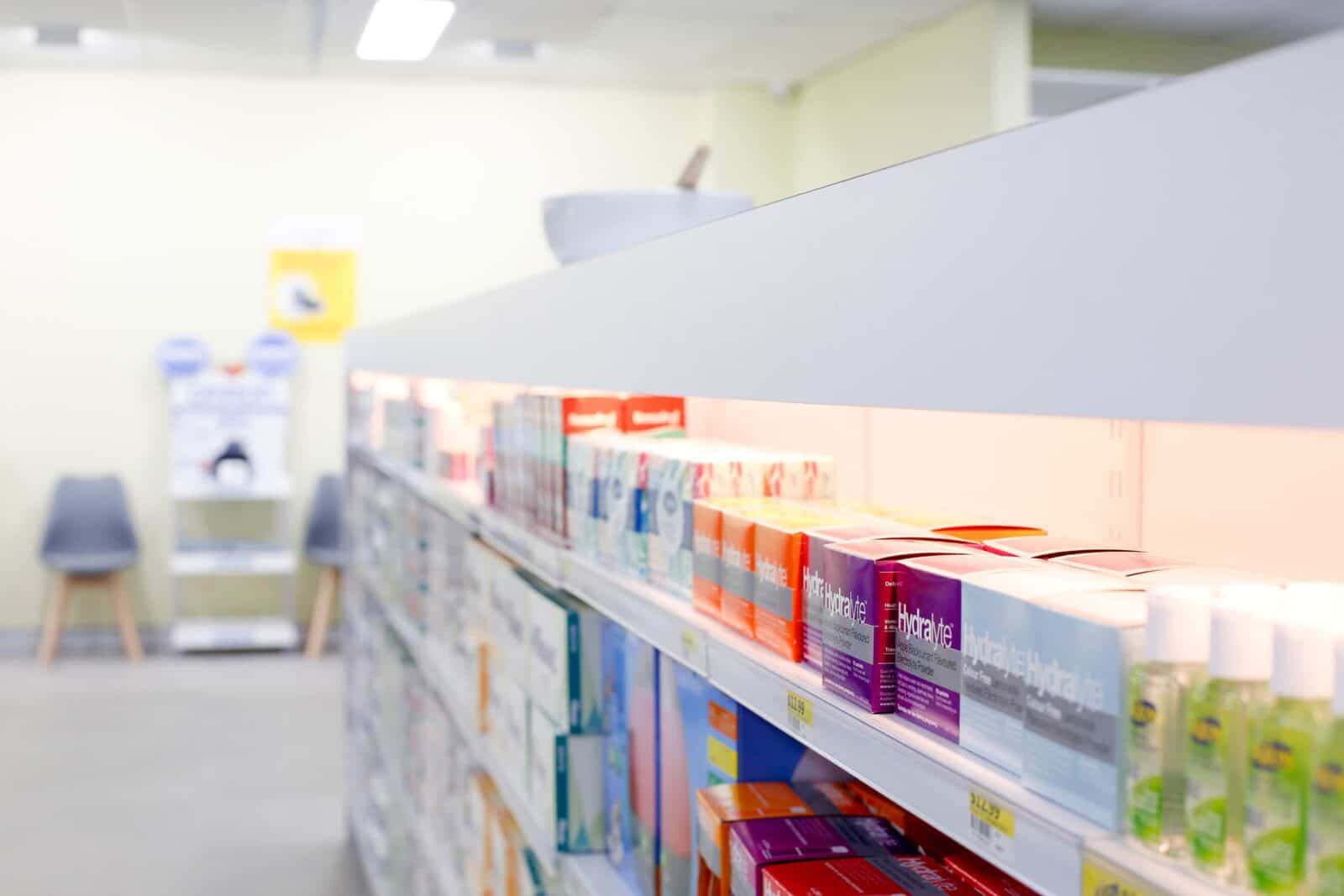
A well-designed pharmacy isn’t just about aesthetics—it directly influences customer satisfaction, brand perception, and sales. While retailers often prioritize visual appeal, several overlooked missteps can undermine even the most thoughtfully planned layouts. Let’s explore key challenges and strategies to optimize the shopping experience while maintaining professionalism and functionality.
1. Prioritize Balanced Illumination
Proper illumination plays a crucial role in how customers perceives product quality and navigates your store. Dimly lit sections not only make merchandise appear dull but also create practical hurdles for shoppers searching for specific items. Strategic lighting solutions, such as layered ambient and task lighting, enhances visibility while fostering a welcoming atmosphere. Natural light sources, where possible, can further elevate mood and reduce eye strain.
2. Streamline Space Planning
Aisles crammed with merchandise or promotional displays often backfire, overwhelming patrons rather than engaging them. Clutter disrupts navigation and subconsciously signals disorganization, which may deter customers from exploring your offerings. Opt for clean sightlines and logical product grouping—this not only improves accessibility but subtly guides shoppers through high-margin or seasonal sections.
3. Unify Visual Identity
Inconsistent branding elements like clashing color palettes or mismatched signage erode trust in your pharmacy’s professionalism. A cohesive theme across wall treatments, shelving units, and promotional materials reinforces brand recognition. For instance, repeating accent colors from your logo in aisle markers creates intuitive wayfinding while strengthening corporate identity.
4. Commit to Ongoing Upkeep
Peeling paint, flickering lights, or dusty shelves can unwittingly signal neglect, casting doubt on product quality standards. Implement routine maintenance checks to address wear-and-tear promptly. Refreshing displays seasonally—not just for holidays but to highlight wellness trends—keeps the environment feeling current and attentive to consumer needs.
Proactive collaboration with pharmacy distribution partners ensures your layout evolves alongside inventory changes and healthcare trends. By auditing store performance metrics and customer feedback, retailers can identify pain points before they impact loyalty. Remember, an optimized pharmacy environment isn’t a one-time project but an ongoing investment in patient experience and operational efficiency.
Future Trends in Malaysian Pharmacy Design: A Distributor’s Perspective

The pharmacy retail sector is undergoing a dynamic transformation, driven by shifting consumer expectations and technological advancements. Modern stores are no longer just transactional spaces but hubs blending innovation, sustainability, and individualized service. Below, we explore three pivotal trends revolutionizing store design—and the behind-the-scenes partners making these changes possible.
1. Blending Physical and Digital Touchpoints
Forward-thinking pharmacies are weaving technology into their environments to create immersive experiences. Interactive screens now greet customers with real-time health tips, while self-service kiosks streamline prescription pickups and product searches. These tools not only simplify navigation but also foster engagement, allowing shoppers to access dosage tutorials or compare products instantly. By integrating mobile app features like in-store QR code scans, retailers bridge online convenience with brick-and-mortar efficiency.
2. Eco-Conscious Spaces That Align With Values
Sustainability has shifted from a buzzword to a design mandate. Retailers are opting for reclaimed wood shelving, biodegradable packaging stations, and LED lighting systems that cut energy use by up to 40%. Water-efficient fixtures and carbon-neutral certification programs further cement pharmacies as community leaders in environmental responsibility. This green ethos resonates deeply with today’s shoppers, 73% of whom prefer brands prioritizing planet-friendly practices.
3. Hyper-Personalization Through Data Insights
Advanced analytics now enable stores to craft uniquely tailored experiences. Purchase history and demographic data inform everything from aisle layouts—placing allergy remedies near snacks for parents, for example—to AI-driven supplement recommendations at checkout. Some chains even adjust lighting and music based on peak shopping hours, creating calming environments during busy mornings or energizing vibes for after-work crowds.
Behind these innovations, pharmacy wholesale distributors act as unsung heroes. By supplying specialized materials, IoT-enabled devices, and logistics support, they empower retailers to adopt trends without operational hiccups. Many distributors also offer design consultation services, helping pharmacies balance aesthetic appeal with regulatory compliance.
As competition intensifies, pharmacies embracing these strategies position themselves as trusted, forward-looking health partners—not mere retailers. The result? Spaces that heal the planet, anticipate needs, and make every visit feel uniquely personal.
Learn more : Meeting changing consumer needs: The US retail pharmacy of the future
A well-executed pharmacy design goes beyond aesthetics—it’s a powerful tool for shaping customer perceptions, boosting engagement, and driving profitability. Modern pharmacy operators recognize that intentional design choices—from thoughtfully designed lighting schemes to strategic product placement and cohesive visual branding—directly influence shopper behavior. When store layouts and display strategies align with core business goals, retailers can craft environments that balance functionality with emotional appeal, ultimately nurturing customer loyalty in Malaysia’s competitive healthcare sector.
Lighting plays a dual role in pharmacy design. Proper illumination not only improves product visibility but creates psychological comfort, subtly guiding customers through the space. Warm, layered lighting near consultation areas fosters trust, while brighter zones highlight promotions or essential items. Layout efficiency remains equally critical: a logical flow that minimizes congestion near high-demand categories (like OTC medications) while encouraging exploration of complementary products (vitamins or skincare) can increase basket sizes by up to 20%. Moreover, incorporating localized design elements—such as culturally resonant color palettes or multilingual signage—strengthens community connections in Malaysia’s diverse markets.
Collaborating with specialized pharmacy distributors provides access to industry insights that refine these strategies. Partners like PriooCare offer data-driven merchandising support, helping retailers implement shelf-optimization techniques and seasonal displays that align with regional health trends. This synergy between design and distribution ensures pharmacies remain agile, adapting to evolving consumer expectations without compromising operational efficiency.
In an era where customers prioritize seamless shopping experiences, strategic design investments deliver measurable returns. By merging ergonomic layouts with sensory-friendly aesthetics, pharmacies position themselves as modern healthcare destinations rather than transactional spaces.
Ready to reimagine your store’s impact? Discover how PriooCare’s customized pharmacy distribution partnerships and merchandising expertise can elevate your retail performance in Malaysia’s competitive healthcare marketplace. From space-planning consultations to inventory management solutions, we provide the tools to create spaces that resonate with patients and drive sustainable growth.