

July 18, 2025
Within Malaysia’s rapidly evolving pharmaceutical industry, regulatory adherence transcends bureaucratic formalities—it’s the cornerstone of consumer confidence and sustainable business practices. For independent distributors and wholesale operators in the pharmacy sector, mastering the country’s multifaceted compliance framework isn’t optional. It directly influences market entry opportunities while safeguarding product integrity from warehouse shelves to end-users.
This comprehensive overview examines Malaysia’s pharmaceutical regulatory ecosystem, spotlighting the interplay between governing authorities, critical laws, and persistent operational hurdles. Whether you’re a seasoned distributor or new to compliance pharmacy Malaysia requirements, understanding these elements is vital for long-term viability.
Malaysia’s pharmaceutical oversight hinges on robust institutions like the National Pharmaceutical Regulatory Agency (NPRA) and Ministry of Health (MOH). These bodies enforce standards that dictate everything from drug licensing to Good Distribution Practices (GDP). Their mandates ensure medications meet stringent safety benchmarks, a non-negotiable aspect given Malaysia’s role as ASEAN’s emerging healthcare hub. Collaboration with agencies like the Medical Device Authority (MDA) further tightens quality control across supply chains.
The sector operates under landmark statutes including the Control of Drugs and Cosmetics Regulations 1984 and Poison Act 1952. These frameworks govern product classification, labeling protocols, and storage conditions—details that might seem mundane but carry legal ramifications if mishandled. Recent amendments, such as enhanced tracking for controlled substances, reflect Malaysia’s alignment with global pharmacovigilance trends.
Despite clear guidelines, distributors face persistent challenges. Frequent regulatory updates demand agile adaptation—a strain for smaller players lacking dedicated legal teams. Cross-border operations introduce complexity, as international partners might follow conflicting standards. Additionally, meticulous documentation (think batch recalls or temperature logs) consumes resources but remains essential during NPRA audits.
One often-overlooked hurdle are inconsistencies in state-level enforcement, which can create fragmented compliance experiences. Companies must stay updated, which can be resource-intensive and time-consuming.
While navigating pharmacy wholesale distributors Malaysia regulations feels daunting, proactive compliance offers competitive advantages. Beyond avoiding penalties, it builds distributor credibility and unlocks partnerships with institutional buyers like hospitals. In an industry where reputation dictates longevity, rigorous adherence isn’t just about legality—it’s a growth catalyst.
As Malaysia’s pharmaceutical sector expands, so will its regulatory sophistication. Firms prioritizing compliance today position themselves not just as rule-followers, but as trusted pillars in nations healthcare infrastructure. Staying ahead means viewing regulations not as constraints, but as blueprints for operational excellence.

Malaysia’s Pharmaceutical Regulatory Framework: Key Agencies Ensuring Safety & Compliance
Malaysia’s thriving pharmaceutical sector operates within a tightly regulated framework designed to prioritize public health. Two primary institutions anchor this system, working in tandem to uphold rigorous standards for medication quality, distribution practices, and industry accountability. Let’s examine their roles and collaborative efforts in shaping the nation’s healthcare landscape.
Functioning under the Ministry of Health’s oversight, the NPRA serves as Malaysia’s frontline defense in pharmaceutical safety. This agency implements strict protocols to verify product effectiveness and safety profiles before medications reach consumers. Through comprehensive evaluations—spanning clinical trial data analysis to manufacturing facility inspections—the NPRA maintains vigilant oversight throughout a drug’s lifecycle. Post-approval monitoring systems further ensure ongoing compliance, allowing swift responses to emerging safety concerns or quality deviations.
Established through the Control of Drugs and Cosmetics Regulations 1984, the DCA focuses on structural governance within the pharma ecosystem. Its mandate includes authorizing all medicinal products for market entry while overseeing licensing for critical industry players—from manufacturers and importers to wholesale distributors. By enforcing standardized operating requirements across these entities, the DCA creates unified benchmarks for production quality and supply chain integrity. This dual focus on product registration and facility compliance prevents substandard practices that could compromise patient outcomes.
Though distinct in their functions, both agencies share overlapping objectives that strengthen Malaysia’s regulatory framework. The NPRA’s scientific evaluations inform DCA licensing decisions, while DCA-enforced operational standards support the NPRA’s safety goals. Together, they conduct joint initiatives like nationwide compliance audits and regulatory guideline updates to address evolving industry challenges.
This synchronized approach ensures Malaysia’s pharmaceutical distribution networks consistently meet—and often exceed—international safety benchmarks. For healthcare providers and patients alike, it translates to confidence in locally available medications being both therapeutically reliable and ethically sourced. As global pharmaceutical standards advance, Malaysia’s regulatory bodies continue refining their strategies to maintain this critical balance between innovation and consumer protection.
Learn more : The Role of Pharmacy Distribution Services in Malaysia’s Healthcare System | National Pharmaceutical Regulatory Agency (NPRA) – Home

Operating a pharmaceutical business in Malaysia demands strict adherence to regulatory frameworks designed to uphold public health standards. Companies must secure several licenses and approvals to function legally, ensuring their activities align with national safety protocols. Below, we break down the core requirements for compliance in this highly regulated sector.
1. Manufacturer’s License: Authorizing Production Activities
Entities engaged in drug manufacturing must first obtain a Manufacturer’s License from the Drug Control Authority (DCA). This permit validates that facilities meet Good Manufacturing Practice (GMP) guidelines, covering everything from equipment hygiene to staff training. Without this license, producing pharmaceuticals—whether for domestic use or export—is prohibited, emphasizing Malaysia’s commitment to quality control.
2. Wholesaler’s License: Governing Distribution Networks
Businesses distributing medicines to retailers, hospitals, or other distributors require a Wholesaler’s License. This certification ensures proper storage and handling practices, preventing counterfeit products from entering the supply chain. Authorities conduct regular audits to verify compliance, making this license non-negotiable for wholesalers aiming to maintain operational legitimacy.
3. Import/Export Permits: Managing Cross-Border Trade
For companies involved in international pharmaceutical trade, securing Import/Export Permits is essential. These permits, issued by the Ministry of Health, regulate the movement of drugs across borders and ensures adherence to international treaties. Whether importing raw materials or exporting finished products, businesses must align with customs regulations and safety protocols specific to each trading partner.
4. Product Registration: The Role of the MAL Number
Beyond licensing, all pharmaceutical products—whether locally produced or imported—must undergo mandatory registration with the DCA. Successful registration grants a unique MAL number, which serves as proof of compliance with efficacy, safety, and quality standards. This number must appears on packaging, enabling regulators and consumers to verify authenticity. The process involves rigorous testing and documentation reviews, often taking several months to complete.
Failing to obtain these licenses or register products can results in fines, operational shutdowns, or legal action. More importantly, adherence strengthens consumer trust and facilitates market access, both domestically and internationally.
By prioritizing these regulatory steps, pharmaceutical companies not only avoid penalties but also contribute to a safer healthcare ecosystem. Staying informed about evolving regulations—such as updates to the Control of Drugs and Cosmetics Regulations—ensures long-term business sustainability in Malaysia’s dynamic pharmaceutical landscape.
Learn more : How to Ensure Regulatory Compliance for Pharmacy Distribution in Malaysia

Malaysia’s pharmaceutical sector operates within a structured legal framework designed to uphold public safety and industry accountability. Three core legislative pillars govern this field, each addressing distinct aspects of drug management, distribution, and consumer protection.
1. Poisons Act 1952
At the heart of Malaysia’s pharmaceutical controls lies the Poisons Act. This legislation mandates strict oversight of substances classified as poisons, covering their importation, production, storage, and commercial distribution. By requiring licenses for handling these materials, the Act minimizes risks associated with misuse while ensuring only qualified entities manage hazardous compounds. Its provisions align with global standards for toxic substance regulation, prioritizing community health through rigorous enforcement.
2. Sale of Drugs Act 1952
Complementing these controls is the Sale of Drugs Act, which focuses on ethical marketing practices and transparent drug sales. It prohibits deceptive advertising claims and mandates accurate labeling, empowering consumers to make informed decisions. This law also empowers authorities to penalize businesses promoting unverified therapeutic benefits, thereby maintaining market integrity and shielding vulnerable populations from exploitative practices.
3. Control of Drugs and Cosmetics Regulations 1984
Another cornerstone is the Control of Drugs and Cosmetics Regulations. Implemented under the broader Pharmacy Act, this framework standardizes product registration processes for both medications and cosmetics. Manufacturers and importers must demonstrate safety, quality, and efficacy through rigorous testing before receiving market approval. Regular audits further ensure ongoing compliance, preventing substandard products from reaching consumers.
For independent pharmacies and wholesale distributors, adherence to these regulations isn’t optional—it’s a legal imperative. Non-compliance can result in fines, operational suspensions, or permanent license revocation. Regulatory bodies like the National Pharmaceutical Regulatory Agency (NPRA) actively monitor industry practices, conducting inspections and updating guidelines to reflect evolving scientific and safety standards.
By integrating these laws, Malaysia’s framework balances innovation with responsibility, fostering a healthcare environment where patient welfare remains paramount. Businesses operating in this space must stay informed about legislative updates to maintain seamless operations while contributing to national health objectives.
Learn more : Control of Drugs and Cosmetics Regulations 1984 – Pharmacy.gov.my

Navigating Malaysia’s Pharmaceutical Distribution Framework: Key Models Explained
Malaysia’s pharmaceutical sector operates through a multifaceted distribution ecosystem designed to meet diverse healthcare needs. The industry relies on three primary business models, each serving distinct roles while adhering to stringent local regulations. Let’s break down these frameworks and their operational nuances.
1. Retail Pharmacy Chains: Consumer-Focused Networks
Dominating urban centers, large-scale retail pharmacy chains operate expansive networks of brick-and-mortar stores. These establishments prioritize accessibility, offering everything from prescription medications to wellness products directly to the public. Their standardized operations enable competitive pricing and consistent inventory, though maintaining nationwide compliance with Malaysia’s evolving pharma regulations remains an ongoing effort.
2. Independent Distributors: The Regional Specialists
In contrast to corporate chains, smaller independent distributors carve niches by concentrating on specific territories or therapeutic categories. Often family-run or locally managed, these businesses thrive through personalized relationships with community pharmacies and clinics. Their agility allows tailored inventory management, though limited economies of scale can create challenges in pricing negotiations and regulatory updates.
3. Wholesale Distributors: The Supply Chain Backbone
Acting as intermediaries between manufacturers and end-point retailers, wholesale distributors handle bulk shipments to hospitals, clinics, and retail chains. Their logistical expertise ensures timely delivery of temperature-sensitive products and high-demand medications. However, their operations require rigorous adherence to Good Distribution Practices (GDP) guidelines under Malaysia’s pharmaceutical regulatory framework—a complex task given fluctuating demand and storage protocols.
While all three distribution channels face shared challenges like counterfeit prevention and supply chain transparency, their regulatory obligations differ significantly. Retail chains must prioritize consumer-facing compliance, whereas wholesalers navigate stricter documentation and storage mandates. Independent operators, meanwhile, often struggle with resource-intensive licensing renewals.
Understanding these distinctions is critical for stakeholders aiming to optimize Malaysia’s pharma distribution network. As regulators tighten quality control measures, businesses that proactively align with Malaysia’s Pharmaceutical Services Act and related guidelines will likely gain competitive advantages in this dynamic market.
Learn more : Cost-Effective Strategies for Pharmacy Distribution in Malaysia

Maintaining product quality across the supply chain hinges on strict adherence to Good Distribution Practice (GDP) guidelines. These standards ensure that pharmaceuticals, medical devices, and related products remain safe and effective from manufacturing to end-user delivery. Regulatory bodies like Malaysia’s Medical Device Authority (MDA) and the National Pharmaceutical Regulatory Agency (NPRA) outline core requirements for compliance, emphasizing meticulous oversight at every stage.
A cornerstone of GDP is proper storage management. Products sensitive to environmental factors—such as vaccines or temperature-dependent medications—require climate-controlled storage solutions. Facilities must monitor humidity, temperature ranges, and light exposure rigorously to prevent degradation. This isn’t just about avoiding extreme conditions; even minor fluctuations can compromise product stability, underscoring the need for advanced monitoring systems.
Transportation integrity is equally critical. Whether shipping by land, air, or sea, maintaining consistent conditions during transit ensures products arrive undamaged. Shock-resistant packaging, real-time temperature tracking, and validated logistics partners help mitigate risks like contamination or breakage. For medical devices, secure handling protocols prevent physical damage that could render equipment unusable.
Thorough documentation practices form another pillar of GDP compliance. Every transfer, storage adjustment, or handling incident must be logged in detail. Auditable records not only streamline recalls or inspections but also build accountability across suppliers, distributors, and retailers. Missing or inaccurate paperwork remains a common compliance pitfall, often leading to delays or regulatory penalties.
To enforce these standards, agencies like the NPRA conduct surprise audits and routine inspections. Non-compliance—such as inadequate storage facilities or incomplete documentation—can trigger severe consequences, including fines, license suspensions, or even permanent operational shutdowns. Recent updates to GDP frameworks also emphasize collaboration with international bodies, ensuring alignment with global best practices.
By prioritizing GDP adherence, companies safeguard product efficacy, protect consumer health, and maintain trust in increasingly complex supply chains.
Learn more : Good Distribution Practice (GDP) Guidelines

In Malaysia’s thriving pharmaceutical sector, halal certification holds immense importance, particularly for products tailored to the Muslim community. With over 60% of the population identifying as Muslim, adherence to Islamic principles isn’t just a preference—it’s a regulatory necessity. The Department of Islamic Development Malaysia (JAKIM) spearheads this effort, establishing stringent guidelines to verify that ingredients, manufacturing processes, and packaging align with Shariah law. Companies seeking certification must undergo rigorous audits, ensuring every stage—from sourcing to distribution—meets ethical and religious standards.
Complementing these efforts is the Pharmaceutical Services Programme (Program Perkhidmatan Farmasi), a government initiative enhancing accessibility to quality medicines nationwide. By collaborating with JAKIM, this program reinforces compliance frameworks, bridging halal requirements with broader healthcare objectives. Such synergy ensures that certified products not only fulfill religious mandates but also adhere to national safety protocols.
Another cornerstone of Malaysia’s pharma landscape is cold chain compliance. Temperature-sensitive items like vaccines, insulin, and biologics demand meticulous oversight during storage and transit. Even minor deviations from prescribed temperature ranges—often between 2°C to 8°C—can compromise efficacy, posing public health risks. To mitigate this, companies employ advanced monitoring systems, including IoT-enabled sensors and real-time data logging, to maintain unbroken cold chains. Regulatory bodies conduct surprise inspections, emphasizing that lapses in temperature control can result in penalties or revoked licenses.
Equally critical are import controls governing foreign pharmaceuticals. Before entering the Malaysian market, all products must undergo thorough evaluation by the Drug Control Authority (DCA). This process scrutinizes safety, efficacy, and labeling accuracy, ensuring imports meet local standards. Additionally, imported items must align with halal guidelines if targeting Muslim consumers—a dual-layer compliance that underscores Malaysia’s commitment to both faith and science.
By harmonizing religious ethics with cutting-edge logistics and rigorous oversight, Malaysia sets a global benchmark in pharmaceutical integrity. For businesses, navigating these regulations isn’t merely about compliance—it’s about earning trust in a market where faith and health intersect.
Learn more : Towards Halal Pharmaceutical: Exploring Alternatives to Animal Derived Ingredients
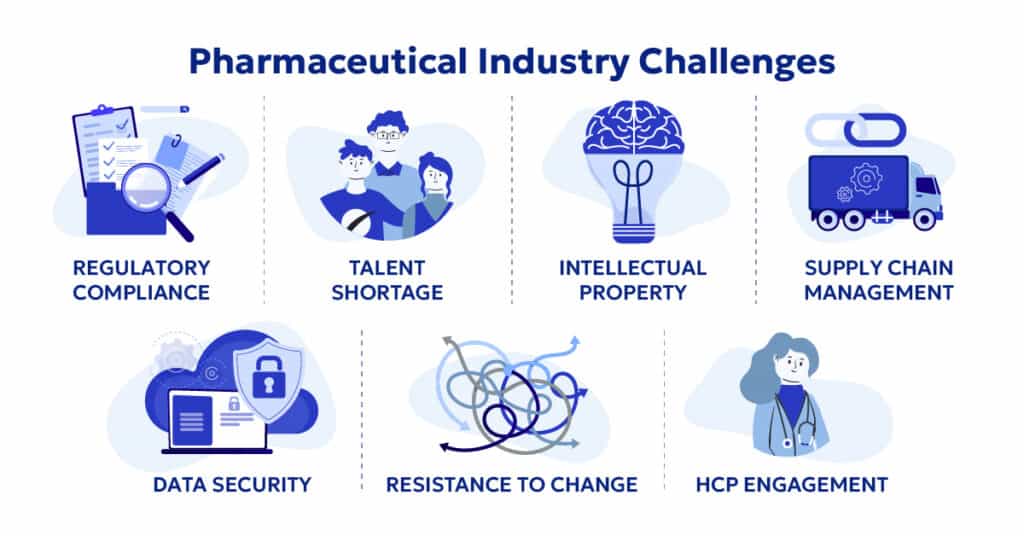
Malaysia’s pharmaceutical industry continues to grow, driven by innovation and healthcare demand. Yet, companies operating in this space face persistent regulatory complexities that test their agility and strategic planning. Balancing compliance with business goals remains a critical priority—here’s a closer look at the challenges and how firms can adapt.
One major obstacle slowing market entry involves bottlenecks in product registration. Regulatory bodies like the National Pharmaceutical Regulatory Agency (NPRA) enforce rigorous evaluations for safety and efficacy, but backlogs often stretch timelines. These delays not only postpone revenue streams but risk rendering products less competitive if rival therapies launch first. Streamlining documentation and pre-submission consultations with authorities can mitigate bottlenecks.
Beyond initial approvals, maintaining compliance involves navigating intricate renewal cycles for licenses and registrations. Deadlines vary across permits, and missing a single step risks penalties or operational disruptions. Companies must implement robust tracking systems and allocate dedicated teams to manage renewals proactively. Staying ahead of regulatory updates—such as shifts in dossier formatting rules—is equally vital to avoid last-minute scrambles.
Regular inspections by regulators add another layer of pressure. Auditors scrutinize manufacturing practices, quality controls, and record-keeping, demanding flawless adherence to Good Manufacturing Practice (GMP) standards. A single oversight—like incomplete batch records—can trigger fines or suspended licenses. To stay audit-ready, firms must maintain rigorous documentation practices and staff training programs while fostering a culture of continuous compliance.
Addressing these challenges requires more than reactive measures. Forward-thinking companies invest in regulatory intelligence teams to monitor policy shifts and engage early with agencies. Collaborating with local consultants familiar with Malaysia’s legal nuances also bridges knowledge gaps. Ultimately, blending proactive planning with operational flexibility enables firms to turn regulatory hurdles into competitive advantages.
By prioritizing adaptability and expertise, pharmaceutical players can not only survive Malaysia’s evolving compliance landscape but thrive within it.

Navigating pharmaceutical compliance doesn’t have to mean sacrificing efficiency—as demonstrated by innovative distributors rewriting the rulebook. Take the example of a regional medication supplier that recently overhauled its quality assurance protocols. By deploying smart monitoring tools for temperature-controlled storage zones and digitizing record-keeping workflows, the organization achieved dual victories: rock-solid alignment with Good Distribution Practice (GDP) guidelines while unlocking unexpected productivity gains. Staff transitioned from manual log-checks to value-added tasks, proving that smart tech adoption can be both protective and profitable.
Equally instructive is the story of a wholesale pharmaceutical group that reimagined its regulatory strategy. Rather than treating approvals as an afterthought, leadership brought in third-party compliance experts during product development phases. This early collaboration allowed them to fast-track licensing paperwork and sidestep common bottlenecks. The result? A 40% reduction in product launch timelines compared to industry averages, letting them capture shelf space before rivals even finalized formulations. Their secret? Treating regulatory hurdles as navigable challenges rather than immovable obstacles.
What these scenarios reveal is bigger than isolated successes—they spotlight a sector-wide truth. Companies prioritizing compliance infrastructure before issues arise consistently outperform peers scrambling to retrofit solutions. It’s not just about avoiding fines (though that matters), but building systems that enable agility. Forward-thinking distributors are discovering that investments in automated monitoring tools, staff training programs, and regulatory partnerships don’t just check compliance boxes—they create leaner operations capable of pivoting when market demands shift.
The takeaway? In an industry where margins shrink while regulations expand, proactive compliance planning doubles as competitive armor. Those viewing quality systems as growth enablers rather than cost centers position themselves not just to survive audits, but to outpace competitors.
Malaysia’s thriving pharmaceutical sector offers lucrative opportunities, but operating within its legal framework demands meticulous attention to detail. Companies entering this dynamic market must prioritize alignment with Malaysia’s pharmaceutical regulations to safeguard product quality, maintain public trust, and secure a competitive edge. While the regulatory environment may seem daunting, a proactive approach to compliance can transform challenges into strategic advantages.
The National Pharmaceutical Regulatory Agency (NPRA) oversees drug approvals, manufacturing standards, and distribution protocols, ensuring all products meet stringent safety benchmarks. For businesses, this means navigating complex processes—from clinical trial approvals to labeling requirements and post-market surveillance. Missteps in adhering to guidelines can lead to delays, fines, or even market bans, underscoring the need for expertise in local compliance frameworks.
Understanding Malaysia’s pharmaceutical regulations isn’t just about checking boxes—it’s foundation for building credibility. Consumers and healthcare providers increasingly prioritize transparency, and companies that demonstrate regulatory diligence gain long-term loyalty. For instance, complying with Good Distribution Practices (GDP) ensures supply chain integrity, reducing risks like counterfeiting or improper storage. Similarly, aligning with advertising restrictions fosters ethical marketing, enhancing brand reputation in a crowded marketplace.
Emerging businesses often face hurdles in interpreting overlapping laws, such as the Medicines Act and Poisons Act, which govern controlled substances. Partnering with local experts streamlines this process, offering insights into culturally nuanced practices and evolving policies. Whether adapting to digital health regulations or addressing ASEAN harmonization efforts, tailored strategies ensure agility in a shifting landscape.