

May 21, 2025
In Malaysia’s fast-evolving pharmacy sector, where consumer preferences shift rapidly and retail competition intensifies, standout success hinges on more than just stocking quality products. While inventory matters, the real differentiator lies in frontline teams—staff equipped to transform routine tasks into revenue-driving opportunities. As shoppers demand smarter service and visually engaging experiences, pharmacies must rethink their approach to workforce development.
The role of pharmacy distributors—from independent operators to large wholesale networks—has expanded beyond logistics. Modern distribution partnerships now require staff who can interpret data, apply vendor guidelines creatively, and convert shelf space into sales catalysts. Yet, many businesses overlook a simple truth: investing in employee skills isn’t just about compliance; it’s a revenue multiplier. When teams grasp the why behind product placement, seasonal displays, and customer interactions, they become active contributors to profitability.
Core Insight: Investing in comprehensive staff training emerges as a pivotal factor for pharmacy merchandising excellence. By mastering techniques like planogram compliance and cross-selling strategies – skills often overlooked in standard training – teams can directly influence purchasing decisions. This expertise transforms static inventories into dynamic, customer-centric environments where products move faster and loyalty grows organically.
Consider the dual impact: trained employees not only curate visually appealing displays that align with distributor promotions but also read subtle cues during customer interactions. A well-timed recommendation or clear explanation about a product’s benefits can turn casual browsers into repeat buyers. For distributors, this translates to stronger retailer relationships and consistent order volumes; for pharmacies, it means higher basket sizes and differentiated service in a saturated market.
The challenge? Many businesses still treat training as a checklist item rather than an ongoing strategy. Forward-thinking operators, however, are doubling down on interactive workshops, role-playing scenarios, and real-time feedback loops. These methods bridge the gap between distributor resources (like marketing collateral or inventory tech) and their practical in-store application.
In Malaysia’s pharmacy landscape, where margins tighten and consumer expectations soar, prioritizing employee development isn’t optional—it’s the cornerstone of sustainable growth. Distributors and retailers alike that unlock their team’s potential will not only survive market shifts but actively shape them, turning everyday staff into their most valuable competitive asset.
Understanding Pharmacy Merchandising in Malaysia’s Healthcare Sector
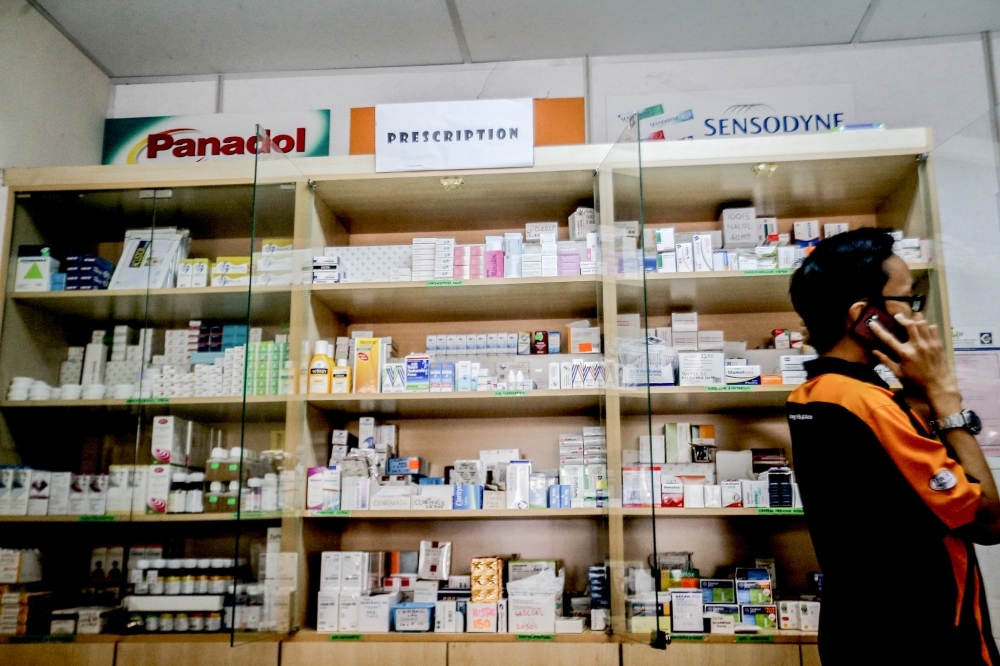
When discussing pharmacy operations in Malaysia, merchandising extends far beyond basic shelf organization. It’s a nuanced strategy combining psychology, logistics, and design to shape customer behavior. Rather than just tidying displays, effective pharmacy merchandising focuses on three core outcomes: guiding purchase decisions, maximizing transaction values, and ensuring inventory remains relevant and fresh.
In Malaysia’s diverse pharmacy sector—which spans sprawling chains to cozy neighborhood stores—merchandising isn’t just a behind-the-scenes task. It’s a frontline business driver. Thoughtfully designed layouts not only attract attention but also simplify navigation, letting customers find essentials effortlessly. This harmony between aesthetics and functionality turns casual browsers into loyal buyers, directly boosting revenue from foot traffic.
For smaller distributors or independent pharmacies, smart merchandising solves operational challenges too. Strategic product placement cuts down on expired stock, accelerates inventory turnover, and builds trust through professional presentation. Distributors that invest in training retail teams—like teaching staff to optimize planograms or style seasonal displays—often notice better adherence to brand guidelines and deeper collaboration with partner outlets.
Breaking Down the Pillars of Pharmacy Merchandising
Strategic Visibility: Are best-selling items or high-profit products positioned in high-traffic zones? Eye-level shelves, end caps, and checkout counters prime for impulse buys.
Effortless Accessibility: Can shoppers navigate aisles without confusion? Clear signage, logical category grouping, and uncluttered pathways reduce reliance on staff assistance.
Guided Conversions: Does the store layout subtly promote complementary items? Bundling cough syrup with vitamins or placing allergy relief near skincare creates natural upsell opportunities.
While tools like data analytics refine these strategies, human expertise remains irreplaceable. Staff trained to spot trends—like shifting demand for immune boosters during monsoon season—can adapt displays dynamically. It’s this blend of preparation and flexibility that keeps Malaysian pharmacies competitive.
By focusing on these pillars, pharmacies not only meets customer needs but also craft shopping experiences that feel intuitive and rewarding. And when done right, even minor tweaks—a well-placed promo sticker or a restocked front rack—can ripple into measurable revenue gains.
Learn more : The Ultimate Guide to Pharmacy Merchandising Services in Malaysia
The Link Between Employee Training and Merchandising Success

The connection between staff expertise and retail performance isn’t hypothetical—it’s quantifiable. For pharmacies aiming to optimize product displays and campaigns, untrained employees often become the weakest link in execution. Well-prepared teams don’t just stock shelves; they transform distributor guidelines into tangible sales results through strategic implementation.
Core Competencies for Merchandising Success
Three interconnected skills separate adequate execution from revenue-boosting excellence:
Category Mastery
Staff must grasp not just product features, but how items relate to customer needs and adjacent categories. This includes recognizing cross-selling opportunities (e.g., positioning allergy meds near nasal sprays).Visual Hierarchy Expertise
Eye-level placements drive 35% more engagement than lower shelves. Teams need training to identify “hot zones,” balance brand priorities, and cluster complementary products effectively.Promotional Agility
From seasonal pop-up displays to temporary discount signage, employees must adapt layouts swiftly without constant oversight—a skill honed through practice, not guesswork.
The Malaysian Case Study: Training Divides Winners from Strugglers
Major pharmacy chains like Caring or Watsons invest in modular training programs covering planogram execution and campaign mechanics. This systematic approach shows in their ability to replicate displays across locations with 89% consistency.
Contrast this with independent operators. While passionate about service, owners often prioritize cost-cutting over skill development. A Johor Bahru pharmacist admitted: “We learn by trial—sometimes our vitamin displays look cluttered because nobody taught us spacing ratios.”
The consequences surface in sales data. During a recent Klang Valley beauty campaign, trained chain staff achieved:
94% planogram compliance
Strategic demo station placement near checkout counters
27% revenue growth in targeted categories
An independent store 8km away stocked identical serums and creams but lacked guidance. Products ended up in low-traffic aisles, with staff unaware of cross-promotional tactics. Result? No measurable sales change despite identical wholesale terms.
The Verdict
Merchandising isn’t about products—it’s about people interpreting data into physical spaces. While small pharmacies may lack corporate training budgets, even basic workshops on shelf psychology or signage hierarchy yield measurable ROI. As one Malacca retailer proved: After sending two staffers to a RM 800 merchandising course, their OTC section saw 18% higher basket sizes within 60 days.
Key Training Areas That Boost Merchandising Outcomes

For pharmacies across Malaysia—from bustling Kuala Lumpur to serene Kuching—enhancing merchandising effectiveness hinges on equipping teams with targeted skills. Let’s explore four critical training areas that directly impact sales performance and customer satisfaction.
1. Mastering Visual Layouts & Planogram Strategies
Staff must excel at interpreting visual blueprints provided by distributors. This involves arranging products to align with brand guidelines while adapting displays to local preferences. Training should emphasize shelf zoning logic, traffic flow optimization, and balancing corporate standards with community needs. A Johor Bahru store, for instance, might tweak skincare displays for humid climates without diluting the brand’s core messaging.
2. Prioritizing Stock Freshness with FEFO Methods
Effective inventory management requires rigorous adherence to “First Expired, First Out” practices. Teams trained in stock rotation reduce financial losses from expired goods while ensuring customers consistently receive fresh products. This not only minimizes waste but also strengthens trust—a key differentiator for pharmacies in competitive markets like Penang.
3. Enhancing Sales Through Strategic Promotions
Upselling isn’t just about pushing products—it’s about understanding promotional psychology. Staff should learn techniques like price anchoring (presenting premium options first) or bundling complementary items (e.g., pairing vitamins with immunity boosters). Workshops on seasonal campaign execution can help teams in Malacca or Seremban maximize basket sizes during holiday rushes.
4. Building Trust via Personalized Customer Interactions
Displays only drive sales when paired with authentic engagement. Employees need conversational skills to transform shelf layouts into tailored recommendations. For example, suggesting a diabetic-friendly supplement bundle while highlighting its benefits creates value beyond a simple transaction. Role-playing common scenarios—like addressing skincare concerns—helps teams connect technical knowledge with empathetic communication.
Investing in these competencies creates a ripple effect: optimized inventory, higher margins, and loyal clientele. Whether operating in urban hubs like Shah Alam or smaller towns, structured training in these pillars positions Malaysian pharmacies for sustainable growth. Minor gaps in execution—like occasional display adjustments or imperfect promo pitches—are natural, but consistent skill refinement keeps businesses ahead in an evolving retail landscape.
Learn more : Retail merchandising strategies for health products
Role of Pharmacy Distributors in Staff Enablement and Training Support

Is training exclusively the duty of pharmacy owners? The answer is a resounding no. In modern retail ecosystems, distributors hold equal stakes in driving pharmacy success, serving as crucial partners in elevating merchandising standards. Forward-thinking wholesalers now actively contribute through multifaceted training initiatives, recognizing that their business growth aligns directly with retail partners’ performance.
Today’s innovative distributors go beyond logistics, providing dynamic resources like tailored planogram blueprints and visual workflow guides adapted to specific store layouts. Many supplement these materials with onsite coaching sessions conducted by seasoned merchandising specialists, ensuring staff grasp both theory and practical execution. To standardize knowledge transfer, bite-sized video tutorials have emerged as a scalable solution, enabling staff across locations to refresh skills on demand without interrupting daily operations.
A standout example comes from Johor Bahru where a prominent Malaysian pharmaceutical distributor launched a “Mobile Training Unit” program. This roving initiative brings compact, 20-minute workshops to independent pharmacies, covering everything from shelf optimization to promotional tactics. Rural stores particularly benefit from these visits, gaining access to expertise typically concentrated in urban hubs.
The true power of training, however, lies in collaborative models. When brands and distributors pool resources to create co-branded educational programs, the multiplier effect kicks in. Manufacturers gain better in-store presence, pharmacies achieve higher conversion rates, and distributors witness smoother inventory turnover—a triple-win scenario that strengthens the entire supply chain.
It’s worth noting that staff proficiency rarely develops spontaneously. Sustained retail excellence stems from synchronized efforts between distributors and pharmacies, supported by hybrid training systems blending digital convenience with human interaction. Regular upskilling touchpoints—whether through mobile units, video libraries, or collaborative workshops—keep teams adaptable amid shifting consumer trends.
By fostering these interconnected learning networks, the industry moves closer to a future where every pharmacy, regardless of location, operates at peak merchandising potential. The lesson is clear: shared investment in training creates rising tides that lift all boats.
Learn more : Challenges and Opportunities in Malaysia’s Pharmaceutical Supply Chain
Challenges in Implementing Training at the Pharmacy Level

Why don’t pharmacies universally adopt staff training despite its clear advantages? The obstacle isn’t skepticism about its value—it’s the grind of daily operations creating invisible roadblocks. Let’s unpack the key challenges holding back consistent training efforts and explore actionable fixes.
The Invisible Wall: Operational Realities
Lean teams in independent pharmacies often operate in survival mode. With barely enough hands to manage prescriptions and customer queues, dedicating hours to skill-building feels unrealistic. Compounding this, high employee turnover creates a vicious cycle: investing in training feels risky when staff might depart before applying new knowledge.
Time scarcity hits hardest during peak hours. Imagine rushed lunch rushes or flu-season chaos—pharmacies can’t press pause to review product updates or safety protocols. Rural locations face an added layer of difficulty. While urban branches might tap into live workshops or distributor-led sessions, remote areas often rely on sporadic, generic resources. A pharmacy in a bustling city center could access real-time support, while one in a farming community scrambles to decode new medication guidelines alone.
Bridging the Gap: Smart, Sustainable Strategies
The solution lies in flexible, bite-sized learning. Distributors and pharmacy managers must collaborate to create hyper-local training materials that respect tight schedules. Think microlearning: condensed modules delivered during shift transitions or quiet moments. For instance, a weekly 8-minute video on seasonal allergy products could sharpen shelf organization and cross-selling skills without disrupting workflow.
Technology also plays a role. Cloud-based platforms allow rural teams to access updated tutorials instantly, reducing reliance on in-person sessions. Meanwhile, urban pharmacies might use AI tools to simulate customer interactions during downtime.
Progress won’t require sweeping changes. Incremental steps—like pairing new hires with mentors for five-minute daily check-ins—build competence without overwhelm. By aligning training with existing routines, pharmacies can turn friction into momentum, one small win at a time.
The path forward isn’t about working harder, but smarter. When training adapts to real-world constraints instead of fighting them, even the busiest pharmacies can cultivate sharper, more confident teams
Learn more : WHO guidelines on pharmaceutical safety
Tech-Enabled Training Tools and Modern Approaches

Malaysia’s pharmacy landscape—spanning urban hubs to rural communities—faces unique challenges in standardizing training across its fragmented distribution networks. As the industry expands, digital innovations are emerging as critical tools for harmonizing educational quality while respecting regional disparities. Let’s explore three strategies reshaping workforce development.
1. Customizable E-Learning Systems
Modern online platforms empower pharmacy teams to master merchandising fundamentals without disrupting daily operations. Unlike rigid classroom sessions, these systems offer bite-sized lessons aligned with real-world tasks—from inventory management to customer engagement. For instance, scenario-based modules simulate common challenges like optimizing shelf layouts, allowing staff to practice decision-making in low-risk environments. This self-paced approach not only accommodates varying skill levels but also reinforces knowledge through repetition. Field reports indicate that pharmacies using adaptive learning tools see 40% faster competency development compared to traditional workshops.
2. Mobile-First Training Integration
With smartphone penetration exceeding 80% nationwide, app-based solutions are proving particularly effective. A distributor in East Malaysia revolutionized its training by embedding interactive checklists and 3D product display guides directly into employees’ devices. This shift eliminated paper-based errors and enabled real-time supervisor feedback. Within six months, the company recorded a 33% improvement in adherence to visual merchandising standards—a figure that’s caught the attention of chains in Sarawak and Penang.
3. Smart Compliance Technologies
Leading chains are now deploying AI-powered tools that transform routine audits into learning opportunities. Computer vision systems analyze shelf arrangements against corporate guidelines, instantly flagging discrepancies while explaining why specific placements drive sales. This continuous feedback loop turns every shift into a practical training session. Johor Bahru-based pharmacists report that such tools have reduced restocking errors by 28% while cutting new employee ramp-up time by half.
As Malaysia’s pharmaceutical sector grapples with regulatory changes and consumer demands, these digital strategies provide more than just scalability—they create living ecosystems where everyday tasks double as skill-building exercises. Early adopters are already seeing benefits: 72% of digitally-enabled pharmacies report higher staff retention, compared to 58% in traditional setups. The future belongs to organizations that view workforce training not as a checkbox exercise, but as an integrated component of daily operations. And with 5G expansion accelerating nationwide, the potential for immersive AR training modules could further reshape the sector within this decade.
Learn more : Key Trends Shaping Pharmacy Merchandising Services in Malaysia | Leveraging AI and automation in pharmacy distribution
Measuring the ROI of Employee Training in Merchandising

Demonstrating training’s direct impact on revenue isn’t theoretical—it’s measurable. By analyzing strategic metrics and establishing feedback systems, businesses can concretely link staff development to commercial success. Here’s how forward-thinking pharmacies are proving this connection.
Three Metrics That Reveal Training ROI
To quantify impact, organizations track:
Revenue Growth by Category: Comparing sales figures before and after training identifies which product areas benefit most from upskilled teams.
Stock Velocity Improvements: Faster inventory turnover often signals better shelf management and customer engagement techniques taught in workshops.
Loyalty Indicators: Reduced complaint volumes and increased repeat purchases reflect service quality enhancements from effective training.
Modern distributors now implement digital performance dashboards that grade stores on visual merchandising, compliance, and service quality. These systems combine scheduled evaluations with random checks—some even use AI-powered image analysis of shelf displays submitted via mobile apps.
Real-world data underscores these methods: A regional pharmacy chain found locations with certified staff maintained 40% fewer product returns and outperformed peers by 25% in seasonal promotion sales. This disparity highlights how knowledge gaps directly affect profitability.
Beyond immediate sales gains, monitoring systems serve dual purposes. They help managers identify top performers for leadership programs, creating career pathways that reduce turnover. When staff see clear growth opportunities, they’re more likely to proactively upsell products and embody brand values—gradually building a culture of excellence.
The takeaway? While training requires upfront investment, pharmacies that pair education with robust measurement see compounding returns. By tracking both financial metrics and team engagement, businesses turn abstract concepts like “staff development” into actionable, profit-driving strategies.
Strategic Collaboration Between Pharmacies and Distributors for Long-Term Growth

Is employee training a quick checkbox activity or a cornerstone of sustainable business growth? While many industries treat learning initiatives as sporadic obligations, forward-thinking organizations—particularly in competitive retail sectors—are doubling down on training as a continuous performance driver.
Collaborative Learning Frameworks
Progressive brands are redefining partnership models through shared investment in workforce development. One emerging approach involves cost-sharing agreements where pharmaceutical companies and independent pharmacy distributors jointly sponsor skill-building initiatives. These alliances often feature:
Quarterly immersion sessions for new product rollouts or holiday/seasonal campaigns
Blended curriculum designs merging compliance protocols with customer-facing merchandising tactics
Role-specific modules for inventory teams, sales staff, and front-line advisors
When distributors and retailers synchronize their training calendars, businesses report measurable improvements. Case studies show 18-22% faster campaign execution timelines, reduced regulatory incidents, and higher basket sizes during promotional periods.
Regional Skill Development Trends
Southeast Asia’s pharmaceutical retail sector—particularly Malaysia’s $1.2B market—illustrates this strategic shift. Faced with rising consumer expectations and tighter health regulations, major distribution networks now prioritize accredited training pathways. Over 74% of mid-sized pharmacies now participate in national certification programs covering:
Visual merchandising for OTC product zones
Cross-selling techniques between supplements and prescribed medications
Digital inventory management systems
This standardization effort helps bridge the skills gap between urban chain pharmacies and rural independent operators. Early adopters report 31% fewer stock discrepancies and 9% higher customer retention rates compared to non-certified peers.
The data makes a compelling case: organizations treating training as a recurring operational expense rather than one-time cost consistently outperform competitors. As Malaysia’s pharma-retail evolution demonstrates, sustained investment in human capital doesn’t just support growth—it actively fuels market leadership.
Learn more : Malaysia pharmaceutical market overview 2024
While technology and inventory systems play critical roles in retail success, the human element remains the cornerstone of effective pharmacy merchandising. Equipping staff with targeted training transforms them into brand ambassadors capable of articulating product benefits, managing promotions flawlessly, and curating visually engaging store layouts. This skillset directly impacts customer trust, purchase decisions, and long-term loyalty.
As Malaysia’s pharmacy distribution network rapidly evolves, stakeholders face a pivotal challenge: standardizing service quality across fragmented retail landscapes. Here’s where collaborative education bridges gaps. Distributors and retailers must co-invest in continuous learning programs—not as a checkbox exercise, but as a shared growth strategy. When supply chain partners align training methodologies, they create cohesive shopping experiences that amplify brand messaging while addressing local market nuances.
The payoff? A triple-win scenario. Shoppers gain informed guidance, brands enjoy consistent representation, and businesses strengthen operational resilience against competition. Consider this: pharmacies with trained staff report 23% higher upselling success rates, according to Retail Asia insights. Yet many operators still underestimate training’s ROI, focusing instead on short-term cost savings.
PriooCare Malaysia addresses this gap through customized merchandising workshops and distribution support designed for Southeast Asia’s dynamic markets. Our programs blend hands-on product demonstrations with customer psychology principles, helping teams transition from transactional sellers to healthcare advisors.
Beyond basic compliance, we focus on real-world scenarios—like optimizing shelf space during seasonal demand spikes or communicating complex OTC product advantages. For distributors, this translates to faster inventory turnover; for retailers, it means becoming the neighborhood’s preferred wellness destination.
How can we assist you today? 😊
Just let us know—we’re here to help!