

August 19, 2025
Pharmacy distribution in Malaysia isn’t just about moving products from point A to point B—it’s a strategic operation that demands precision, compliance, and efficient coordination. Whether you’re an independent pharmacy distributor focusing on niche markets or a large-scale pharmacy wholesale distributor supplying nationwide, the right technology can make or break your business. But why does this matter so much? Consider the consequences of manual processes: expired stock due to poor tracking, delayed deliveries because of disjointed workflows, or even regulatory penalties from non-compliance with NPRA standards. These aren’t hypothetical risks; they’re daily challenges for distributors relying on outdated systems.
Take, for instance, a mid-sized distributor pharmacy in Kuala Lumpur that struggled with stockouts of essential diabetes medications. Without real-time inventory updates, their team often oversold products, leading to frustrated clinic partners and lost revenue. After adopting a trusted inventory management system with automated expiry alerts, they reduced stock discrepancies by 62% within six months. This isn’t just a win for efficiency—it’s a critical upgrade for patient safety and business sustainability.
The Malaysian Pharmacy Distribution Ecosystem: Local Realities

Malaysia’s distribution landscape is uniquely complex, shaped by diverse operational models and regional logistics hurdles.
Independent pharmacy distributors often serve specific states or therapeutic categories (e.g., traditional supplements in Penang or dermatology products in Johor). Their challenge? Competing with larger players without the same resource depth.
Distributor pharmacies blending retail and wholesale face dual pressures: maintaining shelf-ready stock for their own stores while fulfilling bulk orders for external partners.
Pharmacy wholesale distributors operating nationally, like those supplying government hospitals, deal with multi-location coordination and stringent tender requirements.
A Johor-based skincare distributor, for example, faced reliable delivery issues due to manual route planning. After integrating a cloud-based order management tool, they cut delivery delays by 40% by optimizing driver routes and automating retailer notifications.
Learn More : Top 10 Pharmaceutical Companies in Malaysia 2024 | Global Health Supply Chain Management Systems
Non-Negotiable Software Features for Competitive Distribution
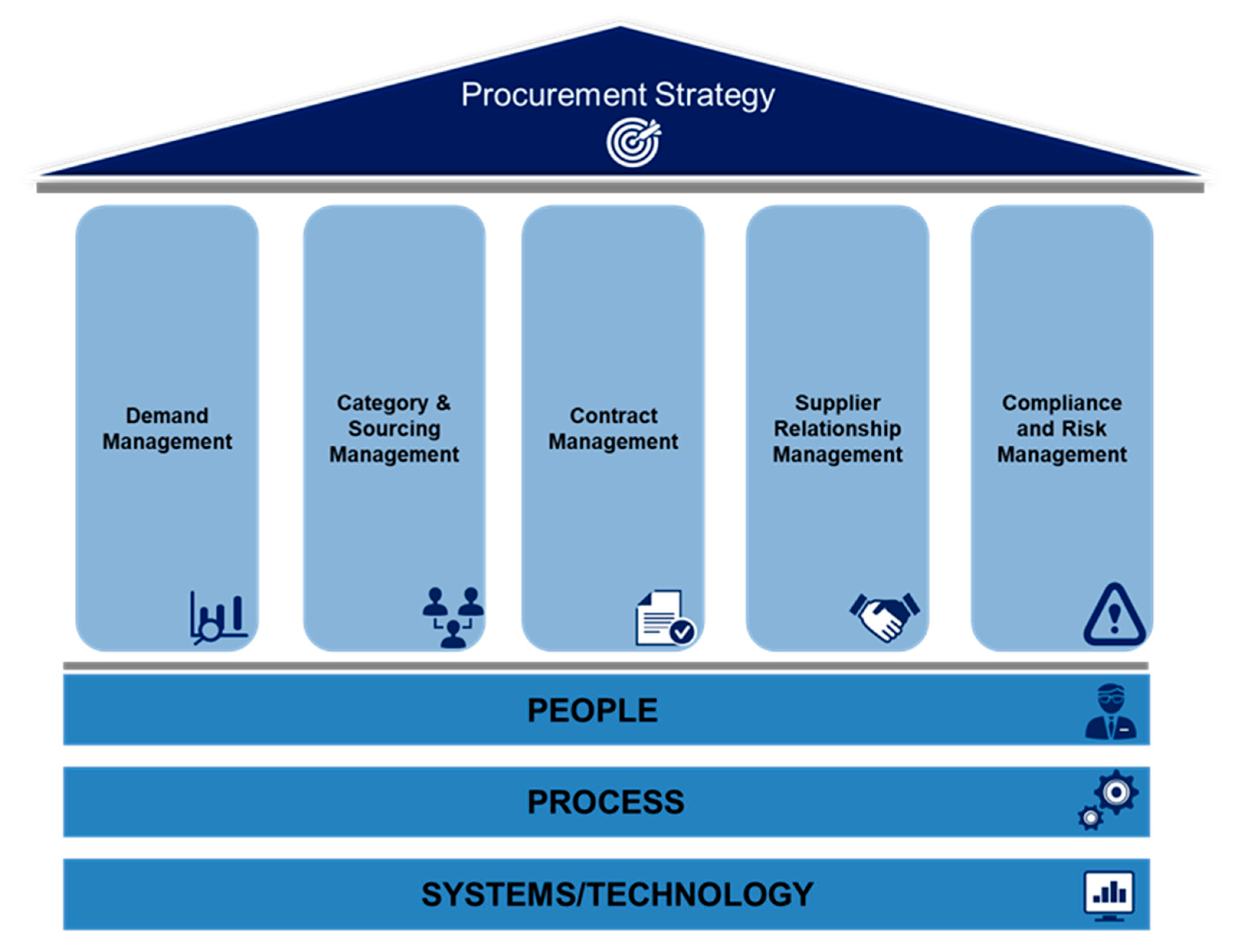
Choosing the right system isn’t about flashy features—it’s about solving real-world pain points. Here’s what truly matters:
1. Inventory Intelligence Beyond Basics
Batch-level tracking to trace products from manufacturer to retailer (critical for recalls).
Dynamic expiry alerts that flag at-risk stock 3–6 months in advance, minimizing write-offs.
Multi-warehouse sync to prevent overselling across locations.
Operational Impact: A Kuching-based supplement distributor reduced expired stock losses by RM120,000 annually after implementing expiry automation.
2. Order Fulfilment That Scales
Automated PO conversions to eliminate manual data entry errors.
Integrated logistics with APIs for major couriers like GDEX or Lalamove.
Retailer self-service portals to let pharmacies check order status 24/7.
Local Benchmark: A Selangor medical device supplier slashed order processing time from 48 hours to 12 by digitizing approvals and picklists.
3. Compliance Built into Workflows
NPRA-ready documentation for audits, including batch histories and storage conditions.
PDPA-compliant data handling with role-based access (e.g., restricting pricing data to sales teams).
Learn More : Improving Pharmacy Inventory Management Efficiency
Top-Tier Tools Tailored for Malaysian Distributors

While global ERPs like SAP or NetSuite offer robust functionality, local players like EMAS or AutoCount provide tailored advantages:
Cost Efficiency: AutoCount’s one-time license (from RM3,900) suits bootstrap budgets.
Regulatory Alignment: EMAS pre-configures NPRA report templates and GST-compliant invoicing.
Language Support: Bahasa Malaysia interfaces reduce training time for warehouse staff.
Case in Point: A Perak-based herbal medicine distributor switched from manual spreadsheets to EMAS, cutting monthly compliance prep from 20 labor-hours to 3.
Optimizing Delivery for Pharmacy Partnerships
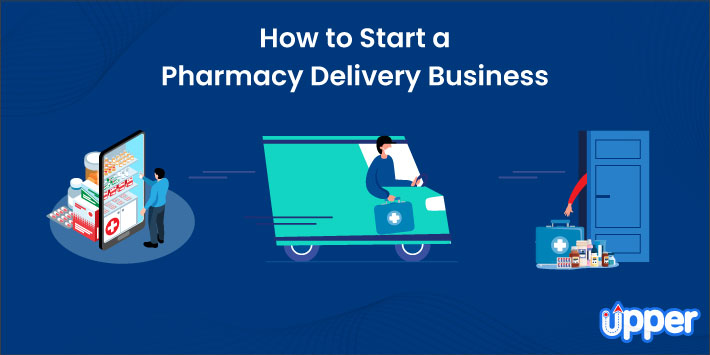
Timeliness isn’t just a KPI—it’s a trust signal for pharmacies relying on just-in-time stock. Tools like Zoho Inventory excel here by:
Syncing with local last-mile providers (e.g., Pos Malaysia integrations).
Generating PODs with photo proof to resolve disputes.
A Melaka pharmacy wholesale distributor using Zoho reduced disputed deliveries by 75% through automated POD sharing.
The Human Factor: Training and Adoption

Even the proven most effective software fails without staff buy-in. Consider:
Role-specific training: Warehouse teams need barcode scanning drills; sales teams need order-status lookup skills.
Phased rollouts: Pilot with one product line before full deployment.
One Kedah distributor avoided resistance by involving warehouse staff in software testing—turning skeptics into power users.
Cost-Benefit Realities for Malaysian Businesses
Investing in technology isn’t an expense; it’s a safeguard against larger losses:
Stockout Prevention: A 5% reduction in out-of-stock scenarios can protect RM50,000+ in monthly revenue for mid-sized distributors.
Regulatory Fines: NPRA penalties for improper documentation can exceed RM10,000 per incident.
A Penang independent pharmacy distributor avoided a RM15,000 fine during an NPRA audit because their software auto-generated compliant batch reports in minutes.
Future-Proofing with Scalable Systems
Growth-ready solutions share three traits:
Cloud flexibility to add users or locations without hardware upgrades.
API ecosystems for connecting to e-commerce (Shopee Pharmacy, Caring) or hospital procurement portals.
Analytics dashboards to identify fast/slow movers by region—key for regional expansion.
A Sarawak distributor used analytics to discover 22% of their Kelantan sales came from pediatric vitamins, prompting targeted stock increases.
Learn More : Logistics and Distribution in the Pharmaceutical Industry
Integrating Compliance and Regulatory Features into Distribution Software
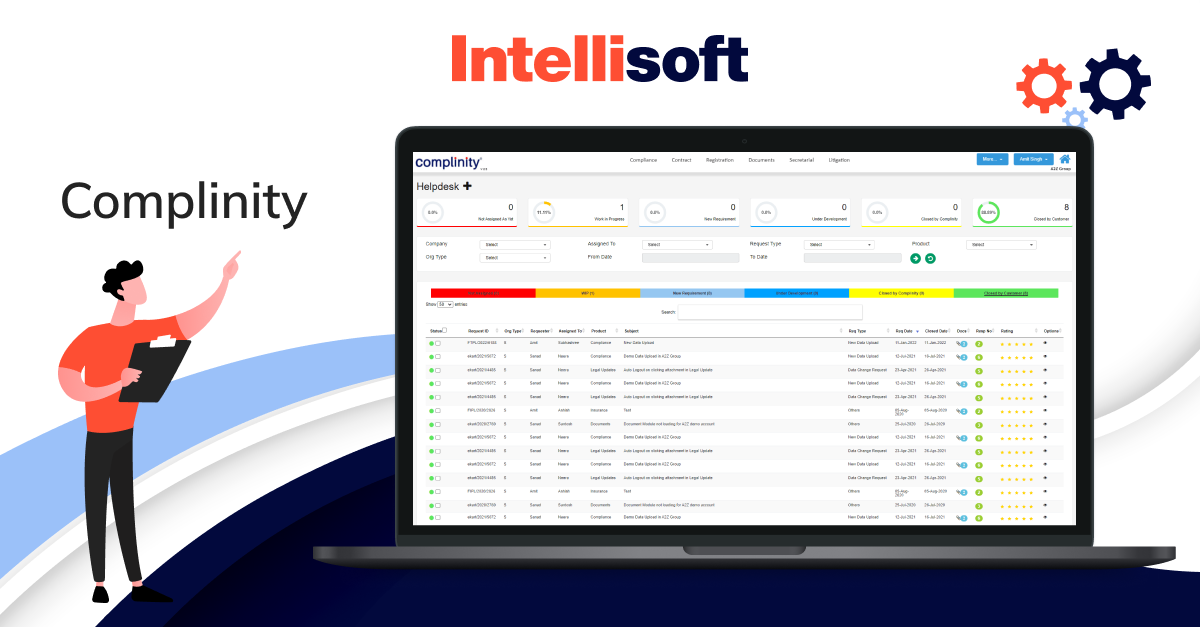
In Malaysia’s tightly regulated pharmacy distribution sector, compliance isn’t just a box to tick—it’s the backbone of operational credibility. The National Pharmaceutical Regulatory Agency (NPRA) and KKM (Ministry of Health) enforce strict guidelines, from batch traceability to recall readiness. A single misstep—like missing expiry documentation during an audit—can trigger fines up to RM50,000 or worse, suspension of distribution licenses.
Consider the case of a Klang Valley-based medical supply distributor that faced a three-week operational freeze after failing to produce batch records during a surprise NPRA inspection. Their manual logbooks couldn’t track a recalled antibiotic batch, forcing a costly product pullback. After switching to SAP Business One with built-in compliance modules, they reduced audit preparation time from 14 hours to 45 minutes—while cutting recall response times by 70%.
Why Compliance Integration Can’t Be an Afterthought
Batch Traceability
Every product must be traceable from manufacturer to end-user.
Software like EMAS auto-logs batch numbers, expiry dates, and storage conditions—critical for recalls.
Real-Time Label Compliance
NPRA requires specific labeling (e.g., Malay/English bilingual packaging, registration numbers).
Systems flag non-compliant labels before dispatch, avoiding rejections at clinics.
Audit-Ready Reporting
Tools generate pre-formatted NPRA reports, eliminating last-minute scrambles.
A Penang-based supplement distributor slashed compliance costs by RM28,000/year after adopting software that auto-generates audit trails.
Cloud-Based vs. On-Premise Solutions: Choosing What Fits Best

The cloud vs. on-premise debate isn’t about superiority—it’s about strategic alignment with your business model.
Cloud-Based: Agility Over Control
Pros:
Scalable for pharmacy wholesale distributors expanding across Malaysia (e.g., adding Sabah/Sarawak branches without new servers).
Lower upfront costs (subscription models at RM300–RM800/user/month vs. RM50,000+ for on-premise setups).
Remote access lets sales teams check stock from clinics or pharmacies.
Cons:
Internet-dependent—a risk in areas with unstable connectivity (e.g., rural East Malaysia).
Data sovereignty concerns if servers are overseas (avoid for sensitive PDPA-covered health data).
Real-World Example: A Johor Bahru skincare distributor switched to a cloud system after losing 3 days of orders during a server crash. Their new setup allowed real-time inventory updates across 12 retail partners, reducing stock discrepancies by 40%.
On-Premise: Security Over Flexibility
Pros:
Full data control—ideal for distributor pharmacies handling controlled medicines.
One-time licensing (e.g., AutoCount’s RM3,900 perpetual license) suits budget-conscious SMEs.
Cons:
High initial costs (RM20,000–RM100,000 for hardware + IT staff).
Inflexible scaling—adding warehouses requires new installations.
Strategic Decision Framework
| Factor | Cloud Best For | On-Premise Best For |
|---|---|---|
| Budget | Limited upfront capital | Long-term cost control |
| Location | Multi-state operations | Single-location hubs |
| Data Sensitivity | Non-controlled goods | Narcotics/regulated pharmaceuticals |
Implementation Strategies for Seamless Technology Adoption
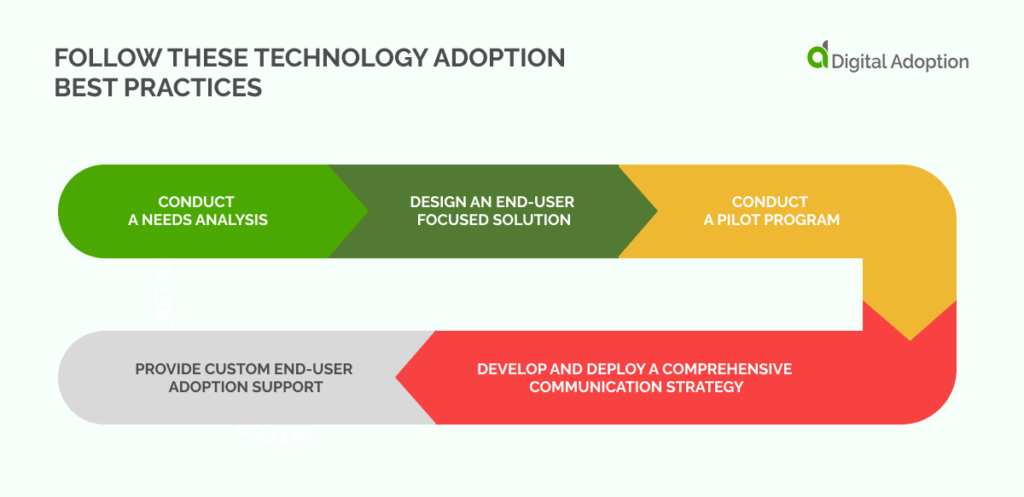
Rolling out new software isn’t just an IT project—it’s a cultural shift. A Malacca-based distributor learned this the hard way when staff reverted to spreadsheets after a poorly planned NetSuite ERP launch.
Proven Adoption Tactics
Phase the Rollout
Pilot with one product line (e.g., over-the-counter meds) before full deployment.
Train Role-Specifically
Warehouse staff: Barcode scanning drills.
Sales teams: Live order-status dashboards.
Assign Internal Champions
A Kuala Lumpur medical device distributor cut resistance by promoting tech-savvy employees to lead trainings.
Integrate Gradually
Run old and new systems in parallel for 1–2 months to catch gaps.
Common Pitfall: Neglecting post-launch support. One Ipoh-based wholesaler saw a 30% productivity drop for weeks because their vendor didn’t troubleshoot post-go-live.
Learn More : Pharmacy Merchandising: Best Practices for Product Pricing and Promotion in Malaysia
Future Trends in Pharmacy Distribution Management Software

Malaysia’s pharma logistics sector is on the cusp of a tech revolution:
AI-Driven Demand Forecasting
Predicts seasonal spikes (e.g., flu medication demand during monsoon).
A Pahang-based distributor reduced overstocking by 22% using AI tools.
Smart Logistics
Route optimization saves 15–20% on fuel costs (e.g., Klang Valley courier fleets using Lalamove’s API).
IoT Cold Chain Monitoring
Temperature sensors alert staff if vaccines exceed safe thresholds—critical for biologics distributors in Malaysia’s heat.
Strategic Insight: Early adopters gain a trusted partner reputation. A Sarawak-based supplier won a RM2M hospital tender by showcasing IoT-enabled compliance.
Learn More : What is the Role of Merchandising? | Pharmaceutical Supply Chains: Key Trends and Strategies
The right software isn’t just about avoiding fines—it’s about redefining efficiency in Malaysia’s fast-evolving pharmacy supply chain. Whether you’re an independent distributor or a national wholesale player, tailored technology bridges the gap between compliance and competitiveness.
How can we assist you today? 😊
Just let us know—we’re here to help!