

May 3, 2026
At the very heart of Malaysia’s healthcare delivery system lies a complex, often unseen network of logistics and stewardship. Pharmacy distributors operate as the indispensable link between pharmaceutical manufacturers and the final point of patient care—be it a bustling urban pharmacy, a rural clinic, or a major hospital. Their role extends far beyond simple transportation; they are the strategic backbone ensuring that the right medicines, in the right condition, arrive at the right place at the right time. This operational continuity is not merely a matter of convenience but a critical component of public health, directly impacting patient outcomes and healthcare accessibility across the nation. Without these efficient and reliable supply chain partners, the entire ecosystem would falter, leading to stockouts, treatment delays, and a breakdown in the trust patients place in their healthcare providers. The selection of a distributor, therefore, transcends a simple vendor decision; it is a proven partnership that underpins the very viability and reputation of a pharmacy’s operations.
A Deep Dive into the Mechanics of Pharmaceutical Distribution
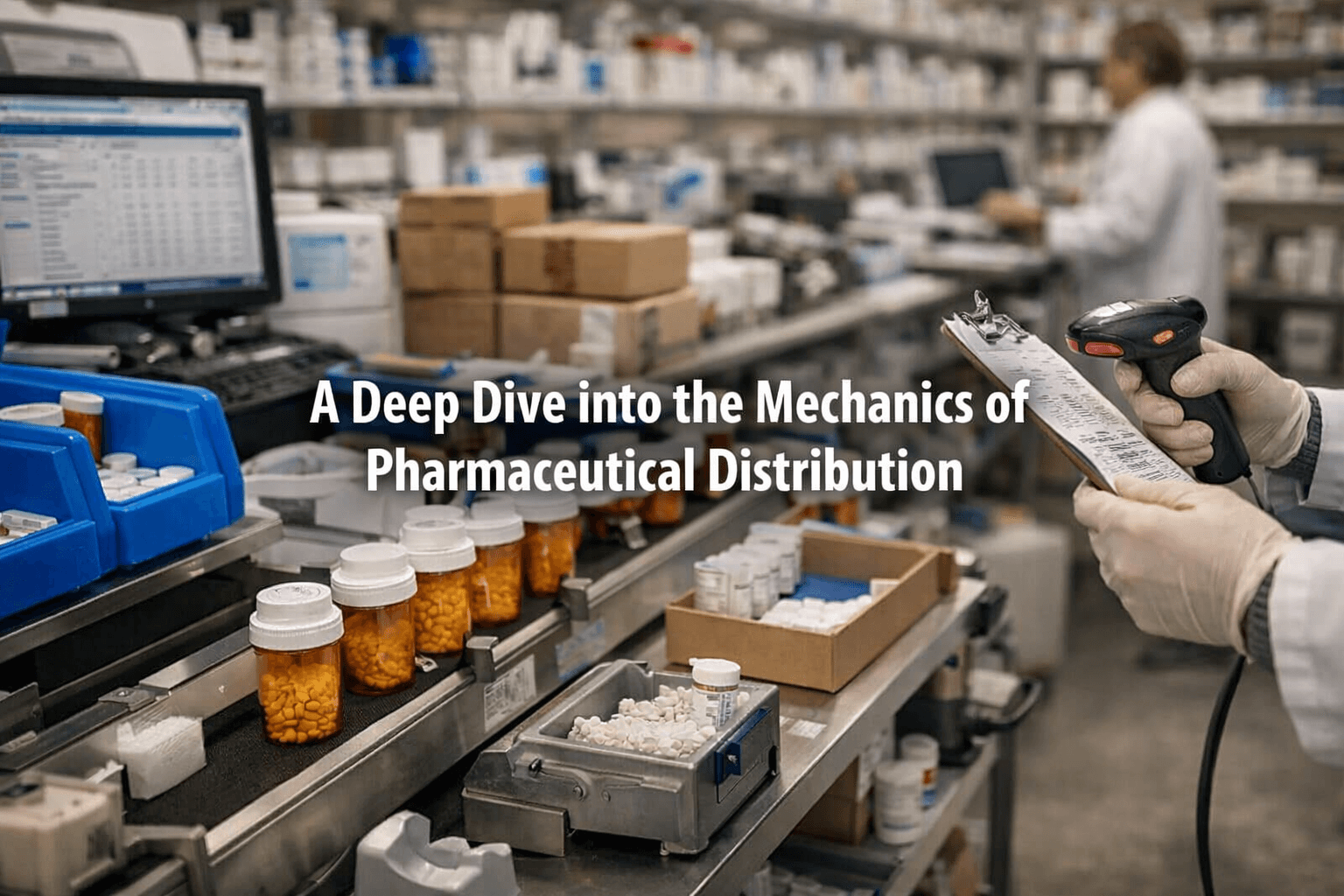
What does the day-to-day reality of pharmacy distribution in Malaysia actually entail? It is a multifaceted operation governed by precision and stringent oversight. The process begins once a product leaves the manufacturer, involving inventory management, warehousing, order fulfillment, and the last-mile delivery to the end-point. However, in the Malaysian context, this logistical flow is deeply intertwined with regulatory compliance. Distributors must navigate a framework established by the Ministry of Health (KKM) and the National Pharmaceutical Regulatory Agency (NPRA), ensuring every product is properly registered, stored under mandated conditions, and accompanied by accurate documentation. They act as a crucial filter, guaranteeing that only compliant, quality-assured products enter the market. This involves maintaining Good Distribution Practice (GDP) standards, which cover everything from warehouse temperature control to vehicle calibration and staff training. The complexity is further amplified by Malaysia’s diverse geography, requiring a tailored logistics approach to serve both the dense commercial hubs of the Klang Valley and the more remote areas of East Malaysia, where delivery timelines and challenges differ significantly.
Contrasting the Reach and Focus of Different Distributor Models
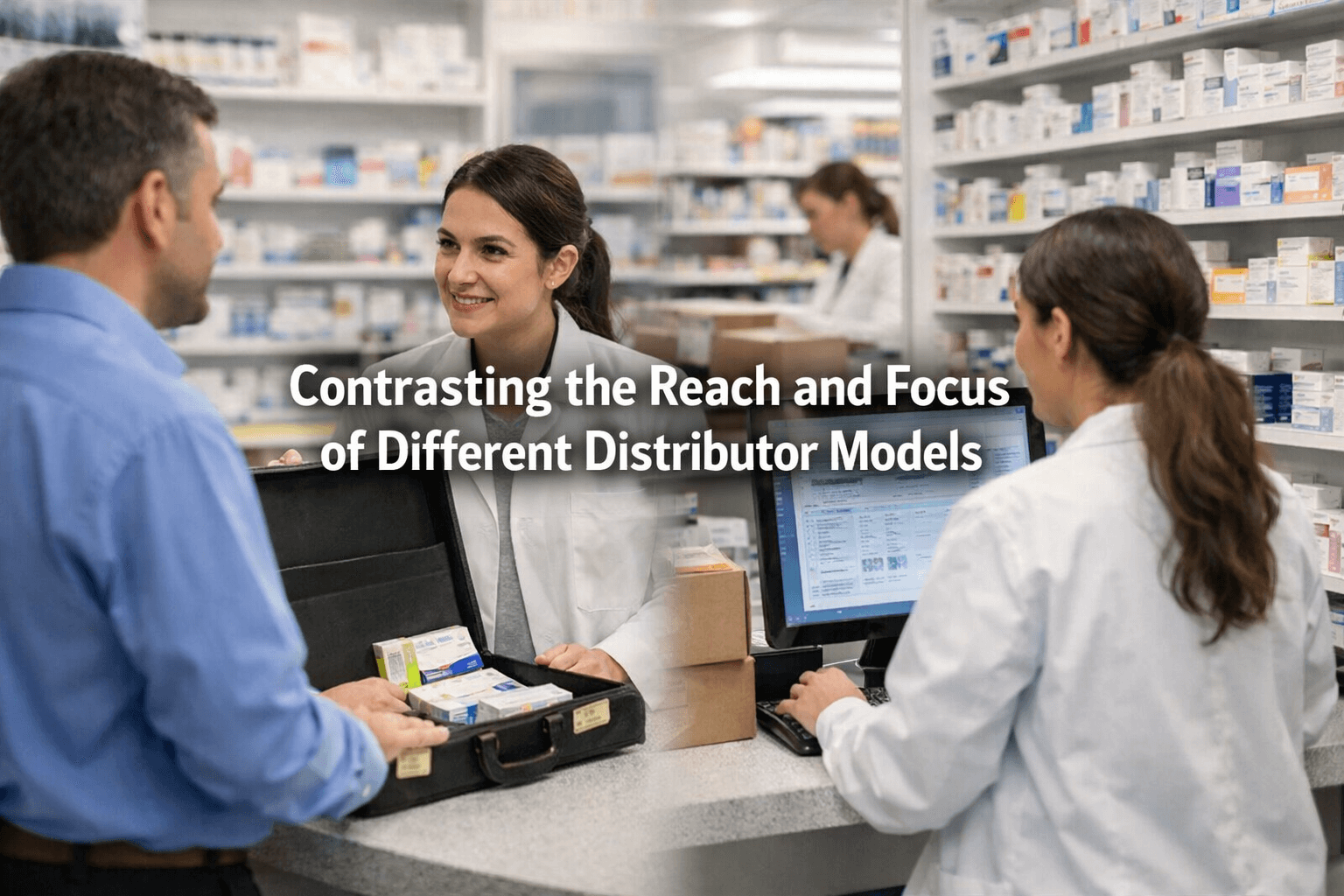
Not all pharmacy wholesale distributors are structured identically, and understanding these distinctions is essential for making an informed choice. Primarily, the market comprises national full-line distributors and independent or specialist distributors. A national full-line distributor typically boasts an extensive portfolio spanning thousands of SKUs from numerous manufacturers, coupled with a wide geographic reach. They offer a one-stop solution for pharmacies, providing everything from common over-the-counter products to prescription medicines. Their scale allows for efficient, consolidated deliveries and sophisticated digital ordering platforms. In contrast, independent or specialist distributors often operate with a more focused strategy. They might concentrate on a specific region—such as being the trusted primary supplier for pharmacies in Johor or Penang—or specialize in niche therapeutic areas like cold-chain dependent biologics, specialized oncology drugs, or traditional and complementary medicines. This focused approach can translate into more personalized service, deeper category expertise, and greater flexibility. The choice between them hinges on a pharmacy’s specific needs: breadth and convenience versus specialized, expert support.
Table: Comparison of Distributor Models in the Malaysian Context
| Aspect | National Full-Line Distributor | Independent / Specialist Distributor |
|---|---|---|
| Product Range | Extremely broad, “one-stop-shop” portfolio | Focused, often deep in specific categories or brands |
| Geographic Coverage | Nationwide, with extensive logistics networks | Often regional or focused on key urban centers |
| Service Model | Standardized, scalable processes for efficiency | High-touch, potentially more personalized and flexible |
| Ideal For | Large chains, hospitals, clinics seeking consolidated supply | Pharmacies needing niche products, regional specialists, or tailored partnership |
| Compliance Scale | Large, dedicated QA/QC teams; major audit focus | Can be highly agile and meticulous within their niche |
The Non-Negotiable Pillar of Regulatory Compliance and Quality Assurance
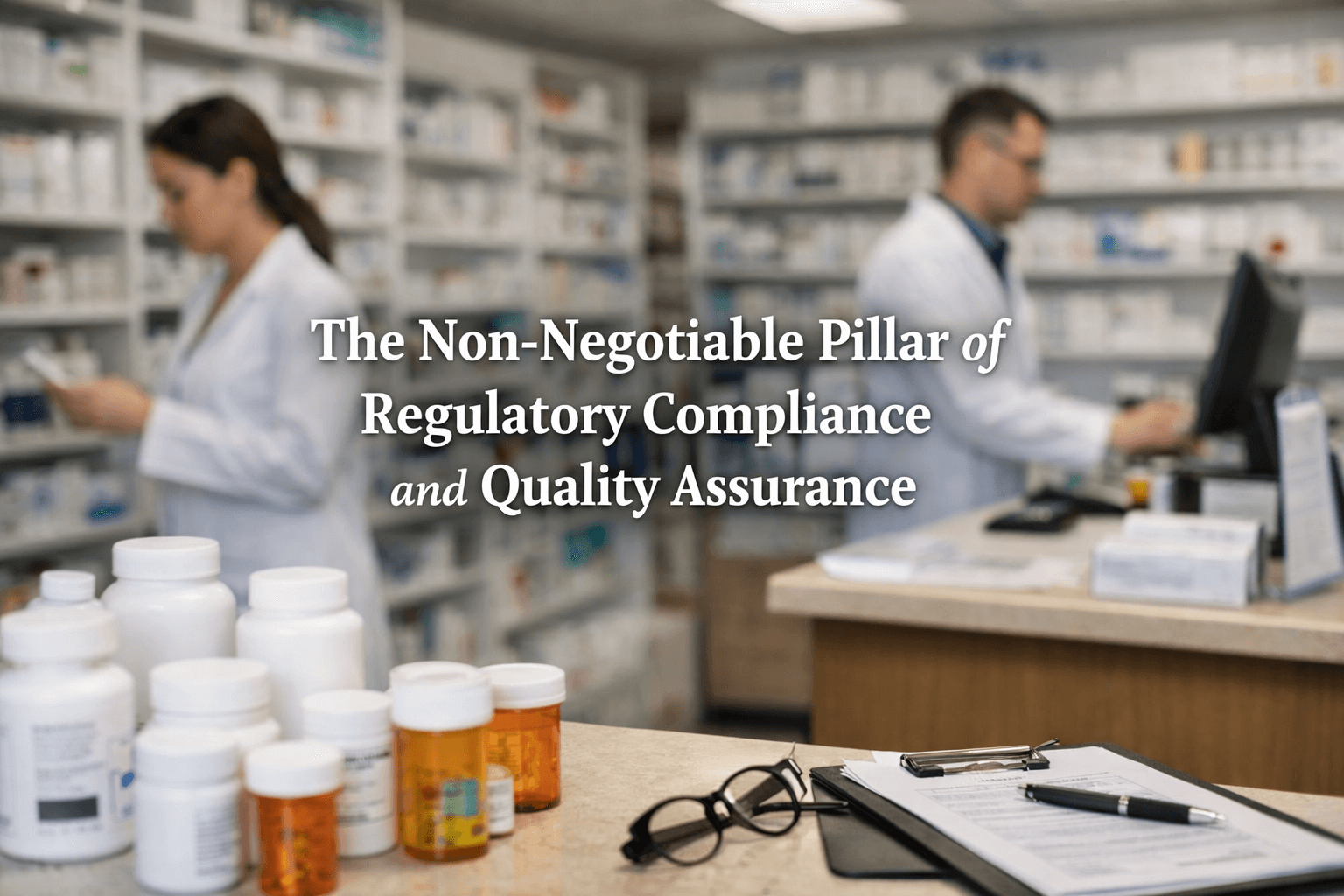
For any pharmacy distributor in Malaysia, regulatory compliance is not a box-ticking exercise but the absolute cornerstone of their license to operate. The NPRA sets forth rigorous guidelines for the storage, handling, and transportation of pharmaceuticals to prevent contamination, deterioration, or counterfeiting. A reliable distributor invests heavily in quality assurance systems and GDP-compliant infrastructure. This includes climate-controlled warehouses with continuous temperature monitoring, validated cold chain transport vehicles, and rigorous protocols for handling returned or expired goods. From the perspective of a pharmacist, this diligence is paramount. It transfers a significant portion of the compliance risk away from the pharmacy itself. When a distributor provides impeccable batch documentation, certificates of analysis, and proper storage conditions throughout the journey, it simplifies the pharmacy’s own audit preparedness and, most importantly, safeguards patient safety. A brand manager’s viewpoint aligns closely; their product’s integrity and reputation are in the distributor’s hands from the moment it leaves the factory. A single compliance failure in the supply chain can lead to costly recalls and irreversible damage to brand equity.
Learn more: How to Ensure Regulatory Compliance for Pharmacy Distribution in Malaysia
Operational Excellence: Where Reliability and Efficiency Converge
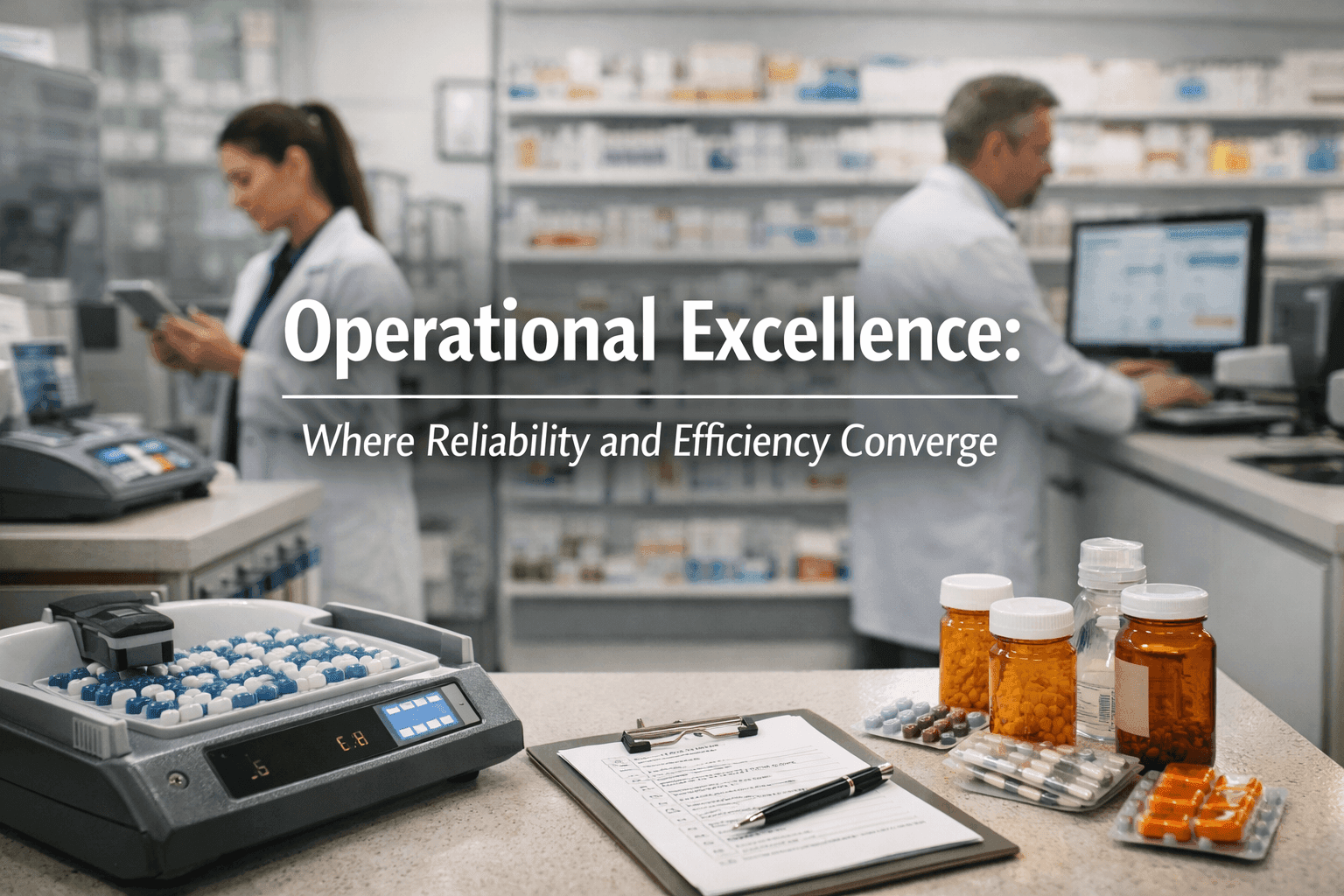
Beyond compliance, the tangible measure of a distributor’s value is in its operational performance. Reliability is quantified through metrics like order fulfillment accuracy and on-time in-full (OTIF) delivery rates. In a practical setting, a clinic in Kuching needing a specific antibiotic for a patient cannot afford a “maybe” on delivery timelines. Consistent reliability builds trust and allows pharmacies to optimize their own inventory levels, reducing costly buffer stock. Furthermore, operational efficiency is increasingly driven by digital integration. Leading distributors offer electronic data interchange (EDI), user-friendly online ordering portals, and real-time shipment tracking. These tools are game-changers for pharmacy operations, reducing manual order entry errors, saving valuable staff time, and providing visibility into the supply chain. For instance, a pharmacy manager in Shah Alam can receive automated low-stock alerts, place an order via a mobile app, and track the delivery van’s location—all while managing the front shop. This seamless integration is a hallmark of a strategic partner versus a mere supplier.
Learn more: A Case Study on Successful Pharmacy Distribution Networks in Malaysia | Systems Thinking in Pharmaceutical Supply Chains (MDPI)
The Critical Importance of Geographic Coverage and Logistics Adaptability
Malaysia’s unique geographical and demographic spread presents a distinct challenge for healthcare logistics. A distributor’s network capability directly influences a pharmacy’s ability to serve its community. A strong national coverage ensures that a pharmacy chain with outlets in Kuala Lumpur, Kota Kinabalu, and Alor Setar can rely on a single, consistent partner. However, true capability is tested in last-mile delivery to less accessible areas. The logistical approach for delivering temperature-sensitive vaccines to a health clinic in the interior regions of Sarawak—potentially involving specialized cool boxes and coordination with local transport—differs vastly from a routine delivery to a hospital in Pulau Pinang. Therefore, evaluating a distributor requires looking at their logistical adaptability. Do they have dedicated teams or partnerships for East Malaysia? How do they handle the cold-chain logistics critical for an increasing number of advanced therapies? A distributor’s investment in a robust, flexible fleet and regional hubs is a direct indicator of their commitment to nationwide service quality.
Learn more: An Overview of Cold-Chain Management in Malaysia’s Pharmaceutical Distribution Sector (2026 Edition)
Value-Added Services: The Differentiator in a Competitive Market
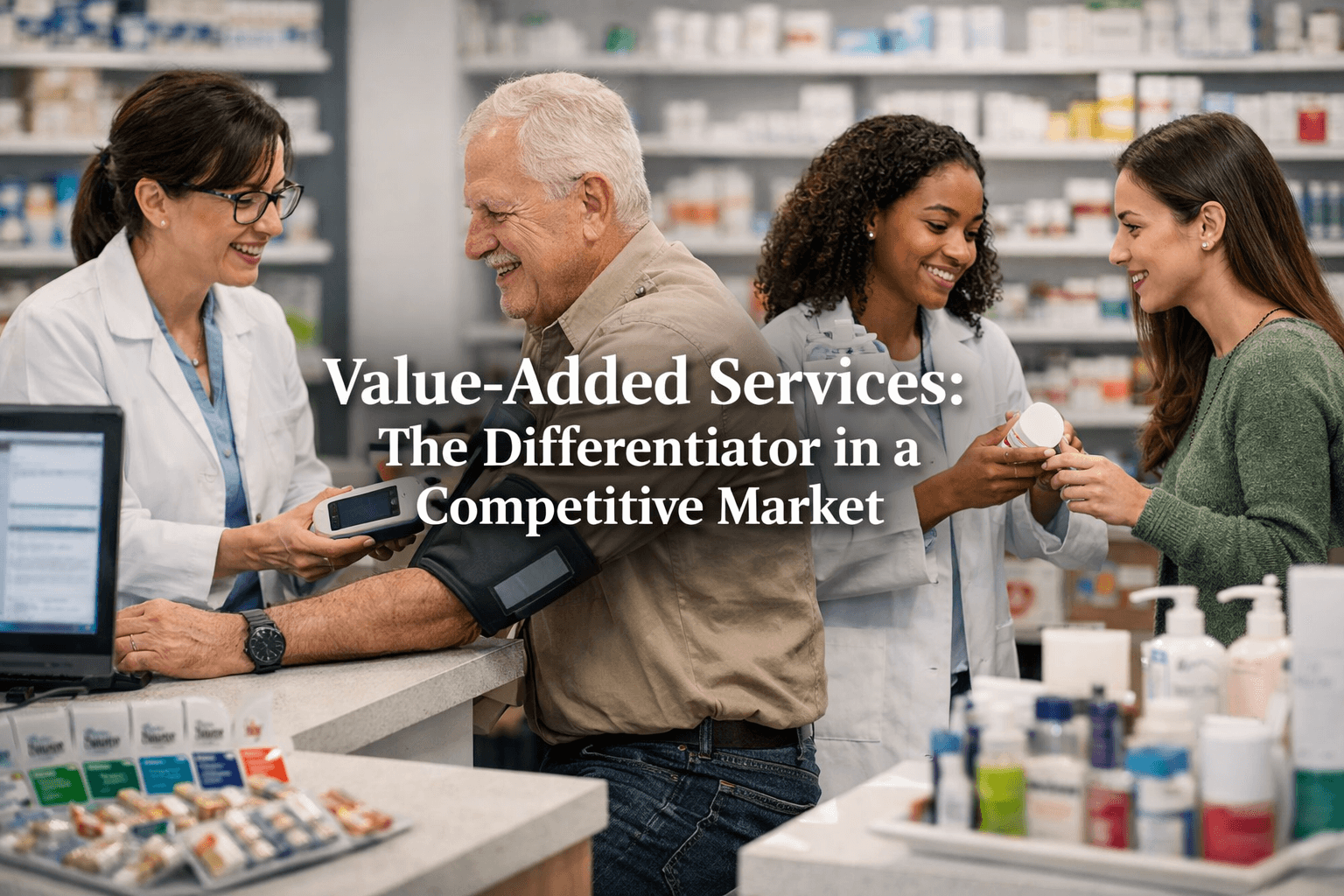
The most effective pharmacy distributors distinguish themselves by offering services that extend beyond the physical movement of boxes. These value-added services can significantly enhance a pharmacy’s own operations and commercial success. Key offerings include:
Merchandising Support: Sending trained merchandisers to help with planogram implementation, shelf management, and promotional displays in-store.
Inventory Management Solutions: Providing data analytics and reports to help pharmacies identify fast/slow-moving items, optimize stock turns, and reduce wastage.
Marketing and Patient Engagement Support: Collaborating on in-pharmacy campaigns, health screenings, or providing educational materials for patients.
From the distributor’s perspective, these services deepen client relationships and create stickiness. For the pharmacy owner, they act as a force multiplier for a often under-resourced team. Consider a scenario where a distributor’s representative not only delivers diabetes medications but also helps set up a dedicated “Diabetes Care” corner in the pharmacy and provides brochures—this integrated support enhances patient care and drives category sales, creating a proven win-win partnership.
Evaluating the Partnership: A Framework for Selecting Your Distributor
Selecting the right supply chain partner is a strategic decision that should be based on a structured evaluation. Pharmacies must look at a holistic set of criteria, moving beyond just price. A practical framework for evaluation should include assessing regulatory standing (past NPRA audit records), service level track record (OTIF metrics), financial stability, and cultural fit (responsiveness, problem-solving attitude). It is also essential to conduct due diligence through site visits to their warehouse and seeking references from other pharmacy clients. A practical checklist for a Malaysian pharmacy might include:
Verified full compliance with NPRA GDP and all KKM regulations, with transparent documentation.
Proven reliability in delivery to your specific location, whether in an urban center like Bangsar or a more remote area.
Robust cold-chain capabilities for relevant products, with temperature logs provided.
Efficient, user-friendly technology for ordering and tracking.
Scale and portfolio that matches your pharmacy’s needs (broad range vs. niche focus).
Value-added services that can support your business growth (e.g., merchandising, inventory reports).
Ultimately, the goal is to find a trusted partner whose capabilities align with your operational needs and whose commitment to quality mirrors your own dedication to patient care. This partnership becomes a silent, yet powerful, engine for healthcare delivery across Malaysia.
The Strategic Value of Pharmacy Distributors: Beyond Delivery to Driving Growth

Pharmacy distributors do far more than merely transport products from point A to point B. In today’s competitive landscape, they function as integral strategic partners, actively contributing to the commercial success and operational resilience of clinics and pharmacies. This partnership model transforms the distributor from a backend supplier into a frontline ally, equipped to provide data-driven insights, tailored operational solutions, and market intelligence that empower pharmacies to make smarter, more profitable decisions. The core of this value lies in shifting from a transactional relationship to a collaborative one, where the distributor’s success is directly tied to the pharmacy’s growth. This proven approach turns supply chain management into a strategic asset.
Real-World Impact: Data-Driven Decisions in Malaysian Pharmacies
Consider a community pharmacy in Subang Jaya facing stiff competition from larger chains. A strategic distributor partner doesn’t just fulfill orders for common over-the-counter (OTC) medicines. By analyzing shared point-of-sale data and regional market trends, the distributor might identify an increasing local demand for specialized pediatric vitamins or manage chronic disease supplements like those for diabetes or hypertension. They provide a detailed report showing not just what’s selling, but what’s trending upward in similar demographic areas. This intelligence allows the pharmacy owner to confidently adjust stock levels and product offerings, potentially capturing a new customer segment before competitors do. This move from guesswork to guided strategy is a game-changer.
A key checklist for a value-adding distributor partnership includes:
Provision of regular market trend analysis reports.
Insights into seasonal demand fluctuations for OTC products.
Data on new product performance in comparable markets.
Guidance on optimizing inventory turnover to free up capital.
The Power of Tailored Solutions and On-Ground Support
The unique needs of a hospital pharmacy in Kuala Lumpur differ vastly from those of a standalone clinic in Kuching or a retail pharmacy in Penang. Top-tier distributors recognize this diversity and offer tailored solutions that address specific operational challenges. For instance, a clinic focusing on menopausal health may require a reliable, just-in-time supply of bio-identical hormones, necessitating specialized cold-chain logistics. Meanwhile, a retail pharmacy might benefit more from comprehensive merchandising support—such as planogram design, promotional bundle packages for the festive season, or patient education materials—to drive front-shop sales and patient engagement.
In Malaysia, a proven example involves distributors supporting pharmacies in East Malaysia with consolidated shipping solutions. By combining orders for multiple clients and optimizing logistics routes, they overcome geographical challenges to ensure reliable, cost-effective deliveries that maintain consistent stock availability, which is essential for patient trust. Another scenario sees distributors assisting pharmacies with implementing the National Medicines Policy guidelines, providing expert advice on stockholding for essential medicines list items to better serve their community.
Quantifying the Partnership Benefits: Efficiency, Cost, and Satisfaction
The ultimate proof of a strategic partnership is in tangible outcomes. Pharmacies that cultivate strong, collaborative relationships with their distributors routinely report measurable advantages. Increased operational efficiency is primary, as streamlined ordering processes, accurate forecasting, and reliable delivery windows reduce administrative burden and minimize stockouts. This leads directly to better pricing and terms, as trusted, high-volume partnerships often unlock more favorable agreements and early-access to promotions.
Most importantly, these benefits cascade to the end-user: enhanced patient and customer satisfaction. A pharmacy that consistently has the right medication in stock, supported by knowledgeable staff who are well-informed by distributor-provided data, builds immense trusted credibility. For example, when a distributor’s real-time tracking system allows a pharmacist in Johor Bahru to confidently inform a patient when a specific biologic medicine will arrive, it elevates the entire healthcare experience. This creates a virtuous cycle where supply chain reliability directly fuels clinical reliability and business growth.
Embracing Innovation: How Technology is Reshaping Distribution
The pharmaceutical distribution landscape in Malaysia is undergoing a profound digital transformation. Cutting-edge technologies are no longer futuristic concepts but are actively being deployed to solve age-old challenges in logistics, transparency, and accuracy. This tech integration is making the entire supply chain more efficient, secure, and responsive. From warehouse to pharmacy shelf, digital tools are minimizing friction, maximizing visibility, and setting a new standard for what pharmacies can expect from their supply chain partner.
Digital Platforms, IoT, and AI: The New Operational Backbone
Digital ordering platforms and Electronic Data Interchange (EDI) systems have revolutionized how pharmacies interact with their distributors. These systems automate purchase orders, inventory updates, and invoicing, drastically reducing manual errors and freeing up valuable staff time. More advanced implementations involve the Internet of Things (IoT), where sensors on storage fridges in a pharmacy or clinic can monitor temperature and automatically alert both the pharmacist and the distributor if conditions deviate, ensuring integrity of temperature-sensitive products. Furthermore, Artificial Intelligence (AI) algorithms are being used for predictive analytics in demand forecasting, anticipating needs based on historical data, local disease outbreaks, or even seasonal trends, ensuring optimal stock availability.
Blockchain and Enhanced Traceability for Unmatched Integrity
Perhaps one of the most significant innovations is the exploration of blockchain technology for supply chain security. In a market vigilant against counterfeit medicines, blockchain offers a immutable and transparent ledger. Each product batch, from the original manufacturer to the final dispensary, can be recorded on the chain. This allows any stakeholder, including regulatory bodies like the NPRA, to verify the provenance and custody of a pharmaceutical product instantly. For a pharmacy in Malaysia, this means an unparalleled ability to assure patients of a medication’s authenticity, building a powerful foundation of trust. It transforms the supply chain from a linear process into a verifiable network of proven safety.
The Future is Integrated: Smart Systems and Proactive Logistics
Looking forward, the trend is toward even deeper integration of digital tools. AI-driven inventory systems will move beyond forecasting to autonomously manage reorder points based on real-time sales velocity. Autonomous guided vehicles (AGVs) in distribution warehouses and route optimization software for delivery fleets will further enhance speed and reduce human error. For the pharmacy, this translates to a more proactive partnership. Imagine a system that not only flags a low stock level but also cross-references it with a detected increase in regional prescriptions for that drug, automatically suggesting an order increase while coordinating a priority delivery—all before the pharmacist runs critically low. This is the efficient, intelligent future of pharmacy distribution.
Learn more: Emerging from Disruption: The Future of Pharma Operations Strategy
Navigating the Landscape: Key Challenges for Distributors in Malaysia
Operating as a pharmacy distributor in Malaysia involves navigating a complex matrix of logistical, regulatory, and market-driven challenges. Success in this field requires more than just a fleet of vehicles; it demands strategic foresight, operational agility, and deep local expertise. Distributors must constantly balance the imperative of supply chain resilience with the pressure of evolving customer expectations, all within a strict regulatory framework. Understanding these hurdles is key to appreciating the sophistication of a truly reliable distribution partner.
Regulatory Complexity and Supply Chain Resilience
Malaysia’s pharmaceutical regulatory environment, governed primarily by the National Pharmaceutical Regulatory Agency (NPRA) and the Ministry of Health (KKM), is rigorous and dynamic. Distributors must maintain a maze of certifications and Good Distribution Practice (GDP) standards, which are essential for operation. Any lapse can result in severe penalties and loss of license. Concurrently, ensuring supply chain resilience is a constant battle. This was starkly highlighted during the COVID-19 pandemic, where disruptions in global manufacturing and logistics tested the mettle of every distributor. Challenges range from managing shortages of active pharmaceutical ingredients (APIs) to dealing with port congestions, requiring robust contingency planning and diversified sourcing strategies.
Rising Customer Expectations and the Demand for Hyper-Service
Pharmacies and clinics today are not passive recipients; they are demanding clients expecting tailored services. The rise of online pharmacies and instant delivery models has reshaped expectations around speed and convenience. A clinic in Kuala Lumpur may now demand same-day or next-day delivery for certain items, while a hospital in Penang expects fully customized kitting services for individual wards. Furthermore, pharmacies seek partners who can provide value-added services like merchandising support, commercial data insights, and staff product training. Meeting these elevated expectations requires significant investment in technology, infrastructure, and human capital, pushing distributors to continuously adapt their service models.
Strategic Responses: Technology, Collaboration, and Expertise
Leading distributors are meeting these challenges head-on with strategic investments. The adoption of advanced logistics technologies, as previously discussed, is a direct response to the need for speed, accuracy, and transparency. Building stronger, collaborative relationships with pharmacies is another critical strategy. This involves moving beyond a vendor mindset to becoming an embedded partner, conducting regular business reviews, and co-developing solutions for inventory or space management. For instance, a distributor might work with a chain of clinics to implement a vendor-managed inventory (VMI) system, taking full responsibility for maintaining agreed stock levels. This not only secures the distributor’s business but also provides immense peace of mind and operational smoothness for the clinics, leveraging expert knowledge for mutual benefit.
Learn more: Logistics Challenges in Pharma Distribution | Ensuring Data Integrity in Pharmaceutical Quality Systems
The Road Ahead: Future Trends Shaping Malaysian Distribution
The pharmacy distribution sector in Malaysia is on the cusp of further evolution, driven by technological, societal, and regulatory currents. Forward-thinking distributors and their pharmacy partners must keep a watchful eye on these emerging trends to stay ahead. The future belongs to those who can seamlessly blend digital prowess with sustainable practices and regulatory agility, all while maintaining a sharp focus on the ultimate goal: patient-centric care.
The Digital Pharmacy Revolution and Evolving Models
The continued growth of digital pharmacy services and direct-to-patient (DTP) or direct-to-consumer (DTC) models is fundamentally altering traditional distribution channels. While brick-and-mortar pharmacies remain essential, distributors must now develop capabilities to support hybrid models. This could involve fulfilling orders for online platforms, managing last-mile delivery logistics directly to patients’ homes, or creating specialized packaging for mail-order prescriptions. The distributor’s role expands to become the logistical engine for multiple sales channels, requiring incredibly flexible and scalable systems. The integration of telemedicine platforms with pharmacy services will further accelerate this trend, creating a closed-loop ecosystem where diagnosis, prescription, and delivery are digitally intertwined.
Sustainability: From Niche Concern to Operational Imperative
Environmental, Social, and Governance (ESG) considerations are moving to the forefront. Sustainable pharmacy distribution is transitioning from a “nice-to-have” to a strategic imperative. This manifests in several ways: the adoption of eco-friendly and recyclable packaging materials, investments in electric or hybrid delivery vehicles for urban routes, and the optimization of delivery routes to reduce carbon emissions (which also lowers costs). In Malaysia, where urban congestion and environmental awareness are growing, distributors who can demonstrate a genuine commitment to green logistics will not only comply with future regulations but also align with the values of many healthcare institutions and consumers, enhancing their brand as a responsible partner.
Regulatory Evolution and Proactive Compliance
The regulatory landscape will never be static. Anticipated changes, such as stricter track-and-trace requirements, enhanced data privacy laws for patient information, and updated guidelines for novel therapies like cell and gene medicines, will demand constant vigilance. The proven distributors of the future will be those with dedicated regulatory affairs teams that don’t just react to changes but anticipate them. They will offer compliance-as-a-service to their pharmacy clients, providing timely updates, training, and even auditing support to ensure that every link in the chain adheres to the latest KKM and NPRA standards. This transforms regulatory compliance from a pharmacy’s burden into a shared, managed strength of the partnership.
| Aspect | Traditional Distribution Model | Future-Focused Strategic Partnership |
|---|---|---|
| Core Function | Product delivery & logistics. | Integrated business growth & operational support. |
| Technology Use | Basic tracking; manual processes. | AI-driven forecasting; IoT monitoring; blockchain traceability. |
| Relationship | Transactional & price-focused. | Collaborative & value-focused. |
| Key Service Driver | Cost and speed. | Reliability, data insights, tailored solutions, and compliance assurance. |
| Pharmacy’s Role | Order placer. | Strategic co-planner. |
| Primary Value | Getting goods from A to B. | Enabling pharmacy efficiency, growth, and enhanced patient care. |
Frequently Asked Questions (FAQ)
Q1: What are the top 5 pharmacies in Malaysia?
Answer: The top 5 pharmacies in Malaysia are Watsons, Guardian, Healthlane, Caring Pharmacy, and Alpro Pharmacy, known for their extensive networks and high-quality healthcare products.
Q2: Who are the big 3 pharma distributors?
Answer: The big 3 pharma distributors in Malaysia are Hovid, Pharmaniaga, and CCM Pharmaceuticals, known for their wide distribution networks and industry presence.
Q3: Which are the top 10 pharma companies?
Answer: The top 10 pharma companies in Malaysia include Pharmaniaga, Hovid, CCM Pharmaceuticals, Xepa-Soul Pattinson, Kotra Pharma, Duopharma Biotech, Mediforce, Roche Malaysia, GlaxoSmithKline, and Novartis Malaysia.
Q4: Who are the top 20 pharma companies?
Answer: The top 20 pharma companies in Malaysia include all top 10 companies, with additional names such as Eli Lilly, Merck, Pfizer, Sanofi, Johnson & Johnson, Baxter, Bayer, AstraZeneca, Gilead Sciences, and Boehringer Ingelheim.
Q5: Who are the big 3 pharmacies?
Answer: The big 3 pharmacies in Malaysia are Watsons, Guardian, and Caring Pharmacy, leading the retail pharmacy sector in terms of outlets and market share.
Q6: What are the 7 stars of pharmacy?
Answer: The “7 stars of pharmacy” typically refer to key qualities that define an excellent pharmacy: Customer Service, Product Knowledge, Regulatory Compliance, Pharmacist Expertise, Innovation, Efficiency, and Community Outreach.
Q7: What are the big 5 pharma companies?
Answer: The big 5 pharma companies globally are Pfizer, Novartis, Johnson & Johnson, Roche, and Merck, recognized for their vast influence in research, development, and distribution.
Q8: Which is the largest retail pharmacy in Malaysia?
Answer: Watsons is the largest retail pharmacy in Malaysia, with a significant presence across the country and a wide range of health and beauty products.
Q9: Who owns Big Pharmacy in Malaysia?
Answer: Big Pharmacy in Malaysia is owned by Big Pharmacy Sdn Bhd, a local company known for providing healthcare products and services nationwide.
Q10: Which pharmacy has the best rating?
Answer: Guardian and Watsons are often considered to have the best ratings in Malaysia, praised for their customer service and accessibility.
Choosing a distribution partner is, therefore, one of the most consequential decisions for a pharmacy or clinic’s long-term trajectory. It requires evaluating not just their warehouse size or fleet count, but their technological adaptability, their commitment to compliance, their ability to provide strategic market intelligence, and their cultural fit as a true partner. In a market as dynamic as Malaysia’s, this partnership is the bedrock upon which patient trust and business sustainability are built.
How can we assist you today? 😊
Just let us know—we’re here to help!