

November 27, 2025
The Unwavering Performance of Baby Categories in Malaysian Pharmacy Retail

Why do baby products consistently anchor some of the most solid performing retail categories inside Malaysian pharmacy chains? The answer is not singular but a powerful confluence of emotional, regulatory, and behavioral factors. The purchase of baby essentials is fundamentally rooted in routine, not impulse. Parents and caregivers establish a rhythm of repurchasing for newborns and toddlers, a cycle where trust in product quality directly lowers perceived risk. This is a proven behavioral pattern. Furthermore, the Malaysian pharmacy environment is culturally coded as a safer, more reliable space compared to general retail. When a baby’s well-being is involved, this perception of safety becomes paramount. Shoppers inherently believe that items on the shelves of a Guardian, Caring, or BIG Pharmacy have undergone a more rigorous vetting process, creating a trusted environment for making these critical purchases.
Economic Resilience and Strategic Category Investment in Baby Care
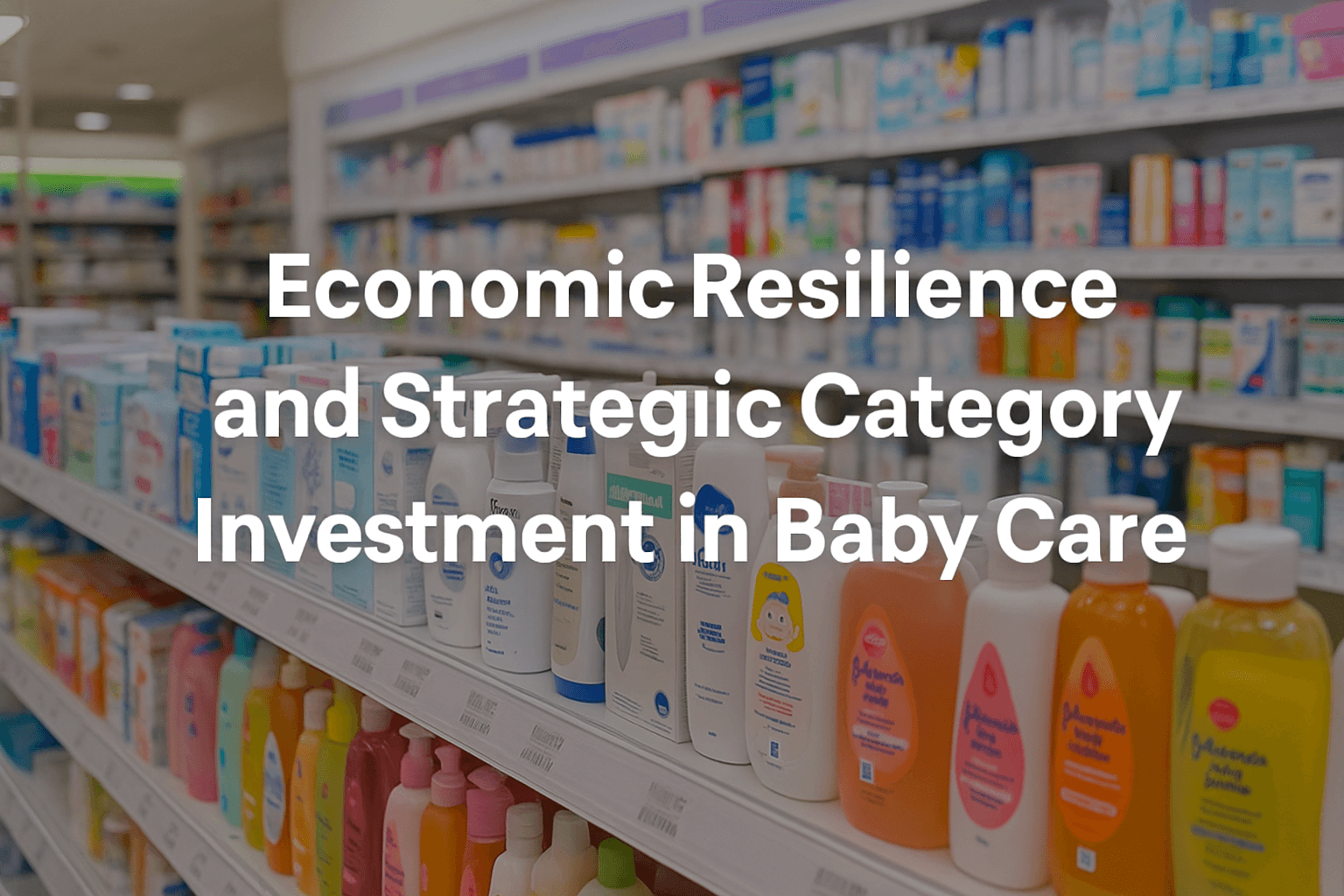
The demand for baby essentials in Malaysia demonstrates remarkable resilience, largely unaffected by broader economic cycles. A baby’s fundamental needs for hygiene, nutrition, and comfort do not pause during a market downturn. This inherent stability makes the mom & baby segment a strategic asset for pharmacy retailers. When a pharmacy chain invests in deeper merchandising and a stronger category strategy—encompassing infant hygiene, pediatric skincare, baby oral care, diapers, and comfort items—it cultivates a revenue stream that remains stable. This segment often outperforms more volatile categories like beauty or adult wellness, which can be subject to fleeting trends. The baby care pharmacy market growth is not fueled by hype but by a powerful engine of repeat purchase cycles, high parental scrutiny, and a deep-seated need to avoid risk. This psychology aligns perfectly with the core value proposition of a pharmacy, creating a unique reinforcement cycle: high trust leads to high repeat purchases, which ensures stable product velocity and, ultimately, more predictable and reliable revenue outcomes.
Learn more: The Future of Wellness: The $2 trillion global wellness market gets a millennial and Gen Z glow-up
The Distributor as Strategic Gatekeeper in the Baby Product Supply Chain
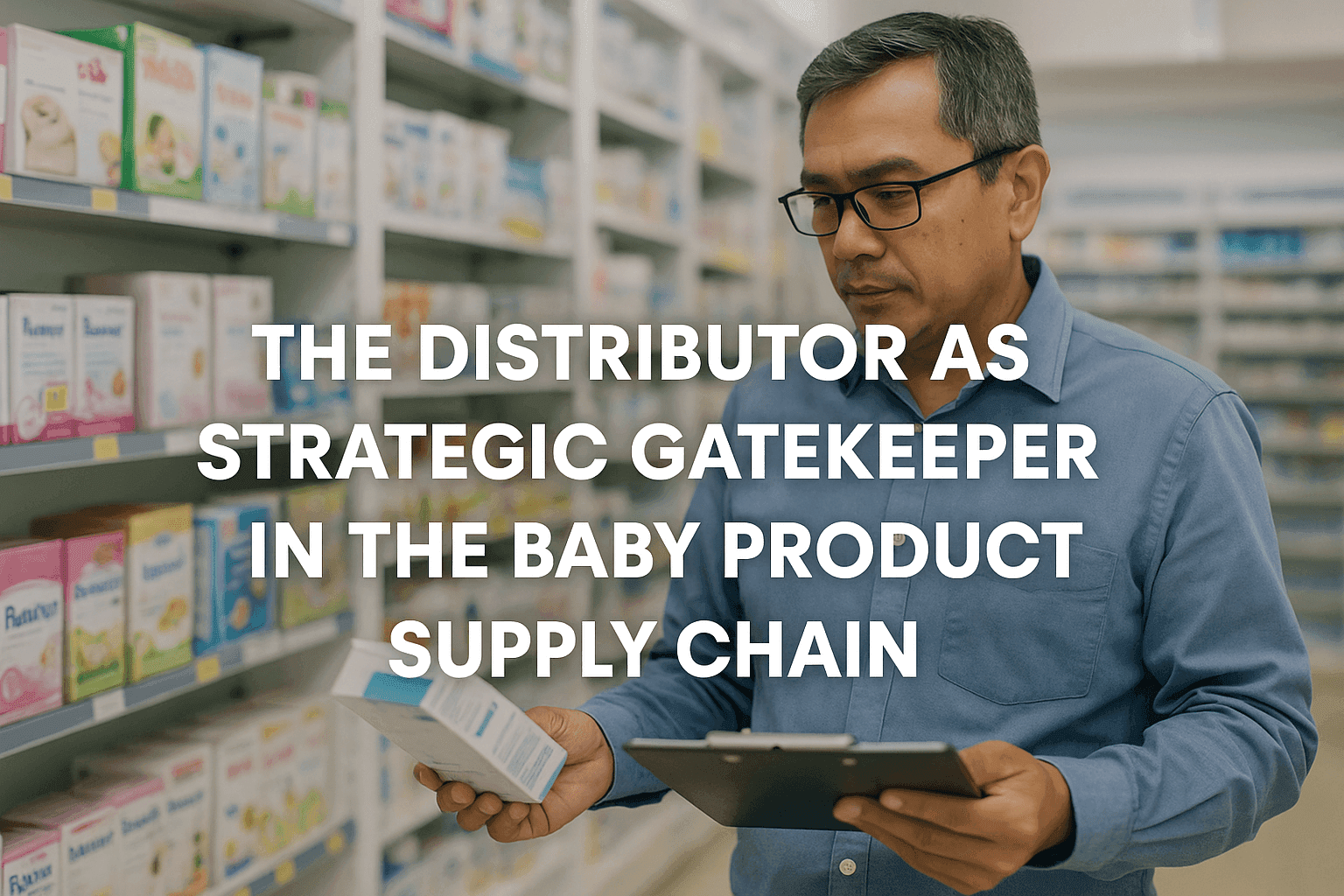
The influence of pharmacy distributor networks on the success of baby SKUs at the retail level is profound and often underestimated. Given that the baby segment is one of the most sensitive and essential categories, pharmacists and category buyers rely heavily on their distributors for much more than just logistics. These networks act as critical gatekeepers, validating brand fit, ensuring supply stability, and guaranteeing NPRA baby product compliance. A distributor in Malaysia’s pharmacy ecosystem provides an early risk-screening layer, becoming a trusted bridge between a manufacturer’s intentions and the actual shelf behavior in hundreds of stores. They are a foundational force in shaping which products succeed.
Inline Checklist: The Multifaceted Role of a Baby Product Distributor:
Validates brand positioning and market fit for the Malaysian consumer.
Ensures unwavering supply chain stability to prevent costly out-of-stocks.
Guarantees full compliance with NPRA and other local regulations.
Provides critical data and insights on regional sales variations.
Protects brand integrity from being mis-merchandised or wrongly messaged.
Learn more: Expert Merchandising Servicers For In-Store Execution Across Pharmacy Chains
Cultural Nuances and Operational Excellence in Distribution
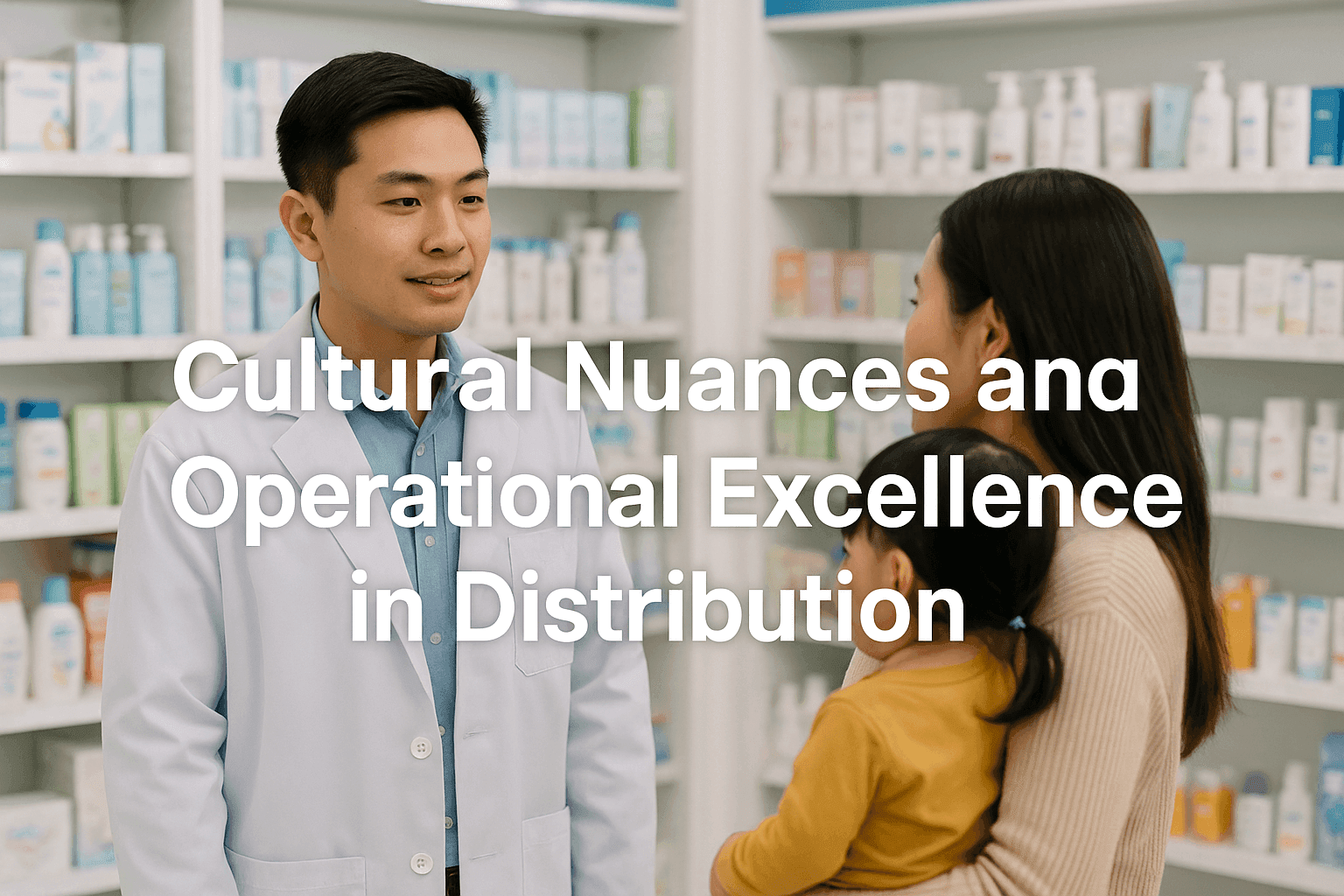
The most successful baby category expansions in Malaysia involve distributor partners who possess a deep understanding of both regulatory frameworks and local cultural behaviors. Malaysian parents are highly specific about attributes like fragrance tolerance, eczema concerns, and Halal acceptability. When a brand like Buds Organics or Pureen scales effectively, it is often because the distributor network protects its positioning, ensuring it is not incorrectly grouped with adult toiletries or marketed in a way that contradicts local values. From an operational perspective, pharmacy wholesale distributors enable efficient replenishment and demand smoothing across a vast network of urban and suburban outlets. This is critical because a parent forced to switch brands due to an out-of-stock situation represents a significant and often permanent loss of loyalty. The stickiness of baby category loyalty cannot be overstated; once a parent commits to a diaper or rash cream brand, they will only change if supply fails them.
Learn more: Digital Transformation in Malaysia’s Pharmaceutical Distribution Services
Data-Driven Insights for Regional SKU Rationalization
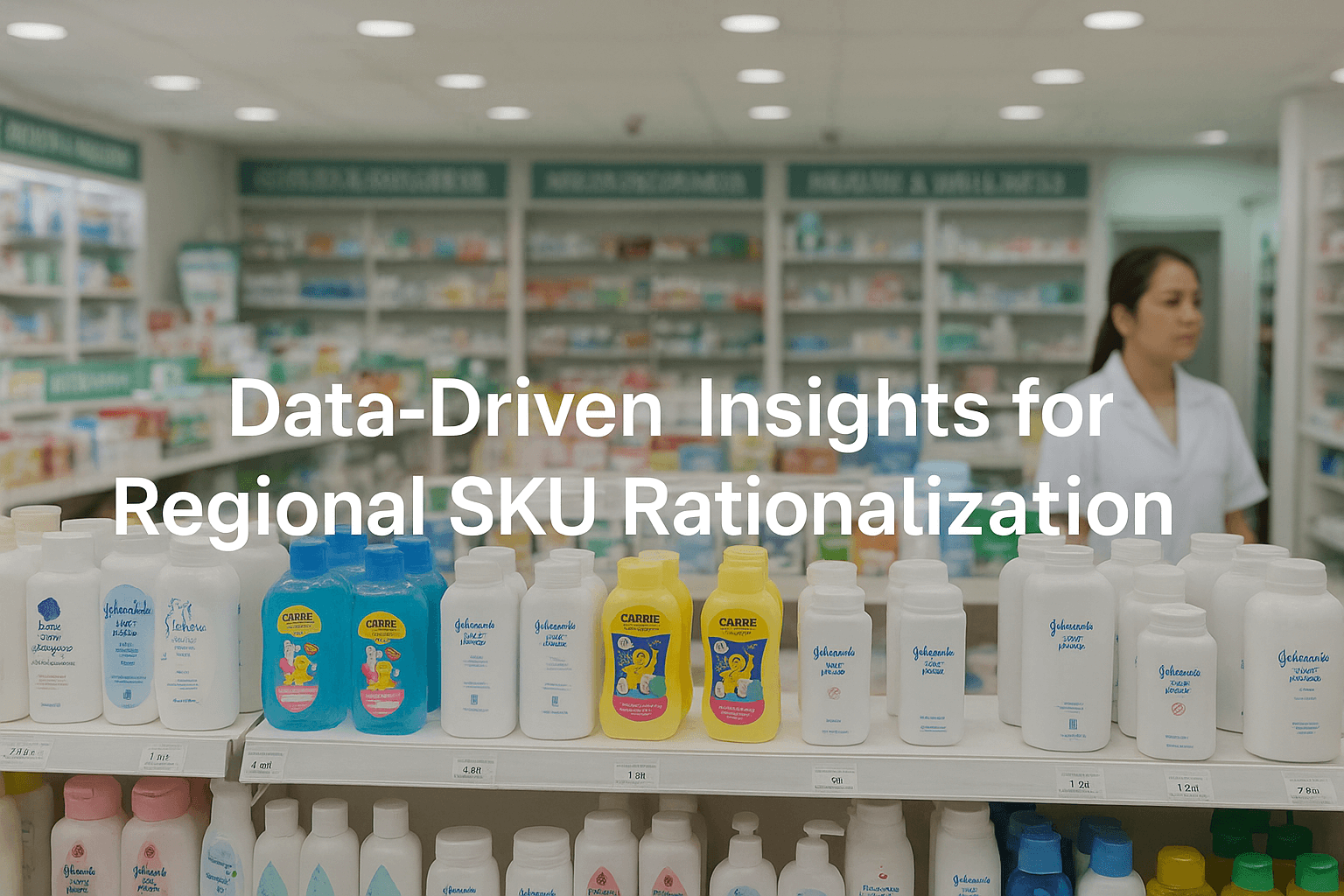
Brand managers operating in Malaysia frequently lean on the live-field data provided by their distributor partners to make informed SKU rationalization decisions. The performance of baby products can vary dramatically across different regions. For instance, Appeton Baby nutritional supplements may perform differently in the Klang Valley compared to Penang or Johor due to varying demographic and cultural factors. Only a distributor with a finger on the pulse of the entire nation can detect and advise on these nuanced regional variations. Mistakes in baby category merchandising are exceptionally costly and difficult to reverse because eroding parental trust can take months, or even years, to repair. This is precisely why the baby category must be handled by expert stakeholders who carry both the compliance shield and the retailer credibility leverage.
The Primary Drivers of Malaysian Parents’ Baby Product Purchases
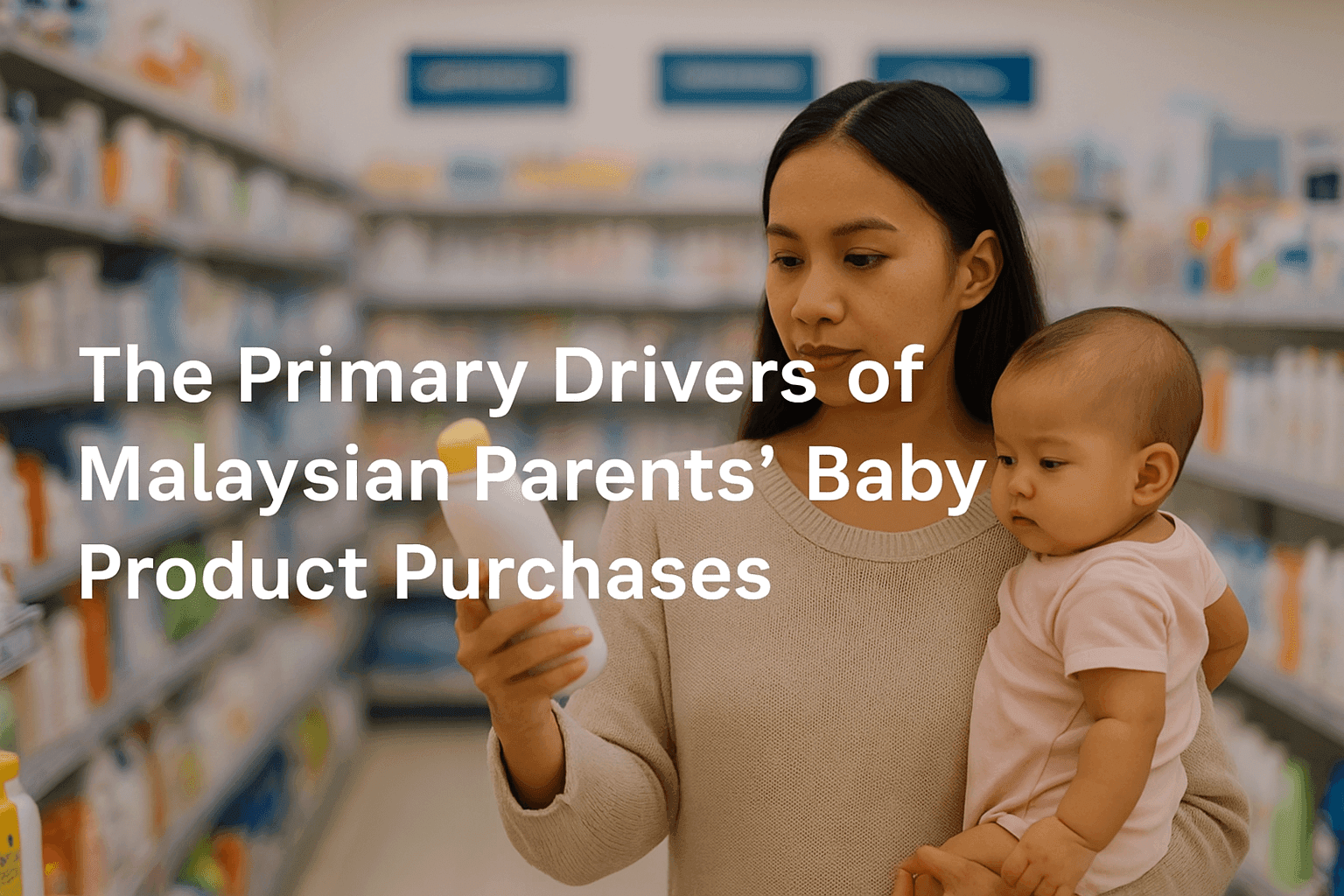
What truly dictates which baby items parents select from the pharmacy shelf? The single strongest driver is trust in product safety and non-irritating formulations. Today’s Malaysian parents are far more ingredient-conscious than a decade ago, driven by rising eczema sensitivity rates, growing microbiome awareness, and even TikTok-driven ingredient literacy. When browsing infant hygiene products or pediatric skincare, they are actively searching for a reliable signal of quality and safety, not marketing hype. This is a fundamental shift that brand managers must acknowledge.
Learn more: How today’s consumers are spending their time and money
Cultural Trust Attributes and the Halal Assurance Factor
Culturally, Malaysian parents exhibit a strong preference for gentle, fragrance-moderated, and mild formulations. Brands that reflect this cultural filtration system, such as Buds Organics and Pureen, are consistently rewarded with consumer loyalty. An increasingly pivotal angle is Halal positioning and transparency. Even for non-Muslim shoppers, Halal certification subconsciously signifies a higher level of quality control, procedural discipline, and rigorous ingredient screening. This assurance significantly boosts overall category confidence, making it an essential consideration for any brand aiming for mainstream success in the Malaysian market.
The Critical Impact of In-Store Merchandising on Purchase Velocity
The physical retail merchandising of baby products dramatically shapes their sales velocity. A product placed within a dedicated mom & baby section, under soft lighting, and with correct adjacencies—for example, shampoo next to lotion, next to rash cream—converts significantly better than one haphazardly mixed with adult toiletries. When pharmacies invest in a structured, intuitive baby category segmentation, they create an easier eye-path for the often-stressed parent, thereby increasing the basket size per visit. This strategic layout is a powerful tool in reinforcing the pharmacy’s position as the trusted and efficient destination for all baby care needs.
Learn more: How Pharmacy Merchandising Services Help Brands Compete With Giants
Digital Influence and the Pharmacy’s Role as Final Validator
The influence of digital channels on baby product purchases cannot be ignored. TikTok mom influencers, confinement centres, online mommy groups, and paediatric clinics now shape product narratives faster than traditional advertising ever could. Baby categories are heavily swayed by this peer-to-peer trust. However, this digital influence funnels back to a critical physical touchpoint: the pharmacy. Parents may discover a product online, but they frequently visit a pharmacy to verify it in person before buying. This dynamic grants pharmacies a permanent advantage, positioning them as the “final filter of validation” where online recommendations are physically confirmed, cementing the pharmacy’s role as a strategic partner in the consumer journey.
| Perspective | Primary Concern | Key Influence on Baby Category |
|---|---|---|
| Pharmacist / Retailer | Inventory turnover, customer trust, regulatory compliance. | Prioritizes reliable brands with stable supply and strong consumer loyalty to ensure repeat footfall. |
| Distributor | Supply chain efficiency, brand scalability, NPRA compliance. | Acts as a gatekeeper, favoring brands with proven formulations and clear market fit for different regions. |
| Brand Manager | Market share, brand positioning, competitive differentiation. | Focuses on building trusted brand narratives that resonate with cultural values and ingredient sensitivity. |
| Parent / End-Consumer | Product safety, ingredient transparency, Halal assurance. | Seeks a reliable signal of quality, often using the pharmacy environment as the final arbiter of trust. |
A Detailed Look at the Top Baby Product Categories in Malaysian Pharmacies
What specific baby items consistently demonstrate strong performance and are widely stocked across major Malaysian pharmacy chains? The following categories have proven their ability to sustain high velocity and are considered essential components of a well-managed baby care section. Each segment reflects the core drivers of repeat purchase behavior and the inherent trust placed in the pharmacy channel.
Baby Shampoo & Head-to-Toe Wash: The High-Velocity Hygiene Essential
This segment consistently ranks as one of the highest velocity categories due to its routine, frequent use—often weekly or bi-weekly. Brands like Pureen, Buds Organics, and Carrie Junior dominate this space because they have built a reputation for mild, fragrance-softened formulas with an eczema-friendly track record. Parents are not just buying a cleaning agent; they are purchasing a product that protects their baby’s delicate skin barrier during every bath, making the trusted pharmacy seal a critical factor in the decision-making process.
Baby Lotion & Moisturiser: The Preventative Skin Care Regimen
Moisturization is widely recognized as a core preventive step for maintaining baby skin barrier health and preventing conditions like eczema. Brands such as Buds Organics, Pureen, and Anakku thrive in this category because the pharmacy environment lends their formulations an air of authority and safety that random online imports cannot match. Parents perceive pharmacy SKUs as being more rigorously tested and formulated under higher standards, which is a powerful motivator for a category focused on prevention and long-term skin health.
Baby Diaper Rash Cream / Skin Relief: The Urgent Need Solution
This category is a prime example of a solution-driven, urgent need purchase. When a rash appears, parents seek immediate, effective relief, and they are far less likely to experiment. The pharmacy trust factor significantly increases purchase confidence for brands like Bepanthen, Pureen, and Dentinox. The placement of these products within the baby aisle, often adjacent to diapers, creates a logical and efficient shopping journey for the parent dealing with a stressful situation.
Baby Oral & Gum Care Solutions: An Evolving Consumer Behavior
A noticeable shift in consumer behavior has propelled the growth of baby oral care. Parents are now initiating oral hygiene routines much earlier than previous generations, creating a sustained demand for products like Pigeon oral wipes and Buds Organics Baby Tooth Gel. This evolution demonstrates how pharmacies can capitalize on emerging trends in preventative baby care, offering tailored solutions that meet the modern parent’s desire for comprehensive wellness from infancy.
Baby Fever / Flu Relief Products: The Culturally Trusted Remedies
Categories involving infant health, such as fever and flu relief, are where the pharmacy’s position as a reliable healthcare destination is most potent. Parents avoid experimentation here, gravitating towards trusted and culturally familiar brands like Dentinox Infant Drops or Tiger Balm Baby. These products are seen as pharmacy-appropriate and vetted, providing peace of mind during a highly anxious time for any parent. The perceived expert endorsement of the pharmacy channel is a powerful sales driver in this segment.
Baby Diapers & Wipes: The Revenue Stabilizing Powerhouses
As high-frequency replenishment items, diapers and wipes form the backbone of the baby category’s financial stability. Brands like Drypers, Anakku, and Pureen have become household names by ensuring consistent quality and wide availability. The strategic importance for pharmacies lies in the incredible footfall and repeat business these products generate. A parent coming in to buy diapers is likely to pick up several other items, making this category a critical traffic driver and revenue stabilizer.
Baby Vitamins & Nutritional Supplements: The Proactive Health Approach
There is a growing trend among Malaysian parents to adopt a proactive, rather than reactive, approach to their child’s health. This is clearly seen in the popularity of baby vitamins and nutritional supplements. Brands like Appeton, with their baby drops and appetite support formulations, are successful because they tap into this desire for early nutritional intervention. Parents view these products as a strategic investment in their child’s development, and they trust the pharmacy to provide high-quality, effective options.
Baby Mosquito Repellent Solutions: Addressing a Malaysia-Specific Need
Malaysia’s tropical climate, combined with persistent public health concerns like dengue, makes baby mosquito repellent a permanently relevant and essential category. This is a clear example of a market need dictating category importance. Brands have responded with tailored solutions, such as Tiger Balm’s baby repellent variants and various plant-based alternatives, all formulated to be safe for infant skin while providing effective protection. This category’s performance is directly tied to local environmental factors.
Baby Colic / Digestive Relief: Solving a High-Stress Trigger
Newborn digestive discomfort, such as colic, represents a highly stressful and emotionally charged trigger for parents. The conversion rate in this category is high because the need is urgent and the desire to avoid future episodes is powerful. Products like Dentinox Colic Drops benefit immensely from being available in a trusted pharmacy setting. Parents seeking a solution for their distressed infant are far more likely to choose a product from a pharmacy shelf than from a general store, as the former implies a level of efficacy and safety oversight.
Baby Hair, Nail, Cotton & Accessory Essentials: The Unassuming Necessities
While not the most glamorous categories, baby hair care, nail trimmers, cotton buds, and accessory sets are reliable refill items that guarantee steady, predictable sales. Brands like Pigeon, Pureen, and Anakku have built strong presence with these practical essentials. Their performance underscores a key retail truth: necessity-driven categories provide a stable baseline of revenue. They may not have the high margins of some segments, but their consistent velocity makes them a vital component of a comprehensive baby care assortment.
The Critical Framework for Evaluating Baby Product Quality and Compliance
How do pharmacy procurement teams determine which baby products earn valuable shelf space while others are rejected? The infant care category operates under a fundamentally different set of rules compared to adult-oriented segments like beauty or general wellness. This heightened scrutiny exists because babies represent a vulnerable consumer group with no capacity for self-protection or communication of product-related discomfort. Consequently, pharmacists, buyers, and distributors in Malaysia approach this category with an elevated level of caution. The reputational damage stemming from a single problematic baby SKU can spread with astonishing speed and severity, eroding hard-won consumer trust in a way that is far more punishing than in other categories. The stakes are simply higher, making the initial selection process a strategic imperative for protecting both public health and brand integrity.
NPRA Compliance as the Non-Negotiable Gateway to Market Entry
The NPRA baby product compliance screening stands as the most critical prerequisite for any infant-related formulation seeking placement within a Malaysian pharmacy. This regulatory requirement forms an essential barrier to entry, applicable across a wide spectrum of products including topical cosmetics, pediatric skincare, colic relief drops, oral care solutions, and even mosquito repellents. Pharmacy stakeholders are not merely looking for a certificate; they demand comprehensive formulation clarity, unambiguous safety traceability, and transparent product classification. This rigorous approach transforms the pharmacy shelf into a de facto “ethical buffer” for parents. Items displayed in this environment are automatically presumed to have undergone more careful regulation, placing a heavy burden on retailers to maintain impeccable standards to preserve this trusted status. Distributor teams play a pivotal role here, working closely with brand owners to ensure that all baby SKU dossiers, ingredient disclosures, and regulatory statuses are meticulously maintained and readily available, thereby shielding pharmacists from potential compliance risks.
The Pharmacy Channel as a Credibility Accelerator for Brand Owners
From a brand perspective, the vetting standards enforced by pharmacy channels are demonstrably stricter than those found on many e-commerce platforms. On marketplaces like Shopee or TikTok Shop, purchasing decisions can be heavily influenced by transient trends and social proof. However, within the pharmacy environment, brands must first satisfy a significantly higher threshold of credibility and safety before they are even considered for listing. This dynamic is precisely why many brand owners deliberately choose pharmacies as their initial market entry point for baby products. The mere presence of a product on a pharmacy shelf confers a powerful layer of legitimacy, a proven signal to consumers that the item has met rigorous standards. This strategic positioning is invaluable for building long-term brand equity in a category where trust is the primary currency.
The Deeper Questions Behind Baby Product Assortment Decisions
When pharmacy merchandisers and compliance teams evaluate potential additions to their infant hygiene, pediatric skincare, or baby oral care solutions lineup, their inquiry extends far beyond basic profitability. They engage in a deeper diagnostic process, asking a series of critical questions that probe the product’s fundamental suitability and safety. Is the formulation sufficiently gentle even under worst-case usage scenarios, such as prolonged contact or accidental over-application? Is the product designed for practical integration into daily care routines, or is it suited only for occasional use, which may limit its repeat purchase potential? Is the product culturally and climatically aligned with the specific needs of Malaysian families, considering factors like humidity, common skin sensitivities, and cultural preferences? Can the brand owner guarantee consistent supply stability, thereby avoiding the brand-switching that occurs with out-of-stocks? Does the packaging communicate any potential risks with absolute clarity and transparency? Because baby SKUs carry an inherently low tolerance for error, these seemingly simple questions form the bedrock of a safer, more strategic and ultimately more successful product assortment.
The Transformative Power of Strategic Merchandising Execution
Why do certain baby products achieve remarkable sales velocity while others with similar formulation quality languish on the shelf? The answer frequently lies not in the product itself, but in the art and science of its merchandising execution. The physical presentation and organization of the baby category within the pharmacy space exerts a dramatic influence on both conversion rates and parental confidence. These dedicated shelf zones perform at their peak when they are designed to be visually soft, color-balanced, and, most importantly, grouped by consumer need state rather than by isolated brand silos. This means that rash creams should be logically adjacent to body washes, lotions, and diaper wipes, creating a cohesive universe of baby care rather than a fragmented brand-centric landscape. This intelligent adjacency planning makes the pharmacy browsing experience significantly smoother and more intuitive for time-pressed parents.
Inline Checklist: The Pillars of High-Converting Baby Category Merchandising:
Logical Adjacency: Grouping products by need-state (e.g., bath time, diaper change) rather than by brand.
Visual Calm: Using soft lighting and color schemes to create a reassuring environment.
Navigational Clarity: Ensuring an intuitive eye-path that minimizes search time.
Informational Signage: Employing shelf talkers that highlight key attributes like “Eczema Friendly” or “Hypoallergenic.”
The Psychology of the Pharmacy as a Reassurance Zone
Pharmacies function as more than mere retail points; they serve as physical reassurance zones where purchasing decisions are made with heightened deliberation. Parents will often pick up items, read labels more thoroughly, and compare ingredient lists at a slower, more careful pace than they would in a supermarket. This behavior stems from a deep-seated desire to “feel safe choosing the safest.” Therefore, the merchandising style must actively influence emotional comfort. Baby segments yield the best results when the visual environment is perceived as calm, predictable, and impeccably clean. Data from the Malaysia baby retail market corroborates that small details matter immensely. Shelf-level point-of-sale materials (POSM), such as softly colored shelf talkers, clear “eczema friendly” segmentation markers, and dedicated baby category signage with gentle LED lighting, have been shown to increase dwell time within the category. Longer dwell time directly correlates with better product evaluation and higher conversion rates, making these touches a strategic investment.
Learn more: Dynamic journeys, value-chasing shoppers: understanding today’s CPG consumer
Aligning Cross-Functional Stakeholder Perspectives for Category Success
The baby category is viewed through distinctly different lenses by the key stakeholders involved, and reconciling these perspectives is crucial for success. Pharmacists primarily view the category through the prism of risk mitigation, patient safety, and health-based correctness. Distributors, on the other hand, focus on the efficiency of replenishment, SKU stability, and supply chain predictability. Brand managers are typically driven by demand acceleration, market share growth, and category expansion potential. These three viewpoints can sometimes conflict. For instance, a brand owner might advocate for launching experimental fragrance variants to capitalize on trends, while pharmacists would staunchly prefer mild, low-fragrance, eczema-safe formulations to maintain trust. The distributor then becomes the essential balancing filter, harmonizing ambitious growth targets with the grounded reality of parental acceptance and logistical feasibility.
| Stakeholder | Primary Lens | Key Performance Indicator | Major Concern |
|---|---|---|---|
| Pharmacist | Safety & Trust | Customer loyalty & risk avoidance | Stocking a product that causes irritation or fails compliance. |
| Distributor | Supply Chain Efficiency | Fill rate & inventory turnover | Unpredictable demand leading to out-of-stocks or dead stock. |
| Brand Manager | Market Growth | Market share & brand awareness | The product failing to stand out in a crowded, look-alike market. |
This stakeholder triangulation is exceptionally delicate in the baby category. A product with packaging, marketing language, or claim wording that feels too aggressive or commercial may be rejected by the pharmacy channel, regardless of its intrinsic quality. Softness—in formulation, messaging, and presentation—is a silent but non-negotiable attribute for success in this space. When pharmacists, distributors, and brand owners achieve alignment, the result is a powerful and effective category performance. When they are misaligned, the failure is disproportionately punishing, as the loss of consumer trust takes far longer to repair than in standard retail cycles.
Navigating Common Growth Challenges with Proven Solutions
The path to sustained growth in the pharmacy baby segment is often obstructed by a predictable set of challenges. These include market saturation with too many look-alike SKUs that confuse parents and increase brand switching, inconsistent out-of-stock spikes that disrupt purchase routines, weak in-store category segmentation that hampers product discovery, over-fragmented brand messaging that dilutes impact, and a failure to account for significant regional demand variations across Malaysia. The solution to these issues consistently lies in a disciplined, data-driven approach: rationalized product assortment, a controlled and purposeful SKU count, crystal-clear category segmentation, and reliable replenishment feedback loops. Distributor pharmacy partners hold a structural advantage in solving these problems because they maintain and analyze real-time sales movement data across a diverse range of outlet geographies, enabling predictive and efficient inventory management.
Frequently Asked Questions (FAQ)
Q1: Why do baby categories perform so well inside Malaysian pharmacy retail?
Answer: Because baby product purchases are routine-based, not impulse based. Parents repeatedly buy the same infant essentials every week or month. The pharmacy environment is also perceived as safer and more trusted, making it a preferred place for baby category decision making.
Q2: Why is trust so critical for baby product purchasing decisions?
Answer: Babies cannot communicate discomfort or irritation. Parents therefore choose products that they believe are safe, gentle, and proven. A single negative reaction can permanently change brand loyalty, so trust becomes the number one decision factor.
Q3: Why are pharmacies seen as more credible than general retail for baby care?
Answer: Pharmacies enforce compliance standards, stricter vetting, and higher formulation scrutiny than many online platforms or groceries. This gives parents confidence that items placed on pharmacy shelves have passed a stricter safety gate.
Q4: Does economic downturn reduce baby product sales significantly?
Answer: Not heavily. Baby essentials maintain strong resilience even during economic slowdown because core baby products (shampoo, cream, diapers, wipes) remain a necessity and cannot be delayed like beauty or trend-driven categories.
Q5: What role does NPRA compliance play in baby category listing?
Answer: NPRA screening is mandatory before baby products can enter the Malaysian pharmacy market. Proper notification ensures product safety, protects consumer trust, and reduces regulatory risks for both retailers and distributors.
Q6: Why do distributors play such a major strategic role in baby categories?
Answer: Distributors act as gatekeepers, ensuring correct classification, continuous supply, regulatory transparency, regional demand alignment, and preventing mismatch merchandising. They protect retailers and brand integrity.
Q7: Why is Halal positioning influential even for non-Muslim parents?
Answer: Halal certification implies stricter ingredient transparency, cleaner formulation discipline, and higher trust assurance. Many parents subconsciously associate Halal with safety and quality control — regardless of religious background.
Q8: Which baby segments have the highest consistent velocity?
Answer: Core hygiene and replenishment-driven items — such as body wash, shampoo, diapers, and wipes — have the most stable repeat purchase cycles, making them long-term revenue anchors for pharmacies.
Q9: How does merchandising execution impact baby product conversion?
Answer: Clear segmentation, soft visual layout, correct adjacencies, and calm category presentation make navigation easier for parents. When baby items are placed logically and softly designed, conversion increases significantly.
Q10: Why do Malaysian parents prefer to verify baby products physically in pharmacies despite digital influence?
Answer: Even if discovery begins online, parents still want final physical reassurance. Pharmacies serve as the final verification checkpoint where they can check labels, ingredients, and packaging before trusting the product.
Achieving long-term, sustainable growth in the pharmacy baby category is a marathon, not a sprint. It is earned through an unwavering commitment to credibility, consistent brand discipline, a gentle formulation philosophy, deep cultural relevance, and smart, customer-centric merchandising execution. Unlike trend-driven categories, baby products do not flourish from hype; they thrive on a foundation of trusted relationships between brands, distributors, pharmacists, and, most importantly, parents.
How can we assist you today? 😊
Just let us know—we’re here to help!