
Top 10 Distributors in Malaysia for Vitamin and Wellness Products (2026 Edition)

February 14, 2026
At its core, the journey of a wellness product from a manufacturer’s facility to a pharmacy shelf is often perceived as a simple transaction of moving boxes. This view, however, fundamentally misunderstands the strategic role of a modern pharmacy distribution service in Malaysia. The difference between a basic logistics carrier and a true distribution partner is not merely semantic; it is the difference between a product gathering dust in a warehouse and one that thrives in a competitive retail environment. A distributor in this sector acts as the central nervous system of the supply chain, integrating regulatory intelligence, inventory optimization, and market access into a single, reliable operational flow. For brand owners and pharmacies alike, this partnership is not a convenience but an essential component of commercial viability and patient access in Malaysia’s burgeoning wellness landscape.
Core Functions Beyond Logistics: The Multifaceted Role of a Distributor

To categorize a pharmacy distributor solely as a transportation provider is to overlook the complex, value-added functions they perform. Their role extends far beyond being a “warehouse on wheels,” encompassing responsibilities that directly impact product integrity, regulatory standing, and sales velocity. First and foremost, they serve as operational gatekeepers for the National Pharmaceutical Regulatory Agency (NPRA). This involves meticulous management of the NOT registration process for every SKU, ensuring that vitamins, nutraceuticals, and functional foods comply with Malaysian law before a single unit is shipped. Furthermore, given the sensitive nature of many wellness products, cold chain capabilities are non-negotiable. Distributors must maintain GDP-certified warehousing with precise temperature and humidity controls to preserve the efficacy of products like live probiotics, liquid collagen supplements, and certain omega-3 formulations. Beyond the back-end, their role is visibly commercial through POSM (Point-of-Sale Materials) and merchandising support. Many distributors deploy field teams that assist pharmacies with planogram implementation, promotional campaign setup, and shelf management, transforming a simple delivery into a tailored retail activation.
Inline Checklist of Core Distributor Functions:
Regulatory Coordination & NPRA NOT Management
Temperature-Controlled Storage & GDP Compliance
Inventory Forecasting & Stock Rotation to Prevent Expiry
POSM Deployment & In-Store Merchandising Support
Sales Data Reporting & Market Intelligence Sharing
From the pharmacist’s perspective, this multifaceted support is invaluable. A pharmacist at a leading chain like Watsons or Guardian does not merely need a supplier; they need an expert partner who can advise on inventory cycles aligned with seasonal health trends, such as managing stock for immune support supplements before the monsoon season or sleep aids during high-stress exam periods. This proactive partnership prevents costly stockouts and ensures customers always find what they need, directly supporting pharmacy growth and customer loyalty.
Differences from Rx Distributors: The Unique Demands of Wellness
While distribution networks for prescription pharmaceuticals (Rx) are well-established, the vitamin and wellness sector presents a distinct set of challenges that necessitate a specialized approach. The operational tempo is notably faster. Prescription drug portfolios are relatively stable, whereas wellness brands frequently launch new products—often on a quarterly basis—to capitalize on emerging health trends like nootropics or adaptogenic herbs. This rapid SKU turnover requires distributors to be exceptionally agile in their logistics and regulatory processes. Additionally, the regulatory pathway, while stringent for both, has different pitfalls. NPRA rejections for NOT filings are common in the wellness space, often due to incomplete scientific dossiers or non-compliant label claims, making the distributor’s regulatory expertise a critical filter. Finally, the go-to-market strategy is more marketing-driven. Unlike Rx products, which are prescribed, wellness items rely heavily on consumer education and promotion. Therefore, distributors face higher expectations for marketing support, including organizing in-store sampling events, managing beauty advisors for cosmetic supplements, and executing demo programs for new functional beverages. This complex interplay of speed, regulation, and marketing makes a distributor specializing in health supplements a uniquely strategic link in the wellness value chain.
Independent Pharmacy Distributors vs. Large Wholesale Distributors: Weighing the Strategic Trade-offs
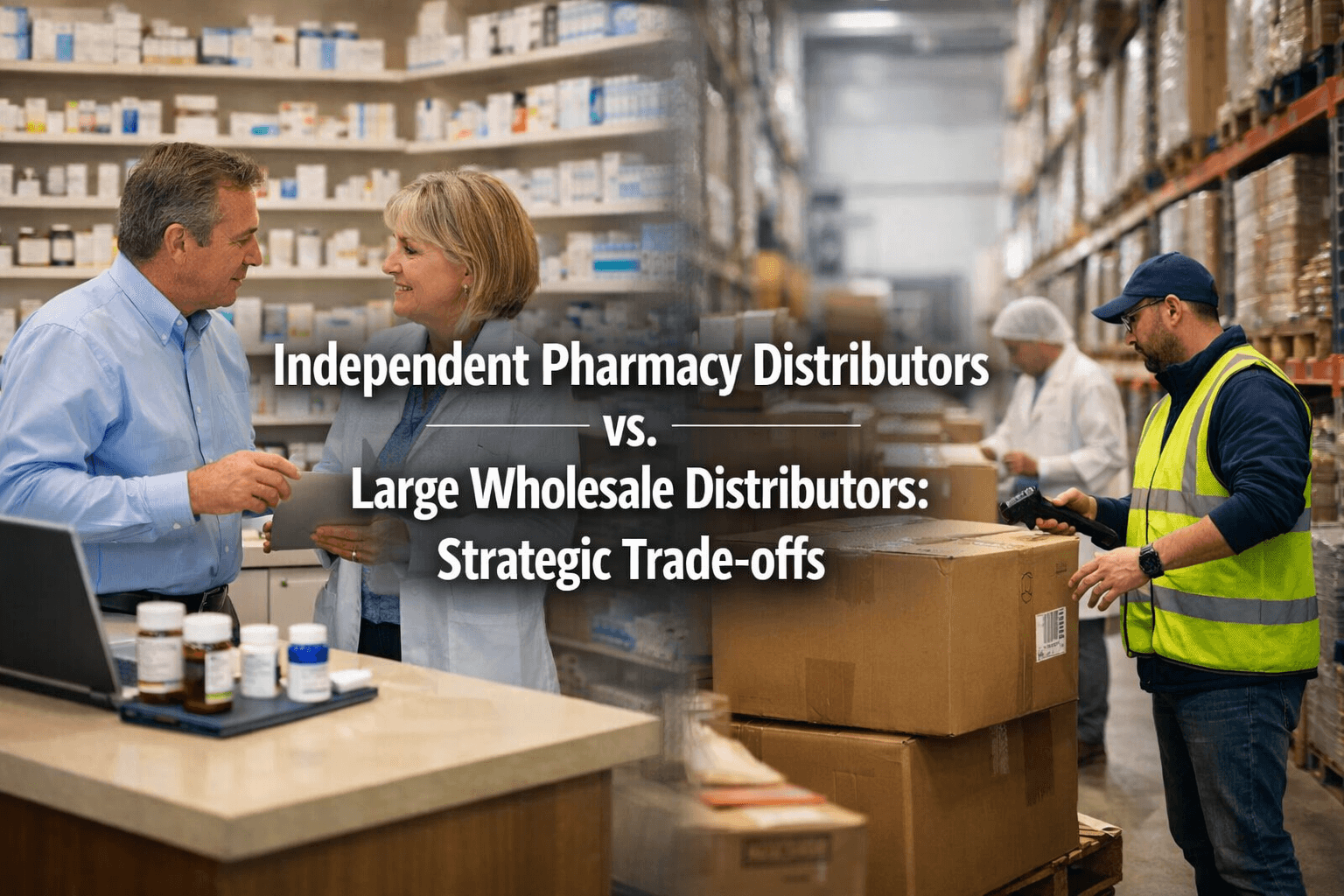
The choice between partnering with an independent distributor or a large-scale wholesale operator is a strategic decision that can define a brand’s market entry and growth trajectory in Malaysia. Each model offers distinct advantages and involves inherent trade-offs, making the “best” choice highly dependent on a brand’s specific goals, product portfolio, and stage of development.
Independent pharmacy distributors typically operate with a regional or localized focus, perhaps excelling in East Malaysia (Sabah & Sarawak) or specific states like Penang or Johor. Their primary strength lies in flexibility and tailored service. They can offer dedicated account management, custom logistics solutions, and a willingness to champion niche or novel products, such as a local brand of Tongkat Ali capsules or a newly launched botanical sleep tea. For a startup supplement brand, this hands-on, adaptable approach can be effective for securing initial shelf space in targeted independent pharmacies or regional chains. However, potential limitations may include a narrower pharmacy footprint, less proven and scalable operational systems, and warehousing facilities that might not all be GDP-certified.
Conversely, large-scale wholesale distributors boast nationwide networks that provide immediate access to major retail chains like Guardian, Watsons, BIG Pharmacy, and Caring. Their operations are built on structured SOPs (Standard Operating Procedures), offering reliable, consistent service across hundreds of outlets. They bring strategic advantages in robust compliance departments, efficient billing and credit cycles, and sophisticated inventory reporting tools. For an established brand planning a national rollout, this scale and systemic reliability is essential. The trade-off often comes in the form of less flexibility for individual brand needs and a more standardized, less personalized service model.
| Evaluation Feature | Independent Distributors | Large Wholesale Distributors |
|---|---|---|
| Geographic Coverage | Localized / Regional Focus | National / Pan-Malaysia Network |
| Service Flexibility | High (Tailored Solutions) | Low to Medium (Standardized SOPs) |
| NPRA & Compliance Support | Hands-on, Tailored Guidance | Systematic, Structured Department |
| Ideal For | Niche Brands, New Product Launches, Regional Test Marketing | Established Brands, National Scalability, Mass-Market Rollouts |
A practical Malaysia-related scenario illustrates this choice: A Kuala Lumpur-based brand launching a new range of halal-certified vitamin gummies for children might first partner with an independent distributor to build presence in mom-and-pop pharmacies and smaller chains in the Klang Valley, refining its strategy based on direct feedback. Once proven, the brand could then engage a large wholesale distributor to execute a nationwide launch into major retail chains, leveraging their established logistics and compliance framework for efficient scale.
Learn more: Pharmacy Merchandising Tips to Improve Prescription Pickup and OTC Sales in Malaysia
Regulatory & Compliance Foundations: The Non-Negotiable Bedrock of Distribution
In the vitamin and wellness market, commercial strategy is entirely contingent on a solid regulatory foundation. The question is not if compliance matters, but how a distribution partner navigates this complex landscape to prevent commercial disaster. The bedrock of all legitimate distribution in Malaysia is the NPRA NOT registration system. Every health supplement, from multivitamin tablets to herbal capsules and functional fortified beverages, must have its notification approved before it can be legally sold. A distributor’s role here is essential—they are often the first line of defense, ensuring that a brand’s documentation is complete and accurate before submission to avoid delays or rejections. Beyond initial registration, ongoing compliance involves maintaining GDP (Good Distribution Practice) certification for warehouses, which guarantees proper storage conditions, meticulous record-keeping, and full traceability from receipt to delivery. Furthermore, distributors often conduct product label reviews to mitigate the risk of products being pulled for misleading claims, a common issue in the competitive supplement space.
The real-world implication of this is starkly visible during pharmacy audits. Major chains like Healthlane or BIG Pharmacy have stringent vendor onboarding processes that include thorough documentation checks. A brand represented by a distributor with a weak compliance history may find its products rejected at the warehouse door, unable to even reach the shelf for consideration. For instance, a Malaysian brand of probiotic sachets could face a nationwide delisting if its distributor failed to maintain the required cold chain documentation during storage and transit, rendering the products ineffective and non-compliant. Therefore, partnering with a distributor with expert, ingrained regulatory processes is a critical risk-mitigation strategy, protecting brands from seizure, fines, or damaging blacklisting.
Learn more: Do you need a license to sell supplements in Malaysia? | Cara Semak Produk Supplement Lulus KKM | Guidelines on Good Distribution Practice for Pharmaceutical Products
Ranking Methodology: The Framework for Evaluating Distribution Excellence
Determining which distributors lead the market requires a transparent and multifaceted evaluation framework, moving beyond mere size or reputation to assess tangible, operational impact. Our rankings are grounded in objective categories that reflect the real-world priorities of both brand owners and pharmacy operators in Malaysia. These criteria collectively measure a distributor’s ability to be a trusted, strategic, and effective partner in the wellness ecosystem.
The first pillar is Product Range Depth and Curation. A top distributor doesn’t just carry many SKUs; they offer a thoughtfully assembled portfolio across key categories—essential vitamins, collagen peptides, sleep aids, immunity boosters, and sports nutrition—that meets diverse pharmacy and consumer needs. The second is Pharmacy Footprint and Relationship Strength, evaluating not just the number of doors served but the quality of relationships with key accounts, from national giants like Watsons and Guardian to influential independent networks. Third, and fundamentally, is a Proven Regulatory Compliance History, assessed through NPRA engagement records, NOT approval rates, and audit results for GDP warehousing. The fourth criterion examines Operational Systems and Technological Integration, focusing on capabilities like real-time inventory tracking, automated expiry date management, efficient shrink-wrapping, and accurate, timely sales reporting. Finally, we consider Market Reputation and Stakeholder Feedback, gathering insights from pharmacists on reliability, from brand managers on communication effectiveness, and from sales teams on field support quality.
This holistic approach ensures that every distributor ranked has demonstrated excellence not in one area, but across the interconnected functions that define proven success in Malaysia’s complex pharmacy distribution landscape. It is a recognition of partners who provide more than a service—they deliver a reliable foundation for growth in the dynamic wellness industry.
Learn more: Dietary Supplements Market Size | Industry Report, 2033 | Dietary Supplements Market Size to Hit USD 430.39 Billion
The Strategic Imperative of Partner Selection in Malaysia’s Wellness Distribution Landscape
Choosing a pharmacy distributor is not merely a logistical decision; it is a strategic business commitment that fundamentally shapes a brand’s trajectory in Malaysia’s competitive wellness market. The right partner acts as a force multiplier, seamlessly integrating into your commercial engine to drive shelf presence, ensure regulatory integrity, and foster sustainable growth. Conversely, an misaligned distributor can become a critical bottleneck, introducing costly inefficiencies, compliance vulnerabilities, and frustrating gaps in retail execution that directly erode return on investment (ROI) and brand equity. This decision, therefore, demands a meticulous evaluation framework that looks beyond superficial metrics to assess deep operational capabilities and cultural alignment with your brand’s ambitions.
Learn more: The Future of Wellness Trends 2025
Core Operational Pillars: The Non-Negotiables for Distribution Excellence
The foundation of any trusted distribution partnership rests on unwavering adherence to Malaysian regulatory standards and operational robustness. In an environment where the National Pharmaceutical Regulatory Agency (NPRA) continues to heighten vigilance, especially for wellness categories, Good Distribution Practice (GDP) certification is an essential baseline, not an optional premium. This extends beyond simple warehousing to encompass the entire supply chain integrity, from receipt to delivery, ensuring products—particularly sensitive supplements—are handled under strict environmental controls. A distributor’s NPRA track record and the presence of a dedicated compliance team for fast Notification of Transfer (NOT) processing are non-negotiable indicators of their reliability and long-term viability as a partner.
Inline Checklist for Vetting Distributor Fundamentals:
Valid NPRA license and GDP-compliant warehouse facilities with documented temperature & humidity logs.
Proven NOT submission and management process with clear average turnaround times.
Robust product recall and traceability system for complete batch control.
Adequate financial stability to ensure consistent service without operational disruptions.
Navigating Malaysia’s Unique Retail Geography: From Klang Valley Hyper-Competition to East Malaysia Nuances
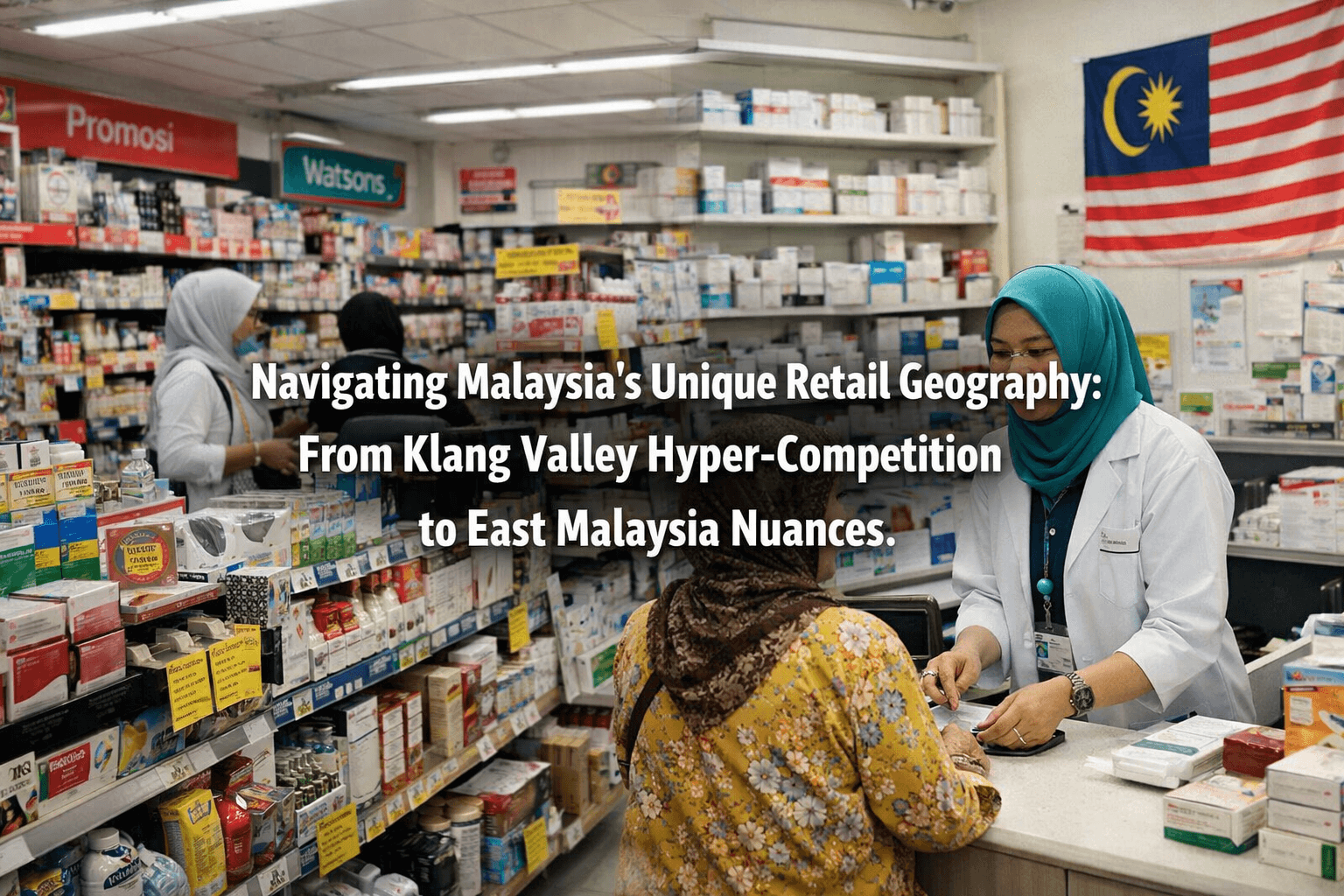
A distributor’s coverage map must be strategically aligned with your brand’s growth stage and target consumer demographics. The Klang Valley market, with its dense concentration of retail pharmacy chains like Guardian, Watsons, and Caring, represents a high-velocity but intensely competitive battlefield. Here, success hinges on a distributor’s in-store execution muscle—their ability to manage complex planogram compliance, execute promotional point-of-sale material (POSM) setups, and provide real-time sales data from these key accounts. For instance, a distributor with a dedicated, efficient in-house merchandising team can be the difference between a product being prominently displayed or lost in a crowded supplement aisle in Mid Valley Megamall.
Conversely, penetrating East Malaysia—Sabah and Sarawak—requires a tailored approach. The distribution landscape is fragmented, with unique logistical challenges and stronger relationships with independent pharmacy networks. A distributor with deep-rooted East Malaysia coverage understands these nuances, from navigating inter-state shipping to managing relationships with community pharmacists who wield significant influence over customer purchases. For a brand focusing on eldercare or maternal wellness products, a partner with this specific geographical expertise can unlock access to a loyal and growing customer base outside the peninsula’s urban centers.
The Category-Specific Support Mandate: Why Wellness Distribution Demands More
Wellness and vitamin products are not Fast-Moving Consumer Goods (FMCG) in the traditional sense. They are knowledge-driven categories where education, trust, and accessibility converge. Therefore, a proven distributor in this space offers support systems tailored to these dynamics. This includes strategic merchandising support for top-selling SKUs, sampling program management to drive trial in pharmacies, and efficient reordering systems that prevent out-of-stock situations during peak demand periods, such as the seasonal immunity boost cycle or festive gifting seasons.
From the pharmacist’s perspective, a good distributor is a resource partner. They appreciate field representatives who understand retail compliance for scheduled items and can provide expiry risk reports to optimize inventory turnover. From the brand manager’s viewpoint, the distributor is an extension of the marketing team. They need partners who can provide actionable sell-through data, not just sell-in figures, and who proactively flag competitive activity on the shelf. The lament of a senior merchandiser about a distributor unable to support “Watsons’ weekly planogram updates” is a classic example of operational misalignment that stifles brand growth at the most critical point: the point of purchase.
| Performance Indicator | Basic Distributor | Strategic Wellness Partner |
|---|---|---|
| Reporting | Monthly sell-in invoices | Detailed sell-through analytics & retail insights |
| Merchandising | Optional, outsourced service | In-house, trained team for planogram compliance |
| Inventory Management | Basic expiry alerts | Proactive expiry risk mitigation & automatic rotation |
| Retailer Relationship | Transactional | Advisory & collaborative with key pharmacy staff |
| Compliance Focus | NPRA documentation only | Holistic GDP + in-store audit readiness |
Future-Proofing Your Partnership: The 2026 Horizon and Beyond
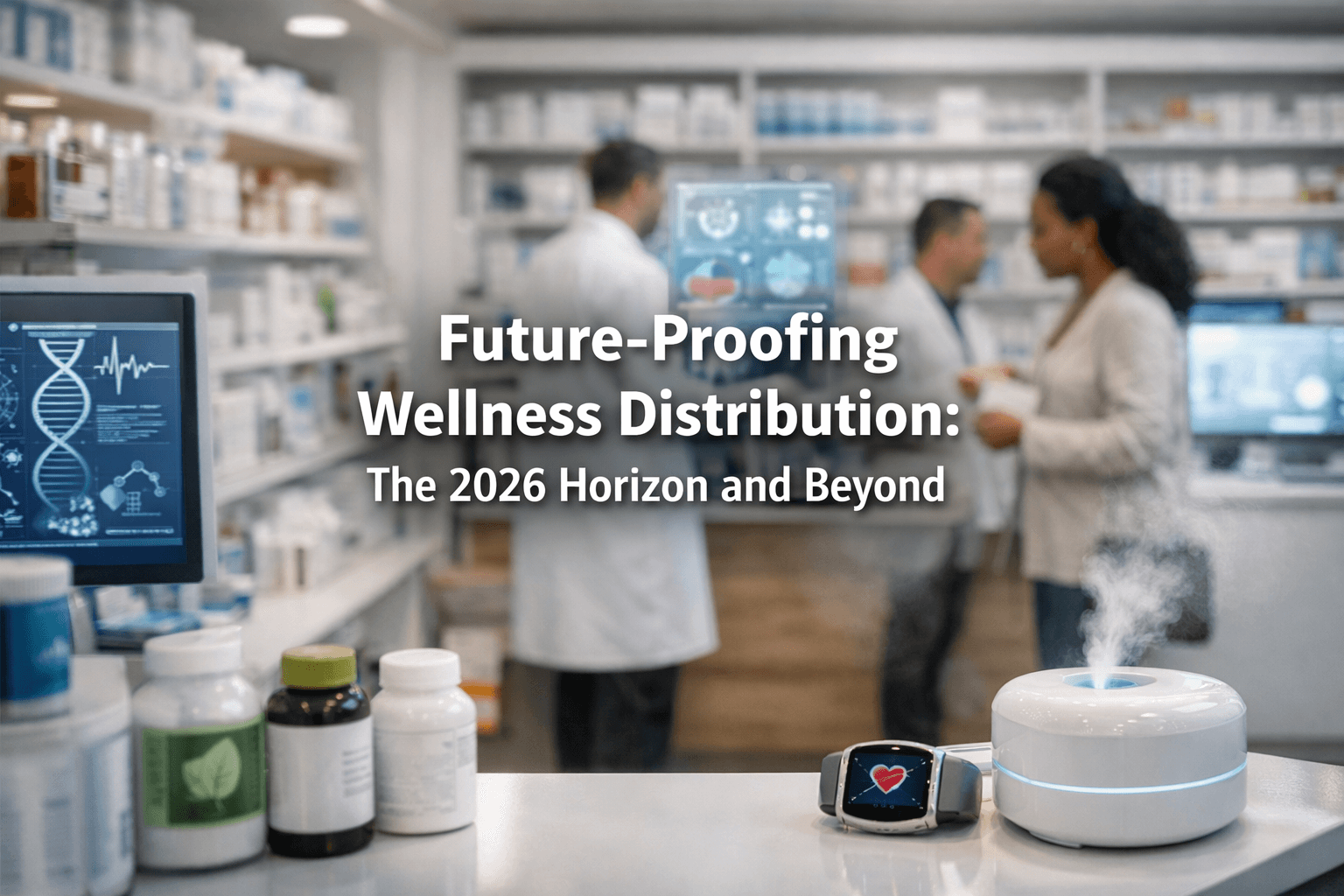
The trajectory of pharmacy distribution in Malaysia is being reshaped by digital integration and elevated quality standards. Stricter NPRA documentation checks will become routine, even for top-selling supplements, demanding flawless digital audit trails. The shift towards digital pharmacy integrations means leading distributors must now sync seamlessly with pharmacy management systems, providing real-time sales data that enables predictive restocking and dynamic inventory management. Furthermore, cold-chain warehousing is transitioning from a premium value-add for certain probiotics or liquid supplements to a standard operational expectation for a broader range of wellness products to guarantee potency.
Brands that proactively select data-capable, digitally agile distributors will scale with remarkable efficiency. This is especially critical as major retail chains move towards fully digital stock audits and AI-driven shelf management. The wellness category has decisively moved from a side business to a core growth driver for pharmacies. Your distribution partner must not only understand this shift but possess the strategic vision and technological infrastructure to help you capitalize on it across every tier of the Malaysian market.
Learn more: The World Market for Consumer Health
Frequently Asked Questions (FAQ)
Q1: Which supplement brand is best in Malaysia?
Answer: There is no single “best” brand for everyone. In Malaysia, well-established supplement brands are typically those with NPRA approval, consistent quality control, and strong presence in pharmacies. The best choice depends on formulation, compliance, and suitability for individual health needs.
Q2: Who is the biggest manufacturer of vitamins?
Answer: Globally, large multinational manufacturers dominate vitamin production, supplying both branded and private-label products. In Malaysia, most vitamins are either imported from established international manufacturers or produced locally under licensed GMP-certified facilities.
Q3: How big is the supplement market in Malaysia?
Answer: Malaysia’s supplement market is sizeable and growing steadily, driven by ageing demographics, preventive healthcare awareness, and rising demand for vitamins, probiotics, and wellness products across pharmacies and online channels.
Q4: Which is the No. 1 multivitamin brand?
Answer: There is no official No. 1 multivitamin brand, as rankings vary by sales channel, consumer segment, and year. Pharmacy sales data and consumer trust surveys are typically used to assess relative performance.
Q5: What is the most trusted brand for vitamins?
Answer: Trusted vitamin brands are usually those with long market presence, transparent labelling, NPRA registration, and recommendations from healthcare professionals rather than heavy marketing alone.
Q6: Which brand is famous in Malaysia?
Answer: Several international and regional supplement brands are well-known in Malaysia due to wide pharmacy distribution, consistent availability, and long-term consumer recognition.
Q7: Is Swisse or Blackmores better?
Answer: Both are established international brands with strong quality standards. Neither is universally “better”; the choice depends on specific formulations, ingredient sourcing, dosage, and individual health requirements.
Q8: What are the big 3 supplements?
Answer: Commonly referenced “big three” supplements are multivitamins, vitamin C, and omega-3, as they address general nutrition, immunity, and heart health needs.
Q9: How do I know if a supplement brand is good quality?
Answer: A good-quality supplement brand should have NPRA approval, GMP manufacturing standards, clear ingredient disclosure, realistic health claims, and consistent batch traceability.
Q10: What is the number one selling supplement brand?
Answer: The top-selling supplement brand varies by year and retail channel. Sales leadership often differs between chain pharmacies, independent pharmacies, and e-commerce platforms.
Our Services
Our marketing and sales teams use their strong relationships with the channel to create demand for your product at every stage of its lifecycle.
Demand creation services we offer:
Market Access Services
Regulatory Registration Services
Pharma Product Listing Services
Merchandising services (RSMS)
Brand Management
Logistic & Warehousing
Exclusive Merchandising Services
Visual Merchandising
Discover More About Our Solution
How PriooCare Can Help
If you found this article useful, see how we put these insights into practice for our clients:
Or contact our team for a tailored consultation.
How can we assist you today? 😊
Just let us know—we’re here to help!