

February 12, 2026
Learn more : Guideline on Good Distribution Practice (GDP), 3rd Edition | Top 10 Pharmacy Distributors in Malaysia Ranking (2026 Edition)
Learn more : Top 10 Pharmacy Distributors in Malaysia for Reliable and Cost-Effective Services
Learn more : How Medtech Companies Can Create Value via Inventory Optimization
Learn more : Healthcare Supply Chain Management Trends Report
Independent Pharmacy Distributor vs. Large Pharmacy Wholesale Distributors: A Strategic Balance for Malaysia
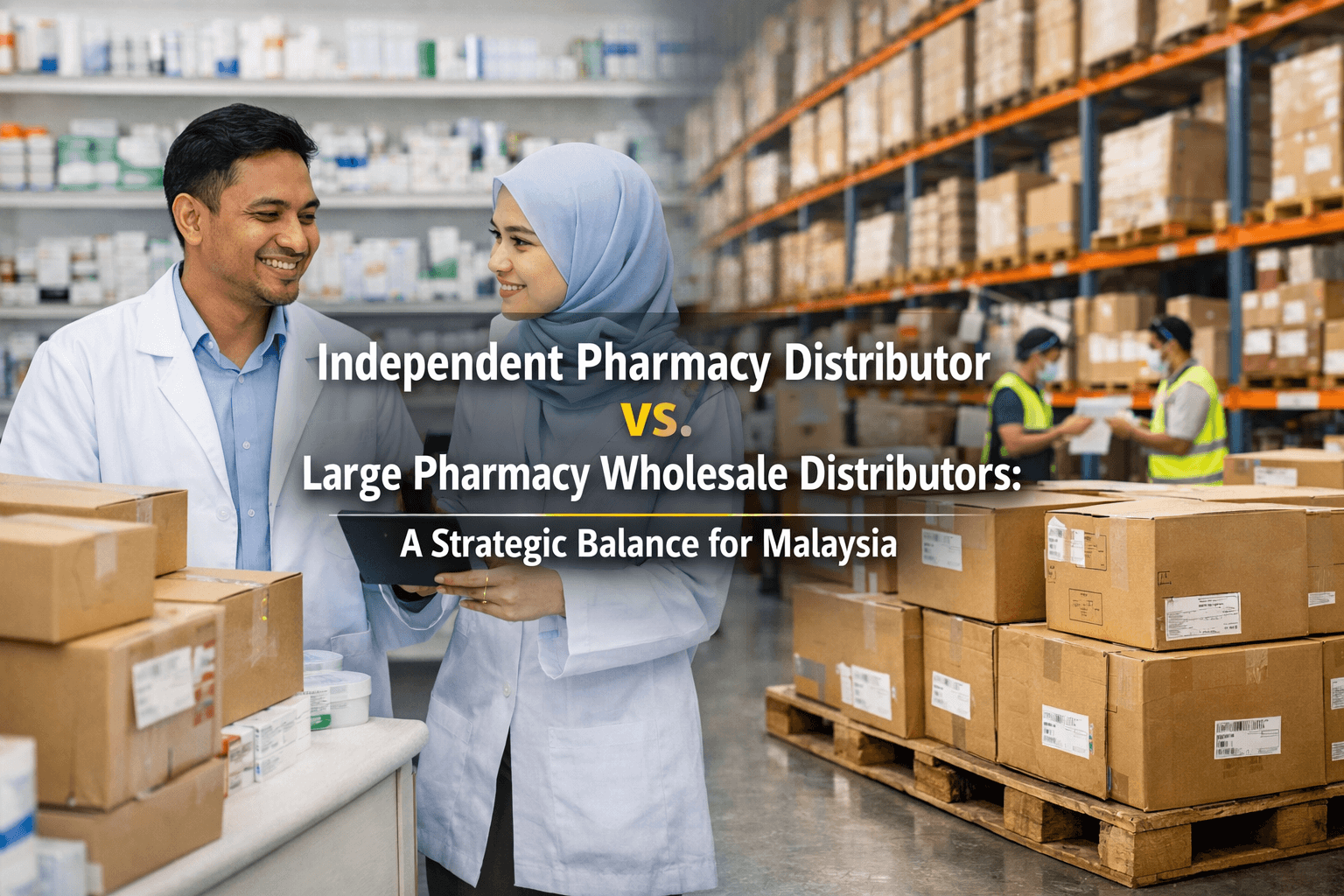
The decision between partnering with an independent pharmacy distributor or a large-scale wholesale distributor ultimately hinges on a single, strategic question: When does specialized agility provide a greater competitive edge than broad-scale efficiency? In Malaysia’s diverse and rapidly evolving pharmaceutical landscape, both models fulfill essential yet distinct roles. The proven path to success lies not in choosing one over the other universally, but in meticulously aligning your pharmacy’s or clinic’s specific operational needs, growth stage, and market philosophy with the strengths of each distribution archetype. This choice becomes a cornerstone of your business resilience, directly influencing everything from day-to-day stock availability to long-term brand protection.
Understanding the Core Strengths of an Independent Distributor
Independent distributors in Malaysia often operate as regional specialists or niche market experts. Their operational model is fundamentally built on flexibility and deep local knowledge, making them a trusted partner for many community pharmacies and smaller clinic chains. Their agility is their greatest asset, allowing them to cater to specific, localized demands that larger entities might overlook. For instance, an independent distributor in Kota Bharu might carry a more curated range of products relevant to the local population’s health profile, such as specific traditional and complementary medicine (TCM) lines or pediatric formulations in high demand within the community. This tailored approach extends beyond product selection to service terms, including more negotiable payment cycles, willingness to handle smaller or more frequent orders, and a heightened ability to customize delivery schedules around a pharmacy’s unique operating hours.
The Strategic Value of Large Wholesale Distributors
Conversely, large wholesale distributors are engineered for volume, consistency, and national reach. Their supply chain infrastructure is optimized for moving vast quantities of products efficiently across the entire country, from Johor Bahru to Kuala Lumpur and up to Penang. This model provides reliable, standardized service that is indispensable for large retail pharmacy chains, hospital networks, or any operation requiring a consistent supply of high-volume fast-moving consumer health goods (FMCHG). Their strength lies in economies of scale, which can sometimes translate into more competitive pricing for standard items and the logistical capability to ensure product availability even during peak demand periods. A major chain like Caring or BIG Pharmacy relies on these distributors for the core inventory that fills their shelves predictably and efficiently, supported by structured, system-driven processes.
Comparative Framework: Choosing Your Strategic Fit
| Strategic Consideration | Independent Distributor | Large Wholesale Distributor |
|---|---|---|
| Market Focus & Responsiveness | High; excels in regional or niche markets (e.g., East Malaysia-specific needs). | Moderate; prioritizes national consistency over hyper-local customization. |
| Service Flexibility & Terms | High; often negotiable payment timelines, custom delivery, and stock mixes. | Low to Moderate; standardized terms optimized for volume efficiency. |
| Value-Added Services | Tailored account support; deep knowledge of local pharmacy workflows. | Structured merchandising support, marketing collateral, and national campaign execution. |
| Risk & Compliance Profile | Can be lower contractually due to smaller volumes; dependent on the distributor’s own rigor. | Inherently higher exposure due to volume, but mitigated by robust, investor-grade compliance systems. |
Applying the Framework to the Malaysian Context
Consider the perspective of a burgeoning independent pharmacy in Shah Alam aiming to differentiate itself. Partnering with a large wholesaler ensures they get their paracetamol and multivitamins reliably. However, to stock unique dermatological cosmeceuticals or specialized orthopedic supports that attract a dedicated clientele, they may need the curated portfolio and importer relationships of an independent distributor. This dual-partner strategy is common and effective, allowing pharmacies to balance core availability with niche differentiation.
From a brand manager’s viewpoint, the choice is equally strategic. Launching a new prescription skincare line requires educational detail and careful placement. An independent distributor with strong relationships and expert merchandisers in premium Kuala Lumpur pharmacies might offer a more effective market entry than a broad-scale wholesaler. However, for maximizing the reach of a new over-the-counter (OTC) cough syrup, the national distribution network of a large wholesaler is undoubtedly the proven channel for rapid shelf presence.
Compliance, Risk Management, and Brand Protection: The Non-Negotiable Pillars for 2026
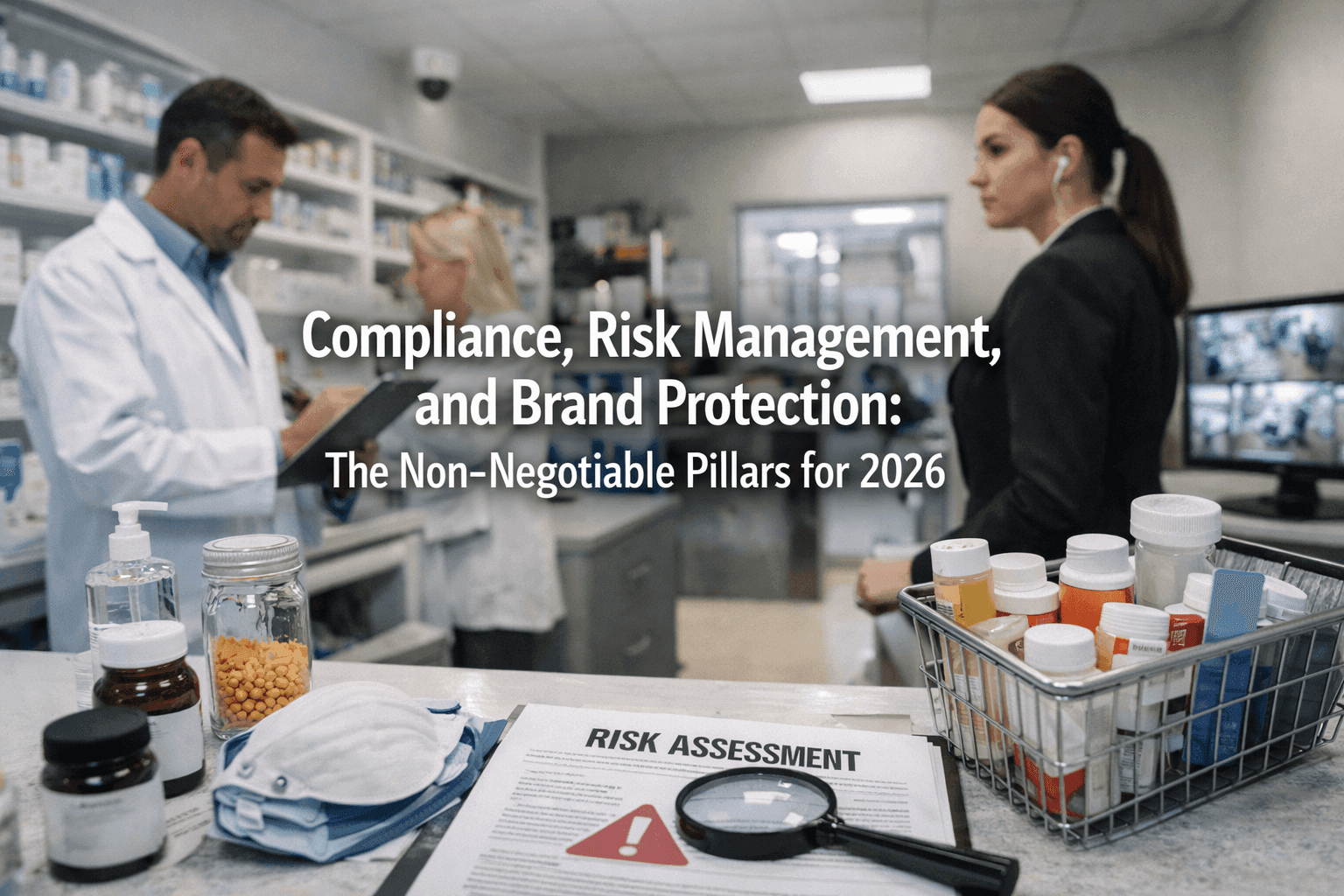
Looking ahead to 2026, regulatory compliance in Malaysia’s pharmaceutical sector transcends a mere box-ticking exercise; it is the very foundation of operational legitimacy and brand equity. The consequences of partnering with a non-compliant distributor have escalated from inconvenient to existential, encompassing severe NPRA (National Pharmaceutical Regulatory Agency) sanctions, irreversible damage to patient and healthcare professional trust, and significant financial liability. The risks are not abstract—they are daily operational hazards that can manifest through delayed Good Distribution Practice (GDP) documentation, lapses in cold chain integrity for thermolabile products, or inadequate batch traceability systems that fail during a critical recall.
Deconstructing Real-World Compliance Risks in Malaysia
The compliance landscape is fraught with specific pitfalls that Malaysian pharmacy owners must vigilantly guard against. One prevalent risk is the inadvertent procurement of products with expired or near-expiry MAL numbers—the product registration identifier mandated by the NPRA. This often occurs when a distributor’s stock-keeping unit (SKU) monitoring is lax, allowing outdated inventory to circulate. Another critical vulnerability lies in documentation breakdowns. In the event of a batch recall, a distributor with poor audit trails cannot promptly identify which pharmacies received the affected products, leading to delayed containment and amplified public health risks. Furthermore, the use of non-GDP certified vehicles for transporting cold chain products like insulin or certain vaccines remains a persistent threat, compromising product efficacy and patient safety directly.
How Leading Distributors Mitigate Risk and Build Trust
Top-tier pharmacy distribution service providers have transformed compliance from a back-office function into a core, client-facing value proposition. They proactively mitigate risk through several non-negotiable practices:
Maintaining immaculate, real-time audit trails for every product movement, from receipt to delivery.
Implementing shared regulatory SOP portals that keep pharmacy clients informed and audit-ready.
Investing in dedicated compliance teams whose sole focus is navigating the evolving NPRA and GDP requirements.
From the pharmacist’s perspective, this rigorous approach is not a luxury but a strategic necessity. It directly reduces their legal exposure and administrative burden, allowing them to focus on patient care rather than regulatory firefighting. For the brand manager, a distributor’s compliance pedigree is inseparable from brand protection. Entrusting a high-value product to a partner with weak controls risks counterfeiting, diversion, or mishandling—all of which can destroy brand reputation overnight. Therefore, evaluating a distributor’s risk management framework is as important as evaluating their price list.
Learn more : Global Pharmaceutical Supply Chain Solutions | Trends Shaping Independent Pharmacy Distribution in 2025
A Practical Guide to Vetting Your Next Distribution Partner in Malaysia
With a crowded marketplace of distributors, the selection process demands methodical due diligence that looks far beyond marketing promises and introductory pricing. The ideal distributor pharmacy partner functions as a seamless extension of your own operations, meaning their capabilities must be scrutinized with the same rigor you apply internally. Skipping this essential step in the name of speed or cost can lead to costly operational downtime, compliance failures, and strained patient relationships when essential medicines are out of stock.
The Due Diligence Checklist: Beyond the Brochure
Pharmacies and clinics must adopt a structured approach to partner evaluation. This involves moving from passive review to active investigation. Key steps include:
Verifying foundational licenses: Always request and physically cross-check copies of the potential partner’s valid NPRA Type A wholesale license and relevant GDP certifications. Do not accept verbal assurances.
Assessing operational transparency: Request a demo of their pharmacy portal or platform. Can you see real-time stock levels, track deliveries live, and access clear, automated invoicing? This transparency is a hallmark of a reliable partner.
Conducting a site visit: An unannounced or scheduled visit to their primary warehouse is invaluable. Look for organized storage, clearly demarcated quarantine areas for non-compliant stock, and the condition and monitoring systems of their cold chain units.
Evaluating commercial alignment: Scrutinize trading terms, payment timelines, and minimum order values. Do they align with your cash flow? Understand their product category strengths—are they experts in chronic disease medications, OTC, or medical devices?
Aligning Partner Capabilities with Your Business Trajectory
Your final choice must be a strategic fit for where your business is heading, not just where it is today. A large clinic chain planning aggressive expansion across multiple states will need a partner with the infrastructure scalability and national logistics footprint to support that growth consistently. Conversely, a specialty pharmacy focusing on oncology or rare diseases requires a distributor with tailored handling protocols, special license capabilities, and the flexibility to manage high-value, low-volume products. The distributor’s technological investment is also a critical differentiator. In 2026, platforms that offer predictive analytics for stock replenishment, integration capabilities with your pharmacy management system, and digital batch documentation are not fancy extras—they are tools for building a future-proof and efficient supply chain.
Frequently Asked Questions (FAQ)
Q1: Who are the top 3 drug distributors?
Answer: The global top three drug distributors—often called the “Big 3 wholesalers”—are McKesson, AmerisourceBergen, and Cardinal Health. Together, they control a large share of pharmaceutical distribution in the United States and influence global supply chains.
Q2: What are the top 5 pharmacies in Malaysia?
Answer: The most prominent retail pharmacy chains in Malaysia are Watsons Malaysia, Guardian Malaysia, Caring Pharmacy, BIG Pharmacy, and Health Lane Pharmacy.
Q3: Which is the largest retail pharmacy in Malaysia?
Answer: Watsons Malaysia is widely regarded as the largest retail pharmacy chain in Malaysia, based on nationwide store count, sales volume, and strong presence in health, beauty, and OTC categories.
Q4: Who is the largest pharmaceutical distributor in the world?
Answer: McKesson is considered the largest pharmaceutical distributor globally, measured by revenue and distribution scale across medicines, medical supplies, and healthcare services.
Q5: Who is the largest medical distributor?
Answer: McKesson also ranks as the world’s largest medical distributor, supplying pharmaceuticals, medical devices, and healthcare systems worldwide.
Q6: Who are the big 3 distributors?
Answer: The “Big 3 distributors” refers to McKesson, AmerisourceBergen, and Cardinal Health, which dominate pharmaceutical wholesale distribution in North America.
Q7: Who are the big 3 pharmacies?
Answer: In Malaysia, the three most dominant pharmacy chains by scale and visibility are Watsons Malaysia, Guardian Malaysia, and Caring Pharmacy.
Q8: Who are the big 5 in pharma?
Answer: The “Big 5” pharmaceutical companies globally are Pfizer, Roche, Johnson & Johnson, Novartis, and Merck & Co., based on revenue and R&D impact.
Q9: What are the top 10 drug companies?
Answer: Globally recognized top drug companies include Pfizer, Roche, Johnson & Johnson, Novartis, Merck & Co., AbbVie, Sanofi, AstraZeneca, Bristol Myers Squibb, and GlaxoSmithKline.
Q10: Who are pharmaceutical distributors?
Answer: Pharmaceutical distributors are licensed wholesalers that store, transport, and supply medicines from manufacturers to pharmacies, hospitals, and clinics, ensuring regulatory compliance, cold-chain integrity, and reliable medicine access.
How can we assist you today? 😊
Just let us know—we’re here to help!