

December 1, 2025
What truly separates a trusted distributor from the rest in Malaysia’s competitive healthcare landscape? In a sector where a single delay or temperature excursion can have significant consequences, the role of pharmacy distributors becomes absolutely essential. These entities form the invisible backbone of our healthcare system, ensuring that every product—from critical prescription drugs to everyday wellness supplements—reaches the end patient safely, efficiently, and on schedule. This isn’t merely about transportation; it’s about maintaining a robust supply chain built on precision, compliance, and unwavering reliability. Across the nation, a diverse network of players, including independent pharmacy distributors, distributor pharmacies, and large-scale pharmacy wholesale distributors, collaborates to sustain this vital flow. They are the operational experts managing complex cold-chain logistics, verifying products with valid KKM registration, and working directly with pharmacists and brand managers to ensure retail shelves are never empty. This intricate dance, performed behind the scenes, is what keeps Malaysia’s pharmaceutical ecosystem healthy and responsive.
Understanding the Framework: How Malaysia’s Pharmacy Distribution Operates
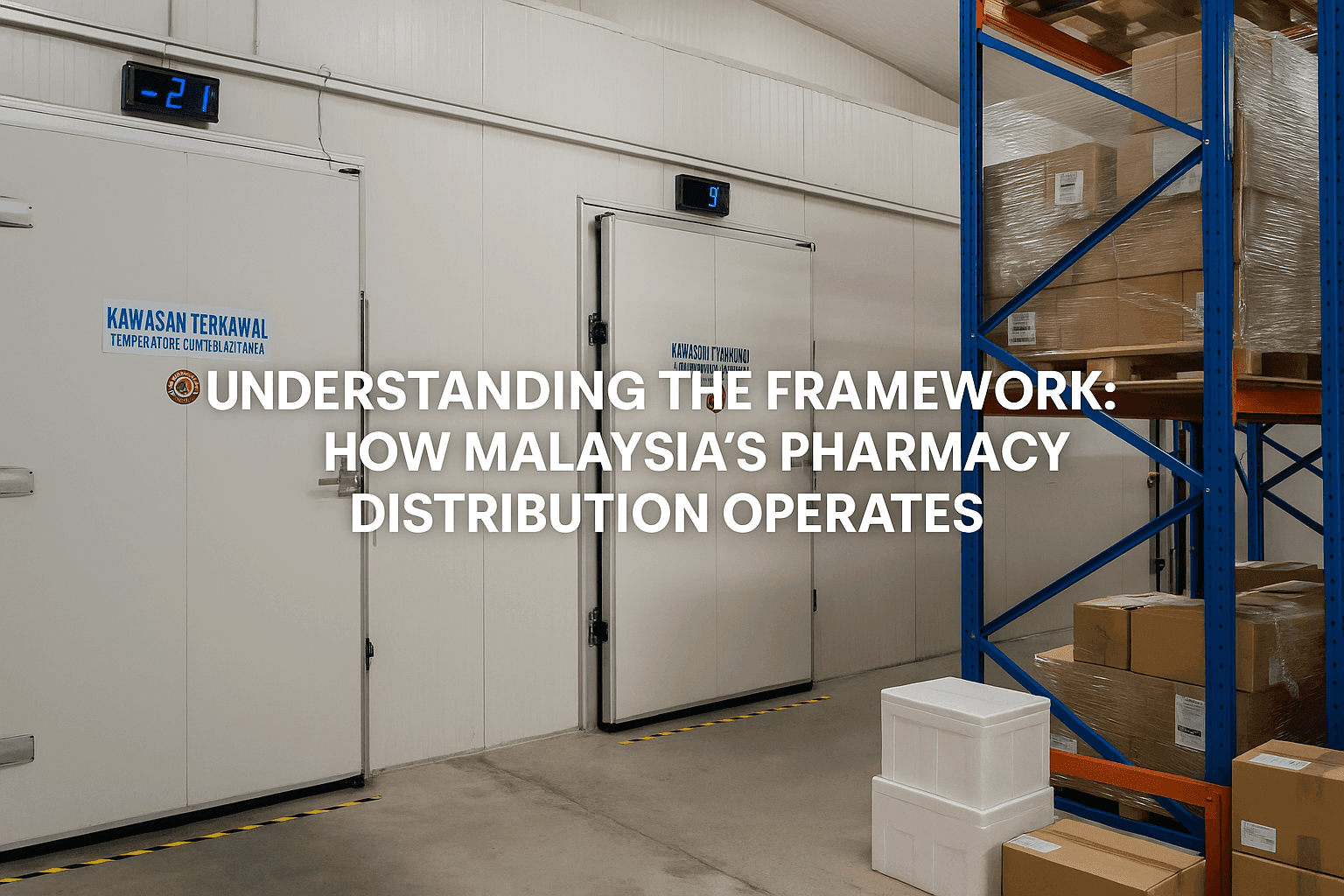
How does Malaysia ensure the integrity of a pharmaceutical product from the manufacturer’s door to the pharmacy shelf? The answer lies within a tightly controlled and highly strategic distribution framework overseen by key regulatory bodies. The Ministry of Health (MOH) and the National Pharmaceutical Regulatory Agency (NPRA) set the stringent rules that every distributor must follow. The cornerstone of this system is Good Distribution Practice (GDP), a set of quality guidelines that guarantee medicines and health products maintain their safety, quality, and efficacy throughout the entire logistics journey. This means that trusted distributors invest heavily in temperature-controlled warehouses, advanced digital inventory management systems, and route-optimized delivery fleets to meet these standards. Larger players often boast nationwide networks, while smaller independent pharmacy distributors frequently carve out a specialized niche, focusing on specific therapeutic areas like skincare, nutraceuticals, or OTC wellness products. These independents often serve regional or rural areas where the large corporations may not have a dense presence, ensuring comprehensive market coverage. In this context, regulatory compliance is far more than just administrative paperwork; it is the very foundation of a distributor’s reputation and the primary reason they earn the trust of pharmacists and brand owners alike.
The operational landscape of pharmacy distribution service in Malaysia also vividly reflects the country’s cultural and geographical diversity. Consider the contrasting demands: urban pharmacy chains in Kuala Lumpur or Penang require high-volume, just-in-time deliveries to keep pace with rapid consumer turnover and limited backroom storage. Conversely, rural community pharmacies in Sabah or Sarawak rely on efficient regional partners who can navigate logistical challenges to ensure a consistent and reliable supply of essential goods. This duality has fostered a distribution model that is not only tailored to local needs but also remarkably resilient. It is a proven system, demonstrating that pharmacy logistics in Malaysia are both sophisticated and highly adaptable to real-world challenges, seamlessly connecting urban centers with remote communities.
The Hallmarks of a Trusted Pharmacy Distributor
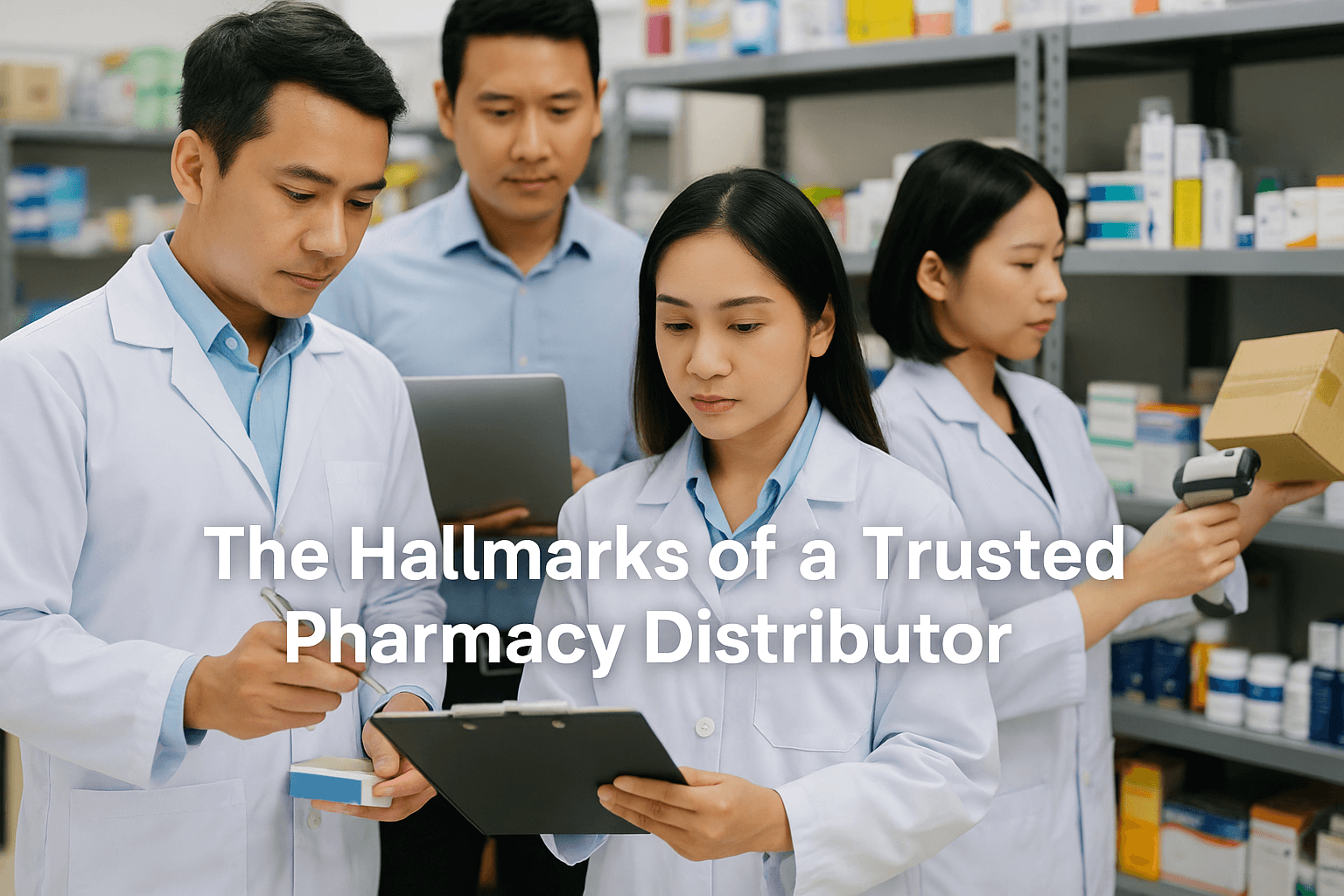
What specific metrics and qualities differentiate an average logistics provider from a truly strategic distribution partner? In Malaysia’s high-stakes healthcare sector, credibility is not assumed; it is earned through measurable performance and demonstrable expertise. Several key performance indicators act as a report card for any pharmacy wholesale distributor aiming to be considered a reliable partner. These indicators provide a clear framework for evaluation.
First and foremost is an unwavering commitment to regulatory compliance. This goes beyond mere possession of a license; it involves a deep-seated culture of adhering to GDP guidelines and NPRA regulations, ensuring the authenticity and traceability of every single product batch. Next is delivery consistency, which is measured by on-time-in-full (OTIF) shipment rates and supported by transparent, real-time tracking systems that all stakeholders can access. Then there is product integrity, a non-negotiable factor, especially for cold-chain pharmaceuticals that require uninterrupted temperature monitoring from the warehouse to the delivery point. Furthermore, market reach is a critical differentiator; a distributor with strong coverage across both Peninsular and East Malaysia offers far greater value than one confined to a single region. Finally, relationship management encompasses responsive communication, proactive problem-solving, and a collaborative approach to working with pharmacists and brand managers.
From the perspective of a brand manager, a dependable distributor is one that minimizes operational friction. This means no unexpected stock-outs that damage brand reputation, no delayed invoices that disrupt accounting, and no compliance issues that risk product recalls. They value a partner that functions as an extension of their own team. For the pharmacist on the front line, the priorities are different but equally vital. They value distributors who understand the practicalities of shelf planning and merchandising flow, who deliver products in a way that makes restocking efficient, and who provide accurate product information. Meanwhile, from a logistics and IT standpoint, evaluation focuses on the distributor’s technological backbone: the level of warehouse automation, the seamlessness of ERP integration, and the use of AI-based demand forecasting tools.
Checklist for Selecting a Pharmacy Distributor in Malaysia:
Verified GDP & NPRA Compliance: Full and auditable documentation for all products.
Proven Delivery Track Record: Consistently high on-time delivery rates (>95%).
Robust Cold-Chain Infrastructure: Real-time temperature monitoring and validated packaging.
Comprehensive Nationwide Coverage: Proven ability to serve both Peninsular and East Malaysia.
Advanced Digital Visibility: Access to a real-time portal for inventory and order tracking.
Strategic Communication: Dedicated account managers and responsive support teams.
To provide a clearer comparative view, the following table outlines how high-performing distributors consistently exceed the capabilities of average performers across several key metrics:
| Evaluation Metric | High-Performing Distributors | Average Performers |
|---|---|---|
| NPRA/GDP Compliance | 100% verified, audit-ready records | Partial documentation, occasional lapses |
| Delivery Timeliness | >95% on-time in-full (OTIF) rate | 70–80% on-time rate, inconsistent |
| Inventory Visibility | Real-time digital portal with API integration | Manual email or phone-based updates |
| Nationwide Coverage | Strategic network across Peninsular + East Malaysia | Limited primarily to Peninsular urban centers |
| Collaboration Approach | Strategic & expert partner offering market insights | Purely transactional relationship |
An efficient, proven, and expert distributor does not simply function as a movers of boxes. They act as guardians of brand value, ensuring that every product arrives in perfect condition, on time, every time, thereby building a foundation of consistency and accountability that the entire healthcare supply chain can rely upon.
A Closer Look at Malaysia’s Top Pharmacy Distributors
Which organizations have set the benchmark for reliability and excellence within the Malaysian pharmaceutical distribution landscape? The following ranked overview highlights companies that have been consistently recognized for their operational scale, deep regulatory compliance expertise, and long-term, collaborative partnerships with leading retail pharmacies and healthcare institutions. These distributors represent the gold standard in the industry.
Zuellig Pharma Malaysia Sdn Bhd: A regional powerhouse known for its efficient supply chain solutions and deep-rooted compliance expertise. Their investment in temperature-controlled logistics and digital infrastructure makes them a trusted partner for many multinational corporations.
DKSH Malaysia Sdn Bhd: This player stands out for providing tailored market access and comprehensive merchandising support for both pharmaceutical and consumer health brands. Their strategic approach helps brands navigate the complexities of the local market.
Pharma Niaga Logistics: As a trusted subsidiary, their focus is squarely on hospital and retail drug distribution nationwide. They have built a reputation for reliability in handling essential medicines.
Alpro Pharmacy Distribution Centre: This entity successfully balances its own in-house retail logistics with expert partnerships for external brands. Their integrated model offers unique insights into both retail and distribution dynamics.
Pharmaniaga Berhad: One of Malaysia’s largest and most proven pharmaceutical logistics networks, with extensive reach and a long-standing history of serving the public and private sectors.
Metro Healthcare Distribution: Recognized for its strategic expansion beyond traditional pharmaceuticals into the growing medical devices and OTC sectors, showcasing an adaptive business model.
PriooCare Malaysia: An excellent example of a successful independent pharmacy distributor specializing in niche channels like nutraceuticals and skincare. They provide vital pharmacy merchandising and retail brand development support for emerging brands.
Sunward Pharma Sdn Bhd: This company combines its own manufacturing strength with a reliable national distribution coverage, offering a vertically integrated solution for certain product lines.
Big Pharmacy Supply Chain Division: Operating as the backbone of its franchise network, this division offers efficient, data-driven order fulfillment that directly supports the rapid growth of its retail outlets.
Guardian Retail Logistics: They exemplify integration by merging retail forecasting directly with distributor coordination, a system designed to ensure continuous shelf availability and minimize stockouts.
The common thread weaving through each of these top-tier pharmacy wholesale distributors is a steadfast commitment to creating trusted, compliant, and adaptive delivery systems. They do not merely react to market demands; they anticipate them, thereby strengthening the very framework of Malaysia’s healthcare ecosystem through their strategic operations and local insight.
Learn more: Top 10 Pharmaceutical Companies in Malaysia 2024
The Tangible Value of a Reliable Distributor Pharmacy Partnership
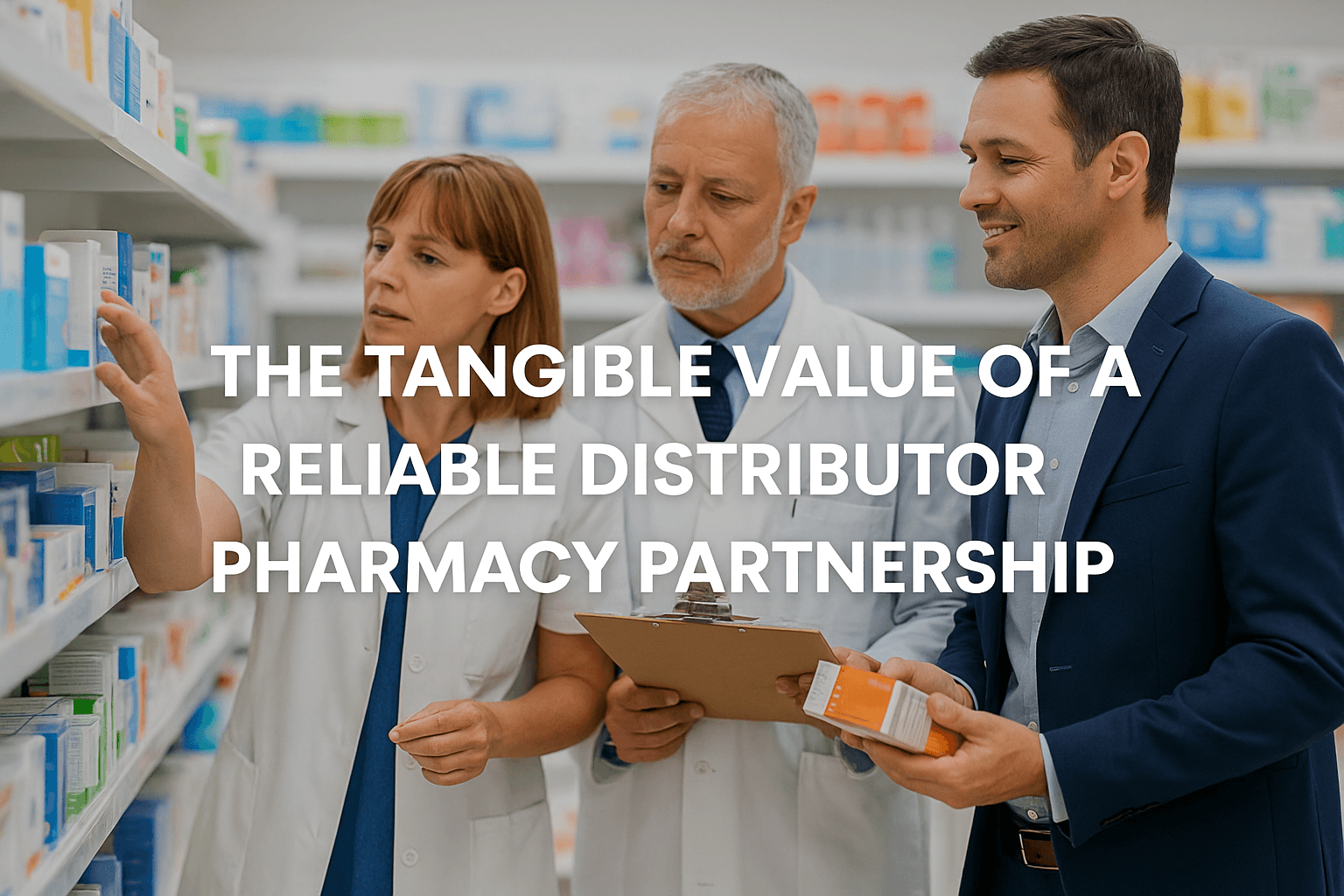
Why should a pharmaceutical, skincare, or nutraceutical brand prioritize a deep collaboration with a reliable distributor pharmacy? The reasoning is simple yet profound: in the mind of the consumer, consistent product availability is directly linked to brand trust.
A distributor pharmacy does much more than ensure a steady supply of goods; it operates as a critical intelligence hub, gathering and disseminating valuable feedback from pharmacists and real-time sales data from the front lines. This flow of information is essential for brands looking to optimize their merchandising strategies, adjust product positioning on shelves, and plan effective seasonal promotional campaigns. Consider a Malaysian-specific scenario: when a popular brand of health tonic or wellness drink experiences a surge in demand during the Ramadan and Hari Raya festive period, a proactive distributor alerts both the brand and retailers well in advance, enabling strategic stockpiling and preventing frustrating stock shortages that can push consumers to competing brands.
From the pharmacist’s perspective, the value of a dependable distributor is measured in daily operational smoothness. It means their shelves remain fully stocked, product information is always current, and their customers rarely, if ever, encounter “out-of-stock” notices for their preferred items. This reliability allows pharmacists to focus on their primary role: patient care. For the brand manager, this partnership translates to a significant reduction in operational firefighting. Instead of spending time chasing shipments or managing allocation crises, they can focus on higher-level strategic activities like market expansion and brand building. Furthermore, the pharmacy merchandising services often provided by these distributors—such as planogram design, promotional material placement, and in-store visual audits—have a direct and measurable impact on sales uplift. The most efficient distributors enhance this collaboration further by integrating digital dashboards, allowing both the brand and the pharmacist to track inventory levels and demand patterns simultaneously and transparently. In essence, moving beyond a simple transactional relationship to a partnership with a trusted, efficient, and expert distributor pharmacy transforms basic logistics into a powerful competitive advantage, built on a foundation of shared market intelligence and mutual success.
Learn more: Pharmacy Merchandising Services vs In-House Sales Teams: What Works Better?
The Strategic Advantage of Independent Pharmacy Distributors
Can smaller, more agile distribution players genuinely compete with and even outperform large corporate giants? In many segments of the Malaysian market, the answer is a resounding yes. Independent pharmacy distributors fulfill a critical and often overlooked role by filling gaps that larger, less flexible networks cannot adequately service. These nimble firms provide tailored solutions specifically designed for emerging brands or specialized product lines, such as premium probiotics, traditional herbal formulations, or niche skincare ranges. Their strength lies in their deep understanding of local market nuances. An independent distributor based in Kelantan, for example, will have an intimate knowledge of the specific consumer preferences and buying patterns within that community, enabling them to supply and support boutique wellness outlets that larger distributors might overlook. This hyper-local focus builds a level of trusted connection that national players often struggle to achieve.
The strategic advantage of these independents is rooted almost entirely in their operational flexibility. They can typically offer quicker onboarding processes for new brands, adapt minimum order quantities (MOQs) to suit smaller pharmacy clients, and maintain closer, more personal relationships with individual pharmacists. This often extends to providing hands-on pharmacy merchandising services, ensuring that shelf placement and product visibility are perfectly aligned with the specific customer flow of a particular store. However, this independence also brings its own set of responsibilities and challenges. Maintaining GDP-compliant storage facilities without the economies of scale of a large corporation requires significant investment and diligence. Similarly, managing consistent cash flow and ensuring transparent invoicing are operational hurdles that smaller distributors must overcome. Many have adopted innovative hybrid models, partnering with regional logistics specialists or leveraging third-party warehouses to balance their autonomy with the rigorous demands of regulatory compliance. For Malaysian brand owners aiming to expand beyond the saturated Klang Valley market, aligning with a proven independent pharmacy distributor can be an incredibly effective and efficient strategy for penetrating underserved territories and building a loyal customer base in East Malaysia or less urbanized states.
The Non-Negotiable Foundation: Compliance, Transparency, and Distribution Ethics
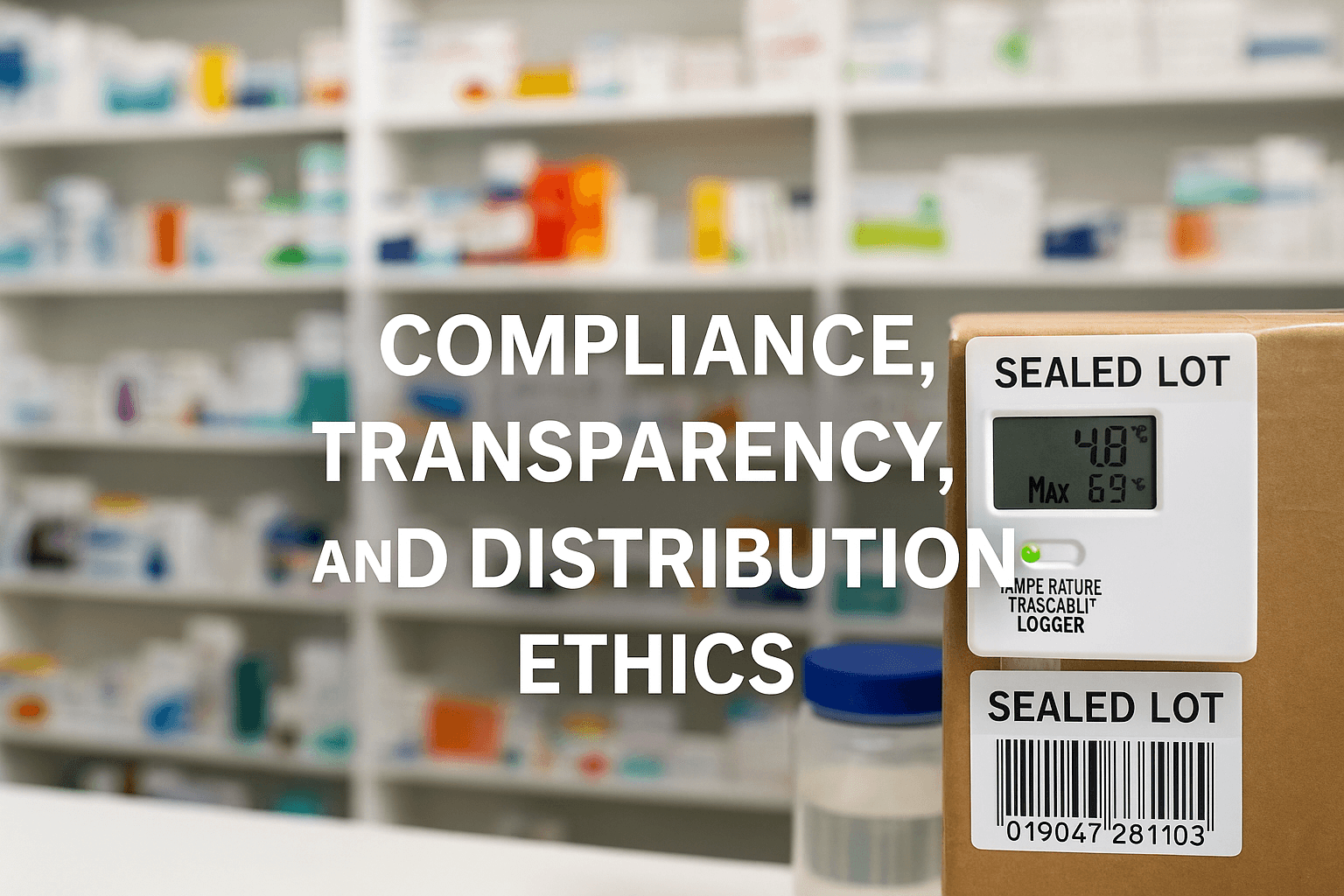
How do pharmacy distributors in Malaysia maintain public confidence while navigating an increasingly strict regulatory environment? The answer is simple yet profound: they treat compliance not as a bureaucratic hurdle, but as the very bedrock of their operational integrity. In a sector where patient safety is paramount, adhering to Good Distribution Practice (GDP) guidelines set by the National Pharmaceutical Regulatory Agency (NPRA) is an absolute requirement, not a suggestion. This framework governs every facet of the supply chain, from the moment a product arrives at a temperature-controlled warehouse to its final delivery at a community pharmacy. The most trusted distributors go beyond mere checkbox compliance; they build a culture of transparency. This is achieved through rigorous product traceability systems that track every lot number, maintain immaculate digital records, and provide verifiable proof of unbroken cold-chain integrity for sensitive pharmaceuticals. This meticulous approach ensures that every KKM-approved product remains safe, authentic, and efficacious throughout its entire logistical journey, thereby safeguarding public health and upholding the distributor’s hard-earned reputation.
The practical implications of this ethical commitment are vast and touch every stakeholder. For a brand manager, an ethical distributor provides honest and immediate reporting on any incident, be it minor inventory discrepancies, temperature excursions, or approaching product expiries. This transparency allows for proactive management and protects the brand’s equity. From the pharmacist’s perspective, this translates into absolute confidence in the products they dispense. They rely on their distributor having a rapid and efficient recall system ready to activate should a product alert be issued by the authorities. A real-world scenario in Malaysia could involve a batch of cough syrup that requires immediate withdrawal. A reliable distributor would not only halt all further shipments but also use their digital traceability system to instantly identify and notify every pharmacy that received the affected batch, often within hours. This level of accountability is what separates a true strategic partner from a mere logistics vendor, embodying the core of a trusted pharmacy distribution service where safety, speed, and integrity are in perfect balance.
Learn more: WHO GDP Guidelines | Pharma Traceability by GS1
Navigating the Evolving Landscape: Challenges and Future Trends
What are the powerful forces reshaping the future of pharmaceutical logistics in Malaysia? The landscape is being transformed by a combination of persistent operational pressures and exciting technological advancements, demanding that every pharmacy wholesale distributor evolve continuously to remain both effective and reliable. The challenges are significant and multifaceted. Rising logistics costs, driven by volatile fuel prices and a persistent manpower shortage, consistently strain profit margins and force a reevaluation of delivery models. Simultaneously, regulatory complexity is intensifying as the NPRA and KKM continuously refine and update safety and documentation requirements, creating a moving target for compliance teams. The globalization of sourcing also introduces heightened counterfeit risks, necessitating investment in stronger, more sophisticated traceability solutions to guarantee product authenticity from the factory floor to the pharmacy shelf.
In response to these challenges, several future trends are emerging that will define the next decade of pharmacy distribution in Malaysia. The most impactful is the widespread digital integration of operations. Cloud-based ERP systems, universal barcode scanning, and AI-driven demand forecasting are becoming standard for enhancing accuracy and operational visibility. Another significant shift is toward green logistics, with leading distributors exploring electric vehicles for urban delivery routes and sustainable, recyclable packaging to reduce their environmental impact—a concern increasingly shared by both brands and consumers. Furthermore, the use of data-driven merchandising is revolutionizing how stock levels are planned. Instead of relying on gut feeling, distributors can use predictive analytics to advise pharmacies on optimal inventory based on district-level demand patterns, seasonal illness trends, and local demographic data. This strategic approach ensures shelves are stocked with what the community needs, when they need it.
Learn more: Improving Cold Chain Logistics
Forging a Path to Market: The Power of Strategic Collaboration
Why do some health and wellness brands achieve rapid retail penetration and sustained growth while others with similar products falter? The difference often lies not in the product itself, but in the quality and depth of the collaboration with their distributor pharmacy partner. A truly strategic partnership extends far beyond the simple movement of goods; it encompasses joint business planning, coordinated promotional activities, and shared market intelligence. For instance, when a Malaysian brand launches a new herbal supplement targeting joint health, its expert distributor doesn’t just deliver boxes. They work in tandem with the brand’s sales team and the pharmacy’s merchandising services to secure prime shelf positioning, organize product knowledge sessions for pharmacists, and ensure promotional materials are displayed effectively. This integrated launch strategy dramatically increases the new product’s visibility and credibility, accelerating its adoption.
This effective collaboration is increasingly fueled by data transparency. Modern distributors provide their brand partners with access to detailed sales dashboards that offer insights into sell-through rates, regional performance, and reorder cycles. This allows brand managers to make informed decisions about their advertising and promotion (A&P) budgets, production planning, and marketing strategies. A distributor that can transform raw delivery data into actionable market insight is an invaluable strategic asset. From the distributor’s point of view, a collaborative brand is one that shares forecasts, provides ample lead times for new launches, and views them as a partner in growth. This synergy creates a proven and reliable ecosystem where both parties share the common objectives of maximizing market coverage, protecting brand integrity, and ultimately ensuring end-customer satisfaction.
Learn more: The Role of Distributor Pharmacies in Healthcare Supply Chains
The Digital Backbone: Technology in the Modern Supply Chain
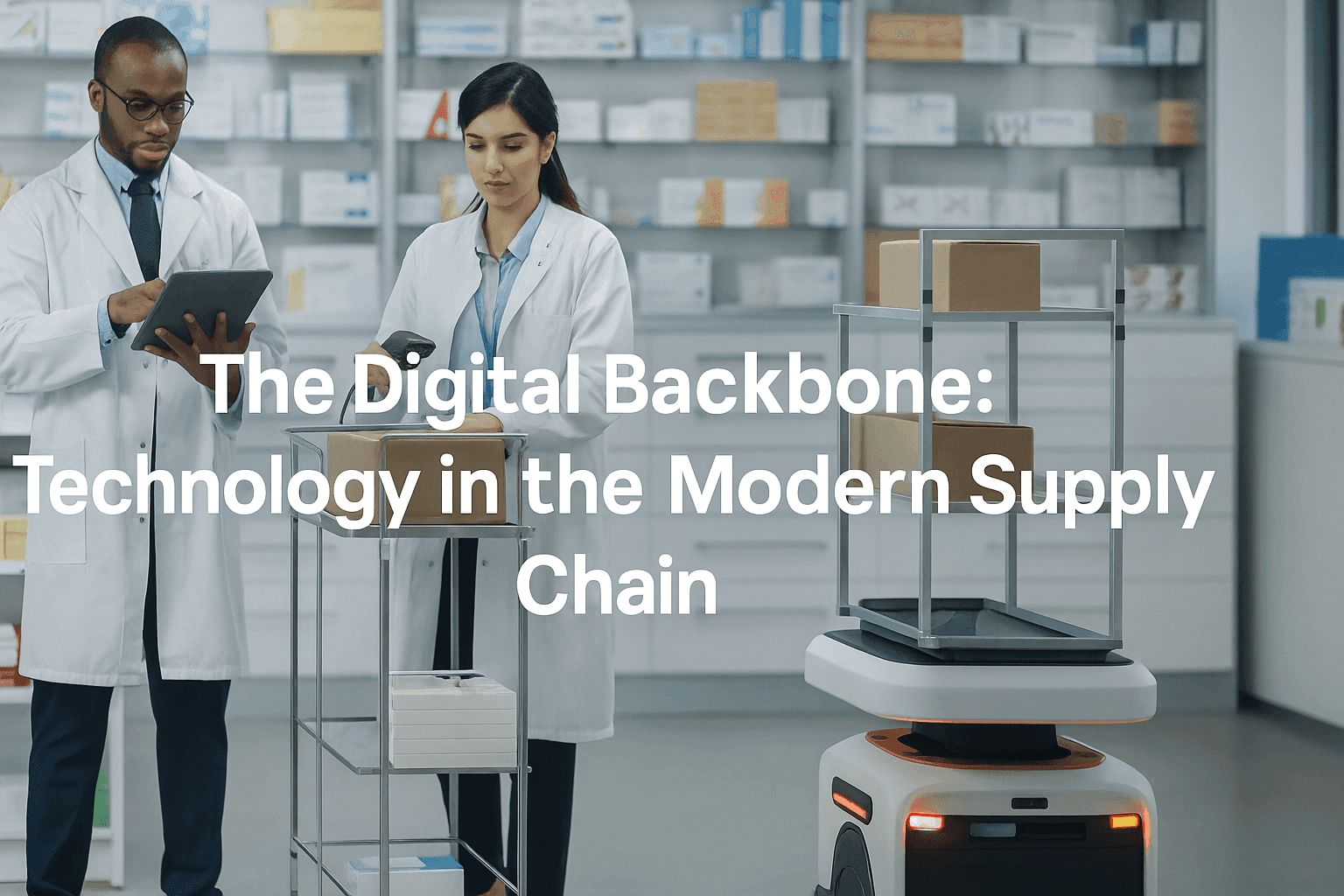
How is digital technology fundamentally redefining the capabilities of a modern pharmacy distributor in Malaysia? The transformation extends far beyond basic automation; it is about constructing an intelligent, interconnected, and self-optimizing supply network. Leading distributors are now leveraging a suite of advanced technologies to achieve unprecedented levels of efficiency and accountability. This includes warehouse automation systems that use robotics to accelerate order picking while drastically reducing human error. For cold-chain medicines, Internet of Things (IoT) sensors continuously transmit live temperature and humidity readings to a central cloud platform, providing an immutable audit trail and enabling immediate intervention if parameters are breached. Furthermore, integrated ERP dashboards create a seamless digital thread, linking a manufacturer’s production schedule directly to a pharmacy’s point-of-sale data, ensuring the entire supply chain is aligned and responsive.
The real-world implication of this technological shift is a new era of verifiable trust. When a pharmacist in Kuching receives a shipment of diabetes medication, they can scan a barcode on the package to instantly access real-time data confirming the product’s origin, its journey through the supply chain, and that it was stored in a GDP-compliant warehouse throughout. This level of transparency is crucial in combating counterfeit drugs and building confidence. However, it is essential to recognize that technology augments rather than replaces human expertise. Expert pharmacists still use their clinical knowledge to interpret sales analytics and decide on restock frequencies, while skilled merchandisers evaluate the on-shelf impact of a planogram. The most effective distribution networks are those that successfully synergize digital intelligence with human judgment, creating a system that is both reliable and uniquely tailored to the nuanced needs of the Malaysian healthcare market.
Learn more: Digitizing the Supply Chain
Choosing Your Partner: A Framework for Evaluation
Selecting the right distribution partner is one of the most critical decisions a brand can make. The choice often boils down to the scale and strategic support of a national player versus the agility and focus of an independent. To aid in this decision, the following comparative analysis outlines the typical strengths and considerations of each model against an ideal benchmark for success in the Malaysian market.
| Evaluation Criteria | National Distributors | Independent Distributors | Ideal Benchmark |
|---|---|---|---|
| GDP / NPRA Compliance | High, with dedicated compliance teams | Moderate to High, can be very robust | 100% verified, audit-ready documentation |
| Delivery Coverage | Nationwide reach | Regional or specialized niche focus | Consistent, reliable multi-state supply |
| Operational Flexibility | Moderate, bound by standardized processes | High, with adaptable MOQs and services | A tailored and responsive service approach |
| Merchandising Support | Structured, program-based support | Personalized, hands-on store visits | Continuous retail monitoring and optimization |
| Data Transparency | Comprehensive digital dashboards | Often manual but highly honest reporting | Real-time traceability and sales analytics |
| Collaboration Depth | Structured and formal | Relationship-based and personal | Joint business planning and strategic sessions |
Frequently Asked Questions (FAQ)
Q1: What are the most important factors when choosing a pharmacy distributor in Malaysia?
Answer:
Key factors include verified GDP and NPRA compliance, consistent delivery performance, transparent documentation, and coverage across both Peninsular and East Malaysia. Also assess whether the distributor offers added support like pharmacy merchandising services, digital inventory tracking, and a proven customer service record.
Q2: How do independent pharmacy distributors differ from larger wholesale networks?
Answer:
Independent pharmacy distributors often provide more personalized service, flexible minimum order quantities, and deeper regional knowledge. Larger wholesale networks offer broader geographic coverage, automated systems, and standard processes—making them suitable for high-volume, national brands.
Q3: What regulatory standards must pharmacy distributors follow in Malaysia?
Answer:
Pharmacy distributors must comply with Good Distribution Practice (GDP), enforced by the National Pharmaceutical Regulatory Agency (NPRA). These standards ensure safe, effective, and traceable distribution of health products throughout the supply chain.
Q4: How can I verify if a distributor only handles KKM-approved products?
Answer:
Request KKM registration numbers for all listed products, ask for audit reports, and check the distributor’s compliance certifications. You can also use the NPRA QUEST system online to verify the product and company status directly.
Q5: What value do pharmacy merchandising services add to brands?
Answer:
They improve on-shelf visibility, ensure planogram compliance, support promotions, and provide retail insights. Effective merchandising helps your product stand out and increases purchase likelihood, especially in high-traffic pharmacy environments.
Q6: Do distributors support retail promotion and campaign planning?
Answer:
Yes. Many trusted distributors coordinate with brands to plan festive or seasonal promotions, deploy POS materials, and gather sales feedback—ensuring campaigns align with retail timing and consumer behavior.
Q7: How do ERP systems and cold-chain monitoring support compliance?
Answer:
These tools provide real-time tracking of inventory, delivery status, and product conditions. Cold-chain sensors ensure temperature-sensitive items stay within safe ranges, while ERP systems enable better traceability and regulatory reporting.
Q8: Are distributors responsible for product recalls in Malaysia?
Answer:
Yes. A compliant distributor pharmacy must act quickly when a recall is issued—tracking affected batches, notifying pharmacies, and returning products in line with NPRA protocols to protect public safety.
Q9: Can a brand work with both national and independent distributors at once?
Answer:
Yes. Many brands use a hybrid distribution strategy, engaging national players for mass reach and independent distributors for niche markets, ensuring efficient coverage and tailored market penetration.
Q10: What’s the best way to start a partnership with a pharmacy distributor?
Answer:
Begin with due diligence: check GDP compliance, past performance, service scope, and retail presence. Then schedule a meeting to align on objectives, product expectations, merchandising support, and territory coverage before onboarding.
How can we assist you today? 😊
Just let us know—we’re here to help!