

November 23, 2025
The Critical Link Between Product Trust and Distribution Efficiency in Malaysia’s Pain Relief Market
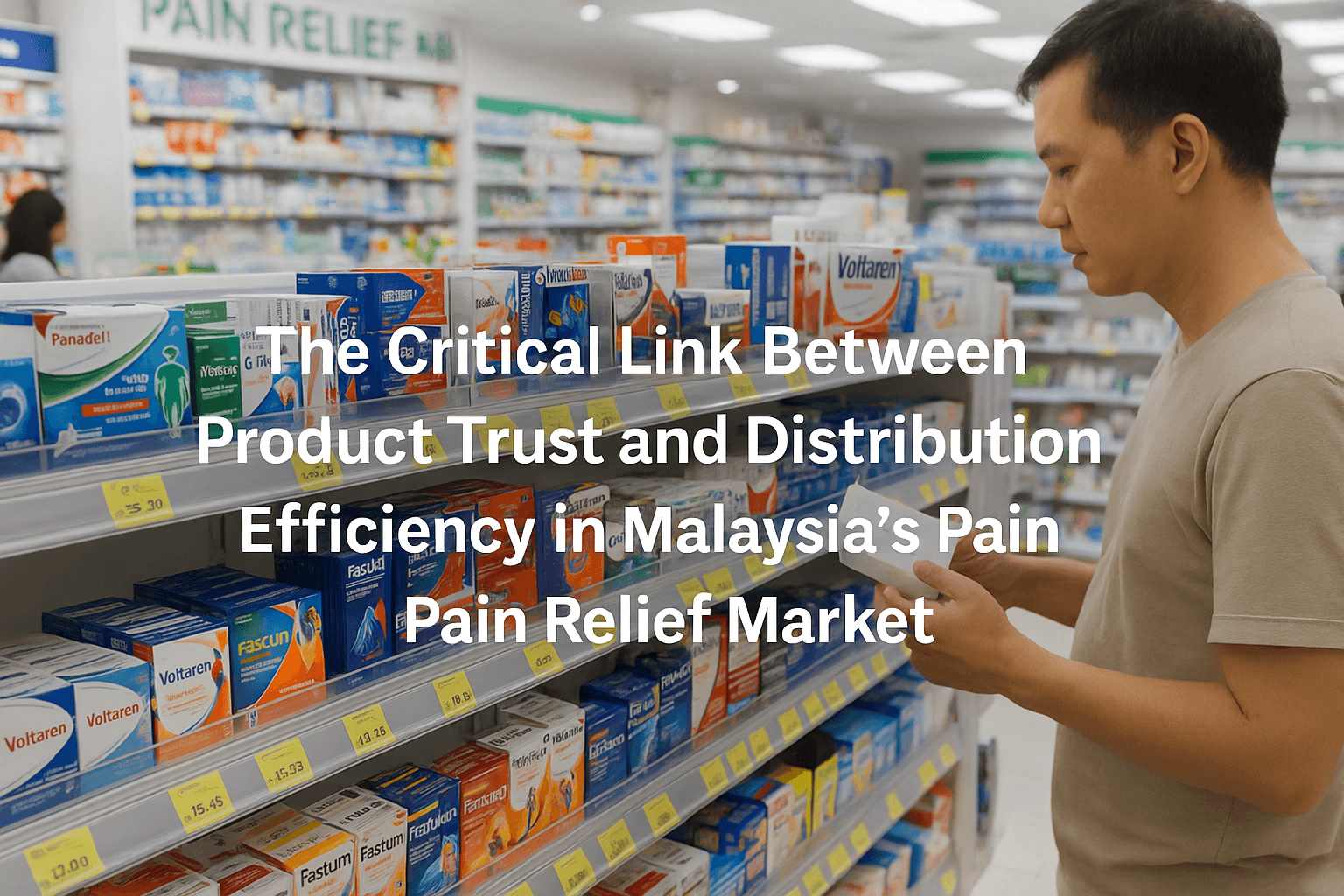
In the highly competitive landscape of over-the-counter healthcare, a product’s success is not solely determined by its formulation. The robust logistics network operating behind the scenes plays an equally pivotal role. For a pain relief brand to truly dominate the Malaysian market, it must achieve a perfect synergy between proven efficacy and flawless distribution. This is where the concept of distribution efficiency transforms from a backend operation into a powerful, unseen metric that directly shapes market share and consumer trust. A breakdown in this complex chain can mean the difference between a bestseller and a shelf-warmer, regardless of the product’s inherent quality.
Consider the scenario of a well-known diclofenac gel that consistently tops sales charts in urban centers like Kuala Lumpur and Penang. Its performance, however, might be lackluster in rural pharmacies across states like Kelantan or Sarawak. This discrepancy is rarely about demand but is almost always a direct consequence of the pharmacy distribution service lacking optimized, last-mile route coverage to these regions. When a customer in a smaller town cannot find their preferred brand, that trust is eroded, and a switch to a less effective, but available, alternative is made. This is the precise gap that independent pharmacy distributors excel at filling. Their operational model is built on agility and deep regional knowledge, enabling quick, reliable deliveries that keep even the most remote pharmacy shelves stocked. Furthermore, these distributors maintain direct, personal relationships with pharmacists, which is essential for gathering real-time, qualitative feedback on consumer satisfaction, emerging side-effect patterns, or sudden spikes in demand for specific pain relief types.
Learn more: Pharmacy Merchandising: Best Practices for Product Pricing and Promotion in Malaysia
The Non-Negotiable Role of GDP Compliance in Building Brand Reputation
Beyond mere delivery, compliance stands as a powerful market differentiator. In an industry where product integrity is synonymous with patient safety, GDP (Good Distribution Practice) certification is not just a regulatory hoop to jump through; it is the bedrock of consumer confidence. GDP-certified distributors implement meticulous protocols, maintaining exhaustive records of batch numbers, storage temperature logs, and expiry date tracking throughout the entire supply chain. This expert documentation does more than just satisfy auditors; it actively builds and protects the reputation of the pain relief brands they carry. A single incident of a degraded product due to poor temperature control can irrevocably damage a brand’s image. Conversely, a consistent record of perfect product integrity ensures smoother KKM (Ministry of Health Malaysia) audits and reinforces the message to both pharmacists and end-consumers that the product they are purchasing is safe, authentic, and effective.
-
Inline Checklist: The Pillars of a Reliable Pharmacy Distributor
-
Holds valid GDP certification for quality assurance.
-
Maintains real-time temperature monitoring in warehouses and vehicles.
-
Provides full batch traceability from manufacturer to pharmacy.
-
Ensures KKM compliance for all products, with verified MAL numbers.
-
Offers transparent and accessible documentation for audit purposes.
-
This foundation of trust allows pharmacies, especially large chains like Caring or Guardian, to operate with greater certainty. When a pharmacist knows their supply chain partner is reliable, they can confidently promote and recommend a product, secure in the knowledge that they can consistently meet subsequent consumer demand. This eliminates the hesitation that comes with unreliable stock levels, turning the pharmacist into a powerful brand advocate.
Learn more: The Science of Shelf: How Merchandising Influences Consumer Decision-Making
Operational Agility: How Efficient Logistics Prevent Lost Sales and Drive Rankings
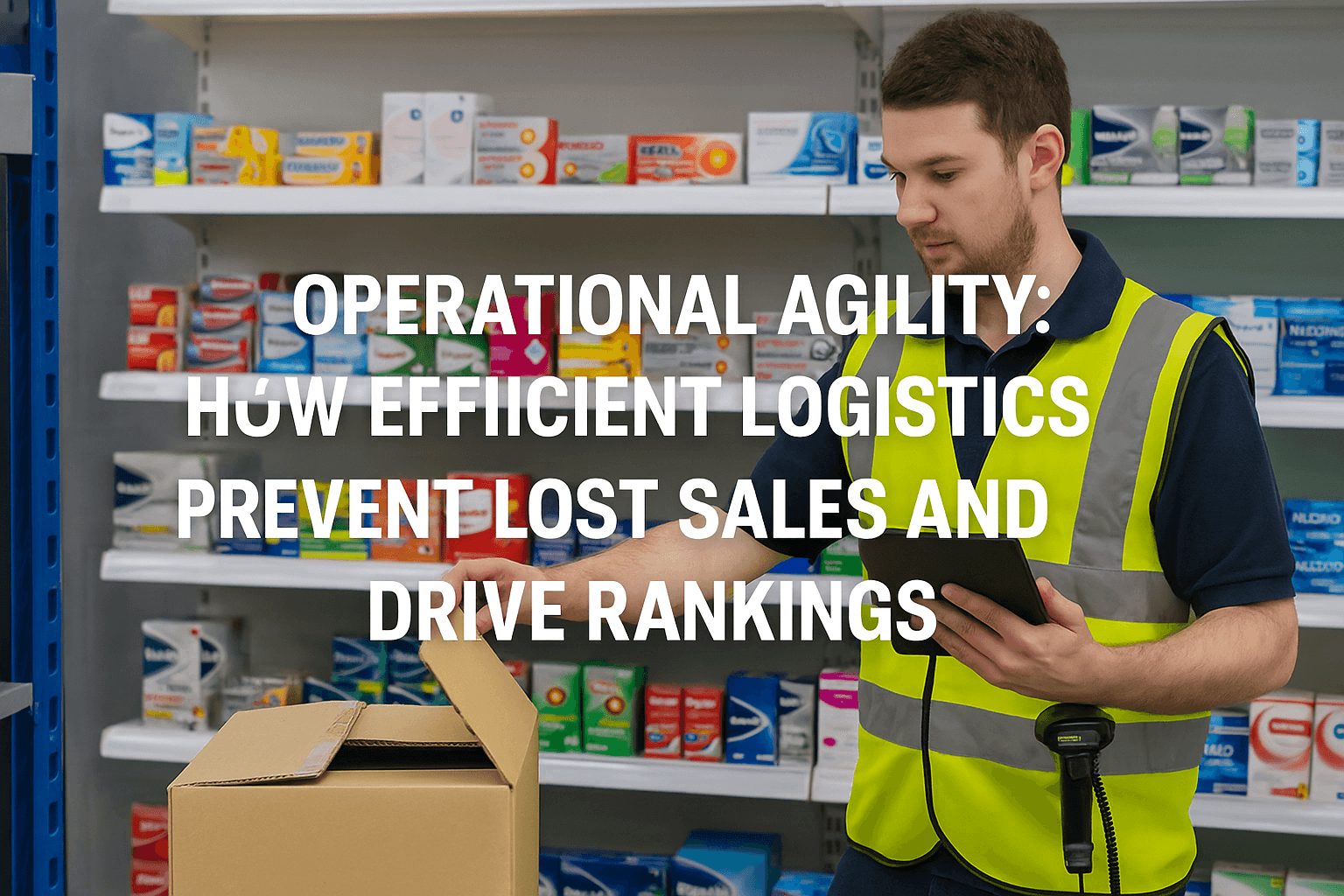
The ultimate test of any distribution framework is its ability to prevent stock-outs on high-velocity items. Pain relief products are, by their nature, fast-moving consumer goods (FMCG) in the healthcare sector. A customer with a migraine or back pain is unlikely to wait for a restock; they will immediately purchase whatever viable alternative is available. Pharmacies that are supported by efficient logistics partners can implement aggressive restocking cycles for high-turnover SKUs, sometimes even on a weekly or bi-weekly basis for top performers like Panadol ActiFast or Voltaren Emulgel. This operational agility directly translates to captured sales and sustained revenue, preventing the significant financial drain of lost sales opportunities. Consequently, a brand’s ranking in a top 10 list is intrinsically linked to the performance of its pharmacy wholesale distributors. A product with mediocre marketing but stellar distribution will often outperform a heavily advertised product with a weak and inconsistent supply chain.
A Multi-Perspective View on Distribution Efficiency in Malaysia
To fully appreciate the ecosystem, it’s crucial to understand the perspectives of the key players involved: the pharmacist, the distributor, and the brand manager. Each views distribution efficiency through a different, yet interconnected, lens.
From the Pharmacist’s Viewpoint, efficiency means never having to tell a customer “habis stok” (out of stock). It’s about the ability to maintain an optimal inventory level that maximizes sales without tying up excessive capital in slow-moving items. They rely on their pharmacy distributor Malaysia partners for more than just delivery; they need accurate advice on moving trends, support with planogram compliance to maximize shelf appeal, and streamlined re-ordering processes, often through integrated POS systems. A distributor that provides consistent, timely deliveries and valuable market intelligence becomes a strategic partner, not just a vendor.
From the Distributor’s Viewpoint, efficiency is a complex equation balancing cost, speed, and compliance. Their role involves demand forecasting, inventory allocation across different regions, and managing a proven supply system that includes temperature-controlled vehicles for sensitive items like some anti-inflammatory creams. Their success is measured by their fill rate (the percentage of pharmacy orders they can fulfill immediately from stock) and their on-time delivery performance. They must be experts in navigating Malaysia’s diverse geography and traffic conditions to serve both urban hubs and rural towns effectively.
From the Brand Manager’s Viewpoint, the distributor is the guardian of brand equity. They are laser-focused on ensuring that their products are not just available, but are also presented correctly—with the right facings, shelf positioning, and promotional materials. They depend on the distributor’s merchandising execution and retail reporting to gauge the success of marketing campaigns and to make data-driven decisions about production and future strategy. For them, an efficient supply chain is the engine that drives brand growth and market penetration.
Learn more: Understanding the ROI of Pharmacy Merchandising Investments in Malaysia
Comparative Analysis: Distributor Types and Their Impact on Product Availability
The following table illustrates how the choice of distribution partner can influence key performance indicators for a pain relief product in the Malaysian market. This comparison highlights why a tailored distribution strategy is often necessary for different product lifecycles and market segments.
| Performance Indicator | Wholesale Distributor | Independent Pharmacy Distributor | Pharmacy Chain’s Own Network |
|---|---|---|---|
| Geographic Reach | Nationwide, broad coverage | Focused on specific regions or states | Concentrated around their own store locations |
| Delivery Speed & Flexibility | Standardized schedules, less flexible | Highly agile, capable of rapid, last-minute deliveries | Highly predictable and integrated with central inventory |
| Relationship with Pharmacist | Often transactional | Deep, personal, and service-oriented | Corporate-driven and standardized |
| Strength in Rural Coverage | Variable, can be inconsistent | Often excellent, with strong local knowledge | Limited to areas with their own retail presence |
| Ideal For | High-volume, mass-market brands (e.g., Panadol) | Niche brands, new product launches, rural focus | Products with an exclusive agreement with the chain |
| Data & Feedback Flow | Bulk sales data, slower feedback loop | Rich, qualitative insights and fast feedback | Detailed, real-time POS data from their stores |
Malaysia in Focus: Real-World Operational Scenarios
To ground these concepts, let’s examine three Malaysia-specific scenarios where distribution efficiency makes or breaks a product’s success.
Scenario 1: The Hari Raya Rush in Kelantan. Ahead of major festivals, demand for pain relief products like mefenamic acid tablets (e.g., Ponstan) often spikes due to increased travel, cooking, and social activities. An independent distributor with deep roots in the East Coast states can proactively increase stock allocations to local pharmacies based on historical data and cultural understanding. Their local drivers know the alternate routes to bypass festival traffic, ensuring pharmacies are fully stocked precisely when demand is highest. This strategic foresight prevents stock-outs during a critical sales period and builds immense goodwill with pharmacy owners.
Scenario 2: Launching a New Herbal Pain Patch in the Klang Valley. A local company launches Hurix’s, a new herbal pain relief patch. Instead of competing for attention with giant brands in wholesale catalogs, they partner with a select few independent pharmacy distributors known for their expert merchandising services. These distributors not only ensure the product reaches key independent pharmacies in Bangsar and Damansara but also train pharmacy assistants on its unique selling points and ensure it gets prominent shelf placement. This tailored approach creates initial visibility and consumer trials that would be impossible through a broad but impersonal distribution channel.
Scenario 3: Managing Temperature-Sensitive Inventory in Johor. A new, premium anti-inflammatory cream requires strict cold-chain storage. A GDP-certified pharmacy wholesale distributor operating a hub in Johor Bahru utilizes its refrigerated warehouse and equipped fleet to serve pharmacies across the southern region. They provide pharmacies with temperature monitoring strips on received packages, offering tangible proof of product integrity. This meticulous attention to the supply chain details allows the brand to confidently expand its reach into a warmer, humid climate, assuring pharmacists and consumers of the product’s stability and reliable performance.
Learn more: Reimagining Pharma Supply Chains for Agility and Resilience
The Critical Backbone of Healthcare Retail: Unpacking Pharmacy Distribution Networks
Have you ever paused to consider the intricate journey your preferred pain relief gel takes before it lands neatly on the pharmacy shelf? This seamless availability is not a matter of chance but the direct result of a highly coordinated, and often invisible, distribution ecosystem. In Malaysia, this network functions as the essential bridge, connecting product manufacturers with regulatory bodies and the final retail outlets that serve the public. It is a complex dance of logistics, compliance, and strategic partnership that ensures every item, from a simple paracetamol tablet to a specialized pain patch, is available, safe, and effective when a consumer needs it most. The entire supply chain integrity hinges on the flawless execution of this process, making the role of distributors absolutely indispensable to the national healthcare framework.
The architecture of this system is deliberately layered. Independent pharmacy distributors typically focus on serving a web of local community pharmacies and smaller chains, offering personalized service and rapid response times. In contrast, pharmacy wholesale distributors are geared towards managing the immense volume and complex logistics required by large national networks like Guardian or Alpro. This division of labor is strategic, ensuring that both sprawling hypermarkets and neighborhood kedai ubat receive the attention they require. These entities are responsible for a vast portfolio of tasks that go far beyond simple transportation; they manage sophisticated cold-chain logistics for temperature-sensitive items, implement meticulous stock rotation protocols to prevent expiry, and guarantee that every product maintains its therapeutic integrity from the warehouse to the consumer’s hands. This end-to-end oversight is what transforms a simple delivery service into a reliable healthcare logistics partner.
Learn more: WHO Technical Report Series No. 1025 — Good Distribution Practices for Pharmaceutical Products
The High Stakes of Logistical Efficiency in Daily Operations
In the world of fast-moving consumer health goods, efficiency is not merely a goal—it is a fundamental requirement for success. A single delay at a distribution hub or a miscalculation in demand forecasting can have immediate and tangible consequences, leaving pharmacy shelves empty of critical items. This is particularly acute for high-demand products like paracetamol or menthol-based muscle rubs, especially during peak seasons such as the flu season or festive holidays when travel and activity increase aches and pains. To mitigate these risks, modern and efficient distribution systems have moved far beyond manual tracking. They now leverage a suite of digital tools, including real-time digital tracking systems, sophisticated AI-driven inventory forecasting, and collaborative data-sharing platforms that sync manufacturer production with retail sales data. This technological integration creates a more responsive and resilient supply chain.
Furthermore, the synergy between logistics and marketing is a powerful force multiplier. Pharmacy merchandising services are the critical link that aligns physical product flow with promotional strategy. Consider the launch of a new pain relief patch: distributors do not simply deliver boxes. They work in lockstep with merchandisers to orchestrate coordinated visibility campaigns, ensuring that sample kits, point-of-sale materials, and planogram guides arrive concurrently with the product itself. This synchronized effort ensures that the market launch is not just a shipment, but a holistic commercial event. The outcome of this deep collaboration is a proven alignment between the availability of the product, the execution of its marketing, and its ultimate sales performance. It creates a virtuous cycle where supply actively fuels demand and captures it effectively.
The Pharmacist’s Dilemma: Balancing Expert Knowledge with Product Accessibility
From the frontline of healthcare retail, the pharmacist’s viewpoint is uniquely informed by both clinical expertise and direct customer interaction. Their decision to recommend one pain relief product over another is a nuanced judgment call, based on a careful assessment of the patient’s described symptoms, their medical history, and their personal expectations for relief. This professional recommendation carries immense weight in shaping consumer purchasing habits and, by extension, a product’s market success. A distributor pharmacy that goes beyond mere delivery to become an educational partner provides immense value. By supplying pharmacists with updated training modules, detailed product monographs, and clear documentation of KKM approval status, they empower these healthcare professionals to make confident, informed recommendations for only the safest and most effective OTC formulations.
The factors a pharmacist weighs are multifaceted and deeply practical. They constantly balance the need for speed of relief against the desired duration of effect, compare the potency of different active ingredients like paracetamol versus diclofenac, and remain vigilant about potential consumer allergies or sensitivities. Furthermore, they must operate within the economic realities of their customers, considering the price point and pack size availability that their pharmacy distributor Malaysia channels can consistently provide. In the Malaysian context, where many consumers seek initial advice for minor ailments directly from their local pharmacist, this advisory role is a cornerstone of public health. Through strategic collaboration with their distributors, who may provide training kits and product trials, pharmacists enhance their own confidence and ability to deliver tailored consumer education, solidifying their status as a trusted community health resource.
Learn more: The Role of End-Cap Displays in Increasing Pharmacy Sales in Malaysia
A Symbiotic Alliance: How Brands and Distributors Build Market Trust Together
What does it truly take for a pain relief brand to cut through the noise in Malaysia’s crowded over-the-counter market? The answer lies in a symbiotic alliance between brand managers and their distribution partners, a relationship built on a shared commitment to compliance, visibility, and ultimately, consumer confidence. For brand managers, the choice of a pharmacy distributor Malaysia partner is a strategic decision with long-term implications. These proven partnerships are the engine for securing prime shelf space, maintaining impeccable stock freshness to avoid expired goods, and gathering invaluable, real-time feedback on consumer reception and competitor activity. In return, distributors gain the benefit of predictable inventory turnover and the opportunity to strengthen their own relationships with retailers through loyalty initiatives and reliable service.
A one-size-fits-all approach is a recipe for mediocrity. A tailored distribution and marketing strategy is absolutely essential for success. Urban pharmacies in areas like Bangsar or Damansara might demonstrate a higher velocity for branded, premium topical gels, requiring frequent restocks and dynamic promotional support. Conversely, rural outlets in East Malaysia may show a stronger preference for herbal-based or more cost-conscious options, better served by smaller, agile independent pharmacy distributors with deep regional knowledge. Another critical lever is efficient merchandising. The development of strategic planograms, eye-catching gondola displays, and themed seasonal campaigns around “Back-to-School” or “Active Aging” directly influence consumer perception and purchasing decisions. When these merchandising efforts are seamlessly coordinated by the distributor, the brand’s message is consistently and powerfully communicated across all touchpoints.
The Unseen Shield: Guaranteeing Compliance and Product Safety from Warehouse to Shelf

For both healthcare professionals and the general public, a fundamental question remains: how can we be certain that the pain relief products on the shelf are authentic, safe, and potent? In Malaysia, this assurance is provided by a rigorous regulatory framework enforced by the National Pharmaceutical Regulatory Agency (NPRA). Every player in the distribution ecosystem, from the largest pharmacy wholesale distributor to the smallest distributor pharmacy, must adhere to Good Distribution Practice (GDP) standards and maintain full compliance with NPRA mandates. This regulatory umbrella guarantees comprehensive product traceability, controlled storage conditions, and the verification of official registration numbers for every single item.
The day-to-day implementation of these standards is a meticulous operation. Licensed distributors operate within a culture of compliance, continuously tracking storage temperature data, maintaining detailed serial number logs for complete batch traceability, and rigorously verifying supplier authenticity before any product enters their inventory. A fundamental rule of the market is that products lacking a valid MAL or NOT code are strictly prohibited from sale, a rule that forms the bedrock of safety for all KKM-approved pain products. The distinction between a licensed partner and an unregistered supplier is not merely procedural; it is the primary defense against substandard and counterfeit goods.
| Compliance Factor | Licensed Distributor | Unregistered Supplier |
|---|---|---|
| NPRA Registration | ✅ Required & Verified | ❌ Often Missing |
| GDP Certification | ✅ Mandatory & Audited | ❌ Not Applicable |
| Product Traceability | ✅ Full Batch & Temperature History | ❌ Limited or Non-Existent |
| Risk of Counterfeits | Low – Controlled Supply Chain | High – Unknown Origin |
| Support for Pharmacist | Reliable Partner & Documentation | No Accountability |
This unwavering focus on compliance does more than just satisfy regulators; it fosters trusted partnerships across the entire supply chain. Pharmacists can stock their shelves with confidence when their sources are verified, and an increasingly savvy consumer base can now actively verify product registration via the NPRA’s online database. By maintaining these expert and reliable systems, Malaysia’s pharmaceutical sector collectively works to minimize public health risks and reinforce a foundation of trust that benefits every stakeholder, from manufacturer to end-user.
Learn more: Consumer Health Trends: The New Growth Frontier in OTC Retail
Frequently Asked Questions (FAQ)
Q1: What are the most common types of pain relief products available in Malaysian pharmacies?
Answer: The main types include oral painkillers like paracetamol or mefenamic acid, topical creams such as diclofenac gels, and medicated patches containing menthol or capsaicin for localized relief.
Q2: Are all pain relief products sold in Malaysia approved by KKM?
Answer: Yes, all legitimate pain relief products must be registered with the National Pharmaceutical Regulatory Agency (NPRA) under KKM, displaying a valid MAL or NOT registration number on their packaging.
Q3: What role does a pharmacy distributor play in product availability?
Answer: Pharmacy distributors manage logistics, storage, and delivery, ensuring pain relief products remain in stock, temperature-controlled, and compliant with GDP regulations across Malaysia.
Q4: Why do some pain relief products sell better than others?
Answer: Sales performance depends on product efficacy, pharmacist recommendations, distribution efficiency, and shelf visibility, often supported by strong merchandising strategies.
Q5: How do pharmacists decide which pain relief product to recommend?
Answer: Pharmacists consider symptoms, patient history, active ingredients, and product safety while relying on distributor training materials and clinical data for guidance.
Q6: What is the difference between a pharmacy wholesale distributor and an independent pharmacy distributor?
Answer: Wholesale distributors supply in bulk to national pharmacy chains, while independent distributors focus on regional markets, offering faster response and tailored service.
Q7: How does GDP (Good Distribution Practice) compliance protect consumers?
Answer: GDP compliance ensures all pain relief products are stored, transported, and handled under regulated conditions, preventing product degradation or counterfeit risks.
Q8: Why is merchandising important for pain relief products?
Answer: Effective merchandising—like proper shelf placement and end-cap displays—increases visibility, encourages brand recognition, and drives customer purchasing decisions.
Q9: How can a pharmacy verify if a distributor is licensed in Malaysia?
Answer: Pharmacies can check the distributor’s GDP certification and NPRA registration or request documentation confirming compliance with Malaysian health regulations.
Q10: What are the key benefits of partnering with a reliable pharmacy distributor in Malaysia?
Answer: A reliable distributor ensures continuous product supply, regulatory compliance, and expert merchandising support, helping pharmacies maintain consumer trust and consistent sales.
Partner with a Distribution Expert Focused on Your Growth
Navigating the complexities of the Malaysian pharmaceutical retail landscape requires a partner with more than just a delivery fleet; it demands a strategic ally with deep regulatory knowledge, market-specific expertise, and a proven track record. In a market where consumer trust is the ultimate currency, aligning your brand with a reliable and efficient supply chain is not just an operational decision—it is a critical business imperative. A tailored distribution and merchandising strategy can be the defining factor between a product that merely exists on a shelf and one that becomes a household name.
How can we assist you today? 😊
Just let us know—we’re here to help!