

January 27, 2026
The landscape of pharmaceutical companies in Malaysia has matured into a robust, strategically important sector within the broader ASEAN health economy. This growth is fundamentally interlinked with the nation’s expanding universal healthcare commitments and deliberate investments in life sciences and local manufacturing. At its core, this progress is enabled by a sophisticated and reliable pharmacy distribution service in Malaysia, a critical engine that ensures efficient movement of products from laboratory to pharmacy shelf and, ultimately, to the patient. For stakeholders—from pharmacy operators and distributor pharmacy networks to healthcare investors—identifying the sector’s leaders is not merely informative; it is an essential exercise for strategic planning. The ranking of top-tier firms serves as a professional reference point, highlighting entities that are GMP-certified, export-ready, and NPRA-compliant. These leaders do more than manufacture; they drive health innovation while guaranteeing safe, effective access through dependable pharmacy distributor Malaysia networks. The future of pharmacy access in the country will be dictated by players who master the complex balance of stringent regulation, cost efficiency, and deep local market relevance. Understanding who these players are empowers every independent pharmacy distributor to make smarter, more informed decisions regarding procurement, stocking strategies, and in-store merchandising.
So, what truly defines a top-tier pharmaceutical company in the Malaysian context? A leading firm transcends the basic role of a product manufacturer; it operates as a trusted ecosystem player, deeply embedded in every facet of the healthcare value chain. Excellence is measured by a holistic integration of regulatory mastery, logistics agility, and brand scalability. For a meaningful ranking, several critical criteria must be evaluated in tandem. These include valid GMP certification (under NPRA or international PIC/S standards), a strong track record with NPRA product registrations and renewals, significant local production capabilities that also support export readiness, and a diversified product portfolio spanning prescription (Rx), over-the-counter (OTC) medicines, and supplements. Furthermore, industry leadership is demonstrated through active involvement in community pharmacy education and the formation of strategic partnerships with pharmacy wholesale distributors.
The perspective on what constitutes a proven pharma partner varies key stakeholders. From a brand manager’s viewpoint, excellence means reliable supply chain consistency, proactive pharmacist engagement programs, and brand-safe packaging that maintains integrity. Through the lens of a pharmacy distributor Malaysia operation, the priorities shift to logistics consistency, regulatory trust that prevents shelf-side complications, and order fulfillment accuracy. For the pharmacist on the front line, the defining factors are ultimately patient-centric: drug efficacy, product safety, and essential stock readiness to meet community health needs. In today’s competitive environment, reliable distribution capabilities coupled with tailored merchandising services have become significant market differentiators. By 2026, the most successful companies are those that think beyond the factory floor—they are integrated access drivers focused on ensuring patient access at the very point of care, the pharmacy shelf.
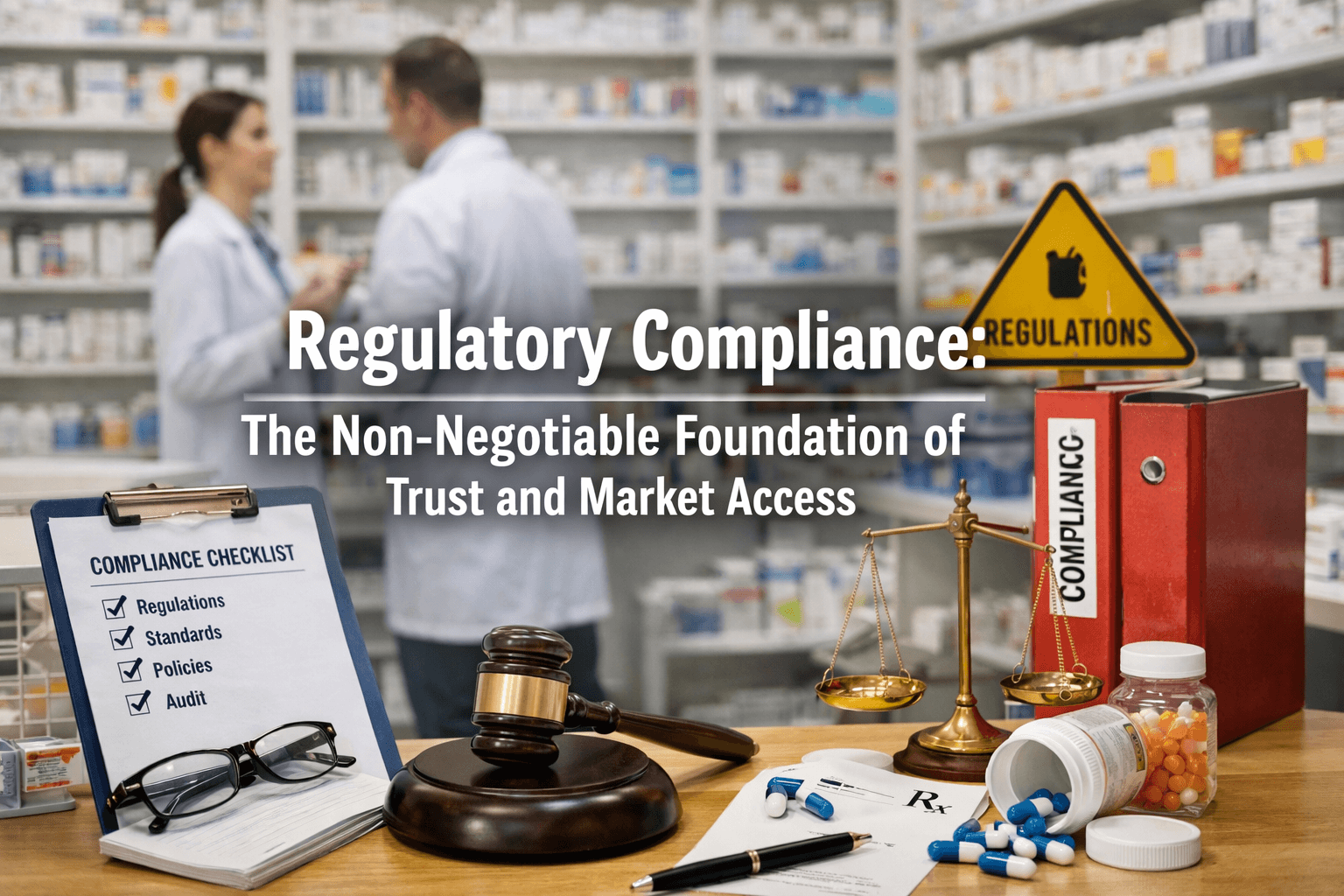
In Malaysia’s pharmaceutical sector, regulatory strength is not just a box-ticking exercise; it is the absolute bedrock of market credibility and patient safety. The ecosystem is anchored by the National Pharmaceutical Regulatory Agency (NPRA), which mandates that all medicinal products—whether prescription or non-prescription—must be registered under a valid MAL number. Oversight extends to operational compliance managed by the Ministry of Health Malaysia (KKM). For companies with regional aspirations, navigating the requirements of other ASEAN regulatory bodies, such as Singapore’s Health Sciences Authority (HSA), becomes equally critical.
At the heart of this framework lies GMP certification. Good Manufacturing Practice is the universal benchmark for quality, and companies without current, recognized GMP credentials are automatically excluded from any credible industry ranking. However, regulatory rigor extends far beyond initial certification. A company’s operational maturity is truly tested by its ability to manage post-market vigilance—handling product recalls, executing labeling revisions, and managing regulatory notification updates with precision and transparency. This comprehensive compliance posture directly influences how pharmacy wholesale distributors select their manufacturing partners. Aligning with a non-compliant firm introduces untenable brand risk and supply chain disruption. Conversely, a company with expert regulatory stewardship facilitates smooth product listing with major pharmacy chains and, most importantly, solidifies patient trust. It is the essential foundation upon which all commercial success is built.
A Compliance Checklist for Pharmacy Distributors Evaluating Partners:
Valid and current GMP certification (NPRA/PIC/S).
Comprehensive portfolio of active NPRA MAL numbers.
Proven history of successful regulatory audits.
Clear, documented Standard Operating Procedures (SOPs) for pharmacovigilance and recall processes.
Halal certification for relevant products, a key local market relevance factor.
This curated list highlights the companies that have demonstrated excellence across the multifaceted criteria defining Malaysia’s pharmaceutical landscape in 2026. These leaders combine strategic vision, regulatory mastery, and operational excellence to shape the future of healthcare in the region.
1. Duopharma Biotech Berhad
A stalwart of the industry, Duopharma has evolved from a domestic player to a regional contender. With a strong portfolio of prescription generics and iconic OTC brands like Champs and Flavettes, its strategic investments in PIC/S-compliant facilities and a foray into ASEAN biologics supply position it as a trusted innovation driver. Its distribution strategy, blending in-house and partner pharmacy networks, ensures widespread market penetration.
2. Pharmaniaga Berhad
As a pivotal player in public health delivery, Pharmaniaga’s role in government tender supply—especially for critical items like insulin and hospital injectables—is unmatched. Its recent launch of automated warehousing technology underscores a commitment to efficient MOH delivery. This proven logistics capability, combined with GMP and Halal certifications, makes it an essential partner for both public institutions and private pharmacies.
3. CCM Pharmaceuticals
With deep roots in the consumer health segment, CCM leverages its trusted OTC brands (Uphamol, Eye Glo) and prescription medicines to maintain a strong market hold. Its strategic growth is marked by a significant 25% expansion in local production capacity, directly supporting supply chain resilience. Its distribution model relies on a network of pharmacy wholesale distributors and exclusive agreements, ensuring broad availability.
4. Hovid Berhad
Hovid stands out for its global export focus, holding prestigious accreditations like US FDA and TGA Australia approval alongside GMP. This regulatory pedigree facilitates distribution to over 60 countries. Domestically, it utilizes a mix of agents and dedicated pharmacy distributor Malaysia partners, showcasing a dual-track strategy that strengthens both international and local market presence.
5. Kotra Pharma (Appeton)
Kotra has masterfully captured the nutraceutical and wellness segment with its Appeton range. Its strategic emphasis on in-house merchandisers provides a tangible edge in independent pharmacies, particularly in the Klang Valley, by ensuring optimal shelf presence and consumer engagement. The 2026 expansion of its adult nutrition line demonstrates a tailored response to evolving demographic needs.
6. Nova Laboratories Sdn Bhd
Specializing in hospital solutions and complex liquid dosage forms, Nova addresses a critical niche. Its ISO 13485 certification for medical devices highlights its technical sophistication. The company’s success in securing a regional tender across four Southeast Asian nations in 2026 is a testament to its expert capabilities and the strength of its hospital-linked distributor pharmacy networks.
7. Sunward Pharmaceutical Sdn Bhd
A key supplier in the generic medicines space, Sunward’s commitment to horizontal growth is evident in its new GMP facility commissioned in early 2026. This investment enhances its capacity for antibiotics and antihistamines, catering to bulk demand from both hospital networks and generic-focused pharmacy chains, ensuring reliable supply of essential medicines.
8. Biocon Malaysia
As a beacon for high-tech biopharmaceuticals, Biocon Malaysia elevates the sector’s capabilities. Its production of insulin and monoclonal antibodies, backed by US FDA, EMA, and WHO PQ certifications, places Malaysia on the global biologics map. Its strategic model involves global cold-chain logistics paired with local public-private partnerships, directly supporting national biologics access initiatives.
9. Dynapharm Sdn Bhd
Dynapharm exemplifies agility and local market relevance. With a diverse portfolio from supplements to traditional medicines, its Halal and ISO 22000 certifications open doors in the Southeast Asia and MENA regions. Its proactive launch of a herbal respiratory line in response to regional haze-related demand showcases an effective, consumer-responsive innovation strategy.
10. Guardian Health & Beauty Sdn Bhd (In-house Pharma)
Representing the integrated retail model, Guardian’s in-house pharmaceutical arm demonstrates the power of vertical integration. Manufacturing private label vitamins and generics for its 500+ outlets nationwide creates a uniquely efficient supply chain. This lean manufacturing integration is a proven strategy for house-brand expansion and controlling end-to-end customer experience.
Comparative Overview: Strategic Distribution & Compliance Focus
| Company | Core Market Focus | Key Regulatory Certifications | Primary Distribution Model | Strategic Advantage |
|---|---|---|---|---|
| Pharmaniaga | Public Sector / Hospitals | GMP, Halal, ISO 9001 | Direct-to-MOH & Integrated Logistics | Automated warehousing for public health efficiency |
| Kotra Pharma | Retail Pharmacy / OTC | GMP, Halal, ISO 9001 | In-house Merchandisers + Distributor Network | High-impact in-pharmacy presence and consumer engagement |
| Hovid | Global Export / Domestic | US FDA, TGA Australia, GMP | International Agents + Local Distributors | Dual-market access with premium regulatory credentials |
| Biocon Malaysia | Biologics / Specialty Care | US FDA, EMA, WHO PQ | Global Cold-Chain + Local Partnerships | High-value biologics manufacturing for complex therapy access |
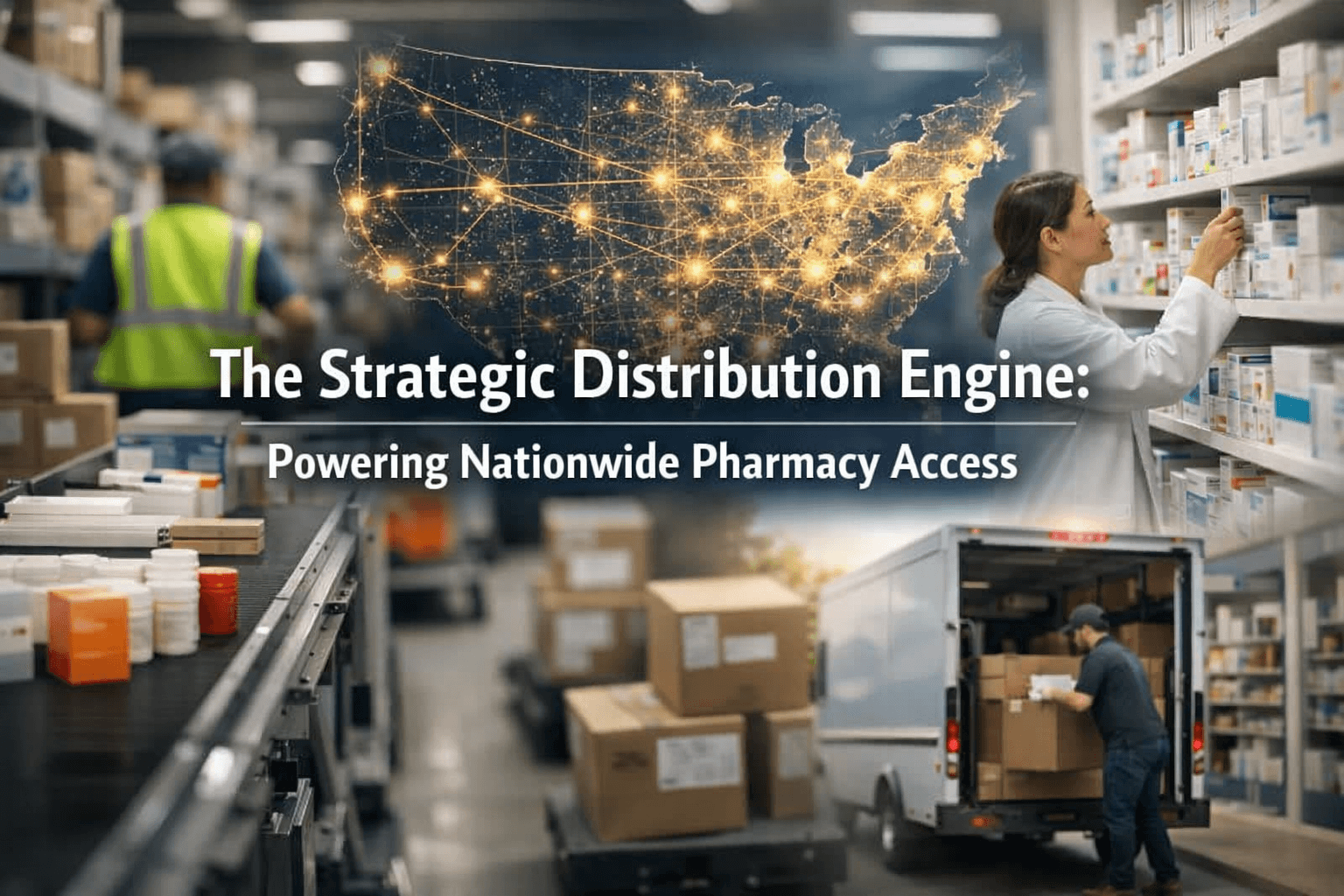
The most innovative product is meaningless without a reliable, efficient pathway to the patient. Therefore, distribution is the silent, yet indispensable, backbone of pharmaceutical success in Malaysia. Leading companies deploy sophisticated, often hybrid, supply chain infrastructures to ensure product availability from urban centers to remote communities. This involves a calculated blend of in-house logistics teams and third-party pharmacy wholesale distributors, each chosen for their hyperlocal market expertise and operational reach.
The strategies are as diverse as the companies themselves. Hovid, for instance, leverages its established network of export-focused agents to concurrently strengthen its domestic footprint, a clever synergy between international and local operations. In contrast, Pharmaniaga’s integrated, direct-to-facility system is a strategic asset for fulfilling public health mandates, ensuring life-saving products reach over a thousand MOH facilities without intermediary delay. Meanwhile, a company like Kotra Pharma invests in strategic in-pharmacy A&P activations, using its merchandisers to enhance brand visibility and drive sell-through at the crucial point of purchase in key markets like the Klang Valley.
For the receiving pharmacy, expectations are high. They demand more than just a delivery; they require efficient, cold-chain-ready logistics with fast shelf replenishment cycles and perfect order accuracy. The modern pharmacy distribution service in Malaysia is a complex operation encompassing precise timing, unwavering brand consistency, and full regulatory traceability. From the perspective of a pharmacy owner, a delayed or incorrect shipment can mean lost sales and patient dissatisfaction. For the brand manager, inconsistent distributor execution can erode years of brand equity built through marketing. And for the distribution company itself, excellence in this arena—marked by real-time tracking, inventory visibility, and regulatory documentation—is what wins and retains contracts with top manufacturers. It’s a high-stakes ecosystem where only the most proven and expert logistics partners become long-term allies to the industry’s leading firms.
The profound significance of local engagement within Malaysia’s pharmaceutical sector cannot be overstated. This is because community pharmacies serve as the foundational pillar of everyday healthcare for millions of Malaysians, acting as the most accessible and trusted health advisors in neighborhoods from Johor Bahru to Kangar. Leading pharmaceutical companies have evolved their perspective, no longer viewing these pharmacies as mere transactional retail points. Instead, they are recognized as indispensable health education partners. This strategic shift involves deploying tailored point-of-sale (POS) materials, conducting continuous pharmacist training programs, and supporting localized mini health campaigns. These initiatives work synergistically to elevate both brand trust and local health literacy, creating a virtuous cycle where informed pharmacists drive better patient outcomes and, consequently, stronger brand loyalty. The operational reality is that a one-size-fits-all approach fails in a nation as diverse as Malaysia. Firms that invest in understanding and serving local needs are not just selling products; they are embedding themselves as essential contributors to public health.
Learn more: Key Trends Shaping Pharmacy Merchandising Services in Malaysia
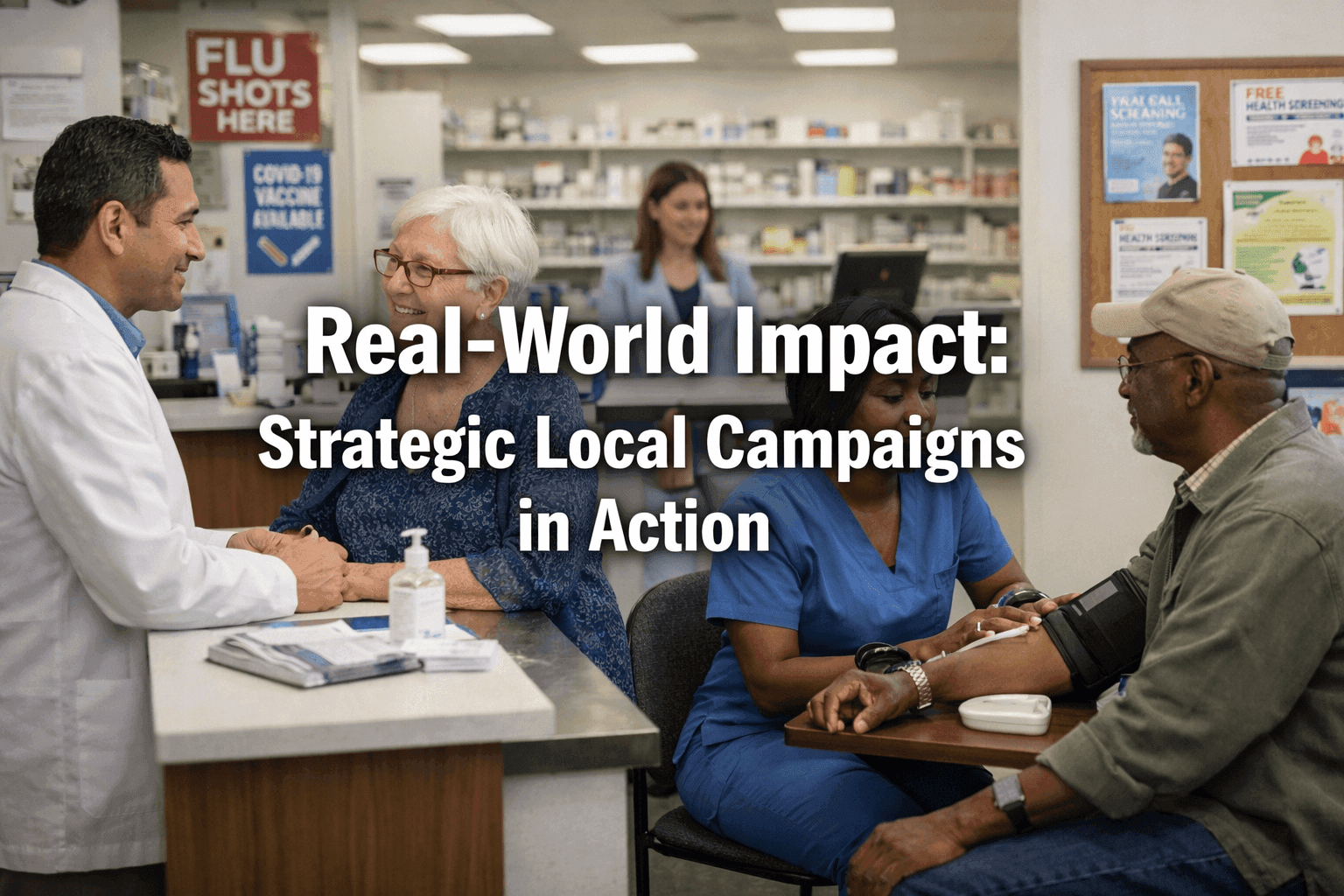
Concrete examples from across Malaysia vividly illustrate how this philosophy translates into effective community impact. Consider CCM Pharmaceuticals’ “Eye Care Awareness” week in Kedah. This initiative went beyond product placement by providing local pharmacies with diagnostic tools, patient education leaflets in Bahasa Melayu, and training for pharmacists on early symptom recognition. This empowered pharmacists to have more meaningful consultations, directly boosting patient compliance with treatment regimens. Similarly, Nova’s asthma management campaign in rural Sarawak addressed a specific regional health concern. By supplying clinics and pharmacies with vernacular educational resources and peak flow meters, they equipped frontline healthcare workers to better manage chronic respiratory conditions. These are not charitable activities; they are strategic investments in market development. They transform pharmacists from passive dispensers into active brand advocates, leading to measurable improvements in both community health metrics and product conversion rates. The lesson is clear: localized health initiatives are a powerful engine for sustainable growth.
Local relevance extends beyond campaigns into the very fabric of product strategy and operations. In Malaysia’s linguistically and culturally diverse landscape, bilingual packaging (Bahasa Melayu and English) is not a luxury but a fundamental requirement for patient safety and adherence. Furthermore, companies gain a competitive edge by developing simplified dosage formats or targeted formulations suited to tropical climates and prevalent local health issues. For instance, a pharmaceutical firm offering pediatric syrup variants that are heat-stable or developing supplements addressing nutritional deficiencies common in certain demographics demonstrates deep market understanding. This operational empathy strengthens their essential value proposition to the population. For a pharmacy distributor in Malaysia, partnering with brands that prioritize these nuances means offering pharmacies a portfolio that genuinely resonates with their customer base, fostering stronger retailer relationships and driving consistent sell-through.
Inline Checklist: Elements of Localized Operational Success:
Provision of bilingual patient information leaflets.
Investment in climate-appropriate packaging and stability testing.
Development of formulary variants addressing local disease prevalence.
Training modules for pharmacists that consider common local queries and misconceptions.
Learn more: 2026 Life Sciences Executive Outlook
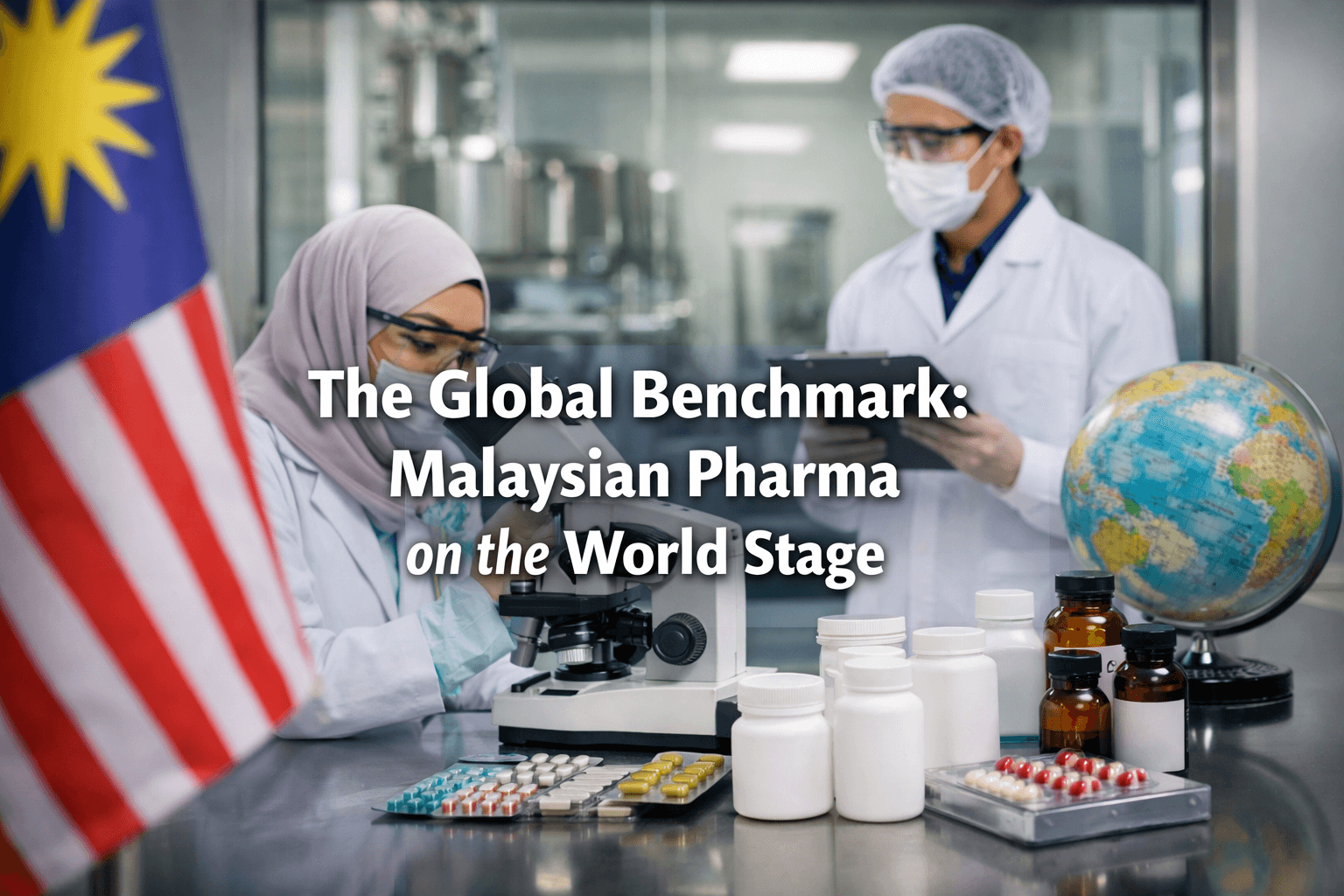
A compelling dimension of Malaysia’s pharmaceutical evolution is how its leading firms now compare favorably against international benchmarks. The era of purely domestic focus is over. Today, numerous GMP certified pharmaceutical companies from Malaysia have earned rigorous recognitions from bodies like the US FDA, the European Medicines Agency (EMA), and Australia’s Therapeutic Goods Administration (TGA). This global acceptance is reflected in soaring export values. Biocon’s successful insulin exports to the European Union and Hovid’s market penetration into over 60 countries stand as proven testaments to world-class quality. These achievements are underpinned by stringent adherence to PIC/S GMP, ISO 13485, and WHO Prequalification (PQ) standards. However, the true differentiator for Malaysian firms is their expert-level agility in a dual regulatory landscape. They masterfully navigate complex international documentation and supply chain protocols while simultaneously maintaining flawless local compliance with NPRA guidelines. This dual competency is a formidable asset.
Learn more: Pharmaceuticals & Medical Products Insights | McKinsey & Company
For pharmacy wholesale distributors and networks with cross-border aspirations or simply a demand for the highest quality assurance, alignment with these globally-recognized Malaysian manufacturers is a strategic imperative. Such partnerships translate into tangible business benefits: fewer customs and regulatory delays, enhanced product assurance for end customers, and greater long-term portfolio viability. When a distributor’s supply chain is anchored by partners whose production facilities meet the world’s most stringent audits, it mitigates risk and builds a reputation for reliable quality. This is particularly essential for distributors supplying hospital tender businesses or premium retail pharmacy chains where documentation and traceability are paramount. The global pedigree of a manufacturing partner directly strengthens the distributor’s own value proposition in a crowded market.
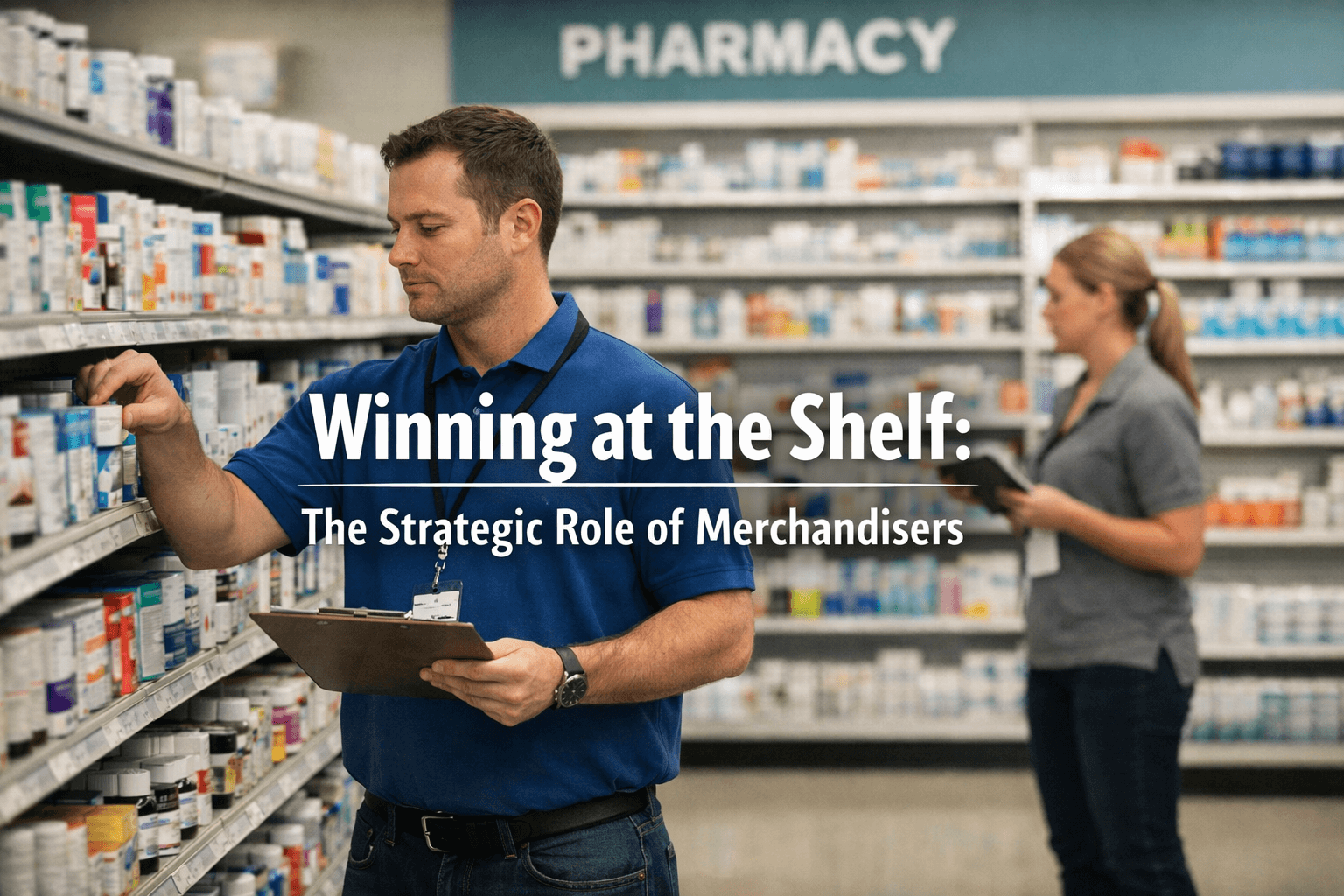
In the fiercely competitive environment of Malaysia’s pharmacy aisles, superior product quality alone does not guarantee sales. Shelf visibility is the ultimate currency, and this is where the strategic role of merchandisers and brand activation becomes non-negotiable. Merchandisers are the linchpins of executional excellence, responsible for transforming a brand’s marketing plan into physical reality at the point of sale. Their duties encompass ensuring strict planogram compliance, conducting regular in-store audit loops, and managing the tactical deployment of shelf talkers, wobblers, and promotional displays. Whether this function is handled by an in-house team or outsourced to a third-party merchandising agency, its impact on sell-through rate is direct and measurable. For example, a pharmacy wholesale distributor partnered with a brand like Appeton will often deploy regional merchandisers to optimize placement during key promotional periods, ensuring maximum impact across a wide network.
Learn more: The Importance of Visual Merchandising for Pharmacies in Malaysia
The choice between an in-house merchandising team and a specialized service provider depends on a company’s specific goals, scale, and resources. Each model offers distinct advantages that cater to different strategic priorities.
| Factor | In-House Merchandising Team | Merchandising Service Provider |
|---|---|---|
| Brand & SOP Compliance | High. Direct company control ensures deep brand knowledge and adherence. | Medium-High. Dependent on briefing quality and contract governance. |
| Scalability & Reach | Limited. Cost-prohibitive to scale across thousands of outlets nationally. | High. Built-in infrastructure to cover vast geographies efficiently. |
| Visual Execution Expertise | Moderate. May lack specialized, cross-industry display skills. | High. Core competency with proven techniques from retail sectors. |
| Cost Structure | Higher fixed costs (salaries, benefits). | Variable, operational expenditure tied to activity. |
| Strategic Focus | Tailored for key accounts, flagship stores, and complex brand narratives. | Strategic for wide-scale coverage, promotional surges, and standardized execution. |
Effective merchandising is far from a mere afterthought or a discretionary expense. It is a reliable accelerator of return on investment (ROI), ensuring that marketing budgets and trade investments are fully realized at the critical last meter of the consumer journey. For brand managers, the perspective is about control and deep branding; for distributors, it’s about volume and execution speed; for pharmacists, it’s about store aesthetics and turnover per square foot. A strategic merchandising solution acknowledges and balances these multiple perspectives.
Despite a trajectory of impressive growth, Malaysia’s pharmaceutical leaders navigate a landscape of mounting challenges. Pricing controls, dependency on volatile government tender outcomes, the threat of parallel imports, and ever-tightening NPRA regulatory guidelines demand unprecedented operational agility. In response, forward-thinking firms are deploying a suite of innovative countermeasures. Digital pharmacy distribution models and AI-assisted demand forecasting are becoming mainstream, optimizing inventory and reducing wastage. E-labeling systems enhance patient safety and streamline regulatory updates. A particularly essential area of investment is the expansion of cold-chain logistics capabilities, driven by the rise of biologics and biosimilars. Biocon’s continued investment in this area underscores its strategic importance for the future of treatment.
Concurrently, the market is fragmenting in innovative ways. We see the emergence of niche distributor pharmacy setups focusing exclusively on areas like dermatology, geriatric care, or sports recovery nutrition. These specialists align with global lifestyle and wellness trends, offering tailored product portfolios and expert support to specific pharmacy segments. Furthermore, smaller firms and distributors are experimenting with telepharmacy alliances to extend reach into underserved areas, a trend accelerated by post-pandemic digital adoption. This evolution indicates a market maturing from broad-based competition to sophisticated, segment-specific value creation.
Learn more: Key Challenges Faced by Distributor Pharmacies and Solutions | Global Pharma Trends & Market Forecasts | IQVIA
This exploration of market leaders and trends provides more than a simple ranking; it offers a strategic roadmap for building secure and sustainable partnerships within Malaysia’s healthcare ecosystem. For a pharmacy distributor in Malaysia, it underscores the importance of aligning with partners who demonstrate not just regulatory strength, but also supply chain agility and efficient market activation capabilities. For pharmacists and merchandisers on the front line, it serves as a validation tool to select brand partners that provide comprehensive retail support beyond simple margin incentives. The future of pharmacy distribution in Malaysia is one of increased specialization, digital integration, and value-driven collaboration. In this evolving landscape, the proven competitive advantage will lie with those who choose partners distinguished by expert processes, tailored market strategies, and reliable, consistent execution.
Q1: Which pharma stock will boom in 2025?
Answer: No one can confirm which pharma stock will “boom” in 2025 because stock performance depends on market cycles, regulation, earnings, and global events. However, pharma stocks linked to GLP-1 obesity/diabetes drugs, oncology, immunology, vaccines, and biosimilars are widely watched due to strong demand and long-term healthcare trends.
Q2: What are the top 5 pharmacy in Malaysia?
Answer: Malaysia’s best-known retail pharmacy chains (often ranked by size, outlets, and nationwide presence) include Caring Pharmacy, Guardian, Watsons, BIG Pharmacy, and Alpro Pharmacy. Rankings can change yearly depending on expansion and store count.
Q3: What is the trend in pharma industry in 2025?
Answer: Key 2025 pharma trends include personalised medicine, growth in biologics and biosimilars, AI in drug discovery, rising demand for chronic disease management, stronger supply chain resilience, and tighter regulatory compliance across manufacturing and distribution.
Q4: What is the biggest pharmaceutical company in the world in 2025?
Answer: The “biggest” pharma company in 2025 depends on whether you measure by revenue, market capitalisation, or product portfolio. Globally, companies often considered among the largest include Pfizer, Johnson & Johnson (Janssen), Roche, Novartis, and Merck (MSD).
Q5: What stocks will skyrocket in 2025?
Answer: It’s not possible to predict which stocks will “skyrocket” with certainty. Stocks that sometimes grow faster are those with strong earnings momentum, breakthrough product launches, major approvals, or high-demand sectors like healthcare tech, AI-related services, and selected pharma innovators.
Q6: Which pharma is best to invest in?
Answer: The best pharma investment depends on your risk level. Many investors prefer companies with diversified pipelines, stable cash flow, strong compliance track record, and global distribution strength rather than relying on one “hot” product.
Q7: Which stock will give 100% return in 2025?
Answer: No stock can guarantee a 100% return in 2025. High-return potential usually comes with high risk, especially in small-cap biotech where outcomes depend on clinical trial success and approvals.
Q8: Who are the big 5 in pharma?
Answer: The “Big 5” pharma companies vary by ranking method, but names frequently included are Pfizer, Roche, Novartis, Merck (MSD), and Johnson & Johnson due to their global scale and major therapeutic portfolios.
Q9: Which sector is best to invest in 2025?
Answer: The best sector depends on economic conditions, but sectors often highlighted for 2025 include healthcare (pharma and medical devices), technology/AI, renewable energy, and consumer staples because they align with long-term global demand patterns.
Q10: What is the future of pharma in 2030?
Answer: By 2030, pharma is expected to focus more on biologics, gene and cell therapies, digital health integration, faster clinical trials using AI, stronger pharmacovigilance, and value-based healthcare models driven by ageing populations and chronic diseases.
Our marketing and sales teams use their strong relationships with the channel to create demand for your product at every stage of its lifecycle.
Demand creation services we offer: