

November 17, 2025
How Malaysia’s Pharmacy Sector Transformed into a Regional Powerhouse

How has Malaysia’s retail pharmacy landscape evolved into one of the most competitive healthcare markets in Southeast Asia? The journey over the past decade is a compelling story of demographic shifts, economic progress, and strategic market consolidation. This transformation did not happen overnight. It was propelled by powerful, interconnected forces that reshaped the entire sector. We have witnessed a dramatic shift from a fragmented market of small, independent neighborhood outlets into a sophisticated arena dominated by nationwide chains. These modern chains are characterized by their advanced merchandising systems and highly strategic distribution models, creating a new standard for healthcare retail. This evolution is a direct response to the changing needs and expectations of the Malaysian population, setting a benchmark for the region.
The Key Drivers Reshaping the Pharmacy Market in Malaysia
Several fundamental drivers have acted as catalysts for this remarkable change. The relentless pace of urbanisation has concentrated populations in cities, creating dense consumer bases that are ideally suited for chain store economies of scale. Concurrently, a significant rise in health awareness among Malaysians has created a more discerning and proactive consumer. People are no longer just seeking remedies for illness; they are investing in wellness, prevention, and management of chronic conditions. This is further amplified by the country’s growing ageing population, which naturally increases the demand for long-term pharmaceutical care and accessible health products. These drivers collectively created the perfect environment for large-scale, efficient pharmacy operations to flourish and meet these complex, growing demands in a strategic manner.
Learn more: The Cost of Poor Merchandising in Malaysia’s Competitive Pharmacy Market
The Dominance of Nationwide Chains and Their Operational Backbone
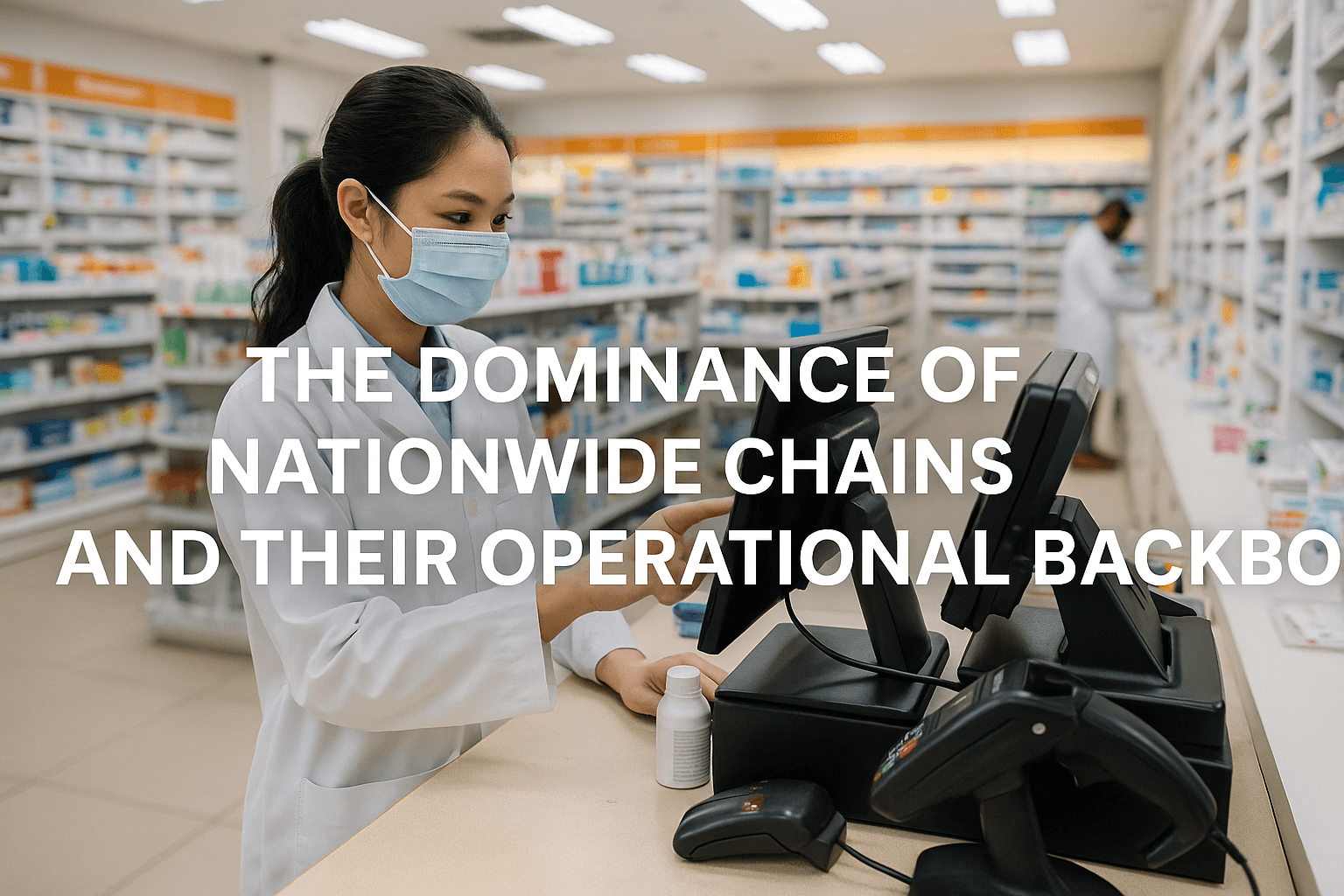
In this new era, pharmacy chains like Guardian, Caring, and AA Pharmacy have become household names, dominating retail spaces in shopping malls and city centers. Their success, however, is not merely a function of store count. It is deeply rooted in their sophisticated operational backbones. The implementation of advanced merchandising systems allows for precise control over product assortment, placement, and promotion, ensuring maximum sales efficiency and a consistent customer experience. Furthermore, their strategic distribution models are the lifeline of their operation. These chains rely on a complex network of pharmacy wholesale distributors and dedicated distributor pharmacies to maintain a continuous flow of goods. This logistical prowess is essential for ensuring product availability, reliability, and strict compliance with national standards, making them a trusted choice for millions.
The Resilient Rise of Independent and Community-Focused Networks

While the large chains command significant market share, the landscape is not homogenous. A notable and resilient trend is the growing traction of independent pharmacy distributor networks. These entities are successfully carving out a substantial market niche by adopting a different, more personalized approach. Their strategy hinges on tailored, community-focused healthcare delivery. Instead of competing on a national scale, they embed themselves within specific communities, building deep relationships and understanding local needs. This model allows for a level of service personalization that larger chains can sometimes struggle to achieve. They often partner with smaller independent pharmacies, providing them with a curated product selection and logistical support that enables them to compete effectively, ensuring that personalized care remains a vital part of the Malaysian healthcare ecosystem.
The Critical Role of Distributors in Ensuring Reliability and Compliance
Behind the scenes of every successful pharmacy, whether a massive chain or a neighborhood stalwart, lies a crucial player: the pharmacy wholesale distributor. The role of these distributors extends far beyond simple logistics. They are essential guardians of product integrity and safety. In Malaysia’s highly regulated environment, their operations are critical for ensuring unwavering compliance with NPRA and GDP standards. The National Pharmaceutical Regulatory Agency (NPRA) sets the bar for product approval and monitoring, while Good Distribution Practices (GDP) provide the framework for ensuring the quality and integrity of medicines throughout the supply chain. A reliable distributor acts as a filter, guaranteeing that every product that reaches the pharmacy shelf—and ultimately the consumer—has been stored, handled, and transported under strict, audited conditions. This is a non-negotiable aspect of modern healthcare logistics.
A Trusted Framework for Evaluating Malaysia’s Top Pharmacy Chains
Navigating this competitive and complex market requires a clear and structured framework for evaluation. This 2025 guide offers a trusted, efficient, and reliable comparison of Malaysia’s top pharmacy chains, designed to provide clarity for industry stakeholders. The assessment is based on several critical, interconnected pillars that define market leadership today. These include the sheer operational scale and geographical coverage of a chain, the strength and consistency of its branding, the sophistication of its merchandising strategies, and the overarching level of trust it commands in the marketplace. By examining these factors, we can move beyond simple outlet counts to understand the underlying mechanics of success and stability in Malaysia’s dynamic pharmacy sector.
Learn more: Top Pharmacy Merchandising Techniques That Attract More Buyers
The Multifaceted Role of Pharmacy Chains in Healthcare Delivery
What role do pharmacy chains truly play in Malaysia’s broader healthcare delivery system? The answer is complex and underscores their immense societal value. These chains have evolved to act as dual agents: they are both accessible health advisors and vigilant product gatekeepers. In the Malaysian context, they serve as the essential bridge connecting patients, manufacturers, and regulators. While public hospitals and clinics provide primary and acute care, retail pharmacies ensure long-term medication adherence and continuous product access. This is a critical function for managing chronic diseases and maintaining public health. The distributor pharmacies and robust pharmacy distributor Malaysia networks work tirelessly to maintain strategic stock flows, ensuring that even rural and semi-urban areas receive consistent supplies, thereby supporting continuity of care and preventing dangerous drug shortages.
The Evolution into Expert-Driven Wellness Hubs
The transformation of the pharmacy model is perhaps most evident in the services now offered. Simply selling medicine is no longer sufficient. Many of the large chains have seamlessly integrated value-added services such as health screenings, digital prescription platforms, and sophisticated loyalty programs. These initiatives are not merely marketing tactics; they are powerful tools that build deep, enduring consumer trust. This evolution marks a fundamental shift from viewing pharmacies as basic retail points to treating them as expert-driven wellness hubs. This trend reflects global retail-health movements but has been adapted to remain locally relevant to the Malaysian consumer. The pharmacist’s role has expanded accordingly, moving from a dispenser of medicine to a frontline health advisor.
The Pharmacist as an Expert Advisor in a Complex Market
At the heart of this evolved pharmacy model is the pharmacist. These professionals now serve as expert advisors who guide consumers through an increasingly complex landscape of health choices. From selecting the right supplements to understanding complex chronic-disease therapies, their counsel is invaluable. The credibility of this advice is underpinned by the reliable distributor partnerships that the pharmacy maintains. A pharmacist’s insight is only as good as the quality of the products they recommend. Therefore, their ability to act as a trusted health partner is directly supported by supply chain integrity, which ensures that every product on the shelf meets the highest compliance and quality benchmarks. This synergy between professional expertise and supply chain excellence is what defines a proven pharmacy partner.
Defining Success in Malaysia’s Pharmacy Market: The 2025 Benchmark
What truly separates a high-performing pharmacy chain from an average one in Malaysia’s fast-moving retail market? Success in 2025 is not defined by a single factor but by a combination of interdependent competencies. The market has matured to a point where excellence is required across multiple domains simultaneously. Chains that lead the pack have mastered a delicate balance between operational scale, brand trust, merchandising excellence, regulatory rigor, and digital adoption. Those who fail to innovate across this spectrum risk being left behind. It is a demanding environment that rewards strategic foresight, efficient execution, and an unwavering commitment to the customer. The following factors represent the core pillars that define a successful pharmacy chain in the current climate.
Operational Scale and Efficient Supply Chain Management
The first pillar is Operational Scale and Coverage. A wide physical presence is a significant advantage, but it is meaningless without an efficient supply-chain management system to support it. Major networks sustain their nationwide availability by building resilient logistics frameworks. This almost always involves partnering with a proven pharmacy distributor Malaysia entity that can guarantee consistent inventory and fast turnaround times. This is particularly critical for temperature-sensitive medicines like insulin or certain biologics, where any break in the cold chain can render products ineffective or even dangerous. The ability to get the right product to the right location at the right time, every time, is a fundamental, table-stakes requirement for market leadership.
Building Unshakeable Brand Trust and Expert Positioning
The second pillar is Brand Positioning and Trust. In a sector dealing directly with health, a trusted image is the most valuable asset a chain can possess. This trust is built over time through transparent communication, consistent product quality, and the visible presence of expert pharmacists. Consumers in Malaysia are increasingly knowledgeable and are more likely to remain loyal to a brand they perceive as credible and caring. This trust translates directly into commercial resilience, allowing chains to weather market fluctuations and competitive pressures more effectively. It is a long-term investment in reputation that pays dividends in customer retention and lifetime value.
Learn more: The Role of Employee Training in Effective Pharmacy Merchandising
The Science of Merchandising Excellence and Planogram Execution
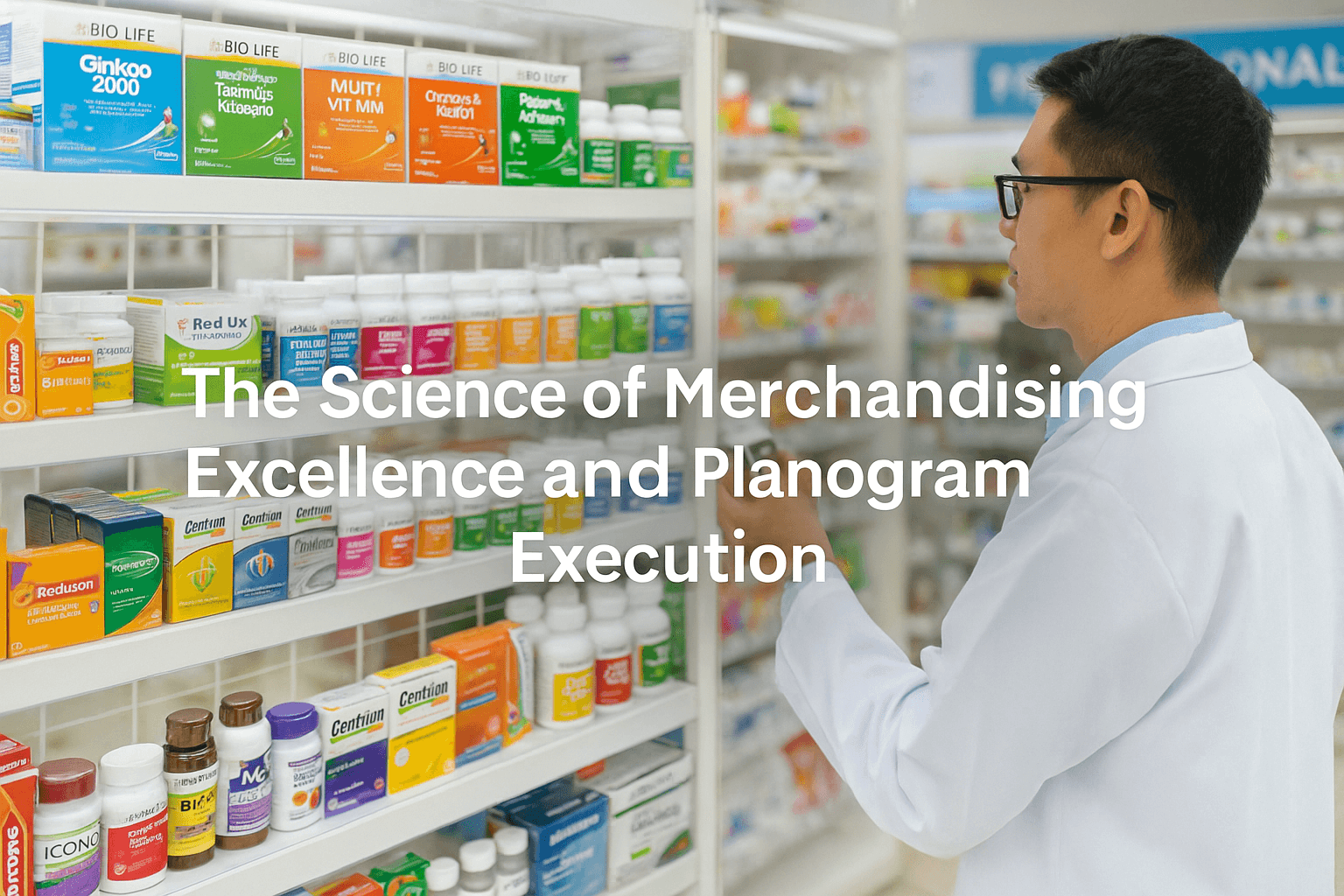
The third pillar is Merchandising Excellence. This is the science and art of influencing purchase decisions at the point of sale. Chains that excel in this area demonstrate effective planogram execution, run data-driven seasonal promotions, and optimize shelf layouts based on sales analytics. A well-merchandised store not only improves sales performance but also enhances the customer experience by making it easier to find products and access information. This is an area where partnerships with pharmacy wholesale distributors are invaluable, as they can provide valuable market data and insights that inform these strategic merchandising decisions, creating a measurable competitive advantage.
The Non-Negotiable Priority of Regulatory Compliance
The fourth pillar, Regulatory Compliance and Quality, is absolutely non-negotiable. Adherence to GDP and NPRA regulations is the baseline for operation. Chains that go beyond mere compliance to establish structured SOPs and conduct regular internal and external audits are the ones that establish long-term reliability with both consumers and regulators. A single compliance failure can irreparably damage a brand’s reputation. Therefore, a culture of quality and compliance must be embedded throughout the organization and its supply chain, from the central warehouse to the store shelf. This commitment to safety is a core component of a tailored and responsible healthcare service.
Digital Integration as a Key Differentiator
The fifth and final pillar is Digital Integration. The most advanced pharmacy players in Malaysia are now leveraging technology to create seamless omnichannel experiences. Mobile apps for prescription refills, online ordering with flexible pickup options, and AI-based stock analytics are no longer futuristic concepts—they are active differentiators. These tools improve customer convenience, optimize inventory management, and provide a rich source of data for personalizing marketing and health recommendations. Chains that lag in digital adoption will find it increasingly difficult to compete with the convenience and engagement offered by their more technologically efficient competitors.
Inline Checklist: Core Pillars of a Successful Pharmacy Chain in 2025
-
Nationwide Operational Scale supported by a resilient supply chain.
-
A Trusted Brand Image built on transparency and expert advice.
-
Data-Driven Merchandising for optimized sales and customer experience.
-
Stringent Regulatory Compliance with NPRA and GDP standards.
-
Seamless Digital Integration for omnichannel customer engagement.
A Comparative Overview of Malaysia’s Leading Pharmacy Chains
To fully grasp the competitive dynamics, a side-by-side comparison is invaluable. The following table provides a 2025 snapshot of the top pharmacy chains in Malaysia, evaluating them across key performance indicators including their scale, distribution model, merchandising strength, compliance rigor, and consumer trust.
| Pharmacy Chain | Approx. Outlets (2025) | Distribution Partner Type | Merchandising Strength | Compliance Level | Consumer Trust Rating |
|---|---|---|---|---|---|
| Guardian | 550+ | Centralised Distributor Pharmacy Model | High – Proven planogram consistency nationwide | Full NPRA + GDP Compliance | ⭐⭐⭐⭐⭐ (Trusted Market Leader) |
| Caring Pharmacy | 400+ | In-house + Pharmacy Wholesale Distributors | Very Strong – Strategic health campaigns and digital integration | Full Compliance | ⭐⭐⭐⭐½ |
| AA Pharmacy | 200+ | Independent Distributor Network | Reliable – Competitive pricing and essential SKUs | GDP Certified | ⭐⭐⭐⭐ |
| Health Lane Family Pharmacy | 150+ | Hybrid Distribution (own + partners) | Effective – Tailored community outreach programs | High Compliance | ⭐⭐⭐⭐ |
| BIG Pharmacy | 120+ | Central Distribution Hub | Strategic – Data-driven merchandising and new store formats | Full Compliance | ⭐⭐⭐⭐ |
| Watsons Malaysia | 600+ | Corporate Supply Chain Model | Proven – Strong brand marketing integration | Full Compliance | ⭐⭐⭐⭐½ |
| Alpro Pharmacy | 130+ | Professional Healthcare Distributor | Trusted – Clinical focus and pharmacist consultation zones | GDP & NPRA Compliant | ⭐⭐⭐⭐⭐ |
| Multicare Pharmacy | 100+ | Regional Distributor Pharmacy | Reliable – Growing presence and customer education programs | Moderate Compliance | ⭐⭐⭐½ |
| Constant Pharmacy | 90+ | Independent Pharmacy Distributor | Tailored – Localized promotions and service personalization | GDP Compliant | ⭐⭐⭐⭐ |
| Wellings Pharmacy | 80+ | Hybrid Distributor Model | Effective – Strategic partnerships with local brands | NPRA Compliant | ⭐⭐⭐⭐ |
Interpreting the Competitive Landscape and Strategic Models
This comparative analysis clearly reflects the direct correlation between a chain’s operational structure, its distribution model, and its overall market position. Chains like Guardian, Watsons, and Alpro Pharmacy stand out due to their strategic brand consistency and high compliance maturity. Their models, whether through a centralized distributor or a corporate supply chain, are designed for uniformity and control. On the other hand, chains like AA Pharmacy and Health Lane Family Pharmacy have carved out a proven and successful niche by emphasizing community trust and tailored service, often leveraging more flexible independent or hybrid distributor networks. This shows that there are multiple pathways to success, depending on a chain’s core strengths and target market.
The Inseparable Link Between Branding and Consumer Perception
In the competitive 2025 marketplace, branding and merchandising have become inseparable from a pharmacy chain’s success strategy. It is no longer just about having a recognizable logo; it is about creating a holistic sensory and experiential identity that communicates quality, trust, and expertise the moment a customer walks in. The visual identity, store layout, and product presentation are all direct reflections of the brand’s promise. A clean, well-organized, and professionally merchandised store subconsciously signals product safety and reliability to consumers. This psychological link is powerful and is a key reason why leading chains invest so heavily in this area.
Learn more: “Beauty and Personal Care in Malaysia” – Euromonitor International
Contrasting Branding Philosophies: Retail Giants vs. Healthcare Specialists
The market leaders employ distinct branding philosophies that resonate with different consumer segments. Chains like Guardian and Caring invest heavily in creating a modern retail experience. This includes digital displays, bright LED lighting, and strict planogram uniformity to build a consistent visual identity across all their hundreds of outlets. This attention to a polished store experience reinforces their image as modern, reliable, and convenient wellness retailers. In contrast, Alpro Pharmacy has built its brand around a healthcare-centric philosophy. Its “Pharmacist First” model intentionally creates a clinical yet welcoming environment, where dedicated consultation corners are prioritized over aggressive sales displays. This expert approach positions Alpro not just as a seller of products, but as a strategic partner in the customer’s health journey, differentiating it significantly within the pharmaceutical retail network.
Data-Driven Merchandising and Strategic Distributor Partnerships
From a purely operational perspective, merchandising has become a science. Chains are increasingly leveraging data and analytics to make informed decisions about product placement and assortment. This often involves close collaboration with their pharmacy wholesale distributors, who possess valuable sell-through data from across the network. By working together, they can implement data-based planograms that are not only efficient in terms of space utilization but are also highly strategic. They can maximize consumer attention on high-margin or new products while rigorously adhering to regulatory guidelines for product visibility, expiration date management, and specific storage temperature requirements. This synergy between the retailer and the distributor is a key component of modern healthcare logistics.
A Proven Malaysian Example of Effective Campaign Merchandising
A real-world example from Malaysia illustrates the power of integrated campaign merchandising. During the nationwide 2024 Health Awareness Month, Caring Pharmacy launched its “Healthy You, Healthy Community” campaign. This was not a simple promotion; it was a carefully orchestrated merchandising event. The campaign integrated cross-merchandising between complementary product categories, such as placing vitamin brands adjacent to over-the-counter immunity boosters. This strategic collaboration, which also involved close coordination with their brand and distributor partners for POSM and staff training, resulted in a reported sales increase of over 15 percent for those categories. This serves as a proven case study of effective pharmacy merchandising services in action, demonstrating how strategic product placement can drive both commercial and health outcomes.
Learn more: “Improving Health Systems Through Pharmaceutical Distribution” – World Health Organization
The Foundational Elements of Pharmacy Branding Science
The science of pharmacy branding rests on several foundational insights that directly influence customer perception. First, consumers have a strong, often subconscious, tendency to equate clean, well-organized shelves with product safety and quality. Second, uniform staff attire and clear, professional category signage significantly enhance perceived brand trust and expertise. Third, data-driven layout optimization using Point-of-Sale (POS) analytics is crucial for improving SKU rotation rates and reducing dead stock. Fourth, Malaysian chains that successfully combine digital health tools—such as QR codes on shelves that link to product education videos or pharmacist advice—with their physical branding report higher customer engagement and dwell times. Finally, merchandising partnerships with independent pharmacy distributors are a strategic lever for smaller chains, allowing them to achieve a level of brand polish and professional presentation that rivals larger players through shared resources like POSM and staff training initiatives.
The Enduring Role of Distributor Pharmacies and Independent Networks

Why do independent pharmacy distributors remain a vital component of the healthcare ecosystem even in an era dominated by large retail chains? The answer lies in the unique fabric of Malaysia itself. The nation’s diverse geography and varied consumer demographics create a demand for flexible, community-driven solutions that massive, centralized operations can sometimes overlook. These independent distributor pharmacies fill essential gaps, ensuring that healthcare access is not just an urban privilege. In the rural villages of Sabah or the small towns of Kedah, these localized networks guarantee consistent medicine availability where the logistics engines of corporate chains might face economic or infrastructural challenges. Their deep, trusted relationships with local clinics, general practitioners, and even traditional practitioners position them as key partners in public health initiatives, particularly in preventive-care education and outreach, making them a reliable lifeline for communities.
Learn more: “Good Distribution Practice (GDP) for pharmaceutical wholesale distributors” – European Medicines Agency
The Strategic Value of Independent Networks for Brand Managers
From the perspective of a brand manager, independent pharmacy networks offer an invaluable, tailored merchandising environment that larger chains cannot easily replicate. Instead of being constrained by rigid, standardized national planograms, these networks provide a dynamic space for experimentation. They allow for seasonal displays that reflect local festivals, small-batch product testing for new health supplements, and a greater emphasis on pharmacist-led recommendations. The insights gleaned from these localized, real-world experiments are often incredibly valuable; they frequently inform and shape national marketing and product placement strategies later adopted by the bigger chains. For any manufacturer, these smaller networks represent an efficient and low-risk distribution testbed before committing to a costly nationwide product rollout.
Operational Agility from a Distributor and Manufacturer Perspective
Adopting the viewpoint of a distributor reveals the inherent agility of working with smaller pharmacy groups. These independent entities typically operate with shorter restock cycles, significantly lower holding costs, and much faster decision-making processes compared to their corporate counterparts. This operational nimbleness allows them to respond quickly to shifts in local demand or unexpected health trends. For manufacturers, this agility is a strategic advantage. It means they can pilot new products, gauge market reception, and adjust their strategies with a speed that is often impossible within the bureaucratic frameworks of large chain agreements, making these networks a proven channel for innovation.
The Multifaceted Role of the Independent Pharmacist
Within an independent pharmacy setup, the pharmacist’s role expands far beyond dispensing medication. These professionals frequently double as merchandisers, educators, and community advocates. They are the face of healthcare in their locality, and their success is heavily dependent on a strong collaborative relationship with their pharmacy wholesale distributors. These distributors provide more than just products; they offer critical training, POSM support, and valuable data on customer buying trends. This collaboration empowers the pharmacist to curate a more relevant product selection and offer informed, confident advice, which in turn strengthens patient confidence and encourages responsible, effective product selection.
A Malaysian Case Study in Community-Based Distribution
A compelling mini-case from 2024 illustrates the power of this model perfectly. During a regional dengue-prevention campaign in the state of Perak, local regional pharmacy distributors partnered directly with district councils and health offices. Their mission was to ensure the widespread availability of mosquito-repellent kits and oral rehydration salts through over 60 independent rural outlets. This small-scale, hyper-local initiative effectively complemented the Ministry of Health’s nationwide awareness programs, demonstrating with clarity that community-based distribution is not just a supplementary model but an effective and powerful mechanism for delivering targeted healthcare solutions where they are needed most.
Upholding Compliance and Quality Assurance in the Sector
How do pharmacy chains in Malaysia rigorously safeguard product integrity while simultaneously balancing ambitious commercial goals? The reality is that compliance is not merely a regulatory hurdle; it is a strategic necessity for long-term business survival and consumer trust. Every entity operating as a pharmacy distributor Malaysia must strictly adhere to GDP (Good Distribution Practice) standards and all NPRA (National Pharmaceutical Regulatory Agency) requirements. These comprehensive frameworks govern everything from precise temperature control and meticulous documentation to robust recall readiness protocols, ensuring that every product that reaches the consumer is safe, authentic, and effective.
Contrasting Compliance Approaches Between Large and Independent Chains
The approach to maintaining these high standards varies significantly between large chains and independent networks, each leveraging their unique strengths to achieve reliable compliance.
| Compliance Area | Large Chain Approach | Independent Network Approach |
|---|---|---|
| Documentation & Audit | Fully digitalized systems integrated into Enterprise Resource Planning (ERP) platforms | Hybrid manual records supplemented by periodic reviews from external compliance consultants |
| Cold-Chain Monitoring | Automated, continuous temperature sensors with real-time alerts | Reliance on shared regional cold-storage facilities to distribute high costs |
| Staff Training | Standardized, in-house certified GDP training modules | Participation in external workshops, often sponsored by NPRA or supplier partners |
| Recall Management | Centralized digital dashboards for instant nationwide execution | Direct, personal liaison with their primary wholesale distributor to manage withdrawals |
Large players like Guardian and Alpro invest heavily in automated tracking systems that continuously monitor humidity and transit conditions, with many pharmacy wholesale distributors offering these technologies as part of integrated service packages. From a regulatory officer’s viewpoint, the most reliable distributors are those who maintain transparent, easily accessible SOP records ready for NPRA inspection at a moment’s notice. Conversely, a persistent practical challenge for independent networks is the cost of compliance, particularly the investment in automated monitoring systems. To overcome this, many distributor pharmacies are now forming strategic alliances to share digital monitoring infrastructure, a strategic move that balances affordability with effective oversight.
Learn more: “The Future of Omnichannel Retail in Healthcare & Pharmacy” – McKinsey & Company
Emerging Trends Shaping the Future of Malaysian Pharmacy
Where is Malaysia’s dynamic pharmacy sector heading beyond 2025? Three powerful, interconnected trends are poised to define its next stage of evolution, demanding strategic adaptation from all players.
The first is the full embrace of Digitalization & E-Pharmacy Expansion. Omni-channel retail is now the baseline expectation, not a novelty. Chains are seamlessly integrating mobile apps with in-store fulfilment, allowing customers to pre-order prescription drugs for pickup. Behind the scenes, distributor pharmacies are collaborating with tech partners to build reliable inventory APIs that synchronize real-time stock levels across the entire national network, creating an efficient and transparent supply chain.
The second trend is the rise of Data-Driven Merchandising. Pharmacies are moving beyond intuition and using advanced POS analytics to optimize shelf allocation and forecast demand with remarkable regional precision. This strategic approach minimizes wastage and supports efficient restocking through automated distribution alerts sent directly to their supply chain partners, ensuring shelves are never empty of essential items.
The third significant trend is the focus on Sustainability & Local Manufacturing Partnerships. Driven by both government policy and consumer awareness, there is a growing push for GDP-compliant warehouses powered by renewable energy. Simultaneously, independent pharmacy distributors are increasingly sourcing Malaysian-made supplements and generic medicines. This dual strategy helps cut the carbon footprint associated with long-distance imports while providing effective support to local SMEs, fostering a more resilient national healthcare industry.
Expert Insights from Leading Industry Practitioners

What practical lessons can pharmacy professionals across Malaysia learn from those already excelling in merchandising and distribution? The successes of market leaders provide a clear blueprint.
Guardian demonstrates the immense value of brand consistency. Every outlet meticulously replicates its signature colour palette, signage hierarchy, and shelf lighting—a proven merchandising method that reinforces consumer familiarity and builds a deep, subconscious trust, making the brand a safe and reliable choice.
Caring Pharmacy has built its strategy around pharmacist engagement. Rather than competing solely on price discounts, it invests heavily in continuous product-knowledge training, effectively turning its staff into expert advisors. This investment means that recommendations at the counter are informed and authentic, influencing customer decisions more powerfully than any digital advertisement could.
Alpro Pharmacy champions the healthcare-first model. Its dedicated consultation booths and chronic-care monitoring stations illustrate a trusted fusion of retail and clinical service. This commitment builds immense credibility and referral networks among doctors and patients alike, positioning the pharmacy as a strategic partner in health management, not just a retail outlet.
Meanwhile, emerging groups like Multicare and Health Lane thrive by mastering the art of localizing retail strategy. They partner with independent pharmacy distributors to create culturally relevant displays, such as festive health bundles promoted during Hari Raya or Deepavali. This strategic localization thoughtfully reflects Malaysia’s plural society and significantly enhances inclusivity in merchandising, resonating powerfully with local communities.
Integrating Insights for a Future-Ready Pharmacy Network
As Malaysia’s healthcare industry continues its rapid advancement, pharmacies have unequivocally evolved from simple retail outlets into critical community health access points. The entire pharmacy distributor Malaysia ecosystem, robustly supported by efficient distributor pharmacy networks and GDP-compliant partners, forms the indispensable backbone of this remarkable progress. The 2025 comparison of the nation’s top chains reveals a shared, non-negotiable commitment to compliance, merchandising innovation, and the continual cultivation of consumer trust. Each successful brand—from a corporate leader like Guardian to a regional player like Constant Pharmacy—depends fundamentally on expert distributor partnerships to maintain a reliable supply of goods, ensure safe storage, and deliver tailored brand experiences that meet the specific needs of their customers.
Frequently Asked Questions (FAQ)
Q1: What factors contributed to Malaysia’s pharmacy sector becoming a regional powerhouse?
Answer: Malaysia’s pharmacy sector grew through urbanisation, rising health awareness, government regulation via NPRA, and strong investment from national chains like Guardian and Caring. Together, these factors built a structured, trusted retail health ecosystem.
Q2: Why are nationwide pharmacy chains so dominant in Malaysia?
Answer: Their dominance comes from advanced logistics, consistent branding, and data-driven merchandising. Large chains use centralised distribution and strict compliance systems to ensure efficiency, availability, and consumer trust.
Q3: What role do independent pharmacies still play in Malaysia?
Answer: Independent pharmacies remain vital in small towns and rural areas. They provide personalised healthcare, maintain community relationships, and offer flexible merchandising and localised product selections.
Q4: How do distributor pharmacies support Malaysia’s pharmacy supply chain?
Answer: Distributor pharmacies handle storage, transportation, and compliance monitoring. They ensure medicines are distributed safely under NPRA and GDP standards, maintaining product integrity from warehouse to shelf.
Q5: What defines a successful pharmacy chain in 2025?
Answer: A successful chain balances scale, branding, merchandising excellence, digital integration, and strict regulatory compliance—delivering both accessibility and trust to Malaysian consumers.
Q6: How do merchandising practices influence pharmacy performance?
Answer: Merchandising affects customer flow, product visibility, and sales conversion. Strategic planograms and category placements improve user experience and drive retail efficiency across outlets.
Q7: What compliance standards must pharmacy distributors follow in Malaysia?
Answer: Distributors must follow Good Distribution Practice (GDP) and NPRA regulations, ensuring proper storage, temperature control, documentation, and product traceability for all pharmaceuticals.
Q8: How has digitalisation changed the Malaysian pharmacy market?
Answer: Digitalisation introduced online prescription refills, AI-based inventory systems, and omnichannel experiences. These improve customer convenience and make operations more efficient and data-driven.
Q9: How do Malaysian pharmacists contribute beyond dispensing medication?
Answer: Modern pharmacists act as health advisors, providing product education, chronic-disease support, and guidance on supplement use, supported by data from trusted distributors.
Q10: What can global health industries learn from Malaysia’s pharmacy evolution?
Answer: Malaysia’s model shows that combining regulatory discipline, community focus, and strategic digital transformation creates a balanced, resilient, and trusted healthcare retail ecosystem.
How can we assist you today? 😊
Just let us know—we’re here to help!