Learn more: QS Top Universities


January 29 , 2026
The narrative of Kuala Lumpur’s healthcare sector has evolved dramatically. No longer just a regional capital with medical facilities, KL has cemented its position as a strategic center for pharmaceutical growth in Southeast Asia. This transformation is powered by a confluence of powerful, sustained forces that have reached a critical point in 2026. It’s a shift from being a simple marketplace to becoming a sophisticated, integrated ecosystem where access, education, and wellness converge. The city’s role has expanded beyond traditional care delivery; it now functions as a living laboratory for innovative healthcare retail models, setting trends that ripple across the region. This isn’t accidental growth but the result of deliberate urban development, regulatory maturation, and evolving consumer health consciousness. The competitive pharmacy marketplace we see today is the direct outcome of these forces aligning, creating an environment where only the most efficient and patient-centric operations thrive.
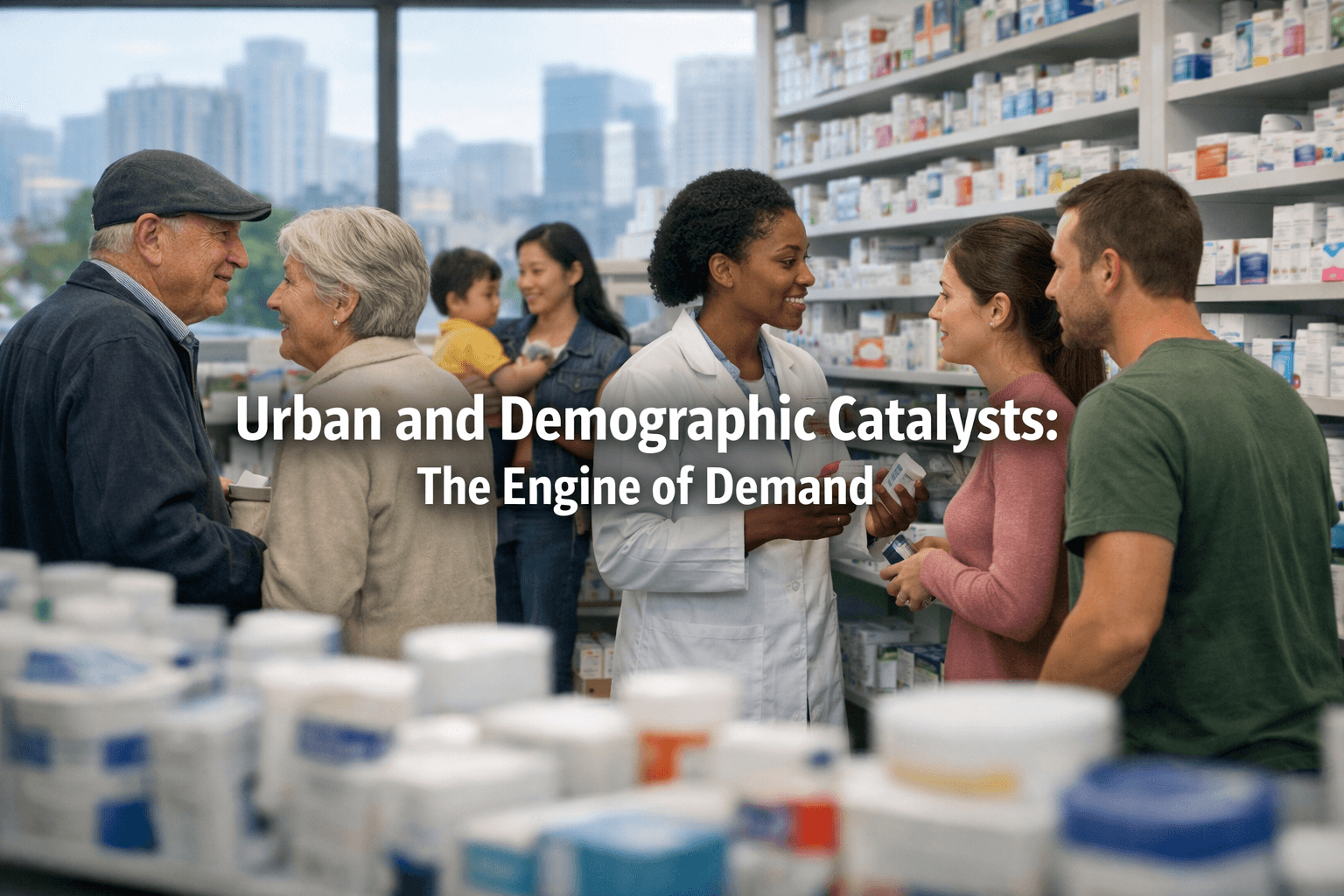
The fundamental drivers behind this transformation are deeply rooted in Kuala Lumpur’s very fabric. Urban population growth continues unabated, with the Greater KL region attracting professionals and families seeking economic opportunity and, critically, access to quality services. This dense, concentrated population creates a predictable and sustained demand for healthcare products and services. Simultaneously, Malaysia faces a rising tide of chronic care demands, with conditions like diabetes, hypertension, and cardiovascular disease becoming increasingly prevalent. This shifts the pharmacy’s role from a transactional outlet for acute remedies to a continuous care partner. Pharmacies are now essential nodes for ongoing medication therapy adherence, monitoring, and lifestyle coaching. For instance, a pharmacy in Bangsar South isn’t just serving office workers with cough syrup; it’s managing the monthly insulin and glucometer strip needs for a growing number of patients, requiring a completely different supply chain partner relationship and in-store expertise.
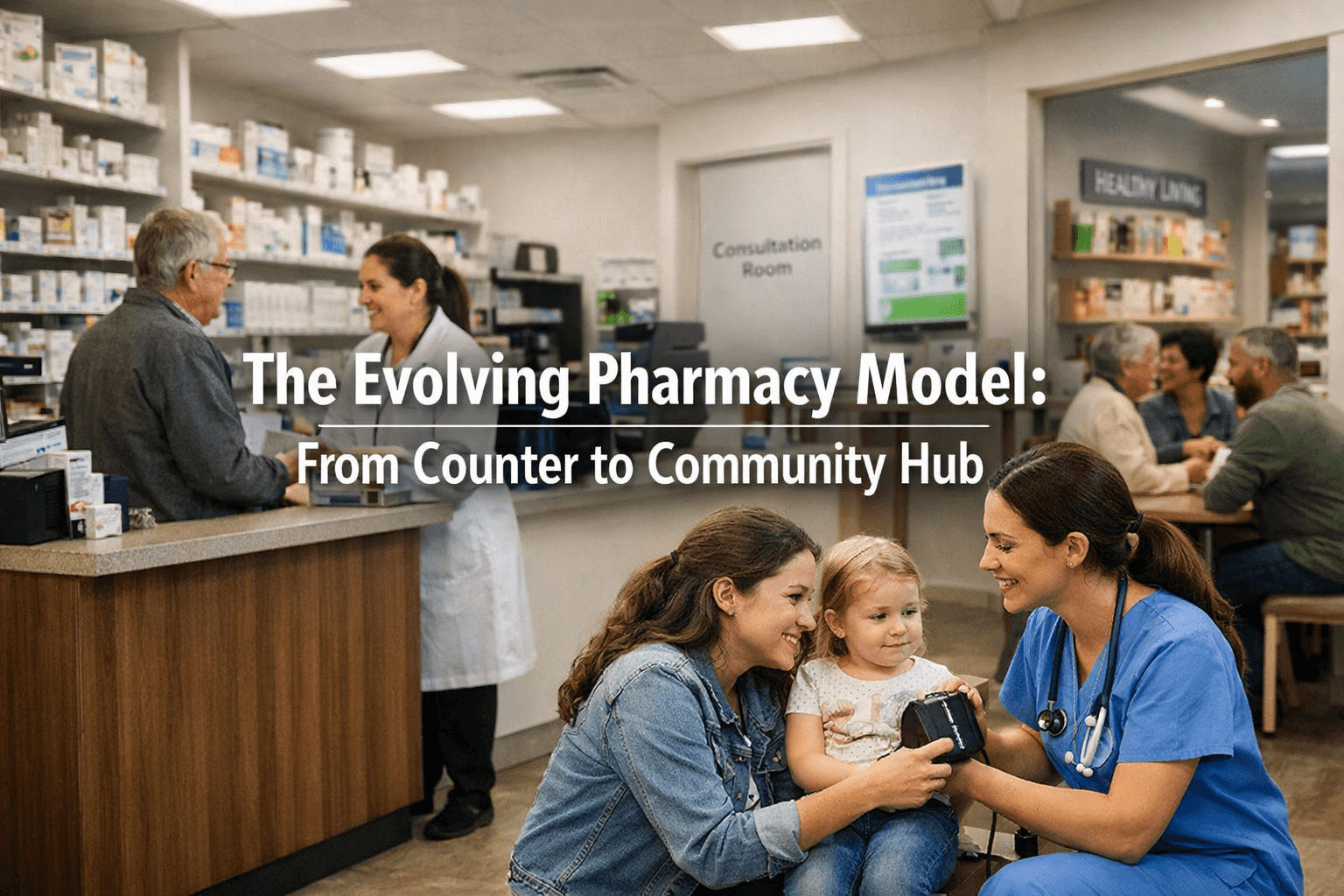
This shift in demand has fundamentally redefined what a pharmacy is and does. The outdated model of a passive dispensary is obsolete. Modern pharmacies in KL, to remain competitive, now operate as multi-faceted patient engagement points. They are often the first and most frequent touchpoint a patient has with the healthcare system. Beyond the dispensary counter, you will find dedicated spaces for health screening hubs offering blood pressure, glucose, and cholesterol checks. They have become wellness product destinations, with expansive sections for premium supplements, organic personal care, and specialized nutritional products. A perfect example is the proliferation of pharmacies within KL’s affluent suburbs like Mont Kiara, which now feature aesthetic consultation rooms for premium skincare lines and dedicated ‘wellness bays’ for traditional and complementary medicine like jamu and herbal supplements. This evolution means the store’s success hinges not just on inventory, but on the quality of pharmacist consultation practices and the ability to create a trusted, advisory environment.
Learn more: WHO — Pharmacy

This radical change in the retail front line has placed immense, added importance on the backend pharmacy distributor Malaysia ecosystem. The supply chain is no longer a simple linear pipeline from manufacturer to shelf. It has morphed into a complex, integrated network that links manufacturer, brand, and end-user in a continuous feedback loop. Distributors have been compelled to evolve from being mere logistics players—moving boxes from point A to point B—into becoming essential stakeholders in the commercial and clinical success of a pharmacy. The rise of agile independent pharmacy distributors alongside the established pharmacy wholesale distributors has created a dynamic, sometimes competitive, market where value-added services are the new currency. In this environment, efficiency and compliance are no longer value-adds; they are the absolute baseline for any long-term partnership. A distributor’s ability to ensure seamless product access is table stakes; their real value is now measured in in-store support.
Learn more: Top 10 Pharmacy Distributors in Malaysia: A 2025 Market Analysis | The Economic Impact Of Pharmacy Distribution Services On Malaysia’s Healthcare Sector | Supply Chain Management
For commercial teams—including brands, merchandisers, and even pharmacists looking to benchmark—the exercise of identifying the top pharmacies in Kuala Lumpur has transcended basic market intelligence. It is no longer just an exercise in recognition or a list of high-revenue stores. It has become a strategic planning tool of the highest order. This intelligence directly informs critical business decisions: where to focus retail expansion efforts, which outlets prioritize for new product listings, and how to design brand activation plans that resonate with specific catchment demographics. Understanding “who leads” is only the first step. The deeper insight lies in understanding “how they lead”—is it through superior chronic disease management programs? Unmatched cosmetic consulting? A flawless omnichannel experience?—and, most importantly, “what partnerships support their success.” This last point is crucial; a top pharmacy’s performance is often a direct reflection of its strategic distributor pharmacy teams.
Learn more: Consumer behavior
In a market as diverse and competitive as KL’s, how do we objectively define excellence in a retail pharmacy market? A superficial assessment based solely on size or revenue is misleading. Our evaluation incorporates a layered methodology built on proven metrics that balance commercial performance with patient care quality and operational integrity. We assess several core pillars:
Service Offering Breadth: This looks beyond the medicine shelf. We evaluate the depth in chronic care (e.g., dedicated diabetes care centers), the range of wellness supplements and skin health portfolios, and the integration of traditional medicine availability. A pharmacy stocking a wide range of insulin types alongside certified Tongkat Ali supplements demonstrates this breadth.
NPRA Compliance: Regulatory adherence is non-negotiable. We review accreditation status, audit records, and the rigor of pharmacist consultation practices. Compliance is a marker of reliable operation and patient safety.
Retail Footprint & Strategy: Store count matters, but location strategy is paramount. An outlet in a high-footfall mall like Pavilion Kuala Lumpur serves a different purpose than one in a residential community in Setapak. We analyze footfall analytics and geographic coverage to understand strategic positioning.
Community Feedback & Ratings: In the digital age, social proof from platforms like Google Reviews and Facebook provides invaluable insight into patient satisfaction and service gaps.
Distributor Alignment: The quality of a pharmacy’s partnerships with distributor pharmacy teams is a critical behind-the-scenes indicator. Strong alignment means better planogram adherence, faster POSM activation, and more responsive supply.
Visual Merchandising Execution: This is where strategy meets the customer eye. We assess compliance with brand planograms, the effective use of point-of-sale materials, and crucially, the pharmacist brand familiarity that drives recommendation at the counter.
From the brand manager’s perspective, a partnership with a strategic distributor pharmacy team is often the difference between a product collecting dust and becoming a bestseller. They value the distributor’s ability to influence a pharmacy’s reputation and directly drive sell-out strength. The pharmacist-owner, however, prioritizes operational reliability—getting the right stock, undamaged and on time, with clear documentation. Meanwhile, the pharmacy distributor Malaysia firm itself evaluates a pharmacy partner on metrics like planogram compliance and the availability of proper cold chain support infrastructure, which minimizes waste and ensures product efficacy.
The structure of Kuala Lumpur’s pharmacy scene in 2026 is a direct reflection of a maturing, sophisticated healthcare economy. The player mix is clearly stratified, each segment serving distinct needs:
Large Chains (e.g., Guardian, Watsons, BIG Pharmacy): These players leverage scale, offering competitive pricing, strong private label portfolios, and standardized customer experiences across numerous locations.
Mid-Sized Specialty Pharmacies: These outlets compete on expertise, often focusing on niches like pediatric care, oncology support, or premium dermocosmetics. They thrive on deep pharmacist knowledge and personalized service.
Independents: Often family-owned, these pharmacies are the bedrock of community care in many neighborhoods. Their agility and personal connection are key strengths, frequently supported by nimble independent pharmacy distributor networks that offer them the flexible terms and tailored service larger distributors may not.
The demand pulling customers through their doors is also multifaceted. Chronic disease management creates a base of recurring, predictable patients. Increased health screenings, both in-store and through community partnerships, drive foot traffic and facilitate early product intervention. The booming wellness segment, fueled by younger, health-conscious consumers, turns pharmacies into destinations for preventive health. Compounding this local demand is Malaysia’s robust medical tourism industry, which brings international patients seeking follow-up medications or specific wellness products into KL’s pharmacies, particularly those in hospital adjacencies or affluent areas.
So, why have pharmacy distributors in Malaysia shed their old identity as mere product movers? The answer lies in the complexity of modern retail. In today’s ecosystem, they serve as strategic growth partners, acting as an extension of both the manufacturer’s commercial team and the pharmacy’s operations team. Their tailored services now encompass a vital suite of functions:
Pharmacist Training & Product Knowledge Sessions
Shelf-Planning and Planogram Implementation Services
Specialized Cold Chain Handling for sensitive biologics or vaccines
Tailored Campaign Execution at the outlet level
KL’s urban density and format diversity mean a one-size-fits-all distribution approach fails. A distributor servicing a chain in KLCC must operate differently than one supporting an independent in Keramat. GDP-certified pharmacy distributor Malaysia networks have responded by building end-to-end service models. For example, a distributor like PriooCare might provide a brand with not just sales data, but SKU performance reporting per SKU, per outlet, enabling hyper-localized marketing. They manage outlet-level POSM deployment to ensure promotional materials actually reach the sales floor, and assist with store-level A&P budgeting to maximize campaign impact with retail chains.
Consider a real-world scenario in the heart of KL. At several high-performing Watsons outlets in Bukit Bintang and Healthlane branches in TTDI, the distributor pharmacy team didn’t just deliver stock. They worked side-by-side with store staff to execute rapid planogram updates for a new vitamin launch, ensuring perfect compliance before a major advertising campaign broke. They also pre-audited the outlets for NPRA audit readiness, cross-checking documentation and storage protocols. This collaboration minimized operational downtime for the pharmacy and led to superior compliance scores. Such support doesn’t just move product; it actively elevates a pharmacy’s reputation, building essential trust with regulators and, ultimately, with the customers who rely on that outlet for their health.
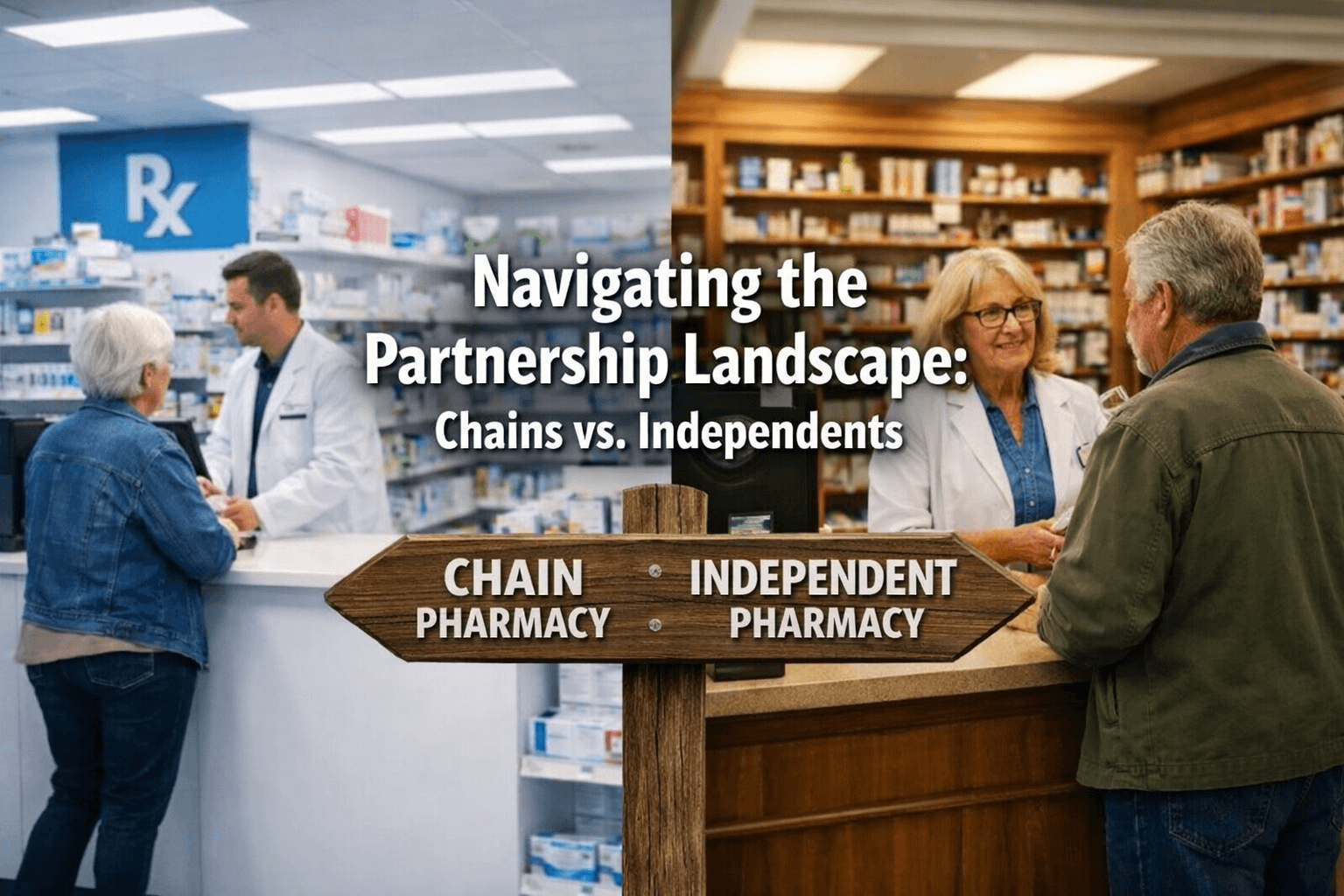
Choosing the right partnership and activation strategy requires understanding the fundamental operational differences between pharmacy formats. The following comparison provides a clear framework for brand managers and merchandisers to allocate resources effectively.
| Evaluation Metric | Chain Pharmacies (e.g., Watsons, Guardian, BIG) | Independent Pharmacies (e.g., Local Family-Owned Outlets) |
|---|---|---|
| NPRA/KKM Compliance | High, driven by centralized corporate policies and dedicated quality teams. | Variable; highly dependent on the owner’s personal initiative and investment in training. |
| Distributor Integration | Deep integration with major regional or national pharmacy wholesale distributors. Relationships are formalized through complex supply agreements. | Selective and flexible; often partner with agile independent pharmacy distributors who offer personalized service and adaptable terms. |
| A&P Execution | Structured, planned, and proven. Campaigns require long lead times but guarantee wide, synchronized rollout. | Ad hoc and highly flexible. Can quickly capitalize on local trends or community events, but scale is limited. |
| Planogram Adherence | High, enforced as part of chain-wide visual merchandising standards. | Mixed adherence. More room for pharmacist discretion based on their customer base, requiring more distributor persuasion. |
| Brand Activation Support | Strong in-chain POSM rollout capability, but materials must often fit chain-specific guidelines. | Highly dependent on distributor partnership. A proactive distributor field team is crucial for POSM placement and staff education. |
| Customer Loyalty Systems | Digitalized and efficient, integrated into apps for seamless points redemption and personalized offers. | Often manual or basic punch-card systems, though tech adoption is growing. The loyalty is built more on personal relationship. |
This table illustrates that there is no single “best” channel. A strategic brand will use this insight to tailor its approach. A mass-market OTC product might prioritize deep chain penetration with standardized planograms. In contrast, a specialized medical nutrition product might find more success through a focused partnership with a network of independents known for expert pharmacist counseling, supported by a distributor that provides intensive product training. The key is matching the product’s value proposition and customer journey to the inherent strengths of each pharmacy format, leveraging the proven capabilities of the distributor pharmacy partners that serve them.
The Strategic Imperative of Modern Pharmacy Merchandising
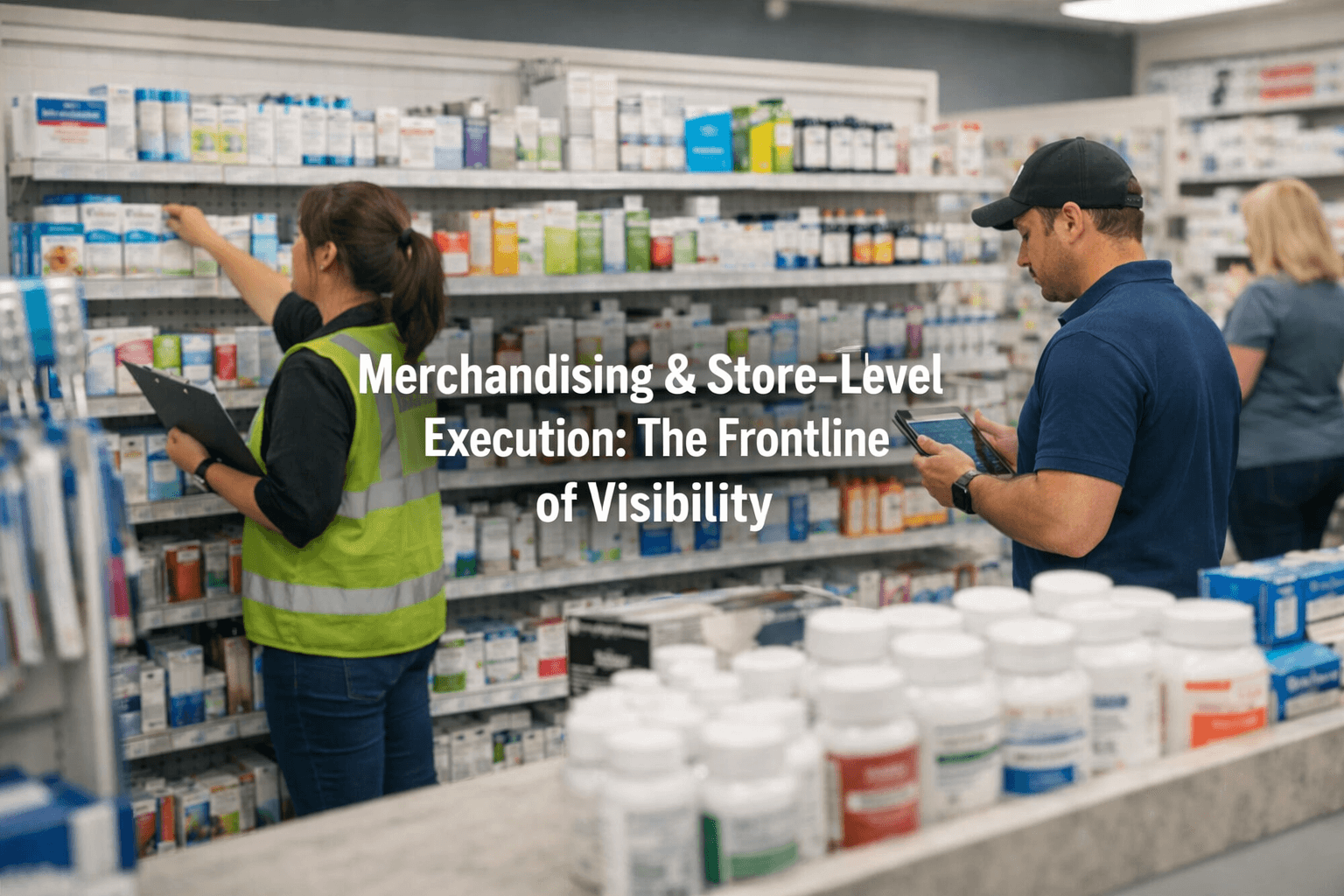
In today’s competitive Kuala Lumpur pharmacy landscape, a well-stocked shelf is merely the starting point. The true differentiator between a high-performing outlet and an average one lies in strategic merchandising execution. This encompasses everything from planogram compliance and point-of-sale material (POSM) alignment to profound store team engagement. Pharmacies that master this triad don’t just sell products; they create immersive brand experiences that drive higher product rotation rates and significant category growth. This transformation, however, is rarely achieved in isolation. It demands a synergistic partnership with a distributor whose on-ground team functions as an extension of the pharmacy’s own retail strategy. The frontline is where brand strategies are ultimately tested, and success is determined by the quality of tactical support available at the store level.
A Real-World Blueprint: The Alpro TTDI Success Story
Consider the operational scenario at Alpro TTDI, a pharmacy renowned for its essential compliance standards. Here, a proven collaborative model between the pharmacy staff and their dedicated distributor merchandising team yielded remarkable results. The distributor’s team conducted focused training sessions on new supplement lines, ensuring the pharmacy’s resident pharmacists (RPs) and retail assistants could speak confidently about product benefits within NPRA-compliant messaging guidelines. They systematically refreshed shelf facings and implemented updated planograms that reflected local demographic preferences. The outcome was a measurable 28% increase in customer inquiries for the newly introduced supplement stock-keeping units (SKUs) within just one quarter. This example underscores a critical insight: strategic merchandising directly influences consumer curiosity and purchase intent, turning passive shelf presence into active sales conversations.
The Data-Driven Case for Distributor-Led In-Store Support
The contrast in performance between supported and unsupported outlets is stark. Pharmacies relying solely on internal resources or generic pharmacy wholesale distributors often grapple with inconsistent shelf presence, outdated promotional materials, and missed opportunities for seasonal category optimization. Data from urban Malaysian markets indicates that outlets with regular, tailored distributor support see up to 40% better adherence to promotional cycle plans. This isn’t about mere restocking; it’s about expert analytics applied at the retail coalface. A distributor’s team brings an outside-in perspective, identifying trends like increased demand for chronic care management products in an aging neighborhood or the popularity of specific skincare categories among a younger demographic, enabling data-informed shelf recommendations.
Practical Implications for Brands and Pharmacy Managers
For brand managers, the implication is clear: your choice of pharmacy distribution partner directly impacts in-store visibility and sales velocity. A reliable distributor provides more than logistics; they offer eyes and hands on the ground. For the pharmacy manager, this partnership translates into tangible operational benefits. It alleviates the burden on in-house staff, ensures regulatory compliance in visual displays, and introduces a level of retail agility crucial for staying competitive. The practical framework for evaluating this support often involves assessing a distributor’s capability across several key areas:
Planogram Implementation & Audit Frequency: Regular updates based on sales data and planogram compliance checks.
POSM Management: Timely deployment, proper installation, and NPRA-aligned messaging of all promotional materials.
Staff Product Knowledge Sessions: Ongoing, compliant education for pharmacists and retail assistants on new and existing SKUs.
Demographic-Based SKU Recommendations: Tailored suggestions for product mix based on outlet-specific customer profiles.
From the pharmacist’s perspective, this support enhances their role as healthcare advisors by ensuring they have the most current product knowledge. For the distributor, it represents the shift from being a supplier to becoming an indispensable strategic partner. And for the brand manager, it is the effective mechanism that bridges the gap between marketing strategy and cash register receipt.
Learn more: Understanding The ROI Of Pharmacy Merchandising Investments In Malaysia
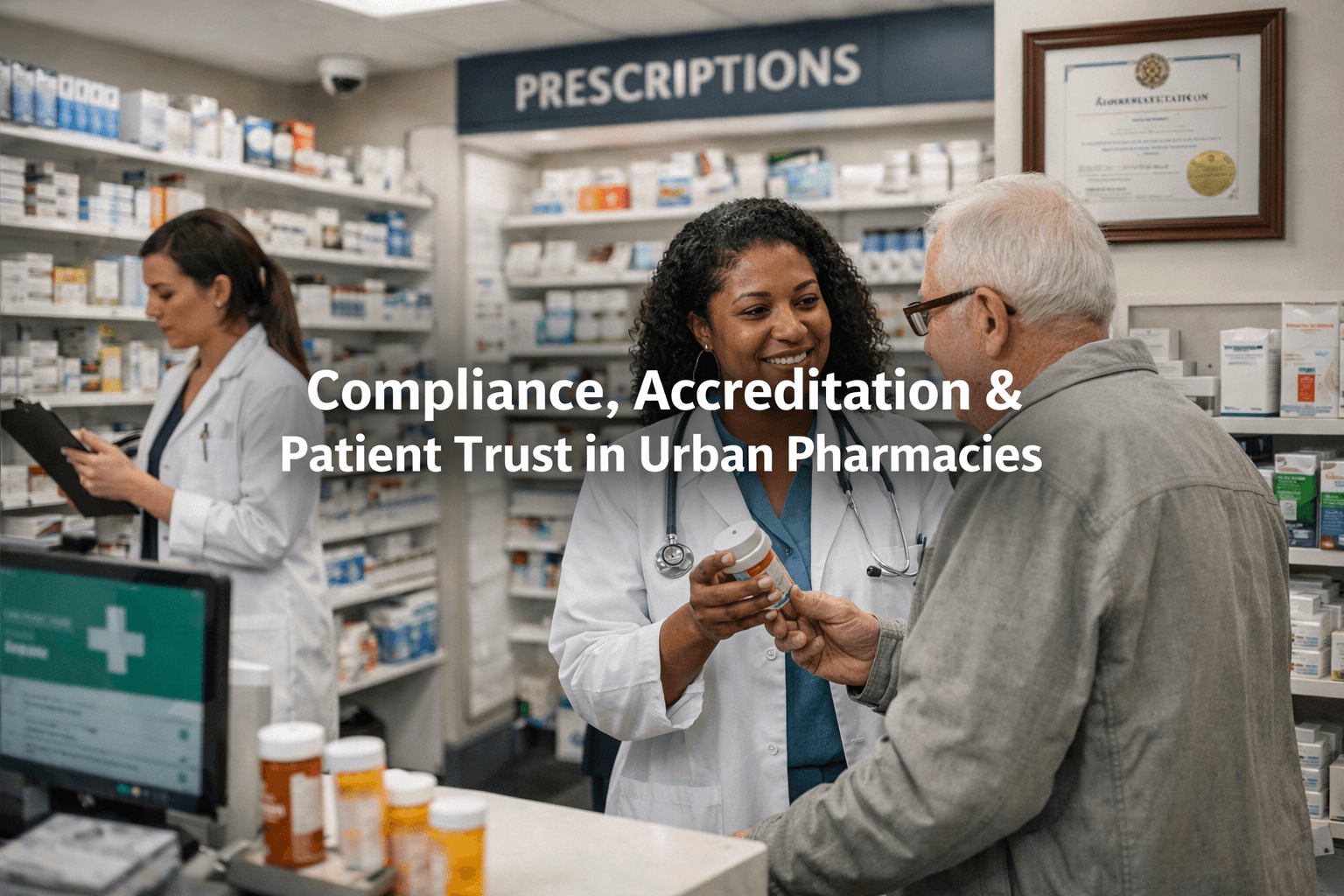
Reframing Compliance: From Regulatory Checkbox to Core Brand Asset
In the dense and competitive market of Kuala Lumpur, regulatory compliance has transcended its traditional role. It is no longer just a series of mandatory requirements to avoid penalties; it has evolved into a powerful brand asset and a fundamental pillar of patient trust. Every visible element, from the accuracy of National Pharmaceutical Regulatory Agency (NPRA) license displays and KKM-approved packaging to the precision of appointed RP schedules, sends a silent yet potent message to the consumer. In an environment where patients have ample choice, they increasingly equate meticulous compliance adherence with professionalism, safety, and reliability. A pharmacy’s accreditation status and audit-readiness have become a form of reputational currency, directly influencing where consumers choose to spend their healthcare ringgit.
The Malaysian Context: NPRA Guidelines as a Trust Foundation
The NPRA framework provides the essential bedrock for this trust. For urban Malaysian consumers, especially in informed markets like KL, visibility of NOT (Notification of Approval) and MAL (Medication Advertisement License) numbers, correct storage conditions for cold chain products like insulin, and appropriate pharmacist counseling are tangible indicators of a pharmacy’s commitment. A breach in any of these areas, however minor, can catastrophically erode patient confidence. For instance, a pharmacy in Petaling Jaya found that after proactively highlighting their GDP-compliant storage for biologics in-store signage, they saw a 15% increase in prescriptions filled for those specialized products. Patients actively seek out assurances that their health is in trusted hands.
The Distributor’s Role as a Compliance Guardian
This is where a strategic distributor partnership proves its immense value. A proven pharmacy distributor does more than deliver boxes; they act as a compliance guardian. Their frontline teams are trained to be vigilant for discrepancies that busy pharmacy staff might overlook. Their essential role includes:
Ensuring all POSM and promotional messaging strictly aligns with current NPRA guidelines, preventing unintentional violations that could damage both the pharmacy’s and the brand’s reputation.
Proactively tracking and reminding pharmacies of renewal timelines for critical licenses (NOT, MAL, RP annual practicing certificates), ensuring uninterrupted operational legitimacy.
Monitoring and reporting on pharmacist consultation quality and RP availability, providing brands with assurance that their products are being recommended within a compliant framework.
A tailored distributor service thus becomes a critical risk-mitigation and trust-building layer. From the brand manager’s point of view, this means their products are represented in environments that protect and enhance brand equity. For the pharmacy owner, it provides a reliable safety net against regulatory oversights, safeguarding their hard-earned accreditation.
Building a Culture of Compliance for Competitive Advantage
Ultimately, leading pharmacies understand that operational compliance must be woven into the fabric of their daily culture. It’s about creating a system where checks are habitual, not hectic. This culture turns compliance from a cost center into a strategic differentiator. In a practical sense, this manifests in stores like Healthlane Sunway Velocity, where compliance-led operations are visibly integrated into community health talks, or Farmasi Tigas Alliance KL Sentral, where GDP distributor support is promoted as a patient benefit. These outlets don’t just meet standards; they showcase them, communicating a powerful message of expert care and unwavering reliability that urban Malaysian patients deeply value.
Learn more: QS Top Universities
The Evolution into Integrated Healthcare Ecosystem Hubs
The trajectory for Kuala Lumpur’s pharmacy sector points decisively beyond traditional retail. The pharmacy of the very near future is evolving into an integrated healthcare ecosystem hub. This transformation is driven by consumer demand for convenience, technological adoption, and the growing burden of chronic diseases. We are already seeing the emergence of on-site telehealth consultation rooms within larger outlets, allowing for immediate post-consultation medication dispensing. The expansion of cold chain storage capabilities is facilitating access to more sophisticated treatments like biologics and specialized insulin, bringing hospital-level care closer to home. Furthermore, AI-assisted retail analytics will move from backend operations to frontline decision-making, predicting local stock needs, optimizing loyalty programs, and personalizing patient health reminders.
The Agility Advantage: Independent Models vs. Traditional Wholesale
A key trend defining this future will be the operational agility of pharmacy networks. Pharmacy chains and independents that align with flexible, independent pharmacy distributor models are poised to gain a significant advantage. These partners typically offer more tailored logistics solutions, faster SKU refresh cycles, and responsive on-ground merchandising support. In contrast, outlets tied exclusively to large, rigid pharmacy wholesale distributor contracts may find themselves lagging, unable to quickly adapt shelf space to emerging local health trends or implement rapid tactical promotions. The future belongs to efficient, data-informed retail execution, and the speed of this execution is often determined by the flexibility of the supply chain partner.
Strategic Partnerships as the Cornerstone of Future Success
Therefore, the single most critical determinant of future pharmacy success will be the nature of strategic distributor partnerships. These alliances will define everything from compliance response time during regulatory updates to the effectiveness of localized marketing campaigns. A trusted distributor becomes a source of market intelligence, operational support, and strategic co-development. For example, a distributor’s data might reveal a growing demand for mental wellness products in a specific KL suburb, enabling a forward-thinking pharmacy to curate a relevant section before competitors. This collaborative, insight-driven approach is what will separate market leaders from followers.
Embracing the Multi-Channel Patient Journey
Finally, the physical pharmacy will become one node in a broader, digitally-connected patient journey. Click-and-collect services, app-based refill management, and integrated health records accessible by pharmacists (with consent) will become standard. The pharmacies that thrive will be those whose distribution partners can seamlessly support both the physical inventory needs and the digital fulfillment promises, creating a cohesive and reliable patient experience across all touchpoints.
Q1: What are the top 5 pharmacy in Malaysia?
Answer: There isn’t one official national “top 5,” but the most widely recognised large chains (by footprint and presence) commonly include Watsons, Guardian, CARiNG/BIG (BIG Caring Group), Alpro, and Health Lane.
Q2: What are the 7 stars of pharmacy?
Answer: The “seven-star pharmacist” concept (WHO/FIP) describes core professional roles: caregiver, decision-maker, communicator, manager, life-long learner, teacher, and leader.
Q3: Which is the largest retail pharmacy in Malaysia?
Answer: “Largest” depends on the metric. Watsons is often cited as having 600+ stores in Malaysia, while BIG Caring Group also states it has 600+ stores and calls itself Malaysia’s largest pharmacy chain—so the answer can differ by how sources define and count outlets.
Q4: What are the big 3 pharmacy chains?
Answer: A commonly cited “big 3” in Malaysia’s chain landscape is Watsons, Guardian, and CARiNG (now under BIG Caring Group).
Q5: How much is a pharmacist’s salary in Malaysia?
Answer: It varies by experience and sector. As a reference point, JobStreet lists typical Pharmacist pay around RM7,000–RM8,000 per month, while Indeed reports a lower overall average around ~RM2,400/month (often influenced by role mix, junior positions, and self-reported data).
Q6: Which pharmacy brand is best?
Answer: There’s no single “best” for everyone. In practice, people choose based on location, price, pharmacist counselling, product range (Rx vs OTC), and service options (delivery, refills, health screening)—so the “best” brand depends on what you need.
Q7: Who is a 10 star pharmacist?
Answer: “Ten-star pharmacist” usually refers to an expanded professional-role concept (building on the seven-star model) used in education literature—not a single person. Some versions add roles like researcher, entrepreneur, and agent of positive change (among others).
Q8: Who owns Big Pharmacy Malaysia?
Answer: Reporting based on company ownership checks (SSM) indicates BIG Pharmacy is owned via BIG Pharmacy Holdings Sdn Bhd, with founders (Lee and Lim) holding stakes, and Creador (private equity) holding a significant stake through an investment vehicle.
Q9: What is the most successful pharmacy?
Answer: “Most successful” isn’t an official title. If you mean scale, major leaders include chains with hundreds of outlets (e.g., Watsons and BIG Caring Group). If you mean specialisation, some chains position strongly in prescriptions/clinical services (e.g., Alpro markets itself as a large prescription-focused chain).
Q10: Which branch of pharmacy is the best?
Answer: It depends on your goals: clinical/hospital pharmacy for direct patient care, community pharmacy for retail + counselling, industrial/pharma manufacturing for R&D and production, and regulatory/quality for compliance and safety systems. None is universally “best.”
Our marketing and sales teams use their strong relationships with the channel to create demand for your product at every stage of its lifecycle.
Demand creation services we offer: