
Top 15 Medicine Distributors in Malaysia for Pharmacies and Clinics

May 7 , 2026
To the casual observer, the journey of a medication from manufacturer to patient might seem straightforward. In reality, it is a complex, high-stakes ballet orchestrated by a pivotal yet often unseen player: the pharmacy distributor. These entities are far more than simple logistical middlemen or warehouses with delivery vans. They are, in fact, strategic partners and the essential circulatory system of Malaysia’s healthcare ecosystem. Their proven and reliable operations ensure that every pharmacy, clinic, and hospital—from the heart of Kuala Lumpur to remote communities in Sarawak—has consistent, compliant, and timely access to the high-quality medications upon which public health depends. This deep dive explores the layered dimensions of this role, moving beyond the surface to examine the core functions, the challenges navigated, and the tangible impact these distributors have on healthcare delivery across the nation.
The Core Claim: Distributors as Strategic Healthcare Partners, Not Just Logistics Providers

The fundamental misunderstanding in the healthcare supply chain is viewing distributors as a simple cost center, a necessary step that adds little value. This perspective is dangerously reductive. A trusted pharmacy distributor functions as a strategic buffer and intelligence hub, absorbing volatility from both the manufacturing and retail ends of the chain. They don’t just move boxes; they manage risk, ensure continuity, and provide critical market intelligence. When a manufacturer faces a production delay, a strategic distributor uses its inventory buffers and multi-supplier networks to prevent stockouts at pharmacies. When a new regulation is enacted, they are the first line of implementation, ensuring every product in their portfolio and every process in their warehouse complies. Their role transforms from transactional to foundational, making them an integral partner in healthcare delivery rather than a passive vendor. The efficiency and resilience they bring is not a luxury; it is the very foundation of a functional and responsive healthcare system.
Learn more: An Overview of Cold-Chain Management in Malaysia’s Pharmaceutical Distribution Sector (2026 Edition)
Operational Example: The Urban-Rural Access Lifeline
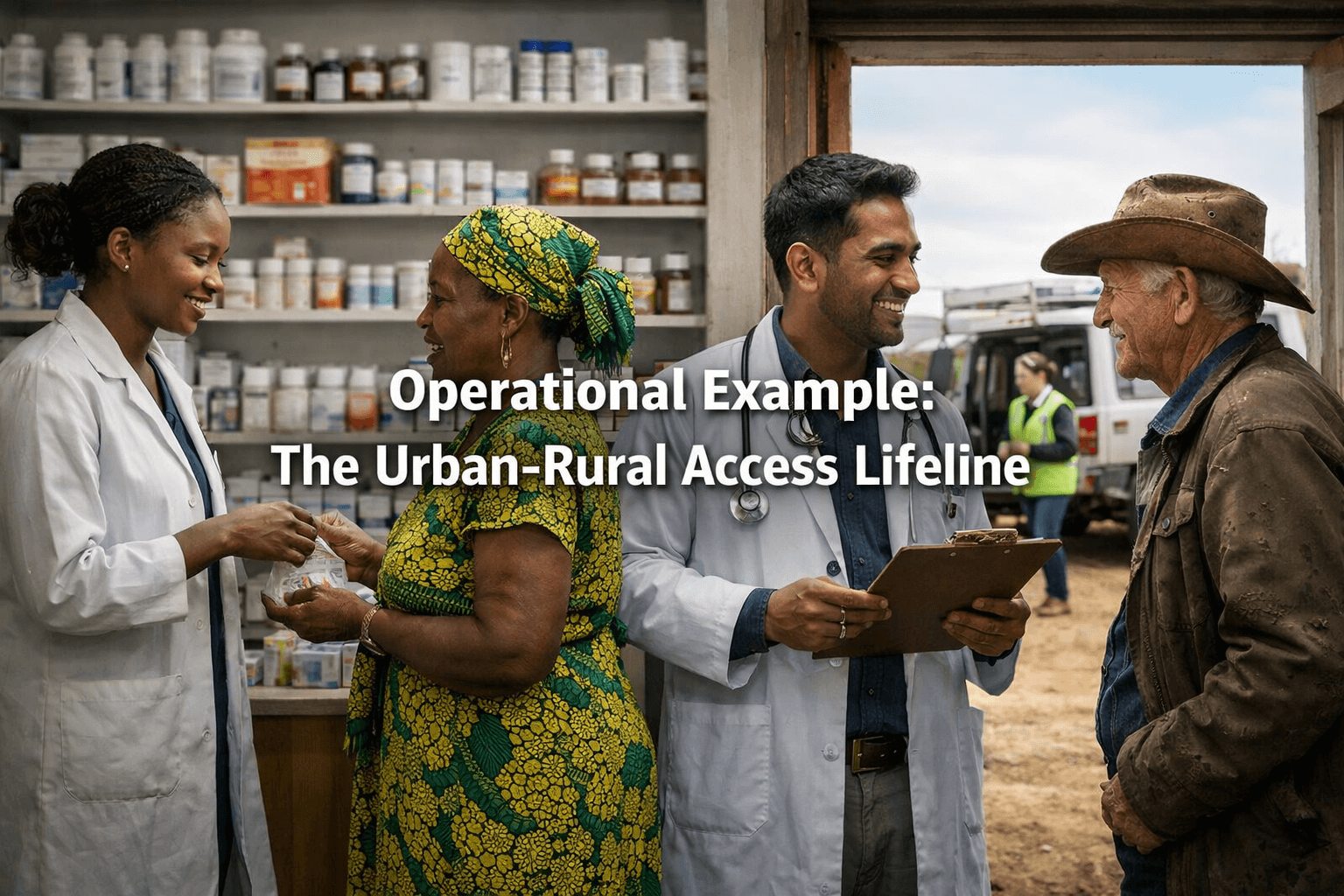
The true test of a distributor’s mettle is not servicing a major hospital in a city center, but ensuring a clinic in a rural village receives its lifesaving insulin on time. Malaysia’s diverse geography presents a unique logistical challenge. A top-tier medicine distributor operates a sophisticated, multi-echelon network designed to overcome this. In urban hubs like Penang or Johor Bahru, they may operate fully automated, temperature-controlled central warehouses. For East Malaysian states, they utilize strategic regional hubs in Kota Kinabalu or Kuching, which then feed out via a combination of road, river, and even air transport to reach final destinations. Consider the journey of a batch of refrigerated vaccines. It moves from the manufacturer under strict cold-chain protocols, is received and stored in the distributor’s GDP-compliant cold room, then shipped in active-refrigeration trucks to a regional hub, and finally delivered to a rural clinic in a portable cooler with validated temperature loggers. This entire sequence, managed seamlessly by the distributor, is what bridges the healthcare access gap. It is a tailored logistical masterpiece that ensures equity in medicine availability, a core responsibility within the national healthcare framework.
Learn more: Review on Pharmaceutical Supply Chain Resilience Strategies
Data and Statistics: Quantifying the Scale and Compliance Imperative
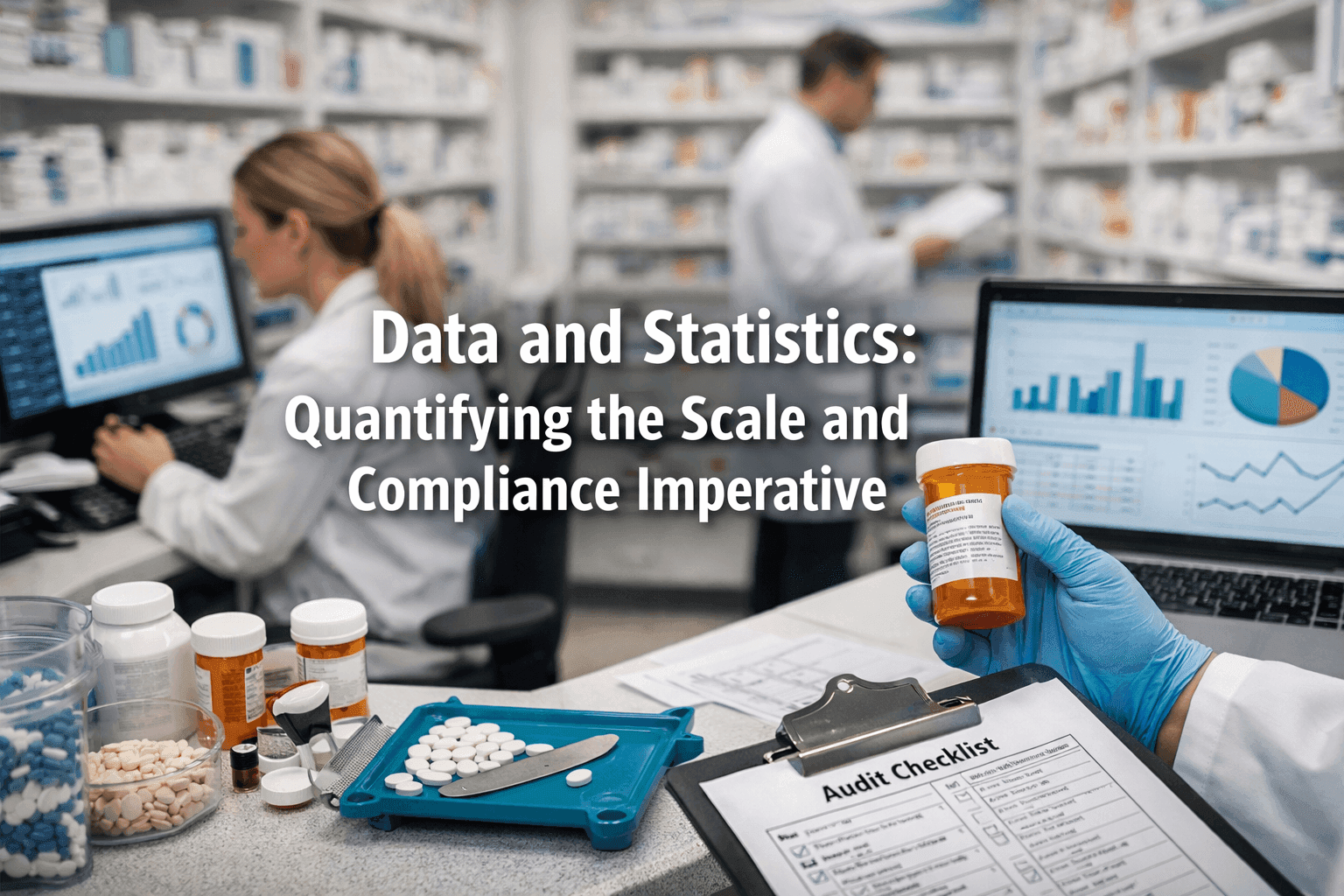
The scale of operations handled by Malaysia’s leading pharmacy distributors is staggering, which directly correlates to the magnitude of their responsibility. While specific proprietary figures are guarded, industry estimates suggest that the top distributors collectively facilitate the movement of billions of Ringgit worth of pharmaceutical products annually, encompassing tens of thousands of SKUs (Stock Keeping Units) from hundreds of manufacturers. The regulatory oversight is equally immense. The National Pharmaceutical Regulatory Agency (NPRA), under the Ministry of Health (KKM), maintains a rigorous Good Distribution Practice (GDP) framework. This isn’t optional guidance; it’s a mandatory standard for licensing. Key compliance metrics that distributors are audited on include:
Temperature Deviation Rates: For temperature-sensitive products, the allowable deviation during storage and transit is minimal, often requiring a >99.5% compliance rate.
Order Accuracy & Picking Error Rates: To prevent dangerous medication errors, accuracy targets typically exceed 99.9%.
Delivery On-Time-In-Full (OTIF): A critical performance indicator for pharmacy operations, with leading distributors aiming for rates above 98%.
Serialization and Traceability: With regulations tightening, the ability to track a product batch from origin to pharmacy is becoming non-negotiable.
The table below contrasts the operational focus of a basic logistics provider versus a full-service pharmaceutical distributor, highlighting the depth of responsibility:
| Operational Aspect | Basic Logistics Provider | Pharmaceutical Distributor (GDP-Compliant) |
|---|---|---|
| Primary Goal | Move goods from A to B at lowest cost. | Ensure safe, secure, and compliant movement of medicines. |
| Inventory Management | General storage, FIFO (First-In, First-Out) may apply. | Validated temperature zones, rigorous batch control, strict FEFO (First-Expiry, First-Out). |
| Regulatory Focus | Limited to transportation safety laws. | Deep compliance with KKM, NPRA GDP, Poison Act, and DCA regulations. |
| Quality Assurance | Minimal or process-based. | Dedicated QA/QC department, validation protocols, and extensive documentation. |
| Product Segregation | By customer or size. | By therapeutic class, temperature, narcotics status, and hazard. |
| Customer Support | Tracking and delivery updates. | Pharmacist-led support, stock availability data, regulatory update advisories. |
Practical Implication: Enabling Pharmacy and Clinic Success
The practical implication of a distributor’s role crystallizes at the pharmacy counter. For a community pharmacist in Petaling Jaya, a reliable distributor means they can confidently promise a patient that a critical non-stock item will arrive the next day, without needing to hold excessive—and costly—inventory. It means their staff spends less time chasing orders and managing stock crises, and more time on patient counseling. For a brand manager at a multinational pharma company, the distributor is their extended arm in the market, providing vital sales and inventory data that informs production and marketing strategy. From the perspective of a clinic doctor in Kelantan, it means never having to tell a patient their chronic medication is unavailable due to a “supply issue.” The distributor’s efficient operations directly translate to operational stability for healthcare providers. They mitigate risk, enhance cash flow through flexible ordering, and provide the technological tools—like electronic data interchange (EDI) and online ordering platforms—that modernize a pharmacy’s operations. In essence, they are a force multiplier for healthcare providers, allowing them to focus on their core mission: patient care.
Navigating the Regulatory Labyrinth: A Core Distributor Competency
One of the most significant, non-negotiable value-adds a pharmacy distributor provides is mastery over Malaysia’s complex regulatory landscape. This goes far beyond just having a license on the wall. The NPRA and KKM enforce a dynamic set of regulations governing every aspect of pharmaceutical handling, from the qualifications of warehouse personnel to the calibration of freezer sensors. A proven distributor embeds compliance into its DNA. This involves maintaining a Pharmaceutical Responsible Person (PRP) as required by law, who oversees all GDP activities. It means investing in validated cold-chain packaging and monitoring systems, not just cool boxes. It requires a robust documentation trail for every single product batch—where it came from, how it was stored, where it went—to facilitate instant recall if ever required. For the pharmacy client, this is an indispensable shield. By partnering with a fully compliant distributor, the pharmacy effectively outsources a massive regulatory burden and risk. The distributor ensures the products supplied have been stored and transported correctly, protecting the pharmacy from inadvertent violations related to product integrity that could result in severe penalties or, worse, patient harm.
Learn more: A Case Study on Successful Pharmacy Distribution Networks in Malaysia | Supply Chain Challenges in Pharmaceutical Manufacturing Companies
The Rise of the Independent Distributor: Agility and Tailored Service
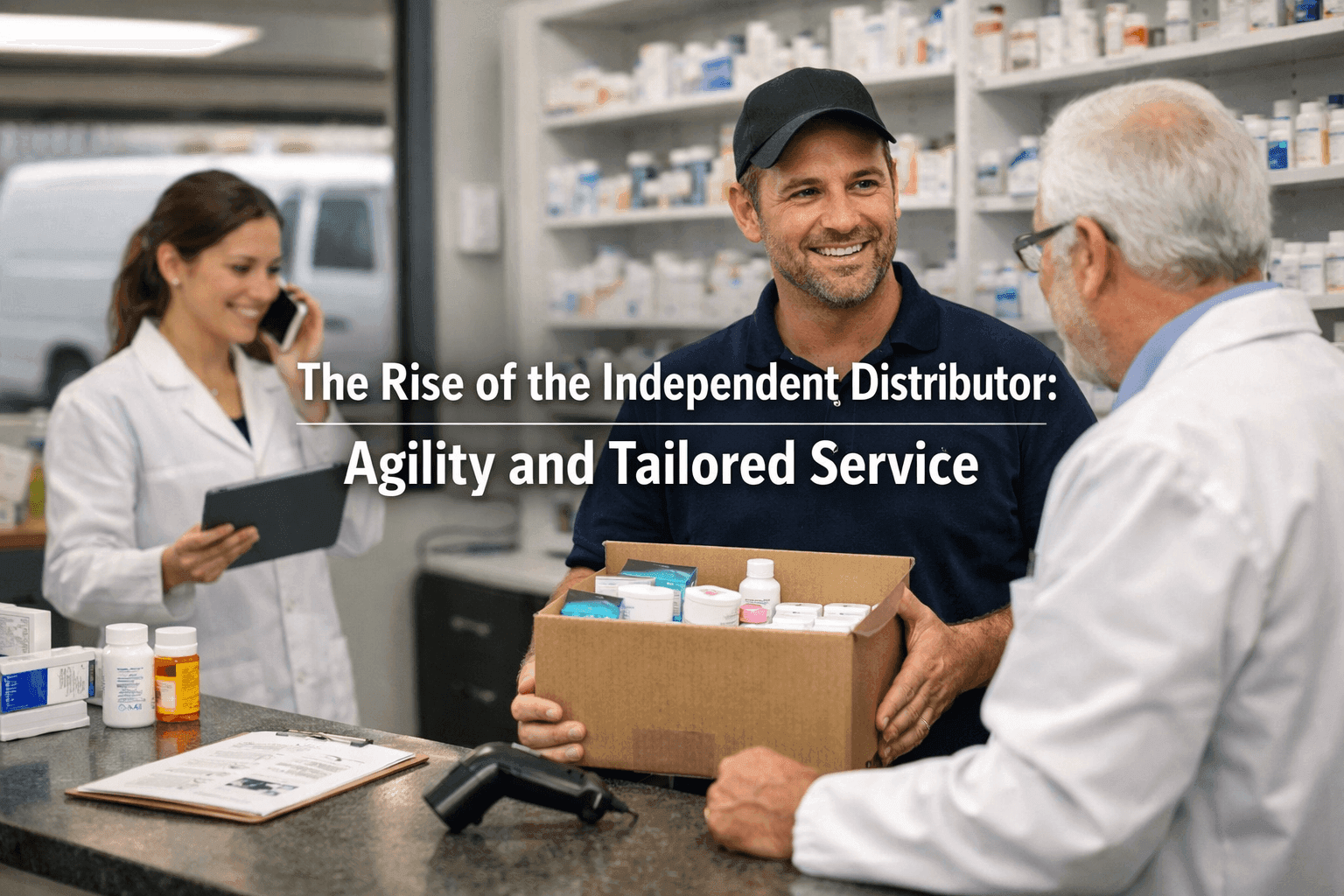
While large national distributors provide immense scale, the Malaysian market has seen the strategic rise of independent pharmacy distributors. These smaller, often regional players compete not on bulk, but on agility, personalized relationships, and tailored service. They fill a crucial niche, particularly for independent pharmacies and smaller chains that may feel underserved by the giants. An independent distributor in Malacca, for example, might offer same-day delivery for urgent orders within the city, a level of service frequency a national player cannot justify economically. They often develop a deeper understanding of local formulary preferences and can act more flexibly on credit terms or smaller minimum order quantities. From the pharmacist’s perspective, dealing with an independent can mean having a direct line to the owner or manager, leading to faster problem resolution. For a local generic manufacturer, an independent distributor can be a more effective and dedicated partner to launch a new product in a specific region, providing focused sales and promotional support. They represent a vital part of a diverse and healthy distribution ecosystem, ensuring competition and choice in the market.
Learn more: How to Ensure Regulatory Compliance for Pharmacy Distribution in Malaysia
The Technological Backbone: Visibility, Efficiency, and Integration
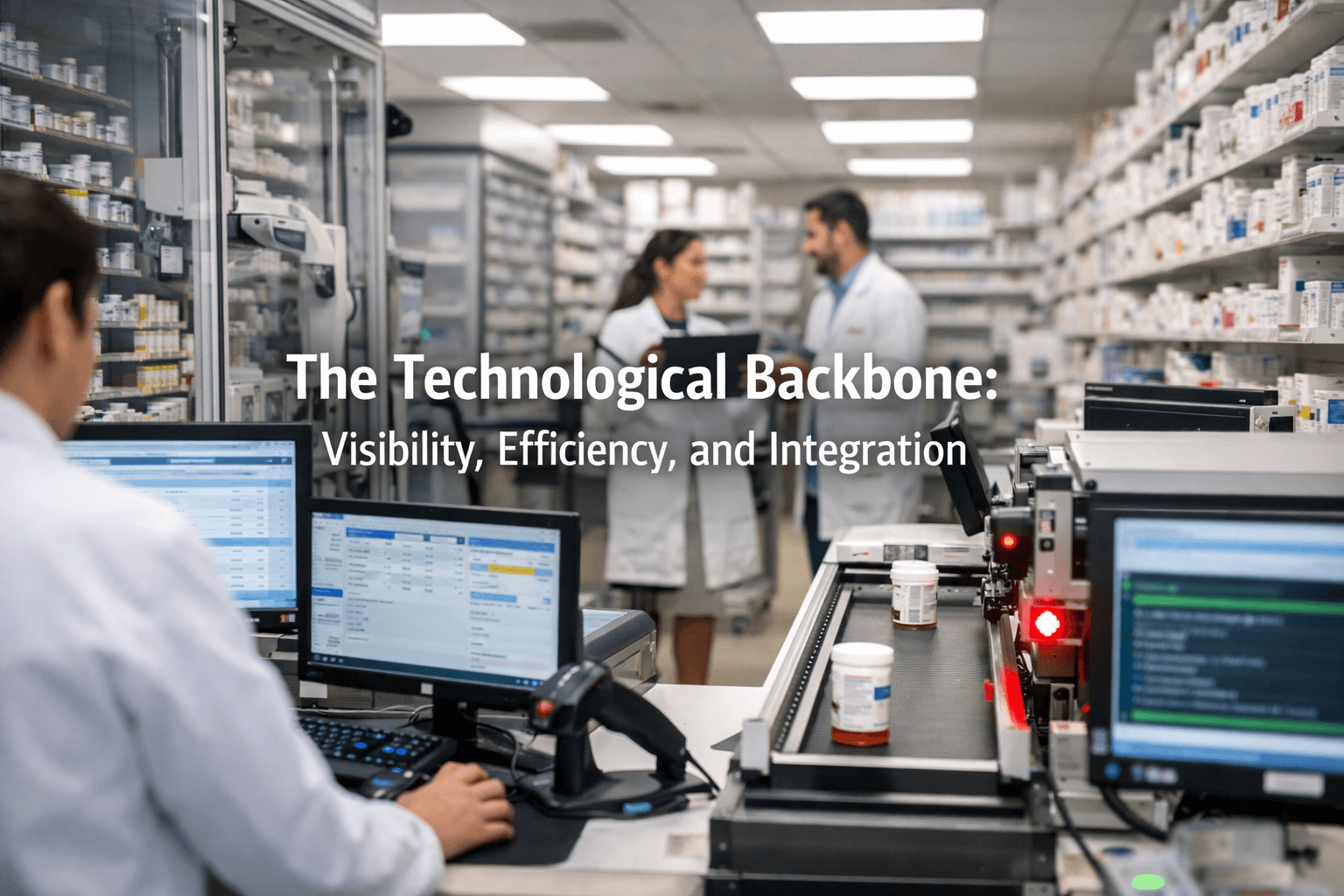
The modern pharmacy distributor is, at its core, a technology company. The days of phone-and-fax ordering are gone. Investment in integrated technology platforms is what separates the leaders from the pack. This includes Warehouse Management Systems (WMS) that optimize picking routes and enforce FEFO, Transport Management Systems (TMS) that plan the most efficient delivery routes, and customer-facing portals that provide real-time inventory visibility. For the pharmacy, this technology translates into powerful tools:
Real-time stock checks to plan purchases.
Automated order tracking from pick to delivery.
Digital invoicing and payment integration streamlining finance.
Data analytics dashboards showing purchasing trends and expiry profiles.
This digital integration creates a seamless, efficient supply loop. When a pharmacy’s point-of-sale system is linked to the distributor’s platform, it can even trigger automatic replenishment orders when stock hits a pre-defined level, virtually eliminating manual counting and stock-out risks. This technological symbiosis reduces errors, saves time for both parties, and creates a more reliable and predictable supply chain. It is a strategic investment that pays dividends in customer loyalty and operational excellence.
Learn more: Untapped Opportunities for Health System Pharmacies
Conclusion: The Indispensable Link in the Chain of Care
The narrative is clear: pharmacy distributors in Malaysia are the indispensable, silent guarantors of healthcare continuity. Their work, though often conducted behind the scenes, resonates at the most critical point of care—the moment a patient receives their medicine. They are the guardians of product integrity, the navigators of regulatory complexity, and the engineers of logistical miracles that span Malaysia’s vibrant cities and tranquil countryside. Choosing a distributor is therefore one of the most strategic decisions a healthcare provider can make. It is a choice that impacts not just bottom lines, but patient outcomes and community health. The best distributors understand this profound responsibility and build their entire operation around it, ensuring that the chain of supply never becomes the weakest link in the chain of care.
The Hallmark of Excellence: Defining Service Quality in Pharmacy Distribution
What truly separates an exceptional pharmacy distributor from a crowded marketplace? The answer lies not in a single attribute, but in a holistic ecosystem of service quality that seamlessly integrates reliability, responsiveness, and foresight. For pharmacies and clinics, the distributor is the critical link in the patient care continuum; a breakdown in this link doesn’t just disrupt inventory—it potentially impacts patient health outcomes. Therefore, the metrics used to evaluate a partner extend far beyond simple price comparisons. They delve into the very fabric of operational trust, where product availability, robust customer support, and strategic partnership become non-negotiable pillars of success. In today’s fast-paced healthcare environment, a distributor’s ability to consistently meet and exceed these service parameters is what forges long-term, trusted relationships with healthcare providers.
Service-Level Agreements (SLAs): The Blueprint for Reliability and Accountability
At the core of any professional distributor-pharmacy relationship is the Service-Level Agreement (SLA), a formalized blueprint that translates promises into measurable, accountable outcomes. An SLA moves the conversation from vague assurances to concrete performance benchmarks. For a pharmacist in Kuala Lumpur managing a high-volume outlet, a clearly defined SLA for delivery speed—such as guaranteed 24-hour delivery for standard items within the Klang Valley—is essential for maintaining optimal stock levels without overcapitalizing on inventory. Another critical metric often stipulated is order accuracy rate, ensuring that pharmacies receive exactly what they ordered, thereby avoiding costly administrative time spent on reconciliation and returns. These agreements also formalize protocols for problem resolution, setting expected timeframes for addressing discrepancies, damages, or shortages. A proven distributor views the SLA not as a ceiling but as a foundational baseline, consistently aiming to outperform these standards to deliver exceptional service.
An inline checklist for evaluating distributor SLAs should include:
Clearly defined metrics for delivery timelines (e.g., next-day, 48-hour).
Guaranteed minimum order accuracy rates (e.g., 99.5%).
Structured escalation paths and timeframes for issue resolution.
Transparency in reporting on SLA performance.
Real-World Impact: How Service Failures Disrupt Patient Care in Malaysia
Consider the operational reality for a panel clinic in Johor Bahru. A sudden outbreak of seasonal influenza leads to a spike in prescriptions for antiviral medications and supportive care products. If their distributor fails on product availability and delivery flexibility, the clinic faces a dire scenario: turning away sick patients or prescribing suboptimal alternatives. This isn’t merely an inventory shortfall; it’s a direct compromise in continuity of care. The reputational damage to the clinic can be significant. Conversely, a distributor with advanced demand forecasting and adaptive logistics would have anticipated regional demand trends, pre-allocated stock, and perhaps even activated a dedicated express delivery run for affected areas. This level of service quality transforms the distributor from a simple vendor into a strategic partner in public health. Another common scenario involves cold-chain medications, such as certain insulins or biologics. A single temperature excursion during delivery due to inadequate monitoring can render a life-saving drug ineffective, posing serious risks and financial loss. The distributor’s rigorous quality control and real-time tracking are, therefore, not just value-adds but fundamental necessities for patient safety.
The Digital Transformation: CRM and Platforms Revolutionizing Interaction
Beyond the physical movement of goods, service quality is increasingly defined by the digital experience. Customer Relationship Management (CRM) systems are no longer just sales tools; they are integral to providing personalized, proactive support. A sophisticated CRM allows a distributor’s support team to have instant access to a pharmacy’s complete order history, preferred communication channels, and past issues. When a pharmacist in Penang calls with a query, the representative can immediately provide context-aware assistance, drastically reducing resolution time. Furthermore, self-service digital platforms and mobile apps are revolutionizing the ordering and tracking process. These platforms empower pharmacy staff to place orders, check real-time stock availability, track shipments, and access invoices at any time, increasing their operational efficiency. For instance, a busy hospital satellite pharmacy can manage its replenishment orders late in the evening after the distributor’s phone lines have closed, ensuring stock arrives the next morning. This digital empowerment and proactive communication are hallmarks of a modern, customer-centric distributor.
The Digital Imperative: Technology Reshaping Malaysia’s Pharmaceutical Supply Chain
The integration of advanced technology is no longer an optional upgrade but a strategic imperative for survival and leadership in pharmacy distribution. Digital tools are systematically dismantling traditional inefficiencies, creating supply chains that are not only faster but also smarter, more transparent, and remarkably resilient. This technological wave is transforming every node in the distribution network, from the central warehouse to the final delivery at a rural clinic in Sarawak. The ultimate goal is a seamless, data-driven ecosystem that enhances service delivery, ensures regulatory compliance, and provides unparalleled visibility for all stakeholders. For distributors, embracing this shift is key to building a reliable and future-proof operation.
Optimizing Operations with AI and Predictive Analytics
Artificial Intelligence (AI) and predictive analytics are at the forefront of this revolution, moving operations from reactive to proactive. By analyzing vast datasets—including historical sales patterns, seasonal disease trends, local events, and even weather forecasts—AI algorithms can predict demand with startling accuracy. For a distributor serving the Malaysian market, this means being able to anticipate increased demand for antihypertensives in an aging community in Penang or for pediatric antibiotics ahead of the school reopening season. This allows for optimized inventory allocation across hubs, reducing both the risk of stockouts and the cost of excess, stagnant inventory. Machine learning further refines warehouse logistics, suggesting the most efficient picking routes and dynamic storage locations, which directly translates to faster order processing and reduced delays. This level of optimization is a game-changer for ensuring product availability across diverse geographies.
Ensuring Integrity with Enhanced Traceability and Quality Control
Technology’s role in guaranteeing product integrity is perhaps its most critical contribution. Blockchain-enabled serialization and IoT-based sensors are creating an immutable digital trail for every product batch. In Malaysia, where adherence to NPRA (National Pharmaceutical Regulatory Agency) guidelines on product traceability is paramount, this technology is invaluable. From the moment a product leaves the manufacturer to its arrival at a pharmacy shelf, its journey, storage temperature, and handling can be monitored in real-time. For temperature-sensitive products, IoT loggers provide continuous data, with alerts triggered instantly if conditions deviate from the required range. This not only safeguards patient safety but also provides distributors and pharmacists with irrefutable proof of quality control, simplifying compliance audits and protecting against liability. This end-to-end visibility is the bedrock of trust in the pharmaceutical supply chain.
The Human-Machine Synergy: Empowering, Not Replacing
A crucial perspective often overlooked is that technology’s greatest value is in augmenting human expertise, not replacing it. Inventory management systems free up pharmacists from manual stock-taking, allowing them to focus more on patient counseling. For the distributor’s merchandising team, a mobile app loaded with real-time data allows them to provide more tailored service during pharmacy visits—they can immediately validate stock levels, process orders on the spot, and share product updates. This synergy creates a more effective and collaborative partnership. The digital platform becomes the single source of truth, aligning the objectives of the brand manager (seeking market penetration), the distributor (seeking operational efficiency), and the pharmacist (seeking patient care continuity).
Learn more: Biopharma Supply Chain: Workforce and Digital Future
Evaluating Performance: A Comparative Lens on Key Service Metrics
Choosing a distribution partner requires a clear, objective comparison based on the metrics that matter most to your pharmacy or clinic’s daily operations and long-term stability. The following table provides a framework for evaluating potential partners across several critical performance indicators, offering a snapshot of where different types of distributors may typically excel. This comparison underscores that the “best” choice is inherently contextual, depending on a healthcare provider’s specific needs for scale, specialization, and personalized support.
| Service Metric | Large National Distributor | Specialized/Independent Distributor | Ideal Benchmark for Pharmacy Consideration |
|---|---|---|---|
| Compliance & Licensing | Extensive resources for full compliance with KKM & NPRA; often set internal standards that exceed minimum requirements. | Agile in implementing niche regulatory standards; may specialize in areas like cold-chain or controlled substances. | 100% adherence to all Malaysian regulatory guidelines with transparent audit trails. |
| Delivery Speed & Coverage | Broad national coverage with standardized, high-frequency delivery schedules. May offer next-day delivery in major urban hubs. | Highly flexible and adaptable schedules; can often provide same-day or customized delivery within focused service areas. | Consistent, reliable timelines that match the pharmacy’s patient flow and inventory turnover. |
| Product Range & Availability | Very wide portfolio of brands and generics across all therapeutic categories. Strong backing from multinational pharma companies. | May carry a curated, specialized portfolio (e.g., oncology, rare diseases) or focus on specific brand partnerships. | Consistent in-stock availability for core product lines, with clear communication on lead times for specialty items. |
| Service Flexibility & Problem Resolution | Structured, process-driven support. Resolution may follow longer corporate channels. | Personalized, direct access to decision-makers. Often capable of highly tailored solutions and rapid, adaptive problem-solving. | A dedicated account or support contact with the authority to resolve issues promptly and effectively. |
| Technology Integration | Significant investment in advanced platforms (AI, predictive analytics, comprehensive customer portals). | May utilize best-in-class, modular technologies that offer excellent usability and specific functionalities like detailed reporting. | An intuitive, reliable digital platform for ordering, tracking, and account management that integrates smoothly with pharmacy workflows. |
| Strategic Partnership Value | Provides market intelligence, broad logistical stability, and large-scale supply chain resilience. | Acts as a true extension of the pharmacy team, offering deep category insights, merchandising support, and strategic collaboration on growth. | Moves beyond transaction to contribution, helping the pharmacy optimize operations, expand services, and improve patient outcomes. |
Multifaceted Viewpoints: The Distributor Through Different Lenses
The value of a pharmacy distributor is perceived differently depending on one’s position in the supply chain. Appreciating these multiple perspectives enriches our understanding of what constitutes an effective partnership and highlights the need for distributors to balance often-competing priorities.
From the Distributor’s Vantage Point: Masters of Logistics and Compliance
For distribution companies, the primary challenge is a constant balancing act between operational efficiency and rigorous compliance. Their world is one of optimizing fleet routes to navigate Kuala Lumpur’s traffic while ensuring cold-chain integrity, or of managing vast warehouse inventories to meet just-in-time delivery promises for hundreds of clients. Their insight reveals that technology investment is less about novelty and more about survival—a necessary tool to maintain accuracy, traceability, and profitability in a low-margin business. Their greatest pride lies in seamless execution: delivering the right product, in perfect condition, to the right location, precisely on time, every single day.
From the Pharmacist’s Counter: The Need for Unwavering Reliability
For the practicing pharmacist, whether in a bustling city hospital or a community pharmacy in Ipoh, the distributor is the unseen backbone of daily operations. Their core need is uninterrupted product access. A reliable supplier means they can confidently fill prescriptions, advise patients, and manage chronic disease therapies without the constant anxiety of stockouts. Pharmacists value distributors who provide clear communication about delays, flexible solutions for urgent orders, and support staff who understand pharmaceutical terminology and urgency. From this perspective, service quality is measured in peace of mind and the ability to focus solely on patient care.
From the Brand Manager’s Strategy Table: Guardians of Brand Equity
For pharmaceutical brand managers, selecting a distribution partner is a strategic decision directly impacting brand equity and market access. They look for distributors who are not just logistics handlers but stewards of their brand. This means ensuring products are stored and handled under perfect conditions, that first-expiry-first-out (FEFO) principles are strictly followed, and that products are positioned correctly in pharmacies. They prioritize partners with the commercial expertise to execute merchandising plans, provide actionable market data from the field, and protect against counterfeit or parallel trade. Their chosen distributor is an extension of their brand promise to the end patient.
Frequently Asked Questions (FAQ)
Q1: What are the top 5 pharmacies in Malaysia?
Answer: The top 5 pharmacies in Malaysia are Watsons, Guardian, Healthlane, Caring Pharmacy, and Alpro Pharmacy.
Q2: Who are the top 3 drug distributors?
Answer: The top 3 drug distributors globally are McKesson, Cardinal Health, and AmerisourceBergen.
Q3: Which are the top 10 pharma companies?
Answer: The top 10 pharmaceutical companies are Pfizer, Roche, Johnson & Johnson, Merck, AbbVie, Sanofi, AstraZeneca, GSK, Novartis, and Eli Lilly.
Q4: Who are the top 20 pharma companies?
Answer: The top 20 pharma companies include Pfizer, Roche, Johnson & Johnson, Merck, AbbVie, Sanofi, AstraZeneca, GSK, Novartis, Eli Lilly, Bayer, Takeda, Bristol-Myers Squibb, Amgen, Gilead Sciences, Novo Nordisk, Teva, Boehringer Ingelheim, Merck & Co., and Regeneron Pharmaceuticals.
Q5: Who are the big 3 pharmacies?
Answer: The big 3 pharmacies globally are CVS Health, Walgreens Boots Alliance, and Rite Aid.
Q6: What are the 7 stars of pharmacy?
Answer: The “7 stars” of pharmacy refer to key competencies such as education, research, clinical services, drug management, professional leadership, ethics, and community involvement.
Q7: Which is the largest retail pharmacy in Malaysia?
Answer: The largest retail pharmacy in Malaysia is Watsons, with the most locations nationwide.
Q8: Who is a 10 star pharmacist?
Answer: A “10-star pharmacist” refers to an exceptionally skilled and knowledgeable pharmacist who excels in multiple areas of pharmacy practice, including patient care and professional development.
Q9: Who owns Big Pharmacy in Malaysia?
Answer: Big Pharmacy in Malaysia is owned by the Pharmaniaga Group, a leading healthcare and pharmaceutical distributor.
Q10: What is the most popular pharmacy?
Answer: Watsons is the most popular pharmacy in Malaysia, with widespread recognition and a large customer base.
The decision to partner with a pharmacy distributor is a pivotal one with lasting implications for any healthcare practice. It requires a careful evaluation of how a distributor’s capabilities—their technological sophistication, their unwavering commitment to compliance, and their proven service quality—align with the unique rhythms and demands of your operation. In a landscape as dynamic and regulated as Malaysia’s, this choice forms the foundation upon which reliable patient care is built.
Our Services
Our marketing and sales teams use their strong relationships with the channel to create demand for your product at every stage of its lifecycle.
Demand creation services we offer:
Market Access Services
Regulatory Registration Services
Pharma Product Listing Services
Merchandising services (RSMS)
Brand Management
Logistic & Warehousing
Exclusive Merchandising Services
Visual Merchandising
Discover More About Our Solution
How PriooCare Can Help
If you found this article useful, see how we put these insights into practice for our clients:
Or contact our team for a tailored consultation.
How can we assist you today? 😊
Just let us know—we’re here to help!