

February 22, 2026
What truly separates the largest pharmacy chains from the rest in today’s complex market? The answer lies not in a single metric but in a strategic fusion of scale, operational precision, and deep healthcare integration. For stakeholders across Malaysia—from brand owners and pharmacists to the independent pharmacy distributor and expansive distributor pharmacy networks—decoding the pillars of global success is no longer optional; it is essential for competitive growth. These international giants establish proven benchmarks in everything from regulatory adherence to in-store patient experience, creating a reliable blueprint for Malaysian entities aiming to elevate their operations. By examining these pillars, local players can identify transferable strategies to enhance their own scale, compliance, and retail innovation in alignment with both consumer expectations and NPRA regulations.
The Seamless Integration of Healthcare and Retail Services

The most dominant global pharmacy chains have fundamentally redefined their role, transforming from simple dispensaries into integrated healthcare destinations. This evolution is a strategic response to consumer demand for convenience and comprehensive care. It involves moving beyond merely filling prescriptions to offering a suite of clinical services—such as vaccinations, health screenings, chronic disease management, and telepharmacy consultations—within the retail space. This model does more than drive footfall; it builds profound, trusted relationships with patients, turning occasional shoppers into loyal healthcare partners. The practical implication is clear: pharmacies become an essential, accessible node in the public health ecosystem, increasing both their societal value and commercial resilience.
In the Malaysian context, this integrated model offers a powerful pathway for growth. Consider a large pharmacy retail chain in Kuala Lumpur introducing dedicated mini-clinic pods staffed by nurse practitioners for routine health checks and diabetic care management. This immediately elevates the chain’s community role and creates cross-selling opportunities for over-the-counter (OTC) medications and health supplements. From the perspective of a pharmacy wholesale distributor, this shift necessitates a more sophisticated portfolio. Distributors must now supply not just products but also support services—like training for pharmacist-led initiatives or point-of-care testing equipment—becoming a true supply chain partner in health delivery. For the brand manager of a nutritional supplement line, this environment creates perfect in-store venues for A&P campaigns focused on education, directly linking products to ongoing health management in the customer’s mind.
Learn more : What is the Largest Pharmacy Chain in Malaysia? | Guidelines: Distribution – World Health Organization (WHO)
A Data-Driven and Agile Distribution Backbone
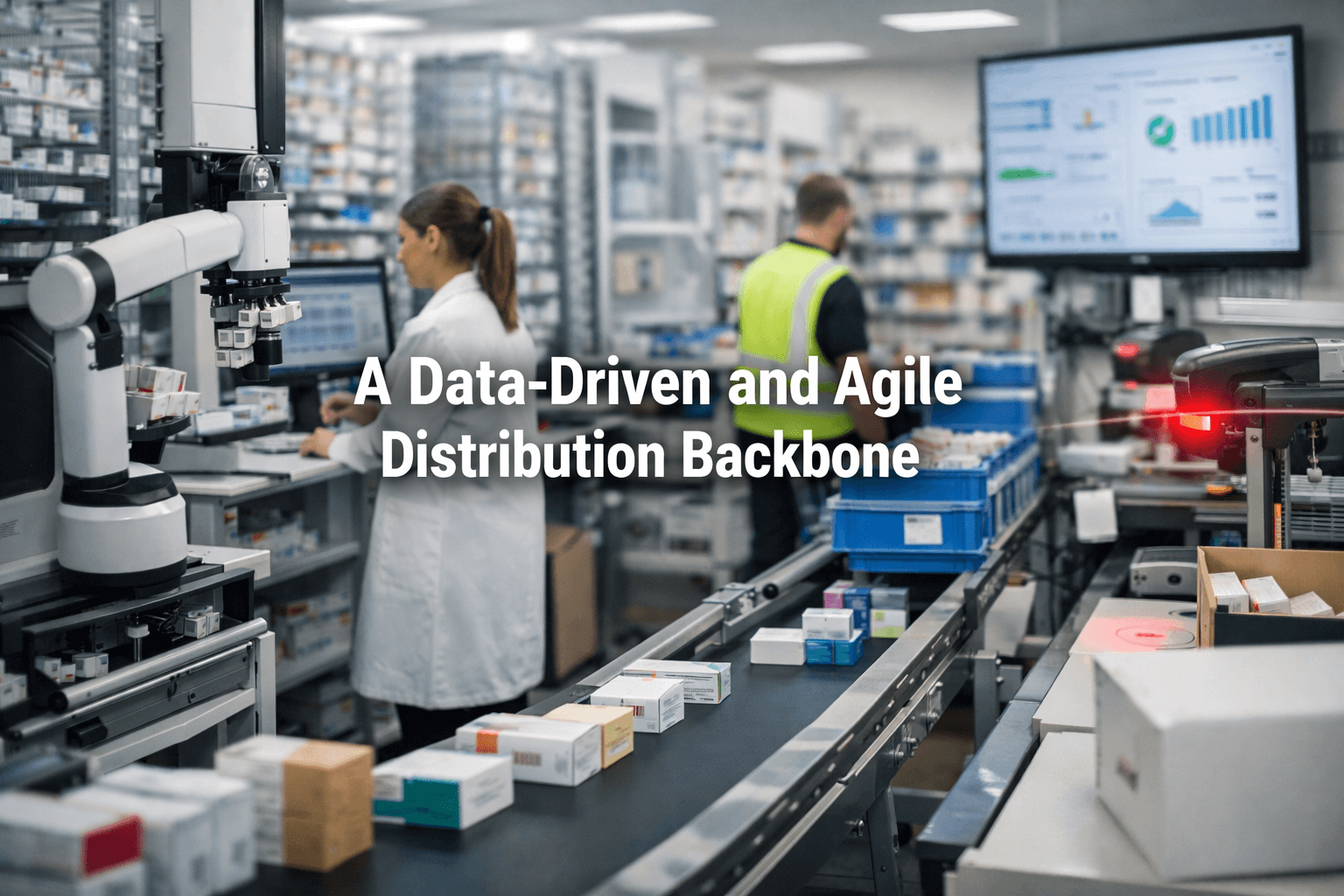
Behind the impressive store counts of global leaders lies an often-overlooked engine of success: a highly optimized, data-centric distribution network. Mastery of supply chain logistics is what allows these chains to sustain scale without sacrificing efficiency or compliance. They employ centralized warehousing, real-time inventory optimization powered by AI, and flawless, consistent planogram execution across thousands of disparate locations. Their distribution strategy treats the supply chain not as a back-office cost center but as a core driver of retail performance and patient trust. An effective network ensures the right product is in the right place at the right time, every time, which is non-negotiable in pharma logistics where stockouts can have serious health implications.
Malaysian pharmacy distributors can draw direct lessons from this proven model. For instance, a distributor pharmacy network serving East Malaysia could implement AI prediction tools—similar to those used by CVS Health—to account for logistical challenges like monsoon season disruptions, optimizing stock levels in Sabah and Sarawak ahead of time. Furthermore, the GDP compliance standards mandated by NPRA for pharmaceutical products align closely with the stringent cold chain and tracking protocols used by global giants. A comparative look at distribution efficiency reveals actionable insights:
Table: Distribution & Compliance Focus – Global Benchmark vs. Local Application
| Operational Aspect | Global Chain Standard (e.g., Walgreens Boots Alliance) | Strategic Implication for Malaysian Distributors |
|---|---|---|
| Inventory Management | AI-driven demand forecasting, automated replenishment. | Implement tiered forecasting for urban vs. rural pharmacy demands. |
| Last-Mile Compliance | IoT-enabled temperature tracking for biologics & vaccines. | Enhance GDP compliance reporting for NPRA with affordable sensor tech. |
| Shelf Execution | Centralized, data-backed planograms enforced nationwide. | Develop tailored planogram benchmarks for community vs. retail pharmacy formats. |
| Supplier Integration | Real-time EDI data exchange with pharma manufacturers. | Foster stronger API integrations between distributor and retailer inventory systems. |
From the pharmacist’s perspective, a reliable and efficient distributor means less time managing stock shortages and more time for patient counseling. For the independent pharmacy distributor, investing in such an agile logistics framework is the key to competing with larger, integrated rivals, ensuring they remain an effective and trusted link in the healthcare value chain.
Learn more : Top 10 Medicine Distributors in Malaysia for Pharmacies and Clinics (2026 Edition) | Four ways pharma companies can make their supply chains more resilient – McKinsey & Company | Securing Medical Supply Chains in a Post-Pandemic World – OECD
Unwavering Commitment to Regulatory Compliance and Brand Trust
In the global pharmacy arena, scale is permission to operate, but rigorous compliance is the license to grow. The largest chains navigate a labyrinth of regional regulatory frameworks—from the FDA in the U.S. to the EMA in Europe—while maintaining impeccable standards. This commitment transcends mere legality; it is the bedrock of brand trust with consumers and healthcare providers alike. Their operations are built on standardized protocols for everything from drug storage and handling (Good Distribution Practice) to pharmacist training and patient data privacy. This creates a trusted environment where patients feel confident in both the advice they receive and the products they purchase. The practical implication is that compliance is strategically marketed as a core brand value, not just a hidden operational cost.
For the Malaysian market, where NPRA regulations are paramount, this global mindset is directly applicable. A pharmacy retail chain can differentiate itself by publicly showcasing its GDP compliance certifications and investing in advanced serialization systems for product traceability, much like how global chains highlight their accreditation. Consider the operational scenario of a major Malaysian distributor handling scheduled poisons and controlled medicines. By adopting the meticulous audit trails and secure logistics models of a global player like Express Scripts, they not only meet NPRA requirements but also become the preferred partner for international pharma manufacturers entering the market. From the brand manager’s point of view, partnering with distributors and chains that exemplify this compliance-first culture mitigates risk and protects brand integrity in the marketplace. It’s a strategic alignment that turns regulatory necessity into a competitive advantage.
Learn more : Guidelines: Distribution – World Health Organization (WHO)
Strategic Localization Within a Global Framework
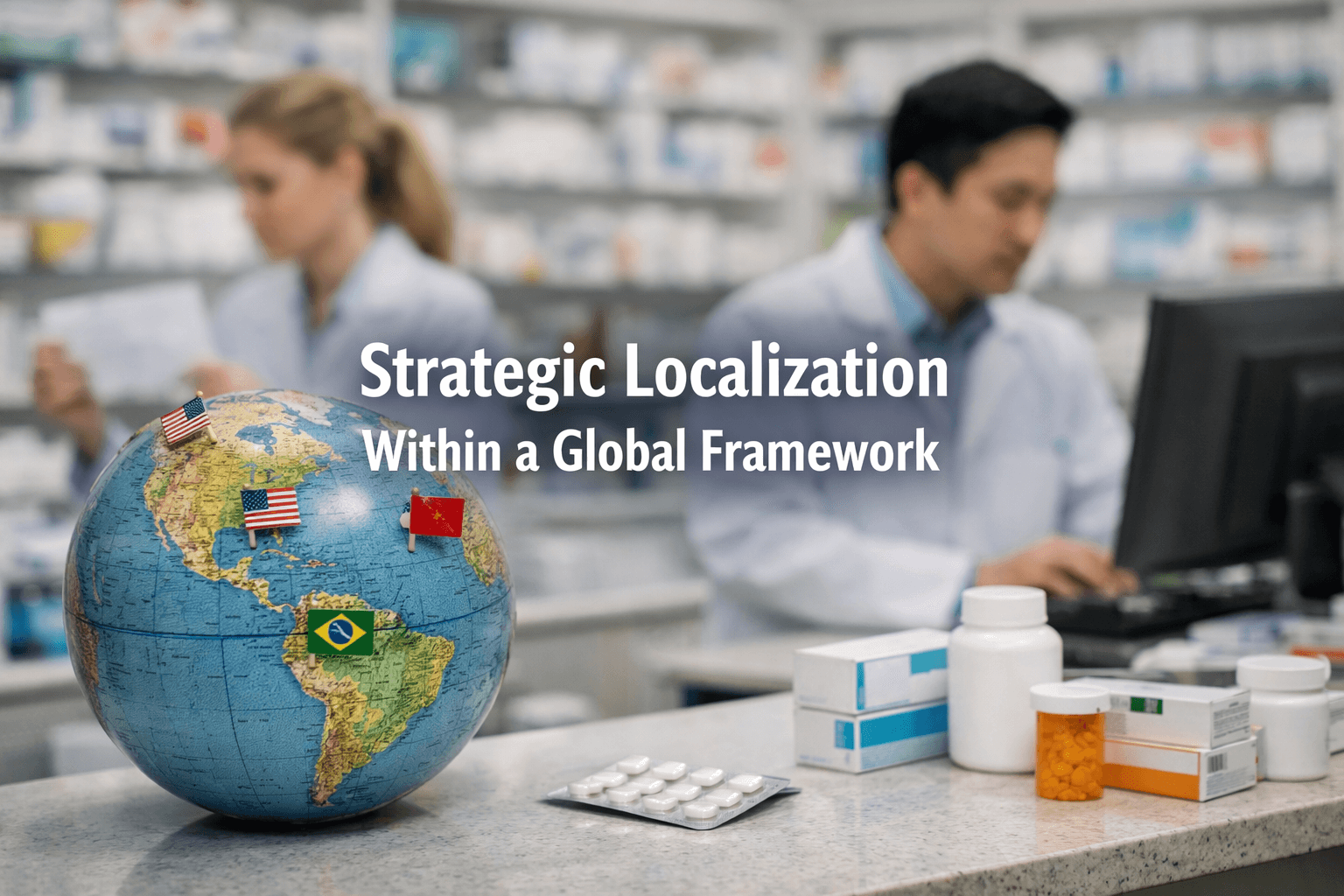
Global chains achieve worldwide presence not through a rigid, one-size-fits-all model, but through strategic localization. They maintain a strong core identity and operating system while adeptly adapting their merchandise mix, marketing, and sometimes service offerings to resonate with local cultures, regulations, and health needs. Boots’ presence in Malaysia, for example, retains its global brand equity while tailoring its product assortment to feature popular local skincare brands and health items alongside its international portfolio. This balance allows them to leverage economies of scale in procurement and logistics while building relevance and trust within specific communities. The key insight here is that global efficiency and local relevance are not mutually exclusive; they are synergistic when managed correctly.
This pillar offers perhaps the most actionable lesson for Malaysian pharmacy wholesale distributors and chains with ambition. A distributor can build a tailored distribution hub in Central Malaysia focused on serving retail pharmacy chains in the Klang Valley with rapid-turnaround, high-volume SKUs, while operating a different, leaner model for supplying independent pharmacies in smaller towns across Pahang or Kelantan. Furthermore, local chains can study how global giants execute localized planograms—for instance, dedicating more shelf space to traditional and herbal supplements (TCM) in areas with high demand, while maintaining a global-standard layout for prescription pharmaceuticals. This nuanced approach requires deep market intelligence and flexibility, but it ensures that the scale and efficiency of a large operation do not come at the cost of connection with the end-patient, whose needs and preferences can vary significantly from one region to another.
Learn more : The Importance of Visual Merchandising for Pharmacies in Malaysia
The Strategic Imperative of Dual Compliance in Malaysian Pharmaceutical Distribution
For global pharmacy and wellness chains, operating across borders means navigating a complex web of regulatory frameworks. Adherence to the U.S. Food and Drug Administration (FDA), the European Medicines Agency (EMA), and various Asia-Pacific (APAC) guidelines forms the baseline of their global standard operating procedures. However, for these entities to achieve market entry and sustainable growth in Malaysia, a singular focus on international benchmarks is insufficient. The National Pharmaceutical Regulatory Agency (NPRA) serves as the unequivocal regulatory foundation here, wielding authority over everything from product registration to Good Distribution Practice (GDP). The most effective market players understand that success is not about choosing one over the other, but about mastering the art of dual compliance. This involves building operational systems that satisfy both the broad principles of global standards and the specific, sometimes unique, mandates of the NPRA. The consequence of misalignment isn’t merely theoretical; it directly risks market continuity, inviting penalties, shipment holds, and irreparable damage to brand integrity within a highly scrutinized sector.
Decoding the Compliance Landscape: Global Frameworks vs. NPRA Mandates
The divergence between global and local regulations is not a minor bureaucratic detail; it’s a fundamental operational reality that shapes supply chain strategy, product formulation, and market positioning. A superficial approach that assumes “one size fits all” is a direct path to compliance failures. For instance, in the cosmetics segment, many global brands are accustomed to frameworks like International Organization for Standardization (ISO) certifications, which focus on quality management systems. In Malaysia, however, the NPRA mandates a Mandatory Notification (NOT) for all cosmetic products before they can be sold. This isn’t an optional best practice—it’s a legal requirement. Similarly, the landscape for supplements highlights stark contrasts. The United States operates under the Dietary Supplement Health and Education Act (DSHEA), which places the onus on the manufacturer to ensure safety, with pre-market approval not required. Malaysia’s NPRA product listing protocol, however, involves a formal review process where label claims and composition are scrutinized before a product can enter the market. This creates a significant pivot point for brand managers launching international products locally.
Perhaps the most critical area of divergence lies in cold chain logistics. While the EU’s GDP guidelines provide a robust, internationally recognized framework for transporting temperature-sensitive goods, the NPRA enforces its own Malaysia-specific cold chain audit requirements. This means a distributor might be fully compliant with EU GDP, yet still face challenges during an NPRA inspection if local nuances—such as specific documentation formats, audit trails for local transportation partners, or even storage facility licensing particulars—are not meticulously addressed. The role of the Responsible Person, a mandated role under NPRA for license holders, further underscores this local specificity. Their defined legal responsibilities and liabilities within the Malaysian pharmaceutical supply chain are precise and non-negotiable.
Inline Framework for Compliance Alignment:
Product Registration: Map global product dossiers to NPRA’s NOT (cosmetics) or product registration (pharmaceuticals) requirements.
Labeling & Claims: Adapt global marketing claims to meet NPRA’s stringent review and local language (Bahasa Malaysia) requirements.
Supply Chain Audits: Prepare for a two-tier audit system: internal/global GDP audits and specific NPRA-led inspections.
Personnel Responsibility: Clearly designate and empower the NPRA-mandated Responsible Person with authority over local compliance.
| Compliance Feature | Typical Global Standard | NPRA (Malaysia) Requirement |
|---|---|---|
| Cosmetic Product Registration | Often Optional (e.g., US) / ISO System Focus | Mandatory NOT Submission & Approval |
| Supplement Label Claims | Manufacturer Responsibility (e.g., DSHEA) / EFSA Health Claims (EU) | Pre-Market NPRA Review & Authorization |
| Cold Chain Certification | GDP (EU-wide or similar) | GDP + NPRA-Specific Cold Chain Audit |
| Responsible Person Role | Varies by Region; May be Shared/Consultative | Legally Mandated, Clearly Defined Role |
Operationalizing Compliance: The Pivotal Role of Brand Teams and Merchandisers
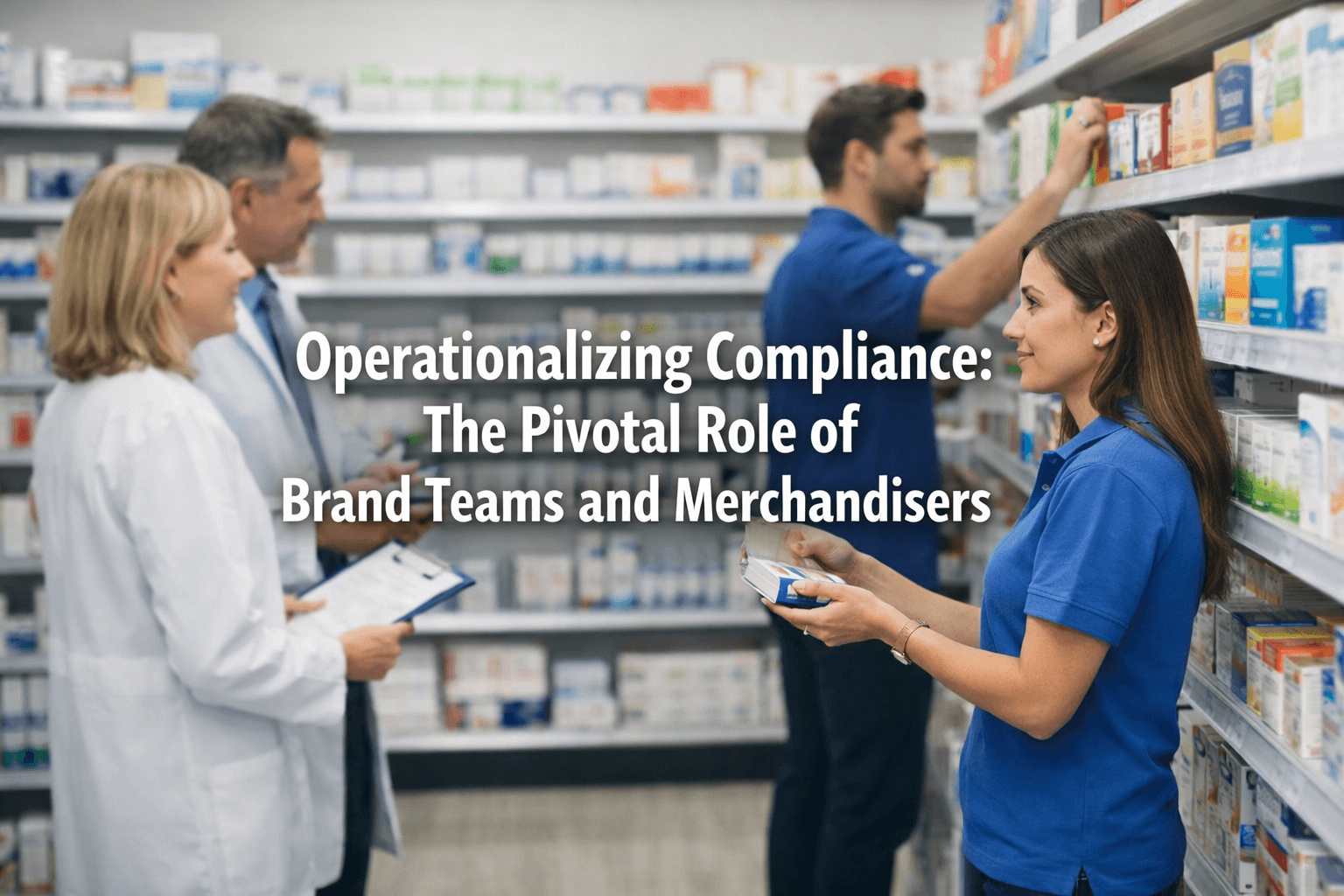
Maintaining brand consistency and regulatory adherence across thousands of storefronts is a monumental task for global chains. The machinery that makes this possible is powered by strategic brand managers and field merchandising teams. These are the professionals who translate high-level strategy into shelf-level reality, executing standardized planograms, ensuring NPRA-equivalent compliance protocols are followed at the point of sale, and managing real-time promotional campaign rollouts. Their work ensures that a product is not only present but presented correctly, safely, and in compliance with the last mile of regulation—the pharmacy floor.
In the Malaysian context, the deployment of these teams presents both a challenge and an opportunity. The decision between in-house versus outsourced teams for Activation & Promotion (A&P) and compliance checks often resides in a grey area. Some larger chains or pharmaceutical distributors in Malaysia may maintain dedicated internal teams, while others, especially when managing a diverse portfolio of brands, rely on expert third-party merchandisers. These merchandisers become the eyes and hands on the ground, performing critical visual inspections for product expiry dates, storage conditions (especially for products requiring cool chain management), and the integrity of promotional materials. Notably, the role of the pharmacist in Malaysia often expands beyond clinical care. They frequently double as product educators and de facto planogram enforcers, making their buy-in and understanding of brand compliance crucial for success.
For local brand owners and pharmacy wholesale distributors, there is a powerful lesson in this global model. Product visibility and safety are two sides of the same coin. By aligning retail and merchandising teams with global Standard Operating Procedures (SOPs)—adapted for Malaysia—they can build a reliable system. This includes using detailed audit templates that check both sales performance and NPRA compliance points, and display design principles that prioritize patient safety alongside commercial appeal. A proven approach is to view merchandisers not just as sales extenders, but as frontline compliance verifiers, creating a feedback loop that protects the brand.
Malaysia in Focus: Localizing Global Retail Excellence
Understanding global theory is one thing; applying it within Malaysia’s unique ecosystem is another. Consider the challenge of cold chain logistics across a nation that includes urban centers like Kuala Lumpur and remote areas in East Malaysia. A global GDP guideline might state temperature ranges, but a local distributor must solve for last-mile delivery in Sabah or Sarawak, where infrastructure and travel times test the limits of even the most efficient packaging. The NPRA’s cold chain audits will scrutinize this local execution meticulously. Another example lies in supplement market entry. A brand successful under the U.S.’s DSHEA cannot simply assume the same label claims will pass the NPRA review. A tailored strategy, developed with local regulatory experts, is essential to reformulate or reposition the product for the Malaysian consumer, ensuring all health claims are pre-approved.
Furthermore, the role of merchandisers in Malaysia often carries added weight. In a market with a mix of large chain pharmacies and independent outlets, a merchandiser might be the primary link between a brand manager and the pharmacist. They are not only placing stock but also providing the latest NPRA updates on a product category, training store staff on proper handling, and verifying that point-of-sale materials comply with local advertising standards for medicines. This human layer is a strategic asset in navigating Malaysia’s nuanced retail landscape, blending commerce with compliance education.
The Future-Ready Pharmacy: Trends Shaping Malaysia from 2026 Onward
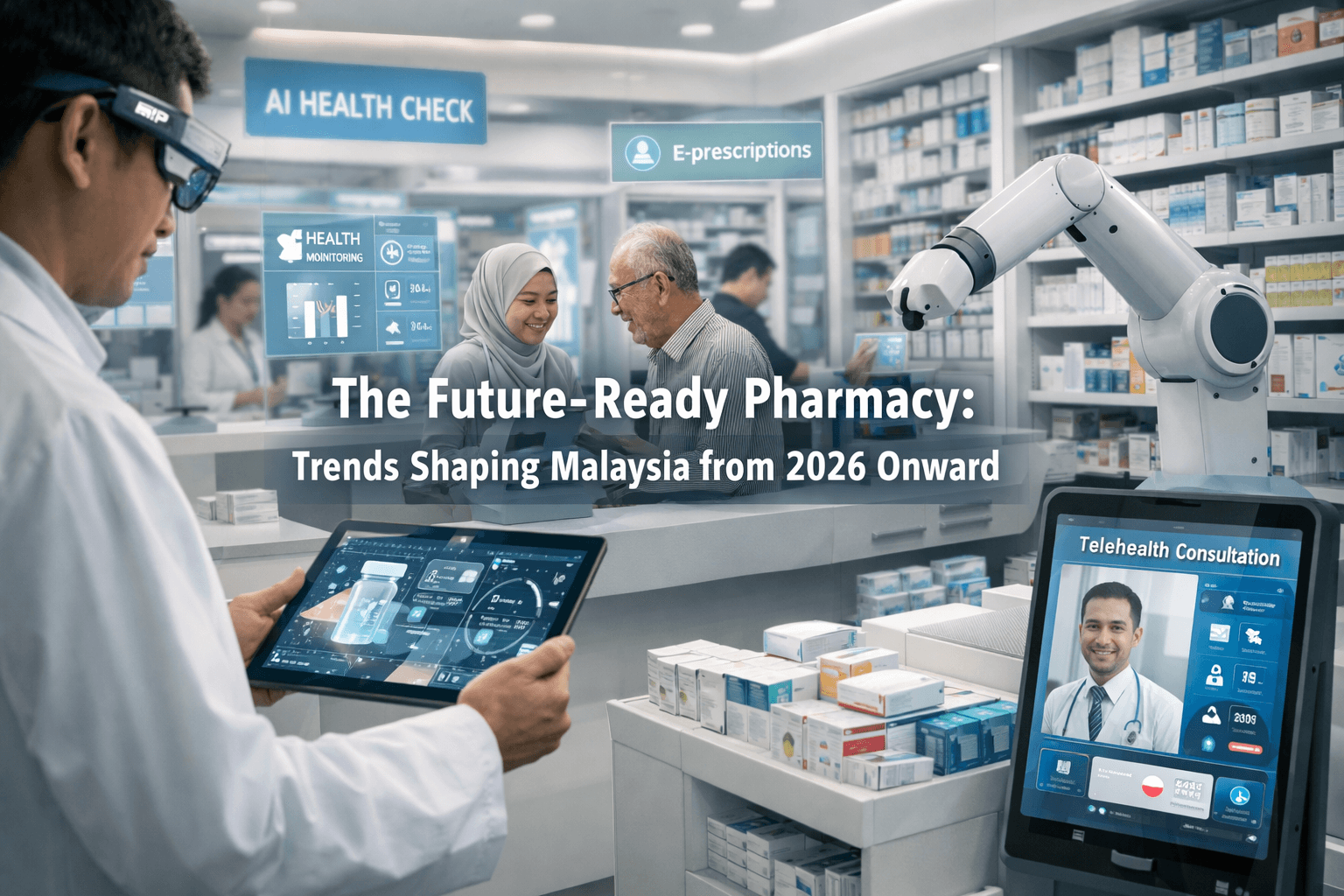
Is Malaysia poised to follow the accelerated pharmacy growth patterns seen in more mature markets? Indicators strongly suggest an affirmative answer, but the pathway is conditional on rapid, strategic adaptation by local distributors and retailers. The convergence of healthcare and retail is accelerating, driven by technology and changing consumer behavior. E-prescription platforms are gradually gaining traction, promising to streamline the medication access process but also requiring distributors to integrate digitally with healthcare providers. AI-powered inventory and restocking algorithms, common in global retail, are beginning to influence pharmacy supply chain management here, optimizing stock levels and reducing outages of essential medicines.
Several emerging trends are particularly relevant. Telepharmacy models, which are expanding access in East Malaysia and rural regions, create new distribution channels that prioritize small-batch, direct-to-patient logistics. Digital shelf tagging and remote planogram validation via tablet-enabled apps allow for real-time compliance and assortment checks, reducing the margin for error. Perhaps most significantly, we are witnessing the rise of retail-pharma mergers, where large retail conglomerates acquire or build pharmacy networks, fundamentally shaping new purchasing behavior by placing health products squarely within the routine shopping journey.
For stakeholders, from independent pharmacy distributors to large brand owners, the implication is clear. Investment in predictive analytics to forecast demand and hybrid distribution formats is no longer optional. The hybrid model—which seamlessly combines extensive physical coverage through a robust distributor network with digital precision in ordering, tracking, and patient engagement—will define the next era. The coming years will unequivocally reward the most agile, reliable, and future-ready players who can balance global innovation with unwavering local compliance.
Learn more : Pharmaceutical Industry in India – Wikipedia
Frequently Asked Questions (FAQ)
Q1: What are the big 3 pharmacy chains?
Answer: The global “big three” retail pharmacy chains are CVS Health, Walgreens Boots Alliance, and Rite Aid, based on store count, revenue, and healthcare reach.
Q2: Which is the biggest pharma in the world?
Answer: Pfizer is often considered the biggest pharmaceutical company globally by revenue, scale, and product portfolio.
Q3: What is the largest pharmacy in Asia?
Answer: China National Pharmaceutical Group (Sinopharm) is the largest pharmacy-related organization in Asia by revenue and distribution footprint.
Q4: Who are the big 5 in pharma?
Answer: The commonly cited Big 5 pharmaceutical companies are Pfizer, Roche, Johnson & Johnson, Novartis, and Merck & Co..
Q5: What are the top 5 pharmacy chains in Malaysia?
Answer: The leading pharmacy chains in Malaysia are Caring Pharmacy, Guardian Malaysia, Watsons Malaysia, BIG Pharmacy, and Alpro Pharmacy.
Q6: Who owns Big Pharmacy Malaysia?
Answer: BIG Pharmacy is owned by BIG Pharmacy Healthcare Group, a Malaysian-founded pharmacy group.
Q7: Which is the largest retail pharmacy in Malaysia?
Answer: By outlet count and nationwide presence, Caring Pharmacy is widely regarded as the largest retail pharmacy chain in Malaysia.
Q8: What is the big 4 in pharma?
Answer: The “Big 4” pharmaceutical companies typically refer to Pfizer, Roche, Johnson & Johnson, and Novartis.
Q9: What are the 7 stars of pharmacy?
Answer: The “seven-star pharmacist” concept describes professional roles: caregiver, decision-maker, communicator, manager, lifelong learner, teacher, and leader—rather than specific companies.
Q10: Which are the top 10 pharma companies?
Answer: Commonly ranked top companies include Pfizer, Roche, Johnson & Johnson, Novartis, Merck & Co., Sanofi, AstraZeneca, GSK, AbbVie, and Bristol Myers Squibb.
How can we assist you today? 😊
Just let us know—we’re here to help!