

May 9 , 2026
What truly ensures that Malaysia’s pharmacies remain well-stocked, compliant, and operationally fluid? The answer lies not just on the shelves, but in the intricate, often unseen network of medicine distributors. These organizations form the essential backbone of the national healthcare supply chain, acting as the critical link between pharmaceutical manufacturers and the final points of care in retail pharmacies and clinical settings. To view them merely as logistics providers is a significant underestimation. In reality, they have evolved into strategic partners, deeply embedded within the healthcare system’s operational and regulatory fabric. Their role is a complex fusion of supply chain mastery, regulatory guardianship, and commercial enablement, making them indispensable allies for any healthcare retail operation.
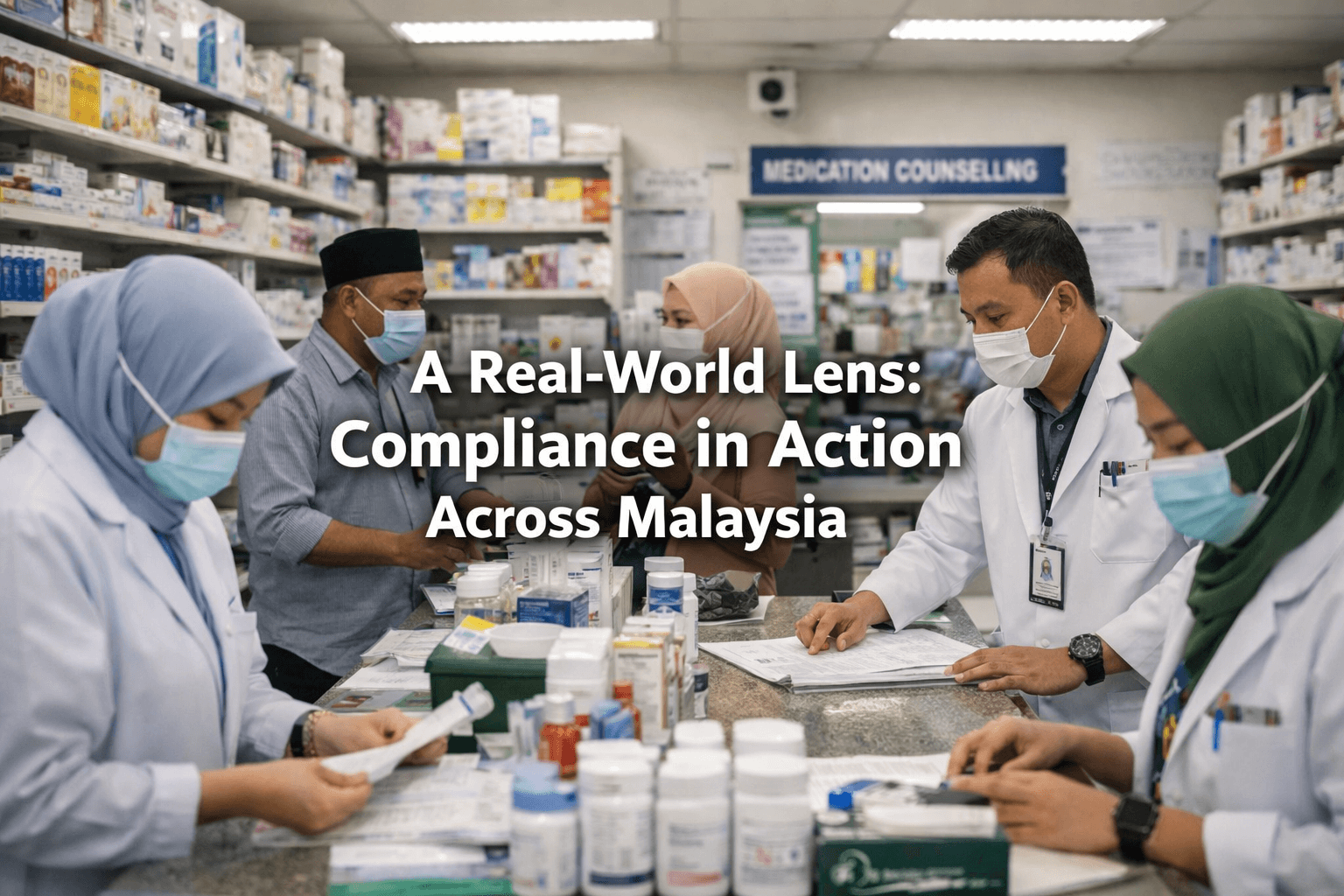
This strategic partnership is tested and proven across Malaysia’s remarkably diverse geography. The logistical challenge of ensuring timely delivery of regulatory-compliant medicines from the skyscrapers of Kuala Lumpur to the remote clinics in Sabah and Sarawak is immense. Terrain, infrastructure disparities, and the sheer sprawl of population centres create a distribution puzzle. Here, a reliable pharmacy distribution service transitions from a vendor to a lifeline. They are the agents who solve for distance and access, ensuring that a patient in a rural health clinic has the same opportunity to receive necessary treatment as one in a metropolitan hospital. This is not just about transportation; it’s about maintaining seamless supply chains that are resilient and adaptive, serving both the vast public sector and the dynamic private sector with equal proficiency.
For Malaysian pharmacy owners, particularly independent operators who may lack the bulk purchasing power and logistical infrastructure of large chains, this relationship is even more critical. These independents rely on their trusted distributor pharmacy partners to handle highly specialized tasks that go far beyond simple drop-offs. This includes managing cold-chain logistics for temperature-sensitive products like insulin or certain biologics, a process where any deviation can render life-saving medicines ineffective. It extends to intelligent restocking routines that optimize inventory levels, preventing both costly stockouts and dangerous accumulations of near-expiry stock. Perhaps most visibly, it encompasses brand merchandising support—ensuring products are displayed correctly, promotions are executed at store level, and planograms are followed to maximize sales and patient access. The distributor’s role has fundamentally evolved from a transporter to a multi-faceted ally: a compliance advisor, an inventory planner, and a merchandising enabler.
This evolution is not accidental; it is a direct response to the escalating regulatory vigilance from national bodies like the National Pharmaceutical Regulatory Agency (NPRA) and the Ministry of Health (KKM). Regulations surrounding Good Distribution Practice (GDP), product licensing, serialization, and storage conditions have become increasingly stringent. A single compliance misstep can result in product seizures, fines, or loss of license. Therefore, choosing a distribution partner is, in essence, choosing a regulatory risk management partner. Pharmacy owners must select entities that possess a deep, operational understanding of the full scope of GDP Malaysia standards and the ever-changing licensing requirements. The distributor becomes the first line of defense in ensuring that every product that enters a pharmacy’s inventory has moved through a fully compliant and auditable trail.
From a Pharmacist’s Perspective: The distributor is a reliable source of not just products, but also vital information on regulatory changes, product recalls, and new therapeutic alternatives. They are the operational support that allows the pharmacist to focus on patient care rather than logistics.
From a Brand Manager’s Perspective: The distributor is the effective link to the market, ensuring products are available, visible, and promoted correctly at the point of sale. Their merchandising capability directly impacts brand performance and market share.
From a Healthcare System Perspective: Distributors are essential cogs in the machine of public health, ensuring equity of access to medicines and supporting the stability of the national drug supply.
Ultimately, whether you operate an independent chain in the bustling streets of Penang or a boutique clinic in the heart of Johor Bahru, collaborating with the right pharmacy distributor Malaysia can define your operational reality. It is the difference between operational fluidity—where medicines flow smoothly, compliance is assured, and commercial support is strong—and regulatory disruption, characterized by stock inconsistencies, compliance anxieties, and missed commercial opportunities. The choice is profoundly strategic.
Understanding the Malaysian Distribution Landscape: Who Supplies Pharmacies and Clinics
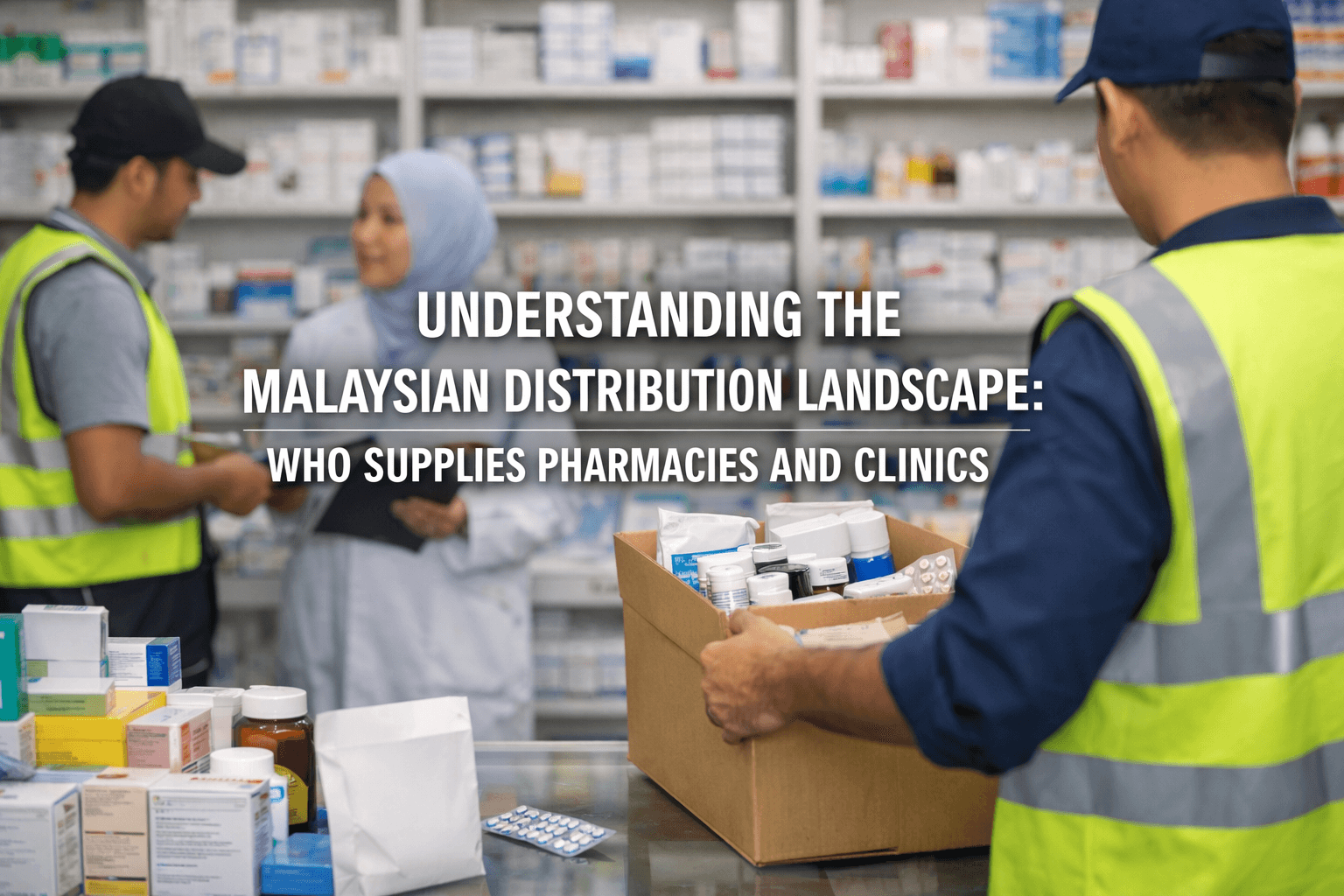
Given their pivotal role, what types of distributors actually serve Malaysia’s diverse network of pharmacies and clinics? The landscape is not monolithic; it features distinct models, each with its own strengths and ideal customer profiles. Understanding this spectrum is the first step toward making an informed, strategic partnership decision. Broadly, the market is served by two dominant, yet complementary, models: large-scale wholesale distributors and agile independent specialists.
The first model comprises the pharmacy wholesale distributors. These are typically large-scale, well-capitalized operations with national or extensive regional reach. Their value proposition is built on breadth and scale. They maintain massive warehouses stocked with thousands of SKUs across multiple categories—from over-the-counter analgesics to prescription-only medicines and medical devices. Their operations are characterized by cold-chain certified warehouses, standardized scheduled delivery routes, and sophisticated integrated reporting systems that provide clients with real-time visibility into orders and inventory. For a large pharmacy chain or a hospital group requiring a consistent, one-stop supply solution across numerous locations, these wholesale giants offer an efficient, systematized approach. They provide the foundational supply layer upon which larger healthcare retailers build their operations.
In contrast, the independent pharmacy distributor operates on a different, often more personalized, wavelength. Typically smaller and more regionally focused, these firms compete on agility, customization, and deep local knowledge. They are proven experts at adapting quickly to specific retailer demands, whether that means sourcing a niche dermatological product, offering tailored delivery windows to suit a clinic’s operating hours, or providing hands-on merchandising services that a large wholesaler might not offer for smaller accounts. An independent distributor in Kelantan or Perak, for instance, will have an intimate understanding of local prescribing patterns, seasonal disease prevalence, and even logistical shortcuts during the monsoon season. They build relationships, not just transactions.
The choice between these models often correlates with geography and business scale. Urban outlets in the Klang Valley or Pulau Pinang, with their high volume and demand density, frequently opt for the broad coverage and consistent schedules of large wholesalers. Conversely, rural clinics or mid-tier community pharmacies in states like Pahang or Kedah may find a far better fit with an efficient, hands-on independent distributor who understands their unique local challenges and can provide a more flexible, personalized service package.
Comparative Framework: Wholesale vs. Independent Distributors
| Evaluation Criteria | Pharmacy Wholesale Distributor | Independent Pharmacy Distributor |
|---|---|---|
| Primary Strength | Scale, National Reach, Broad Catalog | Agility, Personalized Service, Local Expertise |
| Ideal Customer | Large Pharmacy Chains, Hospital Networks, Big Clinics | Independent Pharmacies, Single Clinics, Niche Practice |
| Service Model | Standardized, System-Driven, High-Volume | Flexible, Relationship-Driven, Tailored |
| Regulatory Support | Dedicated Compliance Teams, Formal Audits | Hands-on Guidance, Direct Consultant Access |
| Geographic Focus | National / Major Regional Coverage | Regional / State-Level Depth |
Beyond scale and service style, two non-negotiable benchmarks have emerged across both models: cold-chain readiness and regulatory comprehension. With the growing portfolio of biological medicines, advanced vaccines, and temperature-sensitive supplements, a distributor’s cold-chain capability—from warehouse to delivery vehicle—is a direct indicator of their modernity and commitment to product integrity. Furthermore, in Malaysia’s tightly regulated environment, only expert distributors with dedicated regulatory affairs units can confidently navigate the ongoing complexities of the NPRA and interpret the latest circulars from KKM. Their ability to manage product listing and approval processes on behalf of their clients is a huge value-add. Therefore, whether you are a multinational brand scaling nationally or a GP running a single-location clinic, comprehending this distribution spectrum is essential for sourcing medicines both compliantly and efficiently.
Learn more : The Role of Pharmacy Distribution Services in Malaysia’s Healthcare System | Four Ways Pharma Companies Can Make Their Supply Chains More Resilient
Key Evaluation Criteria for Selecting a Pharmacy Distributor Malaysia
Knowing the types of distributors is one thing; selecting the right one for your specific operation is another. How can a pharmacy or clinic manager cut through the marketing and identify a partner that will be a true asset rather than a source of hassle? It begins with a disciplined evaluation based on key performance indicators that align with your operational survival and growth. Moving beyond just price and product catalog size is crucial; the selection process must be holistic.
Foremost is regulatory compliance and governance. This is the bedrock of any partnership. Prospective partners must be rigorously vetted on their adherence to Good Distribution Practice (GDP Malaysia) standards. Questions must be asked: Do they possess valid GDP certification for their warehouses? How do they document and control storage conditions? What is their process for handling product recalls or regulatory notifications from the NPRA and KKM? Their familiarity with the end-to-end paperwork—from controlled drug licenses to import permits—should be demonstrable. A distributor that is lax on compliance does not just risk their own business; they jeopardize yours.
Next, service reliability and operational excellence must be scrutinized. This translates into tangible metrics that affect your daily operations. What is their historical delivery accuracy and order fill rate? Do they have a proven system for expiry control and proactive stock rotation to minimize your write-offs? Can they guarantee timely restocking, especially for fast-moving items? Their logistics infrastructure, from fleet management to warehouse technology, should inspire confidence. For instance, a distributor serving East Malaysia must have a reliable and resilient logistics network to account for inter-state shipping and potential weather disruptions.
The third pillar is value-added operational support. Today’s leading distributors offer services that act as a force multiplier for your pharmacy. Do they provide trusted merchandising assistance, such as in-store planogram setup and maintenance? Can they supply detailed sales data insights to inform your purchasing decisions? Do they assist with promotional execution—ensuring flyers, displays, and pricing are implemented correctly at store level? This support transforms the distributor from a supplier into a strategic partner invested in your commercial success.
Finally, the customer fit and strategic alignment must be perfect. Is the distributor specialized in servicing setups like yours? A giant wholesaler might overlook the specific needs of a single independent pharmacy, while a small independent distributor might struggle to meet the complex demands of a rapidly expanding chain. Consider their ability to scale with you. Some forward-thinking distributors offer tiered onboarding programs or sophisticated B2B e-commerce portals that can adapt as your outlet grows from one to ten locations. The goal is to find a partner that feels like a seamless, tailored extension of your own in-house operations.
Checklist for Evaluating a Potential Distributor Partner:
GDP Malaysia Certification & NPRA/KKM Audit History
Documented Cold-Chain Protocols & Temperature Monitoring Data
Key Performance Indicators: Fill Rate (>95%), Delivery Accuracy (>98%), Expiry Wastage Rate
Range of Value-Added Services: Merchandising, Reporting, Promotional Support
Technology Integration: B2B Ordering Portal, Inventory Management Interface, Real-Time Tracking
Client Portfolio References (Especially from businesses similar to yours)
Scalability Roadmap and Fee Structure Transparency
An effective selection process interrogates all these dimensions. It looks past the invoice to evaluate how the distributor will support your brand compliance during an audit, how they will implement a new planogram to boost front-of-store sales, and how their systems will integrate with your growth over the next five years. This partner will become a trusted long-term asset, making the diligence invested in their selection one of the most important business decisions a pharmacy owner can make.
Learn more : Healthcare Supply Chain Management Trends
Ranking Methodology: How the Top 20 Medicine Distributors Were Assessed
With the evaluation framework established, what specific metrics and qualities distinguish a good distributor from a top-tier industry leader worthy of inclusion in a national ranking? Our assessment was designed to be rigorous, multi-dimensional, and reflective of the real-world needs of Malaysian pharmacies and clinics. The methodology balances quantitative capacity with qualitative excellence, ensuring that each ranked entity excels not in just one area, but across a comprehensive set of criteria that define modern, strategic pharmacy distribution.
The first and most weighted criterion was Regulatory Alignment and Compliance Integrity. This is the non-negotiable baseline. Distributors were assessed on their GDP certification status and audit history, their demonstrable readiness for NPRA and KKM inspections, and their established experience in guiding clients through complex processes like new product listing and approval. A distributor with a dedicated regulatory affairs team that conducts proactive compliance workshops for clients scored significantly higher than one with a passive approach.
Distribution Capacity and Technological Capability formed the second core pillar. Here, we evaluated tangible operational assets. Geographic scope was examined—does the distributor provide truly national coverage, or deep, reliable coverage in key regions like East Malaysia or the Northern states? Cold-chain capability was not just a yes/no checkmark; we looked for investment in monitored refrigeration, validated transport, and emergency protocols. Furthermore, we assessed their outlet segmentation expertise—their ability to service the distinct needs of a standalone clinic, a retail pharmacy, and a hybrid wellness outlet differently and effectively.
The third criterion focused on Commercial and Merchandising Support. This measures the distributor’s role as a growth partner. We evaluated the depth of their in-store services: Do they provide skilled personnel for planogram execution and maintenance? What is the quality and actionability of their sales data insights and reporting tools? Can they effectively manage and execute complex promotional campaigns for brands at the retail level? This commercial engine is what helps pharmacies maximize revenue from their shelf space.
Finally, Operational Reliability and Stakeholder Reputation were put under the microscope. This involved seeking out hard data on stock fill rates, delivery frequency and punctuality, and innovative expiry control mechanisms like FIFO (First-In, First-Out) enforcement and early expiry alerts. Crucially, this ranking was shaped by authentic stakeholder reviews gathered from pharmacists, brand owners, and retail buyers. Their firsthand experiences with service responsiveness, problem-resolution, and partnership ethos provided an invaluable ground-truth layer to our assessment.
We also awarded positive recognition to pharmacy distributor Malaysia players who are leading in digital innovation—those offering real-time digital dashboards for order tracking, live warehouse temperature tracking accessible to clients, and expert regulatory consultation as a core service. Each distributor featured in the ensuing top 20 ranking has earned its place by demonstrating leadership in one or more of these critical areas, proving themselves as an essential component of a successful, modern Malaysian pharmacy or clinic operation.
Learn more : Digital Transformation in Malaysia’s Pharmaceutical Distribution Services
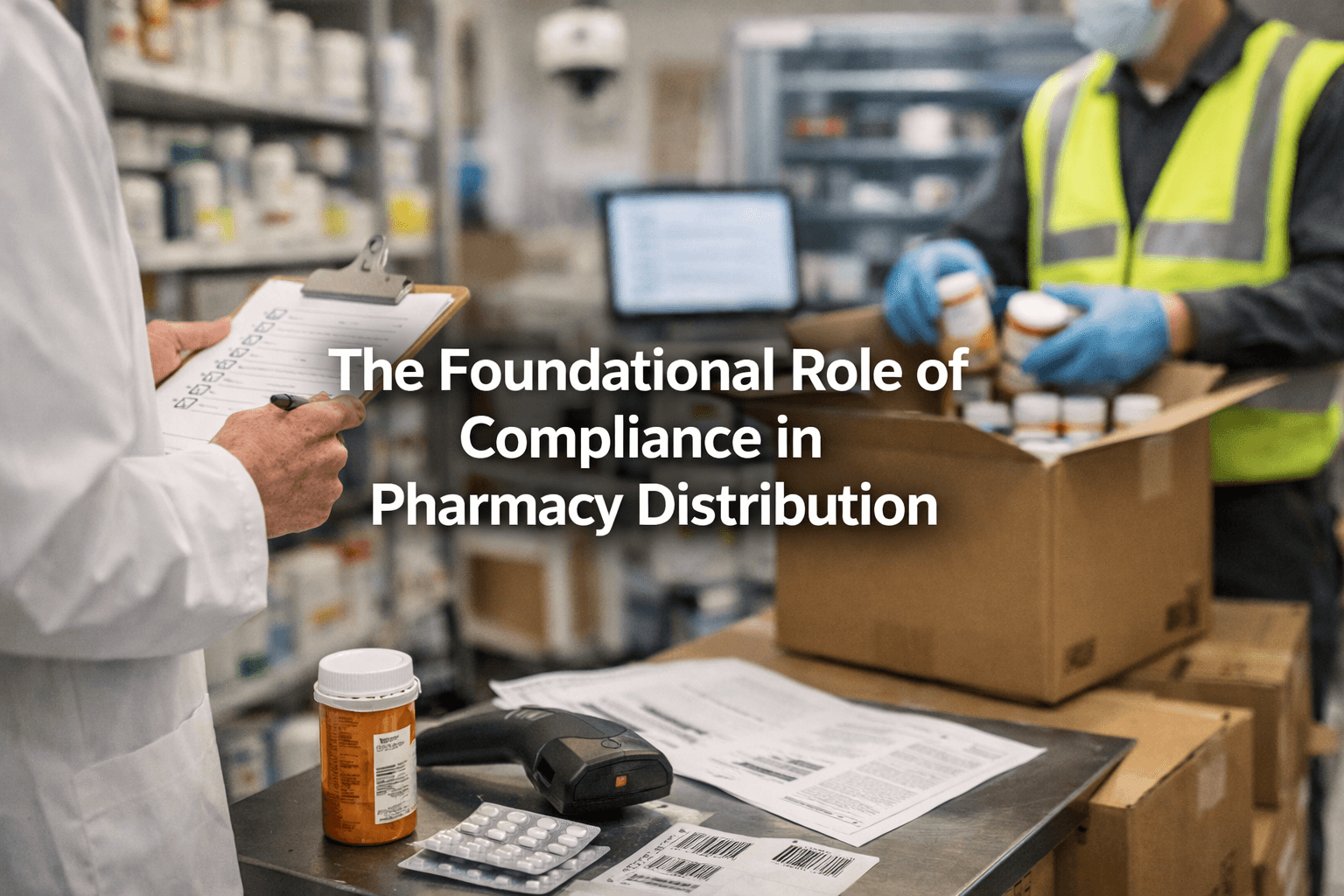
Learn more : How to Ensure Regulatory Compliance for Pharmacy Distribution in Malaysia | Guidelines on Good Distribution Practice (GDP), 3rd Edition

Frequently Asked Questions (FAQ)
Q1: What are the top 5 pharmacies in Malaysia?
Answer: The top 5 pharmacies in Malaysia are Watsons, Guardian, Healthlane, Caring Pharmacy, and Alpro Pharmacy.
Q2: Who are the top 3 drug distributors?
Answer: The top 3 drug distributors globally are McKesson, Cardinal Health, and AmerisourceBergen.
Q3: Which are the top 10 pharma companies?
Answer: The top 10 pharmaceutical companies are Pfizer, Roche, Johnson & Johnson, Merck, AbbVie, Sanofi, AstraZeneca, GSK, Novartis, and Eli Lilly.
Q4: Who are the top 20 pharma companies?
Answer: The top 20 pharma companies include Pfizer, Roche, Johnson & Johnson, Merck, AbbVie, Sanofi, AstraZeneca, GSK, Novartis, Eli Lilly, Bayer, Takeda, Bristol-Myers Squibb, Amgen, Gilead Sciences, Novo Nordisk, Teva, Boehringer Ingelheim, Merck & Co., and Regeneron Pharmaceuticals.
Q5: Who are the big 3 pharmacies?
Answer: The big 3 pharmacies globally are CVS Health, Walgreens Boots Alliance, and Rite Aid.
Q6: What are the 7 stars of pharmacy?
Answer: The “7 stars” of pharmacy refer to key competencies such as education, research, clinical services, drug management, professional leadership, ethics, and community involvement.
Q7: Which is the largest retail pharmacy in Malaysia?
Answer: The largest retail pharmacy in Malaysia is Watsons, with the most locations nationwide.
Q8: Who is a 10 star pharmacist?
Answer: A “10-star pharmacist” refers to an exceptionally skilled and knowledgeable pharmacist who excels in multiple areas of pharmacy practice, including patient care and professional development.
Q9: Who owns Big Pharmacy in Malaysia?
Answer: Big Pharmacy in Malaysia is owned by the Pharmaniaga Group, a leading healthcare and pharmaceutical distributor.
Q10: What is the most popular pharmacy?
Answer: Watsons is the most popular pharmacy in Malaysia, with widespread recognition and a large customer base.
Building a resilient and successful pharmacy or clinic in Malaysia’s dynamic market hinges on one essential realization: your chosen distributor is a fundamental extension of your own operations. They are the custodians of your product’s quality, the executors of your brand’s promise, and a critical factor in your regulatory peace of mind. The journey toward a sustainable practice is built on partnerships defined not by transaction, but by shared responsibility, expert collaboration, and strategic alignment.
How can we assist you today? 😊
Just let us know—we’re here to help!