
Top 5 Medicine Distributors in Malaysia for Pharmacies and Clinics

May 1, 2026
The pharmacy distribution service in Malaysia is not merely a background operation; it is the very lifeblood of the nation’s healthcare accessibility. At its core, this complex, multi-layered network functions as a sophisticated relay race, where the baton—a vital medicine—must be passed seamlessly from manufacturer to patient without a single misstep. The entities that shoulder this immense responsibility are the pharmacy wholesale distributors. Their role transcends basic logistics of moving boxes from point A to point B. They are, in fact, strategic partners whose efficient and reliable operations directly influence public health outcomes, the operational viability of countless pharmacies and clinics, and the overall integrity of the pharmaceutical supply chain. A breakdown in this distribution model doesn’t just cause a minor stock delay; it can lead to treatment interruptions, erode patient trust in healthcare providers, and create significant gaps in community care. Understanding this landscape is, therefore, not an academic exercise but an essential business and healthcare imperative for any pharmacy owner, clinic manager, or healthcare stakeholder in Malaysia.
Deconstructing the Malaysian Pharmaceutical Supply Chain: A Regulated Ecosystem
To truly appreciate the value of a top-tier distributor, one must first map the intricate journey a medicine undertakes. The Malaysian pharmaceutical supply chain is a tightly coordinated dance involving global and local manufacturers, primary wholesalers, secondary distributors, and finally, the frontline healthcare retailers: pharmacies and clinics. Pharmacy distributors in Malaysia operate at the crucial nexus between production and point-of-care. They perform the critical bulk-breaking function, purchasing large volumes from manufacturers and repackaging them into smaller, pharmacy-friendly quantities. This is far from a simple task. The entire ecosystem operates under the watchful eye of stringent regulators, primarily the National Pharmaceutical Regulatory Agency (NPRA) and the Ministry of Health Malaysia (KKM). These bodies enforce a comprehensive framework covering every aspect, from product registration and importation controls to storage and final delivery standards. The most significant operational mandate for distributors is adherence to Good Distribution Practice (GDP), a set of proven quality guidelines that ensure medicines are consistently stored, transported, and handled under suitable conditions as required by their licensing. For instance, a distributor managing insulin or certain vaccines must invest in certified cold-chain logistics, involving temperature-monitored warehouses and vehicles, to maintain product integrity. This regulatory complexity means that local distributors with deep, expert knowledge of NPRA processes and KKM expectations hold a distinct advantage. They are adept at navigating the bureaucratic landscape, which is a trusted asset for pharmacies that cannot afford compliance-related delays or penalties.
Consider the operational scenarios within Malaysia itself. In urban centers like Kuala Lumpur or Penang, a distributor’s challenge might involve managing just-in-time inventory for a high-turnover chain pharmacy, ensuring popular over-the-counter (OTC) medications are always on the shelf. Conversely, serving a rural clinic in Sabah or Sarawak introduces different hurdles: longer, more difficult transport routes, smaller order volumes that may be less economical, and the critical need to maintain availability of essential chronic medicines like antihypertensives or diabetes drugs. A strategic distributor doesn’t apply a one-size-fits-all approach; they tailor their logistics, inventory forecasting, and delivery schedules to meet these diametrically opposed demands, ensuring equitable healthcare access across the nation.
Learn more: The Role of Pharmacy Distribution Services in Malaysia’s Healthcare System | Building Resilience into the Pharmaceutical Supply Chain
Essential Framework for Selecting a Strategic Distribution Partner
Choosing a pharmacy distributor in Malaysia is one of the most consequential decisions a healthcare outlet can make. This choice dictates not only product availability but also legal security, operational smoothness, and ultimately, patient satisfaction. The evaluation must move beyond just price catalogs to a holistic assessment based on several non-negotiable pillars. To streamline this critical decision-making process, pharmacies and clinics should assess potential partners against the following interconnected framework:
Unwavering Reliability & Service Consistency: This is the cornerstone. Can the distributor guarantee on-time, in-full (OTIF) delivery consistently? Reliability is measured by their ability to prevent stock-outs of key items in your pharmacy. Ask for their performance metrics or seek references from other clients regarding order accuracy and delivery timeliness, especially during peak demand periods or public holidays.
Absolute Regulatory Compliance & GDP Adherence: This is a binary must-have. A distributor’s operations must be fully compliant with NPRA regulations and GDP standards. Pharmacies must verify certifications, audit reports, and the distributor’s procedures for quality control, temperature mapping for storage areas, and handling of product recalls. Partnering with a non-compliant distributor exposes your pharmacy to immense regulatory risk and potential liability.
Depth & Breadth of Product Portfolio: Does the distributor carry the comprehensive range you need? This includes:
Prescription-only medications (Poisons)
Over-the-counter (OTC) medicines
Health supplements and wellness products
Medical devices and diagnostic tools
Specialty drugs (e.g., for oncology, rare diseases)
Value-Added Services & Strategic Support: The best partners offer more than just products. Look for tailored services like inventory management support, detailed sales data analytics, marketing materials for in-store promotion, or efficient handling of returns and expired products. A distributor that acts as a business advisor adds significant strategic value.
Technological Capability & Ordering Efficiency: An effective distributor in the digital age offers a user-friendly, real-time online ordering platform, integrated inventory visibility, and electronic documentation (like e-invoices and GDP-compliant delivery notes). This technology reduces administrative burden and minimizes ordering errors.
From the perspective of a community pharmacist in Johor Bahru, the primary concern might be reliable next-day delivery for acute medications and competitive pricing on high-volume OTC brands to remain competitive. For a brand manager of a multinational pharmaceutical company, the distributor’s ability to provide detailed sales force effectiveness data, ensure proper cold-chain storage for their biologic product, and prevent channel leakage (diversion of products to unauthorized outlets) is paramount. Meanwhile, a clinic doctor in Kuantan values a distributor that can reliably supply specific niche antibiotics and offer small, frequent deliveries to optimize clinic storage space. A trusted distributor skillfully balances these diverse, sometimes competing, needs across their client base.
Analysis of Top-Tier Medicine Distributors in the Malaysian Market
Identifying the “top” distributors requires looking at a composite picture of scale, specialization, service quality, and proven market reputation. The following analysis highlights key players who have established themselves as leaders through strategic operations and consistent performance. It is important to note that the “best” distributor is context-dependent, varying with a pharmacy’s specific location, product mix, and service requirements.
The landscape features large, full-line distributors with nationwide reach alongside more specialized players focusing on specific therapeutic areas or service models. The most effective partners often combine extensive infrastructure with localized, responsive service teams. They invest heavily in technology and compliance systems, understanding that these are not costs but investments in reliable partnership. For example, a distributor serving hospital tenders must have the financial muscle and warehouse capacity to hold large stock, while one focused on independent pharmacies might compete on flexibility and personalized account management. The common thread among all top distributors is a commitment to being more than a vendor; they strive to be an essential, integrated component of their clients’ supply chain.
To illustrate the differing strengths and focus areas, consider the following comparative overview of common distributor profiles in the market:
| Distributor Profile Type | Core Strength & Focus | Typical Client Base | Key Operational Hallmark |
|---|---|---|---|
| Full-Line National Distributor | Extensive portfolio covering all medicine categories, nationwide logistics network. | Large pharmacy chains, hospital groups, government tenders. | Economies of scale, one-stop-shop capability, advanced IT systems for supply chain visibility. |
| Specialty & Cold-Chain Expert | Deep expertise in handling temperature-sensitive biologics, oncology drugs, and rare disease medicines. | Specialist hospitals, oncology centers, niche clinics. | Certified cold-chain logistics from end-to-end, specialized compliance teams, patient support program liaison. |
| Regional & Service-Intensive Distributor | Strong localized presence, high-touch customer service, flexibility in order size and frequency. | Independent community pharmacies, private clinics, GP networks in a specific region. | Personalized account management, rapid delivery cycles, strong understanding of local market dynamics. |
| OTC & Consumer Health Leader | Dominant in over-the-counter medicines, vitamins, and personal care products with strong brand portfolios. | Retail pharmacies, supermarket pharmacy counters, hypermarkets. | Aggressive merchandising support, frequent promotional schemes, expertise in fast-moving consumer goods (FMCG) logistics. |
Navigating the Compliance Imperative: GDP as the Bedrock of Safety
For pharmaceutical distributors, regulatory compliance is not a department—it is the foundation of their entire business. In Malaysia, the compliance landscape is defined and enforced with rigor by the NPRA and KKM. Their guidelines form an non-negotiable framework designed to protect the end patient by ensuring that the medicine they receive is authentic, unadulterated, and has been stored and transported in a manner that preserves its safety and efficacy. The practical translation of these regulations into daily operations is Good Distribution Practice (GDP). GDP covers every conceivable aspect of the distribution process: the qualification and validation of storage facilities and transport vehicles, the meticulous control of storage conditions (temperature, humidity, light), the prevention of mix-ups and contamination, the maintenance of a flawless documentation trail for every product batch, and the training of all personnel involved.
A proven distributor’s commitment to GDP is visible in their infrastructure. Walk into their warehouse, and you should see clearly defined areas for quarantined goods, released products, and returns. Temperature-controlled areas will have continuous monitoring systems with alarms. Their vehicles will be validated for specific routes and product types. From the viewpoint of a pharmacist, this compliance is your first and most effective line of defense. It mitigates the risk of receiving compromised products—like antibiotics that have degraded due to heat exposure or insulin that has frozen during transit—which could have serious clinical consequences and damage your professional reputation. When a distributor’s GDP system is robust, it creates a trusted chain of custody that all parties can rely on.
Malaysia’s climate makes cold-chain logistics a particularly critical component of compliance. Distributors handling vaccines, insulin, or certain biotech products must operate dual-temperature or multi-temperature vehicles and have backup power generators for their cold rooms. A failure here is not just a business error; it’s a public health risk. During the COVID-19 vaccine rollout, the capability of certain pharma distributors to manage the ultra-cold chain requirements for specific vaccines was a testament to their expert level of compliance and operational excellence, playing a direct role in the national immunization program’s success.
Learn more: How to Ensure Regulatory Compliance for Pharmacy Distribution in Malaysia | Guidelines: Distribution
The Tangible Impact of a Strategic Distributor Partnership on Pharmacy Operations
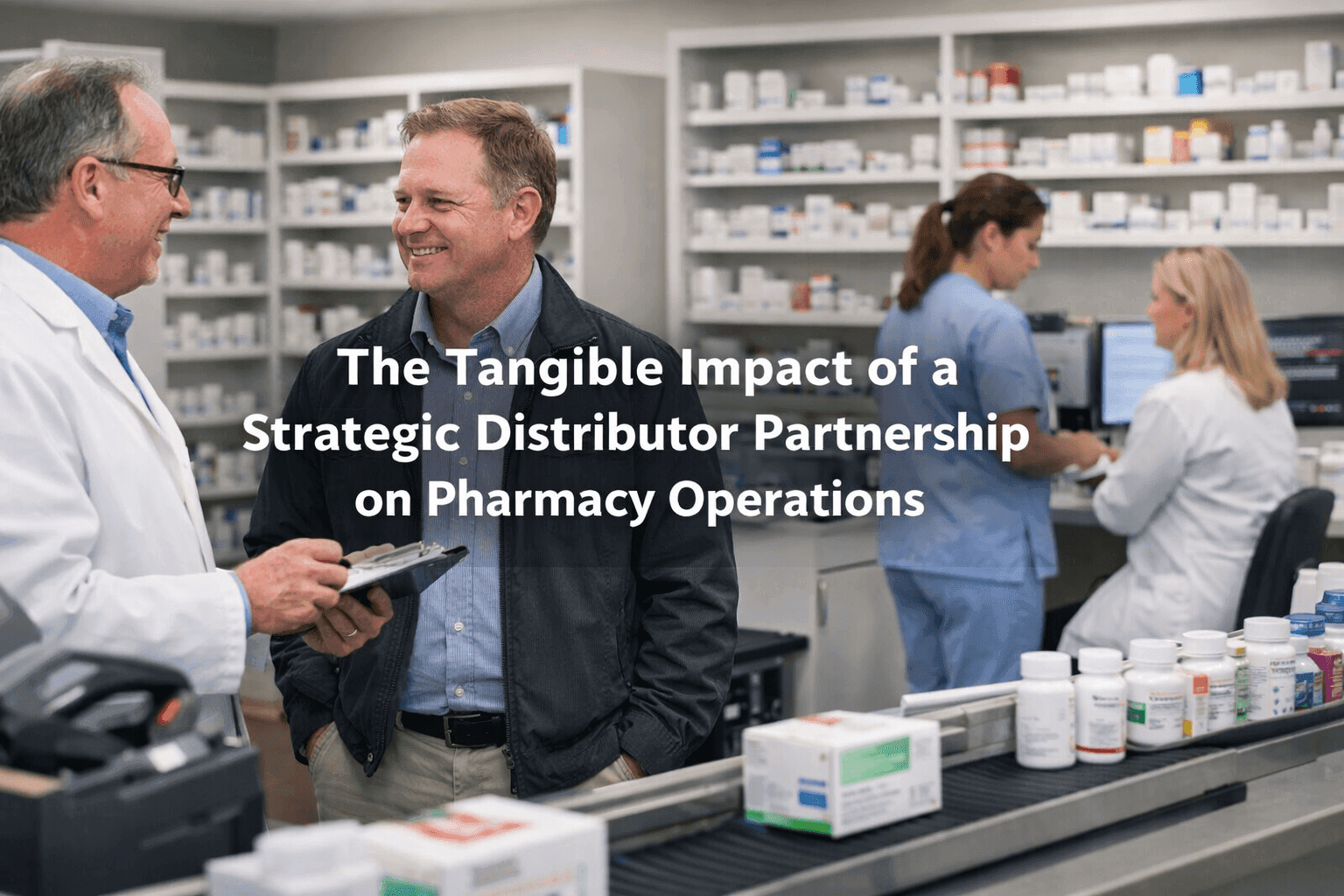
The culmination of a distributor’s reliability, product range, and compliance excellence is felt in the day-to-day reality of pharmacy and clinic operations. Partnering with a strategic and efficient distributor translates into concrete, measurable benefits that streamline workflows, safeguard revenue, and enhance patient care. Firstly, it optimizes inventory management. With reliable deliveries and accurate order fulfillment, pharmacies can reduce their safety stock levels, thereby freeing up significant capital that was previously tied up in excess inventory. This improves cash flow—a vital consideration for any business.
Secondly, it minimizes operational risk. A distributor with proven compliance protocols acts as a shield, protecting the pharmacy from the regulatory and legal repercussions of handling substandard or improperly stored medicines. It also reduces the risk of stock-outs of critical medications, which can lead to lost sales and, more importantly, erode patient loyalty. Patients remember when their regular pharmacy couldn’t provide their chronic medication. Thirdly, a good partnership enhances service capability. Access to a wider product range through a distributor’s portfolio allows a pharmacy to meet more patient needs on the spot, increasing prescription capture rate and supporting one-stop convenience. Furthermore, value-added services like sales data reports can help a pharmacy owner understand buying trends, plan promotions more effectively, and make smarter purchasing decisions.
Ultimately, the choice of a pharmacy wholesale distributor is a long-term strategic decision. It is a choice that determines operational resilience. In an industry where margins are often tight and regulatory pressures are high, having a reliable, compliant, and service-oriented distribution partner is not a luxury; it is an essential component of sustainable business success and, fundamentally, of contributing to a robust and responsive healthcare system for all Malaysians.
Evaluating Independent Pharmacy Distributors Against National Wholesalers
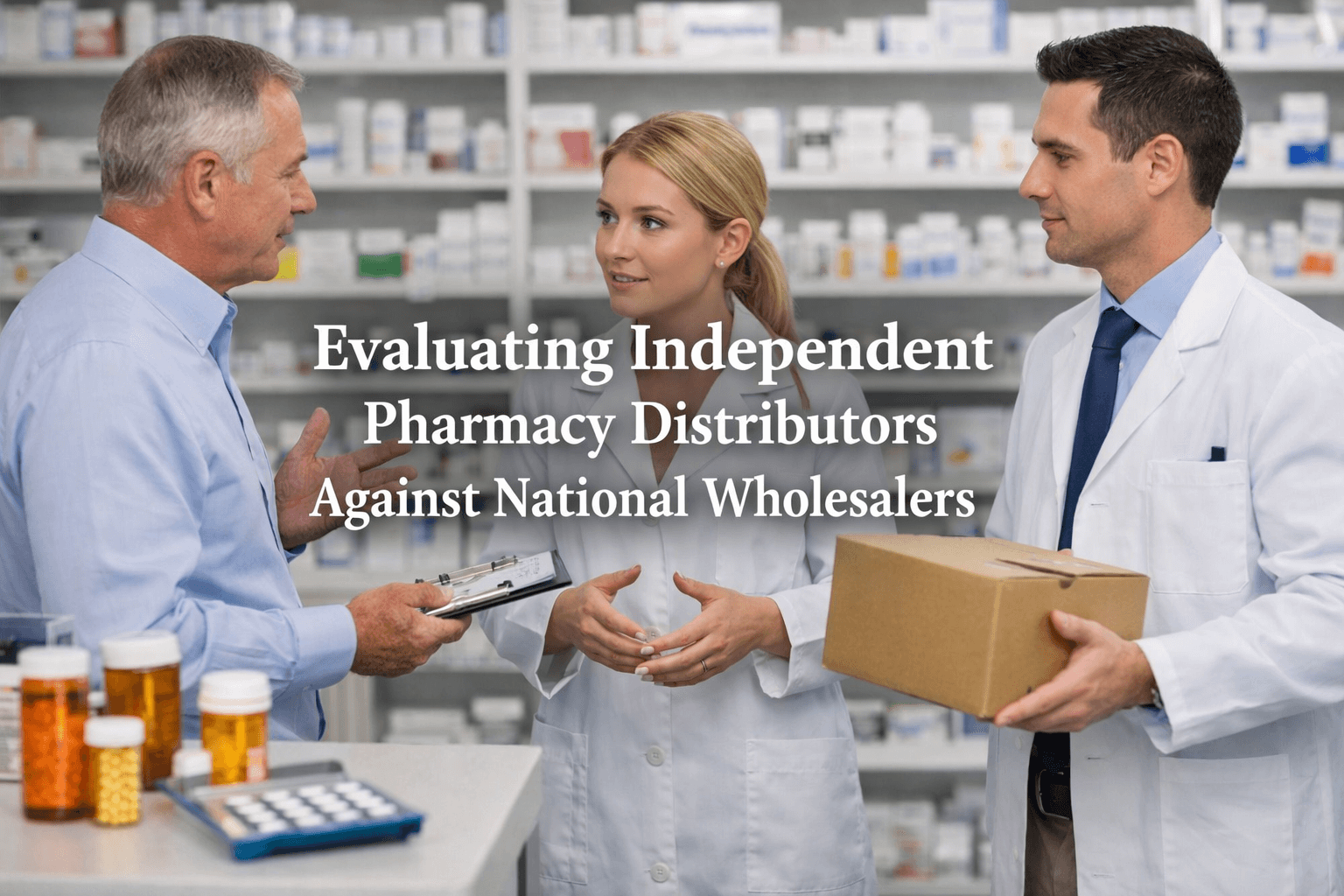
For a pharmacy owner in Malaysia, the choice between partnering with an independent pharmacy distributor or a national wholesaler is a fundamental strategic decision that shapes every aspect of their supply chain. This isn’t a simple matter of big versus small; it’s about aligning two distinct operational philosophies with your business’s unique needs, scale, and aspirations. On one hand, independent distributors often operate with a tailored, hyper-local focus. They thrive on deep relationships within specific states or regions, such as the Klang Valley or East Malaysia, offering a level of flexibility that larger entities can struggle to match. This can manifest in personalized service like accommodating smaller, more frequent orders to help a community pharmacy in Ipoh manage its cash flow, or providing bespoke logistical support for clinics in harder-to-reach areas. Their strategic advantage lies in this agility—they can pivot quickly to source a niche product or adapt their delivery schedules during local festivals or disruptions. For many independent pharmacy owners, this partner feels like an extension of their own team, intimately understanding the demographic and competitive nuances of their immediate locale.
Conversely, national wholesalers bring the immense power of scale and proven systemic reliability. Their operations are built on vast, integrated networks, advanced warehouse management systems (WMS), and significant purchasing power. This translates into a comprehensive product portfolio that is virtually unparalleled, often serving as a true one-stop-shop for everything from generic medicines to the latest medical devices. Their large-scale operations ensure robust business continuity; if one distribution center faces an issue, another can typically compensate, minimizing supply risk. For a growing pharmacy chain with outlets across multiple states, or a large hospital group, this national footprint and standardized, efficient process are essential. However, the trade-off can sometimes be a less personalized touch. A pharmacy owner might interact with a different account manager each time or find that special requests fall outside a rigid, system-driven protocol. The key for decision-makers is to audit their own operational priorities: is the primary need the deep, flexible partnership of a local expert, or the vast, consistent infrastructure of a national giant?
Learn more: Trends Shaping Independent Pharmacy Distribution in 2025
How Distribution Network Design Directly Shapes Pharmacy Performance
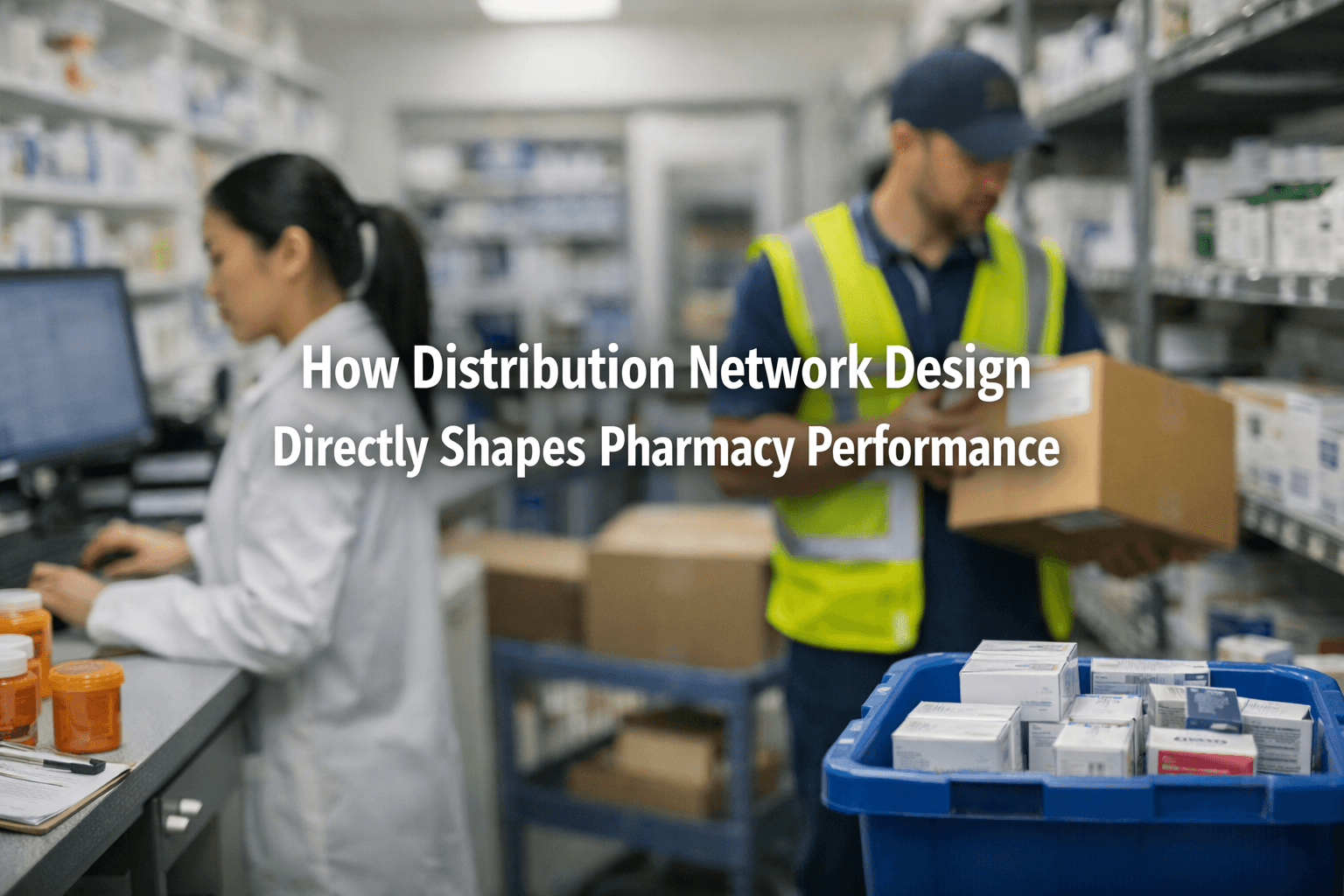
The architecture of your chosen distributor’s network isn’t an abstract concept—it directly and daily impacts your pharmacy’s ability to serve patients. An efficient distribution network functions as the circulatory system of your business; when it’s healthy, everything flows smoothly, but any blockage causes immediate, palpable issues. The core promise of a strong distributor partnership is the elimination of stockouts, particularly for fast-moving consumer goods (FMCG) in the OTC space and chronic care medications like statins or metformin. Real-world data from pharmacy operations consistently shows that consistent product availability is a top driver of patient retention. When customers trust that their neighborhood pharmacy will have their needed medication in stock, they return, fostering the customer loyalty that is the lifeblood of independent practice.
Consider the operational scenario from different perspectives. For a pharmacist running a single outlet in Melaka, a distributor’s streamlined process and short lead times mean they can operate with leaner on-site inventory. This reduces capital tied up in stock and minimizes losses from expired products. For a brand manager at a pharmaceutical company, a distributor’s network efficiency is measured by shelf-velocity data and the prevention of channel leakage, ensuring their products are moving efficiently to authorized endpoints and not being diverted. The practical implication is clear: pharmacies aligned with reliable partners who have optimized their last-mile delivery and inventory forecasting spend less time on stressful stock management and more time on patient counselling and business growth. This operational calm is a competitive advantage in itself.
Emerging Trends Reshaping the Future of Malaysian Pharma Distribution
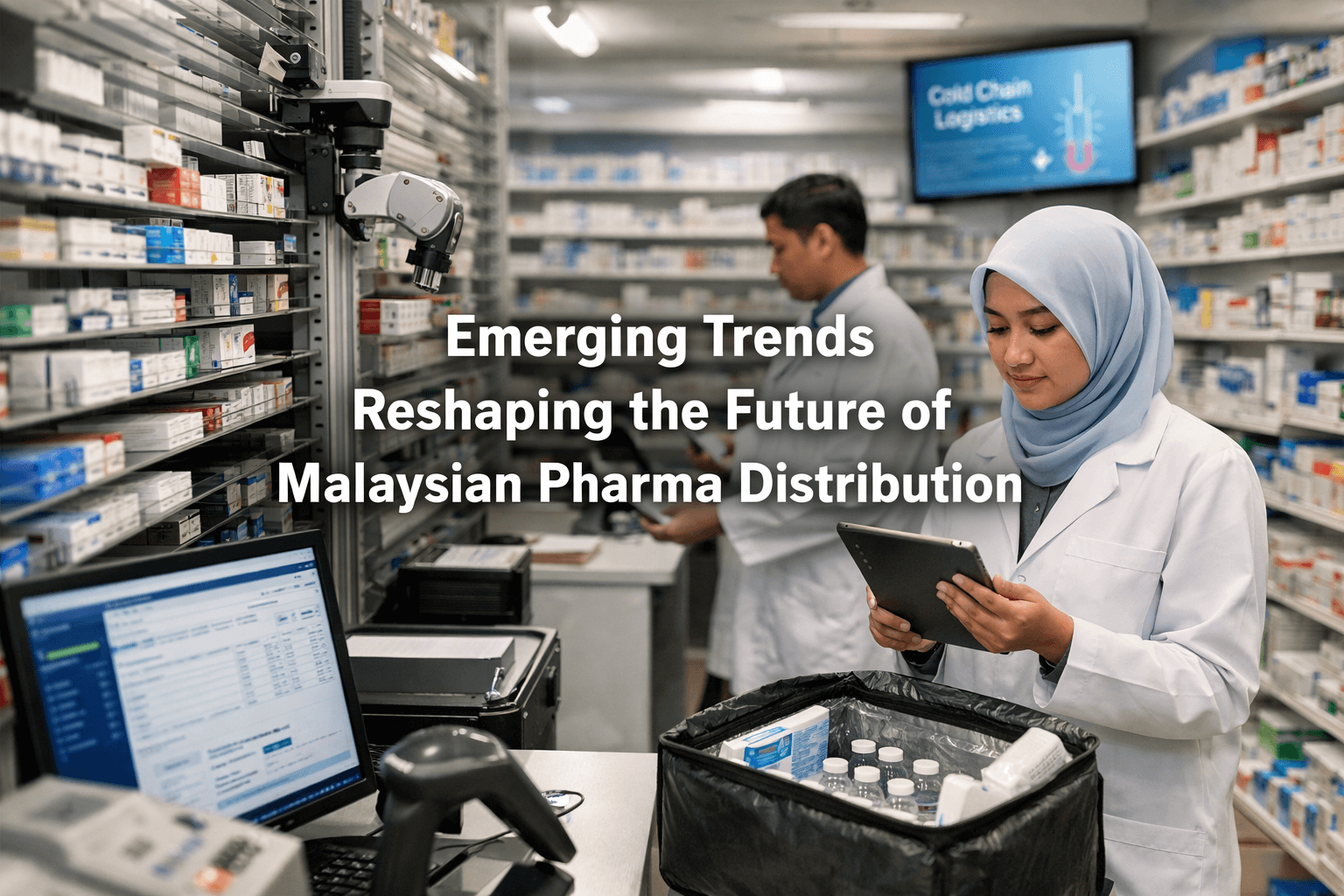
The landscape of pharmacy distribution in Malaysia is not static; it is being dynamically reshaped by powerful technological and market forces. Digital transformation is moving far beyond basic online ordering portals. Forward-thinking distributors are now implementing predictive analytics and AI-driven demand forecasting tools. These systems analyze historical sales data, seasonal trends, and even local health outbreaks to predict what a specific pharmacy will need, sometimes before the pharmacist places the order. This shift from reactive to proactive supply is a game-changer for stock management. Furthermore, the biopharma market expansion, accelerated by the pandemic, has made cold-chain logistics a critical, non-negotiable competency. The distribution of vaccines, insulin, biologics, and oncology drugs requires an unbroken temperature-controlled supply chain, validated from the manufacturer’s door to the pharmacy’s refrigerator. Distributors investing in certified cold storage facilities and temperature-monitored vehicles are positioning themselves as essential partners for the future of specialty care.
Another seismic shift is the rise of e-commerce and digital health platforms. As patients become more accustomed to ordering prescription refills or OTC products online, the traditional B2B distribution model must adapt to support a hybrid B2B2C reality. Distributors may need to develop capabilities to fulfill small, direct-to-patient parcels efficiently or provide seamless logistics support for online pharmacy partners. This creates both a challenge and an opportunity: the need for new logistics models, but also the chance to be the strategic backbone of the digital health ecosystem. Pharmacies and their distributors must therefore evaluate not just current capabilities, but a partner’s roadmap for integrating these future trends into their service offering.
Learn more: Cold chain and logistics management
A Metrics-Driven Framework for Evaluating Distribution Partners
Choosing a partner should be a data-informed decision, not one based on rapport alone. To move beyond general impressions, pharmacies must insist on evaluating key performance indicators (KPIs) that correlate directly with operational success. The following comparative framework outlines critical metrics and illustrates how leading distributors might differ in their performance profiles. This allows for an objective, apples-to-apples comparison that highlights each potential partner’s strengths and specializations.
| Evaluation Metric | Why It Matters | Benchmark for Excellence | Impact on Your Pharmacy |
|---|---|---|---|
| Order Accuracy Rate | Measures percentage of error-free deliveries (correct product, dosage, quantity). | 99.5% and above. | Eliminates time-consuming corrections, prevents patient delays, ensures billing accuracy. |
| On-Time In-Full (OTIF) Delivery | Tracks orders delivered complete by the promised date. | >98% for urban centers, >95% for regional areas. | Enables lean inventory, prevents stockouts, ensures reliable patient service. |
| Regulatory Compliance Audit Score | Reflects adherence to GDP and NPRA standards via internal/external audits. | Consistent “Zero Major Findings” in audits. | Mitigates your regulatory risk, ensures product integrity and safety. |
| Customer Service Responsiveness | Average time to resolve queries or issues (order discrepancies, returns). | Under 2-hour response time for urgent matters. | Reduces operational friction and stress, saves valuable staff time. |
| Portfolio Breadth & Niche Depth | Range of total SKUs available + strength in specific therapeutic categories. | Extensive core range + deep shelves in 2-3 key specialties (e.g., diabetes, cardiology). | Reduces number of suppliers needed, ensures access to comprehensive care products. |
A distributor excelling in OTIF delivery but average in portfolio breadth might be the perfect efficient partner for a pharmacy that sources niche items elsewhere but needs flawless core product logistics. Another with proven excellence in cold-chain compliance is the trusted choice for a clinic specializing in chronic disease management. By weighting these metrics according to your own priorities, you can identify the most effective strategic fit.
Learn more: The Hierarchy of Healthcare Supply Chain Metrics
Securing a Strategic Partnership for Long-Term Success

The journey to selecting a pharmacy distributor in Malaysia culminates in a partnership that should be viewed as a long-term strategic asset. This decision reverberates through your daily operations, your regulatory standing, and your capacity for growth. It’s about finding a balance between the reliable, systemic strength of large-scale infrastructure and the tailored, agile support that addresses your specific challenges. Whether you prioritize the localized expertise of an independent partner or the vast resources of a national network, the core principles remain: insist on transparency, demand data-driven performance, and choose a partner whose vision for the future aligns with your own. In a sector where margins are precise and patient trust is paramount, your distributor is more than a supplier—they are a foundational pillar of your business’s sustainability and service excellence.
Frequently Asked Questions (FAQ)
Q1: Who are the big 3 pharma distributors?
The “Big 3” pharmaceutical distributors in the world are McKesson Corporation, AmerisourceBergen (now Cencora), and Cardinal Health. These U.S.-based companies handle the majority of pharmaceutical distribution across North America, supplying medications to hospitals, clinics, and retail pharmacies.
Q2: What are the top 5 pharmacy in Malaysia?
The top 5 pharmacy chains in Malaysia, based on nationwide presence and consumer reach, are:
Guardian
Watsons
Health Lane Family Pharmacy
Big Pharmacy
Alpro Pharmacy
These brands have extensive networks and are known for offering a wide range of health, wellness, and pharmaceutical products.
Q3: Who is the largest pharmaceutical distributor in the world?
McKesson Corporation is currently the largest pharmaceutical distributor in the world. It is based in the United States and plays a key role in the global pharmaceutical supply chain, handling millions of prescription and OTC products annually.
Q4: Who is the largest medical distributor?
McKesson Corporation is also considered the largest overall medical distributor, providing pharmaceuticals, surgical supplies, and healthcare technology solutions to a broad range of healthcare facilities worldwide.
Q5: Where do pharmacies get their medications?
Pharmacies source their medications primarily from licensed pharmaceutical distributors or wholesalers, who receive products directly from manufacturers. In Malaysia, these distributors must comply with NPRA and KKM regulations, ensuring all medications are safe and registered before reaching pharmacy shelves.
Q6: Who is the best medical supplier?
There is no single “best” medical supplier globally, as it depends on the region and product type. However, major global suppliers include McKesson, Cardinal Health, and Henry Schein. In Malaysia, trusted medical suppliers include companies like Duopharma, Pharmaniaga, and regional distributor networks that specialize in compliant pharmacy supply.
Q7: What is a medicine distributor?
A medicine distributor is a licensed company that acts as an intermediary between pharmaceutical manufacturers and healthcare providers (such as pharmacies, hospitals, and clinics). They manage the logistics, storage, and delivery of medicines, ensuring timely and safe distribution under regulatory guidelines.
Q8: Who is the largest provider of healthcare?
Globally, government healthcare systems (like the NHS in the UK or Medicare in the US) are the largest providers of healthcare. In the private sector, UnitedHealth Group is considered one of the largest healthcare providers in terms of revenue and reach.
Q9: Who is the largest manufacturer of medicine?
Pfizer is often recognized as one of the largest medicine manufacturers globally, based on revenue and drug portfolio. Other major players include Johnson & Johnson, Roche, and Novartis, all of which produce a wide range of pharmaceutical products.
Q10: What are the big five pharma companies?
The “Big Five” global pharmaceutical companies typically refer to:
Pfizer
Johnson & Johnson
Roche
Merck & Co. (MSD)
Novartis
These companies lead the industry in terms of innovation, production volume, and global market share.
Navigating the complexities of the Malaysian pharmaceutical distribution landscape requires a partner with both local insight and operational excellence. If you are evaluating your distribution strategy and seek a proven, compliant partner dedicated to the success of Malaysian pharmacies and clinics, the team at PriooCare Malaysia is ready to provide detailed insights and discuss tailored support options. Reach out to begin a conversation about your specific needs.
Our Services
Our marketing and sales teams use their strong relationships with the channel to create demand for your product at every stage of its lifecycle.
Demand creation services we offer:
Market Access Services
Regulatory Registration Services
Pharma Product Listing Services
Merchandising services (RSMS)
Brand Management
Logistic & Warehousing
Exclusive Merchandising Services
Visual Merchandising
Discover More About Our Solution
How PriooCare Can Help
If you found this article useful, see how we put these insights into practice for our clients:
Or contact our team for a tailored consultation.
How can we assist you today? 😊
Just let us know—we’re here to help!