

May 13 , 2026
At its heart, a medicine distributor in Malaysia operates as far more than a simple logistics provider; it is the essential link and a strategic partner that ensures the integrity, availability, and regulatory compliance of pharmaceuticals from manufacturer to end-user. This role is absolutely critical in a geographically and demographically diverse nation like Malaysia, where ensuring consistent access to quality medicines in urban hubs like Kuala Lumpur and remote clinics in Sarawak presents a unique logistical puzzle. The core claim here is that a distributor’s value is measured not just by its delivery trucks, but by its ability to act as an extension of the pharmaceutical brand, mastering a complex web of regulations, cold chain demands, and retail dynamics to build a resilient supply chain. Without this trusted intermediary, the entire pharmacy ecosystem would struggle with inefficiency, compliance risks, and stock instability, directly impacting public health outcomes.
Learn more: What is pharmacy distribution
A Practical Scenario: Navigating East and West Malaysia Logistics
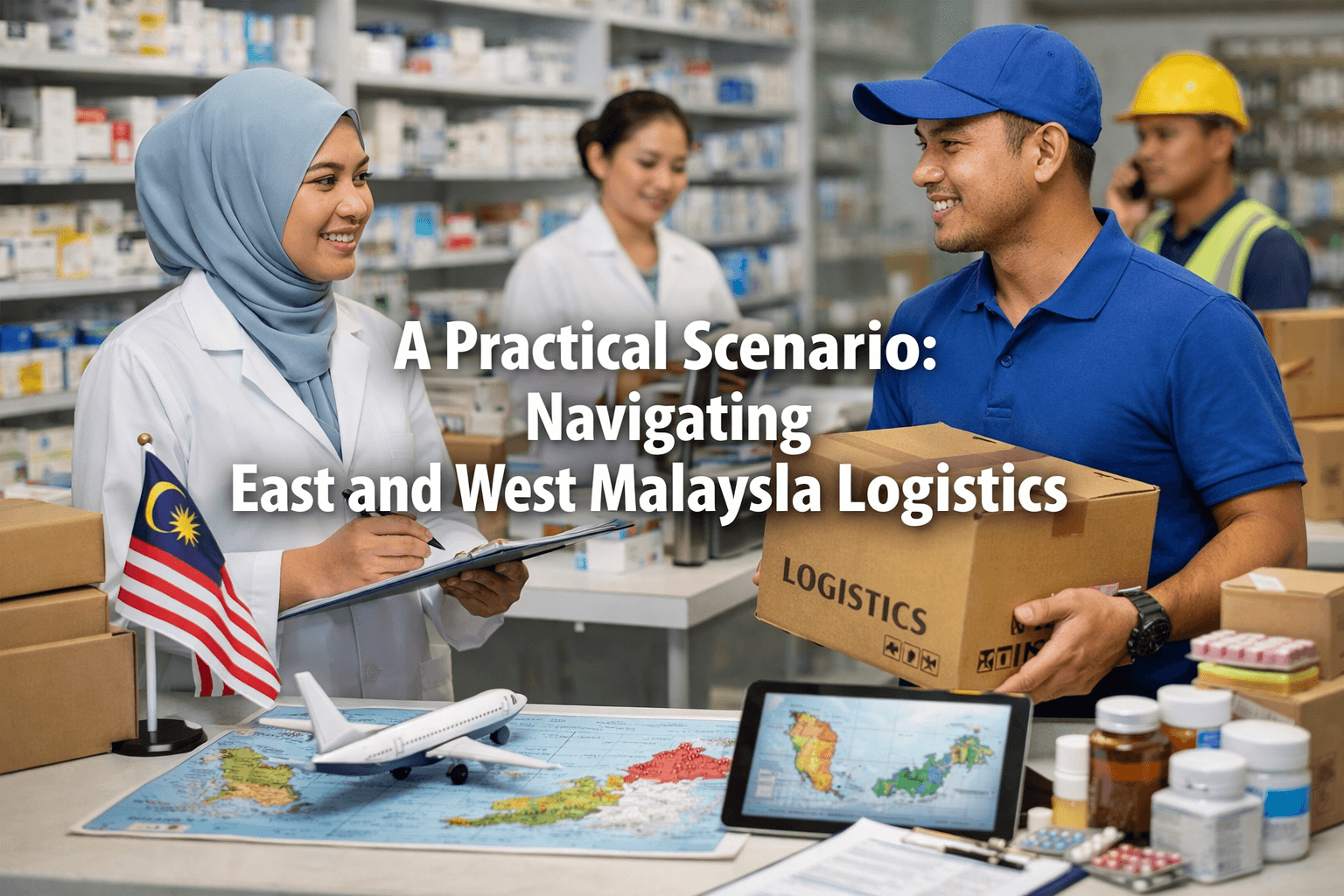
The geographical divide between Peninsular (West) Malaysia and East Malaysia (Sabah and Sarawak) perfectly illustrates the complex operational reality distributors must master. A reliable medicine distributor doesn’t just have a warehouse in the Klang Valley; it must orchestrate a dual logistics network that accounts for different infrastructure, transit times, and even regulatory nuances between regions. For instance, a distributor handling a high-demand diabetes medication must ensure synchronized stock levels in its Shah Alam hub and its Kuching or Kota Kinabalu satellite warehouses. This requires advanced forecasting and inventory visibility to prevent stock-outs in Sibu while avoiding overstock in Selangor. The practical implication is clear: a distributor’s operational footprint directly dictates a pharmacy’s ability to serve its community. A distributor with weak East Malaysia coverage forces pharmacies there to rely on slower, fragmented supply lines, potentially delaying patient access. Therefore, evaluating a distributor’s logistics map and local partnerships in East Malaysia is not a secondary concern—it is a primary indicator of nationwide supply resilience.
The Non-Negotiable Priority: Regulatory Compliance and GDP Standards
In the Malaysian pharmaceutical landscape, compliance is the bedrock upon which all distribution activities are built. It is an absolutely essential criterion, not a nice-to-have. The National Pharmaceutical Regulatory Agency (NPRA) enforces stringent guidelines, with Good Distribution Practice (GDP) certification representing the minimum standard for any credible warehouse Malaysia operations. But what does this mean in practice? It means every step, from product receipt to storage to delivery, is governed by meticulous Standard Operating Procedures (SOPs). This includes rigorous temperature monitoring for cold chain products, complete and traceable document management for every batch (including MAL and NOT codes), and timestamp audits for all handoffs. A minor deviation, like a temperature excursion during transport from Port Klang to a hospital in Penang, can trigger a full-scale product recall, massive financial loss, and irreversible damage to brand reputation. The data and history shows the risk is real; recalls have occurred due to lapses in distributor compliance, highlighting that expert distributors invest heavily in real-time monitoring systems and internal audit teams that often exceed baseline NPRA requirements to provide an extra layer of security for their partners.
Learn more: How to Ensure Regulatory Compliance for Pharmacy Distribution in Malaysia | Good Distribution Practices for Pharmaceutical Products
Evaluating Distributor Performance: Key Criteria Beyond Price
Selecting a pharmacy distributor must be a strategic decision based on a multi-faceted evaluation framework. While cost is a factor, the decision in Malaysia’s regulated environment hinges on measurable performance benchmarks that impact long-term viability and patient safety. Pharmacists and brand managers must look at a holistic set of criteria:
Regulatory Track Record: Verified NPRA audit results and valid GDP certification status.
Cold Chain Capability: Proven infrastructure for biologics, vaccines, and temperature-sensitive supplements.
Geographical Coverage Strength: Demonstrated, reliable network across both Peninsular and East Malaysia.
Merchandising & POSM Execution: Ability to implement planograms and deploy Point-of-Sale Materials (POSM).
Operational Responsiveness: Speed of response to out-of-stock alerts or surge demand, like during a localised outbreak.
From the pharmacist’s perspective, especially those managing chain pharmacies like Caring or independent community outlets, reorder reliability and shelf-ready delivery are paramount to daily operations. For the brand manager, the focus shifts to strategic alignment—finding a partner that offers a tailored distribution strategy based on SKU turnover and shelf velocity, ensuring high-demand products are always available where they sell fastest. The following comparison illustrates how these criteria can differentiate potential partners:
Comparative Table: Pharmacy Distributor Evaluation Criteria
| Distributor Name | GDP Certified | Cold Chain Ready | East Malaysia Coverage | Merchandising Support | Avg. Response Time |
|---|---|---|---|---|---|
| Distributor Alpha | Yes, with NPRA excellence rating | Full capability for vaccines & biologics | Comprehensive network with local hubs | Full POSM suite & planogram services | < 24 hours for urgent requests |
| Distributor Beta | Yes, standard certification | Ambient & limited cold chain only | Major cities only, via partners | Limited to basic delivery | 2–3 business days |
Learn more: Good distribution practice (GDP) standards – European Medicines Agency
The Strategic Advantage of Integrated Merchandising Support
The question of whether merchandising falls under a distributor’s purview has a definitive answer in today’s competitive retail climate: it is a proven differentiator. Effective merchandising—the art and science of product placement and promotion—directly influences sales velocity at the pharmacy counter. While brand principals may have in-house teams, a distributor with on-the-ground merchandising expertise offers a more efficient and scalable solution. They provide tailored services such as planogram implementation that respects the unique layout of a Watsons versus a Guardian store, timely POSM deployment (wobblers, display trays, shelf talkers), and retail audit reports that give brands real-time visibility into stock levels and competitor activity. A Malaysian case study saw a distributor pharmacy partner for a popular multivitamin brand roll out coordinated planogram updates across over 120 Guardian and Watsons outlets within three weeks, a task that would have strained a brand’s internal resources. This execution directly translated to increased product visibility and sales uplift, demonstrating the strategic value of this integrated support.
To understand the operational impact, consider the perspectives of different stakeholders. The brand manager sees a distributor’s merchandising team as a force multiplier that ensures marketing investments are executed perfectly at store level. The pharmacist-in-charge values the distributor’s team for maintaining a neat, well-stocked shelf without adding to their administrative burden, while the distributor’s own operations lead leverages this direct store feedback to inform more accurate demand forecasting. The synergy here is powerful, as shown in this comparison:
Comparative Table: Distributor-Led vs. In-House Merchandising Teams
| Metric | Distributor Merchandising Team | In-House Brand Team |
|---|---|---|
| Setup Speed & Scale | High. Can deploy rapidly across a wide network simultaneously. | Moderate. Limited by team size and geographical reach. |
| Retailer Relationship & Access | Wide & Established. Often have standing relationships and understood protocols. | Can be Limited. May require new permissions for each chain or location. |
| Compliance & Reporting | Structured. Reports often integrate directly with delivery and inventory data. | Variable. Dependent on internal processes and may create data silos. |
| Cost Efficiency & Scalability | Scalable. Cost is often bundled with distribution, offering better ROI for wide rollouts. | Can be Costly. Requires full investment in salaries, training, and travel for national coverage. |
Building Supply Chain Resilience for the Malaysian Market
Ultimately, the partnership with a medicine distributor is about building a resilient supply chain that can withstand disruptions—a lesson underscored by recent global events. In the Malaysian context, resilience translates to a distributor’s risk mitigation strategies. This includes maintaining strategic safety stock levels for critical medicines, having redundant logistics pathways to circumvent sudden port delays or road closures, and employing demand sensing technologies to anticipate and react to consumption spikes. For example, a trusted distributor servicing hospitals and clinics in Johor Bahru might use predictive analytics to increase stock of respiratory medicines during the haze season, while another in Kelantan might have contingency plans for the monsoon floods that impact road transport. This proactive planning is what separates a basic vendor from a true supply chain partner. It ensures that pharmacies are never the weak link for patients relying on continuous medication, thereby safeguarding public health and reinforcing the stability of Malaysia’s entire pharmaceutical infrastructure.
Learn more: Four ways pharma companies can make their supply chains more resilient
Emerging Trends Reshaping Malaysia’s Pharmaceutical Distribution Landscape
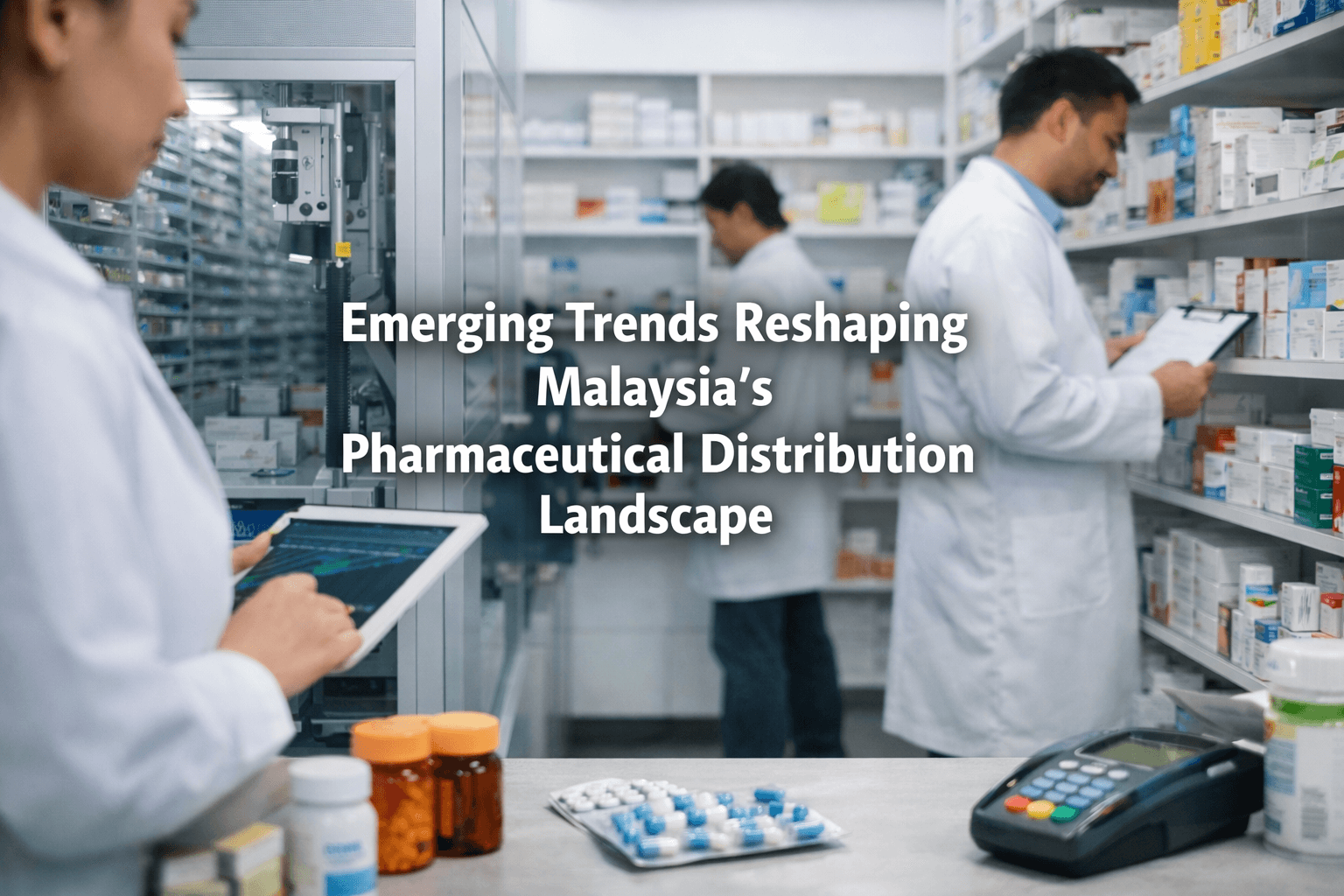
The landscape of pharmaceutical distribution in Malaysia is undergoing a profound transformation. Driven by technological innovation, regulatory shifts, and evolving market expectations, distributors are no longer mere logistics providers but are emerging as strategic partners integral to the healthcare ecosystem. This evolution is marked by a decisive move towards digital integration, sustainability, and operational efficiency, setting a new benchmark for service and compliance. For pharmacies and brands, understanding these trends is not just informative—it’s essential for future-proofing their supply chain and maintaining a competitive edge in a dynamic market.
The Digital Revolution: AI, Real-Time Data, and Traceability
At the core of this transformation is the widespread adoption of digital tools designed to bring unprecedented clarity and predictability to the supply chain. AI-powered inventory forecasting is becoming a game-changer, especially in a market with diverse demand patterns across urban and rural areas. These systems analyze historical sales data, seasonal illness trends, and even local events to predict stock needs with remarkable accuracy. This prevents two critical issues: costly overstock situations that tie up capital and risk product expiry, and dangerous stock-outs that can compromise patient care. For a pharmacy in Johor Bahru dealing with fluctuating demand from Singaporean customers, or a clinic in Kuching managing remote patient needs, such predictive analytics are invaluable for maintaining optimal stock levels.
Complementing this is the rise of digital order portals. These platforms offer pharmacists and procurement officers real-time visibility into pricing, stock availability, and order tracking—all from a single dashboard. This transparency eliminates the traditional phone-and-fax guesswork, streamlines the purchasing process, and significantly enhances planning reliability. Furthermore, the National Pharmaceutical Regulatory Agency (NPRA) has been a key catalyst through its pilot programs for digital product traceability. This initiative encourages, and will likely soon mandate, the use of QR codes or serialization for batch tracking. This allows for instant verification of a product’s authenticity and journey from manufacturer to shelf, a proven tool in combating counterfeit drugs and ensuring patient safety. Leading pharma distributors in Malaysia are already integrating these systems, positioning themselves not just as compliant entities but as trusted custodians of the product integrity.
Sustainability and Evolving Distribution Models
Another significant trend gaining momentum is the focus on eco-friendly operations. The pharmaceutical industry is scrutinizing its environmental footprint, and cold chain sustainability is a major focus area. This involves innovations in recyclable packaging materials, energy-efficient refrigeration units for transportation, and optimized delivery routes to reduce carbon emissions. For a brand manager marketing a premium supplement line, partnering with a distributor that prioritizes green logistics can be a powerful point of differentiation and align with corporate social responsibility goals. Similarly, the push for eco-friendly packaging extends beyond cold chain, addressing the plastic waste associated with standard shipping materials.
Concurrently, we are witnessing the rise of specialized independent pharmacy distributor models. These agile firms are carving out a niche by offering tailored, flexible delivery frameworks that larger, traditional wholesalers may not provide. They often excel in serving independent pharmacies or specific regions with hyper-localized service, including just-in-time delivery and personalized merchandising support. This trend offers pharmacies more choice and fosters a more competitive, service-oriented market. From the perspective of a boutique pharmacy in Georgetown focusing on personalized care, such a strategic partnership with a nimble distributor can ensure they receive the specific niche products and attentive service required without being constrained by large minimum order quantities.
Learn more: Trends Shaping Independent Pharmacy Distribution in 2025 | Pharma supply chains in digitalisation push – Deloitte study
Navigating Persistent Challenges in Pharmacy Sourcing
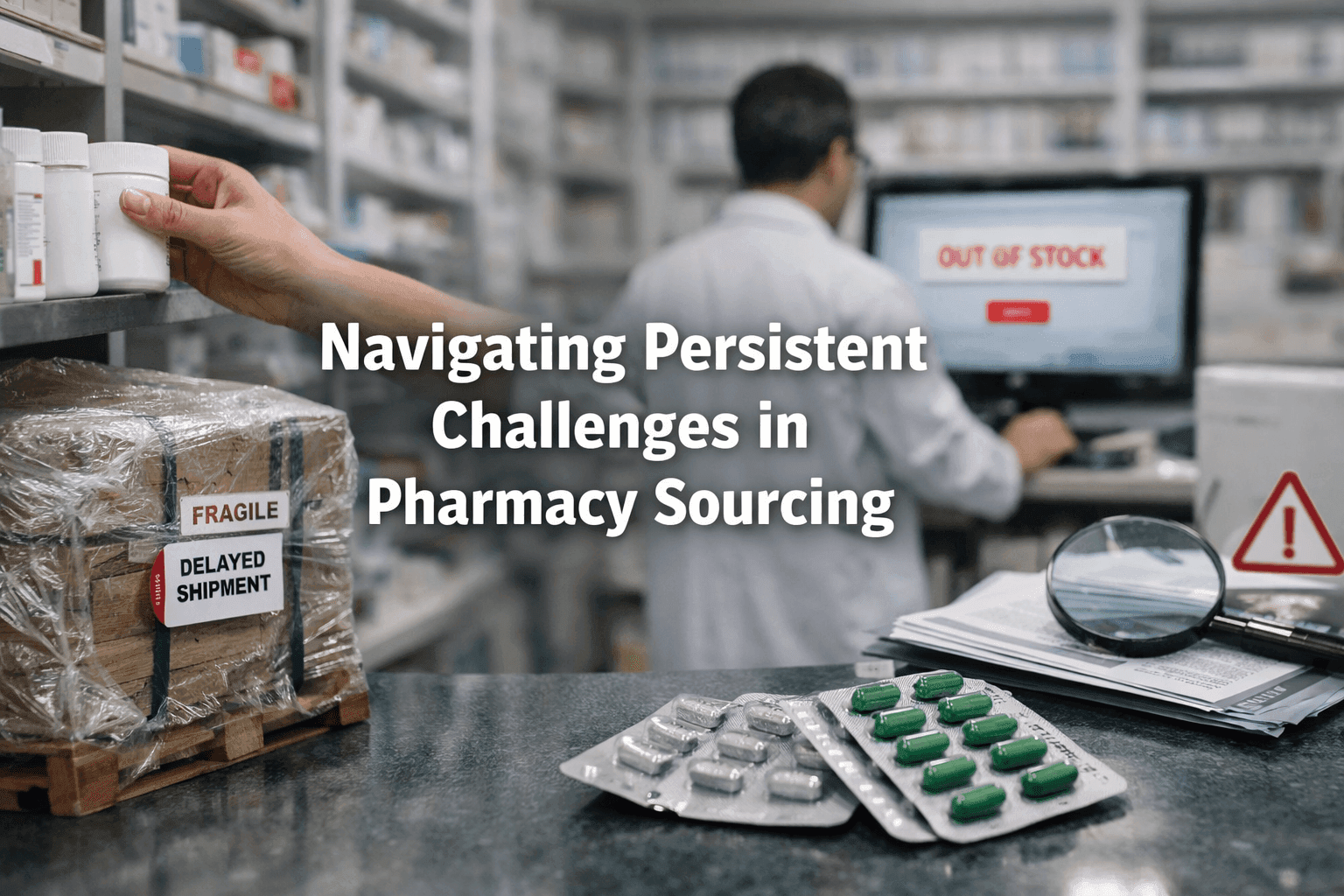
Despite these advancements, significant sourcing challenges persist and can undermine pharmacy operations and patient service levels. A robust distribution network on paper does not always translate to seamless, reliable execution at the store level. Understanding these pain points from multiple perspectives—the pharmacist, the brand manager, and the distributor—is crucial for identifying solutions and forging more effective partnerships.
The Pharmacist’s Perspective: Reliability and Visibility Gaps
For the practicing pharmacist, the primary concern is daily operational consistency. Common frustrations include delayed deliveries, particularly when servicing regions in East Malaysia like Sabah and Sarawak, where geographical logistics add layers of complexity. A delay in a crucial prescription medicine can directly impact patient health outcomes. Furthermore, inconsistent merchandising support from distributors leaves pharmacies to manage product displays, planograms, and promotional material rollout on their own, consuming valuable staff time and potentially diluting brand impact.
A critical, often-cited issue is the lack of transparency in real-time stock availability. When a distributor’s portal shows an item in stock but the order arrives incomplete due to a system lag, it disrupts pharmacy planning. Perhaps the most alarming challenge is the risk of non-compliant storage during transport, especially for temperature-sensitive products like vaccines or certain biologics. A breach in the cold chain can render products ineffective or even dangerous, posing serious regulatory and safety risks. From this viewpoint, a distributor’s reliability is intrinsically linked to their logistics consistency and technological capability to provide accurate, real-time data.
The Brand Manager’s Dilemma: Shelf Control and Data Insights
From a brand management standpoint, the challenges shift towards control and intelligence. When distributors lack a field presence or a dedicated merchandising team, brand managers struggle with limited shelf control. There is no guarantee that their products are displayed correctly, priced accurately, or faced properly to maximize sales. This lack of in-store execution can derail carefully planned marketing campaigns and launch strategies.
Equally frustrating is the poor replenishment insight. Without detailed data from the distributor on sell-through rates and shelf-level stock, brand managers are making decisions in the dark. They cannot accurately gauge a product’s performance in different pharmacy segments or regions, making it difficult to forecast production, plan promotions, or identify emerging market trends. This makes a distributor with advanced reporting tools and field merchandisers an essential partner, not just a logistics vendor. The right partner provides the eyes and ears on the ground, turning raw sales data into actionable strategic intelligence.
A Framework for Selecting Your Strategic Distribution Partner
Choosing the right distribution partner is one of the most consequential decisions for a pharmacy or health brand. It requires moving beyond price comparisons to a holistic evaluation of operational capability, regulatory rigor, and strategic alignment. The following framework, incorporating a practical checklist, is designed to guide decision-makers through this critical selection process, ensuring the chosen partner can truly elevate their supply chain.
Evaluating Regulatory Compliance and Operational Core Competencies
The foundation of any trusted distributor is unwavering commitment to compliance. This is non-negotiable in Malaysia’s strictly regulated pharmaceutical environment.
Checklist: The Compliance & Operational Audit
Is the distributor fully GDP-certified (Good Distribution Practice) with all NPRA documentation readily available and up-to-date?
Are their cold chain systems not just in place but regularly audited and digitally monitored with tamper-proof logs?
What is their documented delivery TAT (Turnaround Time) for your specific region, be it the Klang Valley or rural Sarawak?
Do they possess the infrastructure and partnerships to handle integrated logistics across both West and East Malaysia effectively?
Can they provide transparent, real-time tracking and inventory visibility?
A proven distributor will welcome these questions and provide clear evidence. For instance, a distributor servicing hospital networks in Penang must demonstrate flawless cold chain protocols, while one supporting clinics across Pahang needs to show reliable scheduling and route optimization to overcome geographical challenges.
Assessing Value-Added Services and Strategic Fit
Beyond moving boxes, the best distributors function as an extension of your team. This is where value-added services become a major differentiator. Key among these is professional merchandising and POSM rollout support. A distributor with a skilled merchandising team ensures your products gain optimal shelf presence, promotional materials are correctly installed, and stock is rotated properly—directly influencing sales velocity and brand perception.
Furthermore, consider the partner’s flexibility and scalability. Can they tailor their services to your needs, whether you’re a large chain requiring nationwide, tech-integrated solutions or an independent pharmacy needing smaller, more frequent deliveries? The alignment between a pharmacy’s expectations and a distributor’s execution capability is where operational efficiency is born. When pharmacists and brand managers are united with a distributor on goals for compliance, shelf impact, and data sharing, the partnership transitions from transactional to strategic, driving tangible results and building long-term credibility across the entire pharmacy channel.
Strengthening the Backbone of Malaysian Healthcare
The success of Malaysia’s retail health sector is inextricably linked to the strength and sophistication of its supply chain. In an era defined by competition and elevated patient expectations, the top medicine distributors are distinguished by their role as integrated, strategic partners. They are pivotal in ensuring that from the manufacturing plant to the pharmacy shelf, every step is characterized by regulatory integrity, operational reliability, and innovative service. For a brand launching a new line of OTC products or a pharmacy chain aiming to improve its service margins, the choice of distributor is a decisive factor in achieving those objectives.
The journey involves navigating a landscape being reshaped by digital trends, consciously overcoming persistent sourcing challenges, and making an informed choice in selecting a partner. It demands a focus on partners who invest not only in compliance but in technologies and services that provide a clear competitive advantage—be it through AI-driven forecasting, eco-conscious logistics, or expert in-store merchandising. The ultimate goal is a pharmacy supply chain that is resilient, transparent, and efficient, ensuring that every patient in Malaysia has timely access to the safe and effective medicines they need.
Frequently Asked Questions (FAQ)
Q1: What are the top 5 pharmacies in Malaysia?
Answer: The top 5 pharmacies in Malaysia are Watsons, Guardian, Healthlane, Caring Pharmacy, and Alpro Pharmacy.
Q2: Who are the top 3 drug distributors?
Answer: The top 3 drug distributors globally are McKesson, Cardinal Health, and AmerisourceBergen.
Q3: Which are the top 10 pharma companies?
Answer: The top 10 pharmaceutical companies are Pfizer, Roche, Johnson & Johnson, Merck, AbbVie, Sanofi, AstraZeneca, GSK, Novartis, and Eli Lilly.
Q4: Who are the top 20 pharma companies?
Answer: The top 20 pharma companies include Pfizer, Roche, Johnson & Johnson, Merck, AbbVie, Sanofi, AstraZeneca, GSK, Novartis, Eli Lilly, Bayer, Takeda, Bristol-Myers Squibb, Amgen, Gilead Sciences, Novo Nordisk, Teva, Boehringer Ingelheim, Merck & Co., and Regeneron Pharmaceuticals.
Q5: Who are the big 3 pharmacies?
Answer: The big 3 pharmacies globally are CVS Health, Walgreens Boots Alliance, and Rite Aid.
Q6: What are the 7 stars of pharmacy?
Answer: The “7 stars” of pharmacy refer to key competencies such as education, research, clinical services, drug management, professional leadership, ethics, and community involvement.
Q7: Which is the largest retail pharmacy in Malaysia?
Answer: The largest retail pharmacy in Malaysia is Watsons, with the most locations nationwide.
Q8: Who is a 10 star pharmacist?
Answer: A “10-star pharmacist” refers to an exceptionally skilled and knowledgeable pharmacist who excels in multiple areas of pharmacy practice, including patient care and professional development.
Q9: Who owns Big Pharmacy in Malaysia?
Answer: Big Pharmacy in Malaysia is owned by the Pharmaniaga Group, a leading healthcare and pharmaceutical distributor.
Q10: What is the most popular pharmacy?
Answer: Watsons is the most popular pharmacy in Malaysia, with widespread recognition and a large customer base.
PriooCare Malaysia
👋 Welcome to PriooCare Malaysia!
How can we assist you today? 😊
Just let us know—we’re here to help!
How can we assist you today? 😊
Just let us know—we’re here to help!
Open chat