

July 20, 2025
Malaysia’s healthcare system has seen remarkable expansion in recent years, but what’s powering this upward trajectory? At the heart of this progress lies the nation’s dynamic pharmaceutical sector. Over time, Malaysia has cultivated an integrated ecosystem of certified drug manufacturers, streamlined distribution networks, and cross-industry alliances—transforming its pharma landscape into a cornerstone of public health infrastructure. This growth isn’t accidental; it’s the result of deliberate collaboration between stakeholders who prioritize accessibility, quality, and innovation.
Pharmaceutical firms are central to this success, though their contributions extend far beyond producing medications. By partnering with local independent distributors and large-scale wholesale providers—critical links in the pharmacy distributor Malaysia network—these companies ensure life-saving drugs reach urban clinics, rural hospitals, and community pharmacies efficiently. Such synergies not only optimize supply chains but also address cost barriers, making treatments more affordable for diverse populations. Moreover, investments in cutting-edge research and adaptive manufacturing techniques have positioned Malaysia as a regional hub for both generic and specialty medicines.
Another driving force? The strategic alliances between pharma leaders Malaysia trusts and global health organizations. These partnerships accelerate knowledge transfer, enhance regulatory standards, and foster innovations tailored to local health challenges—from infectious diseases to chronic care. For instance, joint ventures with international biotech firms have enabled rapid vaccine production, while homegrown companies continue to expand their portfolios with locally relevant therapies.
Ultimately, Malaysia’s pharmaceutical achievements reflect a balance of ambition and pragmatism. By nurturing relationships across the value chain—from lab researchers to pharmacy wholesale distributors—the sector bridges gaps between medical advancement and grassroots healthcare delivery. As demand for equitable, high-quality care grows, these collaborations will remain indispensable.
In this article, we’ll spotlight the key players shaping Malaysia’s pharma-driven health revolution—organizations whose vision and adaptability ensure the nation stays ahead in an ever-evolving global landscape.
Learn more : Malaysia’s pharmaceutical industry growth
Regulatory Foundations: How Malaysia Governs Pharmaceutical Excellence

Malaysia’s commitment to pharmaceutical safety hinges on a multilayered regulatory system designed to protect public health while fostering industry growth. At its core lies the National Pharmaceutical Regulatory Agency (NPRA), tasked with enforcing stringent standards for product quality, effectiveness, and safety. This framework ensures every medication, cosmetic, or over-the-counter (OTC) product meets globally recognized benchmarks before reaching consumers.
Pharmaceutical producers must first secure valid MAL registration numbers—a non-negotiable requirement confirming rigorous evaluation of their products. For cosmetics and select OTC items, a simpler NOT notification process applies, streamlining compliance without compromising oversight. Additionally, manufacturing facilities undergo mandatory Good Manufacturing Practice (GMP) certification, ensuring consistent production quality and minimizing contamination risks. These protocols align Malaysia with international norms, a critical factor for export-driven pharma businesses.
Supply chain integrity receives equal attention. Wholesale distributors handling pharmacy medicines need NPRA licenses, which mandate full traceability from factory to pharmacy shelf. This safeguards against counterfeit drugs and ensures temperature-sensitive products—like vaccines—are stored correctly. By adopting global Good Distribution Practices (GDP), Malaysia’s distributors not only meet local requirements but also position themselves as reliable partners in cross-border trade.
Beyond domestic safeguards, these measures bolster Malaysia’s reputation as a hub for pharmaceutical innovation. Strict regulations build trust among international partners, opening doors for Malaysian manufacturers to expand into overseas markets. The NPRA’s dual focus—protecting citizens while nurturing industry growth—creates a balanced ecosystem where public health priorities coexist with economic ambition.
This system isn’t just about rules; it’s a dynamic strategy. Regular updates to guidelines reflect emerging scientific insights, ensuring Malaysia stays ahead of risks like substandard antibiotics or untested skincare products. Though no system is flawless, the NPRA’s proactive stance—combining rigorous checks with stakeholder collaboration—keeps Malaysia’s pharmaceutical landscape both secure and competitive. After all, trust in medicine starts with transparency, and that’s where Malaysia excels.
Learn more : NPRA’s regulatory guidelines
Top 10 Pharmaceutical Companies in Malaysia: Profiles and Contributions

PriooCare Malaysia (HQ: Selangor)
Product Scope: Generics, OTC, supplements
Notable: linked distributor to pharmacy
Integration: Deeply embedded with pharmacy distributor Malaysia networks
Duopharma Biotech Berhad (HQ: Klang)
Product Scope: Prescription, consumer health, insulin
Market Reach: Malaysia & ASEAN
Supplies both public hospitals and independent pharmacy distributors
Hovid Berhad (HQ: Perak)
Known for: High-quality generics and health supplements
Presence: Over 50 countries
Strong ties with medicine distributors Malaysia-wide
CCM Pharmaceuticals (HQ: Shah Alam)
Products: Pain relief, anti-infectives, vitamins
Strong branding in pharmacies nationwide
Biocon Malaysia (HQ: Johor)
Specialty: Insulin manufacturing hub for ASEAN
Supplies hospital networks and pharmacy wholesale distributors
Xepa-Soul Pattinson (HQ: Melaka)
Products: Sterile injectables, oral solids
Offers CDMO services; reliable partner for distributor pharmacy models
Kotra Pharma (HQ: Melaka)
Brands: Appeton (vitamins, baby care)
Widely stocked in chain and independent pharmacies
YSP Industries (HQ: Selangor)
Known for: GMP-accredited production and wide Rx range
Distribution via national networks
Sunward Pharmaceutical (HQ: Selangor)
Offers: Affordable generics, antihistamines, cough meds
Commonly supplied through independent pharmacy distributor models
Dynapharm (HQ: Penang)
Focus: Nutraceuticals and traditional medicine
Distribution: Especially strong in East Malaysia
Each of these firms contributes to an interconnected supply chain with a mix of direct-to-pharmacy and distributor-supported logistics models.
Learn more : Top 10 Pharmaceutical Companies in Malaysia 2024
Pharmacy Distribution Ecosystem: Connecting Manufacturers to Retail Pharmacies
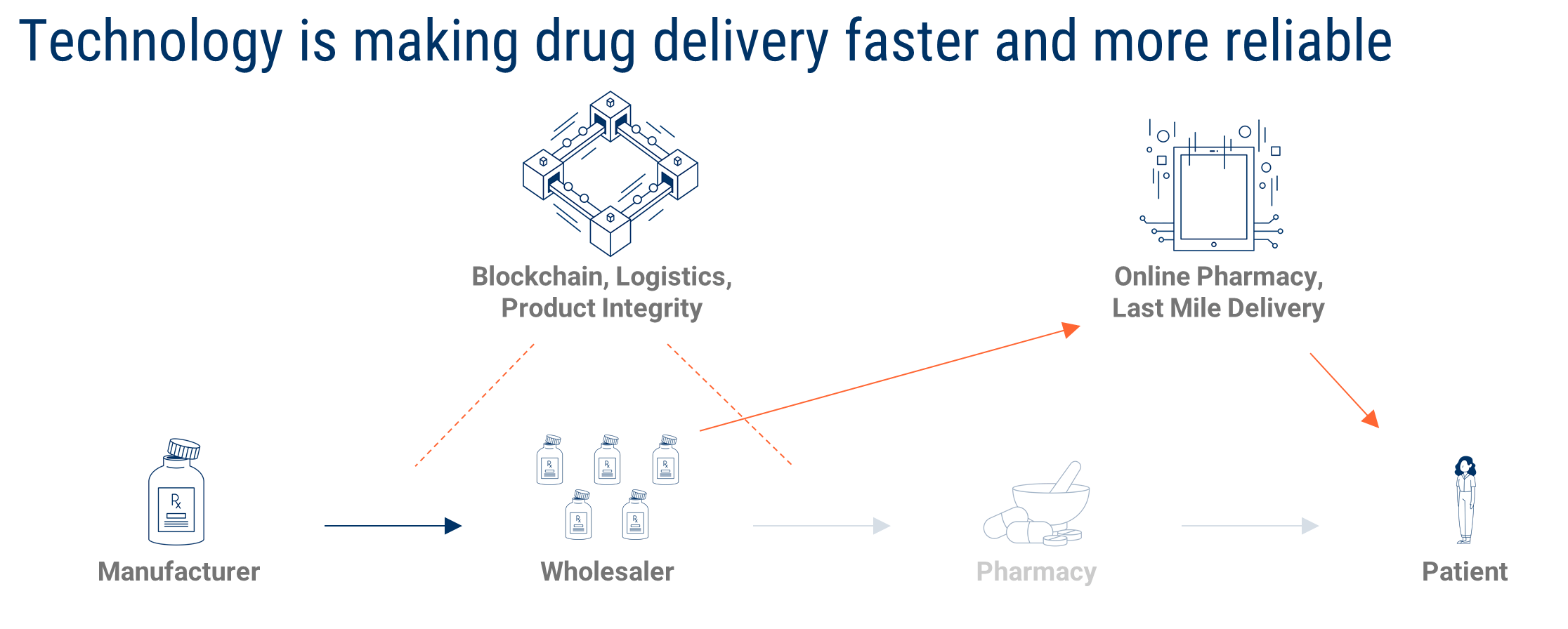
Ever wondered how prescription drugs navigate Malaysia’s complex landscape to reach pharmacies? The nation’s pharmaceutical supply chain operates through a meticulously organized system designed for efficiency and accessibility. At its heart lie two primary distribution frameworks that keep healthcare institutions stocked.
The first model, Direct-to-Pharmacy (DTP), is often utilized by major manufacturers such as Pharmaniaga. These industry giants bypass intermediaries, shipping products straight to government-associated hospitals and private medical facilities. This approach streamlines delivery timelines, particularly for high-demand medications requiring rapid restocking.
Complementing this system are Pharmacy Wholesale Distributors, which serve as critical middlemen in the supply chain. These companies bridge the gap between drugmakers and smaller pharmacies—including independent outlets and retail chains—by managing bulk orders, storage, and staggered shipments. Their role ensures consistent inventory levels even for pharmacies with limited storage capacity.
Beyond these core models, specialized logistics providers add another layer of sophistication. Certain Malaysian distributors now offer temperature-controlled cold-chain solutions, essential for transporting biologics, vaccines, and other heat-sensitive therapies. Advanced refrigeration systems and real-time monitoring maintain product integrity from warehouse to destination.
Geography also plays a role in distribution strategies. Rural or hard-to-access regions benefit from partnerships with local logistics networks that handle last-mile deliveries. By collaborating with community-focused distributors, suppliers overcome infrastructure challenges, ensuring villages and smaller towns receive vital medications without delays.
This multi-tiered network—combining direct partnerships, wholesale coordination, and adaptive logistics—creates a resilient pharmaceutical ecosystem. While urban centers benefit from rapid DTP shipments, remote areas gain access through tailored distribution alliances. Together, these systems reinforce supply chain reliability across Malaysia’s diverse regions, from bustling cities to tranquil highland communities. After all, whether it’s a common antibiotic or a cutting-edge vaccine, every medicine has a carefully orchestrated journey before it reaches those who need it most.
Learn more : The Role of Pharmacy Distribution Services in Malaysia’s Healthcare System
Product Category Highlights: What These Companies Supply to Malaysian Pharmacies

Malaysia’s pharmacies reflect a carefully curated mix of health essentials tailored to local needs. From chronic disease management to everyday wellness, these retail spaces prioritize products balancing medical necessity and consumer demand. Let’s unpack the key categories defining these shelves.
1. Prescription Medications: Targeted Treatments
Cardiovascular health and infectious diseases drive demand for antihypertensives, cholesterol regulators, and antibiotics. These physician-prescribed solutions address Malaysia’s growing burden of lifestyle-related conditions, with pharmacies often partnering with clinics to streamline access for patients.
2. Self-Care Essentials: OTC Dominance
Shoppers frequently reach for non-prescription remedies addressing common complaints. Cough syrups, fever reducers, pain relievers, and antihistamines dominate this space, reflecting Malaysians’ preference for managing mild ailments independently. Seasonal flu spikes further boost sales of immune-boosting formulas.
3. Preventive Wellness: Supplements Surge
Preventive health drives robust sales of multivitamins, probiotics, and joint-support formulas. Urban professionals prioritize immunity boosters, while aging populations seek calcium and glucosamine supplements. This category’s growth mirrors global trends but adapts to local preferences—think turmeric blends and herbal pairings.
4. Skin Health Solutions: Topical Treatments
Medicated skincare thrives, particularly acne creams, antifungal ointments, and wound-care balms. Humidity-driven skin issues and cultural emphasis on dermatological health make these shelves a battleground for both pharmaceutical giants and niche natural brands.
5. Family-Focused Niches: Maternal & Pediatric Care
Brands like Appeton (Kotra Pharma) and Duopharma’s Champs exemplify Malaysia’s focus on maternal and child health. Prenatal vitamins, infant probiotics, and pediatric multivitamins occupy prime shelf space, often supported by in-store educational displays to guide parents.
These product clusters don’t just stock shelves—they shape retail strategies. Pharmacies in Kuala Lumpur’s malls emphasize premium vitamins and aesthetic-first packaging, while rural outlets prioritize affordability and bulk OTC supplies. Success here requires understanding regional healthcare literacy levels and cultural trust in traditional vs. modern medicine.
Market leaders like Duopharma leverage this by blending scientific branding with localized messaging—a tactic smaller players now emulate. As chronic disease rates climb and preventive care gains traction, expect shelf layouts to further prioritize condition-specific bundles (e.g., diabetes management kits) alongside impulse-buy wellness snacks.
Impact on Independent Pharmacies: Access, Affordability, and Innovation

The healthcare landscape often pits corporate giants against local businesses, but Malaysia’s pharmaceutical sector tells a different story. Major industry players are actively empowering smaller pharmacies through strategic collaborations—here’s what that looks like in practice.
Bridging the Access Gap
Local pharmacies frequently struggle to secure reliable inventory at sustainable costs. By partnering with established pharmacy distributors in Malaysia, smaller retailers gain entry to bulk purchasing advantages and regulated medications previously limited to larger chains. These alliances eliminate logistical bottlenecks while maintaining compliance with national healthcare standards.
Balancing Quality and Affordability
Cost remains a critical hurdle for community-based pharmacies. Forward-thinking corporations like Hovid address this by supplying high-quality generic alternatives. These products mirror the efficacy of brand-name drugs but allow pharmacies to operate with healthier profit margins—a win for both businesses and budget-conscious patients.
Driving Innovation Downstream
Pioneers such as Biocon amplify this support by commercializing advanced treatments like biosimilars. These near-identical biologic therapies let smaller providers offer cutting-edge care at accessible price points, challenging the notion that innovation is exclusive to urban medical hubs.
Real-World Impact
Consider a family-run pharmacy in rural Sabah. By collaborating with a specialized pharmacy distributor Malaysia, they now receive temperature-sensitive medications in optimal condition, despite Malaysia’s humid climate. The distributor’s cold-chain expertise and punctual deliveries ensure consistent stock, allowing the pharmacy to serve remote communities without compromising care standards.
Such partnerships aren’t charity—they’re smart business. By decentralizing healthcare access, larger firms expand their market reach while smaller players stabilize their operations. This symbiosis strengthens Malaysia’s healthcare infrastructure, proving that collaboration can coexist with competition.
As these models evolve, expect more rural and suburban clinics to gain tools previously reserved for city centers. The result? A healthcare ecosystem where scalability meets community needs—no matter a pharmacy’s size.
Challenges and Opportunities in Malaysian Pharmaceutical Distribution

Navigating Malaysia’s pharmaceutical distribution landscape requires overcoming multifaceted obstacles while adapting to emerging innovations. As the sector expands, stakeholders grapple with regulatory, operational, and geographic complexities that shape both risks and growth potential. Let’s examine the pressing hurdles and transformative opportunities reshaping this critical industry.
Key Challenges Impacting Distribution Networks
1. Regulatory Bottlenecks
Securing product approvals—particularly for novel medications under Malaysia’s MAL certification framework—often involves prolonged timelines. Administrative backlogs and evolving compliance requirements delay market entry, creating revenue gaps for distributors and manufacturers alike.
2. Temperature-Controlled Logistics
Biologic therapies and heat-sensitive vaccines demand precision in storage and transit. Maintaining unbroken cold chains across Malaysia’s tropical climate escalates operational costs, with specialized refrigeration vehicles and monitoring systems adding substantial financial strain. A single temperature deviation during transport could compromise product efficacy, amplifying liability concerns.
3. Archipelagic Distribution Complexities
Delivering medicines to East Malaysia’s remote clinics and pharmacies presents a unique last-mile challenge. Sparse infrastructure across Borneo’s regions, coupled with frequent weather disruptions, turns routine shipments into logistical puzzles. Distributors must balance speed with cost-effectiveness while servicing hard-to-reach communities.
Emerging Opportunities for Competitive Advantage
1. Smart Inventory Solutions
Cloud-based tracking platforms enable real-time visibility into medication stock levels, allowing distributors to proactively replenish high-demand products. This tech-driven approach minimizes shortages at hospitals and retail pharmacies while reducing excess inventory costs.
2. AI-Powered Delivery Networks
Advanced algorithms are revolutionizing route planning by analyzing traffic patterns, delivery windows, and fuel efficiency metrics. These systems dynamically adjust paths during peak seasons or unforeseen road closures, slashing transit times and improving customer satisfaction rates.
3. Domestic Production Partnerships
Government incentives for local drug manufacturing are reducing reliance on imported pharmaceuticals. By collaborating with Malaysian producers, distributors gain flexibility in scaling supplies during emergencies while sidestepping cross-border shipping delays.
The Road Ahead
Forward-thinking distributors are prioritizing investments in automation and data analytics to streamline operations. Though obstacles like bureaucratic inertia and infrastructure gaps persist, adopting hybrid strategies—blending localized production with AI-enhanced logistics—offers a blueprint for sustainable growth. As Malaysia’s healthcare demands escalate, agility and tech integration will separate industry leaders from laggards.
By addressing these challenges head-on while capitalizing on digital advancements, pharmaceutical stakeholders can strengthen supply chain resilience and better serve Malaysia’s diverse population. The path forward? Balancing regulatory navigation with innovation—a delicate act that rewards those willing to adapt.
Learn more : Cost-Effective Strategies for Pharmacy Distribution in Malaysia | In-Depth Analysis on Growth of Pharmaceutical Logistics Market | Visibility Noted As The Biggest Challenge To Pharma Logistics
What Pharmacies Should Look for in a Pharmaceutical Partner

Choosing the right pharmaceutical supplier isn’t just about securing products—it’s about building a foundation for long-term success. For pharmacy owners, the stakes are high: unreliable partners can lead to empty shelves, frustrated customers, and damaged reputations. So, what separates exceptional suppliers from mediocre ones? Let’s break down the non-negotiable criteria to prioritize.
1. Compliance with Regulatory Standards
First and foremost, verify whether potential suppliers hold valid NPRA certifications. Regulatory approvals aren’t just paperwork—they’re proof of adherence to safety protocols and quality control measures. A partner lacking proper credentials risks your pharmacy’s compliance and exposes you to legal liabilities. Always request documentation and cross-check approvals through official channels.
2. Alignment with Regional Market Demands
A supplier’s product portfolio should reflect current healthcare trends in your area. For instance, if diabetic care products are in high demand locally, does their inventory prioritize these items? Suppliers attuned to regional needs help you stay competitive while preventing overstocking niche products that gather dust. Regularly review their catalog updates to ensure relevance.
3. Efficient and Dependable Logistics
Timely delivery is the backbone of pharmacy operations. Even the best products lose value if they arrive late or inconsistently. Evaluate suppliers based on their distribution networks: Do they offer temperature-controlled transport for sensitive medications? Can they guarantee restocks within 48 hours during shortages? Reliable logistics minimize disruptions and keep patients trusting your brand.
4. Value-Added Support Services
Top-tier suppliers go beyond transactions by providing resources to amplify your growth. Look for partners offering in-store merchandising kits, staff training on new medications, or co-branded marketing campaigns. These tools not only drive sales but also position your pharmacy as a knowledgeable, customer-focused destination.
For pharmacy owners, the ideal supplier acts as a strategic ally—not just a vendor. By prioritizing regulatory compliance, market-aligned inventories, seamless logistics, and proactive support, you mitigate risks while fostering patient loyalty. Remember, a supplier’s true value lies in their ability to help your business thrive, not just survive. Invest time in vetting partners thoroughly; your pharmacy’s reputation depends on it.
Malaysia’s pharmaceutical industry isn’t just a production center—it’s a vibrant bridge connecting cutting-edge global innovations to the unique demands of local communities. For pharmacies nationwide, forging alliances with Malaysia’s leading pharmaceutical companies unlocks more than inventory; it ensures access to dependable supply chains, regulatory expertise, and adaptable logistics frameworks designed for growth.
Whether serving bustling urban centers or remote villages, the synergy between pharmaceutical innovators and distributor networks plays a pivotal role in democratizing healthcare access. This collaboration guarantees that life-saving medications and wellness products reach every corner of the country efficiently.
Why Partner with PriooCare?
At PriooCare, we redefine pharmaceutical distribution by creating partnerships that elevate both pharmacies and manufacturers. Our tailored solutions cater to diverse needs: pharmacists gain access to uninterrupted supplies of in-demand products, while brands benefit from our expansive network to penetrate new markets. Specializing in compliance-driven logistics and nationwide coverage, we ensure products maintain integrity from warehouse to shelf—even for temperature-sensitive items.
But our commitment goes beyond delivery. We empower pharmacies with merchandising tools, staff training modules, and data-driven insights to optimize inventory turnover. For manufacturers, we streamline regulatory hurdles and offer scalable distribution strategies tailored to Malaysia’s evolving healthcare landscape.
Building a Healthier Malaysia, Together
The future of Malaysian healthcare hinges on partnerships that prioritize reliability, innovation, and community impact. By choosing collaborators who align with these values, pharmacies can reduce stockouts, enhance patient trust, and focus on what matters most: quality care.
📢 Ready to Transform Your Supply Chain?
PriooCare isn’t just a distributor—we’re your growth partner. Whether you’re a pharmacist battling inventory gaps or a manufacturer aiming to expand reach, our expertise ensures seamless operations and compliance peace of mind.
How can we assist you today? 😊
Just let us know—we’re here to help!