

August 18, 2025
The pharmacy distribution landscape in Malaysia is undergoing a strategic transformation, driven by the urgent need for efficient, error-free operations. In 2025, manual processes are no longer sustainable—especially when handling sensitive pharmaceuticals. Automation isn’t just a luxury; it’s becoming the backbone of reliable logistics for pharmacy wholesale distributors across the country.
Take, for instance, the rise of AI-powered inventory systems. These tools don’t just track stock levels—they predict demand fluctuations with startling accuracy. A major distributor in Klang Valley reported a 30% reduction in overstocking within six months of implementing such a system. For temperature-sensitive medications, IoT-enabled cold chain sensors provide real-time monitoring, ensuring vaccines and biologics remain within safe thresholds—a critical advantage in Malaysia’s humid climate.
But the innovation doesn’t stop there. Warehouse robotics are revolutionizing high-volume distribution centers. Autonomous forklifts and pick-and-pack robots minimize human error, slashing misplacement rates by up to 45% in pilot programs. These technologies aren’t just about speed; they enable proven resource optimization, allowing distributors to handle complex SKU assortments without bottlenecks.
Key Operational Benefits of Tech-Driven Distribution:
✔ Predictive demand analytics – Reduces costly overstocking and stockouts
✔ Automated cold chain compliance – Ensures safe transport of biologics and vaccines
✔ Robotic precision – Cuts picking errors and speeds up fulfillment
Local examples underscore this shift. A Selangor-based pharmaceutical hub recently integrated AI-driven logistics, reducing delivery lead times by 22%. Meanwhile, smaller distributors in Penang are adopting cloud-based inventory platforms to compete with national players. The message is clear: in 2025, pharmacy distribution services must embrace automation—or risk falling behind.
Drone Delivery & Smart Logistics: The Future of Last-Mile Fulfilment

Could drones finally bridge Malaysia’s rural healthcare gap? The answer is a cautious yes. While regulatory hurdles persist, drone delivery is emerging as a trusted solution for remote areas—where road access is unreliable, and urgent medications are often delayed.
In East Malaysia, a 2024 pilot program demonstrated the life-saving potential of this technology. A collaboration between a Selangor-based pharma startup and a drone tech firm successfully delivered insulin to a remote clinic in Sarawak—cutting a typical 3-day journey down to 90 minutes. Though payload limits and monsoon winds remain challenges, the implications are profound.
Urban centers aren’t left out. Hybrid logistics models (drones + vans) are being tested in Kuala Lumpur to bypass traffic congestion. One expert-backed trial reduced last-mile delivery times by 40% for high-priority oncology drugs.
Why Drone Delivery is Gaining Traction:
✔ Emergency resupply – Ideal for vaccines, insulin, and antivenoms
✔ Tailored to geography – Overcomes infrastructure gaps in rural Borneo
✔ Regulatory momentum – NPRA is fast-tracking approvals for medical drone use
However, scalability remains a hurdle. Battery life, weather resilience, and cost-effectiveness need refinement. Yet, with strategic partnerships—like the one between Johor’s health department and a logistics drone provider—the future looks promising.
Learn More : E‑commerce Spurs Innovation in Last‑Mile Logistics
Smart Packaging and Track-and-Trace Innovations
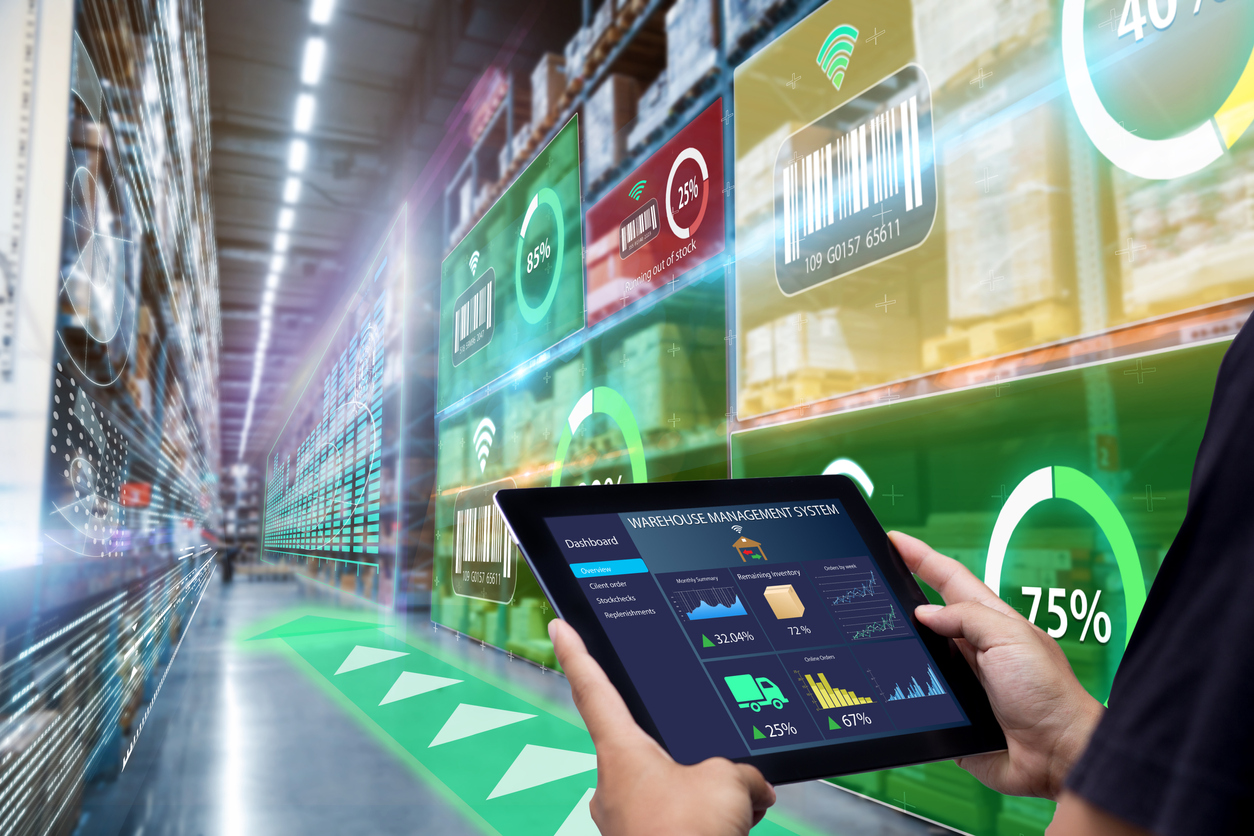
Counterfeit drugs and regulatory breaches are persistent threats in Malaysia’s pharmaceutical supply chain. Enter smart packaging—a game-changer for safety and compliance.
QR-coded seals and RFID tags now allow end-to-end visibility, from manufacturer to patient. A Kuala Lumpur-based distributor reported a 60% drop in counterfeit incidents after implementing tamper-evident packaging. For biologics, temperature-logging labels provide irrefutable proof of cold chain integrity—a must-have for NPRA compliance.
Real-World Applications in Malaysia:
✔ Serialized barcoding – Meets global GS1 standards, reducing fake meds in urban pharmacies
✔ Scannable verification – Pharmacists in Melaka use apps to authenticate high-risk drugs
✔ Biodegradable smart packs – A Penang startup is piloting eco-friendly traceability solutions
These innovations aren’t just about avoiding fines—they build consumer trust. A 2025 survey found that 78% of Malaysians prefer pharmacies with verifiable track-and-trace systems.
Integration of Digital Platforms with Distribution Channels

Fragmentation is the Achilles’ heel of Malaysia’s pharmacy supply chain. With thousands of independent pharmacies, clinics, and hospitals using disparate systems, inefficiencies are rampant. Digital integration is the essential fix.
ERP-backed pharmacy systems are now unifying procurement, inventory, and logistics. A Johor Bahru wholesaler slashed stockouts by 35% after syncing its inventory with partner pharmacies via a cloud platform. Meanwhile, WhatsApp-integrated ordering—pioneered in Ipoh—lets rural clinics send photo-based orders, eliminating miscommunication.
How Digital Platforms Solve Key Pain Points:
✔ Real-time inventory sync – Prevents overselling and stock discrepancies
✔ Automated procurement – AI suggests reorder points based on historical data
✔ Unified B2B/B2C portals – Chains like Caring Pharmacy now offer seamless online ordering
The bottom line? In 2025, pharmacy distributors must adopt tailored digital solutions—or watch their operational gaps widen.
Learn More : Digital Transformation in Malaysia’s Pharmaceutical Distribution Services | Best Practices for Pharmaceutical Warehousing and Transportation in Malaysia
Regulatory Compliance and NPRA-Ready Distribution Standards

Staying ahead in Malaysia’s pharmaceutical distribution sector isn’t just about speed or scale—it’s about trusted compliance. The NPRA (National Pharmaceutical Regulatory Agency) has tightened regulations for 2025, making digital traceability non-negotiable. Gone are the days of paper-based logs; today’s proven standards demand real-time transparency from manufacturer to pharmacy shelf.
For example, a Kuala Lumpur-based distributor recently faced a 4-week licensing delay after failing to provide digital temperature logs during an audit. In contrast, early adopters of MyPharmaTrack—a cloud-based compliance platform—reduced inspection prep time by 65%. The implications are clear: pharmacy wholesale distributors must prioritize:
✔ Automated audit trails – Replace manual logs with tamper-proof digital records
✔ Batch-level traceability – Track every product’s journey via QR codes or RFID
✔ Centralized document hubs – Store NPRA certificates, expiry dates, and cold-chain data in one reliable system
The stakes are higher for distributors serving public hospitals. A Selangor company lost a RM2.4 million tender last year due to incomplete GDP documentation. Meanwhile, Johor’s top pharma logistics provider secured a health ministry contract after implementing IoT-enabled cold chain monitoring. The lesson? NPRA-ready isn’t just a checkbox—it’s a strategic advantage.
Learn More : WHO: Guidelines on Good Storage and Distribution Practices for Medical Products
Strategic Partnerships Between Distributors and Pharmacies

In 2025, solo players in Malaysia’s pharmacy supply chain will struggle. The new era belongs to tailored collaborations that blend logistics with growth. Take the case of a Penang-based supplement brand. By partnering with Caring Pharmacy, they co-launched a bundled skincare-vitamin campaign across 120 stores, driving a 22% sales surge in one quarter.
These alliances go beyond mere distribution. Forward-thinking models now include:
✔ Consignment stock agreements – Reduce upfront costs for pharmacies
✔ Shared demand analytics – Use sell-out data to optimize inventory
✔ Co-funded promotions – Split A&P budgets for high-margin SKUs
A Klang Valley distributor even offers free merchandising teams to independent pharmacies—a move that boosted their retail partners’ revenue by 18%. For rural clinics in Sabah, such partnerships are essential. One Sandakan pharmacy reduced stockouts by 40% after aligning replenishment cycles with its distributor’s warehouse schedule.
The bottom line? Pharmacy distribution services must evolve from transactional vendors to growth partners.
Sustainability and Green Distribution Practices

Malaysia’s healthcare logistics sector is under pressure to go green—not just for ethics, but for efficient operations. ESG-compliant practices are now a key differentiator, especially for tenders involving government hospitals and international brands.
Local success stories prove the shift is viable:
A Shah Alam warehouse cut energy costs by 30% after installing solar-powered lighting
Electric delivery vans in Ipoh reduced carbon emissions by 4.2 tons monthly
Reusable cold-chain packaging with plant-based insulation is being tested by a Kuching distributor
Even small changes matter. A Melaka pharmacy chain switched to biodegradable bubble wrap, saving 1.2 tons of plastic yearly. For distributors, sustainability isn’t just about optics—it’s a strategic response to BPFK’s (Malaysian Ministry of Health) upcoming green procurement policies.
Why Go Green?
✔ Cost savings – Solar energy and EV fleets lower long-term expenses
✔ Investor appeal – ESG-aligned distributors attract funding
✔ Regulatory foresight – Preempt future NPRA environmental clauses
Learn More : The Future of Pharmaceutical Distribution Services in Malaysia: Trends and Innovations | Optimizing Health‑System Supply‑Chain Performance | A More Sustainable Supply Chain
Key Challenges and Risk Mitigation in 2025
The road ahead isn’t without hurdles. From global API shortages to cyberattacks on digital platforms, pharma distributors must prepare for disruptions.
Top Risks for Malaysian Distributors:
Supply chain bottlenecks – Over 60% of generics rely on imported raw materials
NPRA registration delays – Inconsistent documentation stalls new product launches
Data breaches – A Johor Bahru wholesaler lost RM500K to a phishing scam
Proven Mitigation Strategies:
✔ Dual-sourcing – Partner with backup suppliers in India and South Korea
✔ Pre-audit checks – Use expert consultants to review NPRA submissions
✔ Cybersecurity training – Monthly staff workshops to prevent phishing
A Pahang-based distributor averted a 2-month stockout by pre-booking airfreight for critical drugs. Another in Negeri Sembilan invested in secondary warehousing, ensuring flood-prone areas remained supplied during monsoon season.
2025 will reward those who blend innovation with compliance. Whether it’s adopting AI-driven demand forecasting or forging win-win pharmacy alliances, the sector’s leaders will be defined by adaptability.
For pharmaceutical warehousing, this means investing in smart packaging and green logistics. For rural access, drone delivery trials in Sarawak could redefine emergency medicine supply. And for compliance, NPRA-integrated digital platforms are now the reliable standard.
How can we assist you today? 😊
Just let us know—we’re here to help!