

August 25, 2025
The role of medical affairs in Malaysia’s pharmacy distribution ecosystem is undergoing a seismic shift—one that goes far beyond traditional scientific support. No longer confined to data stewardship, these teams are emerging as strategic architects of engagement, bridging the gap between pharmaceutical manufacturers, healthcare providers, and pharmacy distributor Malaysia networks. The stakes? Higher than ever. With tightening NPRA regulations, rising health literacy demands, and rapid digital adoption, the pressure to deliver tailored, compliant, and actionable communication has reached a critical inflection point.
Consider this real-world scenario: A trusted pharmacy wholesale distributor in Kuala Lumpur recently reported a 40% increase in HCP engagement after revamping its medical affairs outreach. Instead of bombarding pharmacists with dense PDFs, they switched to bite-sized, visually optimized updates—delivered via a mix of WhatsApp, email, and live webinars. The result? Pharmacists not only retained information better but also applied it more effectively in patient consultations.
Why Communication Strategies Are Non-Negotiable for Pharmacy Distributors

The Malaysian healthcare market is evolving at breakneck speed. Patients are savvier. Pharmacists demand deeper clinical insights. And regulators scrutinize every piece of disseminated content. For distributor pharmacies, this means the old playbook—pushing product catalogs with minimal context—is obsolete.
Three Irreversible Shifts Driving Change:
Regulatory Intensity – The NPRA and KKM now enforce stricter timelines for safety updates, requiring reliable real-time dissemination. A single delay can trigger compliance red flags.
Clinical Hunger – Pharmacists aren’t just dispensers; they’re frontline advisors. A 2024 survey by the Malaysian Pharmacists Society found that 78% of respondents prioritized access to expert insights on drug interactions over promotional materials.
Hyper-Personalization – A one-size-fits-all approach fails in a market as diverse as Malaysia. A rural pharmacy retail outlet in Sarawak needs different messaging than a metropolitan chain in Johor Bahru.
For medical affairs teams, the implication is clear: Proactive, evidence-backed communication isn’t optional—it’s the bedrock of trusted partnerships with pharmacy distributors.
Learn More : The Role of Pharmacy Distribution Services in Malaysia’s Healthcare System
The Trends Redefining Medical Affairs in 2025
The transformation isn’t theoretical. Across Malaysia, proven trends are reshaping how medical teams engage with pharmacy wholesale distributor networks:
Digital-First Engagement – AI-powered portals and e-detailing platforms now allow efficient scaling of HCP interactions. Example: A Penang-based distributor reduced response times by 60% after integrating an on-demand FAQ chatbot for pharmacists.
Patient-Centric Narratives – Messages that link product data to real-world health outcomes (e.g., “How this insulin pen improves adherence in diabetic patients”) outperform generic technical specs.
Omnichannel Synergy – Siloed communication kills credibility. Leading players now align medical affairs with sales and regulatory teams, ensuring cohesive messaging from KL to Kota Kinabalu.
But here’s the nuance: Digital tools augment—not replace—the human touch. A well-tailored HCP portal in Bahasa Malaysia, for instance, can democratize access to NPRA updates while preserving the nuance of face-to-face dialogue.
Learn More : Rewired pharma companies will win in the digital age
Forging Strategic Partnerships Between Medical Affairs and Distributors

The most effective medical affairs teams don’t operate in isolation. They embed themselves within the pharmacy distributor Malaysia ecosystem, co-creating value at every step.
Blueprint for Collaboration:
✅ Co-Develop Education Campaigns – Example: A Johor distributor partnered with a medical affairs team to design interactive modules on cold-chain storage, leading to a 30% drop in product mishandling reports.
✅ Leverage Field Insights – Pharmacy reps are goldmines of on-the-ground feedback. Structured debriefs can reveal gaps in messaging or training.
✅ Unified Compliance Guardrails – Joint SOPs ensure all communications—from social media posts to product inserts—meet NPRA standards without stifling agility.
A strategic alignment isn’t just about avoiding missteps; it’s about unlocking speed. When a Selangor pharmacy retail outlet receives synchronized updates from both the distributor and medical team, pharmacists spend less time verifying data and more time applying it.
Lessons from the Ground: Malaysian Pharmacy Innovations

Theory meets reality in the aisles of Malaysia’s pharmacies. Two essential case studies reveal what works—and what doesn’t:
Penang’s WhatsApp Revolution
A northern pharmacy wholesale distributor replaced static brochures with a biweekly WhatsApp series co-authored by medical affairs. Key features:
Concise, infographic-heavy updates
Bahasa Malaysia and English versions
Links to full NPRA documents for deeper dives
Result: Pharmacists forwarded 45% of messages to colleagues, creating organic peer-to-peer education.
Shah Alam’s Webinar Model
A Central Region distributor launched monthly webinars focusing on:
KKM-approved launch protocols
Q&A sessions with medical affairs experts
Real-time polls to gauge understanding
Outcome: Attendance rates soared to 82%, with pharmacists citing “practical, actionable” content as the draw.
The takeaway? Localized, linguistically adapted, and clinically grounded messaging isn’t a luxury—it’s how medical affairs teams earn credibility in Malaysia’s fragmented landscape.
Operational Frameworks for Seamless Execution
Turning insights into action requires structure. Below, a proven framework for medical affairs teams partnering with distributor pharmacies:
Checklist for Impactful Communication:
🔹 Audit Existing Content – Does it align with current NPRA guidelines? Is it mobile-friendly?
🔹 Map Stakeholder Needs – Hospital pharmacies vs. retail chains require different cadences and depth.
🔹 Test Channels – Pilot WhatsApp for rural areas, webinars for urban hubs, and hybrid models for flexibility.
🔹 Measure Engagement – Track open rates, queries resolved, and—critically—behavioral changes post-messaging.
A common pitfall? Overloading pharmacists with data. One Kuala Lumpur pharmacy distributor learned this the hard way: Their 20-page monthly bulletin saw a 12% open rate. After switching to a 3-bullet-point format with embedded videos, engagement tripled.
The Human Factor: Why Empathy Wins
Behind every efficient strategy lies a simple truth: Pharmacists are time-starved professionals craving relevance. A trusted medical affairs team doesn’t just share data—it anticipates questions like:
“How does this update affect my diabetic patients?”
“What’s the fastest way to verify this interaction?”
“Can I explain this simply to a non-Malay-speaking elder?”
When a Kedah pharmacy retail outlet received laminated quick-reference guides (QRGs) alongside a new product launch, their staff reported higher confidence in counseling patients. The guides weren’t high-tech—just tailored to real workflow pain points.
Data-Driven Decision Making
Intuition isn’t enough. Leading medical affairs teams now lean on analytics to refine their pharmacy distributor Malaysia outreach:
Engagement Heatmaps – Which sections of an e-mail do pharmacists spend the most time on?
Query Logs – Are certain safety topics triggering disproportionate confusion?
Feedback Loops – Post-webinar surveys that ask, “What’s one thing you’ll apply tomorrow?”
A Malacca-based distributor used this approach to identify a critical knowledge gap: 62% of pharmacists misapplied storage guidelines for biologics. The medical team responded with a targeted video series—reducing errors by half within six months.
Navigating Regulatory Pitfalls
NPRA compliance isn’t just a checkbox; it’s a competitive edge. Missteps here erode trust instantly. Best practices observed in top-performing distributor pharmacies:
Pre-Clearance Workflows – All materials reviewed by legal and medical teams before dissemination.
Version Control – Centralized repositories ensure outdated documents aren’t accidentally reused.
Training Reinforcement – Annual certification refreshers on KKM advertising guidelines.
When a Perak distributor faced a compliance audit, their strategic partnership with the medical affairs team turned a potential penalty into a commendation—all thanks to meticulous documentation of every communication’s approval trail.
The Road Ahead: Scalability Meets Personalization
The future belongs to medical affairs teams that balance scale with specificity. Imagine:
AI-driven platforms that customize content by pharmacy type (e.g., pediatric-focused vs. geriatric).
Predictive analytics flagging regions needing urgent updates based on adverse event reports.
Blockchain-secured logs ensuring NPRA transparency across the supply chain.
A pilot in Negeri Sembilan already shows promise: A pharmacy wholesale distributor using AI to segment communications saw a 50% reduction in “irrelevant content” complaints.
Tools and Technologies Powering Modern Pharmacy Communication
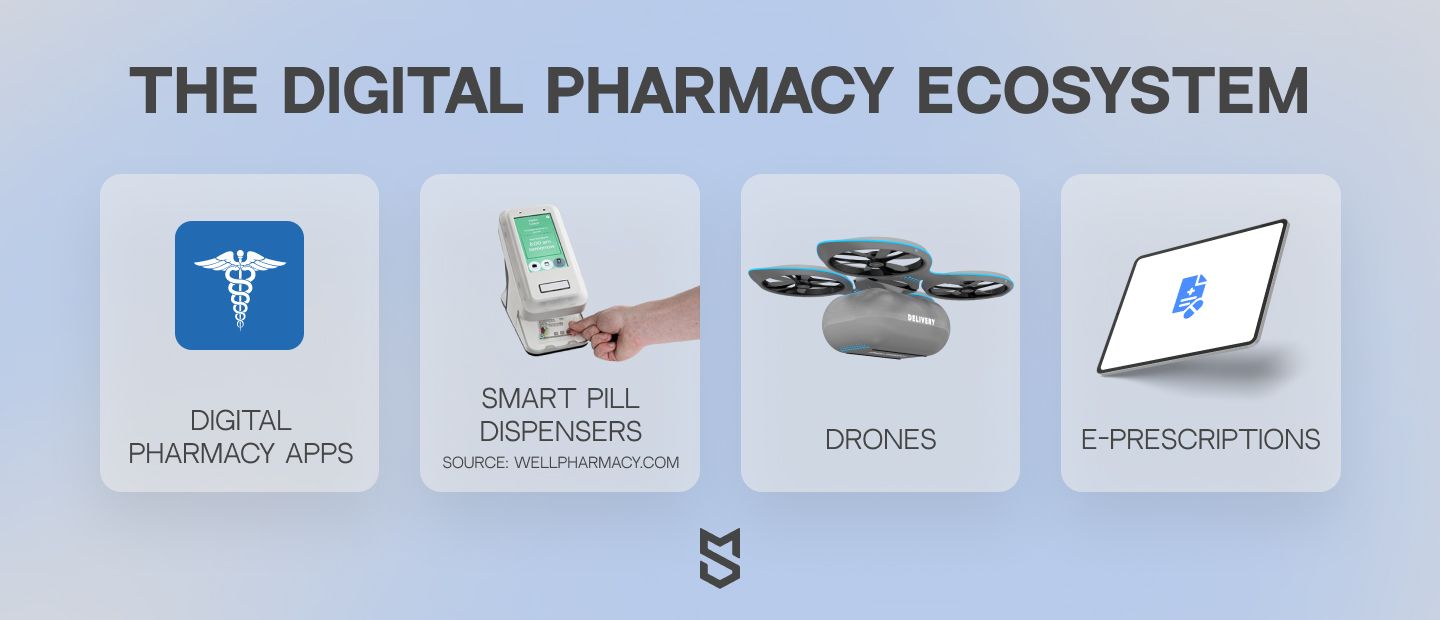
The way medical affairs teams communicate with pharmacy distributors in Malaysia isn’t just about content—it’s about the strategic tools that deliver it. In 2025, outdated PDFs and disjointed emails won’t cut it. Pharmacists demand efficient, on-demand access to reliable clinical insights, and the right platforms make this possible.
Take, for example, a trusted pharmacy wholesale distributor in Penang. By integrating a proven CRM system like Veeva, they reduced follow-up time for pharmacist queries from 72 hours to just 4. The secret? Automated tracking of HCP engagement, ensuring no question slips through the cracks.
Must-Have Platforms for Seamless Communication:
✅ CRM Systems (e.g., Salesforce Health Cloud) – Track interactions with pharmacists, log frequently asked questions, and personalize follow-ups based on past engagements.
✅ Centralized Medical Information Hubs – A single source for NPRA updates, drug safety alerts, and clinical FAQs, accessible in both Bahasa Malaysia and English.
✅ Secure Messaging Apps (Halo, TigerConnect) – Enable real-time discussions between medical affairs teams and pharmacists without violating patient confidentiality.
The impact? Distributor pharmacies using these tools report 40% fewer compliance errors and higher retention rates among partnered HCPs. When a Kelantan-based pharmacy retail outlet adopted a mobile-friendly medical portal, their staff spent 30% less time searching for dosage guidelines—time redirected to patient care.
Learn More : Best Practices for Pharmaceutical Warehousing and Transportation in Malaysia | AI-Powered CRM in Healthcare Communications
Navigating Compliance: The Tightrope of Regulatory Communication

In Malaysia’s tightly regulated pharmaceutical distribution landscape, every word matters. A single off-label claim or delayed safety update can trigger NPRA scrutiny. But compliance isn’t just about avoiding penalties—it’s about building trusted relationships with pharmacists who rely on accuracy.
Golden Rules for Regulatory-Safe Messaging:
🔹 Evidence-Backed Clarity – Replace jargon with plain-language summaries. Example: Instead of “contraindicated with CYP3A4 inhibitors,” say “avoid with certain antifungal medications.”
🔹 Pre-Approval Workflows – Involve regulatory colleagues early when drafting high-risk content (e.g., biosimilars, opioids). A Selangor pharmacy distributor averted a compliance violation by routing all social media posts through legal review.
🔹 Regional Nuance – A Mandarin-speaking pharmacist in Ipoh may need different examples than a Malay-speaking counterpart in Terengganu.
One effective tactic? A Johor Bahru medical affairs team created laminated “cheat sheets” for rural pharmacies—pre-approved by KKM—with color-coded sections for “Must-Know” vs. “Good-to-Know” info. Pharmacists praised the tailored approach, with 92% confirming they referenced them daily.
Learn More : Drug Registration Guidance Document (DRGD) – NPRA
From Ad-Hoc to Scalable: Building a Long-Term Strategy

Random acts of communication won’t move the needle. To truly support pharmacy distributor Malaysia networks, medical affairs teams need a framework that’s both structured and adaptable.
Blueprint for Strategic Communication:
Standardize SOPs – Document how and when to share updates (e.g., “All safety alerts emailed + WhatsApp within 24 hours of NPRA publication”).
Living FAQs – Maintain a dynamic document updated quarterly with input from frontline pharmacists. A Klang Valley distributor saw a 50% drop in repetitive queries after implementing this.
Scheduled Briefings – Monthly virtual sessions for high-priority topics (e.g., “New diabetes therapies: What your patients ask most”).
But here’s the game-changer: training. In Sabah, where internet connectivity is patchy, a pharmacy wholesale distributor paired WhatsApp updates with biweekly 15-minute voice calls. Pharmacist engagement jumped 65%—proof that hybrid models work where pure digital fails.
Malaysia’s Unique Challenges (and Hidden Opportunities)

Even the most strategic plans must adapt to local realities. Three make-or-break factors for medical affairs teams in Malaysia:
Language and Culture – A Kedah pharmacist might prefer Malay-language infographics, while a Kuala Lumpur hospital chain expects English slide decks with peer-reviewed citations.
Digital Divides – Rural pharmacy retail outlets in Pahang may lack stable WiFi, making SMS or printed QRGs more effective than video streams.
Pharmacist Overload – With 60% of Malaysian pharmacists reporting “information fatigue,” brevity is non-negotiable.
Yet, those who lean into these constraints find unexpected advantages. A Perak distributor turned poor internet into a strength by shipping USB drives with offline training modules—earning praise for reliable access in blackout zones.
Learn More : Why Efficient Pharmacy Distribution is Crucial for Malaysia’s Rural Healthcare Development | Enhancing Rural Health Access Through Supply Chain Innovation
By 2025, leading medical affairs teams won’t just follow trends—they’ll set them. Imagine:
AI-Powered Personalization – Algorithms predicting which pharmacists need sepsis protocol updates vs. pediatric dosing charts.
Blockchain-Audited Logs – Immutable records proving NPRA compliance to regulators in seconds.
Voice-Activated Assistants – Bahasa Malaysia-enabled devices answering HCP queries hands-free during busy shifts.
A pilot in Malacca already hints at this future: A pharmacy distributor using AI to segment communications saw 38% higher open rates by matching content to each pharmacy’s patient demographics.
The future of pharmacy communication in Malaysia isn’t just digital—it’s strategic, culturally attuned, and relentlessly patient-focused. For medical affairs teams, that means moving beyond data dissemination to becoming essential partners in the pharmaceutical supply chain.
How can we assist you today? 😊
Just let us know—we’re here to help!