

August 9, 2025
Let’s be honest: the way pharmacies have historically gotten their stock just isn’t cutting it anymore, is it? Facing the pressures of 2025, Malaysia’s pharmaceutical sector is hitting a crucial turning point. The plain truth is, the old-school supply chain model – the one everyone relied on for decades – is increasingly struggling to keep pace. It’s simply not equipped to handle today’s faster, smarter, and more demanding environment.
So, what’s really driving this seismic shift? It boils down to a powerful convergence of factors reshaping expectations and possibilities. Firstly, logistics capabilities are advancing at breakneck speed, demanding unprecedented efficiency. Secondly, digital tools – think AI, advanced inventory platforms, and blockchain tracking – are no longer futuristic concepts; they’re essential for real-time visibility and control. And critically, the expectations of B2B pharmacy buyers have fundamentally changed. They now demand seamless ordering, hyper-competitive pricing, lightning-fast fulfillment, and partners who truly understand their unique business pressures, not just generic suppliers.
This evolution means the very definition of a trusted pharmacy distributor Malaysia relies upon is being rewritten. We’re seeing the strategic rise of agile, independent distributors alongside established players forced to innovate rapidly. The focus? Leveraging technology not as a gimmick, but as the core engine for genuine efficiency gains – reducing errors, speeding up deliveries, and optimizing stock levels like never before. Businesses throughout the Malaysia wholesale pharmacy network are having to fundamentally rethink their operations.
Here’s the core reality for 2025:
Malaysia’s pharmaceutical wholesale sector is undergoing nothing short of a rapid transformation. To not just survive but actually thrive in this highly dynamic and competitive distribution landscape, adaptation isn’t optional – it’s existential. Businesses must proactively embrace three critical emerging trends: robust automation to handle volume and complexity, strategic adoption of advanced technologies to unlock new efficiencies and insights, and razor-sharp, competitive pricing strategies that deliver real value without sacrificing service. Only by mastering this trio can distributors ensure they remain truly efficient, achieve scalable growth, and crucially, stay relevant partners to the pharmacies navigating this challenging new era. The old ways? They’re simply running out of road.
The Rise of the Independent Pharmacy Distributor in Malaysia

Malaysia’s pharmacy sector is witnessing a fascinating shift: the growing prominence of smaller, agile distributors. But what’s behind this trend? Unlike the traditional giants known for their rigid structures, these independent players are carving out a significant space by prioritizing adaptability, deep local connections, and rapid decision cycles. Their success hinges on addressing specific, underserved market gaps that larger wholesalers often overlook.
Think of distributor pharmacy specialists who excel at reaching remote rural pharmacies, creating custom brand kits for specialized skincare ranges, or providing ultra-fast restocking solutions for busy urban clinics experiencing high product turnover. Their model is built on flexibility and a hyper-local focus.
The significance of these independent distributors can’t be overstated. Crucially, they deliver tailored solutions to regions frequently neglected by major supply chains, ensuring vital medicines and products reach communities outside major hubs. This directly reduces dependence on large, centralized systems that can sometimes be slow or impersonal. Furthermore, these smaller distributors offer a level of personalized service and responsiveness that larger pharmacy wholesale distributors struggle to match. It’s about building genuine relationships and reacting swiftly to individual client needs.
Real-world impact is evident in states like Kelantan and Sabah. There, regional distribution networks operated by these nimble players have proven essential. They keep pharmacies consistently supplied despite facing unique logistical hurdles – think challenging terrain or infrastructure limitations. As long as they maintain strict compliance with regulations (which they absolutely prioritize), these independent distributors represent a vital competitive force. They’re not just surviving; they’re demonstrating a compelling alternative model focused on speed, customization, and community connection within Malaysia’s evolving pharmaceutical supply chain.
Learn More : Top 10 Pharmacy Distributors in Malaysia Ranking
Technology Adoption Among Distributor Pharmacies: From Manual to Smart

Remember when automation in Malaysia’s pharmacy supply chains felt kinda futuristic? Well, those days are gone. What was once an optional upgrade has seriously become essential infrastructure across the industry. We’re seeing a full-scale shift where digitizing warehouses, predicting demand using artificial intelligence, and tracking delivery fleets in real-time aren’t just for the giants anymore. Even mid-sized distributors and pharmacies are rapidly adopting these tools just to stay competitive.
So, what specific upgrades are driving this change? Let’s examine the common ones transforming operations:
Smarter Inventory Systems: Software now handles crucial tasks automatically, like triggering alerts when stock runs low and it’s time to reorder – no more manual guesswork.
Optimizing the Last Mile: Dedicated apps analyze traffic, distance, and order priorities to find the absolute fastest delivery routes for drivers. Saves fuel and gets meds where they need faster.
AI-Powered Planning: Advanced algorithms crunch sales data and expiry dates, helping companies dramatically reduce wasted stock from overordering or products going out-of-date. Pretty crucial for expensive pharmaceuticals!
Take a real example: One major pharmacy distributor operating out of Selangor made a smart move by integrating IoT sensors throughout their cold chain. This system constantly monitors temperatures for sensitive vaccines and medicines during transport and storage. The payoff? They reported a solid 15% reduction in product wastage within just half a year. That’s significant savings and safer meds.
Ultimately, these technological leaps deliver more than just lower costs. They fundamentally enhance drug safety protocols and boost overall operational efficiency across the entire supply network. For Malaysian pharmacies and distributors aiming to thrive, embracing this digital transformation isn’t just smart strategy—it’s becoming the baseline requirement for survival in an increasingly tech-driven market. Keeping pace means investing wisely right now.
Learn More : Digital Transformation in Malaysia’s Pharmaceutical Distribution Services | Digital Transformation in Pharmaceutical Supply Chains
Pricing Transparency and the Evolution of B2B Pricing Models
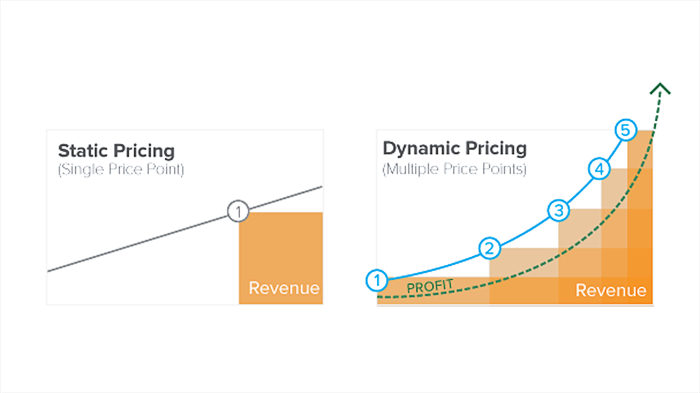
The landscape of wholesale pricing in Malaysia isn’t just changing; it’s undergoing a fundamental revolution driven by the relentless power of data. Relying on static, outdated pricing methods simply can’t cut it anymore. Businesses demanding cost optimization are pushing the market towards far more transparent and dynamic pricing structures. This shift is crucial for survival and growth.
What’s Driving This New Era?
Several key trends are defining the modern wholesale scene:
Real-Time Clarity: Gone are the days of guesswork. Dedicated online platforms now empower buyers with instant, real-time price comparisons across multiple distributors. This transparency is non-negotiable.
Flexible Incentives: Discounts are becoming smarter. They’re increasingly tied directly to specific buyer behaviors like purchasing volume, how quickly invoices are settled, or even predictable seasonal demand cycles. This rewards loyalty and efficiency.
Seamless Digital Integration: The pharmaceutical sector, for example, is leading the charge in B2B e-commerce. Think digital invoicing cutting through paperwork and automated approval workflows speeding up transactions significantly. This integration streamlines the entire supply chain.
Who Wins with Modern Pricing?
This move towards openness and flexibility delivers tangible advantages:
Independent Pharmacies: For smaller players, transparent pricing models are a lifeline. They allow for vastly improved budgeting, inventory planning, and strategic purchasing decisions, levelling the playing field somewhat.
Forward-Thinking Distributors: Suppliers adopting dynamic pricing tools aren’t just keeping up; they’re pulling ahead. They see stronger customer loyalty and much higher retention rates. Plus, they gain the agility to swiftly pass on promotions and special offers down the supply chain, responding to market shifts almost instantly.
Proof in the Profit: A Johor Success Story
Consider the experience of one distributor pharmacy based in Johor. Facing intense competition, they moved away from rigid pricing. Instead, they implemented a sophisticated tiered pricing strategy, managed effortlessly through a cloud-based dashboard accessible to their retail pharmacy customers. The outcome? A significant 22% boost in their revenue. This isn’t just a number; it’s concrete evidence of how embracing dynamic, data-driven pricing directly fuels business growth.
The message is clear: clinging to old pricing systems in Malaysia’s data-fueled wholesale environment is a recipe for stagnation, or worse. The winners are those harnessing transparency, flexibility, and smart digital tools.
Learn More : Pharmacy Distribution Costs in Malaysia: Factors and Ways to Optimize
Compliance, NPRA Regulation & Good Distribution Practice (GDP) in 2025

For Malaysian pharmaceutical wholesalers, the status quo is no longer an option. A significant driver of this urgent change? Strictly enforced compliance standards, particularly the Good Distribution Practice (GDP) Malaysia guidelines mandated by the National Pharmaceutical Regulatory Agency (NPRA). The NPRA isn’t just setting rules; they’re fundamentally raising industry expectations, pushing distributors towards essential modernization to ensure patient safety and product integrity.
Gone are the days of basic logistics. Today’s NPRA GDP requirements demand far more rigorous controls. Distributors must now guarantee end-to-end traceability for every product batch, ensuring its journey from manufacturer to end-user is fully documented and verifiable. Secure handling procedures are non-negotiable, minimizing risks like theft, damage, or contamination. Perhaps most critically, robust climate-controlled storage is paramount – especially for sensitive cold-chain medications (like vaccines or biologics) and controlled substances requiring stringent oversight. Failure in any of these areas isn’t just inconvenient; it’s a direct violation.
Meeting these high standards involves concrete, ongoing actions:
Undergoing regular audits and actively pursuing GDP certification to prove adherence.
Implementing meticulous documentation systems that enable flawless batch traceability throughout the supply chain.
Providing comprehensive staff training specifically focused on regulatory logistics and GDP protocols.
The consequences of falling short are severe and financially damaging. Any distributor lacking a clear, demonstrable NPRA compliance trail faces significant regulatory risks. This isn’t theoretical – it translates directly to potential product seizures at customs or within the warehouse, disrupting operations and causing major losses. Even more critically, it risks licensing suspension, effectively halting the business entirely.
Therefore, viewing upgrades as merely “optional investments” is a dangerous misconception. Modernizing Standard Operating Procedures (SOPs) to embed compliance into every workflow is essential. Furthermore, investing in advanced tracking systems – like sophisticated Warehouse Management Systems (WMS) and temperature monitoring solutions – is no longer a luxury reserved for the largest players; it’s the absolute baseline for survival and legal operation under the NPRA’s watchful eye. Compliance isn’t just pushing modernization; it’s making it the only viable path forward for Malaysian pharma distributors. They simply can’t afford to lag behind, the costs are just too steep.
Learn More : WHO Good Distribution Practices for pharmaceutical products
Integrated Distribution Partnerships: Working with Promoters, Merchandisers & Clinics

Ever wonder what magic happens when product distribution finally syncs perfectly with what actually happens inside the store? In Malaysia’s competitive retail landscape, particularly within pharmacies and clinics, a powerful shift is underway. Forward-thinking distributors are increasingly forging strategic alliances with specialized pharmacy merchandising services. This isn’t just about getting products to the store; it’s about orchestrating a flawless, end-to-end brand rollout – encompassing delivery, precise shelf placement, compelling promotions, and consistent execution.
This deeper collaboration unlocks significant advantages that ripple across the supply chain:
Real-Time Visibility: Promoters stationed within partner pharmacies become the eyes and ears for distributors. They provide invaluable, immediate feedback on stock levels, preventing frustrating out-of-stock situations that lose sales and annoy customers.
Planogram Power: Dedicated merchandisers ensure products aren’t just dumped on shelves. They meticulously enforce planogram compliance, guaranteeing consistent, brand-approved displays that maximize visibility and shopper appeal across every partnered outlet. This consistency is gold for brand recognition.
Unified Messaging: Clinics and pharmacies benefit immensely from a cohesive brand story. When distributor strategy and in-store execution aligns, customers receive a unified message about product benefits and usage, building trust and clarity at the crucial point of purchase or recommendation.
Proof in the Penang Aisles:
Consider the tangible results achieved by a prominent skin health distributor operating in Penang. Facing common inventory and visibility challenges, they partnered with PriooCare’s expert in-store promoter team. This wasn’t a superficial arrangement. They deeply integrated stock delivery schedules with targeted product demonstration days and ensured meticulous adherence to strategic product placement guidelines. The outcome? Stores leveraging this full merchandising partnership saw a remarkable 30% higher weekly sell-through rate compared to similar outlets without such dedicated in-store support. That’s a direct revenue impact.
Ultimately, these evolving distributor-retailer partnerships represent more than just logistics. They creates smoother, more responsive supply chains that minimize friction. More importantly, they significantly boost overall brand performance and shopper experience across countless critical retail touchpoints. When distribution strategy and in-store execution truly align, everyone wins – the distributor, the retailer, the brand, and most importantly, the customer seeking reliable products. It’s a model proving its worth in the dynamic Malaysian pharmacy space.
Urban vs Rural Distribution Strategies: Bridging Malaysia’s Access Gap

Let’s be honest: designing an effective pharmaceutical distribution network across Malaysia isn’t a one-size-fits-all job. The country’s incredibly diverse and fragmented geography throws unique hurdles at logistics planners. What works seamlessly in bustling urban centers like Kuala Lumpur often hits major roadblocks out in regions like Kota Marudu. This urban-rural divide fundamentally shapes how medicines reach patients who need them.
In major cities, the infrastructure supports rapid, almost instantaneous replenishment cycles – think efficient same-day deliveries keeping pharmacy shelves consistently stocked. However, venturing into vast rural areas paints a starkly different picture. Here, distributors grapple with significant access delays caused by greater distances, less developed transport infrastructure, and naturally, fewer retail outlets per capita. This combination creates very real barriers to getting essential medications where they’re needed most.
So, what are the smart solutions emerging to bridge this gap? Forward-thinking companies are getting creative. For truly remote locations, mobile depots or hybrid hub models are proving invaluable, bringing stock closer to the point of need without requiring massive permanent facilities. Another powerful tactic involves forging last-mile delivery partnerships with trusted local riders. These individuals know their communities intimately and can navigate tricky terrain efficiently, especially crucial for time-sensitive pharma products. Complementing this, strategic scheduled bulk drops directly to high-demand rural clinics or central points ensure core supplies arrive predictably, optimizing vehicle usage and minimizing costly small trips.
The impact of such innovations is tangible. Just look at Sarawak, where one distributor tackled rural delays head-on by establishing a dedicated satellite fulfillment point. The result? Lead times slashed by an impressive 48%. Initiatives like these aren’t just about efficiency; they’re actively closing the stubborn urban-rural supply gap. The real winners are patients in remote areas, who see dramatically improved availability of critical chronic medications and fast-moving over-the-counter (OTC) products. Building a truly national strategy means embracing flexibility and acknowledging that logistics for KL simply can’t be copy-pasted for Kota Marudu – it demands tailored, adaptive thinking.
Learn More : Last-Mile Delivery in Healthcare: Challenges and Solutions
The Role of Big Data and Predictive Analytics in Inventory Planning

Running out of critical stock isn’t just frustrating; it hits your bottom line and damages customer trust. But what if you could see those shortages coming, long before your shelves go bare? For forward-thinking wholesale distributors across Malaysia, especially those serving the vital healthcare sector, that future is already here through predictive inventory management.
The shift is undeniable. Wholesalers are moving decisively beyond traditional, often reactive, methods. They’re actively embracing powerful predictive tools driven by sophisticated data analysis. This strategic pivot isn’t just a trend; it’s a fundamental upgrade aimed squarely at boosting operational efficiency and dramatically slashing costly waste. Think about pharmacies: by intelligently applying healthcare analytics Malaysia, they gain unprecedented clarity. This translates directly into smarter, more informed procurement choices, ensuring essential medicines and supplies are available precisely when needed.
Unlocking the Power of Data: Tangible Benefits
So, how exactly does this data magic work? The applications deliver concrete advantages:
Anticipating Demand Surges: Predictive systems analyze historical patterns, local health trends, and even weather data to accurately forecast spikes linked to seasonal illnesses like flu or dengue. No more scrambling when demand suddenly jumps.
Curbing Expiry Waste: One of the biggest hidden costs? Products expiring unsold. Analytics identify slow-moving items and optimize order quantities and rotation (FIFO/FEFO), drastically minimizing losses tied to expired goods. This is huge for managing perishable medical supplies.
Synchronizing with Healthcare Needs: It’s not just about having stock; it’s about having it arrive when clinics and hospitals need it most. Data helps align complex delivery schedules with actual treatment cycles and patient loads, smoothing out logistics and enhancing service reliability.
The proof isn’t just theoretical. Take Kuala Lumpur, a major distribution hub. Wholesalers there who’ve integrated real-time data dashboards report impressive results – reducing frustrating stock-out incidents by up to 30%. That’s a massive leap in product availability. Crucially, this improved efficiency also unlocks significant working capital. Less cash gets tied up unnecessarily in overstocked warehouses or, conversely, lost through emergency rush orders to cover shortages.
The trajectory is crystal clear: data-driven distribution isn’t just the future; it’s rapidly becoming the indispensable present. For wholesalers aiming to thrive in Malaysia’s competitive market, robust analytics platforms are evolving from a “nice-to-have” into a core operational necessity. In this new landscape, leveraging data effectively is proving just as critical to success as maintaining a reliable fleet of delivery trucks. It’s the smart way to run a resilient, efficient, and customer-focused wholesale operation. Why react when you can predict.
Green & Sustainable Distribution: The Growing Demand for ESG Practices
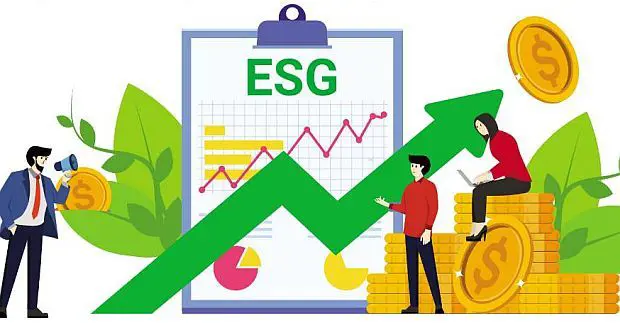
Forget the notion that Environmental, Social, and Governance (ESG) standards are reserved for massive global players. Here’s the reality hitting Malaysian distribution: local pharmacies and consumer brands are actively seeking partners who prioritize green supply chain practices. It’s no longer a niche preference; it’s swiftly becoming a baseline expectation. This shift signals that sustainable logistics might just be the crucial competitive advantage distributors need right now.
So, what exactly falls under this umbrella of sustainable distribution? It’s more than just a buzzword. Key strategies gaining traction include:
Swapping Traditional Packaging: Moving towards eco-packaging solutions and consistently using recyclable boxes to drastically cut down waste.
Transparency in Emissions: Implementing systems for accurate carbon tracking and providing detailed emissions reporting – clients want proof, not just promises.
Smarter Delivery Paths: Utilizing advanced route planning software specifically designed to reduce fuel usage and the associated carbon footprint per delivery.
The stakes are undeniably rising. Distributors find their entire ESG logistics profile under intense scrutiny during tender processes. A strong sustainability record isn’t just a nice-to-have; it’s increasingly a deciding factor in who wins valuable contracts. What’s more, there’s tangible support available. Government grants, particularly those linked to Malaysia’s Low Carbon Cities Framework (LCCF), are actively encouraging green upgrades across the sector. This financial boost makes investments feasible – think transitioning to solar-powered warehouses or gradually building electric vehicle fleets for last-mile deliveries.
Ultimately, embracing sustainable pharmacy distribution – and sustainable logistics across all sectors – transcends mere brand image. While looking responsible matters, the core driver is far more concrete. It’s fundamentally about securing eligibility for future contracts in an increasingly ESG-conscious market. Furthermore, those route optimizations and energy-efficient warehouses translate directly into long-term cost efficiency. Investing in green practices today isn’t just ethical; it’s a strategic move safeguarding both market relevance and the bottom line for Malaysian distributors tomorrow. The edge is green.
Learn More : The Rise of Sustainable Supply Chains in Healthcare
Remember how things worked just five years back? Honestly, the landscape for sourcing pharmacy products in Malaysia has undergone a seismic shift since 2020. We’re not just talking incremental tweaks – it’s a whole new ballgame driven by forces like hyper-automation, deep-dive analytics, the non-negotiable rise of ESG (Environmental, Social, Governance) factors, and the absolute necessity of strategic alliances. The old playbook? Well, it’s pretty much obsolete.
This transformation means one thing is crystal clear for every single player involved in pharmacy distribution across Malaysia: standing still isn’t an option. Whether you’re the biggest national wholesaler moving massive volumes, or a super-focused regional supplier known for agility, the pressure is on to fundamentally rethink how you create and deliver genuine value. Relevance hinges on adaptation, pure and simple.
So, who actually thrives in this dynamic, demanding environment? Success won’t favor those clinging to past methods. Instead, it belongs firmly to forward-thinking organizations ready to tackle three critical pillars at the same time:
Tech & Compliance Hand-in-Hand: It’s no longer a choice between adopting cutting-edge technology and meeting stringent regulations. Winners seamlessly integrate robust compliance frameworks with powerful tech solutions like AI-driven logistics and blockchain track-and-trace – making sure they’re efficient and squeaky clean.
Building Powerful Ecosystems: Gone are the days of operating in isolation. The future belongs to those fostering incredibly strong, collaborative ecosystems. Think deep partnerships linking retailers, merchandisers, and distributors together – sharing insights, streamlining processes, and creating a unified front that benefits everyone, especially the end patient.
Strategic Investments for Trust: Crucially, leaders are doubling down on three key investments: harnessing actionable data intelligence for better decisions, embedding genuinely sustainable green practices throughout their operations (customers and regulators demand it!), and championing radical pricing transparency to build unwavering trust across the supply chain.
Feeling Inspired to Future-Proof Your Strategy?
If navigating this complex new world feels daunting, you don’t need to go it alone. Partnering with PriooCare gives your healthcare brand direct access to advanced pharmacy distribution solutions, expert retail merchandising support designed for today’s market, and the power of strategic partnerships that unlock real growth. Our focus? Building smarter, more resilient, and deeply connected supply chains specifically for the Malaysian healthcare sector.
How can we assist you today? 😊
Just let us know—we’re here to help!