8 March 2026
In Malaysia’s tightly regulated healthcare market, the question of product legitimacy is paramount. Trust begins with compliance, and for every professional operating between the manufacturer and the end consumer, verifying a product’s status is the non-negotiable first step. This process is far more than a bureaucratic box-ticking exercise; it is the very foundation of a strategic, sustainable business operation. The act of performing a thorough KKM check is what separates reputable partners from risky liabilities. It is the mechanism that protects public health, upholds brand integrity, and maintains the smooth flow of goods through a complex network of pharmacy wholesale distributors, independent pharmacy distributors, and retail chains. Without this proven verification, the entire ecosystem’s stability is jeopardized, risking severe operational and financial repercussions that can erase years of built trust in an instant.
Decoding the Regulatory Backbone: KKM, NPRA, and the Language of Compliance

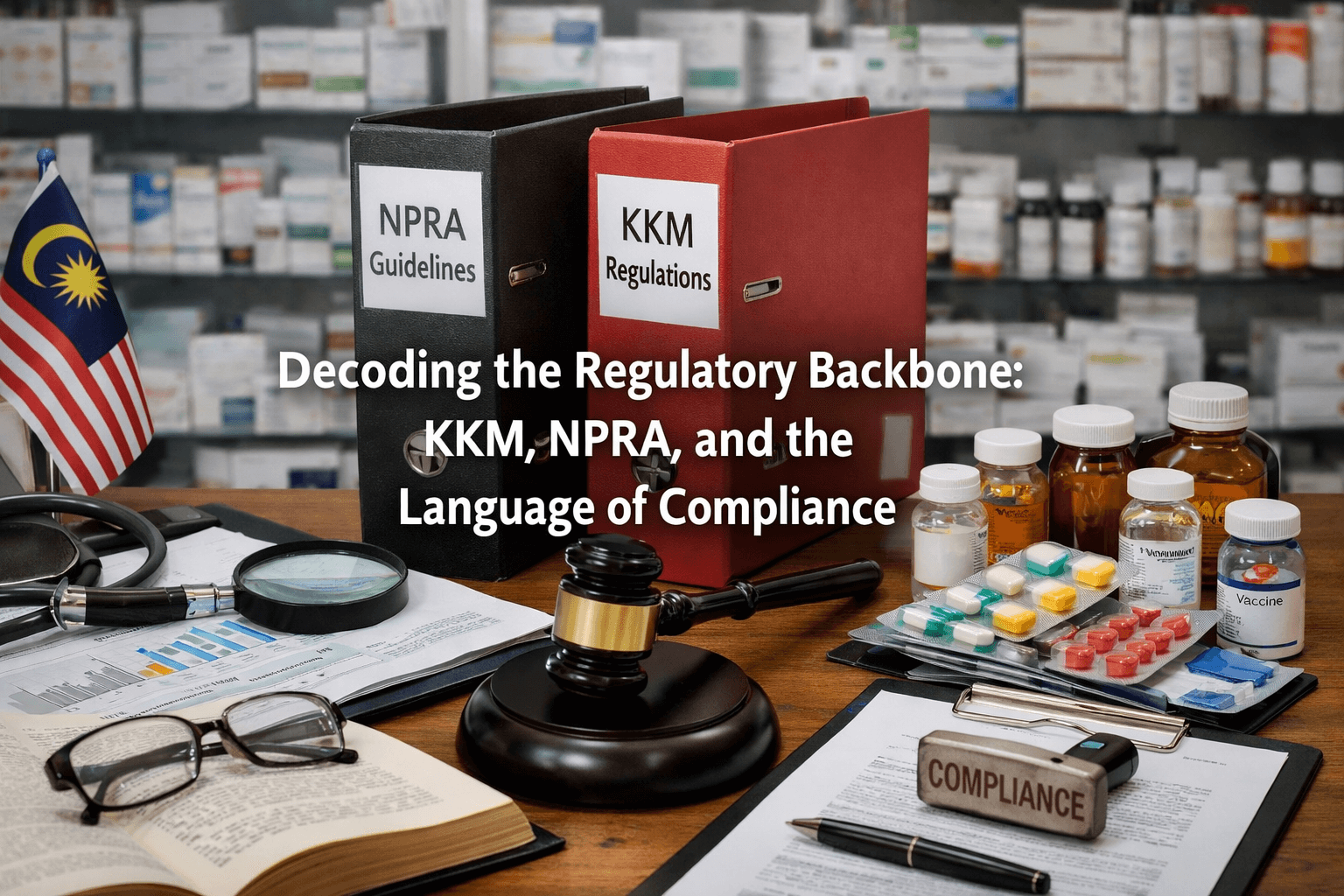
To navigate Malaysia’s pharmacy landscape with confidence, one must first understand the regulatory architecture and its specific lexicon. The Ministry of Health (MOH) serves as the overarching authority, with the National Pharmaceutical Regulatory Agency (NPRA) acting as its expert operational arm for product oversight. This body is responsible for the rigorous evaluation, approval, and continuous monitoring of all pharmaceuticals, health supplements, and cosmetics sold in the country. The outcome of their assessment is communicated through a critical coding system that every professional must recognize. A MAL number is assigned to registered drugs, health supplements, and traditional medicines, signifying they have passed stringent safety, quality, and efficacy reviews. Conversely, a NOT number is issued for cosmetic products that have been successfully notified, confirming they meet required safety, labeling, and formulation standards.
Understanding this distinction is not academic; it is an essential operational skill. For a distributor pharmacy partner, a product missing this visible kelulusan KKM evidence—whether a MAL or NOT code—is an immediate red flag that halts the supply chain. This framework influences every commercial activity, from initial sourcing and procurement to merchandising strategies, POSM planning, and store-level audits. Major pharmacy chains like Guardian, Watsons, and Healthlane have internal compliance teams that rigorously enforce these policies before any new product listing is approved. Therefore, from the perspective of a brand manager, securing this approval is the prerequisite to any market entry discussion. For the pharmacist, it is the bedrock of professional responsibility. This shared understanding of the KKM structure transforms compliance from a legal formality into a strategic competency that safeguards every link in the supply chain.
Learn more: What Is a Distributor Pharmacy? A Comprehensive Guide | Product Registration Process
The Tangible Risks: Consequences of Non-Compliance for Distributors and Pharmacists
The risks associated with distributing or selling unregistered products are severe, multidimensional, and often irreversible, extending far beyond a simple fine. The NPRA’s enforcement capabilities are robust, and the commercial fallout can be devastating. Recent data underscores this reality; in 2025 alone, the NPRA reported over 400 enforcement actions targeting unregistered supplements and kosmetik tidak lulus KKM discovered on both physical pharmacy shelves and digital marketplaces. These actions frequently trigger a cascade of negative outcomes that cripple business operations.
Consider the following real-world implications from multiple perspectives:
For Brand Managers and Distributors: A single non-compliant product can lead to a nationwide product recall, a catastrophic event that consumes immense resources and destroys consumer confidence. Furthermore, major retail partners will swiftly delist the offending brand across all outlets—as seen in a case where a brand was removed from 120 stores following a failed KKM check. Marketing investments evaporate when A&P campaigns are frozen mid-execution due to an NPRA warning letter.
For Pharmacists: The liability is both professional and legal. A retail pharmacist risks their license and reputation by stocking unverified items. Their primary duty is patient safety, making them a critical final checkpoint. Many pharmacists will outright refuse to stock or recommend a product without clear kelulusan KKM evidence, as their professional ethics and regulatory risk outweigh any potential sales margin.
For the Supply Chain: The entire pharmacy distribution service network is disrupted. GDP-compliant warehouses face audit failures, and distributor pharmacy operators suffer reputational damage that can take years to repair, as trust is their core currency.
These scenarios are not hypothetical; they are operational nightmares that highlight why a reliable, efficient verification workflow is not an optional cost but a strategic investment in business continuity and integrity.
Learn more: The Role of Pharmacy Distribution Services in Malaysia’s Healthcare System | Regulatory Systems Strengthening
The 2026 Toolkit: Official Platforms for Efficient KKM Verification
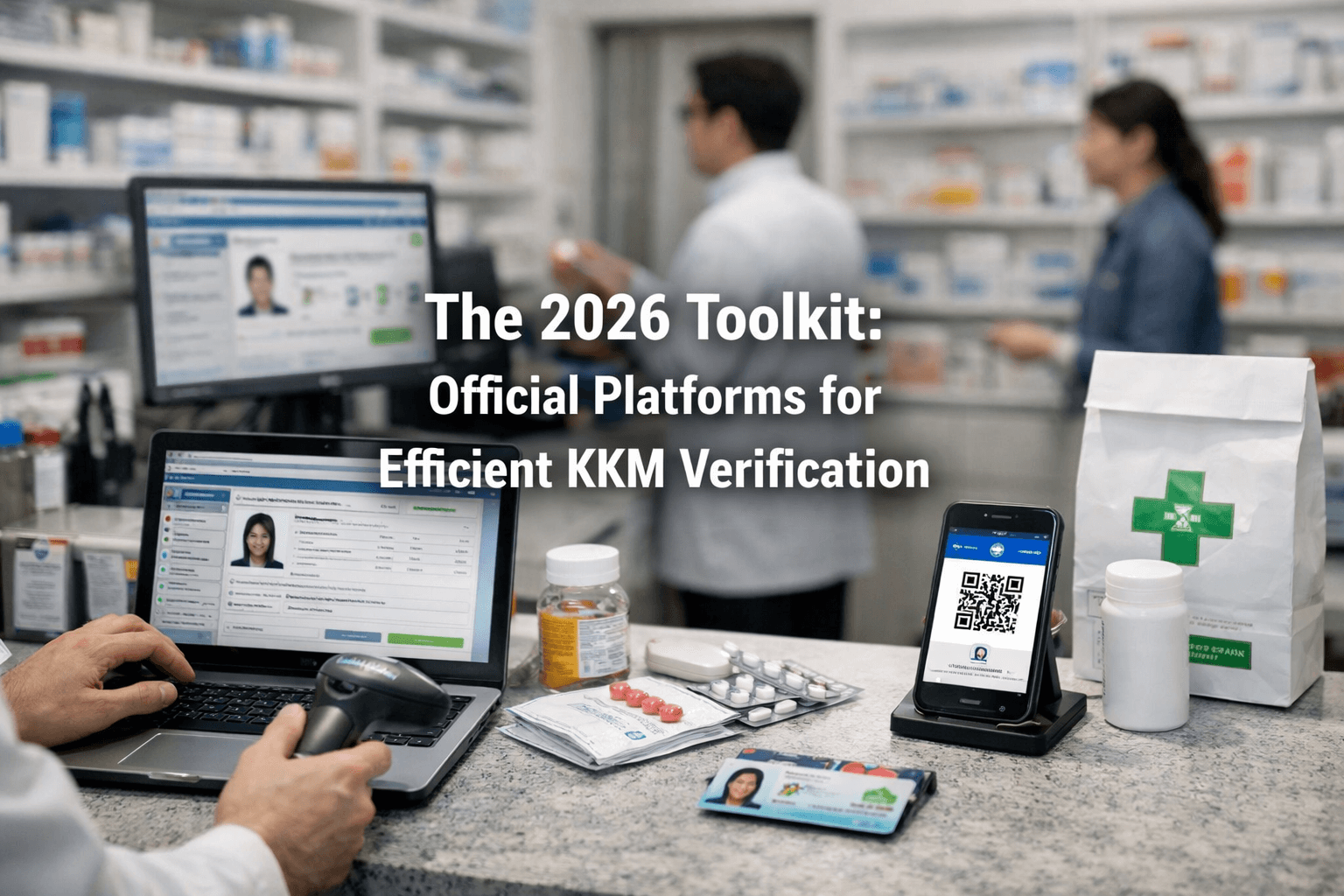
To mitigate these risks, industry professionals must leverage the official, trusted digital platforms provided by the regulators. As of 2026, these tools have become more integrated and user-friendly, forming the first line of defense in compliance assurance. The proven method for any KKM check involves utilizing one of the following three primary systems, each designed for specific use cases within the healthcare logistics workflow.
1. NPRA QUEST3+ Product Search Portal
This is the comprehensive, public-access database for verifying product registration status. It is the go-to resource for confirming MAL numbers for pharmaceuticals and supplements, as well as NOT numbers for cosmetics. Users can search by product name, registration number, or manufacturer details, making it an efficient tool for procurement teams and pharmacists during inventory audits. Its authoritative data makes it the benchmark for all verification activities.
2. NPRA Cosmetic Notification Checker
This is a more tailored platform specifically designed to confirm kosmetik lulus KKM status. It is particularly valuable for pharma distributors and merchandisers handling fast-moving personal care, skincare, and wellness brands, where cosmetic lines frequently update or expand. A quick check here can prevent the costly mistake of promoting or distributing a product that has not been properly notified.
3. MyKKM Mobile App (2026 Implementation)
Reflecting the need for on-the-go verification, the MyKKM mobile app provides a portable solution for field teams. For merchandisers conducting store visits or retail managers performing shelf audits, the ability to scan a barcode or enter a product name directly from a smartphone is a game-changer. It brings reliable compliance data directly to the point of sale, enabling immediate decision-making.
Integrating Verification into Daily Operational Workflows
The true power of these tools is realized when they are seamlessly embedded into the daily routines of each stakeholder in the pharmacy supply chain. This integration transforms compliance from a periodic audit task into a continuous, value-adding process.
From the Pharmacist’s Perspective:
For the retail pharmacist, verification is a matter of professional duty and risk management. Before placing any new product on the shelf or recommending it to a customer, a quick check on the NPRA portal is standard practice. This is especially crucial for imported supplements or brands from less familiar manufacturers. This frontline KKM check acts as a final safeguard, ensuring that everything they sell carries the trusted mark of regulatory approval, thereby protecting their patients and their practice’s integrity.
From the Distributor’s Perspective:
For pharmacy wholesale distributors, compliance is a logistical imperative baked into every process. A GDP-compliant warehouse in Malaysia, for instance, will integrate automated checks into its warehouse management system. Before a batch is received into inventory or dispatched to a retail outlet like Caring or BIG Pharmacy, its registration status is verified. This creates a documented chain of compliance that is invaluable during NPRA or client audits. Their role as a reliable supply chain partner hinges on this effective gatekeeping function, ensuring no unregistered item ever enters their distribution network.
From the Brand Manager’s Perspective:
For the brand manager, verification is the critical path item preceding any commercial activity. Before finalizing packaging, allocating trade marketing budget (A&P), or engaging in planogram discussions with retail chains, they must confirm every SKU is kelulusan KKM compliant. This proactive step prevents the catastrophic scenario of launching a campaign for a product that cannot legally be sold. It ensures that all downstream efforts—from merchandising instructions to sales team training—are built on a solid, compliant foundation.
This interconnected workflow results in a more strategic and efficient market:
Strategic filtering of products before any marketing investment is committed.
Reliable downstream traceability that simplifies audits and recalls.
Expert-level assurance at every physical and digital checkpoint, from the distributor’s warehouse to the pharmacy shelf.
Learn more: How to Ensure Regulatory Compliance for Pharmacy Distribution in Malaysia
Building a Culture of Compliance: Beyond the Single Check
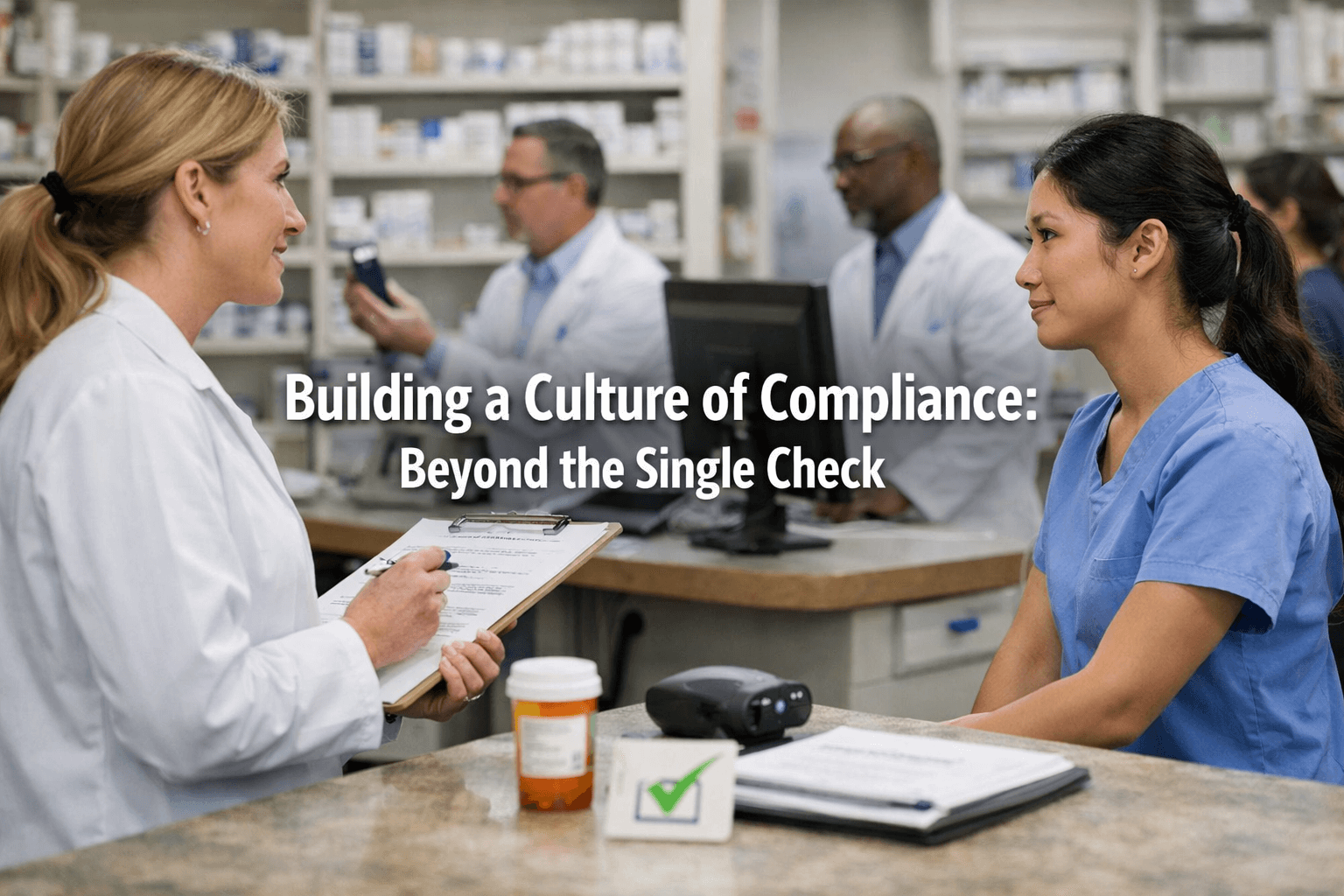
While using the official tools is the cornerstone, leading organizations understand that sustainable compliance requires cultivating an organizational mindset. It’s about moving beyond a one-time verification to establishing a culture where regulatory adherence is seen as a core competitive advantage. This involves continuous education, where updates from the NPRA are promptly circulated to all relevant teams—procurement, sales, marketing, and logistics. It means empowering field merchandisers with not just the MyKKM app, but also the clear authority to halt the placement of any product that raises a red flag during a store visit.
For a distributor pharmacy operation, this culture is often formalized into Standard Operating Procedures (SOPs) that mandate checks at multiple touchpoints: vendor onboarding, goods receipt, and order dispatch. This layered approach creates a robust safety net. From the perspective of a pharmacy chain’s headquarters, it involves making compliance a key performance indicator in their vendor scorecards, thereby incentivizing their pharmacy distributor partners to uphold the highest standards. Ultimately, in the high-stakes environment of Malaysian healthcare, the most effective and trusted partners are those for whom the KKM check is not an isolated task, but an ingrained, non-negotiable principle guiding every business decision and action.
Learn more: Optimizing health system supply chain performance
Integrating KKM Verification into Every Link of the Supply Chain
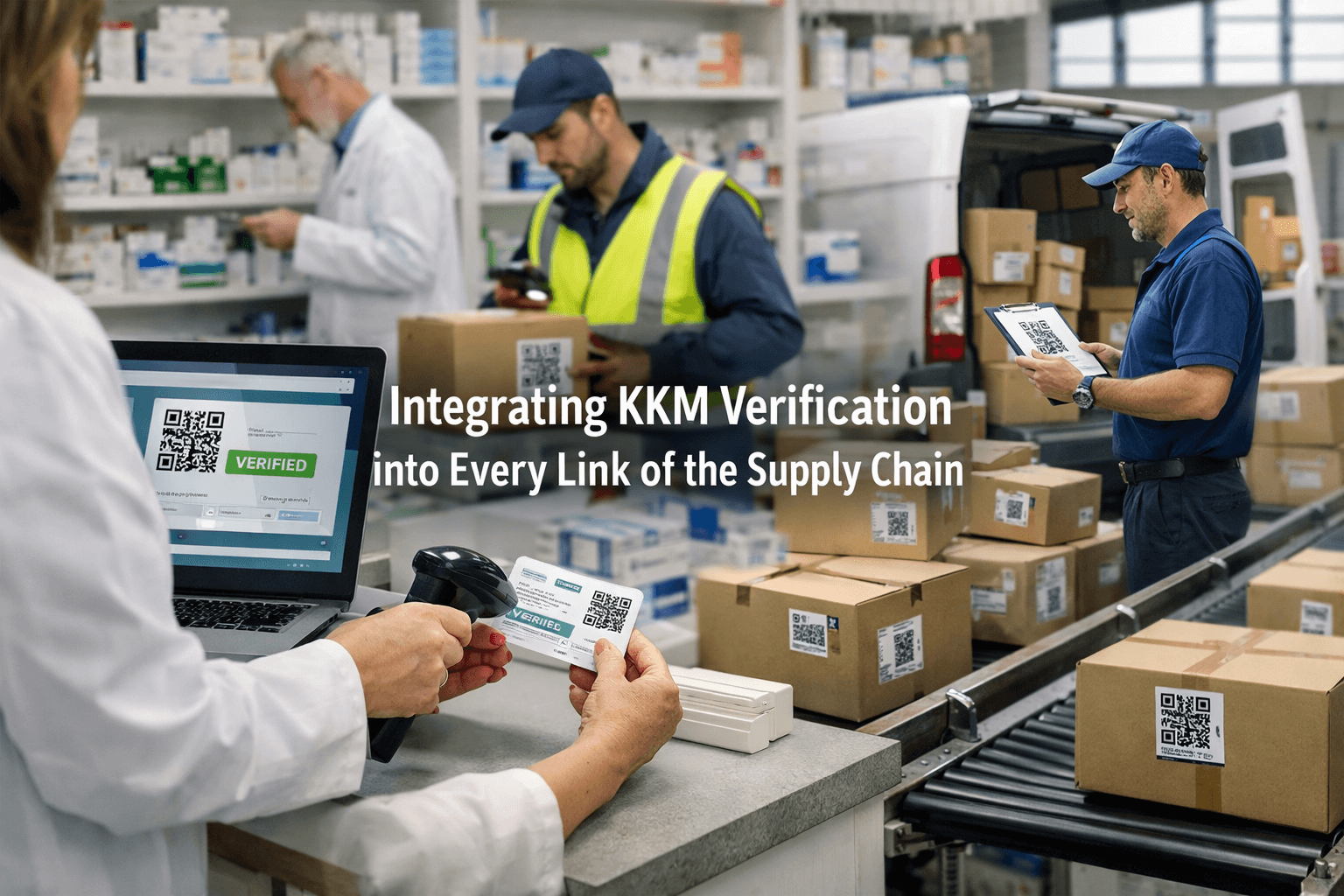
The utilization of KKM verification tools is not a one-size-fits-all procedure across the Malaysian pharmaceutical sector; rather, its application is strategically tailored to the specific operational rhythms and risk exposures of each stakeholder. The depth and frequency of checks create a multi-layered defense, ensuring that compliance is woven into the very fabric of the pharmacy distribution service. For pharmacy wholesale distributors, the process is about scale and prevention. They conduct bulk verifications tied directly to product batches and delivery schedules, often automating checks within their ERP systems to flag any item without a valid MAL or NOT number before it ever leaves the GDP-compliant warehouse. This upstream diligence is their most effective shield against the catastrophic cost and reputational damage of a recall. Conversely, for the retail chain pharmacist, the check is a final, patient-facing safeguard. Their focus is on shelf compliance, particularly during the onboarding of new SKUs from a distributor pharmacy partner or when assessing products for promotional endcaps. This frontline verification is a direct application of their professional duty, a non-negotiable step that protects both public health and the pharmacy’s license.
The distributor pharmacy model, especially those acting as expert partners for international brands, often represents the most integrated approach. They leverage API-based verification to create seamless connections between NPRA data and their own order management platforms. This enables efficient, automated alerts that can halt an order from being processed if a product’s registration status changes or is pending renewal—a proven method for maintaining continuous compliance. The collective benefit of these tailored approaches is a stronger, more reliable ecosystem. It results in clear, role-specific Standard Operating Procedures (SOPs), a significant reduction in collective regulatory risk, and immaculate documentation trails that ensure NPRA audit readiness for every entity involved. Ultimately, the modern KKM check has evolved from a reactive, manual task into a proactive, embedded intelligence that informs decisions from the initial brand registration strategy all the way to securing prime in-store visibility.
Navigating Pitfalls: Common Errors in the Compliance Verification Process
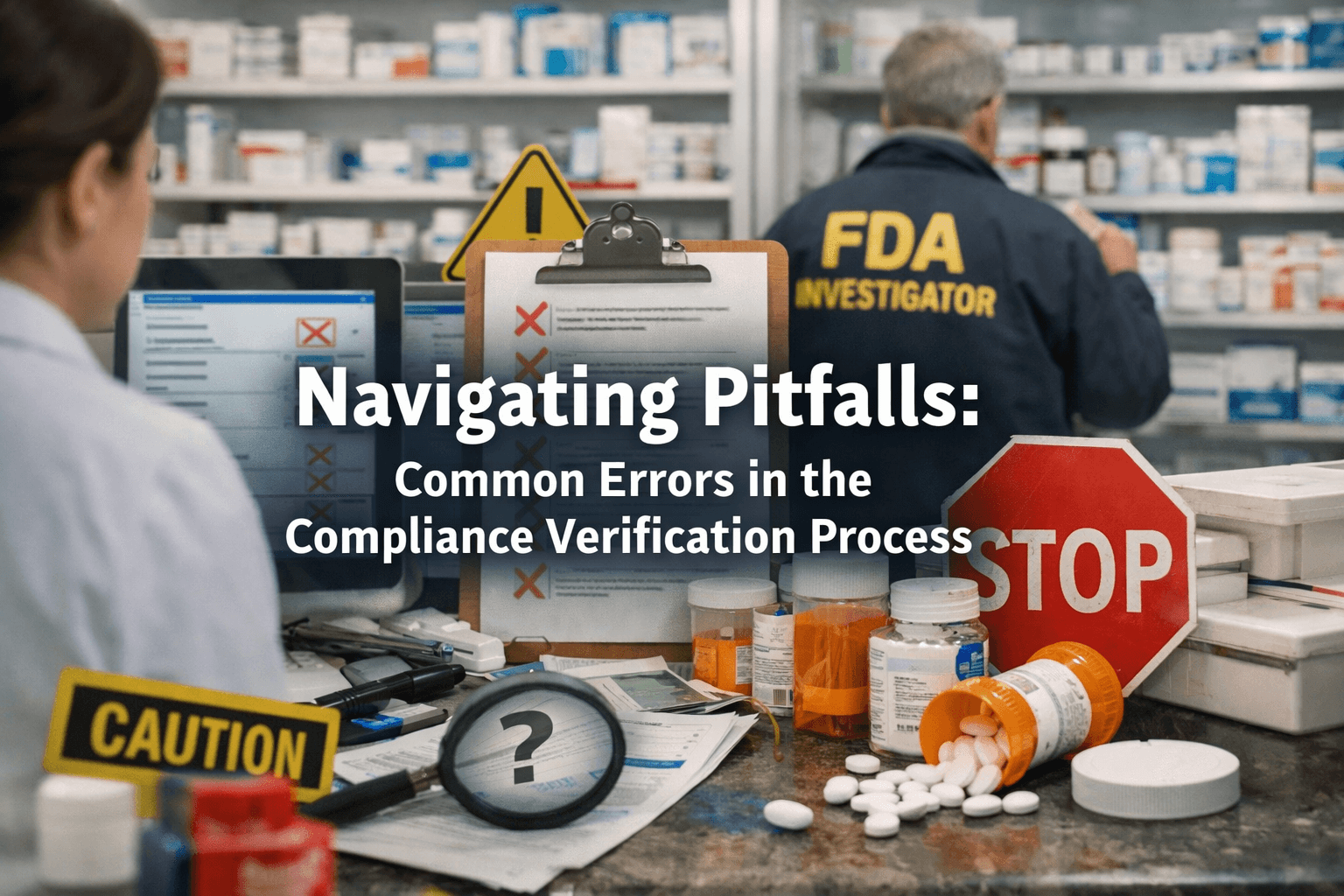
Even with the best intentions, routine errors and dangerous misconceptions can undermine the integrity of the compliance process, leading to severe operational and financial consequences. One of the most frequent and costly missteps is the fundamental confusion between NOT and MAL numbers. Teams may incorrectly assume a NOT notification for a cosmetic product equates to the full medicinal approval signified by a MAL number, or vice-versa. This error can result in a distributor pharmacy incorrectly marketing a supplement with the regulatory weight of a drug, or a pharmacist rejecting a perfectly legal cosmetic. Another pervasive risk is the assumption that market popularity equates to regulatory compliance. A brand may gain viral traction on social media or through influencer endorsements, creating commercial pressure for pharmacy wholesale distributors to stock it swiftly. However, this popularity does not shortcut the NPRA evaluation process; many such products have been subject to enforcement actions for being kosmetik tidak lulus KKM or unregistered supplements.
Perhaps the most critical error is trusting packaging claims over official platform data. Product labels can be outdated, misleading, or even fraudulent. The only definitive source for kelulusan KKM status are the NPRA QUEST3+ Portal and the Cosmetic Notification Checker. Relying on a supplier’s word or a printed leaflet is a significant vulnerability. To combat these pitfalls, organizations must institutionalize accuracy through continuous refinement of their processes. This involves mandatory regular team training on regulatory updates and platform navigation, the formal inclusion of KKM verification steps in all product listing and procurement SOPs, and the deployment of simple audit checklists within merchandiser toolkits for use during store visits. Cultivating an expert, vigilant approach to verification is what transforms compliance from a potential weakness into a trusted pillar of brand integrity and operational security.
A Framework of Shared Responsibility: Who Does What in Compliance?
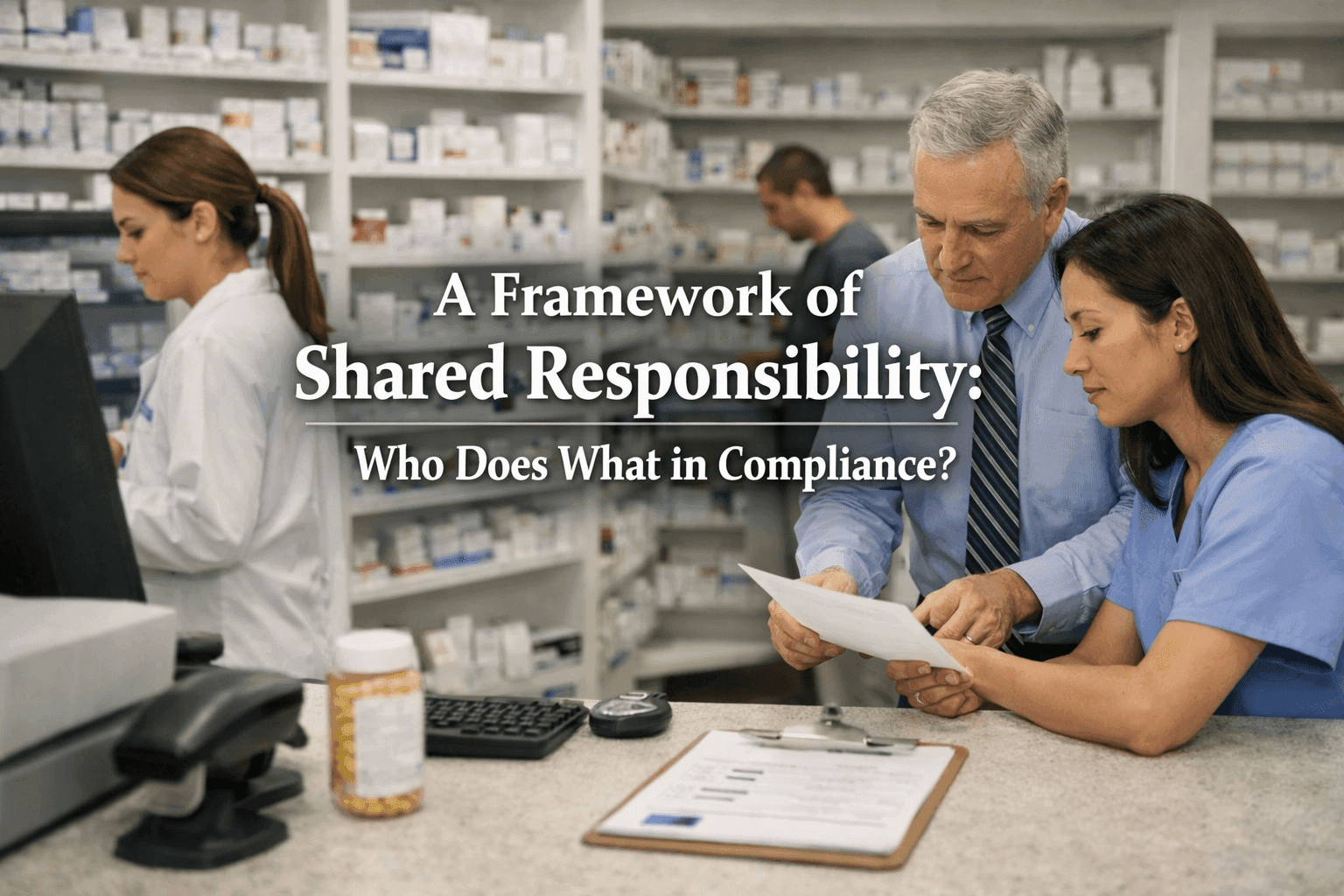
Achieving seamless compliance is a symphony of coordinated actions, not a solo performance. Each stakeholder in the pharmacy supply chain holds a distinct yet interdependent set of responsibilities, and understanding this framework is key to building a holistic compliance ecosystem. The perspective of the pharmacist is centered on final verification and ethical retail. Their essential duty is to validate a product’s status immediately before shelf display or patient recommendation, using the NPRA portals as their authoritative guide. The compliance risk they shoulder is intensely personal and professional, encompassing legal liability and the erosion of patient trust. From the vantage point of the distributor, the responsibility is logistical and pre-emptive. Their role involves executing pre-shipment checks integrated into warehouse management systems, ensuring every batch dispatched to outlets like Guardian or Caring is fully compliant. Their risk is commercial and reputational: a single oversight can lead to mass product rejection by retailers and a devastating loss of credibility as a reliable supply chain partner.
The brand manager’s responsibility is foundational and strategic. They must guarantee KKM product eligibility long before any A&P campaign budget is approved or planogram discussions begin with retail chains. Their verification, often using internal documents alongside NPRA data, is a prerequisite to all market entry activities. While their immediate risk—retail rejection at the head office level—may seem one step removed from the shelf, its financial impact is enormous. The synchronization of these roles creates a powerful, multi-gated defense.
Proactive Governance: Building an Audit-Ready Operation for 2026
Moving beyond basic verification, the leading organizations in Malaysia’s pharmaceutical sector are those that treat compliance as a strategic component of operational excellence, not just a regulatory hurdle. Building an audit-ready practice requires proactive, systemic actions that ingrain diligence into everyday culture. The first essential step is the development of department-specific SOPs. The checklist for a sales representative introducing a new product will differ from the workflow of a warehouse executive receiving stock or a merchandiser auditing a store shelf. These tailored procedures ensure every touchpoint is protected. Secondly, centralizing compliance intelligence is a game-changer. Implementing a shared digital dashboard that provides real-time KKM status for all products in a portfolio allows brand, distribution, and retail teams to operate from a single source of truth, enabling efficient and reliable decision-making across the board.
Continuous education forms the third pillar. Conducting quarterly training sessions on NPRA updates, new platform features, and case studies of enforcement actions keeps the entire team vigilant and informed. Finally, aligning internal processes with Good Distribution Practice (GDP) certification standards provides a robust framework. This includes maintaining meticulous documentation logs of every verification check, supplier audit, and temperature control record for sensitive products. These proven actions transform compliance from a static annual review into a dynamic, living process. As regulatory scrutiny intensifies, those with these expert workflows will not only avoid penalties but will also hold a significant competitive edge, being seen as the most trusted and effective partners in the market.
Learn more: 2026 Life sciences outlook
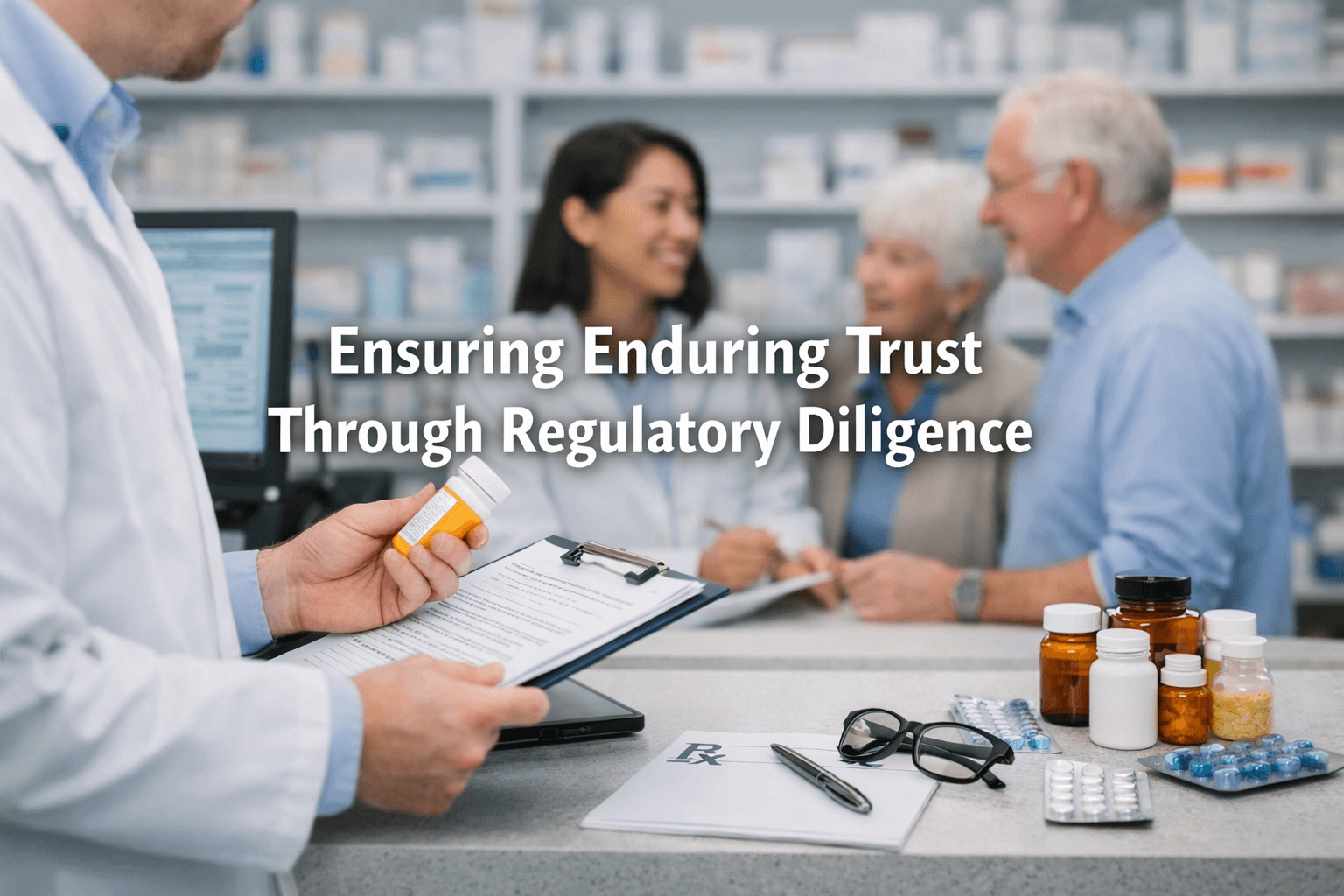
Ensuring Enduring Trust Through Regulatory Diligence
In the final analysis, the consistent and correct application of official KKM check platforms stands as a non-negotiable pillar of trusted pharmacy distribution in Malaysia. This diligence transcends mere rule-following; it represents a core commitment to product safety, professional ethics, and sustainable business practice. From guaranteeing KKM product eligibility at the source to safeguarding pharmacist trust at the crucial point of consumer care, these tools provide the definitive foundation upon which reliable commercial relationships are built. As the market continues to evolve in 2026 and beyond, embracing this regulatory transparency is the hallmark of a strategic partner. It is a shared commitment that aligns the interests of brand owners, pharma distributors, and retail stakeholders towards the common goal of delivering only the safest, fully compliant products to the Malaysian public.
Frequently Asked Questions (FAQ)
Q1: Which skincare brand is best in Malaysia?
Answer:
Malaysia has several trusted skincare brands known for safety and effectiveness. Popular options include Hada Labo, Safi, Eucerin, and Cetaphil, which are widely recommended by pharmacists and dermatologists. The “best” brand often depends on your skin type, concerns (e.g., acne, dryness, aging), and product formulation. Always choose brands that are KKM-approved to ensure safety and regulatory compliance.
Q2: Which brand is best for skin care products?
Answer:
Globally recognized brands like CeraVe, La Roche-Posay, and The Ordinary are top choices for their proven formulas and dermatologist backing. In Malaysia, local brands such as Wardah and Safi also offer high-quality, KKM-notified products that meet national safety standards. Always select based on ingredient suitability, clinical claims, and kelulusan KKM.
Q3: Are beauty products cheap in Malaysia?
Answer:
Yes, Malaysia offers a wide range of beauty products across all price tiers. Local pharmacies like Guardian, Caring, and Alpro stock both affordable and premium KKM-approved items. While some imported or medical-grade skincare may cost more, there are many budget-friendly options that meet safety standards and perform well for daily use.
Q4: What products require a KKM check?
Answer:
All cosmetic products sold in Malaysia—including cleansers, moisturizers, sunscreens, and makeup—must be notified to NPRA (KKM) before sale. In addition, any health supplements, traditional medicines, and medical devices require registration. Performing a KKM check ensures the product is legal, safe, and compliant with national standards.
Q5: What is the best medical grade skin care brand?
Answer:
Eucerin, Skinceuticals, and La Roche-Posay are highly regarded medical-grade skincare brands with strong clinical data and dermatologist use. These brands typically focus on treating skin concerns like pigmentation, rosacea, and acne. Ensure these products have KKM approval when sold in Malaysia to guarantee safety and authenticity.
Q6: What is a KKM-approved product?
Answer:
A KKM-approved product refers to any cosmetic, supplement, or health-related item that has been reviewed and approved or notified by the National Pharmaceutical Regulatory Agency (NPRA) under the Ministry of Health Malaysia (KKM). It means the product complies with safety, ingredient, and labeling standards and is legal for sale.
Q7: How to check if a product is KKM-approved?
Answer:
You can check a product\u2019s KKM approval status by visiting the NPRA Quest3+ Portal. Enter the product name or notification number (e.g., NOT230405432K) to confirm its registration or notification details. This is the official way to verify if a product has been properly reviewed and notified.
Q8: How do I verify a KKM approval?
Answer:
To verify a product’s KKM approval, go to the NPRA Quest3+ Portal and search using:\n- Product name\n- Notification number (NOTxxxxxxxK)\n- Company name\n\nThe database will show the product\u2019s status, category, and validity. If no match is found, it may not be approved for sale in Malaysia.
Q9: How to get KKM approval for a product?
Answer:
To get KKM approval, submit your product through the NPRA\u2019s online system (Quest3+). You must:\n1. Appoint a local Responsible Person (RP)\n2. Provide product details, safety documents, and ingredient list\n3. Ensure the formula complies with ASEAN Cosmetic Directive standards\nOnce approved, your product will be issued a notification number and listed in the NPRA database.
Q10: How to check if a product is registered?
Answer:
Check the NPRA website or use the Quest3+ Product Search tool. Enter the product name or registration number (starting with MAL for drugs or NOT for cosmetics). The portal will show if the product is registered (MALxxxxxN) or notified (NOTxxxxxK). This ensures it meets kelulusan KKM standards.