

June 26, 2025
Ever wonder which regions truly drive the heartbeat of Malaysia’s medicine supply? Look no further than areas where Malay is the dominant language. These aren’t just cultural strongholds; they represent a massive, vital segment of the nation’s healthcare consumers. With well over 60% of Malaysians primarily communicating in Malay, their needs fundamentally shape how medicines reach people.
Crucially, significant portions of this population reside outside major urban centers. Think semi-urban townships or more remote rural villages – places where consistent access to doctors and hospitals can be challenging. In states like Kelantan or parts of Sabah, reliable medicine availability often hinges entirely on robust local distribution networks. Residents here depend heavily on nearby pharmacies getting the right products stocked consistently. It’s not just about pills and prescriptions either; clear healthcare information delivered in their first language is equally essential.
So, how is the industry responding? This article dives into the strategic shifts happening right now. Major pharmacy wholesale distributors, nimble independent pharmacy distributors, and dedicated distributor pharmacies are all refining their approaches. They’re tackling unique logistics hurdles, building stronger community relationships, and tailoring their services specifically for these high-impact regions. The goal is clear: ensure a pharmacy distribution service in Malaysia that genuinely works for everyone, mirroring the country’s rich tapestry of languages and communities. We’ll explore the innovative solutions emerging to bridge accessibility gaps and empower these essential populations through better medicine access and health understanding.
Mapping the Pharmacy Distribution Ecosystem in Malaysia
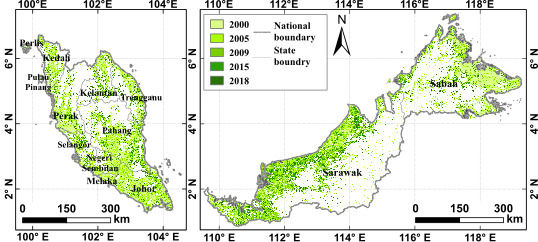
Malaysia’s pharmaceutical supply chain operates as a carefully orchestrated, multi-layered network, essential for delivering vital medicines across its varied landscapes and communities. This intricate system seamlessly connects global manufacturers with countless local pharmacies and, ultimately, patients. Understanding its structure reveals how it effectively meets the needs of Malaysia’s diverse population.
The Layered Logistics Backbone
At the foundation, national pharmacy wholesale distributors act as the crucial link. They bridge large international pharmaceutical and healthcare companies with a vast network of retail outlets scattered nationwide. Think of them as the central hubs managing bulk inventory and primary logistics. Supporting this tier are strategically placed regional warehouses and specialized last-mile delivery services. These components work together to ensure medications arrive promptly everywhere, from bustling Kuala Lumpur to remote villages. However, tailoring this efficiency for optimal reach in predominantly Malay-speaking regions demands dedicated localization efforts – it’s not just about distance, but cultural and linguistic understanding too.
Thriving in Key Regions
Certain states demonstrate particularly high demand and specific operational dynamics. Areas like Kedah, Perlis, Kelantan, Terengganu, and Negeri Sembilan, where Malay is overwhelmingly the primary language, present unique opportunities and challenges. Here, local pharmacy distribution solutions often flourish. Independent pharmacy distributor networks frequently gain strong footholds in these geographies. Their success frequently stems from deep cultural proximity, inherent community trust, and an operational flexibility that larger chains sometimes struggle to match. They understand the nuances of distribution in Malay contexts intimately.
More Than Just Moving Boxes
This entire pharmaceutical supply chain Malaysia relies on is far more than simple transportation. Key elements like stringent regulatory compliance are non-negotiable, ensuring safety and quality control at every step. Simultaneously, building and maintaining community trust is paramount, especially for local operators embedded within specific regions. It’s this combination of robust infrastructure, localized adaptation, and unwavering focus on reliability that allows the system to consistently deliver the right medications to the right people – exactly when they’re needed. The framework’s strength lies precisely in its ability to balance scale with localized sensitivity across the nation’s diverse tapestry.
This complex yet resilient network, therefore, stands as a testament to Malaysia’s commitment to ensuring healthcare access for all its citizens, regardless of location or linguistic background.
Learn More : The Role of Pharmacy Distribution Services in Malaysia’s Healthcare System
The Role of Independent Pharmacy Distributors in Malay-Speaking Communities
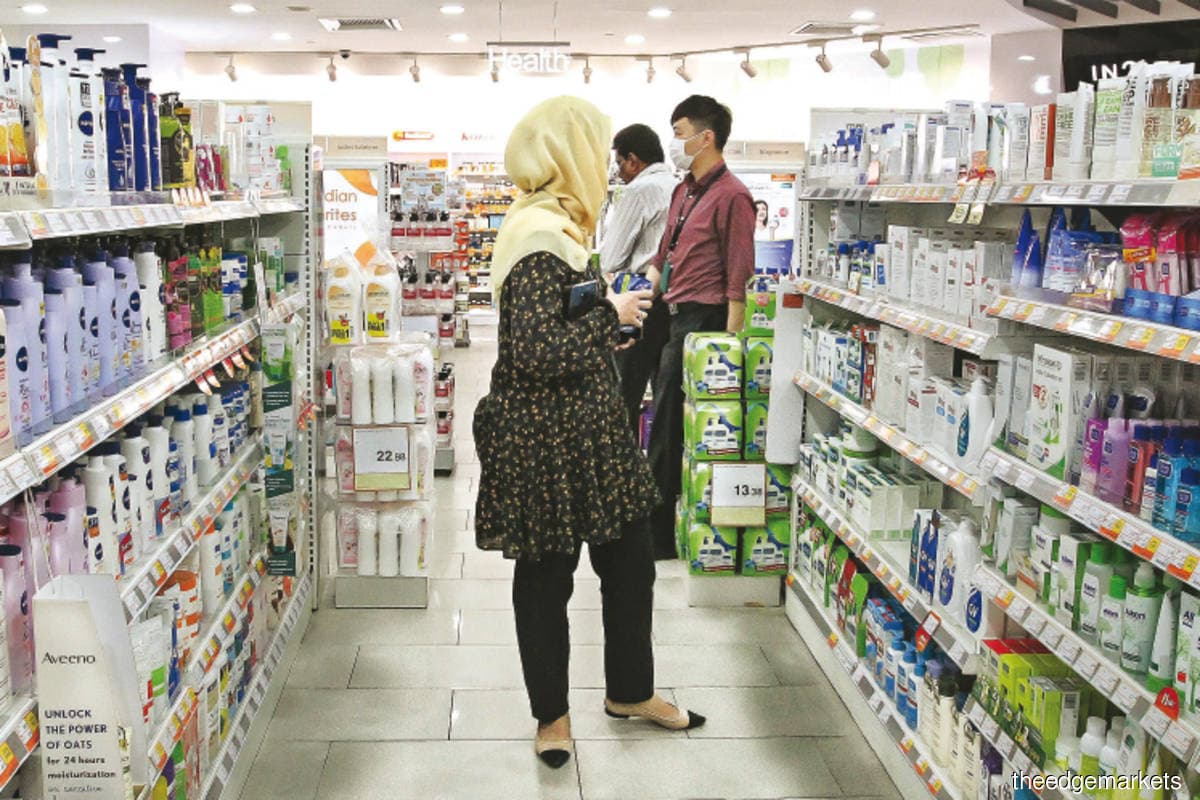
Ever wonder if those independent, local pharmacy suppliers truly move the needle in the broader healthcare landscape? The answer is a definite yes. While massive national distributors dominate headlines, smaller, community-focused players fill absolutely critical gaps, especially in areas the big guys might overlook. Think rural towns or culturally specific regions where deep local knowledge isn’t just helpful – it’s essential for getting medicines and health products to those who need them.
Unlike sprawling corporate chains, these independent distributors operate right within the heart of the communities they serve. They build incredibly strong, personal relationships with neighborhood pharmacists and their customers. This intimate connection means they inherently grasp the unique rhythm, specific needs, and cultural nuances of their local areas. This is particularly powerful in places like Malaysia’s Malay-speaking states.
Take Kelantan and Terengganu as prime examples. Here, distributors fluent in Bahasa Melayu frequently enjoy significantly higher customer loyalty and repeat order rates compared to larger, less agile national brands. Why? Because they speak the language, literally and figuratively. They offer flexible credit terms that align with local business realities, ensuring pharmacies aren’t left short. Their replenishment cycles are often noticeably faster, preventing frustrating stock-outs. Moreover, they provide merchandising and promotional materials that are genuinely culturally sensitive and relevant, resonating far more effectively with the local population.
Operating within the very fabric of the community makes these distributors remarkably responsive. They pick up on subtle shifts in consumer behaviour or emerging health concerns much quicker than distant corporations. This agility allows them to swiftly initiate hyper-localized wellness campaigns or timely seasonal health education efforts tailored precisely to their neighbours’ immediate needs. They become true partners in community health, not just suppliers.
The Bottom Line:
Don’t underestimate the power of community-based pharmacy distribution. For effective rural healthcare logistics and thriving within the Malay-speaking pharmacy market, these localized champions offer irreplaceable value through deep relationships, cultural competence, and unmatched responsiveness. Their size is precisely what makes their impact so significant where it matters most. They’re not just moving boxes; they’re supporting the health of their own neighborhoods.
Challenges in Reaching Malay-Speaking Markets: Logistics, Language & Access
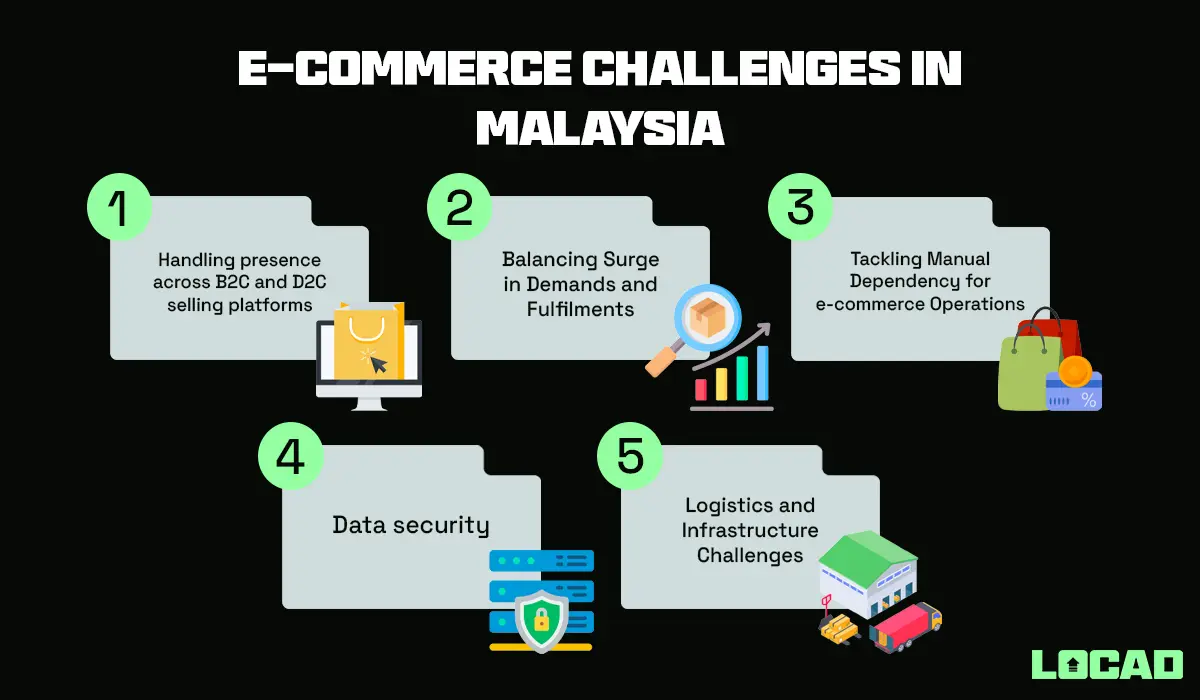
Ever wonder why getting goods smoothly to certain parts of Malaysia can feel like an uphill battle, especially in predominantly Malay-speaking regions? It’s not just bad luck; deep-rooted structural hurdles play a major role. Let’s break down the core reasons logistical efficiencies often stumble here.
Challenge #1: The Lay of the Land
Geography itself poses a formidable barrier. Significant Malay-speaking populations are concentrated outside major urban hubs, frequently in areas where infrastructure hasn’t kept pace. Think less superhighways, more winding, potentially rough roads. Extended travel times become the norm, not the exception. Factor in the region’s unpredictable tropical weather – sudden downpours can turn tricky routes impassable – and maintaining reliable delivery schedules feels impossible. The absence of sufficient local warehousing or regional distribution points compounds this massively. Getting stock replenished promptly? That suffers badly when everything has to come from distant centers.
Challenge #2: Lost in Translation
Then there’s the language factor. While regulatory paperwork and supplier negotiations often default to English or Mandarin, the reality on the ground in these communities is different. Frontline retail teams and, crucially, the end customers, overwhelmingly converse in Bahasa Melayu. This mismatch creates fertile ground for confusion. Important details about stock instructions, educational health campaigns, or even correctly fulfilling prescriptions can get lost or muddled. The disconnect isn’t just inconvenient; it directly impacts service quality and operational flow.
The Johor Pharmacy Lesson: A Real-World Example
Consider the experience of a pharmacy chain operating in rural Johor. They faced persistent delays and a frustratingly high rate of returned products. The root cause? Their promotional materials were printed only in English. This alienated local customers who weren’t fluent and hindered staff communication. Things only turned around when a savvy local distributor pharmacy intervened. They introduced bilingual Point-of-Sale Materials (POSM) and actively improved customer engagement in Bahasa Melayu. The result? Stock turnover significantly improved, proving that overcoming the language barrier was key.
The Takeaway
Addressing these logistical barriers in Malaysia requires acknowledging both the physical realities of remote locations with limited infrastructure and the critical need for genuine language adaptation, particularly in essential services like healthcare and pharmacy access. Ignoring either factor ensures supply chain efficiency in rural areas remains elusive. Success hinges on localized solutions that bridge the communication gap and account for geographical isolation.
Learn More : Why Efficient Pharmacy Distribution is Crucial for Malaysia’s Rural Healthcare Development
Distributor Pharmacy Strategies: Tailoring Stock & Promotions by Language Demographics

For pharmacy distribution services aiming to thrive in Malaysia’s diverse market, cultural sensitivity moves far beyond a polite gesture—it’s a fundamental business imperative. Simply stocking shelves isn’t enough. Truly successful distributors recognize that deeply understanding local languages, dialects, and unique customs is the key to unlocking customer trust and driving significant sales growth. This deep attunement directly shapes everything from the products offered to how they’re presented and explained.
Implementing Culturally Adaptive Pharmacy Strategies
Think about it like this: effective culturally adaptive pharmacy strategies start with meticulous product curation. Distributors need to actively select SKUs that genuinely resonate with community practices and beliefs. A prime example is the crucial demand for halal-certified vitamins and supplements; offering these isn’t just a preference, it’s often a necessity reflecting deep-seated values. But product selection is only step one.
Communication is where the real connection happens. Top-tier wholesalers invest heavily in creating multilingual POSM Malaysia, ensuring point-of-sale materials, brochures, and educational content are readily available in Bahasa Melayu – the national language essential for broad reach. This extends to robust pharmacist and staff training modules conducted in the local language, focusing not just on product facts, but on culturally appropriate customer engagement practices. Staff learn how to communicate recommendations effectively within the context of local wellness traditions and community norms.
Collaboration and Real-World Impact
The real magic happens when distributors work hand-in-glove with brand owners. Together, they co-develop these localized assets, from Bahasa Melayu promotions to signage that speaks directly to the Malaysian consumer. This collaborative effort ensures authenticity and relevance. The payoff? Dramatically improved customer trust, because patients feel genuinely understood. Pharmacists equipped with this cultural and linguistic fluency can provide far better advice, boosting product knowledge dissemination. The ultimate result is stronger loyalty and significantly more repeat business.
Proof lies in the outcomes. Consider a skincare brand struggling in rural Terengganu: their distributor launched a targeted campaign featuring Bahasa Melayu promotions cleverly tying the products to familiar traditional wellness concepts. The result wasn’t marginal—it was a substantial 28% uplift in sales within that specific region. This highlights powerfully how distributors who bridge the cultural gap don’t just serve communities better, they unlock remarkable commercial success through genuine connection.
Learn More : The Impact of Lighting, Layout, and Store Design on Pharmacy Merchandising in Malaysia | 2023 Global Health Care Outlook
Regulatory Considerations and Compliance for Regional Distribution

Wondering if serving Malay-speaking or rural communities adds extra regulatory weight? While Malaysia’s core pharmaceutical compliance – think KKM registration support and NPRA pharmacy rules – applies uniformly across the nation, these specific territories often introduce distinct practical challenges. It’s not that the rules change, but the execution gets trickier. Official documents? They frequently require accurate Malay translation, adding a step before submission. Perhaps more significantly, pharmacists operating in truly remote locations sometimes have less immediate access to the latest regulatory shifts or training resources. Awareness gaps can unintentionally pop up.
This is where proactive pharmacy distributor Malaysia partners step beyond simple logistics. Savvy distributors operating in these areas frequently morph into vital educators. They don’t just deliver products; they bridge the knowledge gap. How? By offering simplified summaries of complex NPRA pharmacy rules, organizing quick, focused mini-sessions right at the pharmacy counter, and providing hands-on KKM registration support. They practically guide pharmacists through necessary paperwork and system updates. This direct intervention isn’t just helpful; it actively cuts down on costly compliance slip-ups and dramatically speeds up the process of getting new, vital medicines onto local shelves. Fewer delays, fewer errors – everyone benefits.
The payoff for distributors embedding this regulatory outreach Malaysia into their core service? It’s profound loyalty from the retailers they support. Pharmacies deeply value a partner who eases their operational burdens and helps them stay compliant effortlessly. This collaborative approach doesn’t just fulfill legal requirements; it actively builds more robust, resilient commercial networks. Think about it: when adherence to regulations and smooth business operations move forward together seamlessly, the entire local healthcare ecosystem thrives. Compliance and commerce truly become intertwined partners, especially in these unique markets.
Learn More : Annex 5: WHO good distribution practices for pharmaceutical products
Tech-Driven Distribution: Digital Orders, Inventory, and Outreach in Malay Regions

The question of whether digital tools can overcome the stubborn distribution challenges faced in rural Malaysia isn’t just hopeful; it’s increasingly met with a resounding “yes.” However, success hinges entirely on one critical factor: adapting solutions specifically for this unique market. Excitingly, many Malay-speaking regions are demonstrating remarkable speed in embracing digital technologies, with mobile devices leading this charge as the primary access point.
Forward-thinking pharmacy distributors are recognizing this shift. They’re actively investing in digital ecosystems tailored to real-world pharmacist workflows. This includes streamlined digital ordering platforms, sophisticated automated stock tracking systems, and crucially, integrating familiar, accessible channels like WhatsApp into their sales strategies. These tools align directly with how pharmacists operate day-to-day.
Solutions like the MIMS platform or bespoke mobile applications empower independent distributors significantly. They gain the ability to place orders instantly, monitor delivery statuses in real-time, and access detailed product information without delays – functions vital for efficiency in remote locations. But here’s the non-negotiable catch: these platforms must prioritize ease of use. Complex interfaces simply won’t cut it. Furthermore, comprehensive Malay-language compatibility isn’t just a nice-to-have; it’s absolutely fundamental for widespread adoption and trust among users. If the tech isn’t accessible in their primary language, its impact remains limited.
A particularly promising strategy involves D2O campaigns Malaysia (Digital-to-Offline). Launching these initiatives in semi-urban hubs acting as gateways to rural areas – think Seremban or Batu Pahat – proves highly effective. These D2O campaigns cleverly blend targeted social media outreach with tangible, in-pharmacy redemption programs or promotions. This hybrid approach ensures the digital engagement doesn’t just create online buzz; it actively drives real-world results, translating digital interest into tangible shelf visibility and actual sales conversions on the ground. The tech acts as a bridge, not an endpoint.
Ultimately, overcoming rural distribution hurdles is achievable with smart mobile pharmacy solutions and robust pharmacy inventory tools. But their power is fully unlocked only when meticulously designed for the Malaysian context, respecting linguistic needs and leveraging the platforms, like mobile and social media, that communities are already actively using. Adaptation is the master key.
Learn More : Digital transformation: Health systems’ investment priorities
Case Study: Successful Distribution Integration in a Malay-Speaking Region

Ever wondered what truly effective pharmacy distribution looks like in action, beyond the theory? Let’s dive into a practical case study from a busy wholesale distributor serving pharmacies across Malaysia’s East Coast. Based in Kota Bharu, this company faced a common hurdle: getting products to key pharmacy partners fast enough. Instead of just pushing more trucks onto the road, they implemented a brilliantly simple local warehouse optimization strategy.
Their solution? Establishing a dedicated micro-fulfillment hub strategically positioned just a half-hour drive from their top five pharmacy accounts. This wasn’t about building a massive new facility; it was about placing inventory closer to the point of need. The impact was immediate and measurable: delivery times plummeted by a significant 40%. Suddenly, those crucial pharmacies experienced dramatically improved shelf replenishment cycles. Stockouts decreased, and pharmacists could reliably offer customers what they needed, when they needed it.
But this pharmacy distribution case study didn’t stop at logistics. Recognizing that speed alone isn’t the whole story, the distributor forged a powerful partnership with a leading supplement brand. Together, they co-created compelling Point-of-Sale Materials (POSM) – think eye-catching displays and informative leaflets – all meticulously crafted in Bahasa Melayu. This ensured the promotions resonated deeply with the local community. What’s more, they committed to hosting two dedicated product training sessions every single quarter, right within the partner pharmacies.
This dual focus paid off handsomely. Pharmacist engagement levels soared. Staff felt more knowledgeable and confident promoting the featured supplements. The result? Sell-out rates for those products witnessed an impressive 25% surge within just six months. The connection was clear: informed staff plus relevant, localized messaging equals stronger sales.
Ultimately, this example underscores a vital lesson:
dominating pharmacy distribution often hinges less on sheer national scale and far more on hyper-local relevancy and precision. The winning formula here blended three elements: smart localized logistics that slashed delivery times, effective pharmacist engagement programs that built knowledge and buy-in, and culturally/language-sensitive promotional materials. This distributor proved success comes from understanding and serving the unique needs of specific communities and pharmacy partners, proving that sometimes, thinking smaller and smarter yields the biggest results. It’s about being precisely where and what your customers require.
Future Outlook: Strengthening Pharmacy Distribution for Inclusive Healthcare
The landscape for getting medicines and health products into the hands of Malaysians is poised for significant evolution. What will define the next chapter? Three core principles stand out: inclusive healthcare distribution, decentralized networks, and deep tech integration. These aren’t just buzzwords; they’ll fundamentally reshape how pharmacy distributor Malaysia operations strategize and function moving forward.
Success hinges on moving beyond simple logistics. Future-proof networks absolutely must weave genuine community understanding into their very fabric. This means considering local needs right from the start – like where warehouses are physically located for optimal reach – all the way through to how pharmacists themselves are onboarded and supported. It’s about proximity and relevance in a very real sense.
To maintain long-term viability and impact, strategic investments become non-negotiable. Think developing merchandising services that truly resonate with diverse cultural contexts across the nation. Or building robust, localized training ecosystems that empower pharmacy staff region-by-region. Crucially, supporting and strengthening independent pharmacy distributor channels is vital, shifting the entire model. Given the rising economic and healthcare influence of Malay-speaking communities, distributors must evolve past purely transactional relationships. Embracing a more consultative, partnership-based approach with pharmacies is essential, directly supporting Malay-speaking health equity.
Furthermore, anticipate much tighter alignment emerging between national government health priorities and the day-to-day operational frameworks of pharmacy wholesale distributors. Policies and public health goals will increasingly influence distribution strategies on the ground. Never forget: Localization isn’t merely a passing trend in this sector. It’s a hard strategic mandate for anyone serious about the future of pharmacy supply Malaysia. Ignoring the unique needs of different regions and communities simply won’t be an option for distributors aiming to stay relevant and effective. The shift towards hyper-local, responsive, and empowered networks is already underway.
Learn More : Building Resilient Supply Chains Won’t Be Easy
Forget a one-size-fits-all approach to pharmacy distribution in Malaysia. This vibrant market, especially within its crucial Malay-speaking heartlands, demands a nuanced strategy. Simply moving products isn’t enough; genuine success hinges on a deep, respectful understanding of the local context. What does this mean practically? It means engaging fluently in Bahasa Melayu, not just for labels, but for meaningful communication and culturally resonant promotions. It requires keen insights into community behaviors and healthcare-seeking patterns unique to different regions. Critically, it involves recognizing and creatively bridging the infrastructure gaps that can hinder access, whether in bustling towns or quieter areas.
Consider the landscape: from agile independent pharmacy distributors serving specific communities in places like Kelantan, to expansive nationwide distributor pharmacy networks tailoring nationwide campaigns. Every player, regardless of size, contributes to a more inclusive and accessible healthcare ecosystem when they prioritize authentic localization. This dedication builds trust and ensures vital medicines and health products reach those who need them most.
The potential for growth is immense, but unlocking it requires a multi-pronged effort. Firstly, hyper-localized strategies – speaking the language, literally and figuratively – are non-negotiable. Secondly, navigating the market effectively demands stronger regulatory support and clear frameworks that encourage innovation while ensuring safety. Finally, smarter technology adoption is essential; leveraging data analytics, efficient logistics platforms, and digital tools can optimize routes, manage inventory in real-time, and personalize engagement, overcoming traditional barriers.
Ultimately, well-executed pharmacy distribution Malaysia strategies do more than boost market share. They become a powerful force for uplifting overall healthcare standards across the nation, making quality care a tangible reality for every community.
📞 Ready to Truly Connect with Malaysia’s Communities?
How can we assist you today? 😊
Just let us know—we’re here to help!