

May 23, 2025
In Malaysia’s bustling retail pharmacy sector, why do certain items vanish from displays while others linger untouched? The answer often lies not in the product itself, but in the invisible art of merchandising—a make-or-break factor shaping consumer behavior. As competition intensifies among local pharmacy chains and consumer preferences evolve at lightning speed, how brands position their offerings has become critical. Whether collaborating with trusted pharmacy wholesale distributors, partnering with specialized independent pharmacy distributors, or executing in-house campaigns, businesses can no longer treat merchandising as an afterthought. It’s now the backbone of sustainable growth.
Malaysian retailers are waking up to the power of smart visual strategies. When executed well, these methods don’t just catch the eye—they drive measurable outcomes. From distributor pharmacy alliances that streamline stock placement to targeted POSM rollouts that transform sterile shelves into engaging spaces, the right approach can lift footfall by 30% or more. But here’s the catch: success depends on balancing upfront costs against long-term gains. This means diving deep into merchandising cost analyses, tracking how lighting arrangements or shelf layouts influence purchase decisions, and calculating true ROI beyond surface-level sales bumps.
This article isn’t about vague theories—it’s a practical blueprint for pharmacy owners. We’ll break down how to quantify the impact of endcap displays versus checkout counter promotions, why certain color schemes outperform others in healthcare settings, and how to negotiate win-win terms with suppliers. In a market where customers subconsciously judge product quality through presentation, mastering these nuances could mean the difference between stagnation and becoming the neighborhood’s go-to pharmacy.
Learn more : Malaysia’s Pharmaceutical Industry: A Fast-Growing Force
Defining ROI in Pharmacy Merchandising

How can pharmacy operators determine whether their merchandising budget truly delivers value? Evaluating retail pharmacy investment returns requires looking beyond temporary sales surges to assess both tangible outcomes and long-term brand benefits. While direct results like revenue boosts from promotional displays provide measurable data, indirect advantages—such as strengthened customer recognition or retailer partnerships—often hold equal strategic importance.
Breaking down merchandising expenses reveals four primary components: production costs for point-of-sale materials (POSM), fees for premium shelf placements, sampling initiatives, and staff allocation for campaign execution. To quantify effectiveness, use this formula:
*(Campaign Revenue – Total Merchandising Costs) ÷ Total Merchandising Costs × 100 = ROI %*
This calculation highlights profitability, but savvy marketers also track secondary indicators. Does your branded shelving inspire repeat purchases? Are pharmacists reporting increased patient inquiries about featured products? These softer metrics signal growing brand equity—a critical asset in competitive markets like Malaysia, where consumers juggle options across countless pharmacies.
A common pitfall lies in treating merchandising as an unavoidable expense rather than a growth catalyst. When executed strategically, signage, sample kits, and staff training transform static retail spaces into engagement hubs. For instance, eye-catching vitamin displays paired with educational pamphlets don’t just drive impulse buys—they position pharmacies as health authorities, nurturing trust that translates to recurring visits.
In Malaysia’s fragmented retail landscape, where shoppers split their spending between chain outlets and independent apothecaries, targeted merchandising bridges visibility gaps. A well-placed allergy relief endcap during peak pollen season, supported by trained staff recommendations, can convert casual browsers into loyal customers. Meanwhile, consistent branding across POSM materials reinforces recall, ensuring your pharmacy remains top-of-mind.
Ultimately, assessing merchandising ROI demands a hybrid approach. Combine hard sales data with observational insights—monitor foot traffic patterns, survey staff about customer interactions, and track coupon redemption rates. When done well, these efforts don’t just push products—they build recognition that lingers in customers’ minds long after they’ve left the store. By reframing merchandising as a relationship-building tool rather than a cost center, pharmacies unlock compounding returns that fuel sustainable growth.
Learn more : Marketing ROI: What It Is, How to Calculate and Maximize it in 2024
Core Merchandising Costs in Malaysian Pharmacies
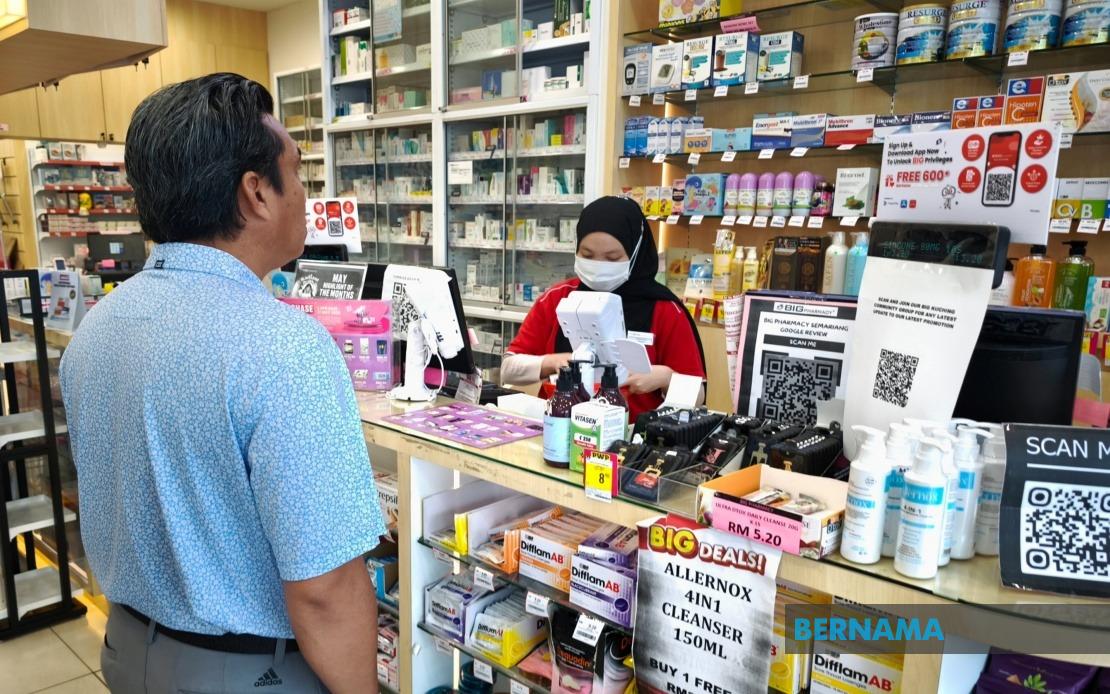
Ever wondered why your pharmacy’s promotional spending never seems to align with returns? Business owners often overlook how quickly display-related expenses accumulate, quietly eating into margins. Let’s unpack the true costs behind common merchandising tactics—and why transparency matters for maximizing ROI.
Breaking Down the Hidden Costs
Point-of-Sale Materials (POSM): Those eye-catching shelf talkers, wobblers, floor decals, and display stands aren’t just creative—they’re costly. Design, production, and frequent updates for these materials drain budgets faster than many anticipate.
Prime Shelf Real Estate: Securing premium placements (eye-level slots or high-traffic zones) in giants like Watsons, Guardian, or Alpro Pharmacy isn’t just competitive—it’s expensive. Chains levy monthly rental fees or demand percentage-based premiums, turning visibility into a recurring investment.
Live Demos & Sampling: In-store activations might drive trial, but staffing costs for demo teams and the “free” samples themselves add up. A weekend promotion? Factor in wages, training, and product giveaways—it’s rarely as budget-friendly as it seems.
Distribution Hurdles: Getting products onto shelves isn’t free. Wholesalers often charge hefty onboarding fees per SKU, while chains may impose promotional packages tied to store coverage or shelf type. Alpro Pharmacy, for instance, scales costs based on outlet numbers and display complexity.
The ROI Reality Check
Cumulatively, these expenditures form a significant portion of your budget—yet few track their combined impact. For example, fixed monthly display fees in regional chains can rival POSM production costs over time. Meanwhile, sampling campaigns might boost short-term sales but rarely justify their staffing overhead.
Strategic placement remains king. Premium skincare, over-the-counter meds, and supplements see higher returns when positioned strategically, as shoppers in these categories actively seek solutions. A wobbler at eye level? That’s gold. A floor sticker near checkout? Less impactful.
Success hinges on treating merchandising as a calculated investment—not a generic expense. Audit each cost layer, negotiate flexible distributor terms, and prioritize high-conversion zones. Because in pharmacy retail, every inch of shelf space (and dollar spent) needs to work harder.
Learn more : The Best POP Display Strategies for Pharma, Health & Wellbeing
Tangible Benefits of Merchandising for Pharmacies and Distributors

Ever wondered how much impact smart merchandising could have on your brand’s success? Beyond basic product placement, it’s a powerful tool for driving measurable results—especially in competitive spaces like pharmacy retail. Here’s what you need to know about its transformative potential:
1. Amplify Sales Performance
Visibility directly influences purchase decisions. Items placed at eye level or featured in dedicated displays consistently outsell those tucked away in less-trafficked zones. Pharmacies, where shelf space is prime real estate, see particularly dramatic shifts—products with strategic positioning can achieve up to double the sell-through rates of competitors hidden on lower racks.
2. Establish Market Authority
Dominating shelf presence doesn’t just move inventory—it cements brand authority. When shoppers repeatedly encounter your products in prominent locations, they begin associating your name with category leadership. Over time, this visibility translates into becoming the default choice for consumers, even in saturated markets.
3. Strengthen Retail Partnerships
Retailers prioritize collaborators who invest in mutual success. Brands that activate in-store campaigns—think seasonal endcaps, bundled deals, or staff-led promotions—often gain preferential treatment. Pharmacies, in particular, reward such initiatives with extended shelf placements, promotional support, and even exclusivity agreements.
Real-World Impact: A Case Study
Consider the success of a Malaysian collagen supplement brand struggling to stand out. By launching a targeted 60-day campaign featuring eye-catching endcap displays, complimentary samples, and pharmacist endorsements, they achieved a 35% revenue surge across Alpro pharmacy locations. Beyond immediate sales, the campaign solidified their relationship with the distributor—earning them permanent premium shelf positions and a stronger foothold in Malaysia’s competitive health market.
The lesson? Merchandising isn’t just about aesthetics; it’s a revenue multiplier and relationship-builder rolled into one. Whether through tactical displays or retailer collaborations, brands that master this balance don’t just sell products—they own categories.
Learn more : How to Optimize Pharmacy Product Placement for Maximum Impact
Measuring ROI: Tools, Metrics, and Real Examples

Understanding which strategies drive results requires sharp focus on performance tracking. For businesses operating in Malaysia’s competitive retail landscape, calculating return on investment (ROI) hinges on selecting metrics that align with campaign goals. Let’s explore the key indicators local teams monitor – and how they translate into actionable insights.
Sales Performance & Inventory Metrics
Tracking units sold per product SKU during active promotions remains foundational. This metric highlights demand fluctuations and identifies top-performing items. However, sales data alone doesn’t tell the full story.
Evaluating In-Store Marketing Materials
Point-of-sale materials (POSM) – including posters, shelf talkers, and display units – require rigorous assessment. Successful campaigns analyze three elements: percentage of outlets properly deploying materials, visibility relative to competitor placements, and whether installations remain intact throughout the campaign cycle.
Comparative Sell-Through Analysis
Savvy brands compare inventory turnover rates before, during, and after promotions. This temporal analysis reveals whether sales spikes represent temporary lifts or sustained demand shifts. One nutritional supplements manufacturer documented a 28% sustained sell-through increase across 100 pharmacies post-campaign, using this method to validate long-term strategy adjustments.
Frontline Staff Insights
Pharmacist feedback provides qualitative context to quantitative data. Their daily interactions reveal why customers choose specific products, how POSM influences decisions, and which health concerns drive purchases. This human element often explains anomalies in sales patterns.
Tools for Real-Time Monitoring
While basic spreadsheet tracking persists, more retailers now utilize POS system dashboards that merge sales data with promotional calendars. The supplement brand mentioned earlier combined both approaches, enabling them to recover campaign costs within 42 days and ultimately generate 2.7 times their initial spend.
The secret lies in balancing hard numbers with experiential data. By cross-referencing SKU performance, material effectiveness timelines, and staff observations, Malaysian businesses can pinpoint exactly which tactics deliver – and which need rethinking. Those who master this mix typically see faster payback periods and clearer paths to scaling successful initiatives.
Learn more : Pharma Sales Analysis Dashboard
The Role of Pharmacy Distributors in ROI-Driven Merchandising

Have you ever wondered how pharmaceutical brands efficiently execute large-scale merchandising campaigns without overspending? The answer lies in strategic partnerships with pharmacy distributors—particularly independent networks that act as the backbone of retail execution. These collaborators bridge the gap between brand strategy and on-the-ground implementation, offering tools and expertise that directly impact sales performance.
Independent distributor networks deliver specialized services designed to maximize campaign effectiveness. For instance, dedicated teams manage Point-of-Sale Material (POSM) deployment, ensuring promotional displays, signage, and product samples are installed in high-visibility areas. This precision prevents costly errors like misplaced assets or inconsistent branding. Additionally, shelf compliance audits are conducted to verify products are stocked according to planogram guidelines, minimizing out-of-stock scenarios and optimizing shelf presence. Beyond physical execution, advanced sell-through tracking systems provide real-time data analytics, allowing brands to monitor campaign performance, adjust tactics mid-flight, and quantify ROI with granular accuracy.
But the value of distributor partnerships doesn’t end there. Collaborative strategies often include training programs for pharmacists, equipping them with persuasive talking points to highlight product benefits during customer interactions. Bundling tactics—such as pairing complementary items or offering limited-time promotions—are also crafted to incentivize purchases. These efforts create a seamless shopping experience that drives basket size and customer loyalty.
For brands, the advantages are clear. By leveraging distributor networks, companies bypass the need to hire and manage large field teams, reducing overhead while maintaining campaign agility. Distributors’ localized expertise ensures compliance with regional regulations and consumer preferences, which can be challenging for centralized teams to replicate. Moreover, the synergy between data-driven insights and human execution fosters continuous improvement in merchandising strategies.
Ultimately, a well-integrated distributor relationship isn’t just about outsourcing—it’s about scaling intelligently. Brands gain the flexibility to launch nationwide campaigns without compromising on quality or speed. In an industry where shelf space and customer engagement are fiercely competitive, these partnerships transform logistical challenges into revenue opportunities. After all, isn’t the goal to ensure every campaign dollar works harder?
Learn more : Top 10 Pharmacy Merchandising Service Providers in Malaysia
ROI Benchmarks and Expectations in the Malaysian Market

When evaluating performance in pharmacy retail, a common question emerges: What qualifies as a strong return? ROI expectations differ significantly across product categories and marketing strategies, making context crucial. For over-the-counter (OTC) medications, returns typically hover between 1.5x to 2x when paired with in-store demonstrations. These live activations help educate shoppers, bridging the gap between product features and consumer needs.
Skincare products often outperform other categories, achieving up to 3x ROI—but this requires strategic investment. Premium point-of-sale materials (POSM) combined with digital campaigns, such as QR-linked tutorials or social media integrations, amplify perceived value and drive impulse purchases. Meanwhile, supplements sit in the middle ground, averaging 2x–2.5x returns. Their success frequently hinges on tactical placements like endcap displays and credibility boosts from pharmacist recommendations, which reassure cautious buyers.
When evaluating pharmacy partnerships, consider that chains like Watsons may demand higher listing fees but offer access to wider consumer bases, while independent stores provide targeted exposure through localized trust. The choice depends on brand priorities: scale versus personalized engagement. Regardless of channel, ROI analysis must tie directly to campaign goals. Awareness-building efforts might prioritize visibility metrics over immediate sales, whereas conversion-focused campaigns demand measurable purchase uplifts.
Recent analyses of Malaysia’s pharmacy sector reveal an industry shift toward data-driven strategies. Retailers increasingly favor merchandising backed by sales analytics and consumer behavior insights over conventional visual displays. This trend reflects broader market demands for accountability—brands that pair compelling in-store experiences with measurable outcomes gain stronger shelf presence.
Ultimately, there’s no universal “good” ROI. Brands must balance category norms, placement costs, and regional trends while staying agile. For instance, a 2.5x return might exceed expectations for supplements but underperform in premium skincare. Regularly revisiting benchmarks against market evolutions ensures campaigns stay competitive in this dynamic landscape. By aligning tactics with both numerical targets and qualitative engagement, businesses can navigate pharmacy retail’s complexities while maximizing profitability.
Overcoming Common ROI Pitfalls in Merchandising
Even well-funded marketing campaigns can crash and burn, leaving brands scratching their heads. What goes wrong? Often, it’s a mix of avoidable missteps—from poor planning to misaligned execution. Let’s unpack the common pitfalls derailing pharmacy campaigns and how to sidestep them.
1. Neglecting Promotional Material Visibility & Maintenance
Imagine spending thousands on eye-catching shelf wobblers, only for them to gather dust in stockrooms or hang crookedly in overlooked corners. Damaged, hidden, or incorrectly positioned POSM (point-of-sale materials) render investments invisible. Worse, broken displays can cheapen brand perception. Regular audits and staff training ensure materials stay functional and front-and-center.
2. Missing the Mark with Local Audiences
A campaign’s message might dazzle in boardrooms but flop on pharmacy floors. For instance, promoting premium skincare to budget-conscious shoppers or using jargon-heavy language alienates everyday customers. Tailoring content to local demographics—like emphasizing affordability in value-driven communities—builds relevance.
3. Overlooking Pharmacist Buy-In
Pharmacists are trusted advisors, yet brands often forget to equip them with product knowledge or incentives. Without engagement, they’re unlikely to advocate for your brand. One sleep patch company learned this the hard way: despite flooding 500+ stores with wobblers, they skipped pharmacist training. Result? Confused staff, disinterested customers, and stagnant sales.
4. Doubling Down on Weak Products
Pumping funds into underperforming SKUs wastes resources. Maybe that niche allergy spray isn’t resonating, or a seasonal item’s appeal has faded. Regular sales data reviews help reallocate budgets to high-potential products instead of sinking cash into duds.
The Takeaway: Adapt & Track Relentlessly
The sleep patch case underscores a universal truth: success hinges on real-time adjustments. Monitor POSM placement weekly, survey staff for feedback, and tweak messaging based on local trends. Blending data with grassroots insights turns generic campaigns into revenue drivers.
Bottom line? Throwing money at problems won’t fix them—but agility, alignment, and attention to detail will. After all, even the shiniest campaign fails if it doesn’t connect where it counts.
Strategic Recommendations to Maximize ROI

Pharmacy brands seeking to optimize their merchandising investments must move beyond generic strategies. The key lies in adopting a granular, analytics-powered framework tailored to Malaysia’s diverse retail ecosystem. Here’s how to transform budget allocation into measurable returns without sacrificing reach or relevance.
1. Hyper-Target Store Segmentation
Not all pharmacies operate identically. Urban outlets in Kuala Lumpur face different demands than suburban stores in Johor Bahru. High-traffic locations near transit hubs may prioritize grab-and-go health essentials, while niche pharmacies in residential areas might focus on chronic care products. By categorizing stores based on geography, footfall patterns, and customer profiles, brands can customize displays and promotions to match localized buying behaviors.
2. Align POS Materials with Category Dynamics
A one-size-fits-all approach to point-of-sale materials (POSM) wastes resources. Cold remedy displays thrive in air-conditioned sections, while skincare testers perform better near consultation counters. Analyze category performance data to deploy shelf talkers, posters, or digital screens where they’ll directly influence purchase decisions.
3. Bridge Physical & Digital Engagement
Modern shoppers toggle between aisles and apps. Sync in-store merchandising with mobile loyalty programs—for example, prompting QR code scans on vitamin displays for personalized discounts. Reinforce campaigns through social media retargeting, ensuring cohesive messaging from shelf to smartphone.
4. Capitalize on Seasonal Micro-Trends
Malaysia’s climate and cultural calendar drive predictable demand spikes. Time immunity-boosting bundles before monsoon flu seasons or spotlight hydration packs during Ramadan’s fasting periods. Proactive planning prevents stockouts and ensures promotional materials are live when interest peaks.
5. Leverage Distribution Partnerships
Collaborating with established pharmacy distribution networks in Malaysia—like those servicing the Klang Valley—creates a symbiotic advantage. Local partners offer insights into regional inventory turnover rates, helping brands adjust POSM rotations and avoid overstocking. Shared logistics reduce costs, while real-time sales data fine-tunes future campaigns.
By integrating these tactics, brands balance creativity with operational pragmatism. Minor imperfections in execution—like a delayed seasonal display or occasional POSM misplacement—are inevitable but manageable. The goal? Turn every ringgit into a tool for building customer connections, not just covering shelf space.
Ultimately, success hinges on treating merchandising as a living system, not a static expense. With the right data, timing, and local expertise, pharmacy brands can craft campaigns that resonate deeply while keeping waste—and risk—firmly in check.
Learn more : Key Trends Shaping Pharmacy Merchandising Services in Malaysia
In Malaysia’s competitive retail pharmacy landscape, merchandising transcends mere spending—it’s a calculated investment with measurable payoffs. Brands and pharmacies that dissect their cost frameworks, harness data-driven insights, and nurture distributor relationships consistently outperform competitors. By aligning campaign design with real-world analytics, businesses transform generic promotions into precision tools for boosting sales and customer engagement.
As stakeholders grow more discerning about marketing budgets, the pressure to demonstrate tangible ROI intensifies. Success now hinges on blending tactical product placement with agile performance monitoring. Pharmacies that deploy eye-catching POSM (Point-of-Sale Materials) while tracking shelf-level metrics gain a dual advantage: capturing shopper attention and refining tactics mid-campaign. This dynamic approach turns static displays into evolving profit drivers, ensuring resources aren’t just spent—they’re strategically leveraged.
📞 Ready to Transform Your Pharmacy’s Profit Potential?
Whether you’re a pharmaceutical innovator, skincare leader, or retail chain prioritizing flawless in-store execution, PriooCare Malaysia delivers tailored solutions. Our expertise spans ROI-focused POSM design, seamless distributor coordination, and granular sell-through analytics. Unlike one-size-fits-all agencies, we craft campaigns that resonate with local consumer behaviors while maintaining national scalability.
Why settle for guesswork? Partner with us to bridge the gap between merchandising effort and financial outcomes. From optimizing shelf layouts to decoding purchasing trends, our team equips you with tools to turn every square foot of retail space into a revenue generator.
How can we assist you today? 😊
Just let us know—we’re here to help!