

August 31, 2025
Why do some supplement shelves consistently attract more attention—and sales—than others?
In Malaysia’s competitive pharmacy space, visual merchandising is more than just making shelves look good. It’s an essential strategy for driving supplement sales, improving brand recognition, and guiding customers through purchase decisions. As pharmacies expand across urban and suburban areas, strategic visual merchandising becomes even more reliable in differentiating one outlet from another. For pharmacy distributor Malaysia networks and pharmacy wholesale distributors, the way products are presented is often the difference between passive foot traffic and active consumer engagement.
This article unpacks how layouts, themed visuals, and optimized shelf strategies are reshaping supplement merchandising in Malaysia’s evolving pharmacy landscape.
Understanding Malaysian Pharmacy Retail Environments
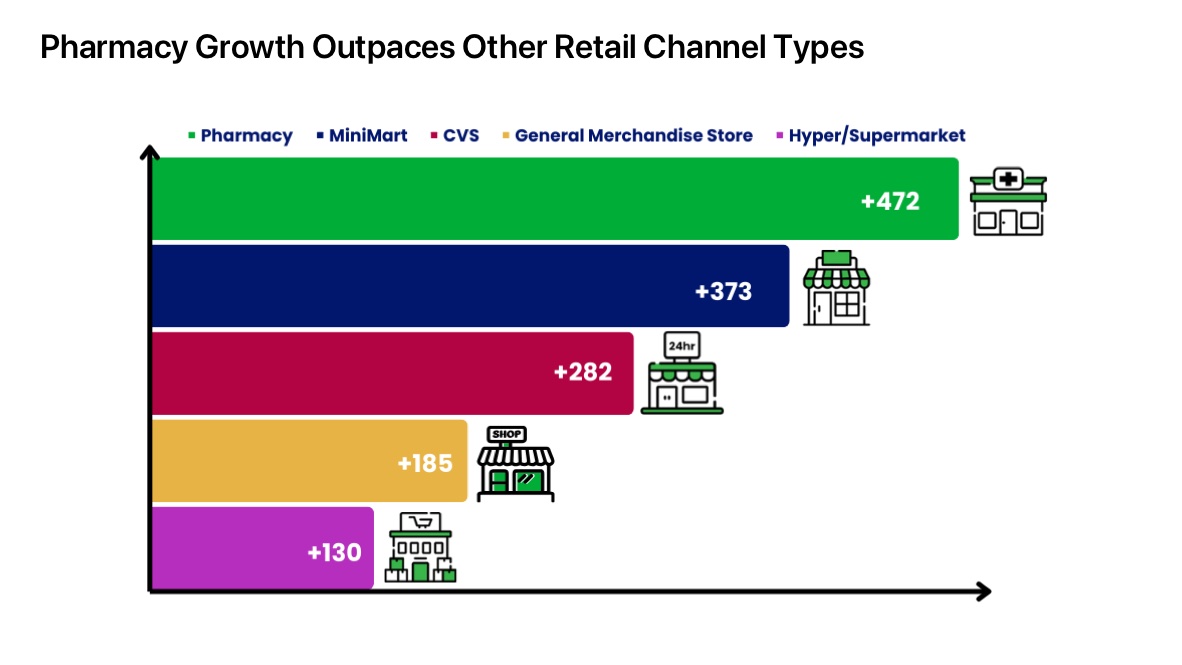
What makes Malaysia’s pharmacy ecosystem unique for supplement merchandising? The answer lies in the strategic interplay between consumer behavior, regulatory constraints, and the physical layout of stores. Unlike more uniform retail landscapes, Malaysia’s pharmacy sector is a patchwork of large urban chains, mid-sized regional players, and independent outlets—each with distinct merchandising needs. For trusted pharmacy distributor networks, this fragmentation demands a tailored approach to visual displays, ensuring compliance while maximizing engagement.
Take, for instance, the contrast between a bustling Kuala Lumpur pharmacy and a quieter suburban outlet in Ipoh. Urban stores often experiment with expansive wellness zones, dedicating entire sections to immunity boosters or beauty supplements. These spaces leverage eye-catching gondolas and thematic signage to capture attention. Meanwhile, suburban pharmacies prioritize efficient space utilization, relying on clear categorization and reliable shelf zoning to guide shoppers.
Consumer preferences further complicate the equation. Malaysian shoppers increasingly associate well-organized supplement displays with expert credibility—a perception reinforced by strict NPRA and MOH regulations. Displays that highlight approved claims (e.g., “supports immune health”) while avoiding prohibited language perform better. Consider these essential factors shaping Malaysia’s pharmacy merchandising:
-
Urban stores thrive on bold visuals and high-traffic placements, like checkout counters.
-
Suburban pharmacies benefit from intuitive layouts that reduce decision fatigue.
-
Localized branding—such as displays for Tongkat Ali or Eurycoma—builds trust in regional markets.
A proven example comes from a Johor Bahru pharmacy that redesigned its supplement section around usage occasions (e.g., “Energy & Vitality,” “Digestive Wellness”). Sales rose by 22% within three months, underscoring the power of strategic categorization.
Strategic Layout Planning for Supplement Displays

Transforming shelf space into a sales driver isn’t about luck—it’s about effective layout science. Malaysian pharmacies, especially those partnered with trusted distributor networks, are adopting data-backed techniques to optimize traffic flow and purchase behavior. The goal? Minimize confusion, maximize cross-selling, and create a seamless shopper journey.
One reliable tactic is hot zone targeting. Studies show that products placed at eye level (between 150–170 cm) attract 35% more attention than those on lower shelves. Pair this with planogram precision—aligning supplements with related health categories—and the impact multiplies. For example, positioning probiotics near digestive aids or collagen near skincare products encourages bundled purchases.
Here’s a practical framework for layout success:
✅ Traffic Flow Mapping
-
Place high-demand items (e.g., multivitamins) at the store’s “power aisle” (the first right-hand aisle, where 90% of shoppers turn).
-
Use endcaps for seasonal promotions, like vitamin C during monsoon flu season.
✅ Category Zoning
-
Group by function (e.g., “Joint Health,” “Sleep Support”) rather than brand loyalty.
-
Color-code shelves for faster navigation (e.g., green for herbal supplements).
✅ Space Allocation
-
Reserve 40% of premium shelf space for high-margin products.
-
Keep budget-friendly options at waist level for accessibility.
A Kuala Lumpur-based pharmacy wholesale distributor reported a 28% sales boost after implementing these techniques, proving that efficient layout planning isn’t just theoretical—it’s profitable.
Learn More : Ideas to Increase Pharmacy Sales
Visual Themes That Resonate with Malaysian Consumers

In a market as diverse as Malaysia, visual merchandising must balance cultural nuance with expert health positioning. Shoppers gravitate toward displays that feel both familiar and trusted—whether through festive themes or functional design.
Consider the success of seasonal merchandising. During Hari Raya, pharmacies in Penang saw a 30% spike in supplement sales by incorporating ketupat-shaped shelf displays and gold-accented signage. Similarly, Chinese New Year campaigns featuring red-and-gold vitamin bundles outperformed generic layouts by 18%. These themes tap into emotional triggers while maintaining strategic health messaging.
Cultural relevance is equally critical. A Selangor pharmacy boosted sales of traditional herbs by 40% after pairing products with earthy-toned POS materials and Malay wellness proverbs. Meanwhile, functional clarity—like color-coded labels for men’s/women’s health—reduces decision paralysis.
Key elements of effective visual themes:
-
Lighting: Soft, white LEDs convey hygiene; avoid harsh fluorescents.
-
Signage: Use bilingual labels (Malay/English) with digestible bullet points.
-
Texture: Mix matte and glossy packaging to create depth.
A proven case: A Melaka outlet using thematic lighting for its “Evening Relaxation” section (chamomile, magnesium) saw a 15% lift in nighttime supplement sales.
Learn More : Welcome to the New World of Merchandising | The Role of Localization in Public Health Campaigns
Shelf Placement Techniques That Drive Supplement Sales
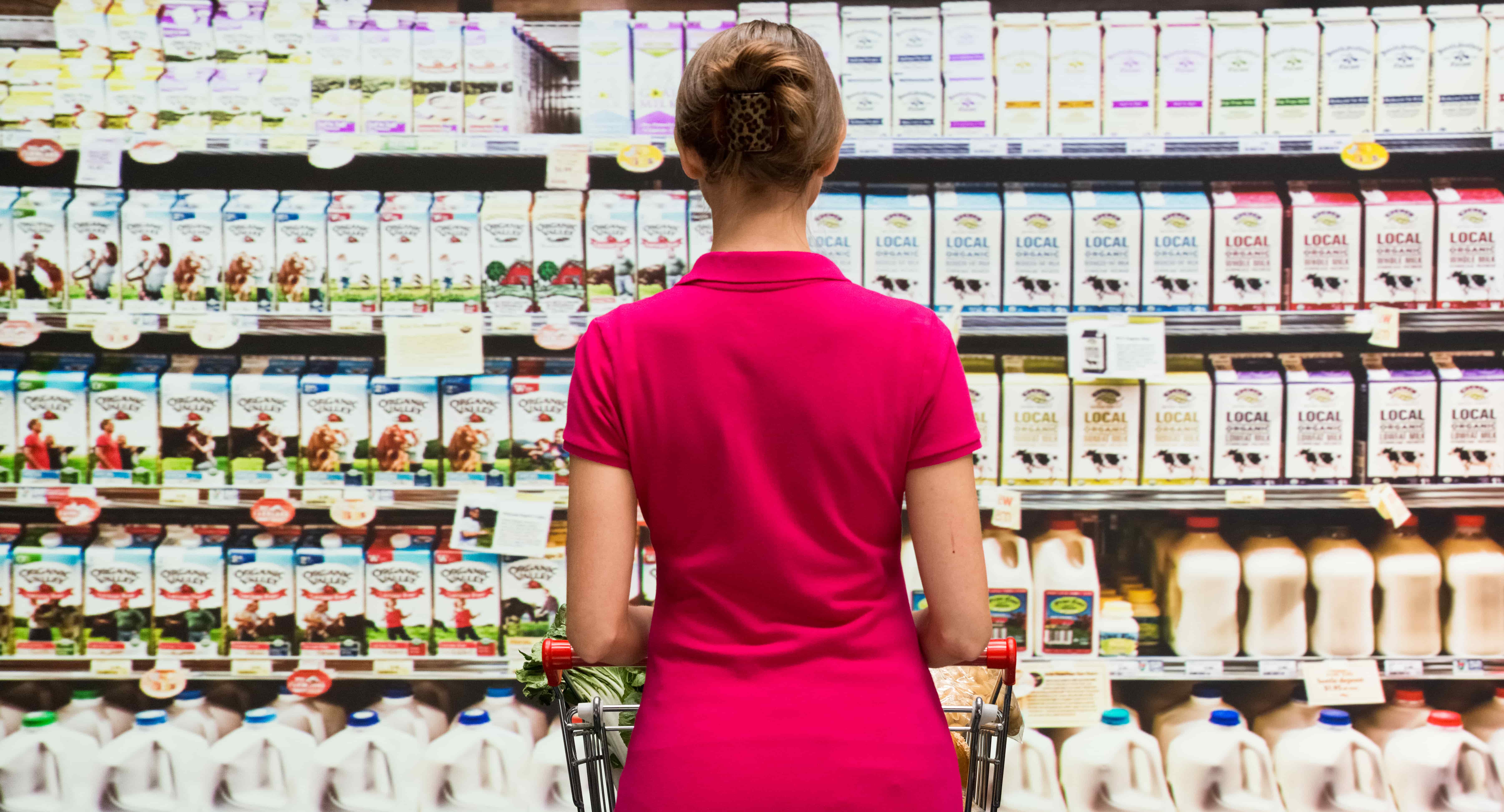
The battle for consumer attention is won or lost at the shelf edge. Malaysian pharmacies, particularly those working with reliable distributor partners, are leveraging strategic placement to turn browsers into buyers.
Vertical segmentation is a game-changer. Premium supplements (e.g., imported collagen) perform best at mid-eye level, while mass-market items (e.g., basic multivitamins) belong on lower shelves. This aligns with eye-tracking data showing shoppers spend 80% of their time scanning the middle third of displays.
Horizontal blocking—grouping similar-colored packaging—creates visual harmony. A Negeri Sembilan pharmacy reduced shopper dwell time by 25% after reorganizing shelves by color gradients (e.g., whites/creams for bone health, vibrant greens for detox).
Operational checklist for shelf success:
✔ Eye-Level = Prime Real Estate: Reserve for high-margin or new launches.
✔ Endcaps for Impulse Buys: Stock travel-sized supplements or limited editions.
✔ Cross-Merchandising: Pair vitamin D with sunscreen in summer months.
One trusted pharmacy distributor in Klang Valley documented a 32% sales increase post-implementation, proving that effective shelf science isn’t just about space—it’s about psychology.
Learn More : Great merchandising never goes out of fashion
Role of Pharmacy Distributors in Supporting Visual Merchandising
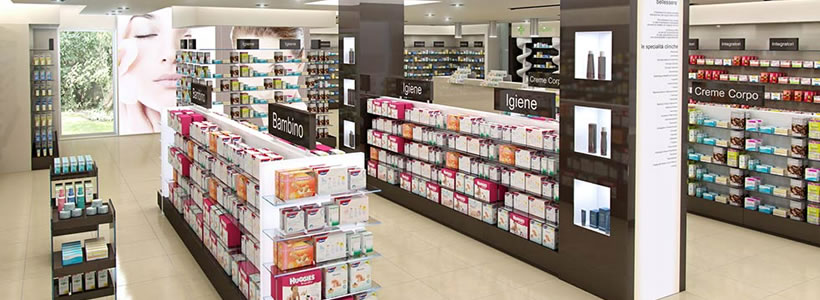
Behind every high-performing supplement shelf in Malaysia, there’s a strategic partnership between pharmacies and their trusted distribution networks. While many assume distributors merely handle logistics, the reality is far more effective—these partners play a pivotal role in shaping how products are presented, discovered, and purchased. For independent pharmacies, especially those without dedicated design teams, this collaboration isn’t just helpful—it’s essential for competing in a crowded market.
Take, for example, a small pharmacy in Kuching that struggled with stagnant supplement sales. By partnering with a reliable pharmacy distributor, they gained access to pre-designed planograms, seasonal POSM (Point of Sale Materials), and quarterly shelf audits. Within months, their vitamin aisle saw a proven 27% sales increase—proof that distributor support goes beyond stocking shelves.
What exactly do these tailored merchandising services include?
✅ Pre-Packed Display Modules
-
Ready-to-use shelving units for instant visual impact.
-
Ideal for pharmacies lacking in-house design resources.
✅ Seasonal End-Caps
-
Customizable promotional zones for festivals like Hari Raya or CNY.
-
One distributor’s Ramadan-themed vitamin display boosted sales by 34% in Seremban outlets.
✅ Compliance & Hygiene Audits
-
Ensures displays meet NPRA/MOH regulations.
-
Regular reporting prevents costly violations.
For chains like Caring or BIG Pharmacy, distributor partnerships ensure brand consistency across locations. But for independents, the value is even greater—these services level the playing field against larger competitors.
Learn More : Pharmacy Merchandising Services vs In-House Sales Teams: What Works Better?
Collaborating with Merchandising Teams and Brand Principals

Merchandising success hinges on alignment. When pharmacies, distributors, and brands work in isolation, the result is often disjointed displays, wasted materials, and missed sales opportunities. But when they collaborate strategically, the impact is undeniable.
Consider a prenatal supplement brand that partnered with a trusted pharmacy distributor in Penang. By co-developing a shelf plan with pharmacists, they positioned products near maternity care items—a simple but effective tweak that led to a 40% uplift in targeted sales.
Key benefits of cross-stakeholder collaboration:
✔ Demographic-Driven Displays
-
Urban KL pharmacies might highlight premium imported brands.
-
Rural outlets in Kelantan could focus on traditional herbs like Kacip Fatimah.
✔ Synchronized Campaigns
-
Coordinated launches ensure POSM arrives before stock.
-
One Johor Bahru pharmacy reduced wasted promotional materials by 60% through better planning.
✔ Educational Consistency
-
Aligning pharmacist training with shelf messaging reduces customer confusion.
-
A Melaka outlet reported higher supplement compliance rates after integrating QR-linked usage guides.
The lesson? Efficient merchandising isn’t a solo effort—it’s a symphony of expertise.
Learn More : Retail Merchandising Services Malaysia Contact Number
Measuring Effectiveness of Visual Merchandising in Supplements

Gone are the days of guessing whether a display works. Today’s proven approach relies on hard data, and forward-thinking pharmacy distributors are leading the charge with measurable KPIs.
A strategic example: A vitamin D campaign in Ipoh used heat-mapping technology to track shopper engagement. By adjusting shelf heights based on eye-tracking data, sales jumped 22% in under a month.
Essential metrics to track:
📊 Sales Uplift
-
Compare pre- and post-merchandising figures.
-
A Selangor pharmacy documented a 33% spike after redesigning their immunity section.
📊 Dwell Time
-
Cameras or staff observations reveal “hot spots.”
-
One study found customers spend 50% longer at color-blocked shelves.
📊 Conversion Rates
-
What percentage of browsers become buyers?
-
Displays with clear pricing saw 18% higher conversions in a Malacca trial.
Some distributors now provide digital dashboards, letting pharmacies track performance by SKU, store, or region in real time. This isn’t just merchandising—it’s reliable retail science.
Learn More : Conquering the retail shelf: New omnichannel strategies that win
Common Mistakes in Supplement Merchandising—and How to Avoid Them
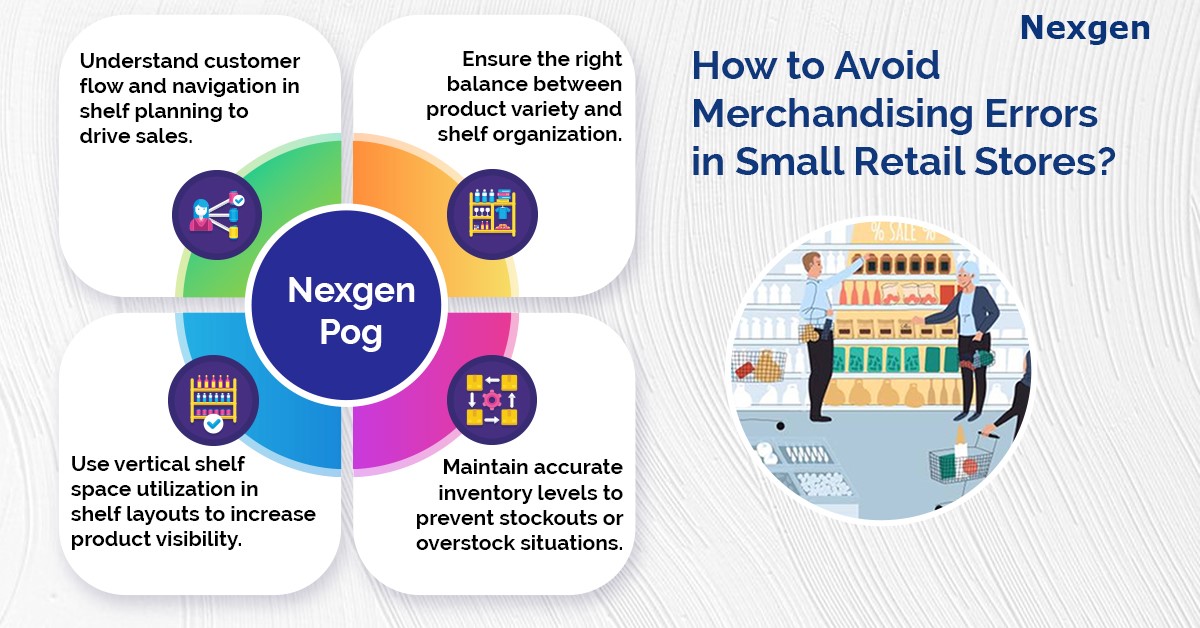
Even with the best intentions, pharmacies often fall into traps that sabotage shelf performance. Based on audits by trusted distributor teams, here are the top pitfalls—and expert fixes:
🚫 Overcrowded Shelves
-
Cluttered displays overwhelm shoppers.
-
Fix: Follow the “30% empty space” rule for visual breathing room.
🚫 Inconsistent Signage
-
Mixed fonts or conflicting claims erode trust.
-
Fix: Use distributor-provided templates for uniformity.
🚫 Ignoring Local Preferences
-
A Chinese-majority neighborhood might respond poorly to Malay-heavy visuals.
-
Fix: Demographic audits should guide theme choices.
A Klang Valley pharmacy reversed a 15% sales decline simply by decluttering and reorganizing shelves by usage occasion—a strategic move suggested by their distributor.
As Malaysian pharmacies evolve, so must their approach to visual merchandising. The winning formula blends data-driven precision with cultural nuance, backed by reliable distributor partnerships.
For brands and retailers alike, the opportunity is clear: Effective displays don’t just showcase products—they guide decisions, build trust, and ultimately, drive revenue.
Frequently Asked Questions (FAQ)
Q1: What are merchandising services?
Answer:
Merchandising services refer to professional support activities that ensure products are displayed, stocked, priced, and promoted correctly in retail stores. These services improve product visibility, maintain planogram compliance, and help retailers and brands boost sales performance.
Q2: What is an example of a merchandising service?
Answer:
An example is planogram execution, where a merchandiser arranges products on shelves according to a layout provided by the brand or retailer to ensure correct placement, facings, and category alignment.
Q3: What are the 4 types of merchandise?
Answer:
The four main types are convenience goods, shopping goods, specialty goods, and unsought goods, each classified based on consumer buying behavior and decision-making effort.
Q4: What are 5 examples of merchandising companies?
Answer:
Five examples include retail chains or service providers such as Walmart, Tesco, Aeon, Advantage Solutions, and Premium Retail Services, which offer both in-store merchandising and retail execution services.
Q5: What is a merchandising service team?
Answer:
A merchandising service team consists of trained personnel who visit stores to restock products, arrange shelves, update point-of-sale materials, check inventory levels, and ensure brand compliance.
Q6: What is a merchandise management system?
Answer:
A merchandise management system is a retail software platform that handles product planning, inventory control, pricing, purchasing, and sales tracking to optimize stock flow and reduce operational errors.
Q7: What is an example of a merchandising company?
Answer:
An example is Advantage Solutions, a global provider that offers in-store merchandising, retail support, product resets, and promotional execution for brands and retailers.
Q8: Is merchandising part of the supply chain?
Answer:
Yes. Merchandising is linked to the supply chain because it ensures the final step of product availability—making sure goods delivered by distributors are correctly displayed and accessible to customers.
Q9: What is merchandising in logistics?
Answer:
Merchandising in logistics refers to coordinating product flow from warehouses to retail shelves, ensuring timely replenishment, accurate stock levels, and correct placement to support sales and operational efficiency.
Q10: What is merchandising of goods and services?
Answer:
It involves presenting goods and services in a way that attracts customers, improves understanding, and increases purchase likelihood through proper placement, clear information, and consistent presentation across retail touchpoints.
How can we assist you today? 😊
Just let us know—we’re here to help!