

August 17, 2025
When we talk about distribution services in the Malaysian healthcare sector, we’re referring to far more than just moving boxes from point A to point B. Unlike general logistics, pharmacy distribution demands precision, regulatory compliance, and specialized handling—especially when dealing with sensitive products like prescription drugs, vaccines, and biologics.
At its core, pharmaceutical distribution ensures that medicines and healthcare products reach hospitals, clinics, and retail pharmacies safely, efficiently, and without compromise. This involves:
✅ Licensed intermediaries (distributors, wholesalers, and logistics providers)
✅ Temperature-controlled storage (for vaccines, insulin, and other cold-chain products)
✅ Strict documentation (batch tracking, expiry monitoring, and regulatory filings)
✅ Last-mile reliability (timely deliveries to urban and rural areas alike)
In Malaysia, trusted distributors play a strategic role in bridging the gap between manufacturers and end-users. Whether it’s a multinational pharmaceutical giant supplying Klang Valley hospitals or a local supplement brand entering East Malaysian pharmacies, the right distribution partner can make or break market success.
Key Types of Pharmacy Distributors in Malaysia

Not all pharmacy distributors operate the same way. Depending on your product type, target market, and operational scale, you’ll need to choose between three primary models:
1. Pharmacy Wholesale Distributors (National Coverage)
These high-volume players serve large pharmacy chains like Guardian, Watsons, and Caring, making them ideal for brands aiming for mass-market penetration.
Pros: Wide reach, established relationships with major retailers, bulk handling capabilities
Cons: Less flexibility for niche products, slower onboarding for new brands
Local Example: A Malaysian-made pain relief brand partners with a national wholesaler to ensure shelf presence in 1,000+ pharmacies across Peninsular Malaysia and Sabah/Sarawak.
2. Independent Pharmacy Distributors (Regional or Niche Focus)
Smaller but highly specialized, these distributors cater to local health brands, traditional medicines, and rural pharmacies that need personalized service.
Pros: Faster adaptation, tailored support for product launches, better rural access
Cons: Limited scalability, may lack cold-chain infrastructure
Local Example: A Kuala Lumpur-based herbal supplement company uses an independent distributor to supply traditional medicine shops in Kelantan and Terengganu, where demand for natural remedies is high.
3. Exclusive Distributor Pharmacy Models (End-to-End Control)
Some brands—especially imported medical devices or specialty drugs—appoint a single exclusive distributor to manage everything from importation to retail placement.
Pros: Centralized control, consistent branding, aligned incentives
Cons: High dependency—if the distributor underperforms, the entire supply chain suffers
Local Example: A German skincare brand appoints an exclusive distributor in Malaysia to handle customs clearance, marketing, and pharmacy placements, ensuring brand integrity across all touchpoints.
Choosing the right model depends on your business goals, product sensitivity, and growth stage. A proven distributor with efficient processes can mean the difference between market dominance and logistical headaches.
Learn More : The Role of Distribution in Promoting Malay Products Locally and Globally
Distribution Channels and Workflows in Malaysian Healthcare

Ever wondered how a packet of antibiotics travels from a factory in Selangor to a rural clinic in Sarawak? The journey involves multiple checkpoints, compliance layers, and logistical precision. Here’s a step-by-step breakdown of Malaysia’s pharmaceutical supply chain:
1. Manufacturing & Importation
Locally produced drugs come from GMP-certified facilities (e.g., Pharmaniaga’s plant in Bangi).
Imported medicines require NPRA approval and customs clearance before entering distribution.
2. Warehousing & Storage
GDP-compliant warehouses (temperature-monitored, secure, and audited) store products before dispatch.
Cold-chain products (vaccines, insulin) are kept in validated refrigerated units to prevent spoilage.
3. Order Processing & Inventory Management
Distributors use pharmacy management systems (e.g., RxWorks, UDIS) to track stock levels.
Automated replenishment ensures pharmacies never run out of critical medicines.
4. Transportation & Last-Mile Delivery
Refrigerated trucks maintain 2°C–8°C for biologics during transit.
Urban hubs (Klang Valley, Johor Bahru) get daily deliveries, while East Malaysia may face longer lead times.
Real-World Challenge: During COVID-19 vaccine rollouts, Malaysia’s trusted distributors had to prioritize cold-chain integrity, ensuring Pfizer and Sinovac doses remained effective despite logistical hurdles.
Learn More : How to Build a Successful Distribution Network in Malay-Speaking Areas | Reimagining cold chain logistics in pharmaceuticals
Regulatory Framework & NPRA Guidelines Impacting Distributors

Operating a pharmacy distribution service in Malaysia isn’t just about moving products—it’s about following the law. The National Pharmaceutical Regulatory Agency (NPRA) and Ministry of Health (MOH) enforce strict rules to protect public health.
Key Regulations Every Distributor Must Follow:
✔ Poison License (Group A & B Drugs) – Required for selling prescription medicines.
✔ Good Distribution Practice (GDP) – Ensures proper storage, handling, and documentation.
✔ Batch Traceability – Every product must be trackable from factory to pharmacy.
✔ Shelf-Life Monitoring – Distributors must rotate stock to prevent expired products from reaching shelves.
Non-compliance risks:
Fines, license suspension, or blacklisting for violations.
Product recalls if storage conditions are breached (e.g., insulin exposed to heat).
Local Example: In 2022, a Kuala Lumpur distributor lost its operating license after NPRA audits revealed improper storage of antibiotics, leading to nationwide shortages.
How Reliable Distributors Stay Compliant
Regular MOH audits and staff training on GDP standards.
Digital tracking systems for real-time batch monitoring.
Strategic partnerships with KKM-approved logistics providers.
For healthcare brands, choosing a compliant distributor isn’t optional—it’s essential for long-term success.
Learn More : Good Distribution Practice (GDP) guidelines for pharmaceutical products
Operational Challenges in Malaysia’s Pharmacy Distribution

Even with efficient systems, distributors face unique hurdles in Malaysia’s fragmented market:
1. Geographic Disparities (Urban vs. Rural Access)
Klang Valley pharmacies receive next-day deliveries, but East Malaysian clinics may wait 5–7 days.
Solution: Some distributors use air freight for critical medicines to Sabah/Sarawak.
2. Regulatory Delays (Customs, NPRA Approvals)
Imported specialty drugs can get stuck in Port Klang for weeks awaiting clearance.
Solution: Pre-submission audits and local regulatory experts speed up approvals.
3. Counterfeit & Illegal Products
The Malaysian Pharmacists Society (MPS) estimates 5%–10% of medicines in circulation are fake or substandard.
Solution: Blockchain-based tracking (pilot programs in private hospital chains).
4. Cold-Chain Breakdowns
A 2023 MOH report found 12% of vaccine shipments had temperature excursions due to poor logistics.
Solution: IoT-enabled cold chain monitoring for real-time alerts.
Strategic distributors don’t just react to problems—they anticipate them, ensuring uninterrupted healthcare access nationwide.
Future Trends Shaping Pharmacy Distribution in Malaysia

The industry isn’t static. Emerging trends are redefining how medicines reach patients:
1. Digital Pharmacy Platforms (Telemedicine & E-Prescriptions)
DoctorAnywhere, MyDoc, and Speedoc now prescribe digitally, forcing distributors to integrate with e-pharmacies.
2. AI-Powered Demand Forecasting
Predictive analytics help distributors anticipate shortages (e.g., flu season spikes).
3. Sustainable Logistics (Green Warehousing, EV Fleets)
Sunway Medical Centre now uses electric vans for Klang Valley deliveries, cutting emissions.
4. Direct-to-Patient (DTP) Distribution
Chronic disease patients (diabetes, hypertension) can now order refills via app, bypassing pharmacies.
The bottom line? The pharmacy distribution service in Malaysia is evolving—adapt or get left behind.
Learn More : Optimizing health system supply chain performance
Choosing the Right Distribution Partner: A Practical Checklist

Not sure how to pick a reliable distributor? Use this expert-vetted checklist:
✅ Compliance & Licensing
☑ Valid NPRA and Poison licenses
☑ GDP-certified warehouses
☑ KKM audit history (no major violations)
✅ Operational Capabilities
☑ Cold-chain logistics for sensitive products
☑ Real-time tracking systems
☑ Coverage in your target regions (West vs. East Malaysia)
✅ Performance Track Record
☑ On-time delivery rate (ideally >95%)
☑ Inventory accuracy (minimal stock discrepancies)
☑ References from similar brands
Pro Tip: Always visit their warehouse—if storage conditions are poor, walk away.
Case Study: How a Malaysian Skincare Brand Scaled Nationwide

A local organic skincare startup wanted to expand from boutique stores to major pharmacy chains. Here’s how they did it:
Started with an independent distributor for Klang Valley to test demand.
Switched to a national wholesaler after securing Guardian and Watsons listings.
Used exclusive distributors for East Malaysia, where logistics are trickier.
Result: 300% revenue growth in 18 months, with zero stockouts during peak seasons.
Final Thoughts
The pharmacy distribution landscape in Malaysia is complex but manageable—if you understand the rules, pick the right partners, and stay ahead of trends. Whether you’re a healthcare brand, pharmacist, or logistics provider, efficient distribution isn’t just a backroom operation—it’s the backbone of public health.
Miss one link in the chain, and the entire system suffers.
Strategic Benefits of Working with a Pharmacy Distributor in Malaysia
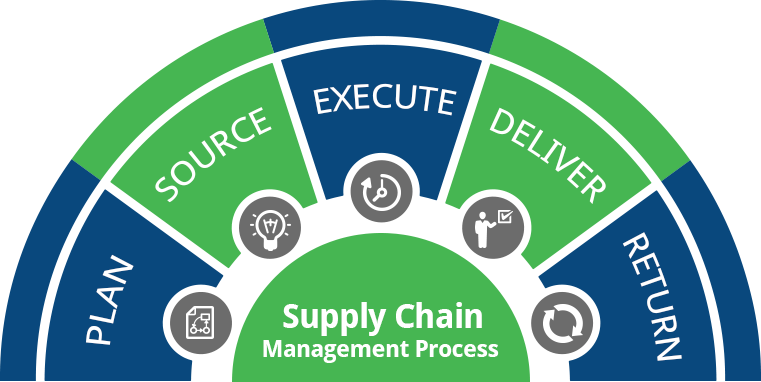
Managing pharmaceutical distribution in-house might seem like a cost-saving move, but in reality, partnering with a trusted distributor offers strategic advantages that far outweigh DIY logistics. The complexities of regulatory compliance, cold-chain management, and nationwide coverage make expert distribution partners an essential part of the healthcare supply chain.
Cost Efficiency & Consolidated Logistics
One of the biggest perks? Lower operational costs. Distributors consolidate shipments from multiple brands, reducing transportation expenses and warehousing overheads. For a small pharmacy in Penang, this means no need to maintain large storage spaces—products arrive just in time without excess inventory tying up capital.
Real-World Example: A Kuala Lumpur-based supplement brand cut logistics costs by 40% after switching from self-distribution to a national pharmacy wholesaler, leveraging their existing delivery networks and bulk discounts.
Faster Market Access & Compliance Support
Launching a new product? Distributors streamline regulatory hurdles, from NPRA approvals to KKM documentation. They also provide faster shelf placement in retail chains like Watsons or Caring, bypassing lengthy negotiations.
Local Scenario: When a popular Korean skincare line entered Malaysia, its exclusive distributor handled customs clearance, labeling compliance, and retail onboarding—cutting the market entry timeline from 6 months to just 8 weeks.
Inventory Optimization & Demand Forecasting
Running out of stock hurts sales—and patient care. Reliable distributors use AI-driven demand forecasting to:
✔ Predict seasonal spikes (e.g., flu season, festive demand)
✔ Prevent overstocking (reducing expired product waste)
✔ Automate replenishment (so pharmacies never face shortages)
Malaysian Case Study: During COVID-19, a Johor Bahru pharmacy chain avoided Panadol shortages by partnering with a distributor using real-time inventory tracking, ensuring restocks before critical depletion.
Tailored Reach (Urban & Rural Coverage)
While Klang Valley pharmacies enjoy next-day deliveries, rural areas like Sarawak or Pahang often face longer lead times. A strategic distributor bridges this gap with:
Dedicated East Malaysia supply routes
Cold-chain logistics for temperature-sensitive drugs
Localized warehousing to cut delivery delays
Proven Solution: A Kuching-based clinic reduced antibiotic stockouts by 70% by switching to a regional distributor with dedicated Sabah/Sarawak operations.
Learn More : The Importance of Distribution in Malay Markets | Retailers and health systems can improve care together
Evaluating and Selecting the Right Distributor Pharmacy Partner

Choosing a distribution partner isn’t just about who can move boxes fastest—it’s about long-term alignment with your brand goals, compliance needs, and customer reach. Here’s a step-by-step framework to pick the best-fit partner:
1. Product & Market Alignment
Not all distributors handle specialty drugs, supplements, or medical devices. Ask:
☑ Do they have experience with your product category?
☑ Can they manage cold-chain logistics (if needed)?
☑ Do they serve your target regions (e.g., East vs. West Malaysia)?
Example: A Kedah-based traditional medicine brand partnered with a niche distributor specializing in herbal products, ensuring proper storage and marketing support in rural pharmacies.
2. Licensing & Compliance Track Record
A distributor’s paperwork is as critical as their trucks. Verify:
☑ Valid NPRA & Poison licenses (for regulated drugs)
☑ GDP-certified warehouses (non-negotiable for vaccines)
☑ Clean audit history (no past violations with MOH)
Red Flag: A Selangor medical device supplier lost KKM approval after audits revealed improper storage conditions—costing their partners months of delays.
3. Operational Capabilities
Efficiency matters. Key checks:
☑ Delivery speed (urban vs. rural turnaround times)
☑ Tech integration (real-time tracking, e-ordering platforms)
☑ Crisis response (how they handle shortages, recalls)
Checklist for Testing Reliability:
Place a trial order—monitor delivery accuracy & condition.
Visit their warehouse—check temperature controls, organization.
Ask for client references—especially brands in your niche.
4. Support Services (Beyond Logistics)
The best distributors add value through:
✔ Merchandising support (in-pharmacy displays, promo execution)
✔ Sales data insights (which SKUs perform best in which regions)
✔ Regulatory updates (alerting brands to new NPRA guidelines)
Strategic Move: A Malacca-based health brand boosted retail sales by 25% after their distributor trained pharmacy staff on product benefits.
Exclusive vs. Multi-Partner Models
Exclusive distributors = Full control, but high dependency.
Multi-partner networks = Broader reach, but complex coordination.
Malaysian Example: A Singaporean pain relief brand uses one exclusive distributor for Peninsular Malaysia but regional partners for East Malaysia—balancing control with localized expertise.
Challenges in Distribution: Common Issues Faced by Malaysian Pharmacies

Even with a reliable distributor, challenges arise. Recognizing these early helps mitigate risks:
1. Stockouts & Supply Gaps
Festive seasons, outbreaks, or import delays can empty shelves fast.
Solution:
Dual-supplier strategy (primary + backup distributor)
Safety stock agreements (contractual minimum inventory levels)
Local Insight: During Chinese New Year 2023, Penang pharmacies avoided vitamin shortages by pre-ordering 4 weeks early via their distributor’s demand alerts.
2. Rural Access Barriers
East Malaysia’s logistics remain patchy, with:
Fewer GDP-compliant warehouses
Limited cold-chain options
Longer customs clearance (for imported drugs)
Proven Workaround: Some Sarawak clinics now pool orders with nearby hospitals to qualify for bulk shipments, cutting costs and delays.
3. Outdated Catalogs & Slow SKU Updates
Pharmacies lose sales when distributor portals list discontinued products or lag in new launches.
Fix:
✔ Monthly catalog audits
✔ Automated inventory sync (linking pharmacy POS systems to distributor databases)
Tech-Driven Example: A Kuala Lumpur retail chain integrated its inventory software with its distributor’s live stock feed, reducing manual order errors by 90%.
Trends Shaping the Future of Pharmacy Distribution in Malaysia

The industry isn’t static. Five key trends are redefining how medicines reach patients:
1. AI & Predictive Analytics
Forecasting demand spikes (e.g., dengue season)
Automating reorders before stock runs low
Data Point: Early-adopter distributors report 30% fewer stockouts after implementing AI-driven replenishment.
2. E-Commerce & Direct-to-Patient (DTP) Models
Telemedicine platforms (like DoctorAnywhere) now prescribe & deliver
- Chronic patients get auto-refills via app
Malaysian Case: During 2022’s Omicron wave, MyDoc’s partnership with pharma distributors enabled contactless deliveries of antivirals to high-risk patients.
3. Green Logistics
Electric delivery fleets (trials in Sunway City)
Recyclable pharma packaging (reducing plastic waste)
4. Regional Hub Expansion
New warehousing hubs near Port Klang and Penang aim to:
Speed up imports
Cut last-mile costs
5. Rise of Niche Distributors
Smaller, specialized players are gaining traction for:
Vegan supplements
Rare disease drugs
Bioidentical hormones
Aligning Distribution Strategy with Pharmacy Growth Goals

Whether you’re a startup health brand or a decades-old pharmacy chain, your distribution model must evolve with your ambitions.
For Market Expansion:
National wholesalers = Mass retail penetration
Regional specialists = East Malaysia or rural focus
For Compliance-Heavy Products:
Exclusive distributors = Tighter control over handling
For Speed & Flexibility:
Hybrid models = Mix of large + niche partners
Final Thought: In Malaysia’s fast-changing healthcare landscape, a strategic distributor isn’t just a vendor—they’re a growth partner.
📌 Need a Distribution Solution Tailored to Your Needs?
How can we assist you today? 😊
Just let us know—we’re here to help!