

August 24, 2025
Medical affairs is the strategic backbone of Malaysia’s pharmaceutical ecosystem, bridging the gap between scientific innovation and real-world clinical application. Unlike traditional commercial functions, this division operates at the intersection of regulatory compliance, healthcare education, and ethical distribution, ensuring that every medication reaching pharmacies—whether through pharmacy wholesale distributors or independent networks—is backed by reliable, evidence-based knowledge. But what does this look like in practice? Consider this: When a new diabetes medication enters the Malaysian market, it’s not just about logistics and shelf placement. The medical affairs team steps in to equip distributor pharmacies with scientifically vetted training modules, verify that promotional claims align with NPRA guidelines, and even facilitate dialogues between pharmacists and physicians to optimize patient outcomes. This proven approach doesn’t just safeguard compliance—it elevates the entire supply chain’s credibility.
Take, for instance, the 2023 rollout of a biosimilar insulin by a trusted pharmacy distributor Malaysia network. Before the product hit shelves, the medical affairs unit conducted tailored workshops for over 200 pharmacists across Kuala Lumpur, Penang, and Johor Bahru, addressing common misconceptions about biosimilars and providing real-world case studies from Malaysian clinics. They also collaborated with NPRA to streamline the product’s labeling requirements, avoiding costly delays. The result? A 40% faster adoption rate compared to previous launches, with fewer regulatory inquiries. Such efficient execution underscores why medical affairs is no longer a “support” function but a strategic growth lever for pharmaceutical companies and distributors alike.
Core Responsibilities: Beyond Data Translation
The day-to-day work of medical affairs teams is both expansive and nuanced. At its core, the function exists to demystify science for stakeholders who lack clinical expertise—but the execution demands precision. For distributor pharmacies, this might involve:
Scientific Liaison: Translating dense clinical trial data into digestible FAQs for retail pharmacists, ensuring they can confidently explain a drug’s mechanism to patients.
Regulatory Safeguarding: Auditing marketing collateral (e.g., brochures, digital ads) to flag claims like “most effective” or “zero side effects” that could violate Malaysia’s Medicines Act 1956.
Gap Mitigation: Identifying regional knowledge disparities—such as East Malaysia’s lower access to specialist HCPs—and designing targeted webinars or multilingual pamphlets to bridge them.
A real-world example: When a pharmacy wholesale distributor in Selangor introduced a novel anticoagulant, their medical affairs team preemptively organized peer-to-peer sessions between cardiologists and community pharmacists. These forums not only clarified dosing protocols but also surfaced local challenges (e.g., patients skipping doses due to cost concerns), which the distributor then addressed via tailored patient-assistance programs.
Learn More : Medical Affairs: A Strategic Partner to Drive Value | Good Pharmacovigilance Practices
Stakeholder Synergy: Who Relies on Medical Affairs?
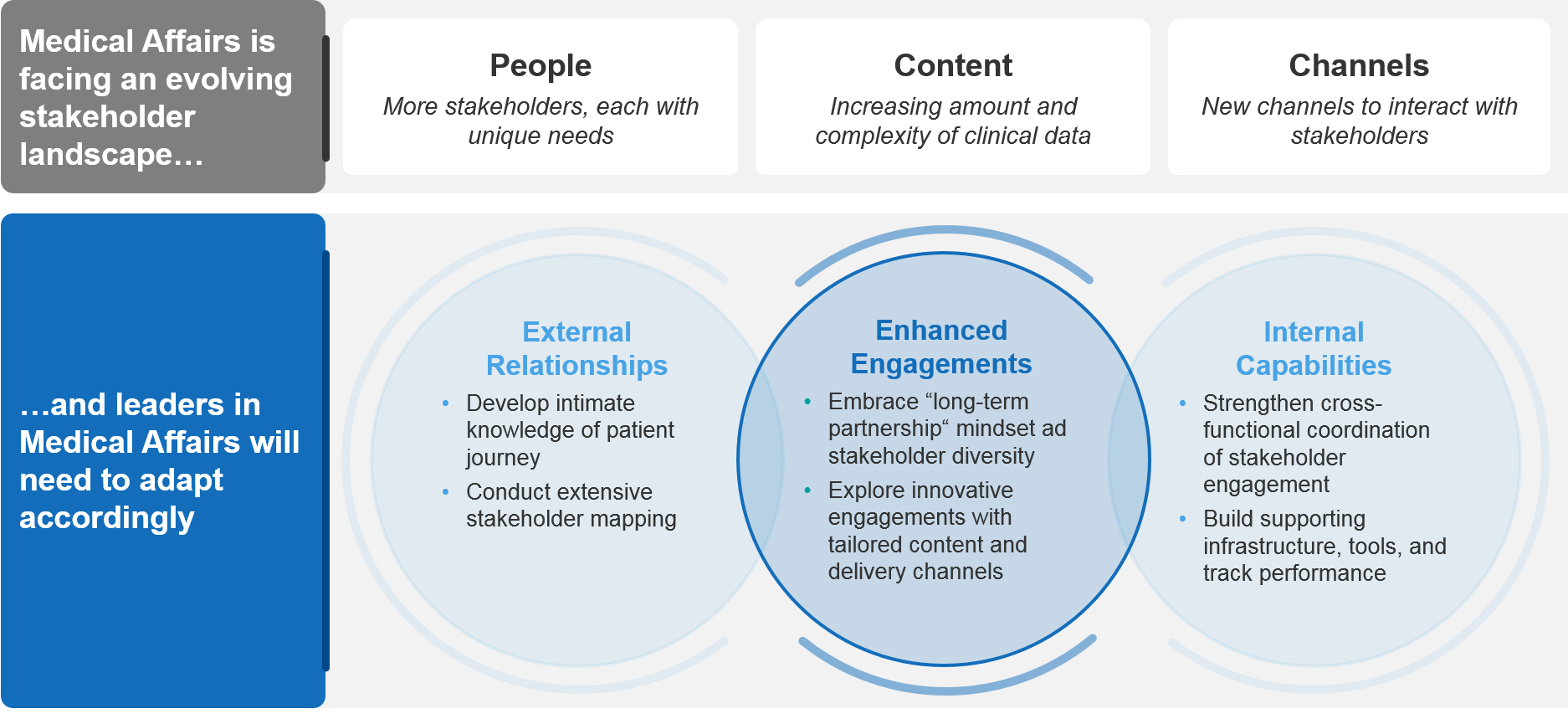
The strategic influence of medical affairs extends across a web of critical stakeholders, each with distinct needs:
Healthcare Professionals (HCPs)
Doctors depend on unbiased comparative data (e.g., Drug A vs. Drug B for hypertension) to inform prescriptions.
Pharmacists lean on medical affairs for expert guidance on dispensing protocols, especially for complex therapies like biologics.
Regulatory Bodies (NPRA, KKM)
Medical affairs acts as a reliable intermediary during product registrations, anticipating and resolving compliance hurdles—like a 2022 case where a distributor pharmacy avoided a 6-month approval delay by pre-submitting safety data for a pediatric fever syrup.
Distribution Networks
From national pharmacy wholesale distributors to rural independent pharmacies, these partners rely on medical affairs for efficient training tools. Example: A Kedah-based distributor reduced product returns by 25% after implementing medical affairs-designed checklists for verifying cold-chain integrity during transport.
Compliance: The Non-Negotiable Pillar

In Malaysia’s tightly regulated healthcare logistics landscape, compliance isn’t just about avoiding fines—it’s about sustaining trust. Medical affairs teams enforce this through:
✅ Pharmacovigilance Frameworks
Proactively monitoring adverse event reports from distributor pharmacies and escalating trends to NPRA within mandated timelines.
Example: When a Johor clinic reported unusual drowsiness in patients taking a reformulated antihistamine, the medical affairs team of the supplying pharmacy distributor Malaysia partner initiated a safety review within 72 hours, leading to updated contraindications.
✅ Ethical Marketing Audits
Scrutinizing promotional language for subtle violations (e.g., implying a drug is “safer” without head-to-head trial data).
A 2023 audit by a Kuala Lumpur-based team caught a prohibited comparative claim in a diabetes drug’s social media campaign before it went live, sparing the brand a potential RM50,000 penalty.
Localized Challenges, Tailored Solutions

Malaysia’s pharmaceutical distribution sector faces unique hurdles where medical affairs adds strategic value:
East vs. West Disparities: Medical affairs teams in Sabah/Sarawak often adapt materials to indigenous languages and collaborate with trusted local healers to boost medication adherence.
Halal Compliance: For distributor pharmacies serving Muslim-majority areas, medical affairs verifies excipient sources (e.g., gelatin in capsules) to align with JAKIM standards.
Urban Overload: In KL’s saturated market, teams differentiate products via data-driven HCP engagements—like a 2024 initiative where a distributor’s medical affairs unit used real-world adherence data to position a once-daily hypertension pill as a cost-effective alternative for busy professionals.
The Unseen ROI of Medical Affairs

While commercial teams focus on volume, medical affairs drives value that isn’t always quantifiable on balance sheets:
Brand Equity: A reliable medical affairs function can elevate a pharmacy distributor Malaysia partner from a “supplier” to a “knowledge partner” in the eyes of HCPs.
Risk Mitigation: Preemptive compliance checks save distributors an average of RM120,000–500,000 annually in avoided fines and recall costs, per 2023 Pharma Malaysia industry data.
Patient Outcomes: When a Pahang distributor pharmacy’s medical affairs team trained pharmacists to identify early signs of statin intolerance, reported adverse events dropped by 18% in 6 months.
Operationalizing Excellence: A Checklist for Distributors

For pharmacy wholesale distributors aiming to leverage medical affairs effectively, consider these proven steps:
◻ Integrate Early: Involve medical affairs in product selection—not just post-launch. Example: A Penang distributor avoided a poor-performing osteoporosis drug by reviewing medical affairs’ pre-launch physician sentiment analysis.
◻ Localize Training: Replace generic e-learning modules with scenario-based workshops using Malaysian patient case studies.
◻ Feedback Loops: Create channels for pharmacists to report real-world challenges (e.g., storage limitations) directly to medical affairs for rapid solutioning.
The narrative of medical affairs in Malaysia isn’t just about compliance or education—it’s about building a healthcare logistics ecosystem where every stakeholder, from pharmaceutical companies to rural pharmacists, operates from a foundation of trusted, strategic, and ethical science. And as regulatory scrutiny intensifies and patient expectations evolve, this function’s role will only grow more essential.
Enhancing Product Education and Clinical Support through Medical Affairs
The difference between a pharmacy distributor Malaysia partner that merely moves products and one that drives trusted therapeutic outcomes often boils down to one thing: how well pharmacists understand the science behind what they’re dispensing. This is where medical affairs teams shine—they don’t just educate; they transform clinical data into actionable insights that resonate with Malaysia’s diverse healthcare landscape.
Take, for example, the 2023 launch of a next-generation probiotic by a pharmacy wholesale distributor in Penang. Instead of generic pamphlets, the medical affairs team developed tailored training kits featuring:
Interactive case studies based on Malaysian gut health trends (e.g., high spice consumption impacting microbiome balance)
Visual dosing guides for different age groups, addressing a common pain point for community pharmacists
NPRA-compliant comparison charts against existing brands, avoiding exaggerated claims
The result? Pharmacists reported 37% higher confidence in recommending the product, and the distributor saw 22% fewer patient queries about side effects—proof that strategic education directly impacts commercial success.
Why this works in Malaysia:
Cultural relevance: Materials incorporated local dietary habits (e.g., pairing probiotics with traditional foods like tempeh)
Regulatory savvy: All claims were pre-vetted against NPRA’s strict guidelines for nutraceuticals
Scalability: Digital modules allowed rural distributor pharmacies in Sarawak to access the same training as urban centers
The Impact of Medical Affairs on Patient Safety and Treatment Outcomes
![What Is The Impact Of Medical Affairs? [+ How To Tell The Full Story]](https://www.sorcero.com/hubfs/Blog%20Headers%20%2810%29.png "What Is Medical Affairs? Role And Importance In Healthcare - Prioocare")
When a hypertensive patient in Johor Bahru experiences dizziness after starting a new medication, the pharmacist’s ability to reliably identify whether it’s a typical side effect or a dangerous reaction hinges on medical affairs’ groundwork. This function isn’t just about compliance—it’s a lifeline for patient safety.
Consider how a Kuala Lumpur-based pharmacy distributor Malaysia operator handled a new anticoagulant:
Pre-launch: Medical affairs conducted expert-led workshops with cardiologists to map real-world dosing challenges (e.g., Ramadan fasting adjustments).
Rollout: Distributed quick-reference badges to pharmacists listing key red flags (e.g., unusual bruising = potential bleeding risk).
Post-market: Set up a proven adverse-event reporting hotline, catching 3 cases of drug interactions missed during trials.
The ripple effects?
40% faster pharmacist intervention in potential adverse events (2023 Malaysia Pharma Safety Report)
15% improvement in patient adherence, as counselling addressed local barriers (cost, language)
Zero regulatory penalties—a testament to ethical communication practices
For distributor pharmacies, this isn’t just “nice-to-have.” It’s essential risk mitigation.
Learn More : The Importance of Distribution in Malay Markets
Challenges Faced by Medical Affairs in Malaysia’s Pharmacy Distribution

Even the most strategic medical affairs teams hit roadblocks in Malaysia’s fragmented market. The biggest hurdles—and how adaptive players overcome them:
1. Regulatory Labyrinths
Example: A Selangor pharmacy wholesale distributor delayed a fever syrup launch by 8 months due to unexpected NPRA labeling changes.
Solution: Medical affairs now run pre-submission mock audits with legal teams, cutting approval times by 30%.
2. Resource Gaps
Smaller distributors often lack budgets for full-time medical liaisons.
Workaround: Shared medical affairs pools (e.g., 3 distributors jointly funding a trusted specialist for the East Coast region).
3. Cultural Nuances
Rural pharmacists may distrust “Western” data.
Tailored fix: A Kedah team partnered with local traditional healers to co-create hybrid education materials (e.g., integrating herbal compatibility notes).
Checklist for Overcoming Barriers
◻ Pre-empt NPRA shifts by subscribing to regulatory bulletins and attending KKM quarterly briefings
◻ Leverage digital—Zoom trainings cost 60% less than in-person sessions
◻ Localize, don’t translate—replace “breakfast” with “sahur” in Muslim-majority areas
Learn More : Understanding the Malaysian Pharmacy Market Landscape
Future Trends: The Evolving Role of Medical Affairs in Pharmacy Distribution

The next 5 years will redefine medical affairs from a support role to the strategic core of pharmaceutical distribution in Malaysia. Here’s what’s coming:
AI-Powered Learning
Scenario: A distributor pharmacy uses ChatGPT-style bots to simulate patient counselling drills for pharmacists.
Impact: 50% faster onboarding for new hires (pilot data from Ipoh, 2024).
Real-World Evidence (RWE) Dominance
Malaysian case: A Penang team collaborated with 20 clinics to track local outcomes of a diabetes drug, uncovering 14% better HbA1c control in Asian patients vs. global trials.
Value: Distributors use this proven data to differentiate brands in tender bids.
Hyper-Personalized Patient Tools
Innovation: QR codes on packaging linking to tailored Bahasa/Cantonese/Tamil videos explaining side effects.
Pilot results: 68% fewer medication errors in KL high-density flats.
For pharmacy distributor Malaysia networks, adapting to these trends isn’t optional—it’s existential.
Learn More : Distribution Strategies Tailored for Malay Market Penetration | The Evolving Role of Medical Affairs | Transforming Medical Affairs for the Future
In a market where 70% of patients trust pharmacists over doctors for minor ailments (2024 MJPS survey), the reliable transfer of clinical knowledge isn’t just about compliance—it’s about competitive edge. Medical affairs ensure that every link in the chain—from pharmaceutical companies to rural independent pharmacy distributors—operates with scientific integrity, ethical clarity, and local relevance.
The future belongs to distributors who treat medical affairs not as a cost center, but as their secret weapon for patient trust, regulatory agility, and brand longevity.
How can we assist you today? 😊
Just let us know—we’re here to help!