

September 7, 2025
What’s driving the transformation of Malaysia’s healthcare retail sector? The answer lies in the explosive growth of large pharmacy chains, which have evolved far beyond simple over-the-counter medication dispensaries. These chains now serve as trusted hubs for comprehensive health services—ranging from chronic disease management to personalized wellness consultations. With household names like Guardian, Watsons, and CARiNG Pharmacy dominating the landscape, consumers enjoy unprecedented access to reliable healthcare solutions. But what truly sets these giants apart? It’s not just their store count—it’s their strategic integration with pharmacy wholesale distributors, seamless supply chains, and ability to cater to both urban and rural populations.
Take, for instance, the way these chains have expanded into Malaysia’s heartland. A decade ago, rural communities in Kelantan or Pahang had limited access to essential medications. Today, thanks to efficient distribution networks, even remote areas benefit from well-stocked pharmacy shelves. This shift didn’t happen overnight—it’s the result of proven partnerships between retail chains and pharmacy distribution service in Malaysia providers, ensuring that life-saving drugs and wellness products reach every corner of the country.
Market Landscape: Understanding Malaysia’s Pharmacy Distribution System
How do these pharmacy chains maintain such widespread availability? The secret lies in Malaysia’s robust pharmacy distribution system, a well-oiled machine that connects manufacturers, pharmacy distributors, and retail outlets. At its core, this system operates on three key pillars:
Wholesale distributors handling bulk supply and nationwide restocking
Independent pharmacy distributors specializing in niche categories like dermatological products or diabetic care
Public-private collaborations ensuring rural health initiatives receive priority support
This multi-layered approach isn’t just about moving products—it’s about maintaining NPRA compliance, temperature-sensitive logistics for biologics, and minimizing stockouts during peak demand. For example, during the COVID-19 pandemic, Malaysia’s pharmacy wholesale distributors played a critical role in expediting PPE and vaccine deliveries to frontline clinics.
But what makes this system truly effective? It’s the hybrid model adopted by leading chains. Guardian, for instance, blends direct agreements with pharmacy distributor Malaysia partners while also leveraging third-party logistics for last-mile delivery. This tailored strategy ensures they can adapt to sudden market shifts—whether it’s a surge in flu medication demand or seasonal skincare trends.
Learn More : The Role of Pharmacy Distribution Services in Malaysia’s Healthcare System
Key Players: Guardian, Watsons, and CARiNG Pharmacy
![Top 10 Pharmacies In Kl [2024] | Best Pharmacy Chains | Healthcare Kl](https://static.wixstatic.com/media/90ca2d_e9a0b57349594cd28e1cfbc0be9a9332~mv2.jpg/v1/fill/w_1280,h_712,al_c/90ca2d_e9a0b57349594cd28e1cfbc0be9a9332~mv2.jpg "What Is The Largest Pharmacy Chain In Malaysia? - Prioocare")
Which brands are leading Malaysia’s pharmacy revolution? Let’s break it down:
Guardian Malaysia
With over 500 stores, Guardian dominates urban centers like Kuala Lumpur and Penang. Owned by Dairy Farm International, this chain excels in health and beauty, offering expert consultations from certified pharmacists. Their strategic placement in high-traffic malls ensures maximum visibility.Watsons Malaysia
Boasting 600+ outlets, Watsons leverages its Hong Kong-based parent company’s global expertise. Beyond affordability, they’ve invested heavily in digital integrations, allowing customers to refill prescriptions online—a game-changer for busy professionals.CARiNG Pharmacy
Though smaller (150+ stores), CARiNG punches above its weight with personalized clinical services. Their acquisition by Guardian hasn’t diluted their community-focused ethos—they still lead in health screenings and chronic care support.
All three rely on pharmacy distributor Malaysia ecosystems to source everything from pain relievers to premium supplements. But here’s the twist: while Watsons wins on scale, Guardian leads in inventory efficiency, and CARiNG thrives on patient trust.
Store Count vs. Market Influence: What Defines “Largest”?
:max_bytes(150000):strip_icc()/marketvalue.asp-Final-8628ae85128e497ba3bbdf4b42ed0dd0.jpg "What Is The Largest Pharmacy Chain In Malaysia? - Prioocare")
Is the biggest chain simply the one with the most stores? Not necessarily. True dominance in Malaysia’s pharmacy sector hinges on:
✅ Distribution depth – Can they serve East Malaysia as reliably as the Klang Valley?
✅ Consumer trust – Do patients view them as a credible health partner?
✅ Supply chain agility – How quickly can they restock high-demand items?
Watsons’ 600+ outlets give it a numerical edge, but Guardian’s strategic warehouse placements near major highways enable faster replenishment. Meanwhile, CARiNG’s tailored health programs—like free diabetes screenings—build loyalty that transcends store numbers.
Learn More : Why Efficient Pharmacy Distribution is Crucial for Malaysia’s Rural Healthcare Development
Distribution Networks Behind the Chains
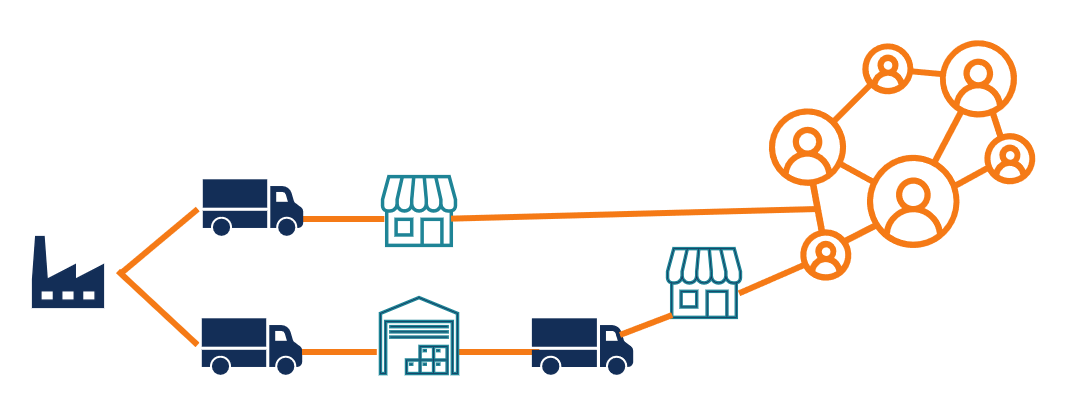
Ever wondered how your local pharmacy always seems stocked? Behind the scenes, an intricate web of distribution networks keeps shelves full:
Centralized warehousing with climate-controlled zones for sensitive meds
AI-driven demand forecasting to predict seasonal spikes (e.g., antihistamines during haze season)
Third-party pharmacy distribution service in Malaysia partners filling gaps in last-mile logistics
Guardian’s regional hubs in Johor and Selangor cut delivery times by 30%. Watsons collaborates with multiple pharmacy distributors to avoid overstocking. CARiNG, meanwhile, taps specialized suppliers for hard-to-find items like pediatric vaccines.
In East Malaysia, where logistics are trickier, these systems are lifelines. A well-oiled pharmacy distribution network means a mother in Kuching can access the same allergy syrup as one in Petaling Jaya—without delay.
Learn More : Global Supply Chain Resilience in Healthcare
Consumer Trust and Service Quality

What makes a pharmacy chain irreplaceable in the eyes of Malaysian consumers? It’s not just about the products on the shelves—it’s the trusted, human-centric experiences that keep customers coming back. In a market flooded with options, chains that go beyond transactional interactions to deliver personalized care, expert guidance, and seamless digital integration are the ones winning long-term loyalty.
Take CARiNG Pharmacy, for instance. Their on-site pharmacist consultations aren’t just a value-add—they’re a lifeline for elderly patients managing chronic conditions like diabetes or hypertension. A grandmother in Seremban might rely on CARiNG’s tailored medication reminders to stay on track with her prescriptions, while a young professional in Kuala Lumpur appreciates Guardian’s blend of wellness and beauty services, where she can pick up her allergy meds and snag a free skin analysis in one trip. Watsons, meanwhile, has mastered the art of hyper-personalized loyalty programs, using purchase history to recommend relevant supplements or over-the-counter remedies.
But here’s the critical backbone to all this: reliable pharmacy distribution networks. Without a strategic supply chain ensuring consistent stock of essential medications, even the most customer-friendly pharmacy would falter. Imagine the frustration of arriving for a blood pressure screening only to find the clinic’s testing strips are out of stock—a scenario avoided by real-time inventory tracking and efficient restocking through pharmacy wholesale distributors.
Learn More : Consumer Behavior Trends in Healthcare Retail
Strategic Expansion: Urban vs. Rural Penetration

The race for dominance in Malaysia’s pharmacy sector isn’t just about saturating urban centers—it’s about bridging the healthcare gap in semi-rural and underserved regions. While Klang Valley residents might have a Guardian or Watsons on every corner, families in Kota Bharu or Bintulu often face limited access to quality pharmaceutical care. This imbalance is driving chains to rethink expansion strategies, prioritizing equitable reach over sheer store count.
Watsons’ push into East Malaysia is a prime example. By partnering with regional pharmacy distributors, they’ve managed to stock outlets in Kuching and Sandakan with the same breadth of products as their Penang branches, despite the logistical hurdles. CARiNG, meanwhile, has carved a niche in health-conscious townships like Seremban and Kuantan, where demand for chronic disease management programs is high. And Guardian? They’re testing community health kiosks in Pahang’s smaller towns, offering affordable glucose tests and basic health screenings—services traditionally limited to urban clinics.
The practical implication of this rural-urban expansion? Healthcare democratization. When a mother in Jeli, Kelantan, can access the same pediatric cough syrup as one in Bangsar, it’s a win for public health—and for the chains smart enough to recognize untapped demand.
Role of Independent Pharmacy Distributors in Chain Growth

You might assume that giant pharmacy chains rely solely on bulk suppliers—but the truth is, niche distributors are the unsung heroes of product diversity and innovation. These agile, specialized partners fill gaps that larger pharmaceutical logistics players can’t, whether it’s sourcing Korean beauty serums for Guardian’s trending skincare aisle or securing halal-certified vitamins for Watsons’ Muslim-majority customer base.
Consider this real-world scenario: When the collagen supplement craze hit Malaysia in 2023, Guardian’s exclusive partnership with a boutique distributor allowed them to launch a best-selling line months before competitors. Similarly, CARiNG’s collaboration with local herbal brands gave them a unique edge in the traditional medicine space. These alliances aren’t just about staying trendy—they’re about meeting hyper-localized demand in a way that mass suppliers can’t replicate.
Why does this matter for growth?
✔ Speed-to-market: Independents help chains capitalize on trends faster.
✔ Regional relevance: A distributor in Ipoh might spot demand for TCM remedies before corporate HQ does.
✔ Risk mitigation: When a global supply chain disruption hits, local partners can pivot quickly.
Learn More : A Case Study on Successful Pharmacy Distribution Networks in Malaysia
Regulatory Compliance and NPRA Alignment
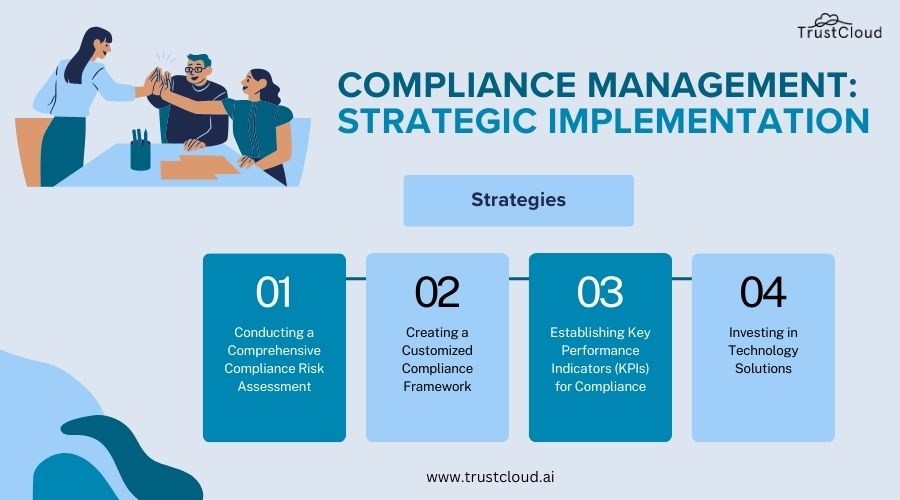
Scaling a pharmacy chain isn’t just about opening more stores—it’s about navigating Malaysia’s stringent pharmaceutical regulations without compromising speed or safety. Every product on a shelf, from fever syrup to anti-aging creams, must pass NPRA’s rigorous standards, and chains rely on distributor pharmacy partners to maintain end-to-end compliance.
A breakdown in this system can be catastrophic. Recall the 2021 incident where a batch of counterfeit diabetes meds slipped into the market—a nightmare scenario avoided by chains like Watsons, who audit their distributors quarterly. Guardian’s temperature-controlled logistics ensure heat-sensitive probiotics arrive viable, while CARiNG’s blockchain pilot with a Klang Valley-based distributor lets customers verify a product’s journey from factory to shelf.
The compliance checklist for distributors:
✅ GMP-certified warehousing (no exceptions)
✅ Real-time cold chain monitoring for biologics
✅ Serialized tracking to combat counterfeits
✅ 24/7 pharmacovigilance reporting
For chains, this isn’t red tape—it’s a competitive moat. A 2023 survey found 78% of Malaysians prioritize regulatory trust when choosing where to buy meds, putting NPRA-aligned chains ahead.
Learn More : Pharmaceutical Drug Safety and Pharmacovigilance | Expanding Healthcare Access in Rural Communities
While Watsons’ 600+ stores make it the largest by footprint, Guardian’s supply chain sophistication gives it higher in-stock rates—a decisive edge when a customer needs a specific brand of insulin ASAP. CARiNG, though smaller, outpunches its weight in patient trust, proving that clinical expertise can rival corporate scale.
But the real lesson? Behind every successful chain is an army of distributors—from global wholesalers to family-run specialty suppliers—who ensure the right products reach the right shelves at the right time.
Frequently Asked Questions (FAQ)
Q1: What is the definition of a pharmacy?
Answer:
A pharmacy is a healthcare facility where licensed pharmacists prepare, dispense, and provide advice on medicines to ensure safe and effective patient care.
Q2: Which is the largest pharmacy in Malaysia?
Answer:
The largest pharmacy chain in Malaysia is Caring Pharmacy, based on nationwide outlet count and market presence.
Q3: Is pharmacy in healthcare?
Answer:
Yes. Pharmacy is an essential part of the healthcare system, focusing on medication management, patient counselling, and promoting safe medicine use.
Q4: What are the big 3 pharmacy chains?
Answer:
The big 3 pharmacy chains are Caring Pharmacy, Guardian, and Watsons, known for their extensive outlet networks and product ranges.
Q5: What are pharmacy types?
Answer:
Common pharmacy types include community pharmacies, hospital pharmacies, clinical pharmacies, compounding pharmacies, and online pharmacies.
Q6: What is the most popular pharmacy?
Answer:
Guardian and Watsons are among the most popular pharmacies due to their strong brand recognition and accessibility across Malaysia.
Q7: Why choose a pharmacy?
Answer:
People choose pharmacies for reliable medication supply, professional pharmacist advice, convenient access to health products, and trusted healthcare support.
Q8: What should I ask a pharmacist?
Answer:
You can ask about correct medication use, side effects, drug interactions, dosage instructions, and whether a product is safe for your condition.
Q9: Why is it called a pharmacy?
Answer:
The word “pharmacy” comes from the Greek term pharmakon, meaning drug or remedy, describing the practice of preparing and dispensing medicines.
Q10: What is the basic knowledge of pharmacy?
Answer:
Basic pharmacy knowledge includes understanding medications, their uses, side effects, dosing, storage, interactions, and principles of patient counselling.
A Call for Smarter Collaboration
If you’re a healthcare brand eyeing the Malaysian market, remember: retail success starts with distribution. At PriooCare Malaysia, we bridge the gap between manufacturers and pharmacies with customized, compliant logistics solutions.
How can we assist you today? 😊
Just let us know—we’re here to help!