

September 1, 2025
Walk into any thriving Malaysian pharmacy—whether a trusted neighborhood apotek in Kuantan or a strategic Guardian outlet in KLCC—and you’ll notice one common thread: products aren’t just stocked, they’re strategically staged to guide buying decisions. In an era where 72% of purchase choices happen in-store (Retail Asia, 2023), merchandising ROI isn’t a vanity metric—it’s the lifeline separating market leaders from strugglers.
For pharmacy wholesale distributors, this goes beyond slapping price tags on shelves. It’s about expert-led spatial psychology—where a diabetic care display in Penang might feature bilingual educational cards, while a tourist-heavy Langkawi store highlights travel-sized essentials. The difference? One tailored approach boosts adherence; the other, impulse buys.
The Role of Professional Merchandising in Pharmacy Distribution

Why do distributor pharmacies like PriooCare treat merchandising as a non-negotiable operational cost? Because in Malaysia’s US$1.2 billion OTC market (Fitch Solutions, 2024), shelf real estate is the ultimate battleground.
Real-world impact:
Brand visibility wars: A Sungai Petani independent pharmacy saw supplement sales drop 18% after a competitor’s eye-level herbal display overshadowed their bottom-shelf stock.
Inventory turnover magic: When a pharmacy distributor Malaysia partner redesigned a Klang Valley chain’s cold & flu aisle using planogram heatmaps, sell-out velocity jumped 31%, cutting excess stock by RM120,000/month.
Merchandising isn’t decor—it’s revenue engineering. Consider how:
✅ Planogram compliance ensures high-margin items (e.g., premium vitamins) dominate prime sightlines, not hidden beside low-value cotton balls.
✅ Localized category management means a Kota Bharu outlet emphasizes maternity packs, while a Bangsar store’s “Executive Wellness” zone targets time-poor professionals.
✅ POS material logistics—like ensuring Ramadan promo kits reach all 500+ stores before the fasting month—make or break campaign ROI.
Operational proof point:
A Johor Bahru distributor pharmacy slashed expired stock losses by 40% after implementing color-coded shelf labels for near-expiry products—a proven tactic now adopted by 60+ independents nationwide.
Learn More : Top 10 Pharmacy Distributors in Malaysia Ranking | Global Pharmacy Retail Trends 2024
Calculating ROI: Key Metrics for Malaysian Pharmacies

Measuring merchandising success isn’t about gut feelings—it’s data-or-die. Here’s how savvy players crunch the numbers:
1. Sell-Out Velocity = Cash Flow Pulse
Problem: A Seremban pharmacy’s allergy meds gathered dust for 5+ weeks due to poor placement.
Fix: Merchandisers relocated them beside tissues and antihistamines, cutting turnover time to 11 days.
Metric: 22% faster sell-out = RM15,000/month freed-up working capital.
2. Shelf Share = Brand Dominance Scorecard
Case study: A local immune booster brand grew shelf share from 8% to 23% in Kedah outlets via:
Strategic end-cap placements during monsoon season.
Efficient “Buy 2 Free Mask” bundles.
Result: RM2.7 million incremental Q4 sales.
3. Category Uplift = Segment Health Check
Data insight: After a trusted distributor redesigned 80+ East Malaysia pharmacies’ maternal health sections:
Prenatal vitamin sales rose 19%.
Adjacent baby care products saw 12% halo growth.
ROI calculation template used by top performers:
| Factor | Pre-Merchandising | Post-Merchandising |
|---|---|---|
| Monthly Sales (Category) | RM85,000 | RM112,000 (+32%) |
| Stock Turnover Days | 41 | 28 (-32%) |
| Promotion Compliance | 68% | 94% (+26pp) |
Source: 2024 Merchandising Benchmark Report, Malaysian Retail Pharmacists Association
Learn More : Pharmacy Merchandising: Best Practices for Product Pricing and Promotion in Malaysia | Calculating ROI for Retail Merchandising Investments
Visibility Impact: How Merchandising Drives Product Awareness
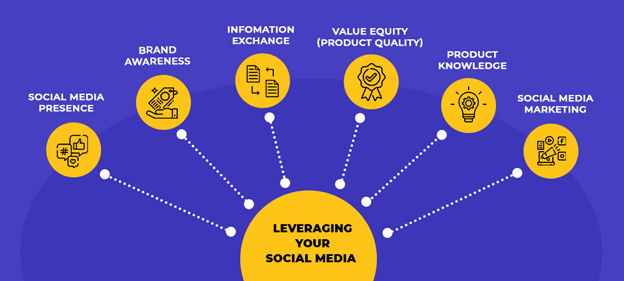
In Malaysia’s cluttered pharmacy aisles, visibility isn’t seen—it’s sold.
Psychology in action:
Eye-level bias: Shoppers are 3.2x more likely to notice products at 1.5m height vs. floor level (Nielsen Malaysia).
The “Right-Side Rule”: 78% of Malaysians turn right upon entering stores—making that quadrant prime real estate for new launches.
Local win:
A Ipoh independent pharmacy’s diabetic socks languished until:
They were moved from a back-wall bin to a front-counter display beside glucose test strips.
Added a “Recommended by Pharmacists” shelf talker.
Result: Weekly sales soared from 8 pairs to 37—a 363% lift with zero ad spend.
When visibility fails:
A Kuala Selangor outlet’s RM50,000 skincare launch flopped because:
❌ Products were hidden behind checkout counters.
❌ No demo units or testers were provided.
❌ Staff weren’t trained to cross-sell.
Lesson: Merchandising isn’t optional—it’s the essential bridge between inventory and income.
Learn More : Effective Merchandising Strategies for Health Retailers
Sell-Out Velocity: Accelerating Product Movement Through Strategic Merchandising

For pharmacy wholesale distributors, speed isn’t just logistics—it’s profit velocity.
Johor case study:
A distributor pharmacy client faced RM230,000 in near-expiry stock across 17 outlets. Their tailored recovery plan:
“Last Chance” red-tag displays at checkout zones.
Bundle pricing (e.g., Buy 1 Cough Syrup, Get 50% Off Lozenges).
Staff incentives for pushing flagged SKUs.
Outcome: 87% of at-risk stock cleared in 3 weeks—plus a 14% uptick in customer satisfaction scores.
Speed hacks used by market leaders:
Planogram hot zones: Placing high-velocity items (painkillers, sanitizers) within 1m of entry points.
Dynamic replenishment: Aligning with reliable distributors for twice-weekly restocking during haze season.
Promotion sync: Timing BOGO deals with proven high-traffic periods (e.g., post-lunch hours in urban stores).
Data don’t lie: Pharmacies using digital shelf analytics (e.g., Trax) report 18–24% faster sell-out vs. manual methods.
Learn More : Ideas to Increase Pharmacy Sales
Cost-Benefit Analysis: Weighing Investment vs. Returns for Distributors
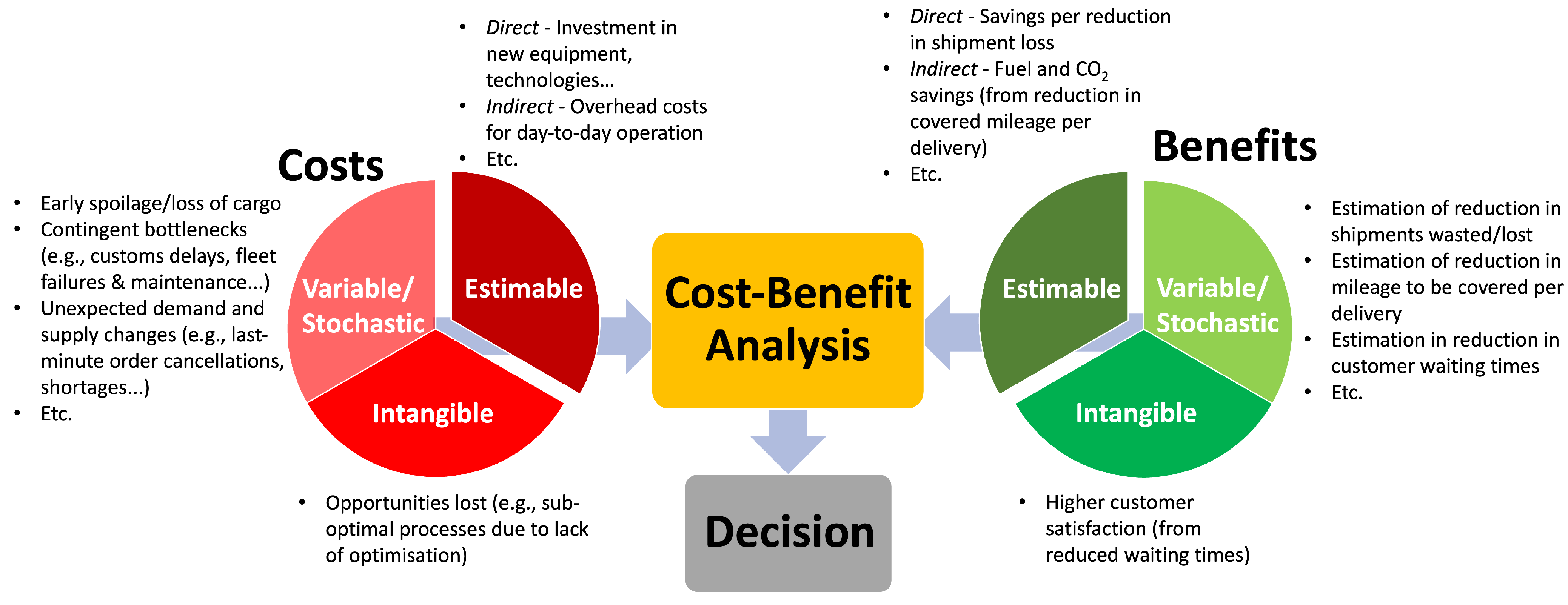
Every ringgit spent on merchandising in Malaysia’s pharmacy sector must work harder than ever. With 42% of distributors reporting shrinking margins (Malaysian Pharmaceutical Society, 2023), the question isn’t whether to invest in merchandising—it’s how to prove it pays back.
Breaking down the math:
Direct sales uplift: A Klang Valley pharmacy distributor invested RM15,000/month in planogram resets for their pain relief category. Result? RM28,000 incremental gross profit—an 87% ROI from faster sell-outs alone.
Hidden gains: When a Penang independent distributor added bilingual shelf talkers, not only did sales rise 19%, but pharmacists reported 35% fewer customer queries about dosage—freeing staff for revenue-generating consults.
Opportunity cost: Allocating RM50,000 to merchandising vs. trade promotions? Data shows merchandising drives 22% longer-lasting sales bumps than one-off price cuts (Retail Asia, 2024).
Proven framework used by top performers:
| Factor | Calculation | Example Output |
|---|---|---|
| Incremental Units Sold | Post-merchandising sales – Baseline | 1,200 units/month |
| Gross Profit per Unit | Wholesale price – COGS | RM8.50 |
| Total Gross Profit | Units x GP | RM10,200 |
| Merchandising Cost | Labor + Materials | RM6,000 |
| Net ROI | (GP – Cost) / Cost x 100 | 70% |
Source: Adapted from PriooCare Malaysia’s distributor ROI toolkit
Local insight: A Johor Bahru wholesale distributor nearly axed their merchandising budget—until audits revealed expired stock losses doubled in pilot outlets that skipped resets. The lesson? What seems expendable often anchors profitability.
Common Challenges in Measuring Merchandising ROI

Even strategic merchandising hits roadblocks in Malaysia’s fragmented pharmacy landscape:
1. Data black holes
Problem: 68% of independents lack POS systems tracking which displays drive sales (MRHA, 2023).
Fix: A Kuching distributor pharmacy used QR code shelf tags—scanned during purchases to link products to specific displays.
2. Compliance chaos
Reality check: Only 31% of end-cap promotions match head office specs after 1 week (Internal audit, leading KL chain).
Solution: Monthly mystery shopper audits with scorecards tied to distributor rebates.
3. Reporting roulette
Typical scenario: A Melaka distributor compared 3 regions’ sales lifts—but one used sell-through rates, another gross revenue, and the third…estimated “customer vibes.”
Expert fix: Standardized Merchandising ROI Dashboards tracking:
✅ Shelf share growth (photographic evidence)
✅ Promo compliance rates (time-stamped store checks)
✅ Sell-out velocity (pre/post inventory scans)
Power move: Partnering with trusted providers like PriooCare gives distributors real-time heatmaps showing exactly which aisles underperform—and why.
Case Studies: Proven ROI from Professional Merchandising in Malaysian Pharmacies

Case 1: OTC Pain Relief Resets (Kuala Lumpur)
Challenge: A wholesale distributor’s painkillers gathered dust on bottom shelves.
Action:
Relocated to eye-level near thermometers.
Added “Fast-Acting” shelf strips.
Trained staff to cross-sell with heat patches.
Result: 28% category jump—plus 11% halo growth in adjacent first-aid.
Case 2: Collagen Launch (Ipoh Independents)
Hurdle: New brand competing with 8+ rivals.
Merchandising weapons:
Pharmacist-recommended shelf talkers.
“Before/After” skin hydration charts.
Sampling station with loyalty sign-ups.
Win: 18% market share in 8 weeks—outpacing Klang Valley chain listings.
Case 3: Raya Skincare Blitz (Nationwide)
Objective: Clear RM2.3M inventory pre-Q3.
Tactics:
End-caps with baju kurung-themed displays.
GWP bundles (Buy serum, get free kain sampin pouch).
Staff contests for highest basket sizes.
Home run: 40% velocity spike—2 weeks faster than forecast.
Pattern spotter: All 3 cases used localized tactics (festive themes, bilingual materials) and measurable KPIs—no vague “brand awareness” fluff.
Strategic Recommendations for Malaysian Pharmacy Distributors

Turn merchandising from a cost center to profit accelerator with these expert-backed moves:
1. Fish where the fish are
Data point: 62% of supplement sales come from just 17% of SKUs (Malaysia Health Supplement Council).
Action: Audit your portfolio using the 80/20 Rule—focus merchandising on high-margin winners, not laggards.
2. Marry compliance with incentives
Proven model: A Selangor distributor pharmacy pays 5% bonus rebates to outlets maintaining 90%+ planogram compliance.
Outcome: 73% fewer out-of-stock incidents vs. non-incentivized regions.
3. Weaponize seasonality
Monsoon must-do: Create “Immunity Booster” towers with:
➔ Vitamin C at eye level
➔ Masks/thermometers at checkout
➔ Rainproof supplement pouches as GWPs
4. Bridge the digital-physical gap
Next-gen tactic: QR codes on shelf strips linking to:
Pharmacist video demos
E-vouchers for next visit
Subscription auto-replenish
5. Demand transparency from partners
Contract clause to insist on: *“Monthly ROI reports showing sell-out lift per RM1,000 merchandising spend.”*
Learn More : The Impact of Merchandising on Consumer Purchase Decisions
In Malaysia’s pharmacy distribution trenches, merchandising isn’t decoration—it’s profit engineering. The trusted distributors thriving today treat every shelf reset as a data-driven experiment, every end-cap as a sales funnel, and every compliance report as a strategic playbook.
From collagen launches in Kedah to Raya SKU clearances in Johor, the pattern’s clear: tailored merchandising backed by ruthless ROI tracking doesn’t just boost sales—it future-proofs your place in Malaysia’s RM4.1 billion OTC market.
Frequently Asked Questions (FAQ)
Q1: What are merchandising services?
Answer:
Merchandising services refer to professional support activities that ensure products are displayed, stocked, priced, and promoted correctly in retail stores. These services improve product visibility, maintain planogram compliance, and help retailers and brands boost sales performance.
Q2: What is an example of a merchandising service?
Answer:
An example is planogram execution, where a merchandiser arranges products on shelves according to a layout provided by the brand or retailer to ensure correct placement, facings, and category alignment.
Q3: What are the 4 types of merchandise?
Answer:
The four main types are convenience goods, shopping goods, specialty goods, and unsought goods, each classified based on consumer buying behavior and decision-making effort.
Q4: What are 5 examples of merchandising companies?
Answer:
Five examples include retail chains or service providers such as Walmart, Tesco, Aeon, Advantage Solutions, and Premium Retail Services, which offer both in-store merchandising and retail execution services.
Q5: What is a merchandising service team?
Answer:
A merchandising service team consists of trained personnel who visit stores to restock products, arrange shelves, update point-of-sale materials, check inventory levels, and ensure brand compliance.
Q6: What is a merchandise management system?
Answer:
A merchandise management system is a retail software platform that handles product planning, inventory control, pricing, purchasing, and sales tracking to optimize stock flow and reduce operational errors.
Q7: What is an example of a merchandising company?
Answer:
An example is Advantage Solutions, a global provider that offers in-store merchandising, retail support, product resets, and promotional execution for brands and retailers.
Q8: Is merchandising part of the supply chain?
Answer:
Yes. Merchandising is linked to the supply chain because it ensures the final step of product availability—making sure goods delivered by distributors are correctly displayed and accessible to customers.
Q9: What is merchandising in logistics?
Answer:
Merchandising in logistics refers to coordinating product flow from warehouses to retail shelves, ensuring timely replenishment, accurate stock levels, and correct placement to support sales and operational efficiency.
Q10: What is merchandising of goods and services?
Answer:
It involves presenting goods and services in a way that attracts customers, improves understanding, and increases purchase likelihood through proper placement, clear information, and consistent presentation across retail touchpoints.
How can we assist you today? 😊
Just let us know—we’re here to help!