

June 17, 2025
When you picture a pharmacy, do you imagine endless rows of pill bottles and prescription pads? Think again. Modern Malaysian pharmacies have transformed into multifaceted health hubs, stocking far more than the basics. The concept of Pharmacy Inventory Assortment captures this evolution—a strategic blend of products designed to meet diverse consumer needs while navigating Malaysia’s fast-paced pharmaceutical retail sector.
Beyond prescription medications, today’s pharmacies prioritize accessibility by offering over-the-counter remedies, specialized wellness supplements, and everyday essentials. Skincare lines targeting acne or aging share shelf space with blood pressure monitors, prenatal vitamins, and travel-sized hygiene kits. Seasonal demands further shape inventories, with flu season prompting displays of immunity boosters or monsoon months highlighting anti-fungal treatments. This variety isn’t random; it’s a calculated response to shifting consumer priorities around preventive care and convenience.
What truly sets high-performing pharmacies apart, however, is their customer-centric merchandising strategy. Instead of grouping products by type, leading retailers organize items around specific health goals: digestive wellness, pain management, beauty enhancement, or chronic condition support. This need-based categorization simplifies decision-making for shoppers while fostering loyalty—if a customer trusts a pharmacy to address their child’s allergies effectively, they’re likelier to return for multivitamins or sunscreen.
Behind the scenes, Malaysia’s pharmacy distribution networks play a pivotal role in maintaining this delicate balance. Reliable suppliers ensure clinics and retailers can stock niche items like diabetic-friendly snacks alongside mainstream brands without overloading shelves. For distributors and brands alike, mastering inventory trends—like the rising demand for organic supplements or eco-friendly packaging—is key to staying competitive in a market where health-conscious consumers expect both expertise and efficiency.
In short, pharmacies are no longer mere dispensaries. They’re dynamic spaces where smart inventory planning, empathetic merchandising, and agile distribution intersect to redefine community healthcare access.
What is Pharmacy Inventory Assortment?

Understanding the role of merchandise categorization isn’t just about labeling products—it’s the backbone of operational efficiency and customer satisfaction in pharmacies. A well-defined pharmacy inventory assortment acts as a strategic blueprint, ensuring every shelf aligns with community needs while balancing profitability and service quality. Let’s explore how this framework drives success.
What Makes Up a Pharmacy’s Inventory Mix?
A pharmacy’s inventory is a carefully curated blend of goods designed to address health, wellness, and daily care demands. Think of it as a dynamic ecosystem divided into key categories:
Prescription Medications: Lifelines for chronic illnesses, infections, or specialized treatments.
OTC Solutions: Immediate relief for pain, allergies, or seasonal ailments.
Wellness Boosters: In Malaysia, supplements like multivitamins or herbal blends cater to growing preventive health trends.
Personal Care Essentials: Skincare, hygiene products, and grooming tools that merge health with daily routines.
Seasonal Necessities: Items like sanitizers or insect repellents that spike in demand during specific periods.
This isn’t a haphazard collection. Instead, it’s shaped by data-driven insights from pharmacy distributors, local health trends, and consumer behavior patterns.
The Distributor-Pharmacy Partnership: A Case Study
In Malaysia, larger chains such as Caring Pharmacy or Guardian collaborate closely with pharmacy wholesale distributors to tailor inventories. By aligning stock with both nationwide health priorities and localized buying habits, these retailers maintain relevance across diverse regions. Smaller independent pharmacies, however, face space constraints. Here, distributor expertise becomes invaluable—helping them prioritize high-demand items without overcrowding limited shelves.
For instance, during dengue outbreaks, distributors might fast-track insect repellents to Malaysian pharmacies. Similarly, post-pandemic shifts saw travel-sized sanitizers and mask bundles becoming staples. These adjustments aren’t reactive—they’re proactive strategies to stay ahead of demand curves.
Beyond Stocking Shelves: Building Trust Through Precision
A well-defined assortment does more than fill gaps—it builds consumer confidence. When customers consistently find what they need, pharmacies transform from mere retailers to trusted health partners. This reliability drives repeat visits and bolsters loyalty, directly impacting revenue.
In essence, pharmacy inventory management is a strategic asset. It merges logistical precision with market awareness, ensuring every product serves a purpose. For pharmacies, clarity in merchandise isn’t optional—it’s the difference between surviving and thriving in a competitive landscape.
Learn more : WHO Model Lists of Essential Medicines
Key Categories Within a Pharmacy Inventory Assortment
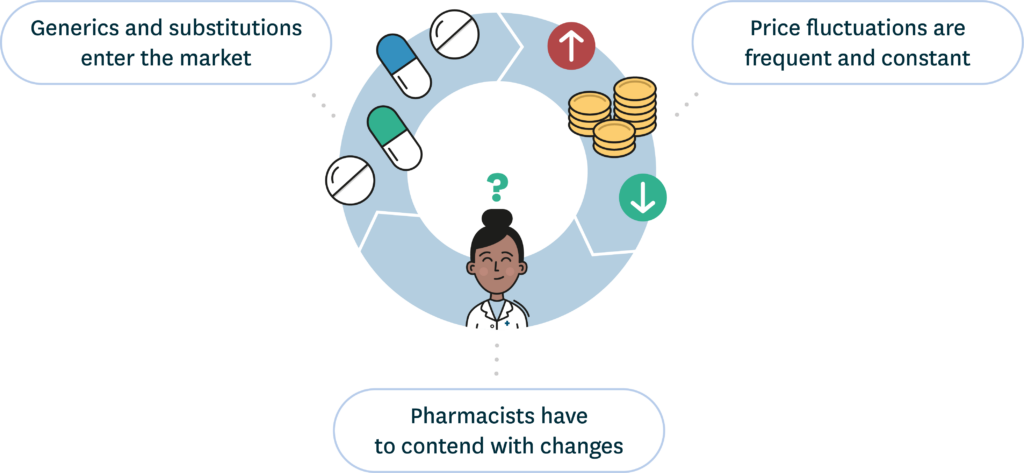
A strategically organized pharmacy inventory isn’t just about stocking shelves—it’s a carefully calibrated ecosystem designed to meet patient needs while adapting to regulatory and market demands. For pharmacy owners and distributors in Malaysia, mastering this balance requires a deep understanding of core inventory categories and their unique operational roles. Let’s explore the critical components that form the backbone of a resilient pharmacy inventory.
1. Prescription Medications: The Regulatory Core
As the primary revenue driver, prescription drugs address chronic and acute conditions like hypertension, diabetes, and asthma. In Malaysia, strict guidelines from the Ministry of Health dictate storage protocols, expiration tracking, and distribution workflows. Partnering with reliable pharmacy distributors in Malaysia ensures adherence to these standards while streamlining supply chain complexities.
2. Over-the-Counter (OTC) Products: Balancing Demand and Profit
Pain relievers, allergy tablets, and cough syrups dominate this high-turnover segment. To maximize sales, savvy pharmacies leverage merchandising services to highlight seasonal bestsellers—think flu remedies during monsoon months or hydration salts in heatwaves. Dynamic shelf displays and promotions keep these items visible amid fluctuating consumer trends.
3. Supplements & Vitamins: Catering to Wellness Trends
Malaysia’s health-conscious population fuels demand for vitamins targeting immunity, joint health, or skin vitality. Inventory decisions here hinge on demographic insights—multivitamins for seniors, probiotics for urban professionals, or collagen supplements for beauty enthusiasts. Local pharmacies often blend imported brands with homegrown herbal products to diversify appeal.
4. Personal Care & Beauty: Building Consumer Loyalty
From moisturizers to dental hygiene kits, this category bridges healthcare and daily wellness. Skincare brands increasingly collaborate with pharmacy wholesale networks to secure shelf space, leveraging pharmacies’ reputation for quality to attract shoppers seeking dermatologist-approved options.
5. Health Monitoring Devices: Empowering Preventative Care
Glucose meters, blood pressure cuffs, and digital thermometers are indispensable in urban areas with aging populations. Distributors often work with medical tech providers to bundle devices with educational materials, enhancing value for customers managing chronic conditions.
6. Seasonal & Regional Essentials: Anticipating Needs
Inventory agility shines here—dengue prevention kits during rainy seasons or antihistamines amid annual haze outbreaks. Proactive pharmacy inventory management systems enable timely restocking, ensuring communities have access to critical supplies when demand spikes.
Adapting to a Dynamic Landscape
These categories aren’t fixed; they shift alongside public health priorities, consumer behavior, and technological advancements. Modern pharmacies rely on data analytics to refine assortments, ensuring alignment with patient needs and regulatory updates. In the next section, we’ll dive into strategies for optimizing inventory presentation—because how products are organized can be just as impactful as what’s stocked.
Segmentation by Need-State: The Strategy Behind the Assortment
Ever wondered how pharmacies optimize their limited shelf space while helping shoppers find health solutions efficiently? The answer lies in *need-state merchandising*—a consumer-centric approach that groups items by specific wellness objectives rather than traditional categories. This method transforms cluttered aisles into intuitive shopping zones, particularly crucial in space-constrained Malaysian pharmacies where every centimeter counts.
Health Goals Dictate Shelf Layout
By focusing on common consumer needs, pharmacies create logical product clusters that simplify decision-making. In Malaysia, key health segments dominate shelf organization:
Pain Management: Muscle rubs, fever reducers, and therapeutic heat patches
Immunity Boosters: Vitamin C chewables, herbal supplements, and throat-soothing zinc
Digestive Wellness: Probiotic blends, acid regulators, and enzyme formulas
Beauty Essentials: Hydrating creams, anti-aging serums, and UV protection products
Senior Care: Joint support vitamins and home monitoring devices
This intentional grouping does more than improve navigation—it directly influences purchase behavior. When customers immediately spot solutions matching their primary health concerns, conversion rates naturally rise.
Retail Giants vs. Local Players
Major chains like Watsons Malaysia demonstrate this strategy through thematic endcap displays. Their “Skin Radiance” zones, for instance, combine oral supplements with topical treatments, creating cross-category destinations that drive unplanned purchases. The visual impact of these curated collections elevates perceived product value while simplifying restocking processes.
Smaller independent pharmacies adapt the same principle through space-efficient solutions. Limited square footage gets maximized with targeted shelf talkers highlighting trending local products—think collagen boosters in urban areas or traditional herbal remedies in suburban outlets. Some suppliers even prepackage merchandise into ready-to-display kits, enabling shopkeepers to implement professional layouts without specialized training.
The Hidden Supply Chain Advantage
Behind the scenes, distributor networks amplify this strategy’s effectiveness. Many now deliver pre-sorted product bundles organized by health themes, allowing retailers to maintain coherent sections despite frequent inventory changes. This logistical support proves particularly valuable during seasonal demand shifts, like cold/flu preparation months.
By aligning physical merchandising with actual consumer needs, pharmacies create win-win scenarios. Shoppers enjoy streamlined experiences while businesses benefit from increased basket sizes and customer loyalty. As health awareness grows in Malaysia, this need-focused approach continues redefining how we interact with everyday wellness products—one intelligently organized shelf at a time.
Learn more : How Effective Merchandising Supports Pharmaceutical Branding in Malaysia
Role of Pharmacy Distributors in Shaping Inventory Assortment

Ever wondered who guarantees pharmacies stock the ideal blend of medications and health products? In Malaysia’s pharmaceutical ecosystem, distributors serve as the backbone of inventory management, strategically connecting manufacturers with retail outlets. These entities don’t just move boxes—they shape product availability through expertise in logistics, demand analysis, and consumer trends.
Strategic Stock Predictions
Distributors analyze historical sales patterns, seasonal fluctuations (like monsoon-related illnesses), and upcoming public health initiatives—such as national vaccination drives—to advise pharmacies on inventory needs. This forecasting ensures shelves stay stocked with essentials like antihistamines during allergy season or PPE kits during outbreaks, preventing both shortages and excess.
Supplier Networks & New Product Access
Established relationships with global pharma giants and local producers give distributors insider advantages. Pharmacies gain early access to innovations—think glucose monitors with Bluetooth tracking or vitamin blends tailored to tropical climates—before competitors. This pipeline keeps retailers ahead in fast-evolving markets.
Shelf Optimization Guidance
Beyond product selection, distributors provide visual merchandising blueprints. These planograms help chain pharmacies design layouts that maximize foot traffic flow and impulse buys—placing cough syrups near vitamins, for instance. Smaller stores receive scaled-down versions to boost sales without overwhelming space.
Tailored Solutions for Independent Pharmacies
Family-run or rural pharmacies often lack bulk-ordering power. Distributors mitigate this by suggesting substitutions for slow sellers (replacing outdated wound creams with hydrogel variants) or creating bundled deals (pairing supplements with over-the-counter meds). This minimizes dead stock while maintaining customer satisfaction.
Bridging East Malaysia’s Logistics Gap
In regions like Sabah and Sarawak, challenging terrain and sparse infrastructure complicate deliveries. Distributors here curate pre-mixed kits aligned with local needs—prioritizing malaria treatments in high-risk zones or prenatal vitamins in areas with maternal health campaigns.
By balancing data-driven insights with regional health priorities, Malaysia’s pharmacy distributors ensure every community—from Kuala Lumpur storefronts to Borneo villages—has access to relevant, life-saving products. Their role isn’t just about supply chains; it’s about creating a healthcare safety net that adapts to Malaysia’s diverse needs.
Learn more : HealthCare | GS1 Malaysia
Customizing Assortment for Different Pharmacy Models in Malaysia

Is there a universal inventory solution for every pharmacy? The short answer: no. Malaysia’s pharmaceutical sector thrives on variety, requiring distinct approaches for different business models. From bustling urban hubs to quiet rural towns, each pharmacy type faces unique challenges—and success hinges on customized stock management. Let’s explore how inventory planning shifts across three primary categories.
1. Urban Chain Pharmacies: Speed Meets Scale
Located in high-traffic commercial zones, urban chains cater to fast-paced lifestyles. These stores prioritize recognizable brands and rapid stock rotation to match customer expectations. Think bestselling skincare lines, comprehensive over-the-counter medications, and grab-and-go wellness items. Efficiency drives their strategy, with standardized planograms and eye-catching product placements ensuring shelves stay fresh and inviting.
2. Suburban Independent Pharmacies: Community-Centric Curation
A world away from corporate chains, suburban independents thrive on personalized service. Owners often handpick inventory to reflect neighborhood preferences—think locally made herbal remedies or halal-compliant vitamins. Flexibility is key, with distributors offering customizable product ranges that adapt to seasonal demand shifts or emerging health trends. This agility helps smaller pharmacies compete without sacrificing their niche appeal.
3. Rural Community Pharmacies: Essentials-First Efficiency
Family-operated rural pharmacies face tight budgets and limited storage space. Their focus? Stocking must-have medications, affordable immunity supplements, and pediatric care basics. To simplify ordering, many rely on pre-packaged inventory kits from suppliers who understand regional health priorities—like monsoon-season remedies or maternal wellness products.
Cultural Nuances Shape Stock Choices
Geography further refines inventory needs. On Malaysia’s East Coast, demand spikes for herbal tonics and faith-aligned products, requiring distributors to blend modern pharma with traditional preferences. Savvy suppliers now act as cultural consultants, helping retailers balance compliance and customer expectations.
No single blueprint works for Malaysia’s pharmacies. Urban players optimize for volume, suburban stores emphasize curation, and rural providers streamline essentials. By aligning with specialized distributors and respecting local nuances, pharmacies can turn inventory management from a challenge into a competitive edge. After all, in this diverse market, adaptability isn’t optional—it’s everything.
Learn more : The Future of Retail Pharmacies: From Filling Scripts to Fulfilling Needs
Technology and Data in Assortment Planning
.jpg "What Is The Term For All The Merchandise In A Pharmacy? - Prioocare")
In an era where healthcare demands are rapidly evolving, pharmacies across Malaysia face mounting pressure to optimize operations while maintaining profitability. The solution? Data-driven inventory management. By leveraging advanced technologies—from AI-powered forecasting to integrated supply chain systems—pharmacies are transforming into agile, patient-centric businesses capable of thriving in competitive markets.
The Tech Toolkit Modern Pharmacies Can’t Ignore
Modern inventory systems rely on three critical components to streamline workflows:
Smart Point-of-Sale (POS) Platforms: Gone are the days of manual sales tracking. Today’s POS systems provide daily insights into product performance, flagging bestsellers and underperforming items. This allows retailers to adjust purchasing strategies dynamically, reducing waste and capitalizing on emerging trends.
ERP-Driven Supply Chains: Seamless ERP integration bridges the gap between pharmacies and distributors. Automated reorder alerts triggered by inventory thresholds eliminate guesswork, ensuring timely restocks without overburdening staff.
Analytics for Strategic Decision-Making: Chain pharmacies and wholesalers now use customizable dashboards to evaluate SKU profitability, predict seasonal spikes, and align stock levels with regional health trends. A suburban pharmacy, for instance, might analyze historical data to ramp up antihistamine supplies ahead of annual haze seasons or stockpile collagen beverages prior to festive beauty promotions. Distributors, armed with these insights, can then tailor delivery schedules to match individual client needs.
Real-World Impact: From Theory to Tangible Results
Consider how predictive analytics transformed a mid-sized Malaysian pharmacy group. By analyzing local search trends and prescription patterns, they pre-emptively increased stocks of allergy medications during peak pollen months—avoiding shortages that previously led to lost sales. Similarly, aligning collagen drink inventories with influencer-led skincare campaigns resulted in a 22% revenue boost.
These strategies don’t just prevent overstocking; they create a ripple effect. Pharmacies minimize storage costs, improve cash flow, and build patient trust by ensuring vital products are always available. For distributors, data-sharing fosters stronger partnerships through proactive replenishment cycles rather than reactive fixes.
The Bottom Line
Embracing data isn’t optional—it’s survival. Pharmacies that invest in tech-driven planning unlock tighter margins, smoother operations, and the agility to meet ever-shifting consumer demands. In Malaysia’s fast-paced healthcare landscape, blending analytics with human expertise isn’t just smart business; it’s the prescription for long-term success.
Learn more : Beyond automation: How gen AI is reshaping supply chains
Challenges in Managing Pharmacy Inventory Assortments

While Malaysia’s healthcare sector embraces digital innovation, pharmacies—particularly independent and rural operators—continue grappling with inventory management inefficiencies. Balancing product availability with operational constraints remains a persistent struggle. Let’s unpack the key obstacles and emerging strategies reshaping assortment planning.
Common Inventory Pain Points
Erratic Stock Levels
Unpredictable inventory gaps plague many retailers, often stemming from outdated forecasting methods, inconsistent supplier timelines, or human errors in manual ordering systems. Empty shelves frustrate customers, while excess stock ties up capital and risks expiration.Regulatory Complexities
Strict NPRA (National Pharmaceutical Regulatory Agency) protocols, though vital for patient safety, create administrative bottlenecks. Compliance demands slow approvals for new products and complicate storage requirements for temperature-sensitive items.Niche Product Accessibility
Rural pharmacies and smaller chains frequently lack connections to specialized distributors, limiting access to rare medications or premium health products increasingly sought by urban consumers.Infrastructure Gaps
Many outlets operate with cramped spaces and inadequate climate-control systems, making it challenging to store vaccines, biologics, or bulkier wellness products effectively.
Innovative Responses Taking Shape
Forward-thinking distributors are combatting these issues through tailored approaches. Some now offer compact, high-demand bundles—think diabetes care kits or travel wellness packs—that optimize shelf space while meeting core patient needs. Meanwhile, tech-savvy pharmacy distributor Malaysia providers are rolling out cloud-based inventory dashboards, enabling real-time tracking of stock movements and expiration dates via mobile devices.
Equally impactful is the growing emphasis on staff-distributor collaboration. Pharmacists now routinely share on-the-ground insights about seasonal demand shifts or local prescription trends, allowing suppliers to refine delivery schedules and product mixes. For instance, flu-season stock surges or regional preferences for traditional supplements are increasingly factored into inventory algorithms.
Though obstacles persist, Malaysia’s pharmacy sector is steadily bridging gaps through hybrid solutions—blending smarter packaging, tech integration, and human expertise. As these strategies mature, patients stand to benefit from more reliable access to essential and specialized health products nationwide.
Learn more : Strategies to Reduce Product Wastage with Efficient Merchandising in Malaysian Pharmacies
Best Practices for Optimizing Inventory Assortment in Malaysian Pharmacies

Effective inventory control remains critical for pharmacies aiming to meet patient needs while minimizing financial losses from expired or understocked products. By adopting strategic approaches tailored to Malaysia’s diverse healthcare landscape, pharmacies can enhance operational efficiency and community responsiveness. Here’s how to refine stock management without compromising service quality.
1. Partner-Driven Demand Forecasting
Building strong relationships with pharmaceutical suppliers forms the foundation of accurate inventory planning. Pharmacies that collaborate closely with Malaysia-based pharmacy wholesale distributors gain insights into medication availability trends, manufacturer lead times, and regional prescription patterns. This shared intelligence allows both parties to adjust order volumes proactively, preventing both shortages and overstock situations.
2. Expiration Date Optimization Tactics
Products nearing their shelf-life expiration require creative solutions rather than write-offs. Implement targeted promotions, bundle deals with fast-moving items, or free sample distributions during health campaigns. Some pharmacies partner with clinics to donate soon-to-expire essential medications to underserved communities, combining social responsibility with waste reduction.
3. Data-Backed Seasonal Adjustments
Malaysia’s distinct climate and cultural calendar directly influence healthcare demands. Historical sales data reveals predictable spikes—antihistamines during haze season, mosquito repellents for dengue prevention, or immunity boosters ahead of festive gatherings. Forward-thinking pharmacies pre-order these items 2-3 months in advance while scaling back less relevant inventory.
4. Community-Specific Product Curation
Regional health behaviors vary dramatically across urban and rural areas. A Klang Valley outlet might allocate 20% more shelf space to premium skincare and specialized supplements catering to health-conscious professionals. Meanwhile, pharmacies in Kelantan could emphasize traditional herbal remedies and prayer-compliant medicinal oils, reflecting local preferences. Crucially, these decisions must be guided by census data, prescription analytics, and distributor input rather than assumptions.
The Distribution Advantage
Implementing these strategies requires seamless coordination with Malaysia’s pharmacy distribution networks. Established distributors provide real-time inventory tracking, emergency restocking options, and market trend reports—tools that transform reactive stock management into a predictive operational asset.
By merging localized healthcare insights with supply chain agility pharmacies can achieve that delicate balance: shelves stocked exactly what patients need, precisely when they need it. The result? Reduced waste, stronger community trust, and a healthier bottom line.
Learn more : Pharmacy Merchandising: Best Practices for Product Pricing and Promotion in Malaysia
Effective pharmacy inventory management isn’t just about neatly arranged products—it’s a carefully orchestrated balance of strategic planning, local market insights, and prioritizing patient well-being. In today’s competitive landscape, pharmacies that thrive are those who view their inventory as a dynamic tool for meeting community demands while driving sustainable growth.
The foundation of a winning strategy lies in three pillars. First, organizing inventory based on therapeutic outcomes ensures customers find solutions aligned with their health goals quickly. For example, grouping diabetes care items or allergy relief products simplifies the shopping experience. Second, tailoring product selection to reflect the unique demographics of your area—such as stocking pediatric vitamins in family-heavy neighborhoods or herbal supplements in wellness-focused communities—builds loyalty and relevance. Third, partnering with reliable pharmacy distributor Malaysia networks guarantees access to high-demand goods while minimizing stockouts or overstocking risks. These collaborations also enable pharmacies to adapt swiftly to trends like rising demand for telehealth-compatible devices or organic skincare lines.
Malaysia’s dynamic marketplace, with its blend of urban hubs and rural communities, demands agility. Pharmacies that master assortment planning not only meet patient needs more effectively but also unlock opportunities for upselling and cross-selling. By integrating data analytics with on-the-ground insights—like seasonal illness patterns or cultural preferences—retailers can fine-tune their offerings for maximum impact.
Ready to Elevate Your Pharmacy’s Potential?
Struggling to align your inventory with market shifts or customer expectations? Our consultancy specializes in pharmacy distribution services in Malaysia, offering end-to-end support from merchandising strategy to supply chain optimization. Whether you’re refining shelf layouts, sourcing niche products, or negotiating with suppliers, our team provides actionable solutions tailored to your business goals.
How can we assist you today? 😊
Just let us know—we’re here to help!