

September 4, 2025
Why do so many established pharmacy brands overlook merchandising despite its proven impact on growth? Even Malaysia’s largest OTC and supplement companies depend on trusted distributor pharmacies and pharmacy distributor Malaysia partners to stay competitive. Merchandising services remain an essential strategic lever to ensure that products remain visible, well-stocked, and relevant on crowded pharmacy shelves.
In today’s evolving retail landscape, effective merchandising is no longer just about initial product placement. It ensures optimal SKU management, supports new product development (NPD) launches, and sustains brand performance across outlets. By understanding the strategic, essential, and trusted role of merchandising services, pharmacy brands can maintain their leadership and continue meeting consumer expectations.
Understanding Merchandising Services in the Malaysian Pharmacy Context
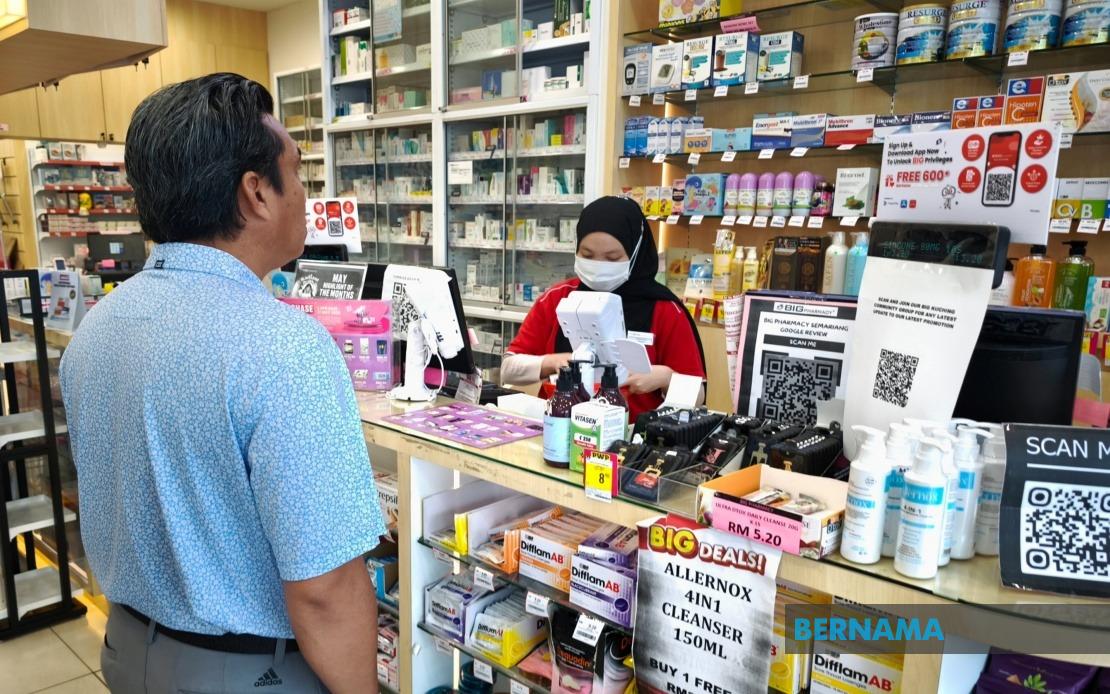
Merchandising services in Malaysian pharmacies are far more than just stacking products on shelves—they’re a strategic backbone for retail success. While many assume merchandising is a one-time setup, the reality is that it’s an ongoing, tailored process requiring precision and adaptability. For pharmacy distributor Malaysia partners, this means executing a mix of data-driven and consumer-centric tactics to keep brands competitive.
Take, for instance, the bustling pharmacies in Kuala Lumpur’s urban centers. Here, trusted merchandisers don’t just place products randomly; they analyze foot traffic, purchase patterns, and even cultural preferences. Fast-moving items like multivitamins or pain relief creams are positioned near checkout counters—a proven tactic to boost impulse buys. Meanwhile, seasonal products, such as flu medications, are given prime shelf space during monsoon months. This isn’t guesswork; it’s a reliable system backed by real-time sales data and shopper behavior insights.
But what does this look like in practice? Let’s break it down:
Strategic Planogram Development: Every inch of shelf space is optimized for maximum turnover. Eye-level placements are reserved for high-margin or promotional items, while slower-moving SKUs are positioned strategically to avoid dead stock.
Pricing and Promotion Compliance: Mislabeled prices or expired promotions can erode consumer trust. Merchandisers ensure tags and discounts are always up-to-date, avoiding regulatory pitfalls.
Stock Rotation and Expiry Management: In a efficient supply chain, older stock is moved forward to reduce waste—a critical factor in Malaysia’s humid climate, where product integrity is paramount.
Visual Display Optimization: From shelf talkers to danglers, every visual element is placed to guide consumer attention. For example, a Johor Bahru pharmacy increased sales of a local herbal supplement by 22% simply by adding bilingual signage to cater to Singaporean cross-border shoppers.
These efforts aren’t just about aesthetics; they’re essential for maintaining brand relevance. Consider the rise of probiotic supplements in Malaysia. Brands with expert merchandising support consistently secure prime placements and pharmacist endorsements, while those without often vanish behind rival products. The difference? A strategic partner who adapts to market shifts—something in-house teams often lack the bandwidth to monitor.
Learn More : Great merchandising never goes out of fashion
Why Established Brands Still Need Merchandising Support
:max_bytes(150000):strip_icc()/merchandising.asp-final-abafdb2d61ea4c68adb40b5decaa2c21.png "Why Merchandising Services Matter Even For Established Pharmacy Brands - Prioocare")
It’s a common misconception that only new brands need merchandising. In reality, even market leaders face shelf-space battles as new SKUs flood pharmacies weekly. Without effective merchandising, established brands risk:
Declining Visibility: When a top-tier painkiller brand in Penang reduced merchandising audits, competitors quickly encroached on their shelf space, leading to a 15% drop in sales over six months.
Regulatory Non-Compliance: A well-known cough syrup brand faced fines after outdated promotional materials were left displayed past their approved period—a mistake a reliable merchandising partner would’ve caught.
Inconsistent Branding: Consumers subconsciously distrust brands with erratic shelf presence. A study of Malaysian shoppers found that 68% were more likely to repurchase from brands with uniform displays across outlets.
Local examples underscore this need. In Selangor, a century-old traditional medicine brand partnered with a trusted pharmacy distributor to revamp their shelf strategy. By grouping related products (e.g., joint pain remedies with heat rubs) and training retail staff on cross-selling, they saw a 30% uplift in average transaction value. Conversely, a multinational vitamin brand scaled back merchandising budgets, assuming their brand equity would sustain sales. Within a year, their market share slipped as newer, more visible competitors gained traction.
The lesson? Merchandising isn’t a cost—it’s an essential investment. Here’s how it bridges gaps for established players:
 Adapting to Consumer Shifts: Malaysian shoppers increasingly favor halal-certified vitamins. Merchandisers quickly highlight these credentials on shelves, while laggard brands miss the trend.
Navigating SKU Proliferation: With pharmacies now stocking 200+ supplement brands, strategic planograms prevent your products from becoming “wallpaper.”
Maintaining Promotional Agility: When a competitor launches a BOGO deal, merchandisers ensure your counter-promotions are deployed uniformly—no missed opportunities.
Learn M0re : What is the Role of Merchandising?
The Strategic Role of Pharmacy Distributors in Merchandising Execution
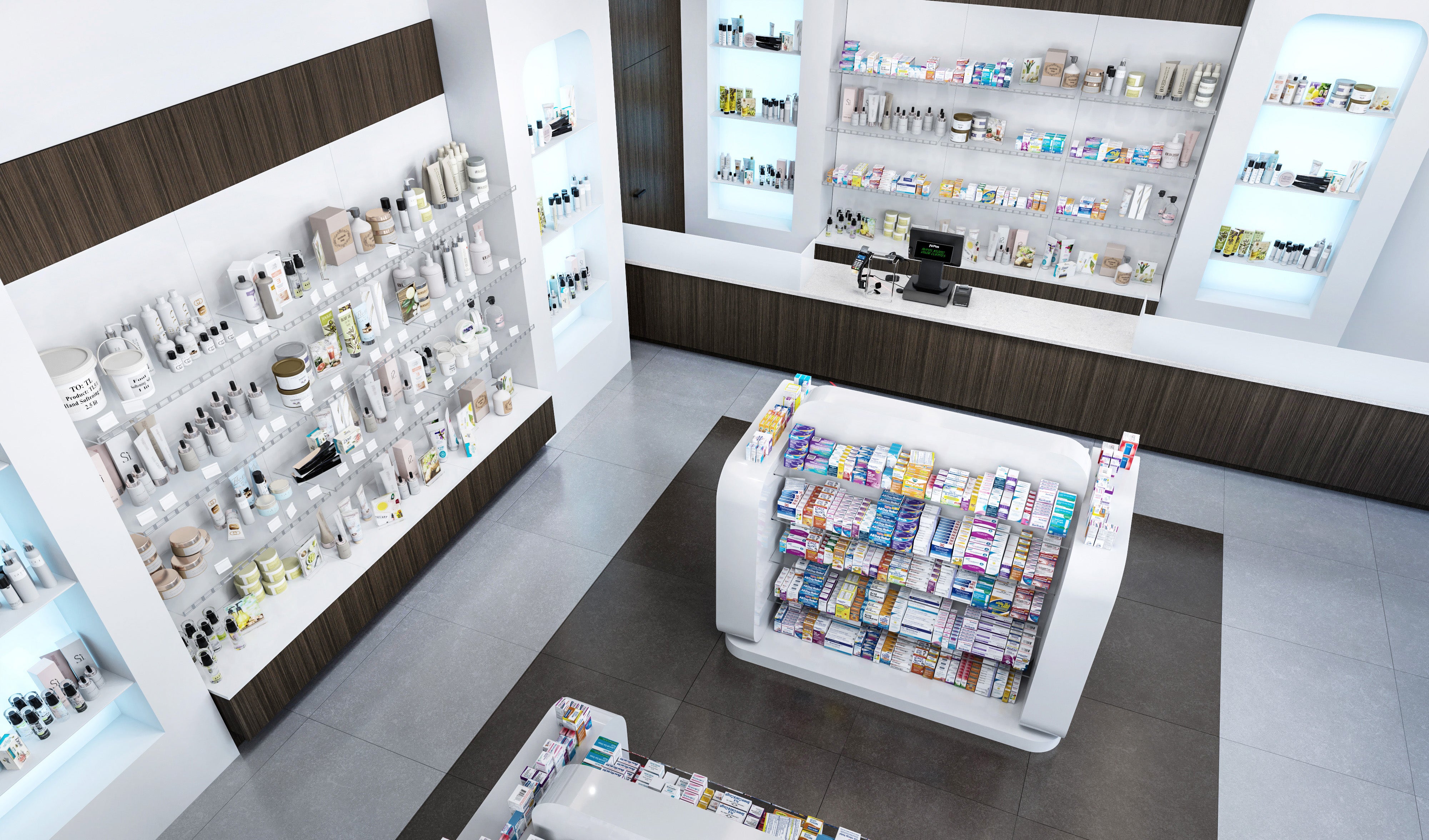
Pharmacy distributors are the unsung heroes of merchandising, offering end-to-end solutions that brands can’t replicate alone. A proven pharmacy distributor Malaysia partner typically handles four core phases:
Planning and Planogram Strategy
Customizing layouts by store location (e.g., urban vs. rural pharmacies have different best-sellers).
Aligning displays with brand equity—luxury skincare gets minimalist spacing, while budget-friendly items use high-density stacking.
Deployment and In-Store Execution
Physical shelf adjustments based on real-time sales data. In Kota Kinabalu, a distributor’s merchandisers noticed energy drinks sold better near supplements and adjusted placements, lifting sales by 18%.
Installing promotional materials correctly—a frequent pain point, as 43% of brands in a Malaysia-wide audit had misplaced or damaged POS materials.
Monitoring and Reporting
Regular audits to flag out-of-stocks or planogram deviations. One KL-based distributor reduced stockouts by 40% by implementing bi-weekly checks.
Tracking sales by SKU and region to identify underperformers. For example, a heat rub brand was struggling in East Malaysia until merchandisers noted it was placed next to cooling gels—a mismatch resolved by repositioning.
Compliance Management
Ensuring Health Ministry guidelines are met (e.g., separating prescription and OTC products). Non-compliance risks fines and reputational damage.
Managing halal or vegan labeling visibility, which 62% of Malaysian consumers consider before purchasing.
A tailored case study: A global personal care brand launched a new hand cream range via their distributor’s merchandising team. Within two weeks, 80% of targeted pharmacies featured end-cap displays—a feat impossible with in-house teams juggling nationwide logistics. The result? The product became a top-three seller in its category for six consecutive months.
Learn More : Top 10 Pharmaceutical Companies in Malaysia 2024
Practical Benefits: From Efficient SKU Management to Increased Consumer Engagement

The ROI of merchandising services isn’t theoretical; it’s measurable across five key areas:
Efficient SKU Management
Merchandisers balance stock levels to prevent overstocking (which ties up capital) or understocking (which loses sales). A Melaka pharmacy reduced expired inventory by 35% after implementing monthly rotation schedules.
Optimized Shelf Placement
Eye-level placements can lift sales by up to 20%. A Sarawak-based distributor helped a tea brand dominate its category by securing consistent middle-shelf real estate in 150+ stores.
Promotional Compliance
Uniform execution of discounts or bundles builds consumer trust. A study found that 74% of Malaysians feel misled by promotions that aren’t honored at checkout—a risk merchandisers mitigate.
Enhanced Brand Equity
Consistent visuals (e.g., logo placement, color-blocked shelves) improve recall. A dermatological brand saw a 25% increase in repeat purchases after standardizing displays across all outlets.
Increased Consumer Engagement
Interactive displays, like testers or QR codes for product info, extend dwell time. A Negeri Sembilan pharmacy reported a 12% rise in basket size after adding “How to Use” demo cards next to arthritis gels.
A strategic example from Malaysia’s OTC market: During flu season, a trusted distributor grouped cough syrups, lozenges, and thermometers into dedicated “Cold & Flu Zones.” This not only simplified shopping but boosted cross-selling—average transaction values rose by RM8.50 per customer.
Learn More : Retail Merchandising Services Malaysia | The Future of Merchandising: Driving Growth through Consumer Insights
Case Examples: Merchandising Impact on Established OTC and Supplement Brands
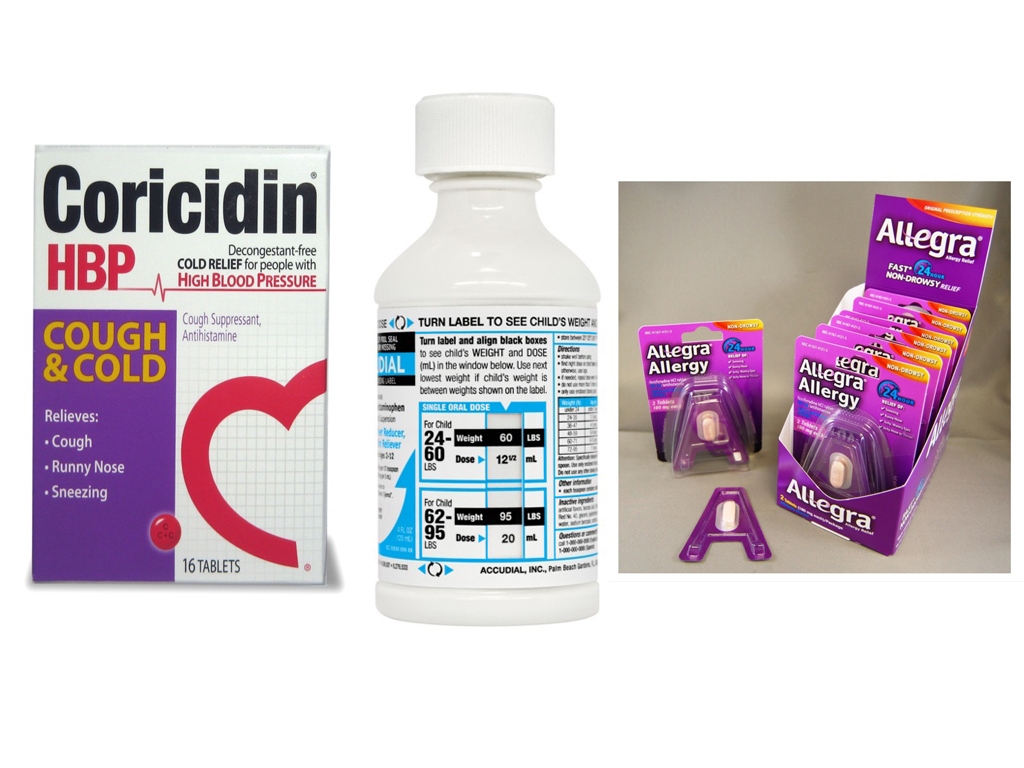
How do trusted merchandising services translate into real-world success for Malaysian brands? The proof lies in measurable outcomes—whether it’s revitalizing a legacy OTC brand or ensuring a new supplement dominates shelf space. Let’s dissect three strategic case studies where pharmacy distributor Malaysia partnerships drove tangible growth.
Case 1: OTC Pain Relief Brand Expansion
A well-known analgesic brand faced stagnating sales despite high consumer recognition. Their proven solution? Partnering with a reliable distributor to overhaul in-store visibility. Here’s how merchandising turned the tide:
Swift Nationwide Rollout: Redesigned packaging reached 500+ pharmacies in under a month, avoiding the typical 3–4 month lag of in-house logistics.
Strategic Adjacencies: Placing painkillers beside muscle rubs and heat patches—a tailored cross-selling tactic—lifted sales by 12% in Q1.
Promotional Compliance: Ensured 100% adherence to discount campaigns, eliminating discrepancies that previously eroded trust.
Local Insight: In Penang, where traditional medicine competes fiercely, the brand secured prime shelf space in 90% of Chinese medical halls by training merchandisers to highlight its “clinically tested” differentiator.
Case 2: Probiotic Supplement NPD Launch
A global probiotic brand entered Malaysia’s saturated supplement market with a new SKU. Despite heavy competition, expert merchandising delivered:
Rapid Shelf Penetration: 85% store coverage within three weeks, outpacing the industry’s 6–8 week average.
Sampling Displays: In-store testers placed near pharmacy counters increased trial rates by 30%.
Market Share Growth: Achieved a 5% uplift in a category where 60% of new products fail within six months.
Operational Nuance: Merchandisers capitalized on Malaysia’s “halal health” trend, positioning the product beside pediatric vitamins in family-centric pharmacies like those in Shah Alam.
Case 3: Skincare Brand Merchandising Revamp
A premium skincare brand struggled with inconsistent displays across urban outlets. A strategic realignment led to:
Visual Blocking: Grouping all SKUs by product line (e.g., anti-aging serums with moisturizers) boosted cross-selling.
Pharmacist Advocacy: Improved accessibility made it easier for staff to recommend, increasing endorsements by 40%.
Higher Basket Sizes: Clear signage reduced shopper confusion, lifting average spend by RM22 per visit.
Data Point: A Klang Valley pilot store saw a 27% sales jump after rearranging displays to match the “skin care routine” journey (cleanser → toner → serum).
Common Merchandising Challenges for Established Brands and How to Overcome Them

Even market leaders grapple with merchandising hurdles in Malaysia’s fragmented pharmacy landscape. Here’s a breakdown of essential obstacles—and effective solutions:
1. Inconsistent Execution Across Outlets
Problem: A brand’s pain relief gel might dominate shelves in KL but be buried in Johor Bahru.
Solution: Reliable distributors use geo-specific planograms. For example, rural pharmacies prioritize bulk packs, while urban stores focus on single-unit convenience.
2. Limited Field Team Bandwidth
Problem: In-house teams can’t audit all 1,000+ stores monthly.
Solution: Outsourcing to efficient merchandisers ensures bi-weekly checks. One brand reduced out-of-stocks from 15% to 4% post-partnership.
3. SKU Proliferation Cluttering Shelves
Problem: New supplement launches crowd out established brands.
Solution: Tailored pruning—like delisting slow-moving flavors—frees space for hero products. A vitamin brand in Ipoh increased turnover by 18% after cutting SKUs by 20%.
4. Regulatory Risks from Non-Compliance
Problem: Improperly displayed prescription meds can trigger fines.
Solution: Distributors train staff on Health Ministry guidelines. A Melaka chain avoided penalties by segregating OTC and Rx products post-audit.
Framework for Success:
Audit Frequency: Quarterly → Monthly → Real-time (via digital tools)
Staff Training: Certify merchandisers on brand + compliance standards
Data-Driven Adjustments: Use sell-through rates to tweak placements
Best Practices for Maximising Merchandising ROI with Distributor Pharmacies
To extract full value from partnerships, brands must adopt proven, strategic methodologies:
1. Define Clear KPIs Early
Target a 15% sales lift for hero SKUs
Secure 70% eye-level placement in priority outlets
Example: A cough syrup brand linked merchandiser bonuses to compliance scores, achieving 92% planogram accuracy.
2. Collaborate Proactively with Distributors
Share NPD timelines 6+ months ahead to align logistics
Jointly visit high-potential stores (e.g., tourist-heavy areas like Langkawi)
Malaysian Example: A sunscreen brand co-hosted pharmacist training sessions with their distributor, doubling recommendation rates.
3. Leverage Localized Insights
Urban vs. rural shelf strategies (e.g., family packs in suburban Watsons)
Cultural nuances: Malay-majority areas respond better to BOGO deals, while Chinese pharmacies prefer bundle discounts.
4. Monitor and Iterate Relentlessly
Monthly heat maps of high/low-performing SKUs
A/B test displays (e.g., end-caps vs. checkout placements)
Checklist for Brands:
 Pre-Launch: Align with distributors on rollout timelines
Execution: Verify first 48-hour compliance
Sustain: Monthly reviews + competitor benchmarking
Learn More : A brand’s pharmacy strategy has evolved from an operational consideration to a core strategic imperative
The Future of Pharmacy Merchandising Services in Malaysia

The next wave? Data-driven, agile execution. Emerging trends include:
AI-Powered Planograms: Cameras scan shelves to flag misplaced items instantly. A pilot in Sunway pharmacies reduced manual errors by 65%.
Dynamic Displays: Digital shelf tags update prices/promos in real time.
Hybrid Audits: Drones or staff smartphones verify compliance remotely.
Brands that ignore these shifts risk losing shelf relevance. For instance, a legacy vitamin brand resisted digital audits, leading to a 20% decline in visibility as competitors adopted the tech.
Learn More : How analytics and digital will drive next‑generation retail merchandising
In Malaysia’s hyper-competitive pharmacy sector, merchandising isn’t optional—it’s the essential bridge between brand equity and consumer action. From OTC giants to niche supplements, strategic shelf execution dictates who thrives and who gets buried.
Frequently Asked Questions (FAQ)
Q1: What are merchandising services?
Answer:
Merchandising services refer to professional support activities that ensure products are displayed, stocked, priced, and promoted correctly in retail stores. These services improve product visibility, maintain planogram compliance, and help retailers and brands boost sales performance.
Q2: What is an example of a merchandising service?
Answer:
An example is planogram execution, where a merchandiser arranges products on shelves according to a layout provided by the brand or retailer to ensure correct placement, facings, and category alignment.
Q3: What are the 4 types of merchandise?
Answer:
The four main types are convenience goods, shopping goods, specialty goods, and unsought goods, each classified based on consumer buying behavior and decision-making effort.
Q4: What are 5 examples of merchandising companies?
Answer:
Five examples include retail chains or service providers such as Walmart, Tesco, Aeon, Advantage Solutions, and Premium Retail Services, which offer both in-store merchandising and retail execution services.
Q5: What is a merchandising service team?
Answer:
A merchandising service team consists of trained personnel who visit stores to restock products, arrange shelves, update point-of-sale materials, check inventory levels, and ensure brand compliance.
Q6: What is a merchandise management system?
Answer:
A merchandise management system is a retail software platform that handles product planning, inventory control, pricing, purchasing, and sales tracking to optimize stock flow and reduce operational errors.
Q7: What is an example of a merchandising company?
Answer:
An example is Advantage Solutions, a global provider that offers in-store merchandising, retail support, product resets, and promotional execution for brands and retailers.
Q8: Is merchandising part of the supply chain?
Answer:
Yes. Merchandising is linked to the supply chain because it ensures the final step of product availability—making sure goods delivered by distributors are correctly displayed and accessible to customers.
Q9: What is merchandising in logistics?
Answer:
Merchandising in logistics refers to coordinating product flow from warehouses to retail shelves, ensuring timely replenishment, accurate stock levels, and correct placement to support sales and operational efficiency.
Q10: What is merchandising of goods and services?
Answer:
It involves presenting goods and services in a way that attracts customers, improves understanding, and increases purchase likelihood through proper placement, clear information, and consistent presentation across retail touchpoints.
Partner with PriooCare Malaysia
At PriooCare, we combine trusted nationwide distribution with expert merchandising tailored to your brand’s goals. Let’s ensure your products aren’t just seen—but chosen. Contact our team to discuss a data-backed shelf strategy today.
How can we assist you today? 😊
Just let us know—we’re here to help!