

April 19, 2026
In an era where public health and economic stability are profoundly linked to the uninterrupted flow of medicines, wholesale pharmaceutical distributors emerge as the indispensable, though often invisible, architects of global access. Their role transcends basic transportation; they are the essential intermediaries that orchestrate a complex symphony of regulatory compliance, cold-chain integrity, sophisticated warehousing, and timely last-mile delivery. This orchestration ensures that vital medications move from sprawling manufacturing plants to the neighborhood pharmacy shelf with reliable precision. For the Malaysia pharmacy sector, this function is not just important—it is the critical linchpin of a resilient healthcare ecosystem. Navigating the tight NPRA regulations, managing the demands of climate-sensitive products like insulins and biologics, and serving a fragmented market of varying pharmacy formats—from hospital pharmacies to independent kedai ubat and large retail chains—requires a distributor pharmacy partner that is both efficient in operation and trusted in execution. Without these strategic partners, manufacturers would find scaling across regions a logistical quagmire, and pharmacies would constantly battle stock accuracy issues, ultimately compromising patient care. Understanding this global landscape, therefore, provides essential insights for any stakeholder, from an independent pharmacy distributor curating niche specialty brands to a retail procurement head sourcing from major pharmacy wholesale distributors, to build operations that are compliant, growth-ready, and fundamentally robust.
The Defining Pillars: What Separates a Top-Tier Global Pharmaceutical Distributor from the Rest
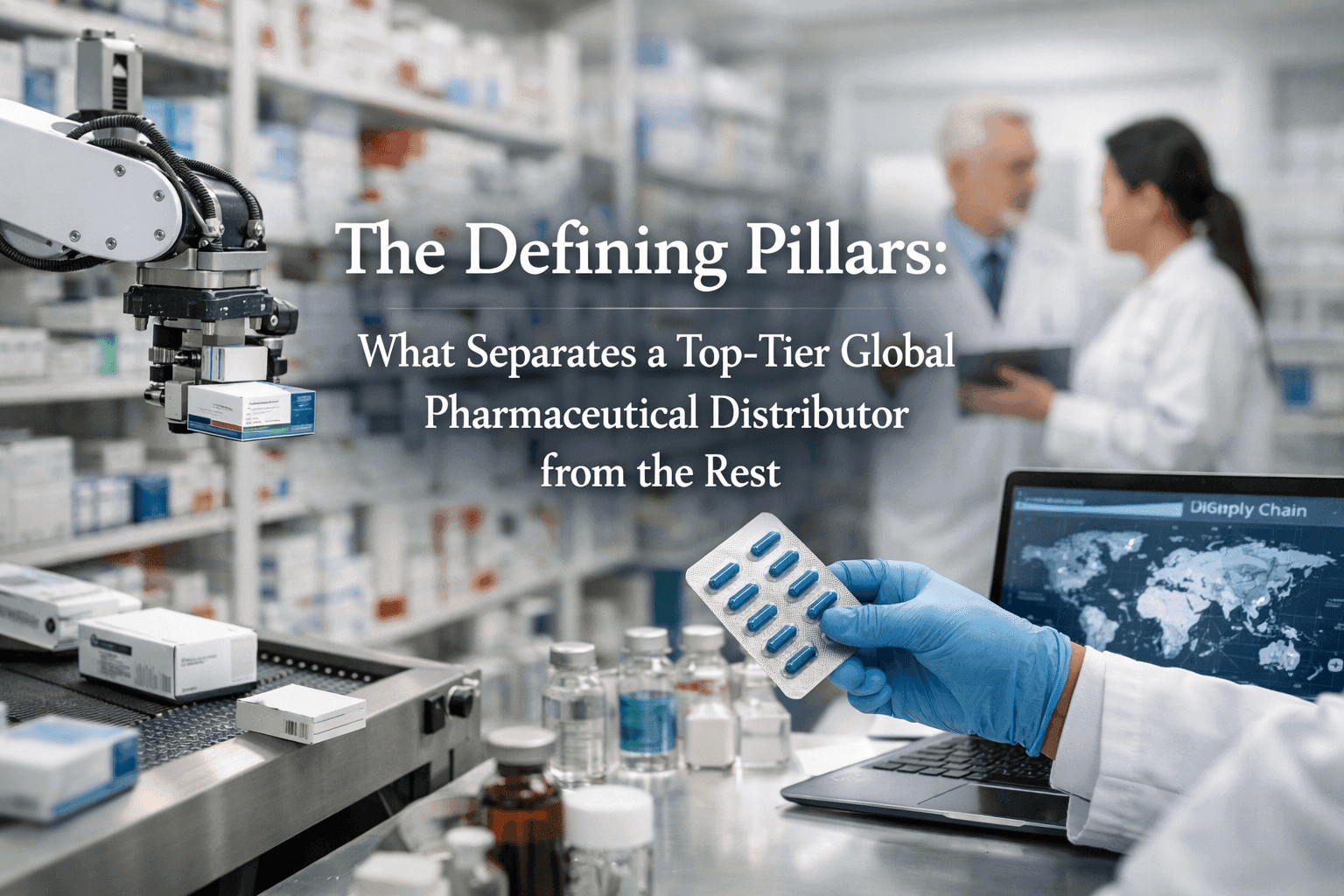
The landscape of pharmacy wholesale distributors is vast, but only a select few operate at the pinnacle, defining what it means to be a top-tier distributor. These entities are not merely large-scale movers of goods; they are expert-run ecosystems that integrate advanced technology, rigorous standards, and deep market intelligence into every facet of their operation. Their core competencies form a proven framework for excellence that others aspire to. At the foundation is an unparalleled Geographic Reach, often spanning dozens of countries, which creates a network effect of stability and redundancy. This is underpinned by an uncompromising commitment to GDP/GMP Compliance, ensuring that products—especially temperature-sensitive pharmaceuticals—are handled under strict, audited protocols from origin to destination. Their logistics infrastructure is a marvel of modern engineering, built around temperature-controlled supply chains that include real-time monitoring and contingency planning. Furthermore, digital capabilities such as real-time inventory visibility, AI-driven demand forecasting, and seamless EDI (Electronic Data Interchange) integrations are standard, transforming data into a strategic asset. Finally, a diverse and reliable client portfolio, servicing everything from national government health bodies and large hospital networks to private retail chains, demonstrates their adaptability and scale. For Malaysian pharmacy distributors with ambitions to scale regionally, dissecting and learning from these efficient frameworks is non-negotiable. Investment in such infrastructure and a culture of compliance is no longer a lofty goal but the essential new standard for survival and growth in an increasingly interconnected market.
Consider the operational pillars that define market leadership:
Regulatory & Quality Backbone: GDP/GMP certification, NPRA/MDA compliance, audit-ready documentation.
Technological Integration: Advanced Warehouse Management Systems (WMS), IoT-enabled cold chain monitoring, predictive analytics platforms.
Network & Scalability: Multi-country logistics partnerships, hub-and-spoke warehouse models, diversified transportation fleets.
Service & Partnership Model: Tailored solutions for different pharmacy segments, dedicated account management, value-added services like merchandising.
Learn more: An Overview of Cold Chain Management in Malaysia’s Pharmaceutical Distribution Sector (2026 Edition)
A Profile in Scale and Innovation: The World’s Leading Wholesale Pharmaceutical Distributor
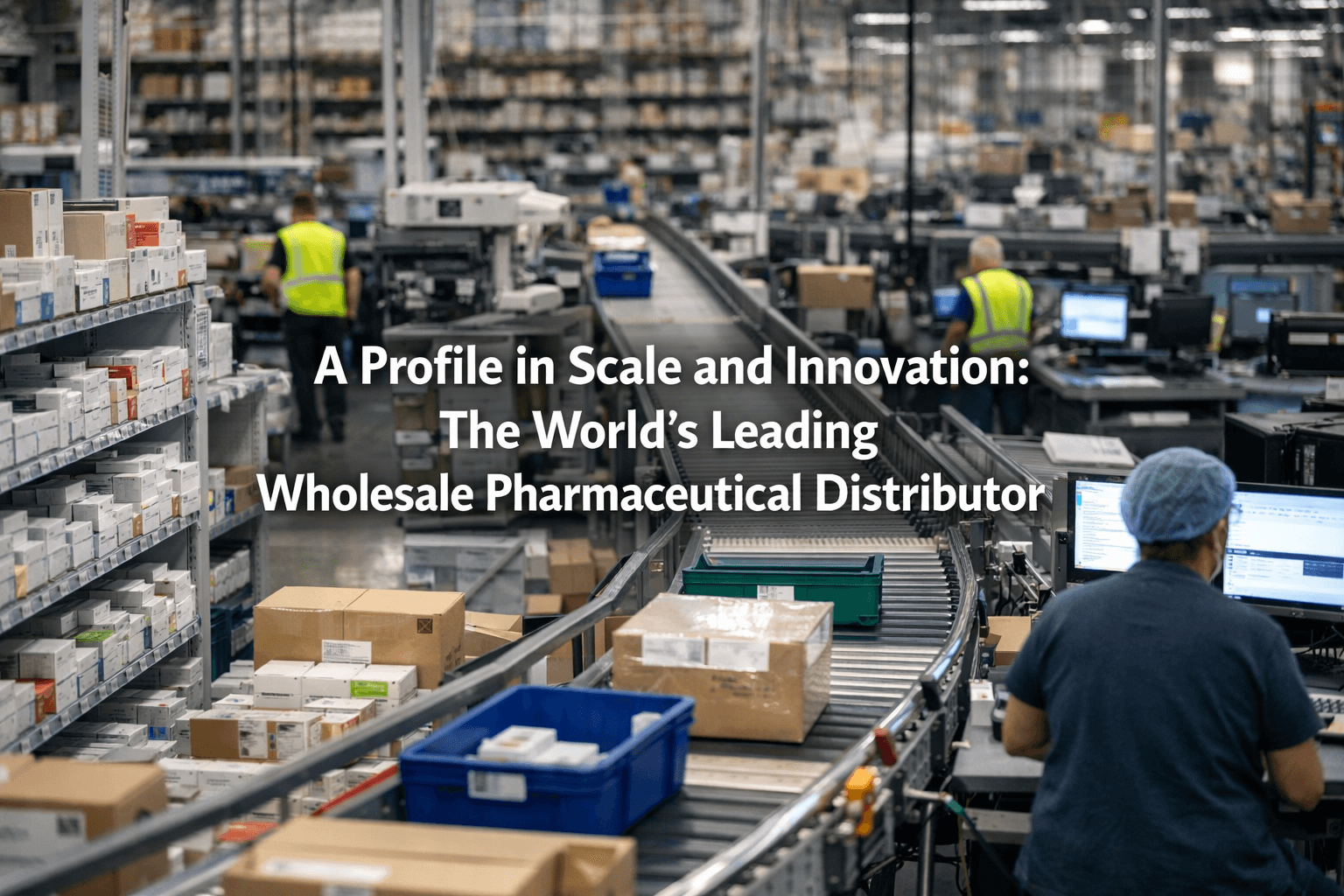
Currently holding the title of the world’s largest pharmacy wholesale distributor by revenue, scope, and technological capability is Cencora (operating previously as AmerisourceBergen). A deep dive into their model reveals the blueprint for global dominance. The sheer scale is staggering, with annual revenue exceeding USD 200 billion and operations spanning over 50 countries. However, scale alone is not the differentiator. Cencora’s strength lies in its tailored support across complex therapeutic categories, such as oncology drugs, specialty pharma, and generics, each with its own unique logistics and service requirements. Their reliable, data-driven logistics network is a benchmark, utilizing vast datasets to optimize routing, inventory placement, and demand planning. This is all built upon an advanced GDP/FDA-compliant infrastructure that includes state-of-the-art distribution centers capable of handling the most sensitive products. For a pharmacy distributor Malaysia operation looking to emulate such success, the lesson is clear: the path lies in strategic digitization, robust compliance systems, and expert execution. The goal is to evolve from being seen as a warehouse-and-transport vendor to becoming an integrated, intelligent supply chain partner that provides critical market insights and commercial support alongside flawless physical distribution.
Global Leader vs. Regional Specialist: A Strategic Comparison
| Operational Dimension | Global Leader (e.g., Cencora) | Established Malaysian Distributor |
|---|---|---|
| Primary Scale Driver | Massive volume across continents, mega-warehouses. | Deep penetration within Malaysia, understanding of local nuances. |
| Tech Investment | Proprietary AI, global tracking platforms, significant R&D budget. | Adoption of regional SaaS solutions, focused digital tools for key accounts. |
| Compliance Focus | Meets stringent FDA, EMA, and dozens of other global standards. | Centered on NPRA/MDA regulations, with GDP gaining importance. |
| Client Relationship | Often structured, large-scale contracts with multinational corporations. | Built on personal trust, flexible partnerships with local pharmacies and brands. |
| Key Advantage | Unmatched network stability, global product access, data breadth. | Agility, cultural proximity, efficient last-mile in complex urban/rural landscapes. |
Bridging the Gap: Benchmarking Global Strengths Against Malaysian Distribution Realities
The contrast between the capabilities of global distribution giants and the on-the-ground realities for pharmacy distribution service in Malaysia reveals both a challenge and a significant opportunity. Globally, leaders leverage advanced tech stacks, mega-automated warehouses, and seamless multi-market access. In Malaysia, distributors navigate a uniquely complex environment: a diversity of pharmacy formats (from hypermarkets to solo practitioners), specific local compliance hurdles with NPRA, and certain infrastructure gaps in rural logistics. The climate also imposes a constant pressure on cold-chain integrity. However, to view this only as a deficit is to miss the strategic advantages inherent to the Malaysian context. Local players possess deep cultural proximity and established pharmacist trust, which are invaluable currencies. They excel in building flexible retail partnerships and can implement efficient last-mile solutions tailored to reach rural klinik and outlets in a way global giants cannot easily replicate. Therefore, the real opportunity for growth lies not in mere imitation, but in the smart adaptation of proven global models—like digital inventory management and GDP standards—into localized, regulatory-aligned operations. This hybrid model leverages international best practices while retaining the agility and deep market knowledge that defines local success.
Learn more: Comparing Pharmacy Distribution Models in Malaysia: Local vs International
The Multifaceted Partner: The Strategic Role of the Distributor Pharmacy in Malaysian Healthcare
In the Malaysian healthcare narrative, a distributor pharmacy must be recognized as far more than a logistics agent; it is a strategic healthcare partner integral to the entire medication access continuum. Its performance directly impacts public health outcomes, commercial success for brands, and operational stability for pharmacies. This becomes clear when viewed from multiple, interconnected perspectives that enrich our understanding of the supply chain partner‘s true value.
From the pharmacist’s point of view, the distributor is the reliable lifeline for business continuity. They depend on guaranteed cold-chain delivery for vaccines and biologics to maintain product efficacy and patient safety. On-time restocks are critical to prevent stock-outs of chronic medication, which can damage patient trust and pharmacy reputation. A distributor’s efficiency directly affects a pharmacy’s ability to serve its community effectively.
From the brand manager’s perspective, especially for multinational corporations, the local distributor is the essential arm for in-market execution. Their success hinges on the distributor’s ability to provide tailored in-store execution, ensuring products are not just delivered but also correctly merchandised, with planogram compliance and prominent visibility. The distributor’s field team acts as the brand’s ambassador, providing crucial point-of-sale intelligence and feedback.
The distributor itself operates at this critical junction, ensuring regulatory alignment for every product handled and generating the point-of-sale visibility that manufacturers and pharmacies both crave. In Malaysia, players that exemplify this expert-driven partnership model, such as PriooCare, go beyond logistics to offer strategic services like dedicated merchandising teams and field support. These services ensure products gain and maintain shelf presence, which is proven to be crucial for market success in a competitive retail environment. This triad of relationships—linking pharmacist, brand, and distributor—creates a trusted network that forms the very backbone of a reliable and effective national medicine supply system.
Learn more: Community Pharmacy Services and Consumer Trust
The Indispensable Role of Compliance: Building Credibility Through GDP, NPRA, and Global Benchmarks
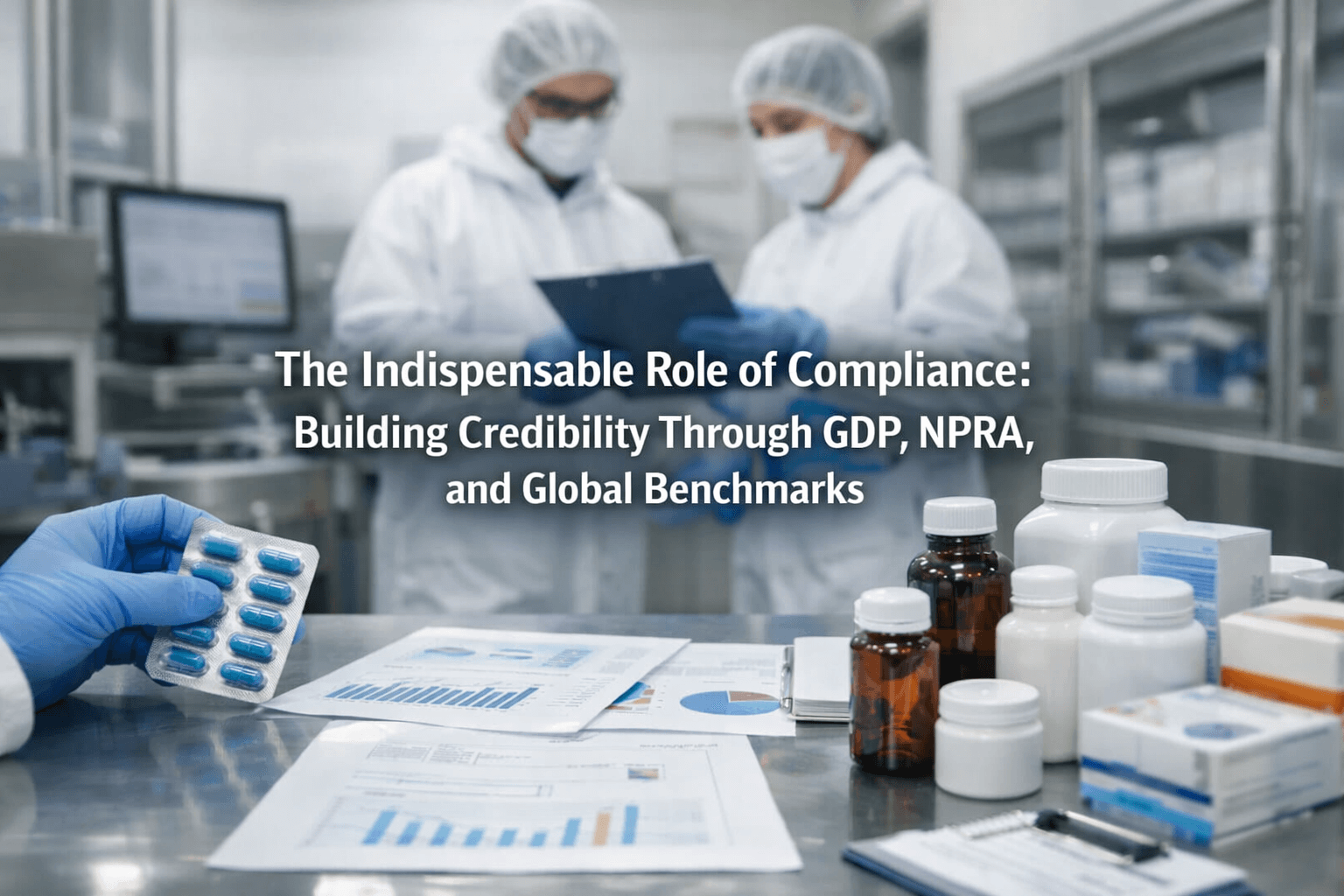
Navigating the pharmaceutical landscape requires a foundation that is unshakeable. In this sector, compliance is far more than a procedural formality; it is the very backbone of credibility and the cornerstone upon which patient safety and brand integrity are built. A distributor’s operational excellence is ultimately judged by its unwavering adherence to both global best practices and stringent local regulations. This dual commitment transforms a company from a mere logistics provider into a trusted and essential partner in the healthcare ecosystem. The distinction is critical: while many can move products, only those with proven compliance frameworks earn the long-term confidence of clients and regulators alike, safeguarding products from manufacturer to end-patient.
Global Standards as the Universal Benchmark for Quality Assurance
The world’s most reliable pharmaceutical distributors operate under a common umbrella of international standards, designed to ensure product integrity across complex supply chains. Foremost among these is the WHO Good Distribution Practices (GDP) certification, a comprehensive set of guidelines that govern every aspect of distribution, from warehouse management and transportation to documentation and personnel training. Beyond paperwork, modern compliance is increasingly digital and proactive. The integration of IoT cold-chain tracking provides real-time, granular visibility into temperature-sensitive shipments, allowing for immediate intervention should any parameter deviate. Furthermore, automated handling audits conducted via digital checklists and sensor-based systems ensure that standard operating procedures are followed meticulously, creating an immutable record of compliance. These technologies are not just gadgets; they represent a strategic investment in risk mitigation and quality assurance that defines world-class operations.
The Malaysian Regulatory Framework: NPRA and GDP as Non-Negotiables
Within Malaysia, the compliance landscape is distinctly shaped by the National Pharmaceutical Regulatory Agency (NPRA). This body sets the definitive rules for the market, and alignment with its mandates is non-negotiable for any pharmacy distributor Malaysia. The foundational requirement is obtaining a GDP license Malaysia, which demonstrates a company’s capability to distribute medicinal products without compromising their quality. Crucially, every product must undergo product registration via the QUEST system, a detailed electronic process that validates safety, efficacy, and quality before a product can ever reach a shelf. For instance, a distributor handling innovative biologic medications must not only have GDP-certified cold storage but also ensure all associated NPRA regulations for special products are threaded into their standard workflows. Another local example can be seen in the distribution of over-the-counter (OTC) pain management brands; a distributor must manage the NPRA-regulated labeling and shelf-life monitoring with the same rigor as prescription drugs, ensuring all pharmacy wholesale distributors in the chain are accountable.
From Compliance Checklists to Competitive Advantage
The practical implication of this rigorous adherence is profound. A robust compliance model does more than avoid penalties—it builds an impregnable reputation. In a market where pharmacists and healthcare providers have multiple sourcing options, they will invariably gravitate toward the most reliable supply chain partner. Consider the operational scenario of a Malaysian distributor supplying vaccines to a network of clinics across Sarawak. Their GDP-compliant logistics, verified through IoT monitoring, provide clinic operators with the certified assurance of product viability, directly impacting public health outcomes. This operational trust translates into commercial trust. When a multinational company seeks a strategic partner for its Malaysian market entry, it will prioritize distributors whose NPRA compliance is seamless and documented, effectively turning regulatory expertise into a formidable business development asset. The checklist for evaluating this goes beyond licenses:
Verified GDP certification with annual audit reports
Demonstrated NPRA QUEST system expertise for product registration
Documented cold-chain protocols with real-time access for clients
Trained compliance officers dedicated to local regulatory updates
Learn more: Regulatory Landscape for Pharmacy Distribution in Malaysia
The Direct Impact of Distributors on Shelf Visibility and Commercial Growth

The role of a distributor decisively shifts from the warehouse to the retail floor, directly influencing what products consumers see and purchase. This is where supply chain execution merges with commercial strategy. A distributor’s influence on shelf visibility, merchandising, and brand growth is often the differentiator between a product that stagnates and one that becomes a category leader. They act as the critical link, ensuring that the brand’s commercial strategy is activated precisely at the point of sale. This requires moving beyond simple stock delivery to active retail partnership, where data, relationships, and tactical execution converge to drive conversion.
Executing Brand Strategy at the Point of Sale
Pharmacy distributors Malaysia hold several key roles that directly affect commercial outcomes. Planogram enforcement ensures that a brand’s allocated shelf space and positioning—agreed upon with retail chains—are maintained consistently across hundreds of outlets, fighting against entropy and competitor incursions. Simultaneously, POSM (Point-of-Sale Material) activation means that promotional banners, shelf talkers, and display units are not just delivered but correctly installed and maintained for the duration of a campaign. Perhaps most critically, stock velocity monitoring allows distributors to provide actionable intelligence to both brand owners and pharmacists, identifying fast-moving items for prompt replenishment and slow-movers that may need promotional support. For example, a distributor’s field team noting a surge in demand for antihistamines in a specific region during hazy seasons can prompt strategic pre-positioning of stock, preventing out-of-stock scenarios and capturing full sales potential.
Real-World Impact: Turning Strategy into Measurable Sales Uplift
The tangible power of this expert-level influence is best illustrated through results. Consider the case where PriooCare’s strategic product bay placement in select Guardian Malaysia stores led to a measurable 17% increase in category sales. This wasn’t accidental. It involved analyzing shopping patterns, securing buy-in from pharmacy managers, and creating a dedicated display for complementary products—like pairing a premium vitamin C brand with immune-supporting zinc supplements. From the pharmacist’s perspective, this support is invaluable. An independent pharmacist in Penang often relies on their trusted distributor’s merchandiser to optimize limited shelf space based on moving trends, which they lack the time to analyze themselves. From the brand manager’s viewpoint, a distributor with this capability is an extension of their marketing team, providing effective ground-level execution that turns marketing spend into measurable ROI. This collaboration is what transforms basic distribution service into a true growth partnership.
A Framework for Evaluating Distributor Commercial Capabilities
When assessing a pharmaceutical distribution partner for their commercial impact, brands should look for evidence of active shelf management. The following comparison highlights the typical evolution of these capabilities:
| Commercial Capability | Basic Distributor | Advanced Growth Partner |
|---|---|---|
| Shelf Strategy | Reactive restocking based on orders | Proactive planogram enforcement & optimization |
| Promotional Execution | POSM drop-off at backroom | In-store POSM activation & compliance auditing |
| Data Insights | Provides basic sales volume data | Analyzes stock velocity, shares competitor insights, recommends orders |
| Retail Relationship | Transactional with store staff | Strategic advisory relationship with pharmacist/owner |
Learn more: Retail Store Design and Consumer Behavior: Visual Merchandising Techniques | The Role of Visual Merchandising in Retail Excellence
Navigating the Future: Strategic Trends Shaping Malaysian Pharmaceutical Distribution
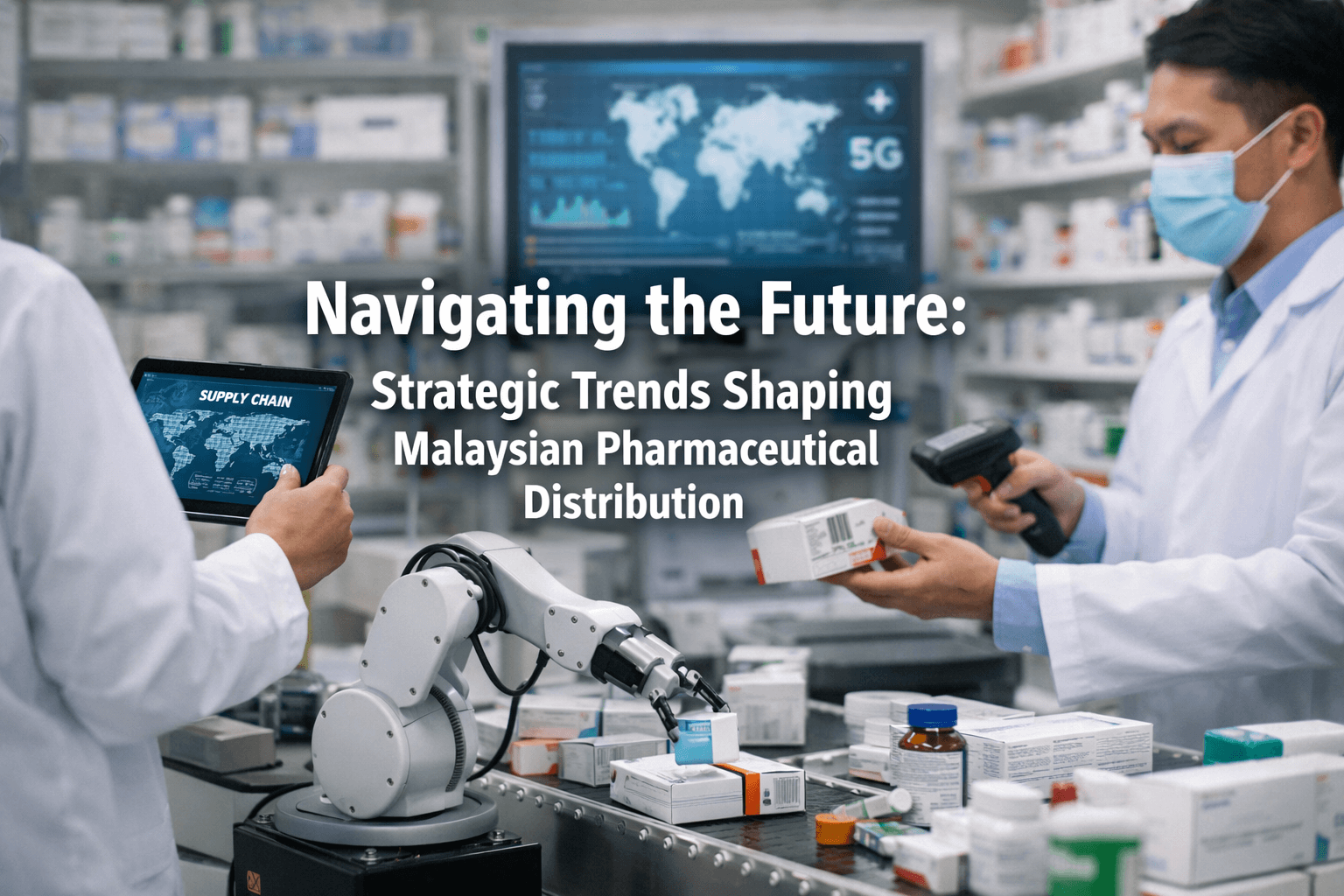
The trajectory for pharmacy distribution service in Malaysia is being redrawn by technological innovation and evolving market structures. The future belongs to organizations that view these changes not as disruptions but as opportunities to build deeper, more efficient collaboration with every stakeholder in the value chain. For independent pharmacy distributor firms, the imperative is clear: evolve into strategic partners integral to the commercial and clinical success of their clients, or risk being sidelined as commoditized vendors. The coming years will be defined by adaptability, data-driven decision-making, and hybrid operational models.
Key Trends Redefining the Logistics and Service Model
Several interconnected trends are poised to reshape the landscape. First, hybrid logistics models that blend in-house expertise with specialized third-party logistics (3PL) partnerships will become standard. This allows distributors to maintain control over core competencies while leveraging external networks for peak demand or specific geographic expansions. Secondly, AI-powered stock prediction will move beyond large chains to become accessible for distributors serving independent pharmacies, dramatically reducing both overstock and stockouts. Perhaps most significantly, NPRA-integrated traceability initiatives will advance, potentially leveraging blockchain-like systems to provide end-to-end product journey transparency from factory to patient, further elevating compliance and safety protocols.
The Malaysian Edge: Local Agility and Deep Partnerships
In this evolving space, Malaysian players possess a distinct advantage: the ability to offer tailored and flexible strategies rooted in on-ground pharmacist trust. While global giants are scale-driven, a local expert-driven distributor can move swiftly to align with Ministry of Health (KKM) initiatives, such as the rollout of new vaccination programs or chronic disease medication formularies. For example, a distributor could develop a reliable dedicated supply chain and pharmacist training module for a new class of diabetes drugs endorsed by KKM, creating unparalleled alignment. Furthermore, the rise of healthtech platforms and telemedicine services creates new channels. A forward-thinking distributor might establish strategic partnerships with these platforms to handle the last-mile fulfillment of prescribed medications, seamlessly connecting digital healthcare with physical product delivery. The path to thriving is specialization and partnership. Small to mid-sized players that become trusted partners—deeply understanding niche markets like pediatric nutrition, dermocosmetics, or elderly care—will carve out sustainable, profitable niches in the broader ecosystem.
The landscape of pharmaceutical distribution in Malaysia is a complex interplay of rigorous compliance, commercial acumen, and adaptive strategy. Success demands a partner that does not merely ship boxes but embeds itself as a proven and essential link in the healthcare chain, ensuring products are not only available but also presented and managed in a way that drives therapy adherence and brand growth. The intersection of NPRA regulation, data-driven merchandising, and innovative logistics forms the new blueprint for market leadership.
Learn more: Health Care Supply Chain Management Trends Report
Frequently Asked Questions (FAQ)
Q1: Who is the largest pharmaceutical distributor in the world?
Answer: McKesson is widely cited as the largest pharmaceutical distributor by scale and revenue in drug distribution.
Q2: Who are the big 3 pharmaceutical wholesalers?
Answer: The “Big Three” U.S. drug wholesalers are McKesson, Cencora, and Cardinal Health—often described as controlling the vast majority of U.S. wholesale market revenue.
Q3: Who is the largest medical distributor?
Answer: In broad “medical distribution” (medical supplies + healthcare distribution), McKesson is commonly listed among the largest players, alongside Cardinal Health and others, depending on the exact segment (medical-surgical vs. pharmaceuticals).
Q4: What are the 10 largest pharmaceutical companies in the world?
Answer: Rankings vary by year/metric, but a widely used “pharma sales” list includes: Pfizer, Johnson & Johnson, AbbVie, Merck & Co., Roche, Sanofi, AstraZeneca, Novartis, Bristol Myers Squibb, GSK.
Q5: Who are the big pharma distributors?
Answer: “Big pharma distributors” typically refers to major wholesalers and distribution networks—especially McKesson, Cencora, and Cardinal Health in the U.S.
Q6: Who is Pfizer’s biggest competitor?
Answer: It depends on the therapy area, but at a “big pharma” level, Merck & Co. and Johnson & Johnson are frequently positioned as close peers (size, pipeline breadth, major product categories).
Q7: What is the big 4 in pharma?
Answer: There isn’t one universal “Big 4” definition—people use it differently (by revenue, market cap, or by sub-sectors like generics). A common revenue-style “top tier” grouping often includes names like Johnson & Johnson, Roche, Merck & Co., and Pfizer for recent-year rankings.
Q8: What are the big 3 pharmacy chains?
Answer: In the U.S. retail chain context, the “big three” are commonly cited as CVS Health, Walgreens, and Rite Aid (even though the market has been rapidly changing).
Q9: What are the big 3 pharmaceuticals?
Answer: There’s no single official “big 3,” but in many global revenue lists, the very top tier typically features Johnson & Johnson, Roche, and Merck & Co. (with Pfizer often very close).
Q10: Which country is no. 1 in pharma?
Answer: If you mean the largest pharmaceutical market by sales, the United States ranks #1 (by a wide margin in 2024 sales).
As the Malaysian pharmaceutical market continues its rapid evolution, aligning with a distributor that embodies strategic insight, efficient operations, and proven compliance is crucial for sustainable growth. Whether you are a health brand launching a new product, a pharmacy chain optimizing your supply chain, or a regulatory consultant seeking a reliable operational partner, the choice of distributor will fundamentally shape your market execution.
We invite you to discuss how a tailored partnership can address your specific challenges and opportunities in the Malaysian market. Our team is equipped to support:
End-to-end pharmacy distribution services aligned with NPRA GDP standards.
Data-driven merchandising and planogram execution to maximize your brand’s shelf impact.
Custom logistics and brand rollout solutions across Peninsular and East Malaysia.
Reach out to explore how we can build a scalable and trusted supply chain together.
How can we assist you today? 😊
Just let us know—we’re here to help!