
World’s Top 15 Wholesale Pharmaceutical Distributors

Prioocare Pharmacy Distribution Services

April 23, 2026


At its heart, the pharmaceutical supply chain is a complex, high-stakes relay race where the baton is human health. Pharmaceutical distributors are the indispensable middle-mile runners, ensuring the secure, compliant, and efficient movement of medications from manufacturer to the point of care. They are far more than simple logistics companies; they are strategic partners who absorb immense complexity, allowing both manufacturers and healthcare providers to focus on their core missions. For the global healthcare ecosystem, these entities manage the critical flow of drugs across international borders, navigating a labyrinth of regulatory frameworkscustoms protocols, and market-specific demands. Their role transforms a manufacturer’s bulk output into the specific, patient-ready quantities needed at thousands of individual points—from large hospital networks in Kuala Lumpur to rural clinics in Sarawak. Without this essential logistical layer, the modern, on-demand model of pharmacy and healthcare would simply grind to a halt, making their operation a proven cornerstone of public health infrastructure worldwide.


Operational Anatomy: The Defining Traits of a Global Distributor
Operational Anatomy The Defining Traits Of A Global Distributor

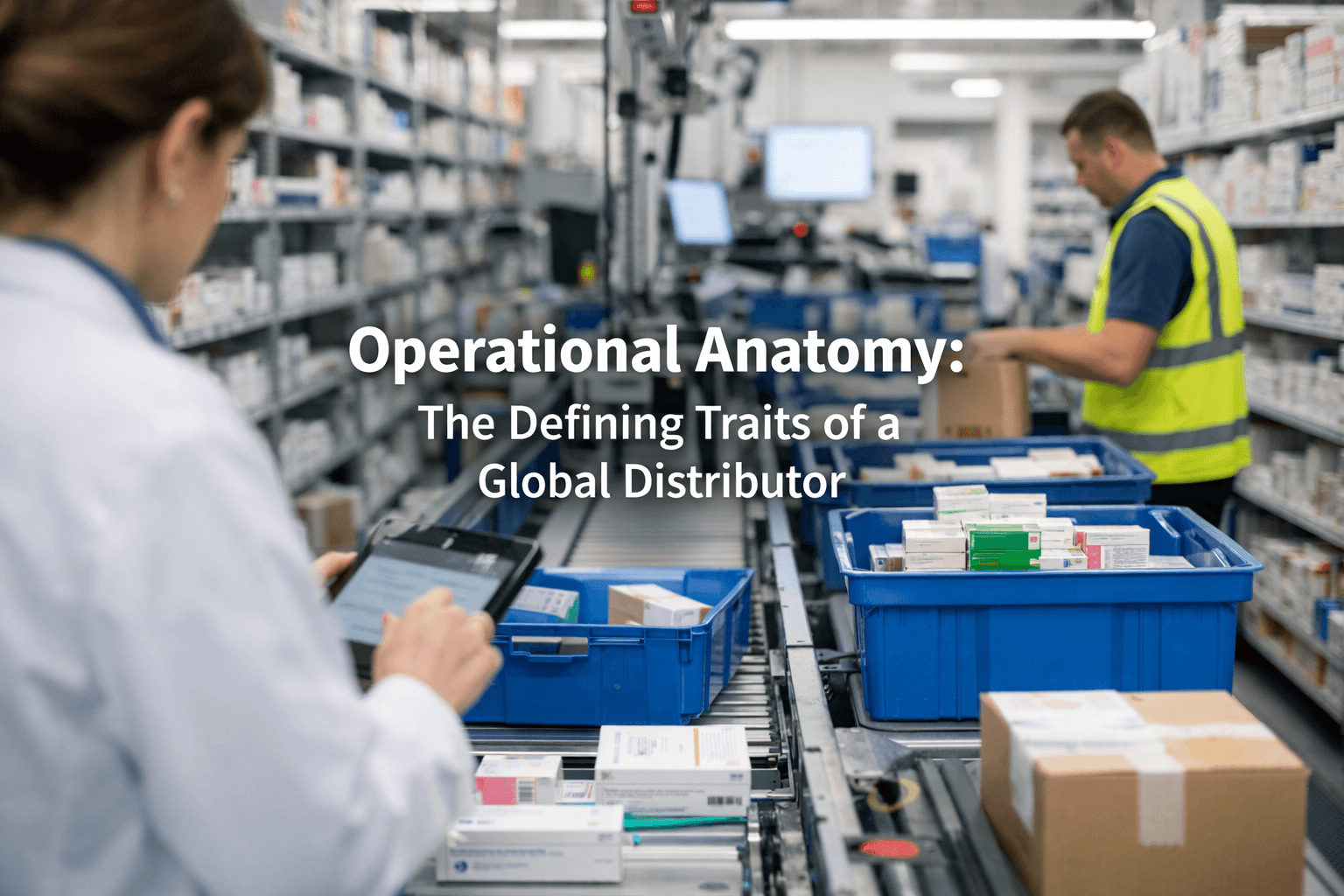
The scale and effectiveness of leading pharmacy wholesale distributors are not accidental; they are built upon a foundation of strategic capabilities that define the modern supply chain. First and foremost is the development of a robust, tiered distribution network. This isn’t a single route but a dynamic web of regional hubs, transportation partners, and last-mile delivery solutions that can adapt to disruptions. Secondly, operational efficiency is paramount, driven by sophisticated Warehouse Management Systems (WMS) and Enterprise Resource Planning (ERP) platforms that provide real-time visibility into inventory levels from a central warehouse in Selangor to a pharmacy shelf in Penang. Third, regulatory mastery is non-negotiable. A top distributor doesn’t just react to regulations; it anticipates them, embedding Good Distribution Practices (GDP) and local compliance, like Malaysia’s NPRA (National Pharmaceutical Regulatory Agency) guidelines, into every standard operating procedure. Finally, value-added services such as inventory management support, cold-chain logistics for temperature-sensitive products, and serialization for track-and-trace requirements elevate a distributor from a vendor to a trusted partner. These interconnected traits create a system where supply chain resilience meets market agility.


  • Inline Checklist: Key Capabilities of a Leading Distributor

    • A multi-node, adaptable logistics network with regional hubs.

    • Advanced inventory and data management systems for real-time tracking.

    • Deep, proactive regulatory and compliance expertise across markets.

    • Specialized infrastructure for cold-chain and controlled substance handling.

    • Value-added services that extend beyond mere transportation.


Learn more: Pharmaceutical Supply Chain Best Practices

The Global Benchmarks: Profiles of Market Leaders
The Global Benchmarks Profiles Of Market Leaders

Understanding the landscape requires looking at the entities that set the global standard. These leaders excel by combining massive scale with precise, reliable execution. McKesson Corporation, for instance, operates not just as a distributor but as a broad healthcare services and information technology company, offering pharmacy management software and clinical support tools that integrate seamlessly with its distribution muscle. Cardinal Health distinguishes itself through expertise in medical product manufacturing and a strong focus on hospital supply chain optimization, ensuring everything from bulk IV solutions to surgical kits flow efficiently. AmerisourceBergen has carved a niche through specialization and strategic partnerships, particularly in the niche but growing area of specialty pharmaceuticals and biologics, managing complex therapies that require extraordinary handling and patient support services. In Europe, Celesio AG (part of the McKesson family) demonstrates mastery in navigating the EU’s complex regulatory environment, while Alliance Healthcare leverages the retail pharmacy intelligence of its parent, Walgreens Boots Alliance, to provide tailored market insights and merchandising support. These companies illustrate that leadership is defined by both the volume moved and the intellectual capital and innovative solutions applied to the supply chain.


The Malaysian Context: Localizing Global Standards
The Malaysian Context Localizing Global Standards

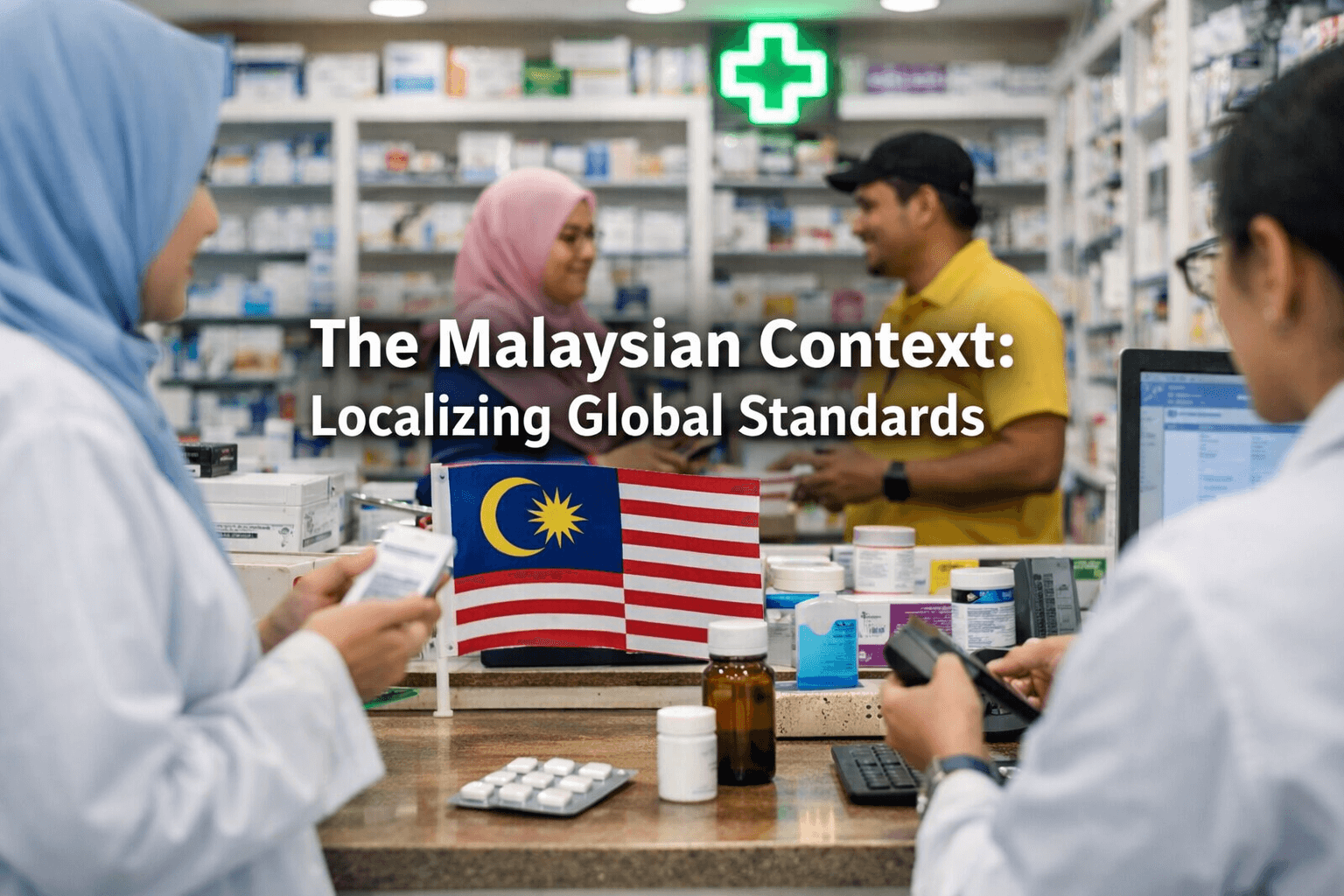
For Malaysian pharmacies and hospital groups, partnering with a distributor that understands the local terrain is as critical as their global prowess. The Malaysian market presents unique operational scenarios that demand a tailored approach. Consider the challenge of ensuring a consistent supply of insulin and vaccines across the nation, from ultra-urban KL to East Malaysia. This requires a distributor with a reliable, GDP-compliant cold-chain network that can handle not just international import but also domestic multi-stop deliveries in varying climate conditions. Another scenario involves the distribution of controlled substances, such as certain pain medications. Here, a distributor must have impeccable NPRA compliance and secure logistics to prevent diversion, all while ensuring legitimate patient needs in hospitals and palliative care centers are met without delay. Furthermore, the rise of online pharmacies and healthtech platforms in Malaysia creates a demand for distributors capable of direct-to-patient (DTP) or small-parcel logistics, a different model from traditional bulk pharmacy deliveries. A distributor that merely imports is not enough; the effective partner is one that provides end-to-end solutions within the framework of Aktivasi Baru Kos (ABC) costing methodologies and the Medical Device Authority (MDA) requirements for combo products.


The Compliance Imperative: Navigating the Regulatory Maze
The Compliance Imperative Navigating The Regulatory Maze

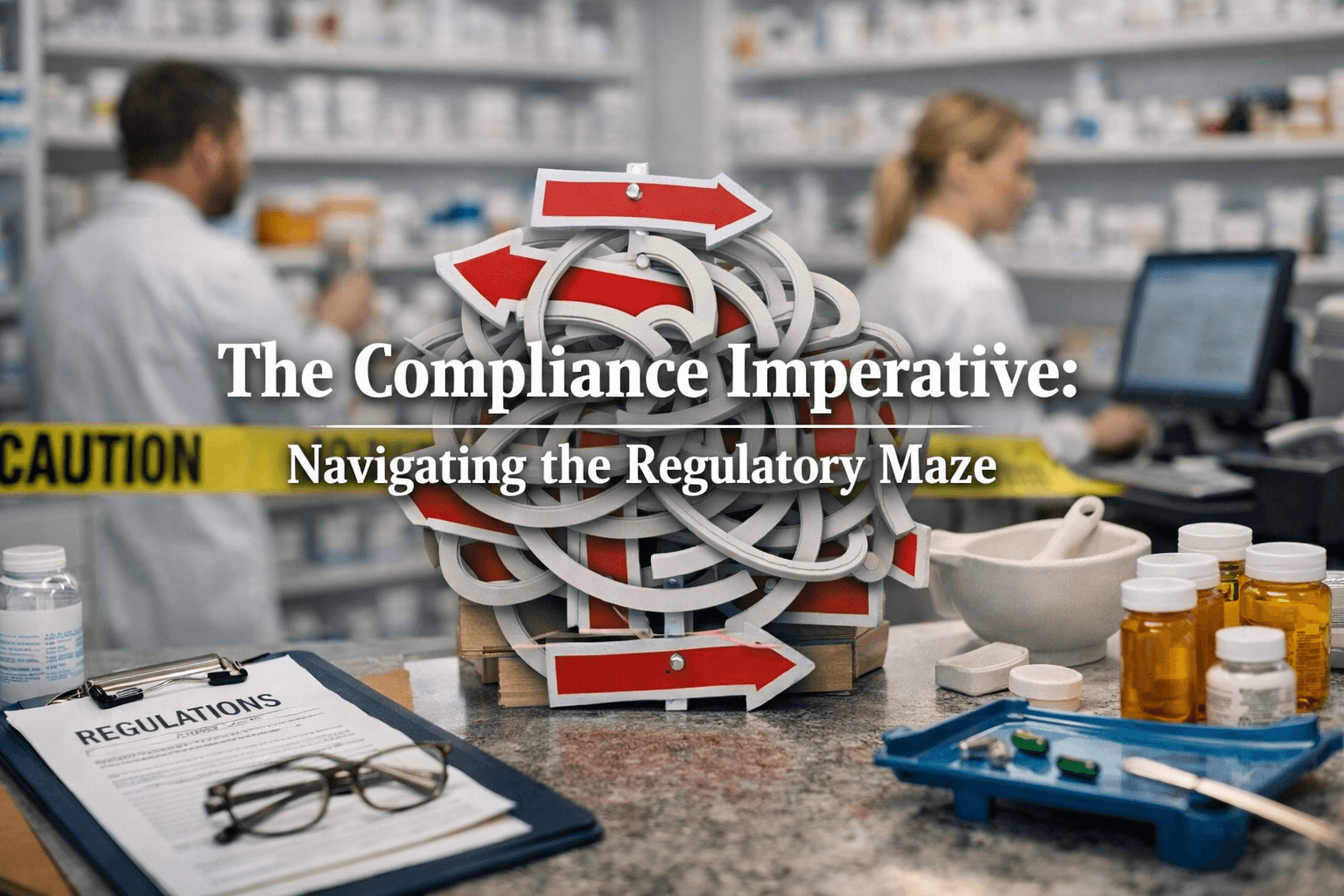
Regulatory compliance is the invisible thread that runs through every single box and vial in the pharmaceutical supply chain. It is the absolute bedrock of patient safety and product efficacy. For global pharma distributors, this means operating in a state of perpetual due diligence across multiple jurisdictions. In Malaysia, the NPRA is the central authority, governing everything from product registration and labeling to storage conditions and adverse event reporting. The perspective here differs sharply between stakeholders. For the pharmacist, compliance means receiving products with correct, Malaysia-registered labeling and unbroken cold-chain validation reports. For the brand manager at a multinational, it means the distributor reliably executes post-marketing surveillance obligations and manages product recalls according to NPRA protocols. For the distributor itself, it is an operational mandate requiring dedicated quality assurance teams, validated storage facilities, and rigorous staff training. A single deviation—a temperature excursion during transport, a documentation error—can lead to seized shipments, financial penalties, and eroded trust. Therefore, leading distributors invest heavily in quality management systems that are often more stringent than the local requirements, treating compliance not as a cost center but as a core competitive advantage.


  • Comparative Table: Stakeholder Perspectives on Regulatory Compliance


    StakeholderPrimary Compliance ConcernKey Metric for Success
    Pharmacist / ClinicProduct integrity & authenticity; correct labeling for dispensing.Zero instances of temperature-excursion alerts; 100% accurate shipment documentation.
    Brand / Product ManagerMaintaining market authorization; fulfilling pharmacovigilance duties.Timely and accurate serialization data submission; efficient recall execution if needed.
    Distributor (Operations)Adherence to GDP & NPRA guidelines across all processes.Successful audit outcomes (internal & external); on-time delivery of validated products.
    Regulator (e.g., NPRA)Ensuring public health safety through supply chain control.High rate of inspection compliance across the distribution network.


Learn more: The Importance of Regulatory Compliance in HealthcarePharmaceutical Supply Chain Best Practices


The Efficiency Engine: Logistics, Technology, and Cold-Chain Mastery
The Efficiency Engine Logistics, Technology, And Cold Chain Mastery

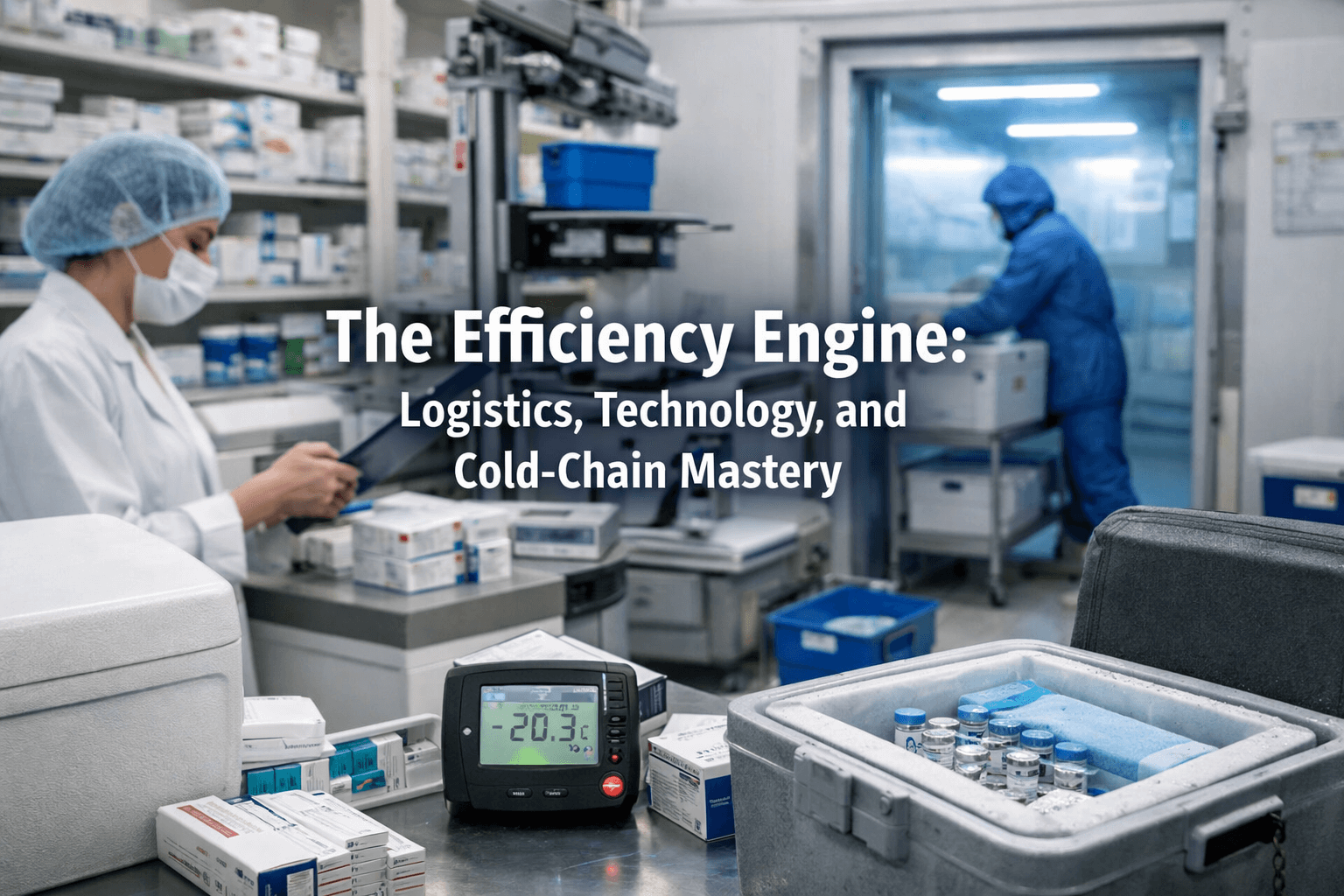
Beyond compliance lies the relentless pursuit of operational efficiency. This is where supply chain management transforms from theory into practice, directly impacting drug availability and cost. Logistics optimization involves sophisticated route planning to ensure just-in-time delivery, reducing the inventory holding costs for Malaysian pharmacies while preventing stockouts of essential medicines. Technology is the great enabler here: RFID taggingblockchain for traceability, and IoT-enabled smart containers that monitor location, temperature, and humidity in real-time are becoming industry standards. Nowhere is this more critical than in cold-chain logistics. The distribution of biologicsoncology drugs, and most vaccines requires an unbroken, monitored temperature environment from the manufacturer’s door to the patient. This demands a proven infrastructure of temperature-controlled warehouses, refrigerated vehicles, and qualified personnel. In a Malaysian context, where tropical climate is a constant challenge, a distributor’s cold-chain capability isn’t a premium service—it’s a fundamental requirement for a significant portion of the modern pharmaceutical portfolio. Failures in this area don’t just represent financial loss; they represent a direct compromise to patient therapy outcomes.


Learn more: Pharmaceutical Supply Chain Best Practices


Strategic Partnership: Beyond Transaction to Transformation

The most forward-thinking pharmaceutical distributors now position themselves as strategic supply chain partners, moving far beyond a transactional “buy-sell” model. This evolution is essential for pharmacies and manufacturers looking to thrive in a competitive market. For a Malaysian pharmacy chain, this partnership might manifest as tailored inventory management support, where the distributor uses purchasing data to provide forecasting insights, helping to optimize stock levels of fast-moving generic medicines versus slower-moving specialty products. For a multinational pharma company launching a new product in Malaysia, the distributor acts as an extension of its commercial team, providing market intelligence, managing first-line logistics, and ensuring launch stocks are deployed effectively across targeted regions. This collaborative approach creates a symbiotic relationship: the pharmacy gains a more reliable and cost-effective supply operation, the manufacturer gains deeper market penetration, and the distributor solidifies its role as an expert, integrated player in the healthcare value chain. In this model, success is measured not just in delivery times, but in shared business growth and enhanced patient access to medicines across the country.


Learn more: Meeting Changing Consumer Needs: The US Retail Pharmacy of the Future


The Dual Role of International and Independent Distributors in Malaysia

Navigating the pharmaceutical distribution network in Malaysia requires a nuanced understanding of two distinct yet complementary forces: global-scale distributors and local independent operators. The strategic advantage lies not in choosing one over the other, but in leveraging the unique strengths of each to create a resilient and responsive supply ecosystem. This dual-model approach is not just a logistical preference; it’s a competitive imperative for pharmacies aiming to thrive in Malaysia’s diverse and dynamic market.


The Strategic Depth of Global Distributors: Scale, Systems, and Stability

Global pharmaceutical distributors bring a formidable arsenal of scale, sophisticated technology, and standardized processes to the Malaysian market. Their primary advantage is the sheer breadth of product portfolios, granting pharmacies one-stop access to a vast array of international brands, latest pharmaceutical innovations, and specialized medicines that might otherwise be difficult to source. This is complemented by their investments in strategic supply chain infrastructure, including AI-driven logistics platformsautomated warehouse systems, and internationally benchmarked cold-chain capabilities. For a Malaysian pharmacy dispensing the newest biologics or specialty vaccines, this global network is essential. It provides a reliable backbone that ensures regulatory compliance with bodies like the NPRA (National Pharmaceutical Regulatory Agency) is woven into the distribution fabric, from manufacturer to shelf. The operational rhythm here is one of predictability and proven protocols.


telling example within Malaysia involves the distribution of novel oncology drugs or advanced insulin therapies. These products often have stringent temperature controls and complex handling requirements. A global distributor, with its investment in real-time GPS and temperature tracking across its entire regional network, can provide the end-to-end visibility and documentation integrity that these high-stakes products demand. Pharmacies benefit from this reliable, audit-ready supply chain, which minimizes risk and builds trust with healthcare providers and patients. However, this model can sometimes lack the market-specific agility needed for rapid, localized adaptation.


Learn more: Emerging Trends in Pharmaceutical Distribution  | Emerging from Disruption: The Future of Pharma Operations Strategy
 

The Agile Power of Independent Distributors: Hyper-Local Knowledge and Tailored Relationships

In contrast, independent pharmacy distributors in Malaysia excel through local agility, deep community roots, and personalized service. Their operational model is built on flexibility and an intimate understanding of regional nuances—from the specific formulary preferences of hospitals in Johor Bahru to the over-the-counter product trends in community pharmacies across Sarawak. This hyper-local intelligence allows them to move quickly, adapting inventory and services to meet sudden shifts in demand or localized health trends. They are not just suppliers; they often become strategic partners to pharmacies, offering tailored solutions that a global entity might deem too niche or inefficient.


Consider the scenario of a rural pharmacy in Pahang needing a consistent supply of chronic disease medications for its aging population. An independent distributor, with its lean operations and focus on that specific region, can ensure more frequent, smaller deliveries that optimize the pharmacy’s cash flow and shelf space. Furthermore, they might provide expert merchandising support tailored to that community’s needs, such as strategic shelf placements for hypertension management kits or point-of-sale materials in Bahasa Malaysia and local dialects. This level of customized engagement fosters strong loyalty. Another Malaysia-centric example is the rapid distribution of traditional and complementary medicines (T&CM) alongside allopathic products, a product mix strategy that local independents often navigate with greater finesse than their global counterparts.


Building a Hybrid Model: Synergy for Competitive Advantage

The most effective strategy for pharmacy success in Malaysia involves intelligently balancing these two models. This isn’t a passive act but a proactive supply chain design. Pharmacies and larger pharma distributors themselves can cultivate a hybrid network where global partners manage the core, high-volume, temperature-sensitive product lines, while independent partners handle last-mile flexibility, niche products, and value-added services. This creates a supply chain that is both robust and responsive.


Key pillars for implementing this hybrid model include:

  • Segmented Inventory Strategy: Classify products based on criticality, volume, and specialization. Global distributors handle Category A items (high-value, cold-chain dependent), while independents manage Category C items (fast-moving, local favorites).

  • Integrated Technology Platforms: Utilize platforms that provide visibility across all distributors, preventing data silos and enabling better demand forecasting.

  • Clear Service-Level Agreements (SLAs): Define performance metrics separately for each partner type, recognizing their different strengths—on-time-in-full (OTIF) focus for globals, and responsiveness and merchandising support for locals.


From the brand manager’s perspective, this hybrid approach ensures broad market penetration while maintaining brand compliance in diverse retail settings. For the pharmacist, it means product availability and personalized support. For the distributor, it represents a strategic path to growth—either by scaling niche expertise or integrating complementary local networks.


The Critical Framework of Cold-Chain and Compliance

Underpinning all distribution models, especially in Malaysia’s tropical climate, is the non-negotiable domain of cold-chain logistics. This is far more than just refrigerated trucks; it is a integrated system of temperature-controlled storagevalidated packaging, and continuous monitoring to ensure product integrity. The stakes are monumental with the rise of biologics, mRNA vaccines, and insulin analogues. A single temperature excursion can render a life-saving drug ineffective, leading to financial loss, regulatory non-compliance, and eroded patient trust.


Efficient cold-chain management distinguishes a trusted supply chain partner. It requires proven expertise in GDP (Good Distribution Practice) standards and NPRA guidelines. For example, the journey of a monoclonal antibody therapy from a manufacturing plant in Europe to a patient in Kuala Lumpur involves multiple handoffs. Each transition—at the port, in the central warehouse, during regional distribution—is a critical control point. Distributors investing in IoT-enabled sensors and blockchain-enabled logbooks provide the transparency and accountability that modern healthcare logistics demand. This capability is a major differentiator, often more developed in global networks but increasingly adopted by forward-thinking local pharma distributors aiming to compete for specialty pharmacy contracts.


Beyond Logistics: The Value-Added Role of Expert Merchandising

Beyond Logistics The Value Added Role Of Expert Merchandising

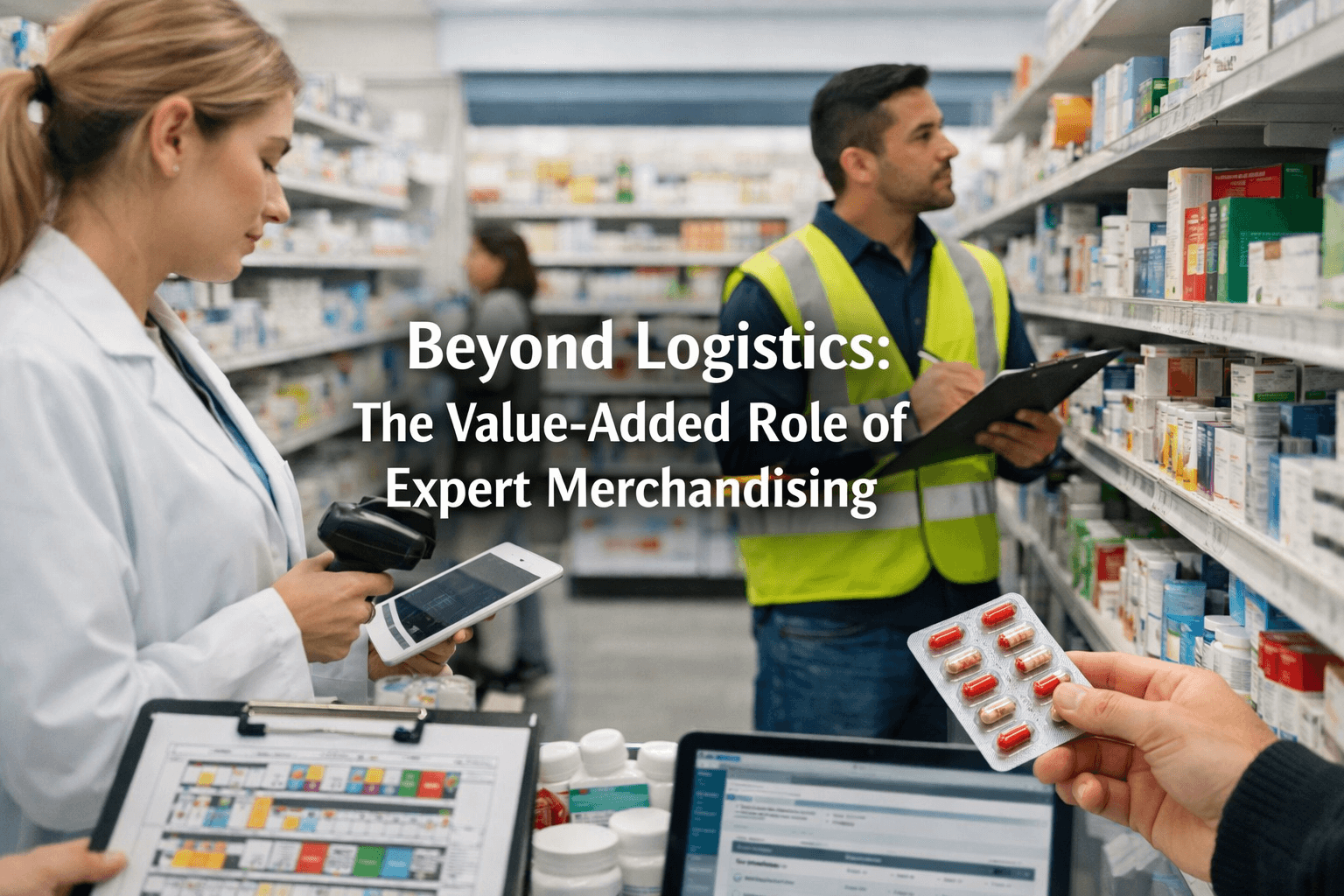
Pharmaceutical distribution has transcended mere transportation. Today, a proven distributor acts as a commercial growth partner through expert merchandising services. This function directly impacts a pharmacy’s top-line revenue and customer experience. In Malaysia’s competitive retail pharmacy landscape, where chains and independents vie for consumer attention, strategic shelf optimization and in-store promotion are powerful tools.


Effective pharmacy merchandising services encompass:

  • Planogram Development: Data-driven shelf layouts that maximize turnover for high-demand products like over-the-counter cough & cold remedies while ensuring visibility for newer prescription products.

  • Promotional Campaign Execution: Managing point-of-sale displays for seasonal campaigns, such as allergy relief or vitamin boosts during monsoon season.

  • Staff Product Knowledge Updates: Briefing pharmacy assistants on new product benefits, a critical service that enhances customer consultation and builds brand loyalty.


An independent pharmacy distributor in Penang, for instance, might use its on-the-ground team to help a client pharmacy redesign its wellness section, creating a dedicated diabetic care zone that groups together glucose monitors, specialist foot care, and relevant supplements. This tailored approach not only improves sales but positions the pharmacy as a thoughtful healthcare destination. The distributor’s success becomes intrinsically linked to the pharmacy’s commercial health.


Future-Proofing Through Innovation and Adaptation

The future of pharmaceutical distribution is being shaped by converging technological and societal trends. For Malaysian pharmacy distributors, staying ahead means embracing automation, digitalization, and patient-centric modelsAI and machine learning are moving beyond logistics to predict regional disease outbreaks, enabling proactive inventory stockingE-commerce integration for pharmacies, accelerated by the pandemic, requires distributors to develop direct-to-patient (DTP) or click-and-collect fulfillment capabilities.


A significant innovation is the rise of digital supply chain platforms. These platforms offer pharmacies a unified dashboard to order from multiple distributors, track shipments in real-time, and access analytics on sales trends. This democratizes information and increases operational efficiency. Furthermore, sustainability in logistics—through electric delivery vehicles or optimized route planning to reduce carbon footprint—is evolving from a nice-to-have to a regulatory and consumer expectation.


From the pharmacist’s viewpoint, these innovations promise less administrative hassle and more time for patient care. For the distributor, they represent both a challenge to adapt and an opportunity to offer deeper, stickier partnerships. The path forward requires a mindset of continuous adaptation, balancing the scale and tech prowess of global best practices with the agile, community-focused execution of local experts.


Frequently Asked Questions (FAQ)

Q1: Who is the largest pharmaceutical distributor in the world?
Answer: McKesson is widely regarded as the world’s largest pharmaceutical distributor by revenue scale and distribution reach.


Q2: Who are the big 3 pharma wholesalers?
Answer: The U.S. “Big Three” drug wholesalers are McKessonCencora, and Cardinal Health—often described as controlling the majority of U.S. wholesale distribution.


Q3: Who is Pfizer’s biggest competitor?
Answer: It depends on the therapy area, but for large-scale “Big Pharma” competition, Merck & Co. is frequently cited as a major peer/rival (e.g., cancer and vaccines).


Q4: Which is the largest retail pharmacy in Malaysia?
Answer: Recent reporting describes BIG Caring Group—formed via BIG Pharmacy’s acquisition of Caring Pharmacy—as Malaysia’s largest retail pharmacy chain, with 600+ outlets.


Q5: What are the 10 largest pharmaceutical companies?
Answer: A commonly cited top-10 by pharma sales includes PfizerJohnson & JohnsonAbbVieMerck & Co.RocheSanofiAstraZenecaNovartis, Bristol Myers Squibb, and GSK.


Q6: Who is the largest medical distributor?
Answer: Across broad healthcare/medical distribution, McKesson is commonly listed among (and often at) the top by size.


Q7: What is the big 4 in pharma?
Answer: There’s no single official “Big 4” globally—people usually mean the largest pharma companies by sales in a given year, and the exact names can shift year to year.


Q8: What are the big 3 pharmacy chains?
Answer: In the U.S., the biggest chains are commonly cited as CVS HealthWalgreens Boots Alliance, and Walmart (rankings vary by metric such as stores vs. prescription revenue).


Q9: Who are the top 20 pharma companies?
Answer: One widely referenced approach ranks the top 20 by annual revenue (a list that typically includes Pfizer, J&J, Roche, Merck, AbbVie, Novartis, Sanofi, AstraZeneca, Eli Lilly, etc.).


Q10: Which country is no. 1 in pharma?
Answer: By pharmaceutical sales (market size), the United States ranks #1.


Our Services

Our marketing and sales teams use their strong relationships with the channel to create demand for your product at every stage of its lifecycle.

Demand creation services we offer:

Market Access Services

Regulatory Registration Services

Pharma Product Listing Services

Merchandising services (RSMS)

Brand Management

Logistic & Warehousing

Exclusive Merchandising Services

Visual Merchandising

Discover More About Our Solution