
World’s Top 3 Wholesale Pharmaceutical Distributors
April 17, 2026
At its core, a pharmaceutical distributor functions as the critical linchpin in the healthcare ecosystem, orchestrating the complex journey of a product from the manufacturer’s loading dock to the pharmacy shelf. This role is far more sophisticated than simple transportation. These entities act as strategic intermediaries that ensure the secure, compliant, and efficient flow of medicines, absorbing the immense operational burden that would otherwise fall on manufacturers and pharmacies alike. For a market like Malaysia, with its unique regulatory landscape and geographic diversity, understanding this orchestration is essential. The operational model of a global distributor pharmacy integrates a symphony of functions: demand forecasting, inventory management, order fulfillment, cold-chain logistics, and meticulous regulatory documentation. They provide the reliable infrastructure that makes modern medicine accessible, transforming global production into local availability.
From a pharmacist’s perspective, the distributor is the trusted partner who ensures their shelves are stocked with the right products at the right time, allowing them to focus on patient care rather than logistics.
From a brand manager’s viewpoint, the distributor is the extended arm of their commercial team, providing the market access and supply chain expertise needed to reach fragmented retail networks without establishing a costly physical presence.
For a patient, this entire, often invisible, system determines whether their prescribed treatment is available at their neighborhood clinic in Johor Bahru or if they face a worrying delay.
Benchmarking Global Scale Against Local Realities in Malaysia
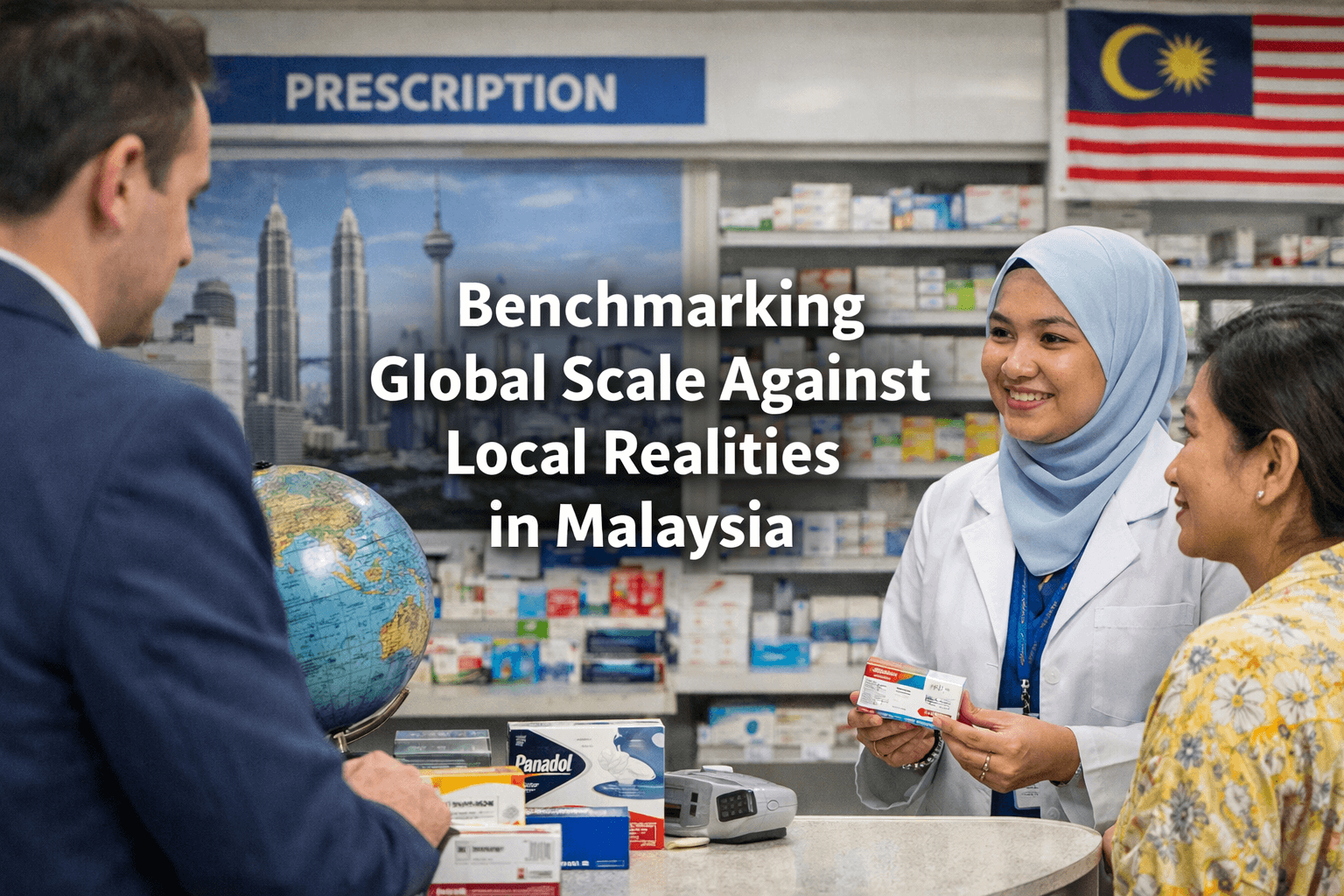
The sheer scale and technological investment of global wholesale pharmaceutical distributors establish a performance benchmark that highlights both the capabilities and the challenges within the Malaysia pharmacy distributor landscape. Globally, firms like the top three manage supply chain networks processing billions of dollars in transactions daily, leveraging AI-driven forecasting, robotic automated storage and retrieval systems (ASRS), and blockchain-enabled serialization for impeccable traceability. Their good distribution practice (GDP) protocols are often the gold standard, audited by multiple international health authorities. In contrast, while reliable, many independent pharmacy distributors in Malaysia navigate a more fragmented environment. Their challenges are multifaceted: managing KKM (Kementerian Kesihatan Malaysia) and NPRA (National Pharmaceutical Regulatory Agency) approvals, investing in GDP-compliant warehousing often without the same economies of scale, and serving a retail network that includes everything from large hospital chains in Kuala Lumpur to independent community pharmacies in rural Sabah and Sarawak.
This disparity isn’t merely about size; it’s about operational maturity and strategic resource allocation. The global model demonstrates the power of integrated technology and standardized processes. For example, a global distributor’s system might automatically reroute a shipment of temperature-sensitive biologics around a port delay in Singapore, with all cold-chain data logged in real-time. A local distributor might rely on more manual tracking and relationships with freight forwarders to solve the same problem—effective, but potentially less efficient at extreme scale. Recognizing this gap is not a critique but a crucial insight. It provides a roadmap for local players aiming to scale, showing where investments in digitalization and process optimization can yield the most significant returns in reliability and cost-effectiveness.
Operational Framework: Core Capabilities of a Modern Pharma Distributor
Regulatory & Compliance Mastery: Expertise in NPRA regulations, GDP, controlled drug handling, and import/export customs clearance.
Technology-Integrated Logistics: Utilization of Warehouse Management Systems (WMS), Transportation Management Systems (TMS), and IoT sensors for real-time condition monitoring.
Inventory & Financial Services: Offering vendor-managed inventory (VMI), just-in-time delivery, and flexible payment or consignment terms to improve pharmacy cash flow.
Value-Added Services: Providing kitting, repackaging, serialization, and commercial support like marketing data analytics to manufacturers.
Learn more: Regulatory Landscape for Pharmacy Distribution in Malaysia | The Global Use of Medicines Outlook Through 2029
The Tangible Impact of Global Supply Chain Trends on Malaysian Shelves
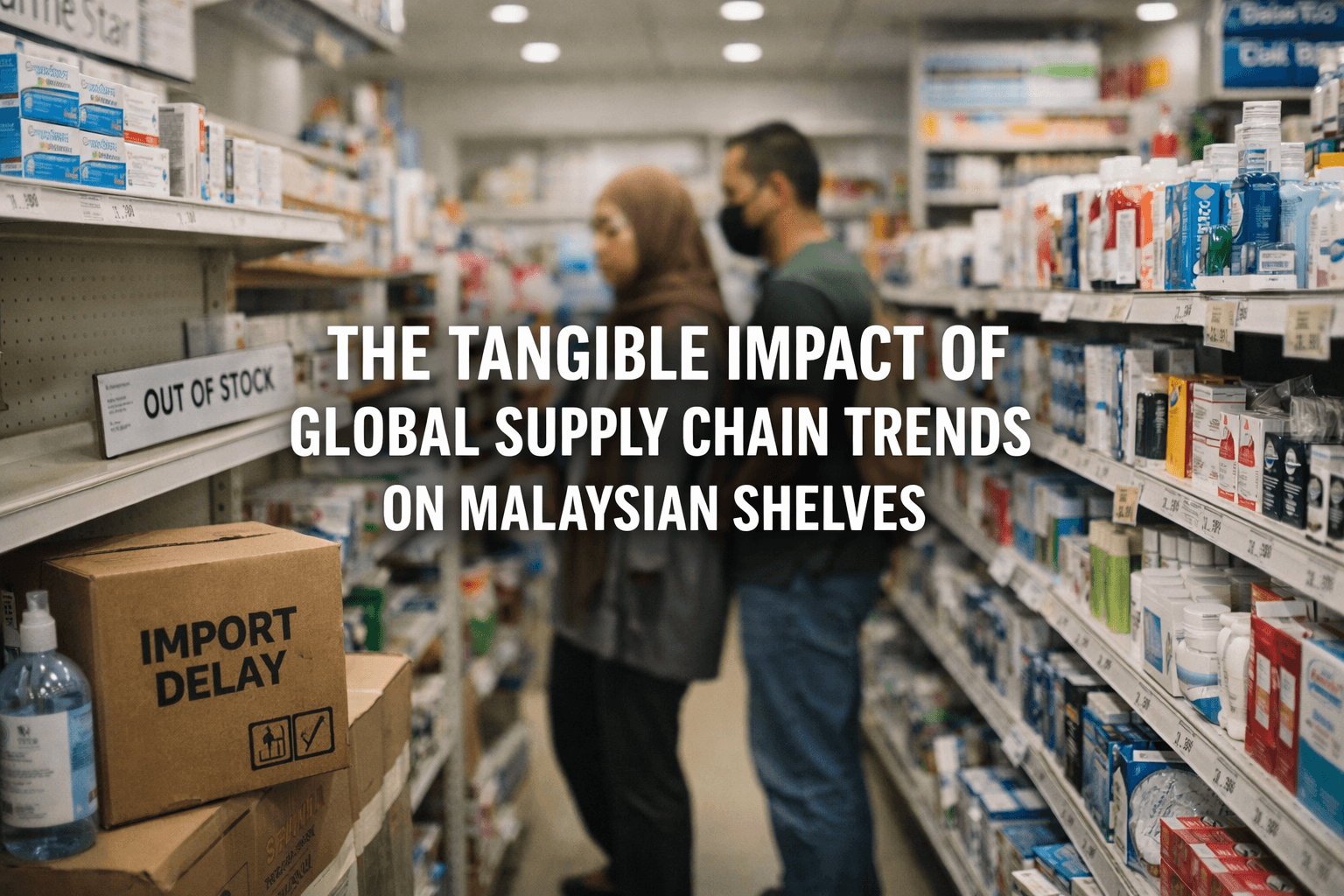
Global pharmaceutical supply chain trends are not abstract concepts; they manifest directly as stock availability, price stability, and delivery speed for every pharmacy stakeholder in Malaysia. The pandemic was a stark reminder of how upstream bottlenecks—a shortage of active pharmaceutical ingredients (APIs) in India or a container ship stuck in the Suez Canal—can lead to empty shelves in Penang or Kuching. In response, leading pharmacy wholesale distributors worldwide have accelerated trends that directly impact the Malaysian market. The massive investment in regional warehousing and strategic stockpiling by global manufacturers, facilitated by their distributors, creates buffer stocks closer to end markets like ASEAN. This shift helped mitigate the kind of disruptions that affected major retailers in 2023. Furthermore, the adoption of predictive analytics for demand forecasting allows for more precise inventory planning, reducing both shortages and wasteful overstock.
For a Malaysian community pharmacy, these trends translate into practical implications. A pharmacy in Georgetown relying on a local distributor with proven global partnerships is more likely to have consistent access to novel diabetes or oncology medications because that distributor can tap into a resilient international network. The increasing focus on cold-chain logistics for vaccines, biologics, and specialty pharma means distributors must invest in climate-controlled facilities and validated transport—a capability now expected by regulators and patients alike. Consider the rollout of updated COVID-19 vaccines or the distribution of new monoclonal antibody treatments; their availability in Malaysia is contingent on a distributor’s ability to manage an unbroken, monitored temperature-controlled supply chain from origin to injection. Being informed by these global models provides Malaysian businesses with a strategic advantage, allowing them to anticipate needs, ask the right questions of their partners, and build more resilient procurement strategies.
Comparative Table: Supply Chain Resilience – Global Benchmark vs. Local Adaptation
| Resilience Factor | Global Distributor Standard | Malaysian Local Distributor Adaptation |
|---|---|---|
| Inventory Buffer | AI-optimized safety stock held in regional hubs (e.g., Singapore). | Strategic partnerships with multiple global sources & local consignment stock for key products. |
| Disruption Response | Real-time supply chain visibility tools allowing dynamic rerouting worldwide. | Strong relationships with freight forwarders & agile communication with local sales teams for manual overrides. |
| Regulatory Agility | Dedicated teams for global compliance across dozens of markets. | Deep, expert knowledge of NPRA processes and direct relationships with agency personnel for faster resolution. |
| Technology Backbone | Integrated platforms for end-to-end traceability (e.g., blockchain pilots). | Gradual adoption of cloud-based WMS and reliance on robust, if less integrated, tracking systems. |
Learn more: An Overview of Cold Chain Management in Malaysia’s Pharmaceutical Distribution Sector (2026 Edition) | Four Ways Pharma Companies Can Make Their Supply Chains More Resilient
Profiling the Market Leaders: The Top 3 Global Pharmacy Wholesale Distributors
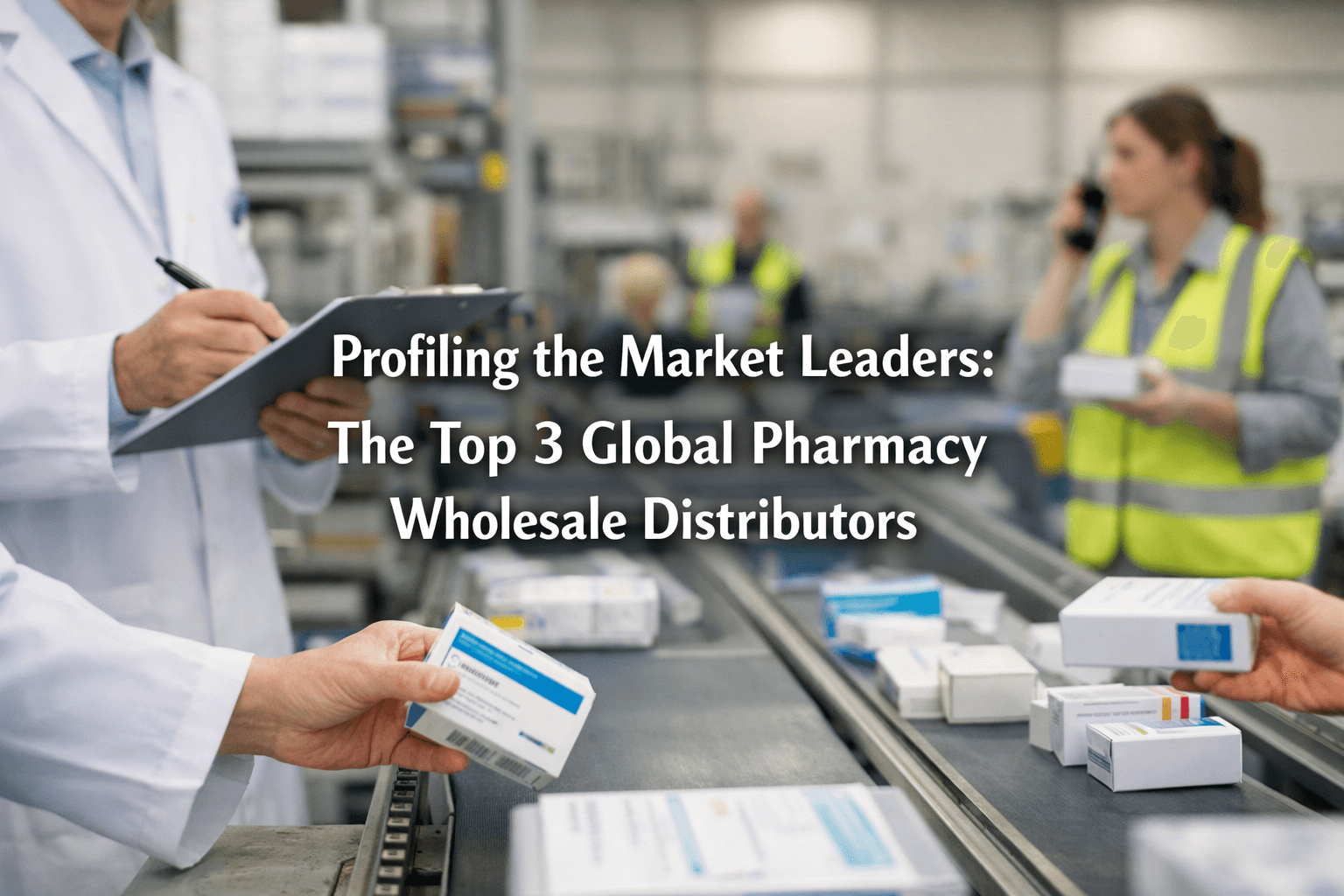
The global distribution landscape is dominated by a tier of corporations whose scale and influence are unparalleled. These entities set the industry standards for logistics, technology, and compliance protocols. While they may not have a direct operational footprint in every Malaysian neighborhood, their strategic decisions and partnership models create ripples that shape the entire pharmacy distributor Malaysia environment. Their relevance lies in their role as gatekeepers and innovators for the world’s most critical medicines.
McKesson Corporation stands as a behemoth, with annual revenue exceeding $250 billion. Its strategic edge is deeply rooted in technology and specialization. The company’s investment in AI-driven warehousing and robotics sets a benchmark for operational efficiency and accuracy. Furthermore, its focused support for oncology and specialty pharmaceuticals demonstrates a move beyond volume distribution into high-touch, high-value service segments. For Malaysia, McKesson’s relevance is often channeled through partnerships. Global pharmaceutical brands looking to enter the ASEAN market frequently seek distributors aligned with GDP standards that McKesson exemplifies. When a multinational partners with a trusted local Malaysian firm for distribution, they often transfer SOPs and quality expectations modeled after these global giants, thereby elevating local practices.
AmerisourceBergen, now operating under the name Cencora, is another powerhouse with a distinct focus on the most complex segments of the market. With deep expertise in biologics, specialty pharma, and cell & gene therapies, Cencora handles medicines that have stringent handling and documentation requirements. Their mastery of global import/export compliance is particularly relevant for Malaysia as it positions itself as a potential hub for clinical trials and specialty medicine access in Southeast Asia. Their partnerships with APAC regulators help streamline the pathways for these high-value, often life-saving treatments to reach patients in the region, indirectly influencing the capability building required of their local Malaysian logistical partners.
Cardinal Health completes the triad, with a significant strategic focus on supply chain resilience and integrating distribution with patient care delivery models, such as home healthcare. Their work in enhancing product traceability and combating counterfeit drugs provides a crucial case study for markets like Malaysia, where patient safety is paramount. The lessons from Cardinal Health’s systems—how they track a product unit from factory to a patient’s home—directly inform best practices for serialization and track-and-trace initiatives that the NPRA may consider or local distributors aim to implement to ensure a secure supply chain.
Learn more: Health Care Supply Chain Management Trends Report
The Indirect Yet Proven Influence on Malaysian Pharmacy Operations
The question for a pharmacy owner in Melaka or a procurement manager for a hospital group in Selangor is practical: how does the activity of a corporation thousands of miles away affect my daily operations? The influence is profound, though often indirect, filtering through layers of the supply chain to impact core business metrics. Firstly, product availability is intrinsically linked to these upstream distribution chains. A decision by a global manufacturer to allocate stock of a new antibiotic preferentially through its primary global distributor network will affect how quickly that product is accessible to regional partners servicing Malaysia. When the global distributor’s forecasting algorithms signal a potential shortage, allocation protocols kick in, impacting volumes that eventually trickle down to local independent pharmacy distributors.
Secondly, price consistency is influenced by the global buying power and contracting leverage of these giants. Their ability to negotiate with manufacturers on a global scale can establish price benchmarks and purchasing terms that shape the economic landscape for smaller regional and local distributors. A local Malaysian distributor partnering with a global brand for distribution will operate within a pricing framework often set at the global or regional level, affecting the final landed cost and, consequently, the margin structure for pharmacies.
Finally, delivery reliability is supported by the regional warehousing footprints and logistics investments made by global players. The establishment of a major, automated regional distribution center in Singapore or Thailand by a global distributor or their manufacturing partners improves stock accessibility and reduces lead times for the entire region. This enables Malaysian distributors to promise faster, more reliable restocking cycles to their pharmacy customers, as they are sourcing from a nearer, well-supplied hub rather than waiting for direct shipments from Europe or the Americas. Therefore, engaging with a local distributor who has proven, strategic relationships with these global networks or their principles is not just a procurement choice; it’s a strategic decision for ensuring supply chain resilience, competitive pricing, and ultimately, the ability to serve patients effectively and without interruption.
Benchmarking Against Regional Leaders: Extracting Actionable Lessons from DKSH and Zuellig Pharma
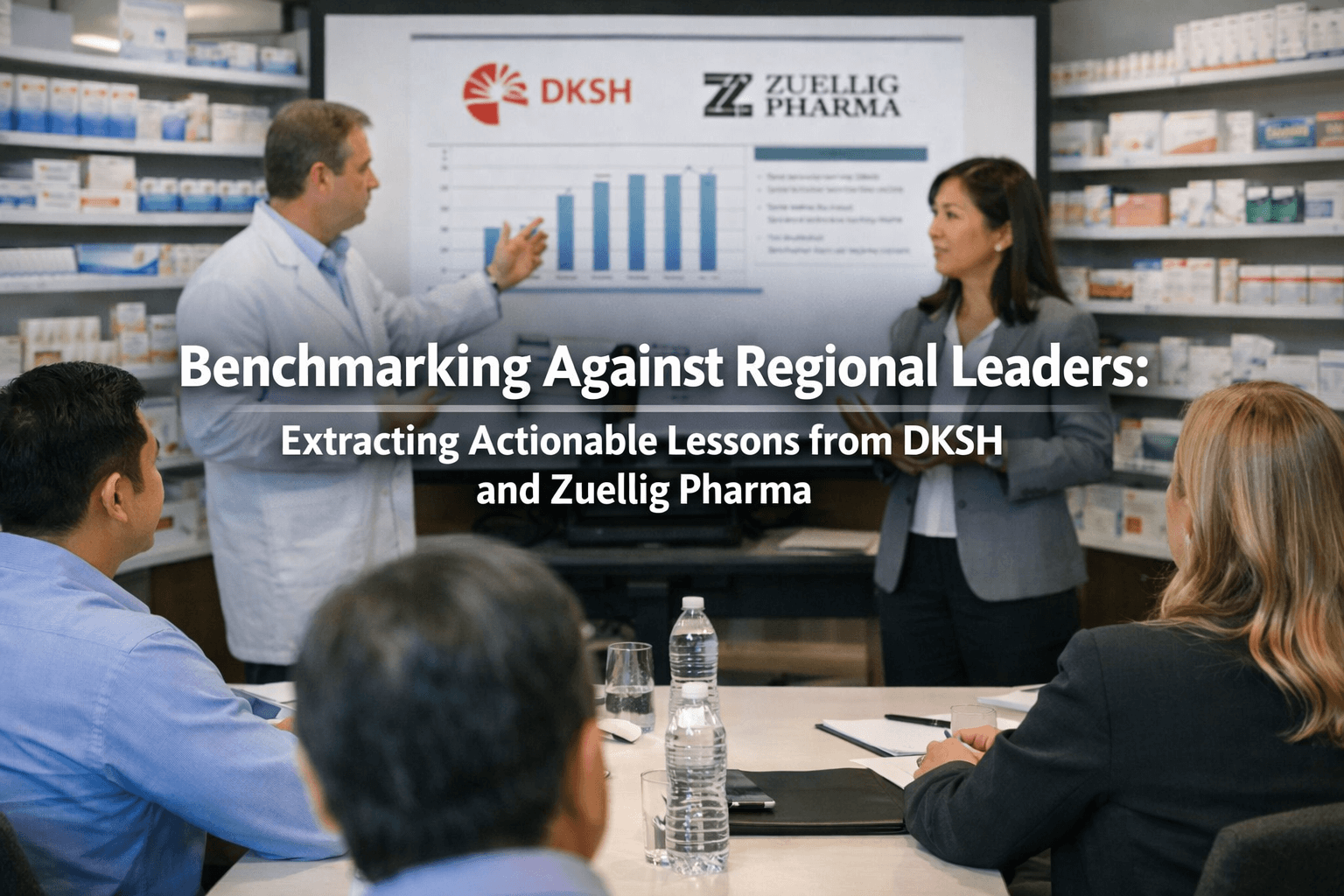
The question of whether Southeast Asian distributors can meet global performance benchmarks is not merely academic; it is a pressing operational reality. In Malaysia, the presence of established regional giants like DKSH and Zuellig Pharma provides a tangible blueprint for excellence. These organizations have moved beyond basic logistics to offer fully integrated, compliance-centric solutions. Their success is not accidental but is built upon a foundation of strategic infrastructure investments and deep regulatory mastery. For any local player aiming to scale, dissecting their model reveals the non-negotiable pillars of modern pharmaceutical distribution. They demonstrate that regional expertise, when coupled with global-grade systems, creates a formidable competitive moat.
A core lesson from these leaders is their uncompromising investment in specialized infrastructure. This goes beyond owning refrigerated trucks. It encompasses GDP-certified cold-chain warehousing with end-to-end temperature monitoring, validated packaging protocols, and contingency plans for Malaysia’s tropical climate. Furthermore, their in-house regulatory affairs teams are not just support functions but strategic assets. These experts navigate the NPRA (National Pharmaceutical Regulatory Agency) submission process with precision, manage product registrations, and ensure ongoing compliance with KKM (Ministry of Health) regulations. This internal expertise prevents costly delays and builds a trusted reputation with both brand principals and health authorities.
When we place these regional leaders alongside a global titan like McKesson, a revealing comparative picture emerges, particularly for the Malaysian context. The integration of local regulatory intelligence is the differentiator.
| Key Performance Metric | Global Giant (e.g., McKesson) | Zuellig Pharma | DKSH |
|---|---|---|---|
| GDP-Compliant Cold Chain | ✅ | ✅ | ✅ |
| Established Malaysian Presence | ❌ | ✅ | ✅ |
| Deep KKM/NPRA Expertise | Limited | ✅ | ✅ |
| Integrated Merchandising & POS Data | Variable | ✅ | ✅ |
| Agility in Local Market Practices | Lower | High | High |
This table underscores a critical insight: global standards are essential, but they are insufficient without hyper-localized execution. The expert integration of merchandising teams, retail point-of-sale data analytics, and compliance tracking by DKSH and Zuellig is a masterclass in creating value beyond the warehouse. They act as true commercial partners, ensuring products not only reach the pharmacy but are also displayed correctly, promoted actively, and sell through effectively. This holistic approach is the proven model that local distributors must study.
Bridging the Capability Gap: Strategic Adaptations for Malaysian Independent Distributors
For Malaysia’s independent pharmacy distributors, the path forward isn’t about replicating the vast scale of regional giants overnight. It’s about strategically adopting scalable practices that leverage their inherent agility. The capability gap can be closed through focused investments in technology and process re-engineering. Malaysian firms are often nimbler and closer to their pharmacy networks, which is a significant advantage. The goal is to layer systematic efficiency onto this agile foundation, transforming from a traditional logistics provider into a data-driven supply chain partner.
The adoption of advanced forecasting tools is a primary opportunity. While global players may utilize sophisticated AI-driven demand planning, similar cloud-based predictive analytics platforms are now accessible to mid-sized operators. These tools can analyze historical sales data, seasonal trends (like flu season or festive periods), and even local events to optimize stock levels. This prevents both costly overstocking and dangerous stock-outs of essential medicines. For example, a distributor in Johor serving clinics and pharmacies might use such tools to anticipate increased demand for respiratory medications during the annual haze season.
Strategic warehousing reassessment is another high-impact area. Efficiency isn’t just about warehouse automation; it’s about geographic and network logic. Placing a centralized hub in Selangor might seem efficient, but analyzing delivery routes and traffic patterns could justify a strategic stock-holding point in Penang or Johor to serve the northern or southern corridors faster. This optimization reduces transportation costs and improves service levels. Furthermore, implementing digital compliance systems to automate NPRA documentation flows, batch tracing, and audit trails is no longer a luxury. A real-world case saw a Selangor-based distributor integrate QR code traceability for its skincare and over-the-counter medicine lines in 2023. This move reduced product return rates by 12% and drastically cut the time spent on reconciliation and recall management, proving the tangible ROI of digital transformation.
These strategies are effective and achievable at a Malaysian scale. The focus should be on modular implementation: start with one high-priority area, such as digital compliance, demonstrate success, and then scale the investment. This pragmatic, stepwise approach builds internal competency and manages financial outlay wisely. The mindset must shift from seeing technology as a cost center to viewing it as the essential engine for sustainable growth and risk mitigation.
Learn more: Comparing Pharmacy Distribution Models in Malaysia: Local vs International
The Critical Nexus: Compliance, Licensing, and On-Ground Merchandising Execution
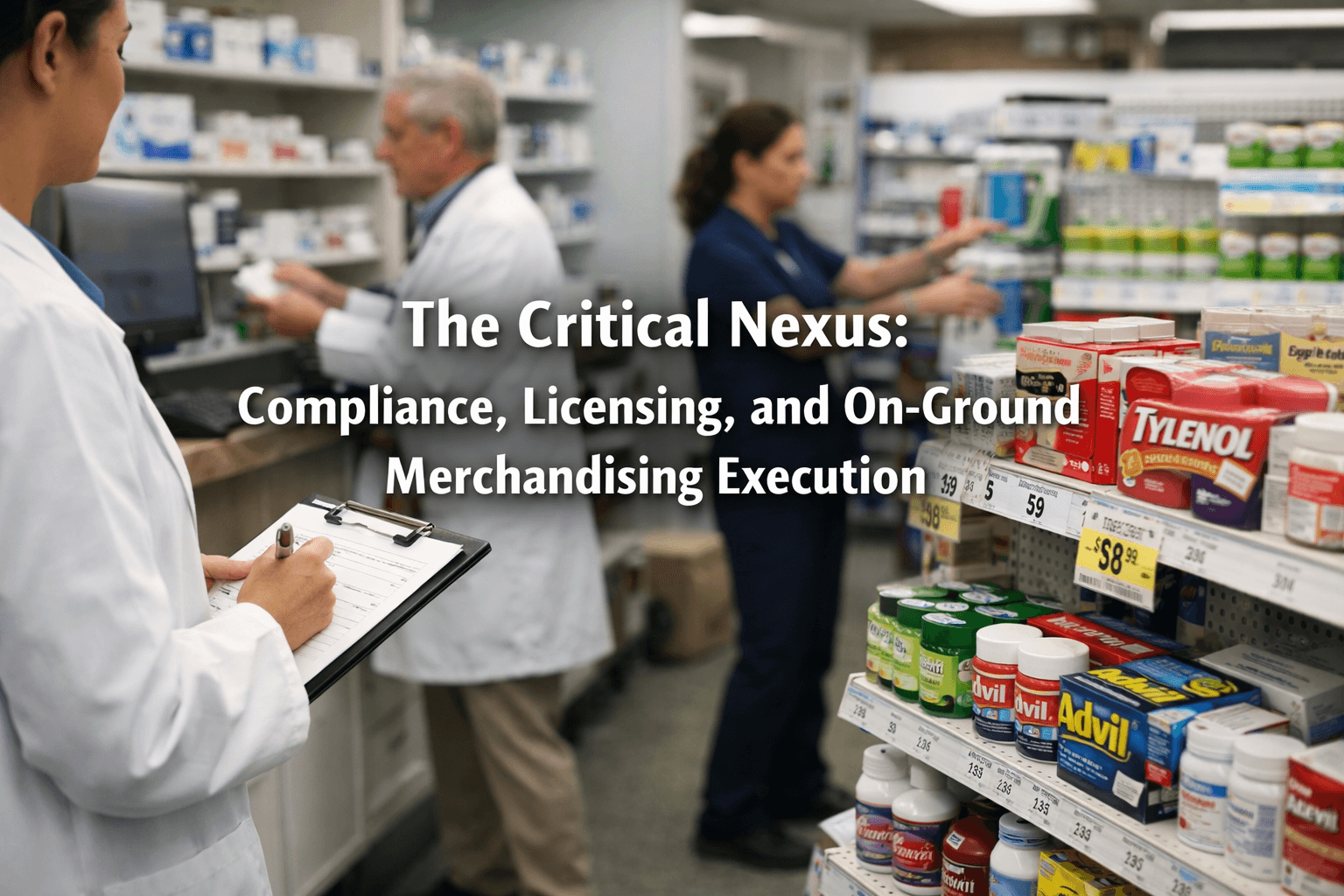
In Malaysia’s tightly regulated environment, logistics is merely the vehicle; compliance and merchandising are the engines of brand performance. The NPRA and GDP standards create a framework where documentation is as crucial as the physical product. Requirements extend far beyond a valid wholesale license to include meticulous cold-chain documentation (temperature logs at every transfer point), validated cleaning records, and detailed merchandising reports. These reports, capturing planogram adherence, promotion tracking, and competitor activity, are vital for brands to understand market penetration. The question for brand managers is whether to manage this complex matrix in-house or through their pharmacy distributor Malaysia partner.
A comparative analysis of the two main approaches reveals clear trade-offs:
In-House Merchandising Teams: Offer direct control and brand-specific training. However, they often lack the field scale and geographic coverage for nationwide reach in Malaysia. They can become logistically challenging and costly, especially when covering East Malaysia (Sabah & Sarawak).
Distributor-Led Merchandising: Provides extensive on-ground visibility through an existing, widespread field force. A trusted distributor can deliver real-time compliance photos, faster promotional campaign alignment across hundreds of outlets, and consolidated reporting. This model turns the distributor into an extension of the brand’s commercial team.
For instance, a Malaysian pharmaceutical brand launching a new diabetic supplement might rely on its distributor’s merchandisers to ensure the product is placed in the designated health and wellness section of major pharmacy chains like Caring or Big Pharmacy, not simply stocked in the backroom. The distributor’s team provides the photographic proof and data that the marketing investment is translating into shelf presence. Both approaches must be efficient and aligned with brand KPIs, but the distributor-led model often provides greater scalability and local market intelligence, making it a strategic choice for growth-focused brands.
Charting the Future: Integration, Intelligence, and Collaborative Models
The next decade for Malaysia’s pharmacy distribution sector will be defined by seamless global-regional integration and intelligent automation. Future-ready players will differentiate themselves by embracing AI-driven logistics optimization for dynamic routing, predictive analytics for automated restocking, and API-based transparency platforms that offer brands a real-time window into inventory from their factory to the pharmacy shelf. This isn’t science fiction; it’s the operational standard required to compete. From the perspective of a pharmacist, this means fewer stock shortages and more reliable delivery schedules. For a brand manager, it means granular data on sell-through rates and market share. For the distributor leader, it’s the key to operational excellence and value-added service.
As Malaysia becomes more interconnected with ASEAN and global healthcare supply chains, collaboration models will evolve beyond simple buyer-seller relationships. We will see the rise of multi-brand joint ventures for cold-chain pooling, especially for high-value biologics and vaccines, sharing the capital expenditure burden. Integrated compliance dashboards will allow brands and regulators to view audit-ready data on demand. Furthermore, the establishment of regional emergency stock reserves for critical medicines, possibly facilitated by distributor networks, will enhance national health security. These are emerging realities that demand expert navigation and strategic partnership. The distributors who will thrive are those building capabilities today for this connected, data-rich, and collaborative tomorrow.
Frequently Asked Questions (FAQ)
Q1: Who is the largest pharmaceutical distributor in the world?
Answer: McKesson is widely regarded as the world’s largest pharmaceutical distributor by revenue scale and distribution reach.
Q2: Who are the big 3 pharma wholesalers?
Answer: The U.S. “Big Three” drug wholesalers are McKesson, Cencora, and Cardinal Health—often described as controlling the majority of U.S. wholesale distribution.
Q3: Who is Pfizer’s biggest competitor?
Answer: It depends on the therapy area, but for large-scale “Big Pharma” competition, Merck & Co. is frequently cited as a major peer/rival (e.g., cancer and vaccines).
Q4: Which is the largest retail pharmacy in Malaysia?
Answer: Recent reporting describes BIG Caring Group—formed via BIG Pharmacy’s acquisition of Caring Pharmacy—as Malaysia’s largest retail pharmacy chain, with 600+ outlets.
Q5: What are the 10 largest pharmaceutical companies?
Answer: A commonly cited top-10 by pharma sales includes Pfizer, Johnson & Johnson, AbbVie, Merck & Co., Roche, Sanofi, AstraZeneca, Novartis, Bristol Myers Squibb, and GSK.
Q6: Who is the largest medical distributor?
Answer: Across broad healthcare/medical distribution, McKesson is commonly listed among (and often at) the top by size.
Q7: What is the big 4 in pharma?
Answer: There’s no single official “Big 4” globally—people usually mean the largest pharma companies by sales in a given year, and the exact names can shift year to year.
Q8: What are the big 3 pharmacy chains?
Answer: In the U.S., the biggest chains are commonly cited as CVS Health, Walgreens Boots Alliance, and Walmart (rankings vary by metric such as stores vs. prescription revenue).
Q9: Who are the top 20 pharma companies?
Answer: One widely referenced approach ranks the top 20 by annual revenue (a list that typically includes Pfizer, J&J, Roche, Merck, AbbVie, Novartis, Sanofi, AstraZeneca, Eli Lilly, etc.).
Q10: Which country is no. 1 in pharma?
Answer: By pharmaceutical sales (market size), the United States ranks #1.
Our Services
Our marketing and sales teams use their strong relationships with the channel to create demand for your product at every stage of its lifecycle.
Demand creation services we offer:
Market Access Services
Regulatory Registration Services
Pharma Product Listing Services
Merchandising services (RSMS)
Brand Management
Logistic & Warehousing
Exclusive Merchandising Services
Visual Merchandising
Discover More About Our Solution
How PriooCare Can Help
If you found this article useful, see how we put these insights into practice for our clients:
Or contact our team for a tailored consultation.
How can we assist you today? 😊
Just let us know—we’re here to help!