
World’s Top 50 Wholesale Pharmaceutical Distributors

April 29 , 2026
At its heart, the pharmaceutical supply chain is a vast and intricate system, a global network of unparalleled complexity dedicated to a single, vital mission: getting the right medicine to the right patient at the precise moment it is needed. This system forms the backbone of modern healthcare, a silent yet essential engine that powers clinics, hospitals, and pharmacies worldwide. The entities that operate this engine—pharmaceutical distributors—are the crucial link between the innovation of manufacturers and the point of patient care. Their role extends far beyond simple transportation; they are the custodians of product integrity, the navigators of global and local regulatory frameworks, and the strategic partners who ensure supply chain resilience. Without the proven efficiency and scale of these distributors, from multinational giants to specialized independent pharmacy distributors, the consistent, safe flow of essential medications would falter, directly impacting public health outcomes. This is true in every market, including Malaysia, where a seamless partnership between global networks and local expertise keeps the nation’s pharmacies reliably stocked and its healthcare system running smoothly.
Navigating the Complex and High-Stakes Global Distribution Arena
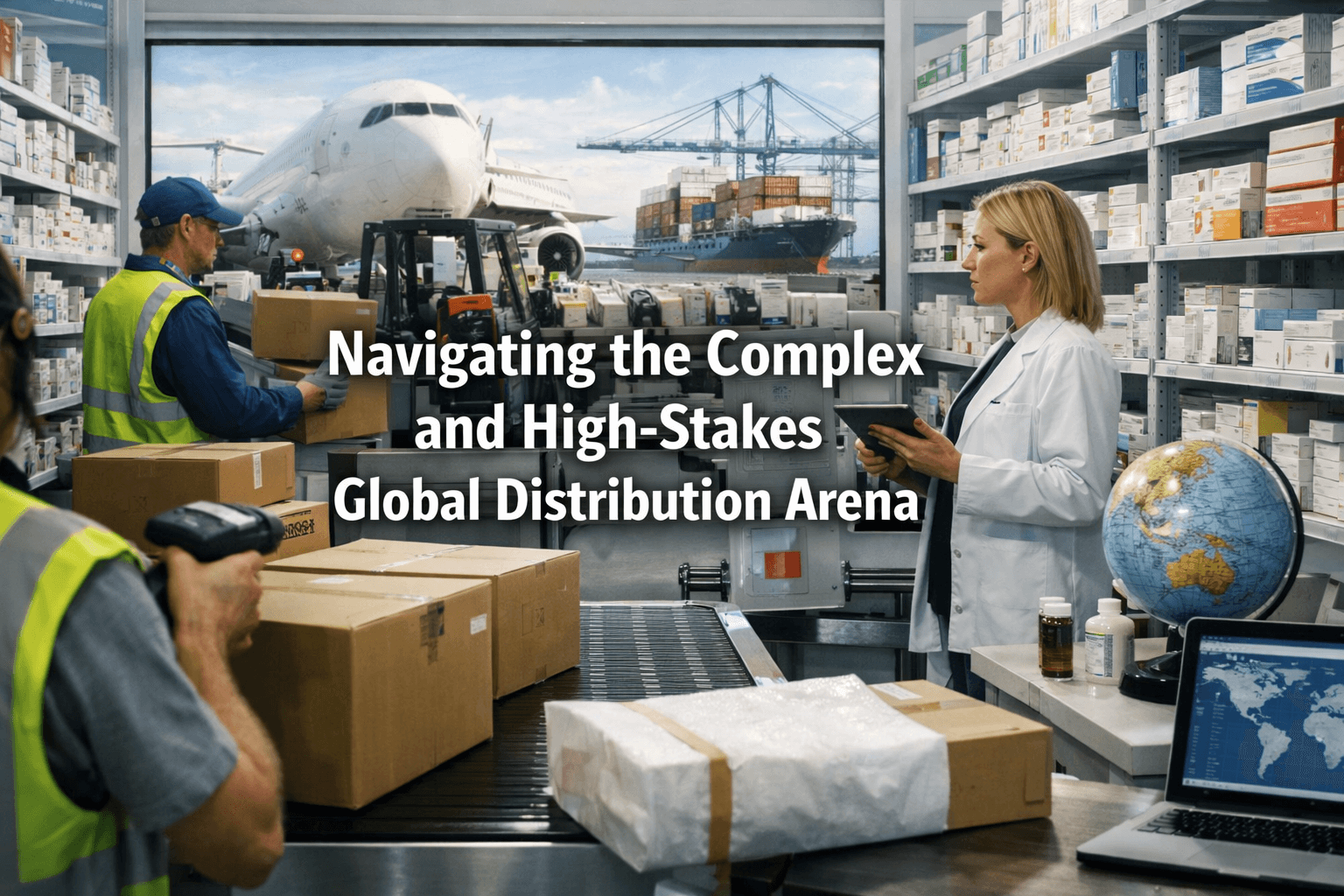
The global pharmaceutical distribution landscape is not merely large; it is a dynamic, high-value, and tightly regulated ecosystem. With an estimated market value soaring into the trillions of dollars, this sector is foundational to global health security. Its operations are characterized by several dominant and interconnected trends that are continuously reshaping its future. Digital transformation is at the forefront, with distributors implementing advanced technologies like Internet of Things (IoT) sensors for real-time shipment tracking, blockchain for enhanced traceability, and predictive analytics to forecast demand and prevent shortages. Simultaneously, regulatory scrutiny has intensified globally, with authorities demanding stricter serialization, track-and-trace capabilities, and data integrity to combat counterfeit drugs and ensure patient safety. This environment has also spurred significant industry consolidation, as larger players acquire smaller ones to achieve greater economies of scale, broaden their geographic reach, and invest in the sophisticated technology required to meet these new standards. For a market like Malaysia, these global trends have direct implications. Global pharma distributors do not operate in a vacuum; they collaborate intricately with local Malaysian distributors and adapt their proven models to comply with specific regulations set by bodies like the National Pharmaceutical Regulatory Agency (NPRA) and the Ministry of Health Malaysia (KKM). This synergy is critical for integrating Malaysia into the global medicine supply web while ensuring all products meet stringent local safety and efficacy standards.
Learn more: Norms and Standards for Pharmaceuticals – Distribution Guidelines
Benchmarking Excellence: The Criteria Behind the Top 50 Distributors Ranking
Identifying and ranking the world’s top 50 pharmaceutical distributors requires a multidimensional analysis that looks beyond simple revenue figures. These rankings are built on a composite of key performance indicators that truly define market leadership and operational excellence. Annual revenue and global market share provide the top-line view of scale and commercial influence. However, equally important are metrics of supply chain efficiency, such as order accuracy rates, on-time-in-full (OTIF) delivery performance, and inventory turnover. Geographic reach and network density reveal a distributor’s ability to serve both mature and emerging markets reliably. Furthermore, technological capability—investment in automation, data platforms, and cold chain infrastructure—and a demonstrable record of regulatory compliance across multiple jurisdictions are decisive factors. It is this comprehensive evaluation that consistently places firms like McKesson Corporation, Cardinal Health, and AmerisourceBergen at the pinnacle of the industry. Their dominance is not accidental; it is the result of decades of building extensive, resilient logistics networks, mastering the complexities of large-volume pharmaceutical handling, and establishing themselves as trusted partners to thousands of manufacturers and healthcare providers. Their influence is felt directly in Malaysia, where their partnerships with local entities ensure a steady, compliant supply of everything from common generics to specialized biologics, thereby underpinning the reliability of the entire local pharmaceutical market.
A Comparative View: How Top Distributors Add Value Across the Supply Chain
The table below illustrates the multifaceted roles of leading distributors, contrasting their core functions with the challenges faced by manufacturers or pharmacies who might attempt to operate without such a strategic partner.
| Supply Chain Function | Capability of Top 50 Distributors | Challenge for Manufacturers/Pharmacies Going Direct |
|---|---|---|
| Logistics & Network Reach | Maintain vast, optimized warehousing & transportation networks for national/global reach. | Extremely high capital expenditure (CAPEX) to build a private network; inefficient for non-core activity. |
| Regulatory Compliance & Market Access | Dedicated teams ensure adherence to NPRA, KKM, GDP, serialization, and other local/international norms. | Requires deep, constant legal expertise in each market; high risk of non-compliance and product seizure. |
| Inventory Management & Financing | Hold bulk inventory, freeing manufacturer capital and ensuring product availability for pharmacies. | Pharmacies face cash flow strain; manufacturers carry all inventory risk and cost. |
| Cold Chain Assurance | Invest in state-of-the-art, validated temperature-controlled logistics for vaccines, biologics, etc. | Prohibitively expensive for a single entity to establish and maintain to GDP standards. |
| Data & Market Insights | Provide valuable data on sales trends, inventory levels, and purchasing patterns to partners. | Limited visibility into downstream demand, leading to poor forecasting and potential stockouts or overstock. |
The Strategic Imperative of Pharmaceutical Distributors in the Malaysian Context
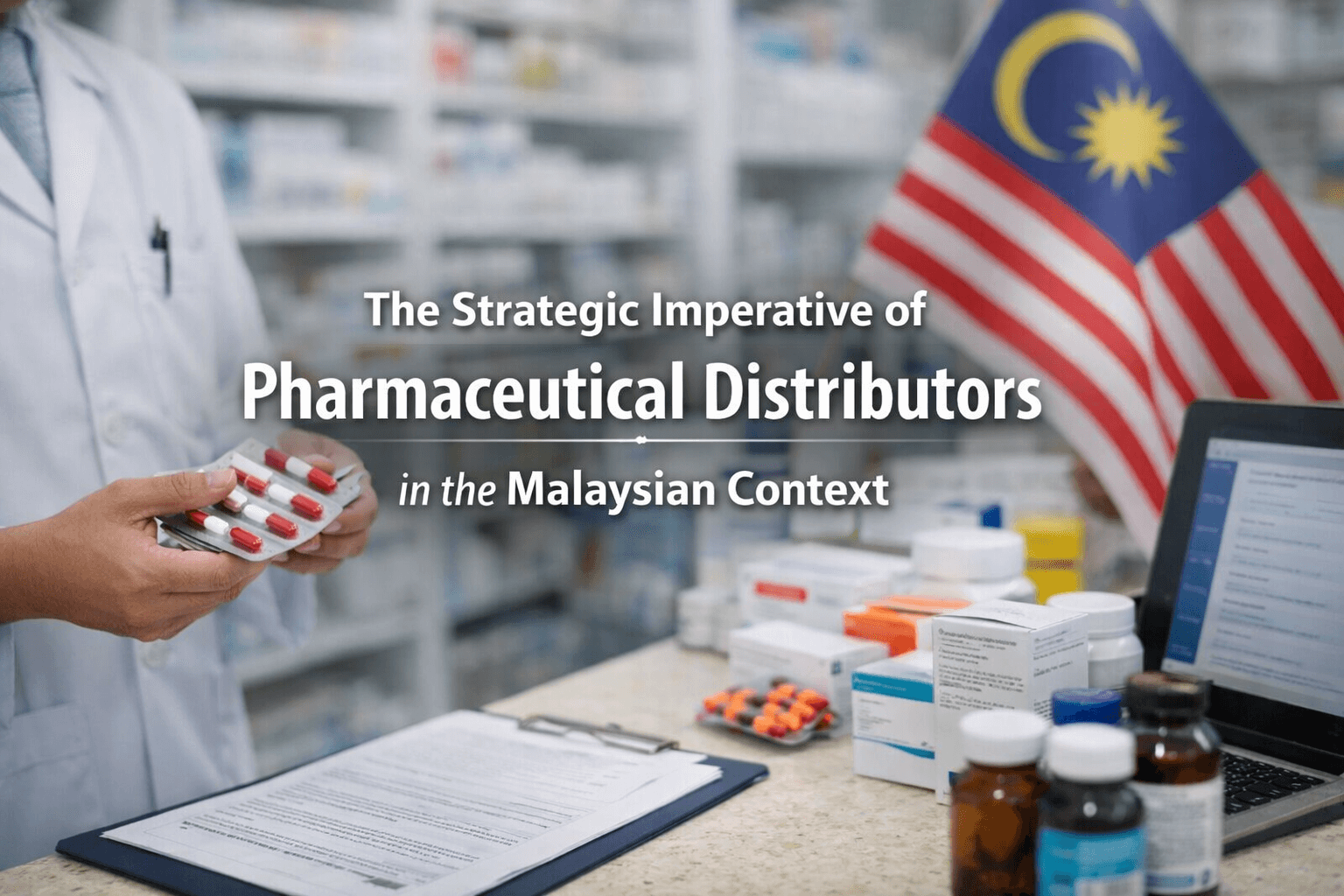
Within Malaysia’s distinctive healthcare ecosystem, pharmaceutical distributors assume a role that is both strategic and essential. They are the vital conduit that ensures the country’s dual-tiered system—encompassing both the public sector under the Ministry of Health and the robust private sector—functions without interruption. Navigating Malaysia’s regulatory landscape is a primary function, requiring meticulous adherence to the guidelines of the NPRA for product registration and approval, and KKM for broader health policies and facility standards. Distributors must also comply with Good Distribution Practice (GDP) guidelines, which govern the entire storage and transportation process to safeguard product quality. This regulatory navigation is especially crucial when facilitating the entry of innovative medicines and specialty pharmaceuticals from global manufacturers into the Malaysian market. For instance, in bustling urban centers like Kuala Lumpur and Penang, where demand for the latest oncology or diabetes treatments is high, global distributors leverage their expert regulatory knowledge to efficiently clear customs and partner with local Malaysian distributors for last-mile delivery to hospitals and specialty clinics. Conversely, independent pharmacy distributors demonstrate their tailored value by serving niche markets or rural areas in states like Sarawak or Pahang, where they build strong, personal relationships with community pharmacists and clinics, ensuring even remote populations have access to essential medicines. From the perspective of a Malaysian pharmacist, a reliable distributor is a partner in business continuity, providing not just stock but also support with product information and efficient ordering systems. For an international brand manager, the right local distributor is the key to effective market penetration and compliant operations.
Learn more: The Role of Pharmacy Distribution Services in Malaysia’s Healthcare System
Engineering Reliability: The Critical Pillars of Logistics, Cold Chain, and Network Integrity
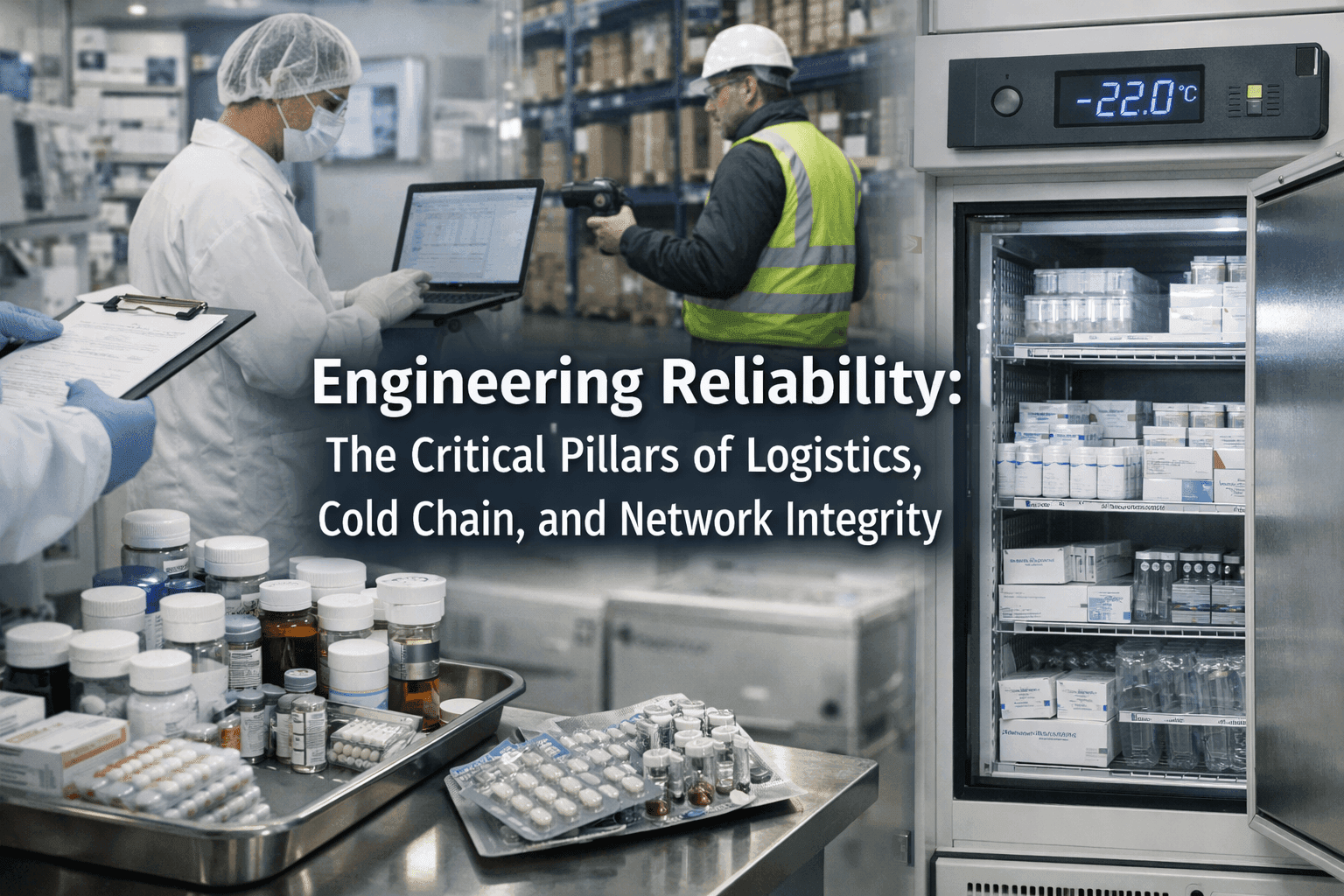
The promise of a pharmaceutical distributor is ultimately validated at the logistical level, where theory meets the road—or the tarmac. An efficient, reliable, and agile supply chain is non-negotiable, transforming into a matter of public health when dealing with time-sensitive and temperature-critical products. The logistical orchestration involves a symphony of just-in-time inventory management, multimodal transportation (air, sea, land), and warehouse automation to minimize handling errors and expedite turnaround. The pinnacle of this logistical challenge is the cold chain, a temperature-controlled supply chain that is absolutely vital for vaccines, insulins, biologic therapies, and many other temperature-sensitive medications. A break in this chain, known as a temperature excursion, can render a lifesaving product ineffective or even dangerous. Globally, leaders like McKesson and AmerisourceBergen invest hundreds of millions in validated cold chain infrastructure, using insulated thermal packaging, active temperature-controlled containers, and continuous GPS and temperature monitoring throughout transit. In Malaysia’s tropical climate, characterized by high humidity and consistently elevated ambient temperatures, maintaining an unbroken cold chain is a formidable challenge. Local and international distributors operating here must, therefore, make significant investments in climate-controlled warehousing and specialized refrigerated transport. A practical scenario involves the distribution of the HPV vaccine across Malaysia: from the port of entry, the vaccine must be stored in a central warehouse at 2-8°C, transported in active refrigerated trucks to regional hubs in places like Johor Bahru or Kota Kinabalu, and finally delivered to clinics in portable coolers with temperature data loggers, all while documentation is maintained to prove unbroken chain of custody for the NPRA. This seamless integration of global cold chain protocols with local operational expertise is what protects the potency of medicines and ensures Malaysia’s pharmaceutical supply meets world-class standards of safety and reliability.
The Imperative of Regulatory Compliance and Standards for Pharmacy Distributors
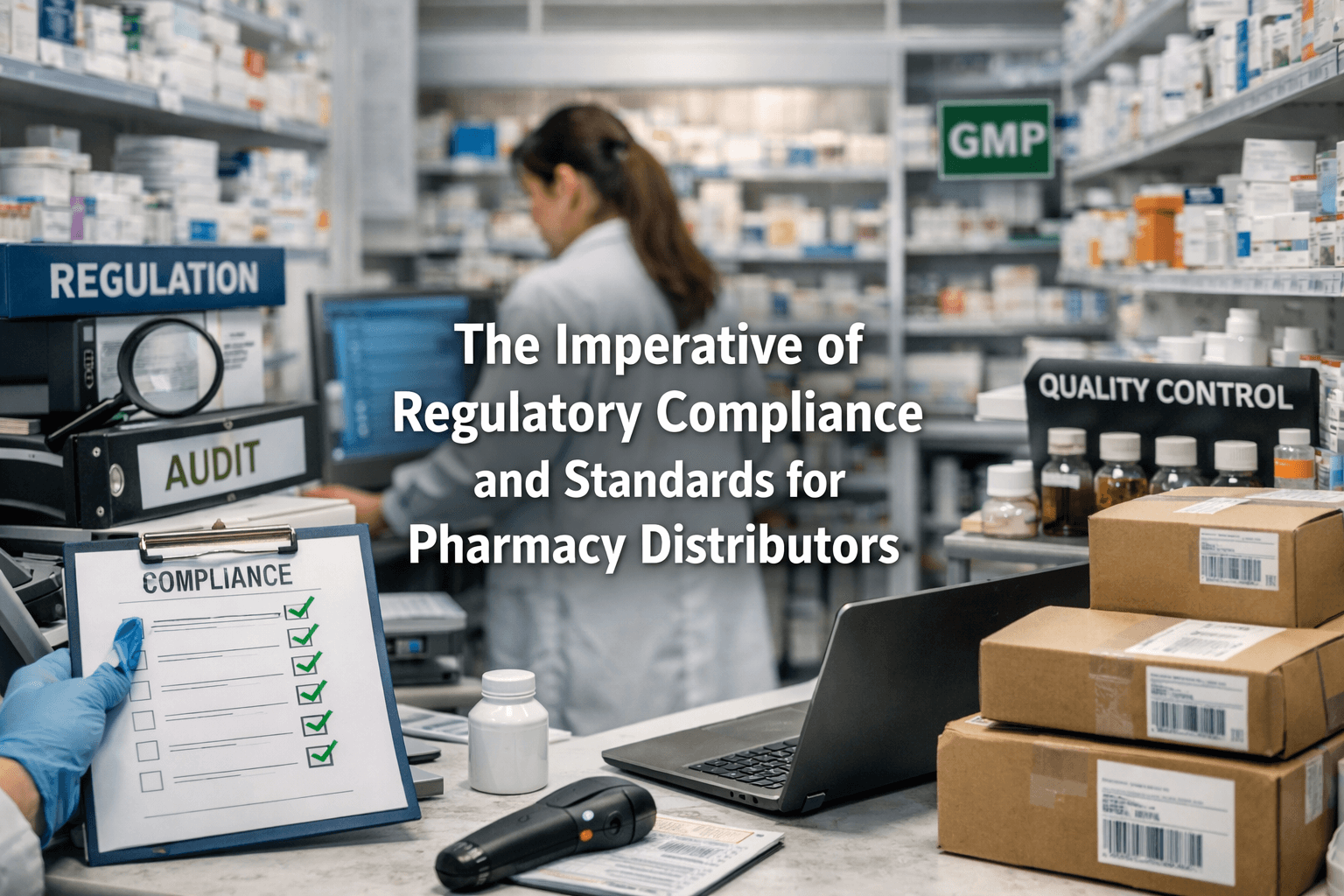
Navigating the regulatory landscape is not merely a box-ticking exercise for pharmaceutical distributors; it is the foundational bedrock upon which patient safety and supply chain integrity are built. Across the globe, these standards, while varying in specific legal frameworks, converge on universal principles of quality assurance, product safety, and traceability. In Malaysia, this oversight is rigorously managed by the National Pharmaceutical Regulatory Agency (NPRA), an arm of the Ministry of Health (KKM), which mandates that every medicinal product in the market is safe, efficacious, and of high quality for public consumption. The role of a distributor transcends simple logistics; it becomes a custodial responsibility for the integrity of life-saving products from the manufacturer’s door to the pharmacy shelf. This demands a proven and systematic approach to compliance, where documentation, standard operating procedures (SOPs), and staff training are non-negotiable elements of daily operations. The consequence of non-compliance is severe, ranging from product recalls and financial penalties to the irreparable erosion of trust in the brand and the broader healthcare system. Therefore, adherence is not just a legal requirement but a strategic imperative for any reliable distributor aiming for long-term operation.
For distributors operating within Malaysia’s borders, the compliance framework is multi-layered, integrating both international benchmarks and localized directives. International standards such as Good Distribution Practices (GDP) and the broader GxP (Good “x” Practices, encompassing manufacturing, laboratory, clinical, etc.) guidelines provide a comprehensive blueprint. These standards meticulously outline the conditions for the storage, transportation, and handling of pharmaceuticals, with special emphasis on temperature-controlled supply chains, or cold chain logistics, for sensitive products like vaccines, biologics, and insulin. A practical implication here is the significant investment required in infrastructure—from validated refrigerated warehouses and transport vehicles to continuous monitoring systems that provide real-time data logs. For example, a Malaysia-related operational scenario involves the distribution of COVID-19 vaccines across East and West Malaysia. Distributors had to ensure not just NPRA approval of the products, but also perfect cold chain integrity from the airport hubs in Kuala Lumpur to remote clinics in Sarawak, navigating logistical complexities while maintaining unbroken temperature logs as per GDP requirements. This scenario underscores that compliance is an active, end-to-end process.
The challenge intensifies for global pharmaceutical distributors who enter the Malaysian market. They must perform a delicate balancing act: maintaining their own stringent global quality standards and corporate compliance protocols while seamlessly aligning with local regulatory requirements. This often involves adapting global SOPs to fit specific NPRA stipulations regarding labeling, documentation, and pharmacovigilance (drug safety monitoring) reporting. A common hurdle is the variation in product registration timelines and requirements, which can affect inventory planning and market launch strategies. From the perspective of a local brand manager partnering with an international distributor, the primary concern is ensuring this alignment is flawless to avoid supply disruptions. Conversely, from the distributor’s point of view, it necessitates a dedicated local regulatory affairs team or a trusted partnership with a local expert who can navigate the nuances of KKM regulations. The ever-evolving nature of this landscape—with periodic updates to guidelines, especially post-pandemic—requires distributors to be agile and proactive, investing in continuous regulatory intelligence rather than reactive compliance checks.
Learn more: How to Ensure Regulatory Compliance for Pharmacy Distribution in Malaysia
How Technological Innovation is Revolutionizing Pharmaceutical Distribution Practices
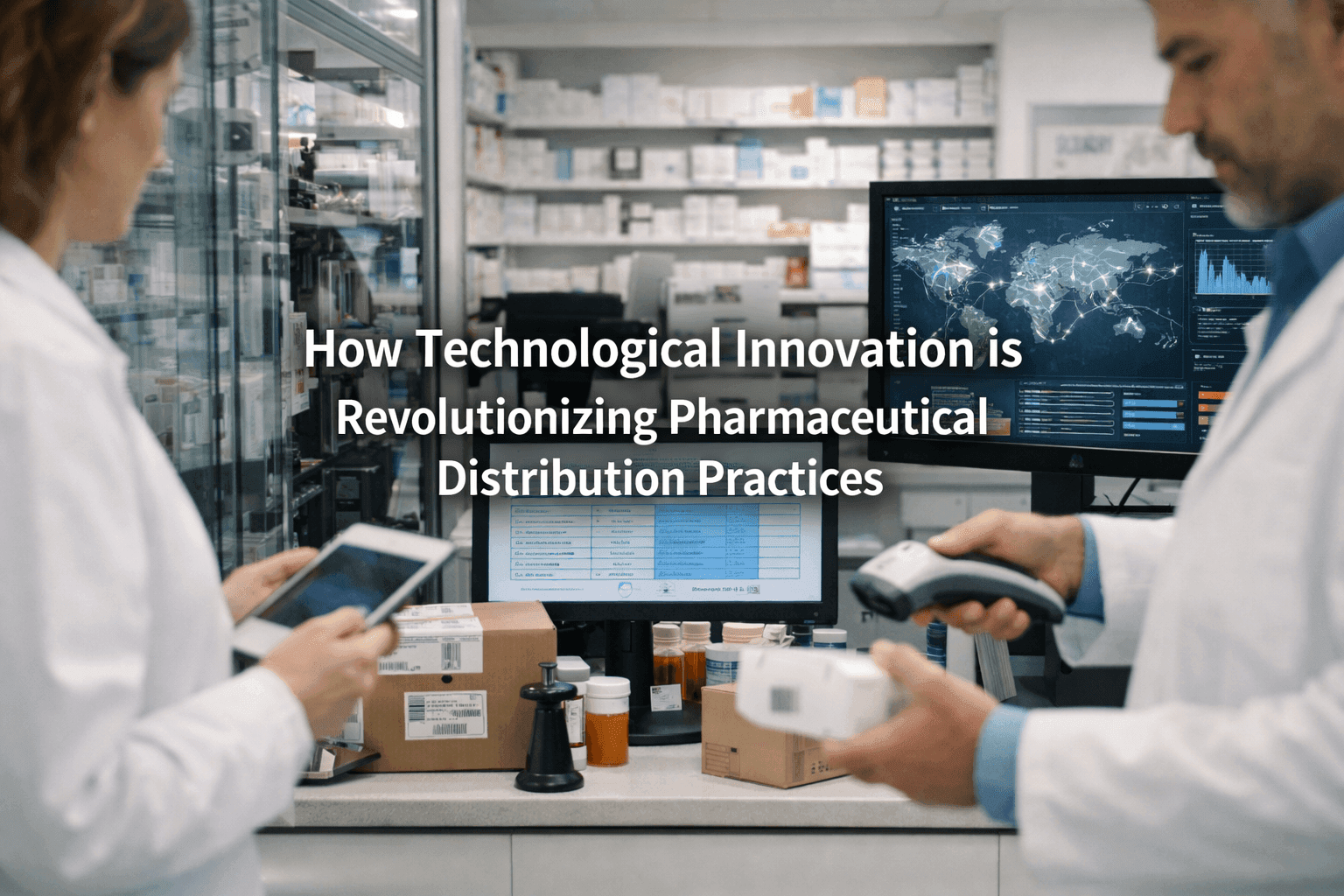
The traditional model of pharmaceutical distribution, once reliant on manual processes and fragmented communication, is undergoing a profound transformation driven by technological innovation. This digital shift is moving the industry from a reactive, transactional function to a predictive, intelligent, and transparent network. At the forefront are technologies like blockchain, Artificial Intelligence (AI), and the Internet of Things (IoT), which collectively are solving age-old problems of counterfeiting, inefficiency, and opacity. For instance, blockchain’s distributed ledger technology creates an immutable record of a medication’s journey. Each transaction—from the active pharmaceutical ingredient (API) manufacturer to the final dispensary—is recorded as a block, creating a verifiable chain of custody. This is a game-changer for regulatory compliance and brand protection, making it exponentially harder for substandard or falsified (SF) medicines to infiltrate the legitimate supply chain. The practical implication is enhanced patient trust and streamlined audit processes, as the entire history of a product batch can be retrieved in seconds, not days.
In the Malaysian context, digital adoption is streamlining core operations and fostering a more efficient connection between distributors and pharmacies. Digital ordering platforms and inventory management systems are becoming ubiquitous, allowing community pharmacists in Penang or Johor Bahru to place orders, track shipments in real-time, and manage their stock levels through a single dashboard. This digital integration reduces administrative errors, speeds up the order-to-cash cycle, and allows distributors to respond more effectively to localized demand signals. Furthermore, AI-powered predictive analytics is moving from a luxury to an essential tool. By analyzing historical sales data, seasonal disease patterns (like dengue fever outbreaks), and even local events, these systems can forecast demand with remarkable accuracy. For a distributor serving hospitals and clinics across Klang Valley, this means optimizing inventory at central and regional hubs, preventing costly stockouts of critical medicines, and minimizing waste from expired products. This is not just about cost savings; it’s about ensuring healthcare continuity.
The integration of these technologies creates a smart supply chain that is both resilient and responsive. IoT sensors on pallets and in vehicles provide continuous temperature and humidity monitoring, sending automatic alerts if conditions deviate from GDP-prescribed ranges, a critical function for Malaysia’s tropical climate. From the pharmacist’s perspective, this technology translates to confidence in the quality of the products they receive. They are no longer passive recipients but informed participants in a digitally-linked ecosystem. For the distribution operations manager, the data-driven insights from these tools enable strategic decision-making, from route optimization for delivery fleets to dynamic warehouse management. The convergence of these innovations is making pharmacy distribution services not just faster, but fundamentally more reliable and intelligent, raising the benchmark for service excellence across the entire sector.
Learn more: Digital Transformation in Malaysia’s Pharmaceutical Distribution Services | How Pharma is Rewriting the AI Playbook
Navigating Market Challenges and Seizing Opportunities in Malaysia’s Distribution Landscape
Pharmacy distributors in Malaysia operate within a dynamic and sometimes daunting environment, characterized by a unique blend of stringent regulations, economic pressures, and intensifying competition. One of the most persistent challenges remains the cost and complexity of regulatory compliance, which can be particularly burdensome for small and medium-sized independent distributors. They must dedicate significant resources to meet NPRA and KKM guidelines, a hurdle that large multinational corporations (MNCs) with established global compliance frameworks may navigate with relatively more scaled resources. Furthermore, economic fluctuations and currency volatility can impact the cost of imported medicines, squeezing margins and forcing difficult pricing decisions. The competitive landscape is also evolving, with global pharmaceutical distributors and large regional players vying for market share, often leveraging their extensive networks and brand equity to secure contracts with major hospital groups and healthcare chains.
However, within these challenges lie substantial and compelling opportunities for growth and differentiation. A significant trend is the growing demand for locally manufactured medicines, driven by government initiatives to enhance national drug security and reduce import dependency. This presents a strategic opportunity for distributors to build tailored partnerships with domestic pharma manufacturers, expanding their portfolio with bioequivalent generics and essential medicines and strengthening their footprint in the domestic market. Another critical arena is sustainability. The global emphasis on environmental, social, and governance (ESG) principles is resonating in Malaysia, with increased scrutiny on pharmaceutical packaging waste and the carbon footprint of logistics. Distributors who innovate in eco-friendly packaging solutions or optimize delivery routes for fuel efficiency can build a powerful brand reputation and meet the procurement policies of environmentally-conscious healthcare providers.
Perhaps the most disruptive and opportunistic shift is the rise of e-commerce and digital health. The growth of online pharmacies and healthtech platforms in Malaysia creates both a challenge for traditional brick-and-mortar pharmacy partners and a new channel for distribution. Forward-thinking distributors are not just viewing e-commerce as competition but as a partnership avenue, providing fulfillment services for online players or developing direct-to-patient (DTP) delivery models. This aligns with the increasing consumerization of healthcare, where patients expect the same convenience they get from other retail sectors. Distributors who can provide reliable, fast, and trackable last-mile delivery, especially for chronic medication refills, position themselves at the forefront of this market evolution. The key is to view these market dynamics not as insurmountable barriers but as catalysts for service innovation and business model diversification.
Comparative Table: Operational Focus of Global vs. Independent Distributors in Malaysia
| Operational Aspect | Global Pharmaceutical Distributors | Independent Pharmacy Distributors (Malaysia) |
|---|---|---|
| Primary Market Focus | Serving multinational pharma clients & large private hospital networks nationwide. | Deep penetration in regional markets & strong relationships with community pharmacies & clinics. |
| Compliance Strategy | Integrated global GDP/GxP framework adapted to local NPRA rules via a dedicated regional team. | Direct, hands-on adherence to KKM/NPRA guidelines, often with leaner regulatory teams. |
| Technology Investment | Early adoption of advanced AI, blockchain, and enterprise-wide ERP systems for global visibility. | Pragmatic adoption of digital tools (e.g., cloud-based inventory platforms) that offer clear ROI and efficiency gains. |
| Value Proposition | Scale, global brand portfolio, and sophisticated supply chain technology. | Agility, personalized service, deep local market knowledge, and flexibility in terms. |
Learn more: Malaysia E-Commerce Market
The Future of Pharmaceutical Distribution: Key Trends Shaping the Road Ahead
The future trajectory of pharmaceutical distribution will be shaped by the sustained convergence of technological advancement, regulatory evolution, and shifting healthcare delivery models. Digital transformation will continue to be the dominant theme, moving beyond discrete tools to a fully integrated data ecosystem. Artificial Intelligence and Machine Learning (ML) will become more sophisticated, enabling not just demand forecasting but also predictive risk management—anticipating supply chain disruptions from global events or local logistics bottlenecks. Advanced data analytics will provide deeper insights into channel performance and customer behavior, allowing for hyper-personalized service offerings. For distributors in Malaysia, this means transitioning from being a logistics provider to becoming a strategic data partner for both suppliers and pharmacies, offering insights that help optimize the entire medicines access pathway.
A second, transformative trend is the rise of telemedicine and home-based care, accelerated exponentially by the COVID-19 pandemic. This shift is fundamentally reshaping the last-mile delivery paradigm. Distributors will need to develop robust, patient-centric logistics models capable of reliable small-parcel, direct-to-home delivery while maintaining strict compliance and privacy standards. This could involve partnerships with telehealth platforms or the development of patient adherence programs bundled with delivery services. In Malaysia, with its growing digital literacy and government support for digital health, this represents a vast frontier. Imagine a scenario where a patient in Kuantan receives a virtual consultation from a specialist in Kuala Lumpur, and their prescribed medication, including a temperature-sensitive biologic, is delivered to their doorstep within 24 hours with full cold-chain verification—a seamless integration of diagnosis, prescription, and distribution excellence.
Finally, the growing demand for personalized medicine and specialty pharmaceuticals (e.g., for oncology, rare diseases) will place new demands on the distribution network. These high-value, often complex therapies require specialized handling, patient education support, and close coordination with healthcare providers. Distributors will need to develop tailored logistics lanes and value-added services to manage these products effectively. In Malaysia’s evolving healthcare landscape, where specialist care is expanding, distributors who can master the intricacies of the specialty pharmacy supply chain will secure a significant competitive advantage. The overarching constant is that the distributor’s role will become even more embedded in the healthcare value chain, a critical link that ensures the right medicine reaches the right patient at the right time, in the right condition, thereby supporting the nation’s broader healthcare accessibility and quality goals.
Frequently Asked Questions (FAQ)
Q1: Who are the big 3 pharma wholesalers?
Answer: The big 3 pharma wholesalers are McKesson, Cardinal Health, and AmerisourceBergen. These companies dominate the pharmaceutical distribution sector globally.
Q2: Who is the largest pharmaceutical distributor in the world?
Answer: McKesson is the largest pharmaceutical distributor globally, based on annual revenue and market share.
Q3: Who are the top 10 global pharmaceutical companies?
Answer: The top 10 global pharmaceutical companies include Pfizer, Roche, Johnson & Johnson, Merck, AbbVie, Sanofi, AstraZeneca, GSK, Novartis, and Eli Lilly.
Q4: What are the top 5 pharmacies in Malaysia?
Answer: The top 5 pharmacies in Malaysia are Watsons, Guardian, Healthlane, Caring Pharmacy, and Alpro Pharmacy.
Q5: What is the big 4 in pharma?
Answer: The Big 4 in pharma typically refers to the largest pharmaceutical companies: Pfizer, Roche, Johnson & Johnson, and Merck.
Q6: Who is the largest medical distributor?
Answer: McKesson is also considered the largest medical distributor, with a significant global market share in healthcare distribution.
Q7: Who are the three big wholesalers?
Answer: The three big wholesalers in the pharmaceutical industry are McKesson, Cardinal Health, and AmerisourceBergen.
Q8: What are the big 3 pharmacy chains?
Answer: The big 3 pharmacy chains in the U.S. are CVS Health, Walgreens Boots Alliance, and Rite Aid.
Q9: Who is the number one wholesaler?
Answer: McKesson is widely recognized as the number one pharmaceutical wholesaler in the world.
Q10: Who is the largest pharmacy chain?
Answer: CVS Health is the largest pharmacy chain in the United States, with the most locations and highest revenue.
Our Services
Our marketing and sales teams use their strong relationships with the channel to create demand for your product at every stage of its lifecycle.
Demand creation services we offer:
Market Access Services
Regulatory Registration Services
Pharma Product Listing Services
Merchandising services (RSMS)
Brand Management
Logistic & Warehousing
Exclusive Merchandising Services
Visual Merchandising
Discover More About Our Solution
How PriooCare Can Help
If you found this article useful, see how we put these insights into practice for our clients:
Or contact our team for a tailored consultation.
How can we assist you today? 😊
Just let us know—we’re here to help!