

June 10, 2026
What truly separates a good pharmacy from a great one in a metropolis like Kuala Lumpur? While customers see a clean store, knowledgeable staff, and well-stocked shelves, the foundation of that retail success is almost entirely invisible. It is built upon the strategic, often underappreciated, partnership between the pharmacy and its pharmacy distributor Malaysia network. In 2025’s competitive landscape, a pharmacy is only as reliable as its supply chain. The consistent availability of a simple antihistamine or a complex biologic medication hinges on a distributor’s operational excellence. This relationship transcends mere transactional logistics; it is a deep, symbiotic partnership where the distributor functions as an external, expert extension of the pharmacy’s own operations. The flow of goods—from a GDP-certified warehouse to the final shelf—must be seamless, compliant, and adaptable. Any breakdown in this chain doesn’t just mean a lost sale; it can erode hard-earned consumer trust and compromise patient health outcomes. Therefore, the selection of a supply chain partner is arguably the most consequential strategic decision a pharmacy owner or manager makes, directly influencing every metric from customer satisfaction to regulatory standing.
Operational Realities: The Multifaceted Demands on Modern Distributors
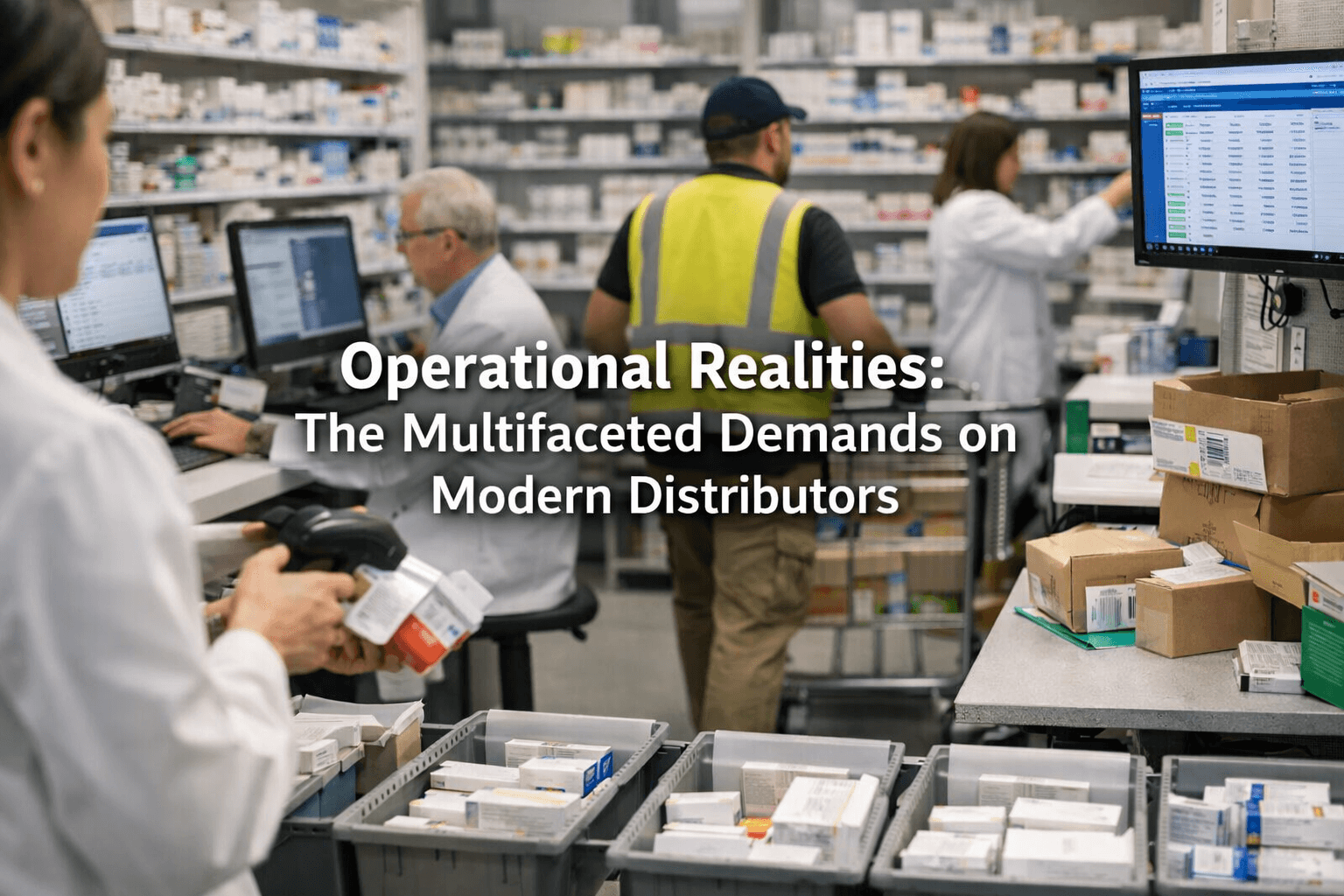
The role of a pharmacy wholesale distributor has evolved into a complex, multi-disciplinary function. It is no longer sufficient to simply move boxes from point A to point B. Today’s leading distributors must operate as integrated service providers, navigating a trifecta of commercial, regulatory, and technological pressures. From a commercial perspective, they must support new product launches with merchandising muscle, ensuring products gain immediate visibility in a crowded retail environment. On the regulatory front, the burden of compliance is immense. Distributors are the critical checkpoint for ensuring all products have valid Notification of Registration (NOT) or Medical Device Authority (MDA) approvals from the NPRA (National Pharmaceutical Regulatory Agency). They must maintain impeccable Good Distribution Practice (GDP) standards, which govern everything from warehouse temperature control to transportation logistics and documentation traceability. This is especially essential for temperature-sensitive SKUs like insulin or certain vaccines, where cold-chain capabilities are non-negotiable. Furthermore, they are tasked with the reverse logistics of managing product returns and the ethical disposal of expired stock, a process that must be meticulously documented to satisfy audit trails. This multifaceted role turns the distributor into a pharmacy’s first line of defense against stockouts, compliance fines, and product integrity issues.
The Malaysian Context: Tailored Challenges and Strategic Adaptations
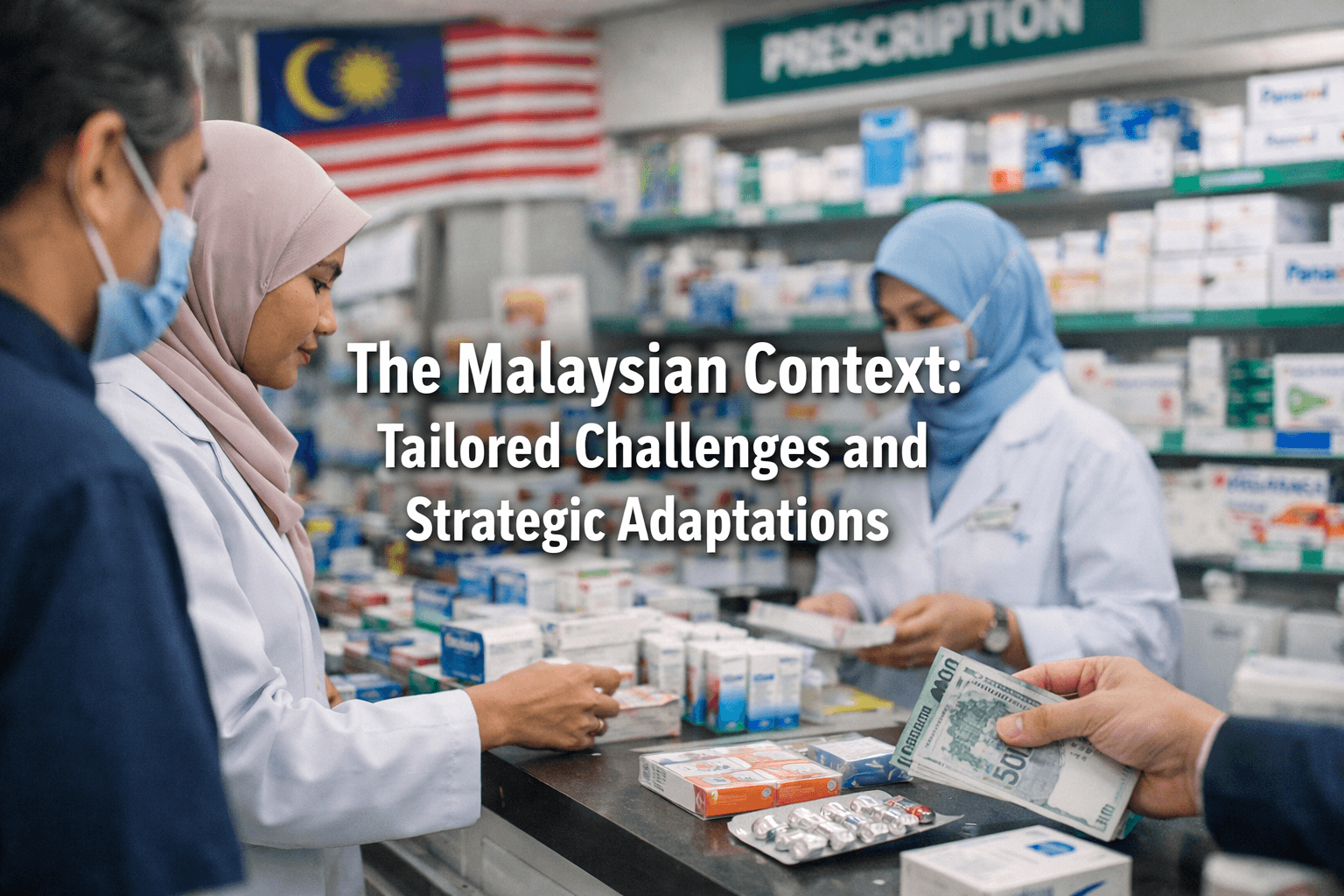
The operational model of a distributor must be finely tuned to the unique contours of the Malaysian, and specifically Klang Valley, market. Urban density, traffic congestion, and the diverse mix of retail formats—from hypermarkets to boutique suburban pharmacies—create distinct challenges. A strategic distributor operating here doesn’t offer a one-size-fits-all solution; they provide tailored logistics frameworks. For instance, servicing a large chain pharmacy in the heart of Bukit Bintang requires a different approach than supporting an independent community pharmacy in the residential lanes of Damansara Heights. The former may require large, scheduled pallet deliveries to a central warehouse, while the latter needs frequent, smaller consignments with flexible timing to avoid peak traffic. Furthermore, distributor pharmacy teams must be adept at navigating local KKM (Kementerian Kesihatan Malaysia) regulations, which can vary in enforcement emphasis from one district to another. A proven distributor in this market will have developed robust last-mile delivery solutions that account for Kuala Lumpur’s infamous road conditions, perhaps utilizing a hub-and-spoke model with strategically located micro-fulfillment centers to guarantee timely restocks. Their success is measured not just in delivery speed, but in their ability to be a reliable and adaptive partner amidst local complexities.
A Tale of Two Models: Chain Pharmacies and Independent Outlets
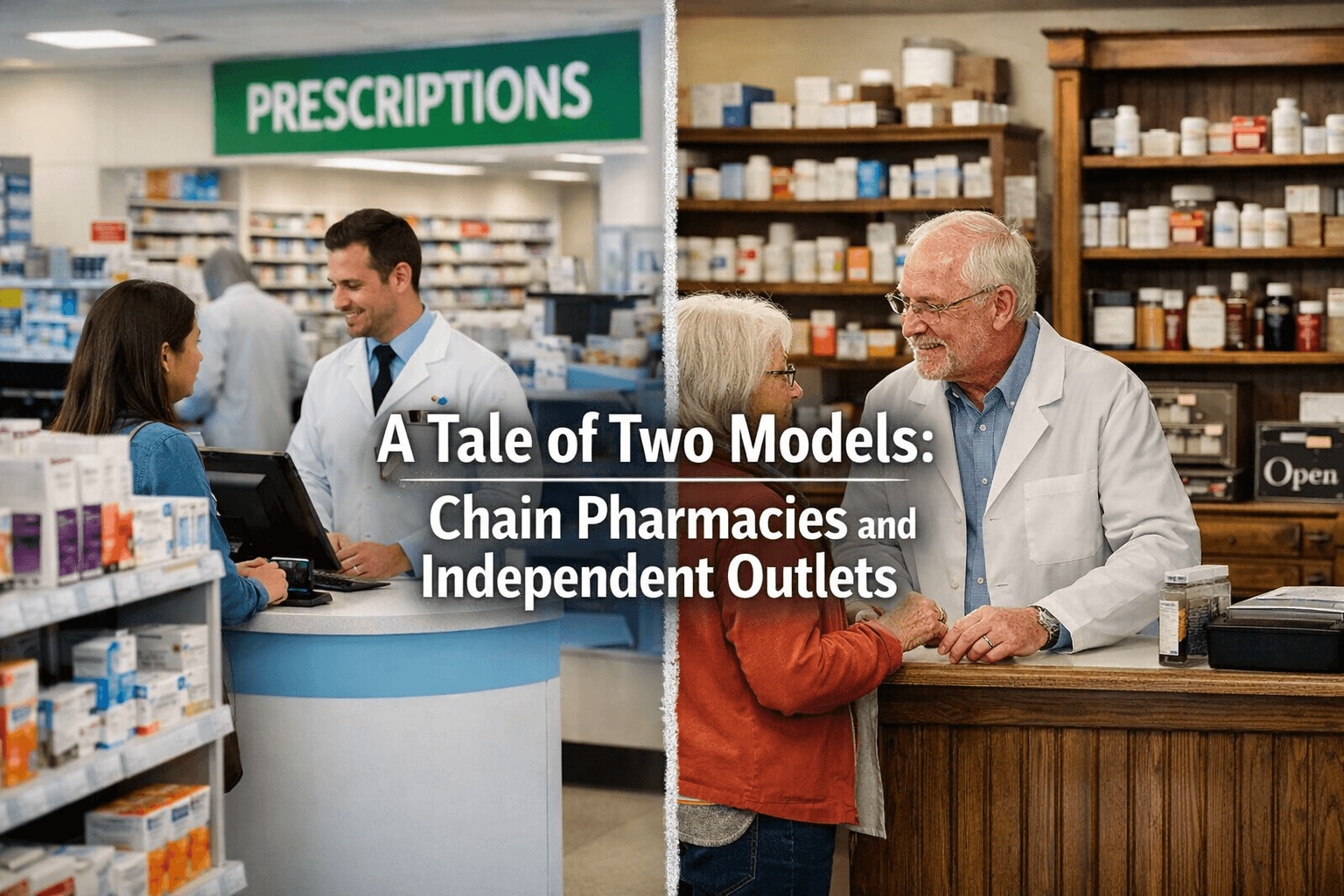
The distributor’s role shifts significantly depending on whether they are servicing a national retail chain or an independent community pharmacy. This difference highlights the need for strategic flexibility in a distributor’s service portfolio. For large retail chain pharmacies, the partnership priorities are scale, consistency, and nationwide program execution. Distributors working with chains must manage high-volume SKU movements, ensure uniform planogram compliance across dozens of outlets, and synchronize perfectly with national promotional campaigns. Their systems need to integrate seamlessly with the chain’s central inventory management software, often requiring dedicated EDI (Electronic Data Interchange) links. The value proposition here is built on efficient, error-free logistics that support massive scale.
Conversely, partnering with an independent pharmacy demands a different set of competencies. Here, the distributor becomes a tailored business support arm. The independent pharmacist values a partner who offers flexibility in minimum order quantities, provides expert advice on niche product selection, and can react quickly to sudden stock demands. The relationship is often more personal and collaborative. A distributor might provide a dedicated merchandising representative to help the single-pharmacist owner design an effective shelf layout or set up a seasonal display for flu vaccinations. The following comparison table illustrates these divergent, yet equally critical, partnerships:
| Operational Focus | Independent Pharmacy Partnership | Retail Chain Partnership |
|---|---|---|
| Core Distributor Value | Adaptability & Niche Support | Scale & Nationwide Consistency |
| Order Profile | Frequent, Low-Volume, Mixed SKUs | Scheduled, High-Volume, Palletized |
| Merchandising Support | Tailored, Hands-on In-Store Assistance | Standardized Planogram Rollouts & Compliance Audits |
| Communication Dynamic | High-Touch, Personal Account Management | Structured, System-Driven via Central Procurement |
| Key Performance Indicator | Order Fill Rate & Response Time to Special Requests | On-Time In-Full (OTIF) Delivery & Cost-Per-Line-Item |
Perspectives from the Frontlines: Pharmacists, Brand Managers, and Distributors
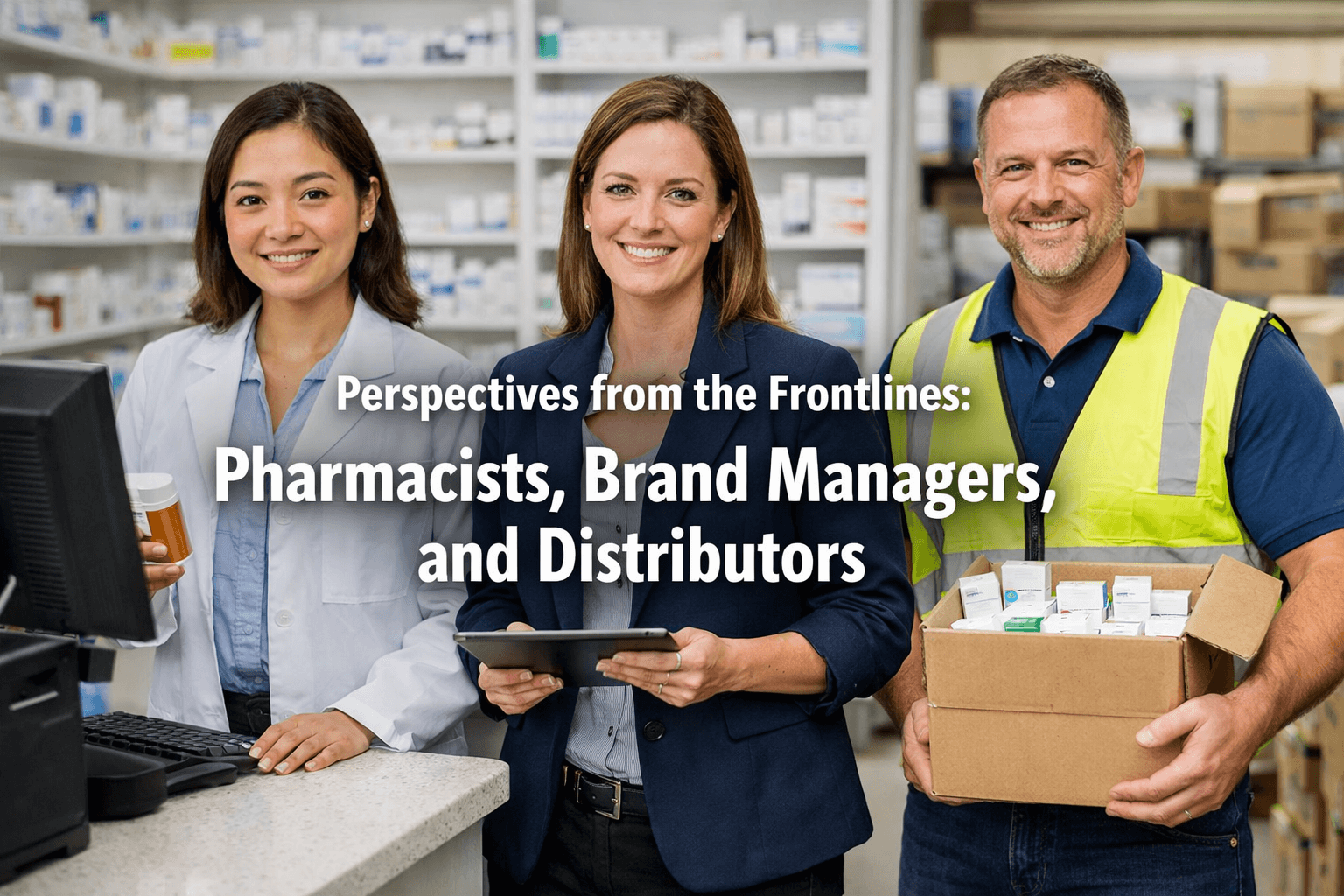
To fully appreciate the ecosystem, one must consider the viewpoint of each key stakeholder. For the pharmacist, especially an independent owner, the distributor is a lifeline. Their primary concern is product availability. “My reputation is on the line every time I tell a customer we’re out of stock,” a pharmacy owner in Petaling Jaya might say. They rely on their pharmacy distributor Malaysia partner not just for speed, but for intelligence—alerting them to impending regulatory changes on a product line or suggesting alternative SKUs during a manufacturer shortage. They need a partner who understands that their small business cannot afford to hold vast inventory, making the distributor’s reliable restocking cycle absolutely essential.
From the brand manager’s perspective, the distributor is the critical bridge to shelf presence. For a global brand launching a new supplement line in Malaysia, the distributor’s local knowledge and retail relationships are invaluable. The brand manager evaluates distributors on their ability to execute store-level activations, secure premium shelf space, and provide detailed sell-through data. They are less concerned with warehouse temperatures and more with market penetration velocity and on-shelf visibility. A breakdown here means a failed launch, regardless of the product’s quality.
Finally, the distributor’s own team operates under immense pressure, balancing the competing demands of their clients. Their daily reality involves optimizing delivery routes across Klang Valley, ensuring GDP protocols are followed to the letter in the warehouse, and fielding urgent calls from pharmacists needing an emergency delivery. Their expertise lies in creating efficient systems that appear invisible when working perfectly but are glaringly obvious when they fail. Their success is a quiet, behind-the-scenes orchestration of people, technology, and processes.
Real-World Scenarios: Distribution Excellence in Action Across KL
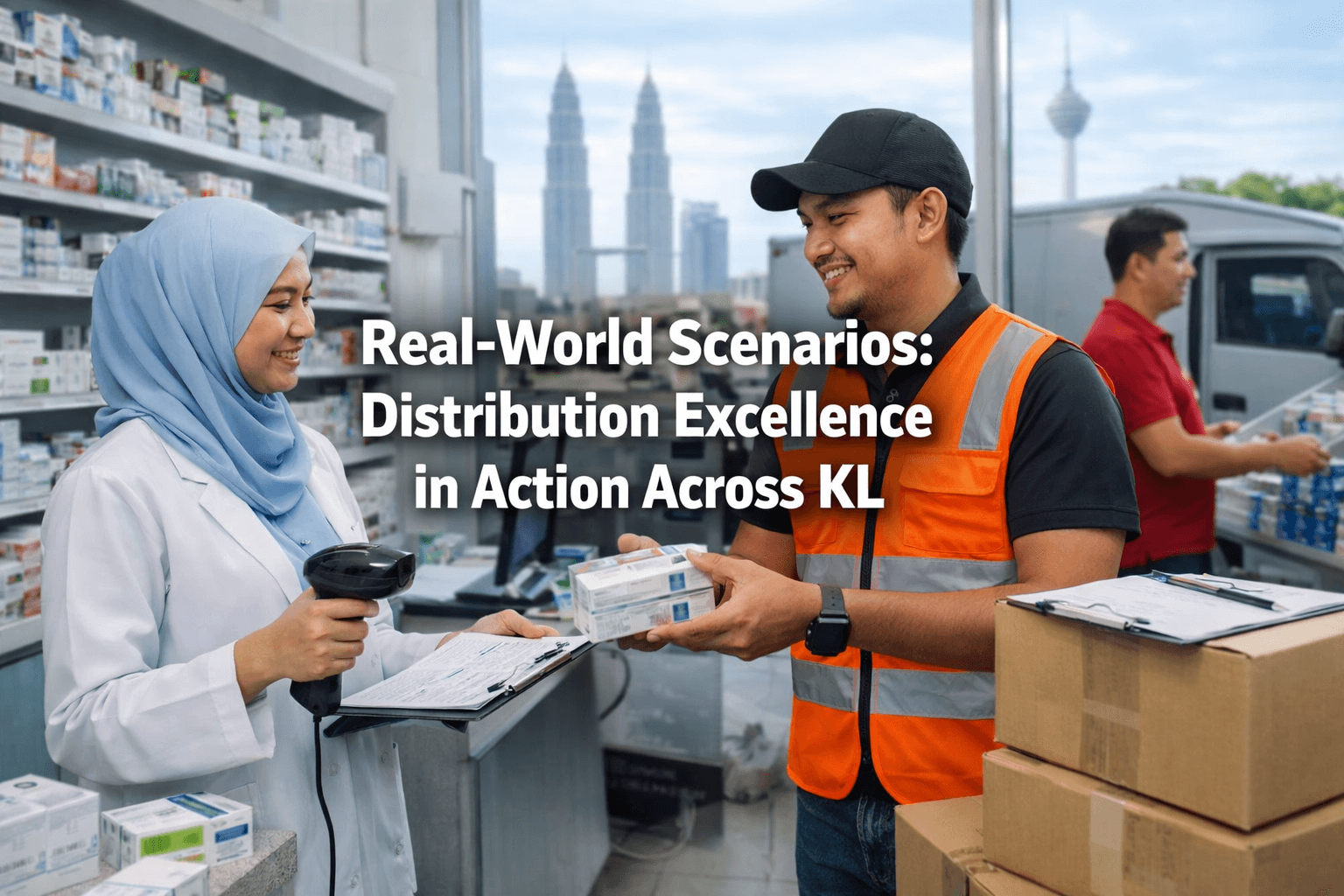
Consider how this plays out in specific Kuala Lumpur scenarios. First, imagine a WellnessCare Pharmacy in Ampang deciding to run a community diabetes screening campaign. This isn’t just a marketing event; it’s a strategic inventory and logistics challenge. Their distributor pharmacy partner must be alerted weeks in advance to ensure sufficient stock of glucose test strips, lancets, and educational materials. On the day, the distributor might provide a dedicated merchandising unit for the event and ensure extra stock of related chronic care medicines is in the store. This tailored, proactive support turns a health campaign into a trusted community service and a commercial success.
Second, take VitaLife Pharmacy in Sri Hartamas, specializing in high-end probiotics and supplements requiring strict cold-chain storage. Their chosen distributor must have a proven, unbroken temperature-controlled logistics line—from their chilled warehouse to refrigerated trucks to final placement in the pharmacy’s chiller cabinet. Any deviation can ruin product efficacy and put patient health at risk. The distributor’s reliable handling of these temperature-sensitive SKUs is not a premium service here; it is the absolute baseline requirement for the partnership.
Finally, look at a large chain like MyMed Pharmacy in TTDI, which is rolling out a new range of digital health tech devices across all its branches. Their national-scale distributor must coordinate a synchronized delivery, provide training materials to staff at each location, and manage the complex reverse logistics for any demonstration units. The distributor’s ability to execute this efficiently and uniformly across multiple outlets directly impacts the chain’s ability to present itself as a modern, expert leader in digital health retail. In each case, the distributor’s operational model is subtly different, yet fundamentally focused on enabling the pharmacy’s core promise to its customers.
Learn more: Cold chain and logistics management
The Unseen Framework of Public Trust
In the bustling heart of Kuala Lumpur’s healthcare retail sector, a pharmacy’s public image is built on visible factors: a clean store, a knowledgeable pharmacist, and well-stocked shelves. Yet, beneath this surface lies an invisible, non-negotiable framework that dictates true, sustainable success: regulatory compliance. This isn’t merely a box-ticking exercise; it is the very bedrock of public safety and professional credibility. In Malaysia, the National Pharmaceutical Regulatory Agency (NPRA) and the Ministry of Health (KKM) establish a rigorous set of standards designed to protect patients from counterfeit drugs, improperly stored medicines, and mislabeled products. A pharmacy’s relationship with these regulations is mediated almost entirely through its supply chain partner. Therefore, a distributor’s mastery of compliance protocols is not a value-added service—it is the essential, foundational element that allows a pharmacy to operate legally and safely. The strategic importance of this cannot be overstated; a single compliance failure can result in severe fines, product recalls, a suspended license, and irreversible damage to trusted reputation that took years to build.
Learn more: How to Ensure Regulatory Compliance for Pharmacy Distribution in Malaysia | Good Manufacturing Practices in Malaysia: 2026 GMP Guide
The Distributor as a Compliance Conduit: A Malaysian Operational View
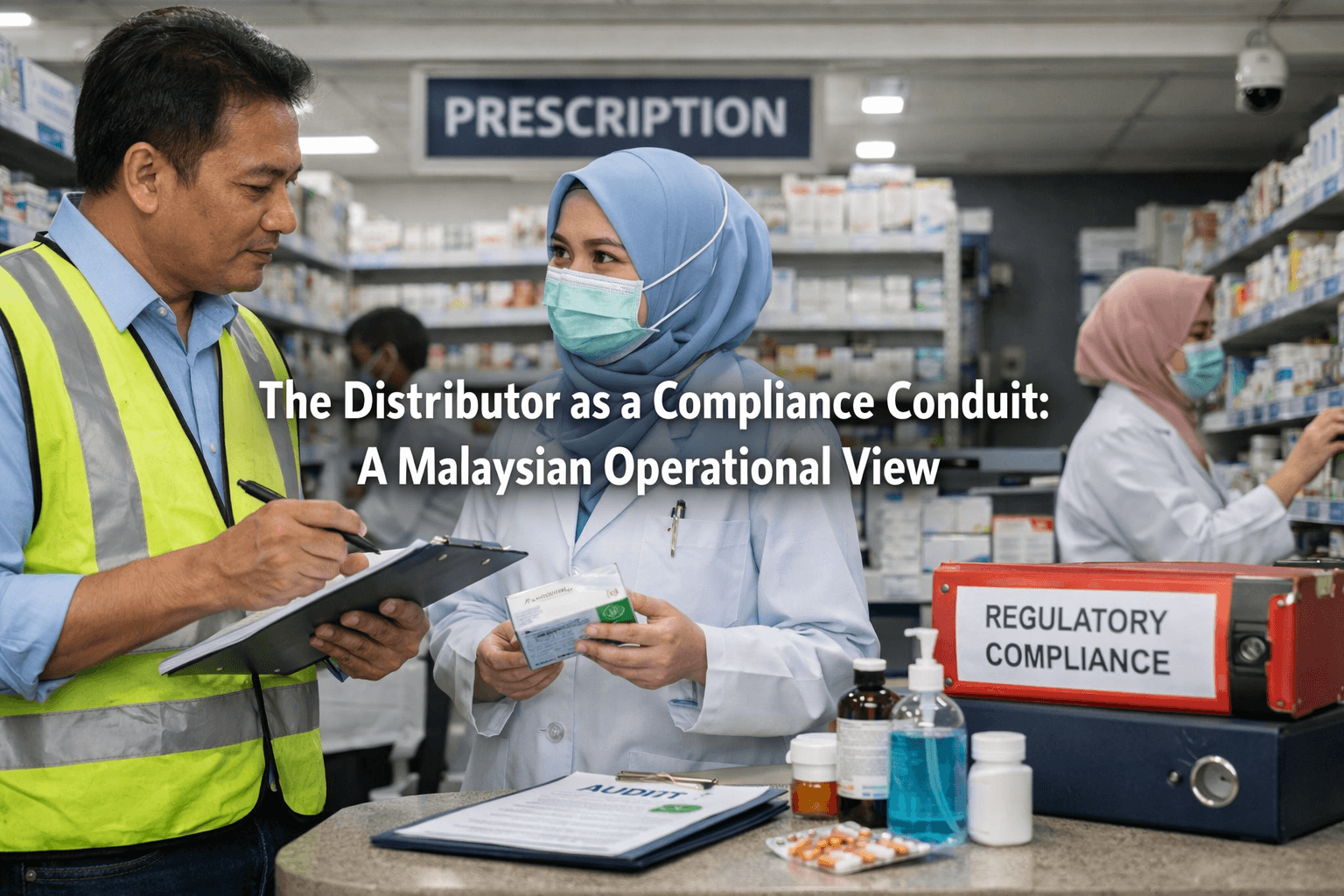
Pharmacy wholesale distributors in Malaysia function as the critical compliance conduit between manufacturers and retail points. Their operational model must be intrinsically designed to meet and exceed local regulatory demands. This encompasses several key pillars. First is the verification and management of product registrations, including the Notification of Registration (NOT) for over-the-counter products and Medical Device Authority (MDA) approvals. A reliable distributor maintains meticulous records, ensuring every SKU in their warehouse and subsequently delivered to a pharmacy has the correct, current regulatory status. Second is the adherence to Good Distribution Practice (GDP), a quality system for warehousing and transportation. In the context of Malaysia’s tropical climate, GDP warehousing with cold-chain capabilities is particularly vital for temperature-sensitive pharmaceuticals like insulin, certain antibiotics, and biologics. The distributor’s role extends to managing the entire lifecycle, including the ethical disposal of expired stock through approved reverse logistics channels. For example, during a recent NPRA enforcement blitz in the Klang Valley, pharmacies that partnered with distributors boasting proven, audit-ready SOPs navigated the inspections seamlessly, while others faced operational disruptions and penalties. This real-world scenario underscores how a distributor’s expert compliance framework directly shields the pharmacy from risk.
Learn more: The Role of Pharmacy Distribution Services in Malaysia’s Healthcare System | A Global Review of Good Distribution Practices
The Visual Advantage: Strategic Merchandising as a Performance Driver
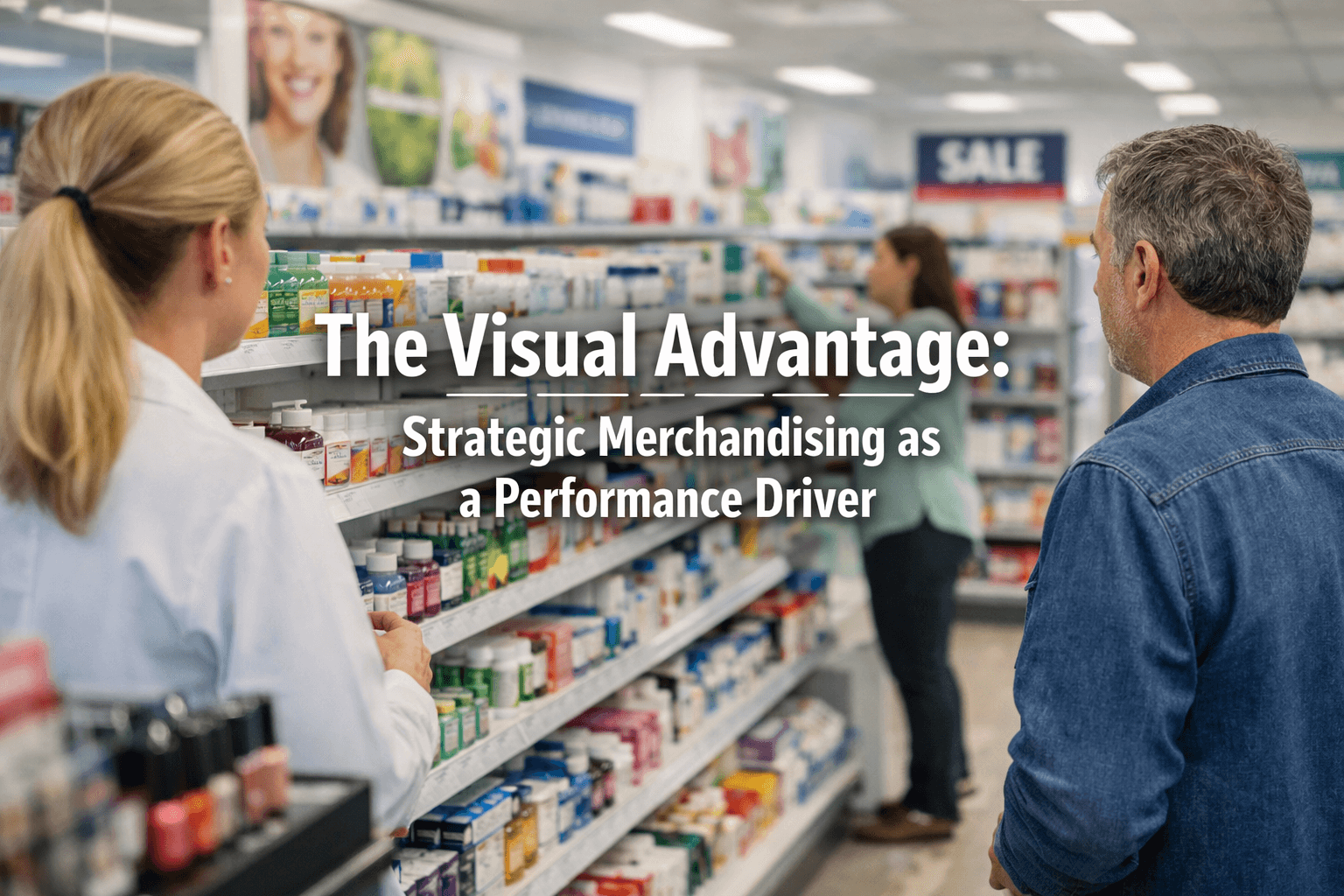
While compliance secures a pharmacy’s right to operate, strategic merchandising determines its commercial vitality. In the visually saturated retail environments of KL’s malls and high streets, a pharmacy’s layout and product presentation are powerful commercial tools. Leading outlets leverage data-informed merchandising strategies, often executed in collaboration with their pharmacy distributor Malaysia partners or specialized firms, to optimize customer engagement and sales conversion. This goes beyond simple shelf-stocking; it involves shelf zoning to highlight high-margin or essential items, systematic planogram compliance audits to ensure optimal facings, and the effective use of point-of-sale materials (POSM) like posters and testers to create immersive brand experiences. There are several common models for achieving this visual edge, each with distinct advantages and trade-offs, as illustrated in the comparison below:
| Merchandising Model | Primary Advantage | Key Consideration | Ideal For |
|---|---|---|---|
| Distributor-Led Merchandising | Efficient, integrated with logistics; ensures basic planogram adherence. | Can lack deep customization for a specific pharmacy’s unique customer base. | Pharmacies seeking a streamlined, cost-effective solution with reliable execution. |
| Brand-Sponsored Merchandising | High-impact, expert product knowledge; ideal for new launch campaigns. | Coverage can be inconsistent; may prioritize brand goals over overall store flow. | Driving awareness for specific product categories or during promotional periods. |
| In-House Merchandising Teams | Tailored control, deep understanding of local shopper behavior and store identity. | Requires significant investment in training, manpower, and ongoing management. | Large pharmacy chains or specialty independents with a strong, distinct brand identity. |
A practical example of this synergy can be seen in a collaboration between a health supplement brand and a cluster of pharmacies in Bangsar. The brand manager reported a 23% increase in in-store sales after the pharmacies agreed to an integrated merchandising program. This program combined the distributor’s efficient restocking with the brand’s expert ambassadors to create dynamic sampling stations and optimized shelf placements, demonstrating that collaborative, strategic merchandising directly translates to superior return on investment (ROI) and competitive shelf impact.
Learn more: Pharmacy Merchandising Services in Malaysia: What You Should Know | The Future of Pharmaceutical Marketing in Malaysia
Voices from the Ecosystem: Compliance and Merchandising Through Different Lenses
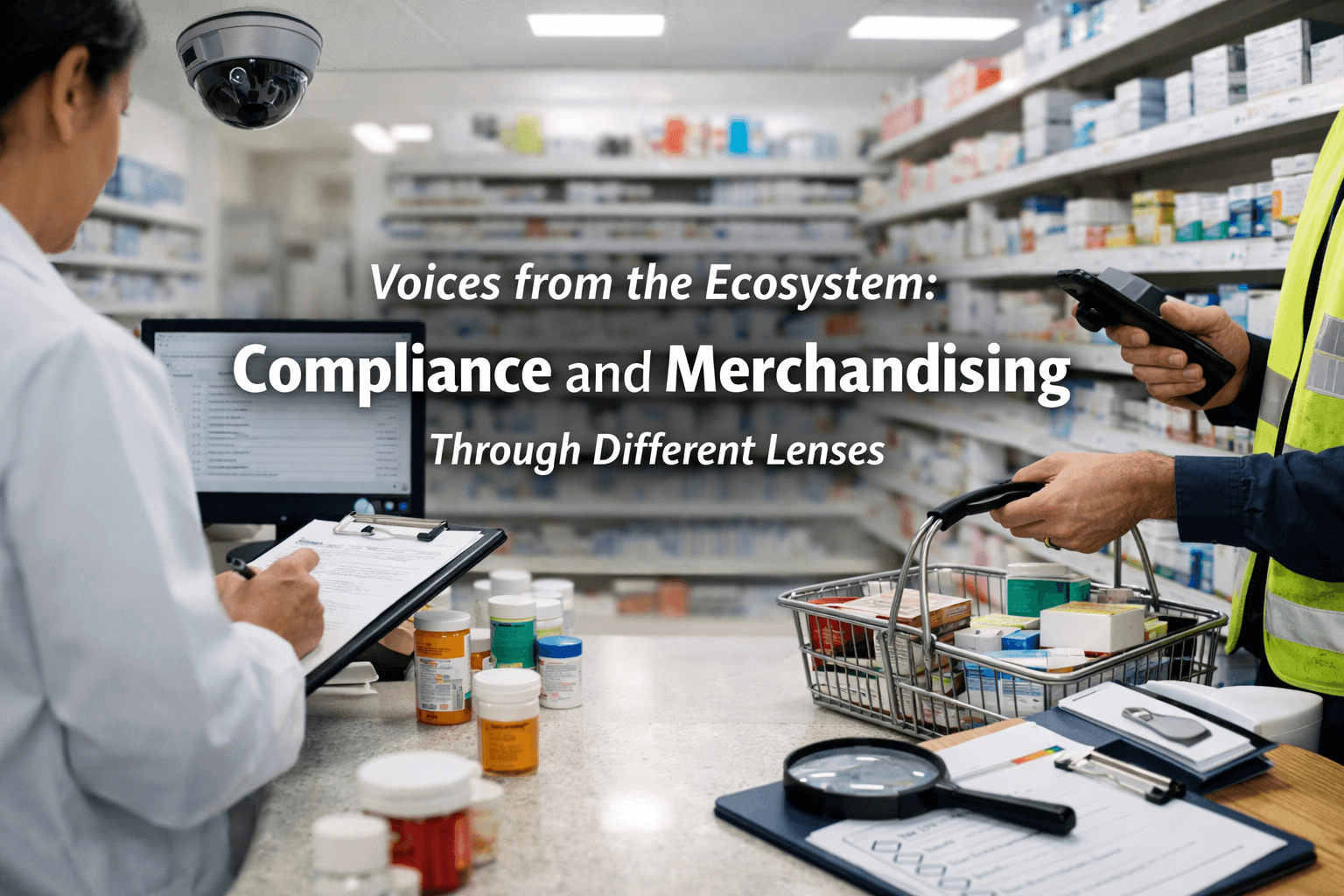
The interconnected nature of compliance and merchandising is perceived differently by each stakeholder in the value chain. For the pharmacist, especially an owner-manager, compliance is a daily operational anxiety. Their perspective is fundamentally risk-averse: “My license and my patient’s safety are on the line with every delivery,” a community pharmacist in Cheras might state. They depend on their distributor pharmacy partner to be an unerring source of regulatory assurance, providing perfectly documented shipments and immediate alerts on any product advisories. Their view on merchandising is often pragmatic—it must drive sales without cluttering the store or compromising the professional, healthcare-centric atmosphere.
From the brand manager’s viewpoint, compliance is the entry ticket, and merchandising is the game. For a global pharmaceutical company, ensuring their cold-chain products are handled within strict GDP protocols by the distributor is a non-negotiable precondition for market entry. Once that’s secured, their focus shifts entirely to on-shelf visibility and execution excellence. They evaluate distributors and pharmacies on their ability to secure prime shelf positioning, implement planograms accurately, and provide actionable sell-through data. A lapse in merchandising, to them, represents a direct loss in market share.
The distributor’s own operational team sits in the middle, balancing these demands. They must maintain a GDP-certified warehouse that can pass a surprise NPRA audit at any moment, a task requiring relentless discipline. Simultaneously, their field merchandising teams are tasked with translating commercial plans into shelf reality across dozens of unique store layouts. Their strategic value lies in this dual capability: acting as a reliable guardian of regulatory integrity while also being a proven commercial accelerator for their pharmacy and brand partners.
A Local Blueprint for Success: Collaboration in Action

The tangible impact of a holistic distributor-pharmacy partnership is best demonstrated through local cases. Consider the transformation of NovaWell Pharmacy in Setapak. Despite a high-traffic location, the pharmacy faced challenges with inconsistent stock availability and a cluttered, unappealing store layout that failed to capitalize on seasonal wellness trends. Their engagement with a mid-sized pharmacy distributor Malaysia firm shifted this trajectory entirely. The partnership moved beyond simple logistics to encompass full-service support, including inventory management to improve stock turnover, a tailored merchandising overhaul, and hands-on assistance with KKM compliance documentation.
The outcomes, tracked over six months, were telling:
Shelf compliance rates soared to 92%, creating a visually coherent and shoppable environment.
The repeat customer rate increased by 18%, indicating stronger customer satisfaction and loyalty.
During a routine inspection, the pharmacy received a full compliance pass from the NPRA, with auditors specifically noting the excellent condition and documentation of stock.
This case underscores a critical modern truth: a trusted distributor is no longer just a vendor moving boxes. They function as an integral part of the pharmacy’s operational backbone, directly influencing front-end commercial performance and back-end regulatory resilience. The collaboration proved that strategic alignment in systems and goals is a powerful catalyst for moving from average to exceptional performance.
Frequently Asked Questions (FAQ)
Q1: What is pharmacy and why is it important?
Answer: Pharmacy is the health profession that links the health sciences with the chemical sciences. It is concerned with the discovery, production, disposal, safe and effective use, and control of medicines and drugs. It is important because pharmacists, as experts in medicines, ensure the safe and optimal use of medications to improve patient health outcomes, prevent disease, and provide essential healthcare advice.
Q2: What services does a pharmacy provide?
Answer: Pharmacies provide a wide range of services, including dispensing prescription medications, offering over-the-counter (OTC) products and advice, providing medication management and counseling, administering certain vaccinations, conducting health screenings, and offering pharmacy care services (e.g., managing minor ailments, chronic disease management support).
Q3: What are pharmacy care services?
Answer: Pharmacy care services, often interchangeable with pharmaceutical care or advanced services, are patient-centered and outcomes-oriented practices where pharmacists work to design, implement, and monitor a therapeutic plan that will produce specific patient outcomes. Examples include Medication Therapy Management (MTM), chronic disease state management, immunization services, and support for smoking cessation.
Q4: Why is pharmacy first important?
Answer: “Pharmacy First” is a common term for schemes that allow patients to seek treatment and advice for minor illnesses directly from a community pharmacy, often without needing to see a GP. It is important because it improves patient access to convenient care, utilizes the pharmacist as a highly accessible healthcare professional, and reduces pressure on other NHS or healthcare services like GP surgeries and emergency departments.
Q5: What is the function of the pharmacy services?
Answer: The primary function of pharmacy services is to ensure that patients receive the appropriate medicines in the correct dose, along with the necessary information and support for their safe, effective, and rational use. This includes inventory management, compounding, dispensing, patient education, and collaboration with other healthcare providers.
Q6: What is pharmacy first service?
Answer: The Pharmacy First service (as implemented in the UK, for example) is a scheme that enables pharmacists to provide advice and, when appropriate, treatment (including prescription-only medicines via Patient Group Directions or by prescribing) for a defined set of common minor ailments (e.g., earache, sore throat, uncomplicated UTIs) directly in the pharmacy, expanding the pharmacist’s clinical role.
Q7: What services are offered by retail pharmacy?
Answer: Retail (or community) pharmacies offer services directly to the public, including dispensing prescriptions, selling over-the-counter medicines and health products, providing medication consultation, administering vaccinations (e.g., flu shots), offering health screening (e.g., blood pressure checks), managing minor ailments, and providing advice on healthy living.
Q8: Why is a pharmacy important?
Answer: A pharmacy is important because it serves as the most accessible healthcare point in many communities. It is crucial for safe and accurate medication dispensing, preventing drug interactions, offering essential health advice, providing primary healthcare interventions, and bridging the gap between patients and prescribers, thereby playing a vital role in public health.
Q9: What are the three types of pharmacies?
Answer: The three main types of pharmacy practice are generally categorized as:
- Community (Retail) Pharmacy: Pharmacies that serve the public directly in a community setting.
- Hospital (Institutional) Pharmacy: Pharmacies located within hospitals and healthcare facilities, serving inpatients and medical staff.
- Industrial (Pharmaceutical) Pharmacy: Involving roles in drug research, manufacturing, quality control, marketing, and regulatory affairs within the pharmaceutical industry.
Q10: Why is good pharmacy practice important?
Answer: Good Pharmacy Practice (GPP) is important because it establishes the standards for quality pharmacy services worldwide, ensuring that pharmacists provide care focused on the patient’s well-being and their use of medicines. GPP ensures safe dispensing, accurate information, professional advice, ethical conduct, and the overall goal of maximizing the positive health outcomes of patients.
The landscape for Kuala Lumpur’s pharmacies in 2025 is defined by a dual mandate: achieving unwavering regulatory compliance while executing commercially astute retail operations. Excellence is no longer a matter of choosing one over the other. The top-performing pharmacies, as highlighted throughout this analysis, understand that these elements are intertwined, each supported by a strategic partnership with a capable supply chain partner. This partner does more than deliver goods; they provide the expert framework for safety, the efficient engine for growth, and the reliable collaboration needed to thrive in a complex market. The future belongs to those who view distribution not as a cost, but as a proven cornerstone of sustainable, trusted healthcare retail.
How can we assist you today? 😊
Just let us know—we’re here to help!